
Review · KYOTO
Visiting to Katsura Imperial villa and tea ceremony experience
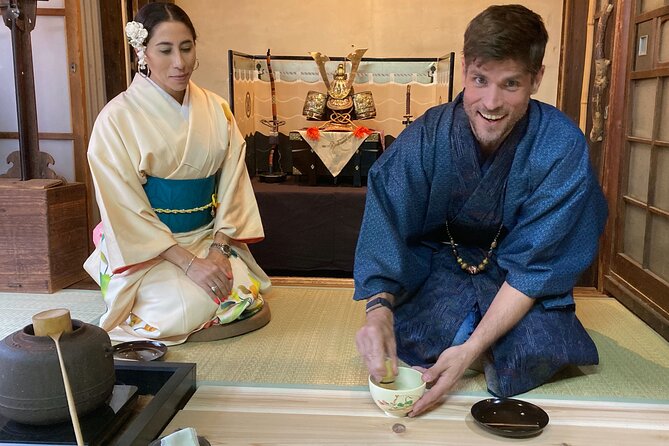
Katsura Imperial Villa is the star here. Built in 1615, its circular garden and Sukiya-style tea houses have changed very little in 400 years. After touring the villa, you return to a 100-year-old traditional house, put on an antique kimono, and learn the basics of tea ceremony from Tokusaburo Miyagawa, a fourth-generation kimono shop owner.
I like two things right away: the tour handles the villa’s limited admission arrangements, and it joins that visit with a quieter, more personal tea lesson. You also get round-trip transport from the shop, help choosing and wearing an early-Showa kimono, local Japanese sweets, and two cups of matcha.
The main drawback is value. At $169.90 per person, this is far more than a simple villa entry ticket. The price makes sense only if you want the kimono, transport, tea instruction, and help securing admission. Also, English guidance at the villa may come through a prerecorded headset rather than directly from Tokusaburo.
Key Points Before You Book
- Katsura admission is arranged for you: Entry is limited and tied to specific visiting times, so the operator handles the difficult ticket process.
- The villa visit comes first: You meet at the shop at 1:00 p.m., dress in your kimono, and travel about five minutes by car to Katsura Imperial Villa.
- The kimono is part of the lesson: You select an antique kimono and obi with advice from Tokusaburo, then receive professional dressing assistance.
- Tea takes place in a historic home: The ceremony is held at the shop in a 100-year-old traditional Japanese house, not in a crowded tourist venue.
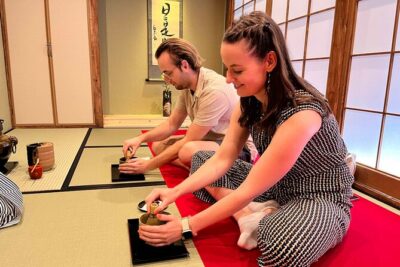
- You get practical tea instruction: The experience includes a demonstration, guidance on preparing and drinking matcha, Japanese sweets, and two cups of tea.
- English support has limits: English service is available, but the villa portion may use an audio headset and a scheduled Japanese-led group tour.
Why Katsura Imperial Villa Is the Real Prize
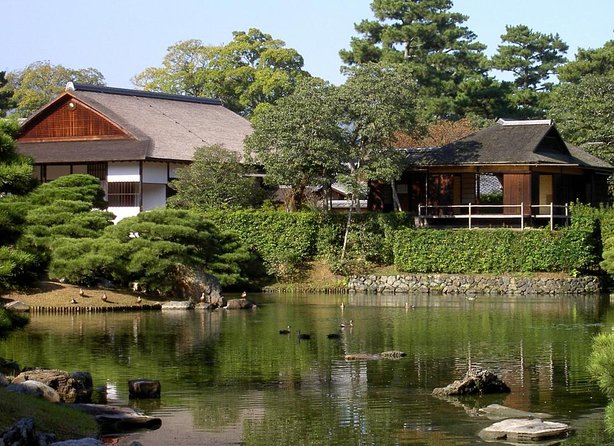
Katsura Imperial Villa is not simply an old residence with a garden attached. It was built as an imperial villa in 1615, with the garden and tea houses designed as one carefully ordered setting. The point is not grand decoration. The appeal is restraint, proportion, changing views, and the way paths reveal one scene at a time.
The villa is famous for its circular garden. As you walk, the setting changes constantly, with garden paths, water, trees, bridges, and tea houses arranged to give you different views. The design reflects a Japanese preference for controlled simplicity rather than heavy ornament.
The buildings use the Sukiya style associated with tea culture. That means natural materials, modest scale, and careful attention to texture and space. Even small details can carry weight. A doorway, a roofline, or the position of a window may be designed to frame the garden or shape how you enter a room.
This is also why Katsura has drawn international attention. German architect Bruno Taut praised its beauty, helping introduce the villa’s design to a wider audience. You do not need to be an architect to appreciate it, but it helps to slow down and notice how little the setting needs to make an impression.
The entry arrangement is a practical reason to consider this tour. Katsura Imperial Villa can only be visited by people with permission during limited hours, and numbered admission tickets can be difficult to secure. The operator arranges the same-day ticket, including the villa admission fee, which removes a significant piece of planning from your day.
More Tea Ceremony Experiences in Kyoto:
- Kyoto: Tea Ceremony in a Traditional Tea House in Kiyomizu
★ 4.9 · 3,519 reviews - Kyoto: Tea Ceremony Ju-An at Jotokuji Temple
★ 4.9 · 3,207 reviews - Kyoto: 45-Minute Tea Ceremony Lesson Experience
★ 4.3 · 2,378 reviews
What Happens at the 1:00 p.m. Meeting Point
You meet at Miyagawa Tokusaburo Shoten, at 32-4 Katsuranozatocho in Kyoto’s Nishikyo Ward. The scheduled start is 1:00 p.m., and the activity lasts about three hours.
The shop is about five minutes by car from Katsura Imperial Villa. Transportation from the shop to the villa and back is included, so you do not need to work out a separate taxi ride between the two parts of the experience.
The arrangement is private for your group, which is useful at the shop and during the tea portion. Tokusaburo accompanies you and takes responsibility for the day’s arrangements. That personal involvement is one of the experience’s strongest features, particularly if you want someone to manage the timing and explain how the different parts connect.
Still, keep the villa portion in perspective. One detailed account describes the garden visit as part of a scheduled group tour led in Japanese, with English information provided through a prerecorded headset. Tokusaburo may escort you, but he is not necessarily the person giving the full villa commentary in English.
That distinction matters. If you expect a private, English-speaking guided tour of every room and garden feature, you may be disappointed. If you mainly want reliable access, a well-organized visit, and English audio support, the arrangement is more likely to suit you.
Choosing an Antique Kimono and Obi
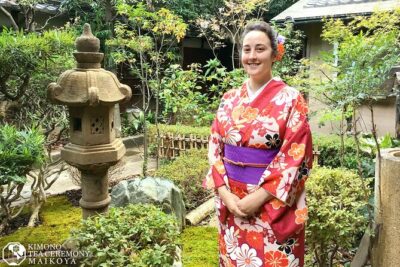
Before or around the villa visit, you select an antique kimono and obi with advice from Tokusaburo. His family has been in the kimono business for four generations, and he explains the design and the occasions when kimonos are worn.
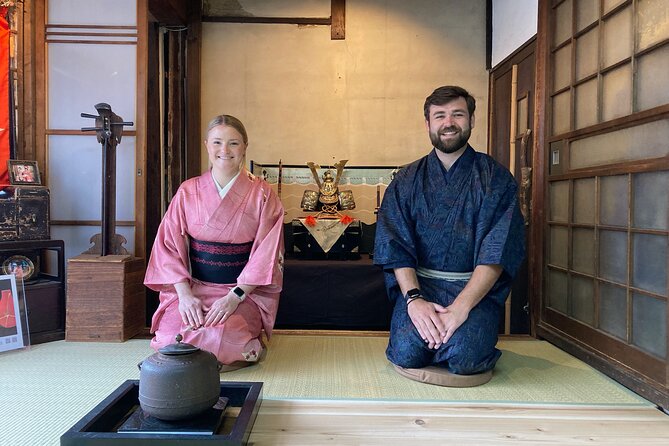
The clothing is described as antique, from the early Showa period. That gives the activity more character than a standard costume rental. You are not simply handed a bright outfit for photographs. You are introduced to the clothing as part of Japanese social and artistic life.
Staff dress you in the kimono, including the obi. This is important because traditional kimono dressing can be complicated, and the final fit affects how comfortable you feel walking and sitting during the rest of the experience.
You should think about comfort before you book. A kimono is formal clothing, and the day includes a garden visit followed by sitting for tea. The supplied details do not specify the exact fabrics, footwear, or dressing time, so ask the operator if you have concerns about mobility or clothing requirements.
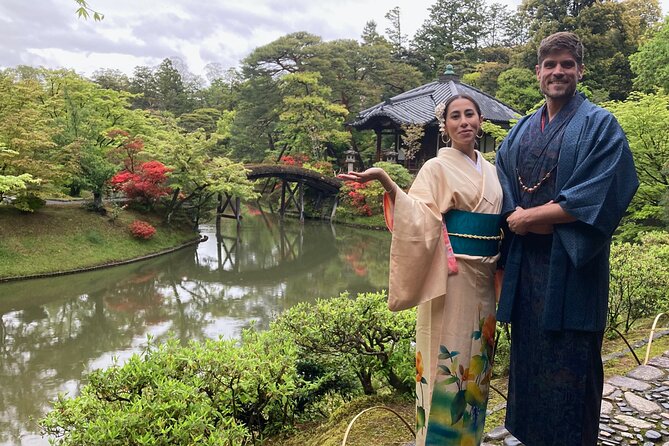
The kimono also changes the feel of the villa visit. You will be visiting an imperial garden in traditional dress, which can make the day feel more connected to the setting. It is also useful for photographs, though the clothing should be treated as part of the cultural experience rather than a simple photo prop.
Walking Through the Garden in Kimono
Katsura’s garden is the heart of the first half of the tour. Its design has remained almost unchanged for four centuries, apart from renovations, and the visit gives you a chance to see the relationship between Japanese garden design and tea culture.
The circular layout is meant to be experienced by moving through it. You do not take in the whole garden from one viewpoint. Paths and carefully placed buildings create a sequence of scenes, with the garden revealing itself gradually.
The tea houses are especially important. They show how the villa’s architecture and garden were planned together. Rather than separating a grand residence from a decorative park, Katsura places tea spaces within the garden, making the walk itself part of the experience.
The tour information describes an internationally acclaimed garden and Sukiya-style tea house. It does not promise access to every interior space, and the villa visit follows its own admission rules. Plan on appreciating the overall garden, architecture, and design rather than expecting a free-roaming visit.
The prerecorded English headset is a practical compromise. It can provide accurate information, but it does not offer the easy back-and-forth of a live English guide. You will want to pay attention to the timing and stay with the scheduled group during the villa portion.
A few more tea experiences around Kyoto worth a look
- Kyoto: Table-Style Tea Ceremony at a Kyo-Machiya
★ 4.9 · 1,211 reviews - Kimono Tea Ceremony at Kyoto Maikoya, NISHIKI
★ 5.0 · 911 reviews - Kyoto: Kimono Tea Ceremony at Orizuruya Gion
★ 4.9 · 618 reviews - Kyoto: Tea Ceremony in 100-year-old Kyo-Machiya Townhouse
★ 4.8 · 546 reviews
Tea in a 100-Year-Old Traditional House
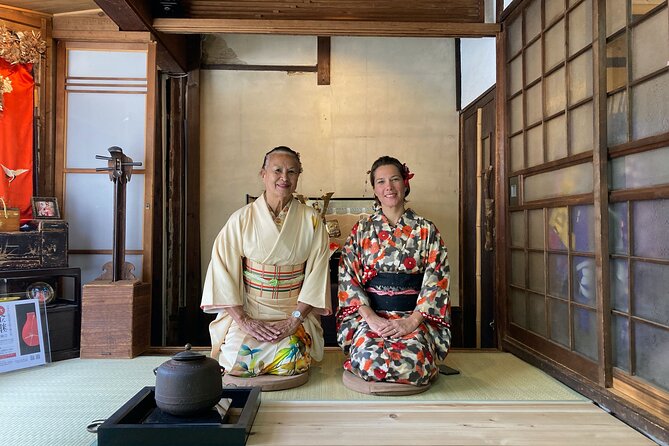
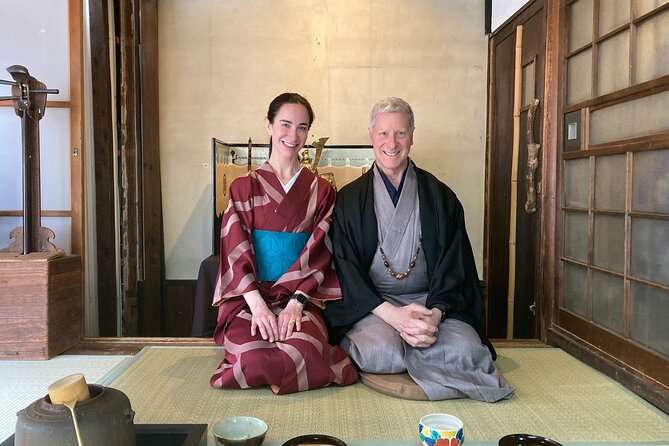
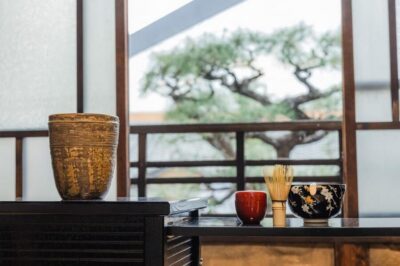
After Katsura Imperial Villa, you return to the shop for the tea ceremony. The setting is a 100-year-old traditional Japanese house, and the atmosphere is intended to be quieter than what you find in central Kyoto.
That quieter setting is valuable. Tea ceremony is built around attention: the movement of the host, the placement of utensils, the taste of matcha, and the way you hold and turn the bowl. A calm room gives those details room to register.
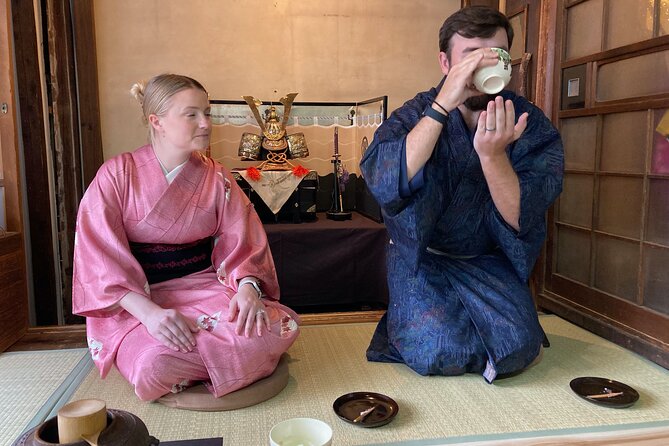
Tokusaburo demonstrates the ceremony, and you learn the proper way to prepare and drink matcha. The experience includes two cups of matcha and sweets made by a local Japanese confectioner in Katsura, Kyoto.
This is not a full training course in tea ceremony. The available time is about three hours for the entire activity, including dressing, transport, the villa, and tea. Think of it as an introduction that lets you try the gestures and understand the meaning behind them.
The tea lesson also gives the day a useful second half. The villa shows Japanese aesthetic principles on a large scale, through gardens and architecture. The ceremony shows similar ideas in a small room, through manners, objects, and controlled movement.
The setting can be less polished than a large commercial cultural attraction. One account describes the tea portion as loosely organized, while another found the personal instruction memorable and worthwhile. That tells you what kind of experience this is: personal and distinctive, but not necessarily timed with the precision of a museum tour.
How Much Value Do You Get for $169.90?
At $169.90 per person, the cost is high if you compare it only with the regular price of entering Katsura Imperial Villa. One detailed assessment compared the total cost for two people with the much lower standard admission charge and found the tour expensive.
That criticism is fair. You are paying for far more than admission, but the extra services need to matter to you. The package includes:
- Antique kimono rental and dressing
- Advice on kimono and obi selection
- Tea ceremony instruction
- Matcha and Japanese sweets
- Same-day Katsura admission arrangements
- Katsura Imperial Villa admission
- Round-trip transport from the shop
- Tokusaburo’s assistance during the activity
The ticket arrangement may be especially useful because Katsura admission is limited and requires familiarity with the rules. If you are already comfortable arranging the villa yourself, dressing in a kimono elsewhere, and finding a tea ceremony, the price will look less attractive.
I would book this as a bundled cultural experience, not as a cheap sightseeing ticket. Its value comes from convenience, clothing, personal attention, and the link between Katsura’s garden and tea culture.
You should also note that the activity is booked, on average, about 50 days ahead. That suggests you should not leave it until the last few days of a Kyoto trip, particularly if Katsura is a priority.
Who Will Enjoy This Experience Most?
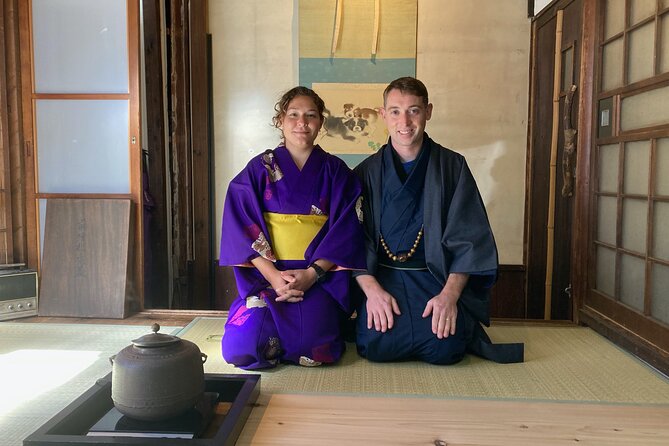
I would recommend it to someone who wants a structured introduction to several parts of Japanese culture in one afternoon. It suits you if you like gardens, architecture, textiles, tea, and a slower pace.
It is also a good choice if obtaining Katsura admission feels like a nuisance. The operator handles the numbered ticket process, provides the villa admission, and takes you between the shop and the villa.
Couples and small private groups may enjoy the kimono element, especially if photographs are important. One account specifically valued the chance to be dressed in traditional clothing and take pictures in a beautiful garden.
The experience is less suited to you if you want a low-cost villa visit, a fully private English tour inside Katsura, or a tightly scripted professional production. The villa may use a scheduled Japanese-language tour with an English audio headset, and the tea portion can feel informal.
The tour is also weather dependent. If poor weather forces cancellation, you can receive a full refund or choose another date. For a clear day, the garden and kimono combination should be the stronger choice, but you should keep the weather rule in mind when planning a fixed Kyoto schedule.
Booking Details Worth Knowing
The meeting point is the tea ceremony shop at 32-4 Katsuranozatocho, Nishikyo Ward, Kyoto. The activity ends back there after the return from Katsura Imperial Villa.
Mobile tickets are provided, and confirmation is received at booking. The shop is near public transportation, though the included car transfer covers the short trip to and from the villa.
Free cancellation is available until 24 hours before the start time. Cancellations or changes made inside that 24-hour window are not refunded or accepted. Cutoff times follow local Kyoto time.
The activity is private for your group, though the villa’s own scheduled visit may place you with other people. English service is available, but ask ahead if you need live English explanation throughout the villa tour.
Should You Book It?
Book this tour if you want Katsura Imperial Villa combined with an antique kimono and a personal tea lesson, and if you value having someone else arrange the difficult admission details. The most praised parts are the villa itself, Tokusaburo’s personal involvement, the family kimono connection, and the quiet setting for tea.
Skip it if your main goal is simply to see Katsura at the lowest possible cost. You will pay a premium for the clothing, transport, tea, and arrangements, and English villa guidance may be audio-based rather than live.
My practical advice is simple: treat this as a cultural afternoon with Katsura as its anchor, not as a standard sightseeing transfer. At that price, you should want all three parts: the garden, the kimono, and the tea ceremony. If you do, the package can be a memorable use of three hours in Kyoto.
FAQ
How long does the Katsura Imperial Villa and tea ceremony experience last?
The activity lasts approximately three hours.
What time does the activity begin?
It begins at 1:00 p.m.
Where do I meet the tour?
You meet at Miyagawa Tokusaburo Shoten, 32-4 Katsuranozatocho, Nishikyo Ward, Kyoto, 615-8073, Japan.
Where does the activity end?
The activity ends back at the meeting point.
Is transportation to Katsura Imperial Villa included?
Yes. Round-trip transportation from the shop to Katsura Imperial Villa is included.
Is the Katsura Imperial Villa admission fee included?
Yes. The package includes the villa entrance fee and the fee for arranging the same-day admission ticket.
Will I wear a kimono?
Yes. You can select an antique kimono and obi with advice from Tokusaburo, and staff will dress you.
What is included in the tea ceremony?
The tea portion includes a demonstration, instruction on preparing and drinking matcha, two cups of matcha, and Japanese sweets made by a local confectioner in Katsura.
Is English service available?
Yes, English service is available. The villa portion may use a prerecorded English headset, while the scheduled villa tour may be led in Japanese.
Can I cancel for a refund?
Yes. You can cancel at least 24 hours before the start time for a full refund. If poor weather causes the activity to be canceled, you can choose another date or receive a full refund.
Just added around Kyoto
- Whisk Your Own Matcha: A Zen Matcha Experience at Temple★ 3.6 · 7 reviews
- Uji Walking Tour – Byodo-in temple and Tea Ceremony from Kyoto★ 3.5 · 3 reviews
- Traditional Tea Ceremony in Kyoto★ 4.5 · 3 reviews
- Kyoto: Authentic Tea Ceremony in a Small Group★ 5.0 · 7 reviews
- Tea ceremony at Kyoto’s Zen Temple Teahouse★ 5.0 · 2 reviews
- Tea Ceremony in 150 Years Old Townhouse with Tables and Chairs★ 5.0 · 22 reviews
- Silent Beauty of Kyoto Zen Walk and Tea Experience★ 5.0 · 2 reviews
- Tea Ceremony Experience in Traditional Kyoto Townhouse★ 5.0 · 19 reviews
Tea Ceremony Experiences, compared.
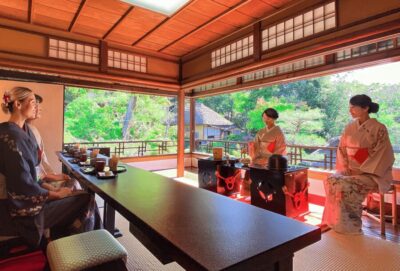
Tea Ceremony in a Traditional Tea House in Kiyomizu
Read our review →
Browse the lists this tour appears in