
Review · KYOTO
The Art of Mindful Living: Tea Ceremony in Kyoto
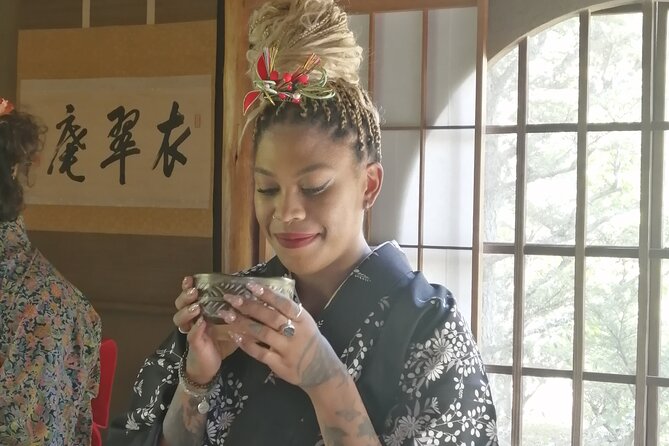
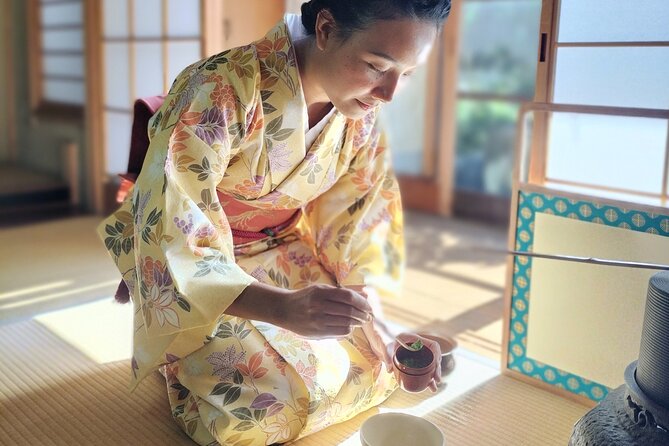
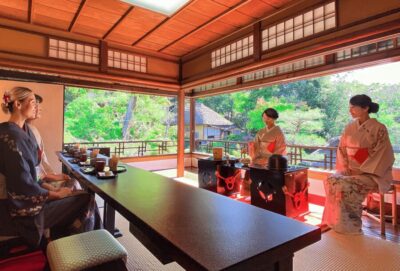
Kyoto’s tea culture feels most approachable here because you do more than watch. Naomi explains the ceremony, serves matcha and a Japanese sweet, then lets you whisk your own tea in a quiet old residence. The setting includes a dedicated tea room and a garden made for a calm pause.
I like the hands-on format and the use of organic Uji matcha from Kyoto. I also like the practical welcome for families and different diets: vegan sweets and allergy accommodations are available, while children can have cocoa instead of matcha.
The main drawback is location. Kaze no Waon is in the Utano area, toward Kinkakuji and Arashiyama, not central Kyoto. Allow extra time to reach it, and know that the one-hour session is short if you add kimono rental or want many garden photos.
Key points at a glance
- You make your own matcha: After watching Naomi, you learn how to whisk tea yourself.
- Organic Kyoto tea: The session uses organic Uji matcha, served with one Japanese sweet.
- A garden and old residence: The tea room and garden provide a quieter setting than a busy downtown venue.
- Useful food choices: Vegan and allergy-friendly arrangements are available, with cocoa for children.
- Optional traditional dress: Kimono rental costs ¥4,000, with hakama and baby kimono options also available.
- Small-group feel: Standard sessions hold up to six people, with private bookings possible by arrangement.
A tea ceremony that lets you take part
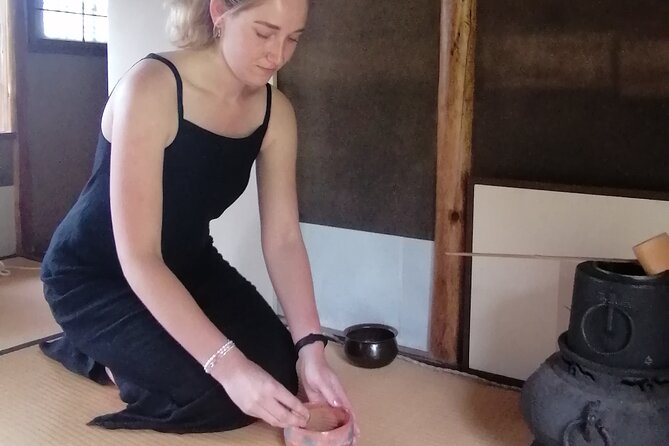
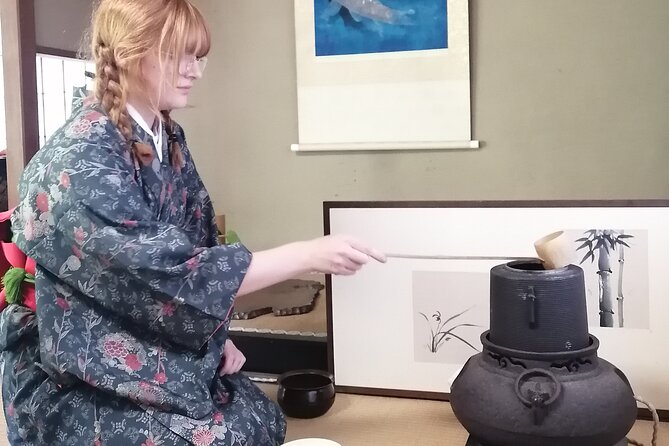
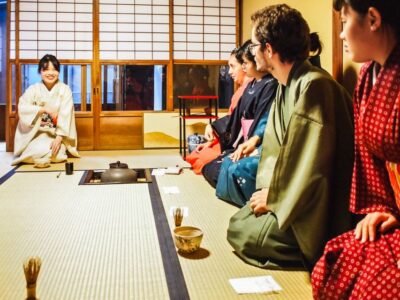
This is not a formal performance where you sit silently and try to guess what each gesture means. Naomi first explains the ceremony and its place in Japanese life, then shows you how to drink matcha properly. After that, you get a turn with the bamboo whisk.
That order matters. Tea ceremony customs can seem fussy if you do not know what they mean. A short explanation of the bowl, the tea, the sweets, and the movements gives the ritual a human scale. You can appreciate the care without feeling that you are being tested.
Naomi leads the session in English and is joined at times by her niece. The tone is presented as gentle and easy to follow, rather than stiff. Families in particular may appreciate that the experience can feel more like a shared cultural lesson than a museum demonstration.
The session lasts about one hour. That is enough time for an introduction, a demonstration, a sweet, a bowl of matcha, and your own attempt at making tea. It is not long enough for a full kimono photo session, an extended garden visit, and a leisurely tea lesson all at once, so keep your expectations sensible.
More Tea Ceremony Experiences in Kyoto:
- Kyoto: Tea Ceremony in a Traditional Tea House in Kiyomizu
★ 4.9 · 3,519 reviews - Kyoto: Tea Ceremony Ju-An at Jotokuji Temple
★ 4.9 · 3,207 reviews - Kyoto: 45-Minute Tea Ceremony Lesson Experience
★ 4.3 · 2,378 reviews
Entering the old Kyoto residence
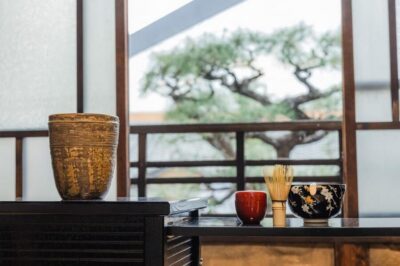
Kaze no Waon is in a traditional Japanese residence in Ukyo Ward. Inside, you find a room used for tea ceremony and a garden behind the house. The appeal is not grand architecture or a long list of sights. It is the change of pace.
Kyoto can be noisy and tightly packed around its best-known temples. Here, you get a private domestic setting, a place where the tea ritual makes sense. The garden also gives you somewhere to take photos before the ceremony, which is useful if you choose kimono rental.
The venue is near public transportation, but it is not near central Kyoto attractions. The area is in the direction of Kinkakuji Temple and Arashiyama, so this activity works best when paired with plans in western Kyoto. If you are staying near Kyoto Station or Gion and have only a short window, the journey may make the experience less convenient.
A stroller can enter the premises, but it cannot be taken inside the building. That small detail matters for families with young children. You will need to leave it outside the interior tea space.
What happens during the one-hour session
The experience follows a clear three-part rhythm.
First, you learn the basics
Naomi explains the history of tea ceremony, the effects and qualities associated with matcha, the different types of Japanese tea, and the basic way to drink it. The goal is not to turn you into a tea scholar in an hour. It is to help you understand why the ceremony moves slowly and why each item has a role.
This introduction is especially useful if you have never tried matcha before. You learn what to do with the sweet, how to approach the tea, and how to drink without worrying about making a social mistake.
A few more tea experiences around Kyoto worth a look
- Kyoto: Table-Style Tea Ceremony at a Kyo-Machiya
★ 4.9 · 1,211 reviews - Kimono Tea Ceremony at Kyoto Maikoya, NISHIKI
★ 5.0 · 911 reviews - Kyoto: Kimono Tea Ceremony at Orizuruya Gion
★ 4.9 · 618 reviews - Kyoto: Tea Ceremony in 100-year-old Kyo-Machiya Townhouse
★ 4.8 · 546 reviews
Next, you watch and taste
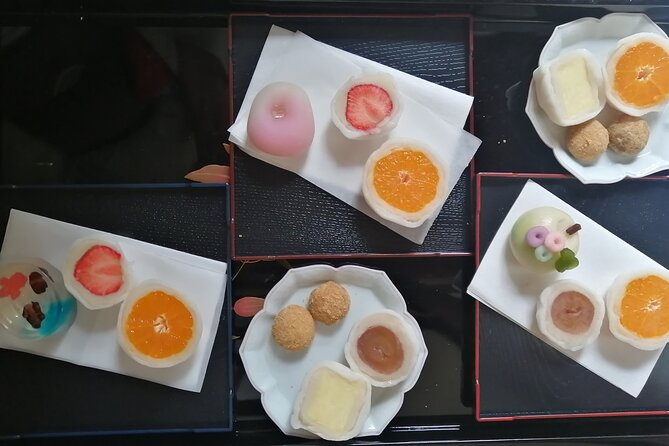
Naomi performs the tea ceremony while you enjoy matcha and a Japanese sweet. One sweet is included in the price. You can choose a traditional bean paste confection or fresh fruit daifuku, depending on availability and your preference.
The pairing is important. Matcha has a strong, earthy bitterness, while Japanese sweets provide the sweetness that balances it. The fruit daifuku offers a lighter alternative to the bean paste choice. If you want to try both, the additional fee is ¥500 per person.
The tea is organic Uji matcha from Kyoto. It is not presented as a famous brand, but the quality is part of the experience. You are tasting a locally associated tea in the place where the ceremony has meaning, rather than drinking a generic green tea in a café.
Finally, you make your own bowl
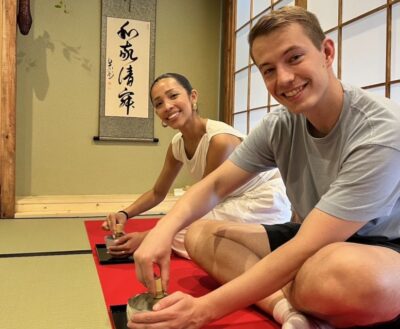
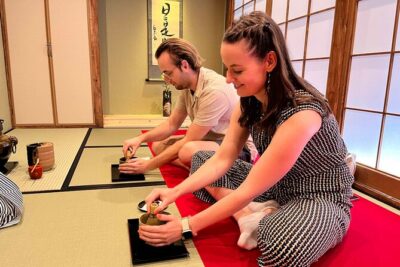
This is the part I would value most if I were choosing between a demonstration and an activity. You handle the whisk and try to create the smooth, foamy texture of matcha yourself.
Your first bowl may not look like Naomi’s. That is fine. The point is to feel the method: measured movement, attention to the bowl, and a short period of quiet focus. One of the most useful ideas behind the session is that the calm of tea ceremony can carry into ordinary life. The same mindful pause can apply to coffee or another drink at home.
Matcha, sweets, and food arrangements
The standard booking includes snacks, which means the Japanese sweet is part of the basic experience. Alcohol is not included, and this is not a meal replacement. Plan to eat beforehand if you need something substantial.
Food allergies and vegan needs can be accommodated. Contact the host with your requirements before you arrive so the sweet can be arranged properly. Children who do not want matcha can have cocoa instead, a thoughtful option for families.
The tea itself may be too bitter for some children, and the ceremony requires a little patience. Cocoa gives younger participants a way to take part without forcing them to drink something they dislike. Chairs are provided, so you do not need to remain on the floor for the whole session.
That chair provision also makes the experience easier for anyone who finds traditional seated positions uncomfortable. The setting remains Japanese in character, but you are not expected to endure discomfort to prove your appreciation.
Kimono rental and garden photographs
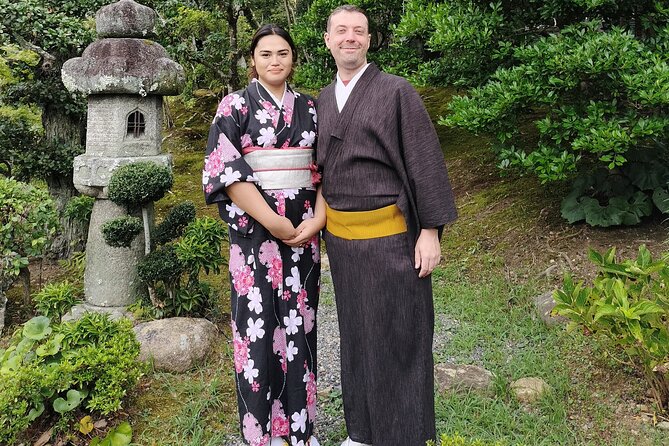
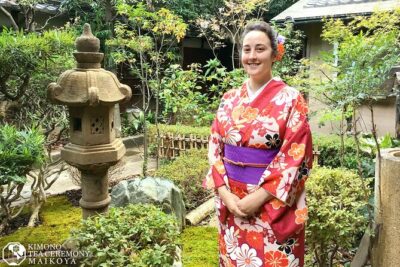
Kimono rental is available during the tea ceremony for ¥4,000. A hakama rental costs ¥8,000. There is also a baby romper-style kimono for ¥600 and an undershirt rental for ¥200.
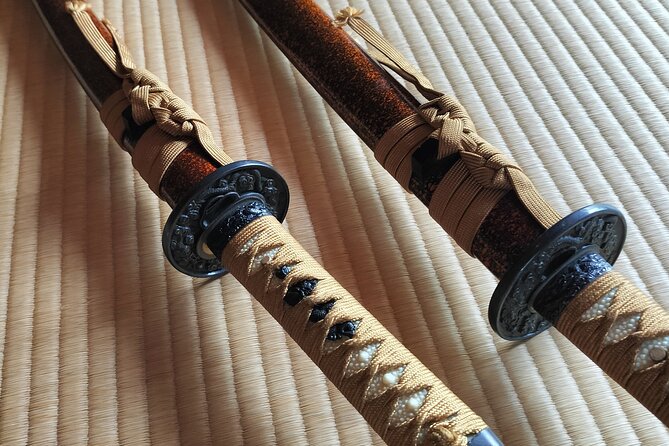
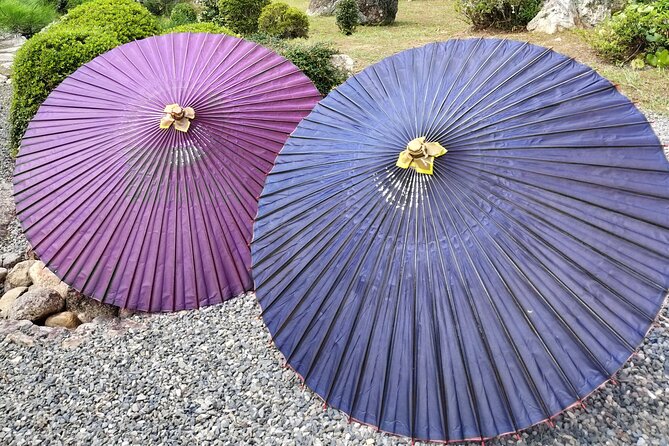
The rental option adds visual appeal, especially if you want photos in the garden. The traditional umbrella and imitation sword are available for private tea ceremony sessions, but only as photo props. They are not part of the tea lesson or used as real equipment.
The host does not provide hair styling or makeup. Hair accessories are available for rental-kimono users to borrow, so you can add a finishing touch without booking a separate beauty service.
Allow extra time mentally for dressing. The one-hour activity is built around tea, not a long fashion session. If your main goal is a full kimono shoot, ask about the timing before booking. A previous booking issue involved confusion about upgrade fees, so confirm the cost of any private session or clothing option in advance.
Rain does not automatically ruin the photo side of the experience, but it changes what you can do. You can take pictures while holding an umbrella. You cannot take garden photos in a kimono without an umbrella while getting wet. The tea ceremony itself may also depend on suitable weather, so keep your schedule flexible.
Group size, private bookings, and the host
Regular group sessions are limited to six people. That is a useful ceiling for a tea activity because you can see the demonstration and receive attention when it is your turn to whisk tea.
Larger groups can sometimes be accommodated, but you should arrange this before booking. Private sessions are also available by request. A private format may suit families, couples, or anyone who wants more control over the pace and photographs.
Naomi is central to the experience. She explains the ceremony in clear English and keeps communication open before and after the booking. Her niece may help during some sessions, particularly during school holidays. That gives the setting a personal, family-run feel rather than the polished scale of a large cultural attraction.
The tone is calm and friendly. Naomi’s teaching style aims to make a serious ritual approachable, and that balance is important. You learn the customs without feeling that every movement must be perfect.
Is $44.42 a fair price?
At $44.42 per person, this is a reasonable price for a one-hour cultural activity that includes the demonstration, matcha, a Japanese sweet, and your own attempt at whisking tea. You are also paying for the old-house setting, garden access for photos, and direct time with the host.
The value depends on what you want. If you only want to taste matcha, a tea shop will cost less and take less time. If you want context, instruction, a traditional setting, and a small-group experience, this offers more than a drink and dessert.
Kimono rental changes the budget. Add ¥4,000 for a kimono or ¥8,000 for hakama, plus any other listed clothing charges. A second sweet costs ¥500 per person. Private bookings and larger groups may involve separate arrangements, so confirm the full amount before you commit.
The activity is booked about 13 days ahead on average. That suggests planning rather than leaving it to the last minute, especially if you want a private session, a larger group, or kimono rental.
How to fit it into a Kyoto day
The location makes this a natural companion to western Kyoto. You could build it into a day that also includes Kinkakuji or Arashiyama, then use the tea ceremony as a quiet counterpoint to crowded sightseeing.
Do not schedule it with a tight connection immediately afterward. The tea session is only about an hour, but you still need to reach the house, check any clothing arrangement, and leave time for transport. The activity ends back at the meeting point.
For a first visit to Kyoto, this works best when you are already exploring the Ukyo Ward area. It is less appealing as a single cross-city trip if you are based near Gion and have no other plans nearby.
The mobile ticket is convenient, and confirmation is sent within 48 hours, subject to availability. Free cancellation is available up to 24 hours before the start time. If poor weather or a minimum-number issue causes cancellation, you are offered another date or a full refund.
Who will enjoy this most?
I would recommend it to you if you want a calm cultural activity with clear instruction and a chance to participate. It suits couples, families, and small groups who prefer a personal setting to a large staged show.
It is also a good choice for anyone curious about matcha but unsure how to approach it. You learn what you are drinking, how to pair it with a sweet, and how to make it yourself.
Families should note the cocoa option, chairs, and baby kimono rental. Those details make the experience easier with children, although younger children may find the quiet format slow.
You may want to skip it if your Kyoto schedule is already packed, if you dislike matcha, or if reaching a residential area outside central Kyoto feels like too much effort. It is not the best pick for a quick stop between central attractions.
Should you book this tea ceremony?
Book it if you want more than a photo in a kimono or a cup of green tea. Naomi gives you the background, the ritual, the taste, and the chance to make matcha with your own hands. The old residence and garden add a sense of place, while the small group size keeps the session personal.
Before booking, check the route, confirm any clothing or private-session fees, and tell the host about allergies or vegan needs. If you can spare the travel time to western Kyoto, this is a thoughtful, well-priced way to slow down and meet Japanese tea culture at a human scale.
FAQ
Where does the tea ceremony take place?
It takes place at Kaze no Waon, 14 Utanokitanoinchō, Ukyo Ward, Kyoto, 616-8201, Japan.
How long does the experience last?
The tea ceremony lasts approximately one hour.
What is included in the price?
The experience includes snacks, matcha, a Japanese sweet, the tea ceremony explanation and demonstration, and the chance to make matcha yourself.
How many people can join a regular session?
The maximum number for a standard group session is six people. Larger groups may be accommodated by arrangement.
Is a private tea ceremony available?
Yes. You can book a private session, but you should contact the host before booking to arrange it.
Can children join the experience?
Yes. Children can have cocoa instead of matcha. A baby romper-style kimono is also available to rent for ¥600.
Are vegan and allergy-friendly options available?
Yes. Food allergies and vegan requirements can be accommodated. Provide those details before the experience.
Is kimono rental available?
Yes. Kimono rental costs ¥4,000, hakama rental costs ¥8,000, and an undershirt costs ¥200. Hair styling and makeup are not provided, but hair accessories are available to use.
What is the cancellation policy?
You can cancel at least 24 hours before the start time for a full refund. Changes or cancellations made less than 24 hours before the start time are not accepted for a refund.
Just added around Kyoto
- Whisk Your Own Matcha: A Zen Matcha Experience at Temple★ 3.6 · 7 reviews
- Uji Walking Tour – Byodo-in temple and Tea Ceremony from Kyoto★ 3.5 · 3 reviews
- Traditional Tea Ceremony in Kyoto★ 4.5 · 3 reviews
- Kyoto: Authentic Tea Ceremony in a Small Group★ 5.0 · 7 reviews
- Tea ceremony at Kyoto’s Zen Temple Teahouse★ 5.0 · 2 reviews
- Tea Ceremony in 150 Years Old Townhouse with Tables and Chairs★ 5.0 · 22 reviews
- Tea Ceremony Experience in Traditional Kyoto Townhouse★ 5.0 · 19 reviews
- Silent Beauty of Kyoto Zen Walk and Tea Experience★ 5.0 · 2 reviews
Tea Ceremony Experiences, compared.
Tea Ceremony in a Traditional Tea House in Kiyomizu
Read our review →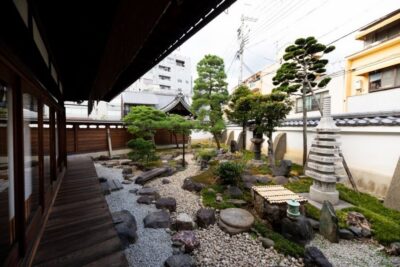
Browse the lists this tour appears in