
Review · KYOTO
Kimono Tea Ceremony at Kyoto Maikoya, Karasuma Shijo
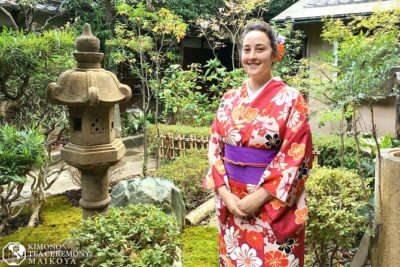
The best part of this Kyoto experience is the combination: you are not only watching a tea ceremony, you are dressed for the occasion and taught how to prepare your own bowl of matcha. Staff help with the kimono, shoes, bag, and simple hairstyling before the ceremony begins.
I like the personal instruction and the small-group format, which gives you room to follow each movement instead of simply sitting in the back. I also like the gentle balance between formality and fun. Hosts such as Yuki and Miki have been praised for clear English, warmth, patience, and humor.
The main consideration is time. Ninety minutes passes quickly, and the dressing, hair, photos, explanation, and tea-making are all fitted into a tight schedule. The kimonos look good in pictures, though they are costume-rental garments rather than heirloom-quality clothing.
Key points to know before booking
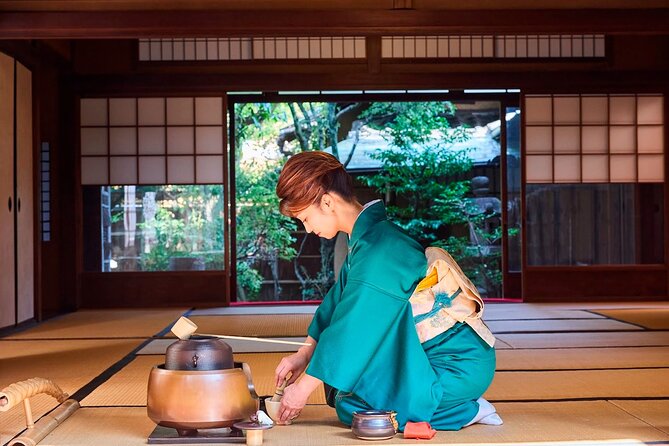
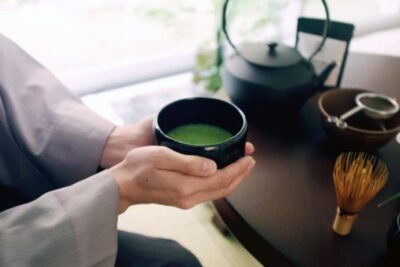
- You make your own matcha: The tea master guides you through whisking green tea and explains the proper way to handle the bowl.
- Kimono dressing is part of the experience: Choose from available kimonos, then receive help with dressing, shoes, accessories, and simple hairstyling.
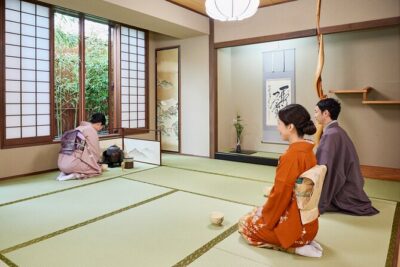
- The setting is traditional: The ceremony takes place in a tatami room, with the tools, gestures, and etiquette explained as you go.
- The advertised group limit is four: Confirm the group size when booking, since one booking experience involved a larger group before staff corrected the arrangement.
- Photos are possible, but manners matter: Tripods are not allowed, and the tea master may limit photography during parts of the ceremony.
- The price includes the essentials: At $65.39 per person, your fee covers the kimono, hair styling, tea, utensils, and snacks, but not transportation.
What the 90-minute experience is really like
This is a compact cultural activity built around two classic Kyoto experiences. You first get ready in traditional clothing, then move into the tea ceremony itself. The order matters because the kimono changes how the ceremony feels: sitting on tatami, handling the bowl, and posing for photos all become more memorable when you are dressed for the part.
The meeting point is Kimono Tea Ceremony Maikoya Karasuma Shijo at 220 Itoyacho in Kyoto’s Shimogyo Ward. It is near public transportation, and the activity ends at the same location. There is no hotel pickup or drop-off, so you need to plan your own route.
Allow extra time to find the building and arrive before the start time. The activity has several transitions, and arriving late could make the dressing portion feel rushed.
More Kimono Tea Ceremonies in Kyoto:
- Kimono Tea Ceremony at Kyoto Maikoya, NISHIKI
★ 5.0 · 911 reviews - Kyoto: Kimono Tea Ceremony at Orizuruya Gion
★ 4.9 · 618 reviews - KYOTO Tea Ceremony with kimono near by Imamiya Jinjya Shrine
★ 5.0 · 343 reviews
Choosing a kimono and getting ready
The first substantial part is the kimono fitting. You choose from the available garments, with help from the staff, then receive assistance with dressing. Shoes, a bag, and other small finishing touches are also part of the process.
Simple hairstyling is included. This is not a full salon appointment, but it adds a lot to the appearance. Several people have especially appreciated how carefully the staff handled the hair and dressing, making the preparation feel like part of the event rather than a quick costume change.
The staff’s role is important here. You do not need to know how a kimono is worn or tied. The fitting is handled for you, and the goal is a polished look suitable for the ceremony and photographs.
A practical note: the rental kimonos are selected for appearance, comfort, and repeated use. One person found them somewhat flimsy compared with expensive traditional garments. That is fair criticism, but it is also what keeps this experience at a moderate price. The clothing photographs well and gives you the right atmosphere without charging the cost of a formal kimono rental.
You may also be able to continue wearing the kimono for a period after the ceremony, depending on the arrangement for your session. One experience included wearing it until 6 p.m., but confirm the exact timing when you book rather than assuming it applies to every departure.
Entering the tatami room
Once you are dressed, you move into a tatami room for the tea ceremony. The setting is designed to make the customs easier to understand, not to leave you guessing about every small movement.
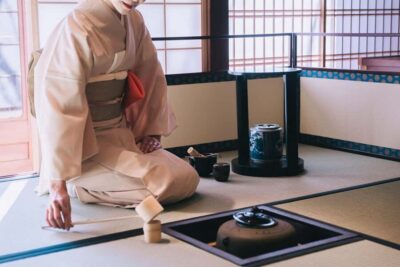
The tea master explains the tools and the reason behind the gestures. You learn that a tea ceremony is not simply a method for making a hot drink. The pace, the handling of the utensils, the presentation of the bowl, and the way tea is received all carry meaning.
This explanation is one of the strongest parts of the activity. You are shown what to do, then given enough background to understand why it matters. That makes the ceremony more than a photo opportunity.
The tone is formal but not stiff. Hosts have been described as patient, funny, and welcoming, with Yuki and Miki receiving particular praise in different sessions. English-language guidance is available, though the exact host depends on your date and departure.
Learning matcha etiquette step by step
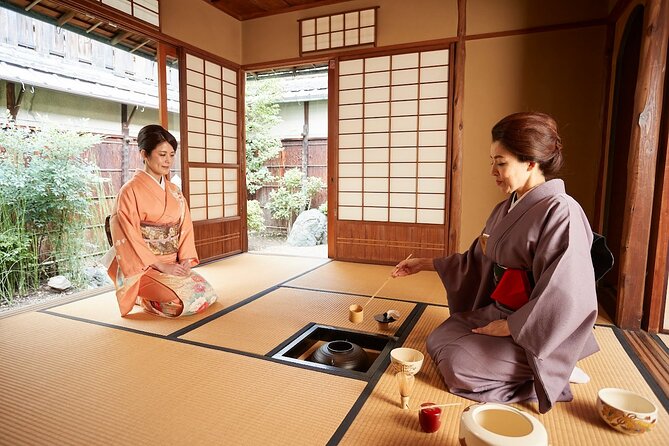
The tea master demonstrates the process before you try it. You watch the handling of the utensils, the preparation of the powdered green tea, and the careful whisking that creates the familiar foamy surface.
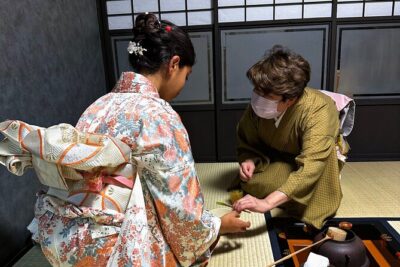
You then prepare your own bowl of matcha under supervision. This hands-on step is the reason I would choose this experience over a ceremony where you only sit and watch. You have to slow down, pay attention, and follow instructions. Even a simple action such as whisking becomes a lesson in concentration and care.
The ceremony also covers drinking etiquette. You learn how the bowl is handled and how the tea is received respectfully. The details may seem small, but they give structure to the experience and help you take part without worrying that you are doing something wrong.
You do not need to be a matcha drinker to enjoy the activity. One person attended with a 13-year-old who did not particularly care for matcha, yet still enjoyed the dressing, photographs, and ceremony. If you dislike the flavor of green tea, focus on the ritual and the chance to make the drink yourself.
More Tea Ceremony Experiences in Kyoto:
- Kyoto: Tea Ceremony in a Traditional Tea House in Kiyomizu
★ 4.9 · 3,519 reviews - Kyoto: Tea Ceremony Ju-An at Jotokuji Temple
★ 4.9 · 3,207 reviews - Kyoto: 45-Minute Tea Ceremony Lesson Experience
★ 4.3 · 2,378 reviews - Kyoto: Table-Style Tea Ceremony at a Kyo-Machiya
★ 4.9 · 1,211 reviews
Tea, snacks, and the role of hospitality
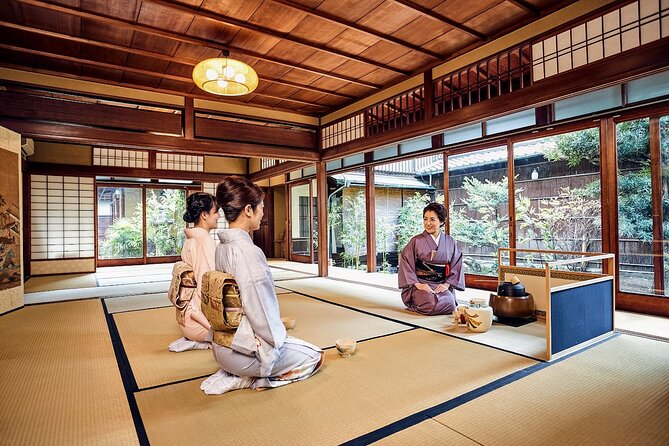
Green tea and traditional snacks are included. The snacks provide a small sweet or savory contrast to the tea and form part of the usual tea-service rhythm.
The tea itself can taste strong, grassy, or bitter if you are new to matcha. That is normal. The point is not to offer a mild café drink, but to introduce you to a traditional preparation and the etiquette around it.
The tea master also explains the idea of hospitality behind the ceremony. The careful movements are a way of showing attention to the person receiving the tea. That message comes through more clearly when you are participating rather than just observing.
Some sessions have a light, humorous mood, while others may feel more formal. The individual host makes a difference. The most praised hosts have been able to explain the customs clearly while keeping the room relaxed.
Photos without losing the ceremony
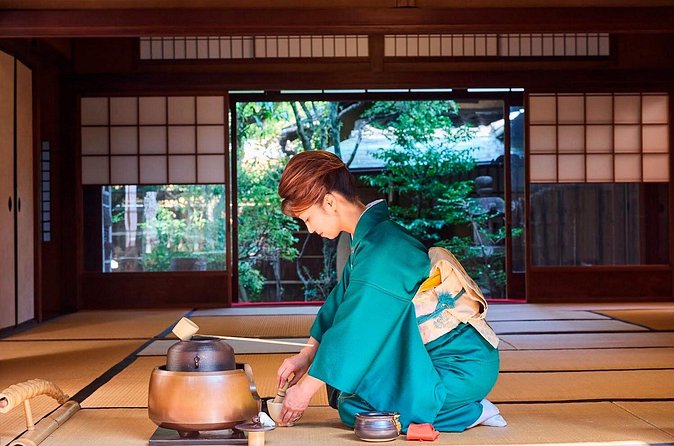
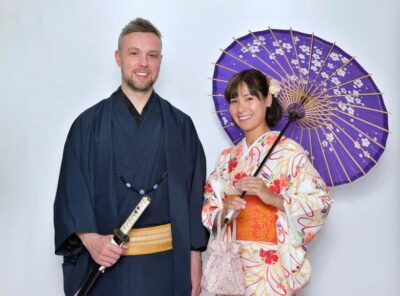
There are good photo opportunities during the kimono fitting and after you are dressed. The hairstyles, accessories, and tea-room setting make this especially appealing for couples, families, and friends who want a visual memory of Kyoto.
Still, the ceremony is not a photo studio. Tripods are not allowed, and photo or video recording may be limited at certain moments. Follow the tea master’s instructions, keep your phone ready but unobtrusive, and wait for suitable pauses.
This is particularly important during the demonstration. Constant filming can distract from the gestures you are there to learn. I would take a few photographs during the preparation and at approved moments, then put the phone away while the tea master is explaining the ritual.
How small is the group?
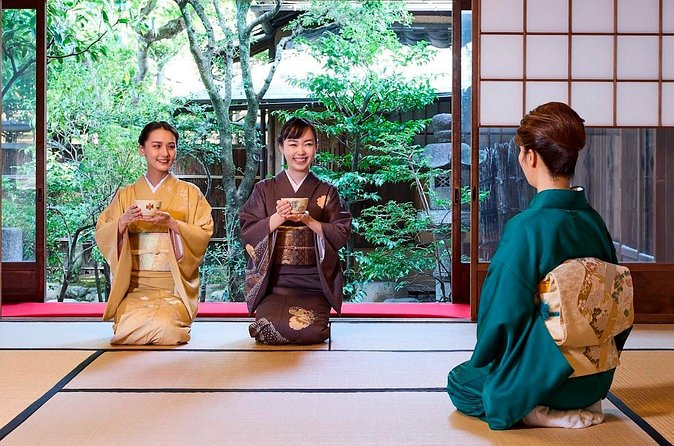
The published maximum is four people. That is a useful size for this kind of activity because you can see the demonstration, ask questions, and receive help while making your own tea.
There is an important booking detail. The Viator option allows a maximum of four people per reservation, and the activity information also gives a maximum of four participants. However, one booking involved a much larger group at first, with the arrangement later changed to four. If group size is central to your decision, confirm it directly when booking and keep your confirmation available.
A smaller group also makes the kimono fitting less hurried. If several people are being dressed at once, the preparation can feel more like a busy costume line. The experience works best when the staff have enough time to help with choices and explain what is happening.
Is $65.39 good value?
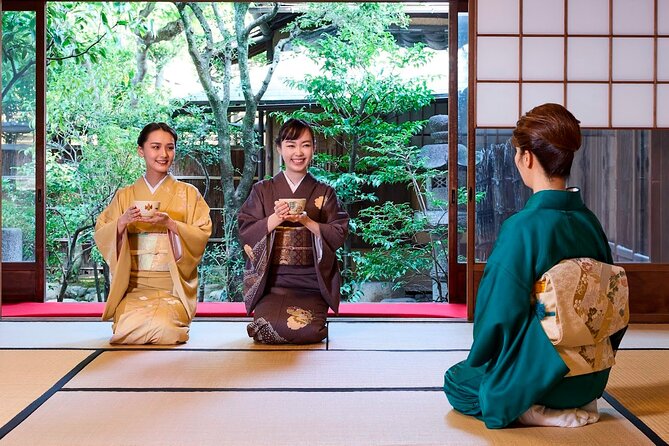
At $65.39 per person, this is not the cheapest way to taste matcha in Kyoto. You are paying for more than a cup of tea, though. The price includes kimono rental, dressing assistance, simple hairstyling, green tea, utensils, snacks, and guided instruction from a tea master.
I see the value in the combination. A basic tea ceremony may cost less, while a separate kimono rental and hairstyling session could quickly bring the total close to this price. Here, the two activities are joined into one short appointment.
The value is strongest if you want:
- A first introduction to tea ceremony customs
- A kimono experience without arranging a separate rental
- A structured cultural activity near central Kyoto
- A family or group activity with photographs
- A guided session in English
The value is weaker if you already know tea ceremony etiquette, want a long and highly formal ceremony, or expect luxury kimono fabric. The schedule is tightly packed, and one person felt the cost was high for the amount of time available.
For most first-time visitors, the price is reasonable because the experience combines clothing, hairstyling, instruction, tea, and snacks. Just keep your expectations realistic: this is an accessible cultural introduction, not an advanced tea-school lesson.
Who will enjoy this most?
This activity suits first-time visitors who want a clear, friendly introduction to Japanese tea culture. You do not need prior knowledge, and the tea master explains each step as you go.
Families can enjoy it, though children under six are not permitted. Older children and teenagers may especially like the dressing and photographs, while the hands-on tea preparation gives the ceremony a practical element.
It also works well for solo visitors. The instruction is structured, and the small stated group size makes it easier to participate without feeling lost.
Couples and friends will get plenty from the visual side, especially if choosing outfits and taking portraits is part of your Kyoto plan. People who do not drink matcha can still enjoy the kimono, the room, the etiquette lesson, and the chance to watch the preparation.
You should think twice if sitting on the floor is difficult. Tatami seating is part of the setting, though one experience noted that small chairs were available on request. Ask the staff if you need one.
Practical details that matter
The activity lasts about 1 hour and 30 minutes. That includes dressing, hairstyling, tea instruction, matcha preparation, and snacks, so do not expect a long, leisurely ceremony lasting several hours.
The meeting point is:
Kimono Tea Ceremony MAIKOYA Karasuma Shijo
220 Itoyacho
Shimogyo Ward, Kyoto 600-8432, Japan
The experience ends back at the meeting point. Transportation is not included, but the venue is near public transportation. One person described it as roughly a 25-minute walk from Kyoto Station, though your exact walking time depends on your route and pace.
Confirmation is provided at booking. Free cancellation is available if you cancel at least 24 hours before the start time. Cancellations or changes made within 24 hours are not accepted for a refund, and the cut-off uses Kyoto local time.
Should you book the Maikoya tea ceremony?
I would book this if you want an easy, well-organized way to combine kimono dressing with a real introduction to matcha etiquette. The strongest features are the hands-on preparation, the patient staff, the attractive setting, and the chance to understand the meaning behind the gestures instead of simply posing in costume.
I would skip it if you want an austere, highly traditional ceremony with no photography or tourist-friendly elements. This experience is designed to be welcoming and accessible, and the kimono fitting has a polished, prepared-for-visitors feel.
For the best experience, arrive early, confirm the group size, wear clothing that is easy to change around, and treat the ceremony with respect. Put your phone away when asked, listen to the tea master, and enjoy the odd pleasure of slowing down while dressed in Kyoto style.
FAQ
Where does the tea ceremony take place?
It takes place at Kimono Tea Ceremony MAIKOYA Karasuma Shijo, located at 220 Itoyacho, Shimogyo Ward, Kyoto 600-8432, Japan.
How long does the activity last?
The experience lasts approximately 1 hour and 30 minutes.
What is included in the price?
The price includes a kimono costume, simple hairstyling, green tea, tea utensils, and snacks.
Is transportation included?
No. Transportation and hotel pickup or drop-off are not included. The meeting point is near public transportation.
Can children attend?
Children under six are not permitted. The activity information asks that you do not book if your group includes a child under six.
How many people can join?
The stated maximum is four participants. If group size is important to you, confirm it when booking.
Can I take photographs?
Photography may be possible at suitable times, but recording can be limited during the ceremony. Tripods are not allowed, and you should follow the tea master’s instructions.
Do I need to know anything about tea ceremony etiquette?
No. The tea master explains the tools, gestures, history, etiquette, and preparation process during the session.
What is the cancellation policy?
You can cancel for a full refund up to 24 hours before the experience begins. Cancellations or changes made less than 24 hours before the start time are not accepted for a refund.
Just added around Kyoto
- Whisk Your Own Matcha: A Zen Matcha Experience at Temple★ 3.6 · 7 reviews
- Uji Walking Tour – Byodo-in temple and Tea Ceremony from Kyoto★ 3.5 · 3 reviews
- Traditional Tea Ceremony in Kyoto★ 4.5 · 3 reviews
- Kyoto: Authentic Tea Ceremony in a Small Group★ 5.0 · 7 reviews
- Tea ceremony at Kyoto’s Zen Temple Teahouse★ 5.0 · 2 reviews
- Tea Ceremony in 150 Years Old Townhouse with Tables and Chairs★ 5.0 · 22 reviews
- Tea Ceremony Experience in Traditional Kyoto Townhouse★ 5.0 · 19 reviews
- Silent Beauty of Kyoto Zen Walk and Tea Experience★ 5.0 · 2 reviews
Kimono & Tea Ceremonies, compared.
KYOTO Tea Ceremony with kimono near by Imamiya Jinjya Shrine
Read our review →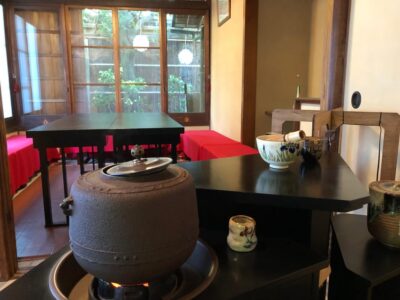
Kimono and Tea Ceremony Experience at Cultural Asset
Read our review →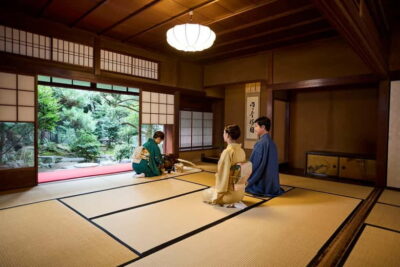
Browse the lists this tour appears in