
Review · KYOTO
Kyoto: Matcha & Traditional Japanese Music Immersive Experience
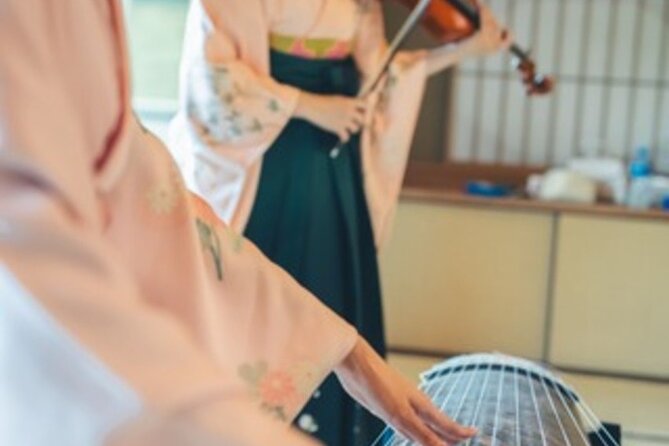
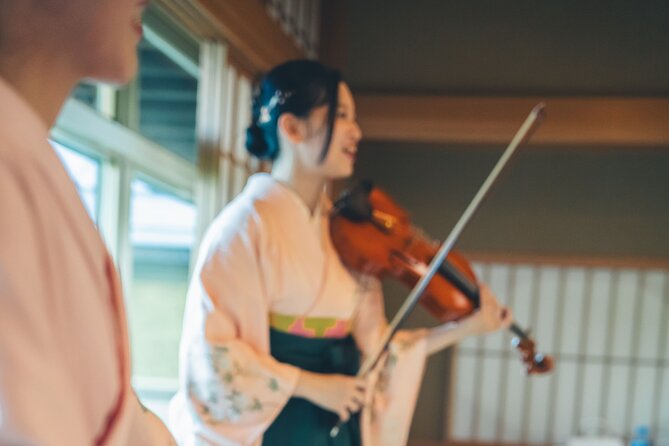
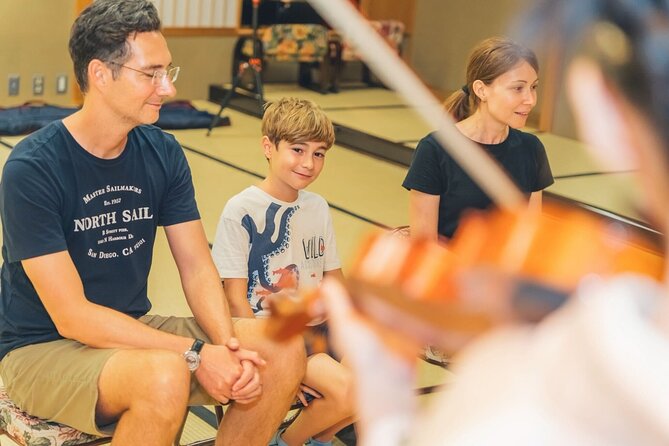
The best part of this Kyoto experience is the meeting of two musical worlds: the elegant, plucked sound of the koto and the warm, familiar voice of the violin. The program moves from Japanese melodies to anime, game music, and original arrangements, so you get more than a formal recital.
I like the chance to play the koto yourself, even briefly, and I like the time set aside to speak with the musicians after the performance. Their dedication matters here. These are young artists who have trained since childhood, and that gives the concert a human touch rather than making it feel like a museum display. The main drawback is the $850 price per person, which is a serious expense for about an hour to 80 minutes.
Key points to know before booking
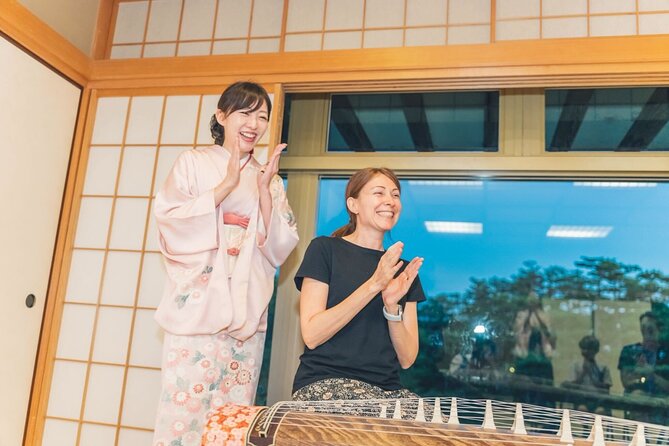
- Koto and violin share the program: Hear Japanese traditional music, anime melodies, game music, and original arrangements in one indoor concert.
- You can try the koto: Musicians guide you through a hands-on introduction to the instrument.
- Matcha is included: You receive green tea, while meals are available separately at the venue’s café and restaurant.
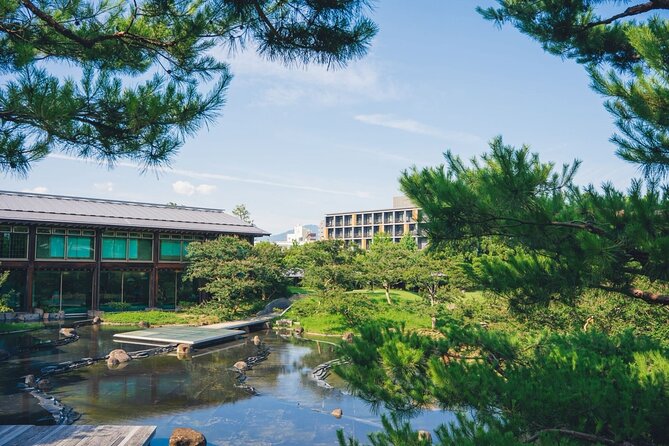
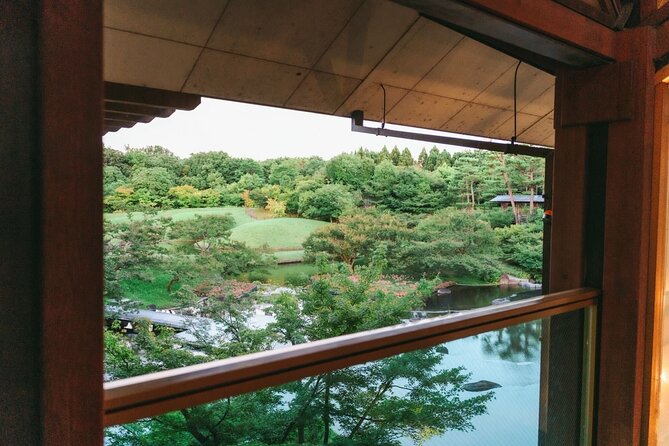
- Suzaku Garden adds atmosphere: Tea rooms and Japanese-style spaces give the concert a calm setting.
- Artist conversation follows the music: You can ask about the instruments, the musicians’ creative work, and the place of traditional music today.
- The visit is short but focused: Plan on roughly 60 to 80 minutes, with no private transportation included.
Hearing the koto and violin at Suzaku Garden
At Suzaku Garden, you enter an indoor setting designed around Japanese-style rooms and tea spaces. The surroundings help frame the music, but the concert itself is the main event. You are not simply listening to a background performance while having tea.
The koto has a delicate, ringing sound. Its long body and strings produce notes that can feel spare and airy, while the violin brings sustained tones and a broader Western musical vocabulary. Hearing the two together gives you a useful comparison. The koto speaks through plucked notes and pauses; the violin can stretch a phrase and add a more continuous line.
The program also avoids confining Japanese music to one narrow style. You can expect traditional melodies, arrangements from anime and games, and original work. That mix should appeal to you if you enjoy Japanese pop culture but also want a direct introduction to an older instrument.
I appreciate this approach because it gives first-time listeners a way into the music. You do not need to recognize every traditional piece. A familiar anime or game melody can provide an easy starting point, while the koto’s sound leads you toward less familiar material.
The setting is indoors, which makes this a useful Kyoto choice in rain, heat, or cold. The visit is also compact. At approximately one hour to one hour and 20 minutes, it can fit into a busy sightseeing day without taking over the schedule.
More Matcha Experiences in Kyoto:
- Kyoto: Arashiyama Bamboo Forest, Monkeys, Matcha & Temple Tour
★ 5.0 · 759 reviews - Kyoto: Tea Ceremony Meditation – Make Matcha with Tea Master
★ 4.8 · 406 reviews - Kyoto: Kimono Tea Ceremony with Matcha and Sweet
★ 4.9 · 249 reviews
Trying the koto after the concert
The hands-on koto session is one of the most useful parts of the experience. You are given a chance to play the instrument with guidance from the musicians. That changes the way you listen to the performance.
Before trying a musical instrument, it is easy to treat it as a decorative object. Once you touch the strings and attempt to produce a sound, you begin to notice the physical work behind the music. The spacing of the strings, the force of the pluck, and the need for control all become more real.
Do not expect a full music lesson or a long practice session. The supplied details describe an opportunity to play, not formal instruction or a graded workshop. Still, even a short introduction can make the concert more memorable. You get a small sense of what the musicians have spent years learning.
This part should suit families, couples, and visitors who prefer participation to passive sightseeing. It also gives children a clear activity to focus on, though the experience is not described as being designed specifically for children.
The koto session is especially valuable if you have already visited temples, gardens, and historic buildings in Kyoto. Those places show you the visual side of Japanese culture. Here, you get a physical and musical connection instead.
Matcha, tea rooms, and the pace of the visit
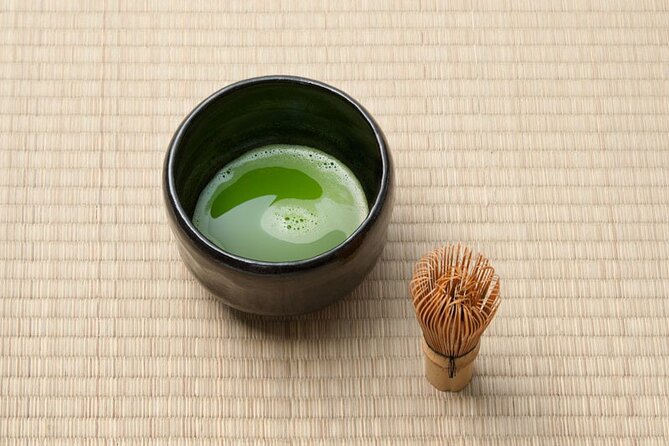
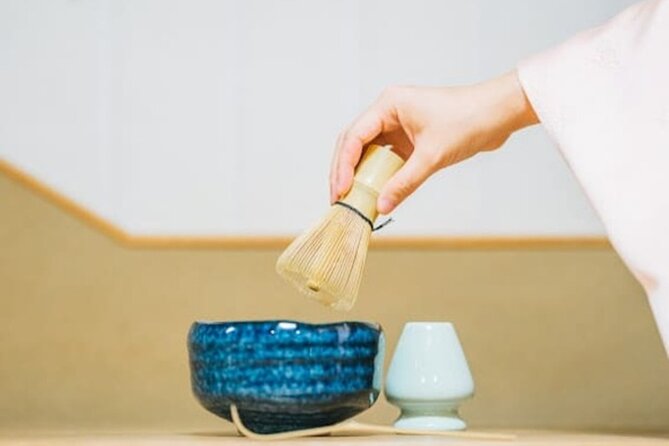
Matcha, or green tea, is included. That is a pleasant addition, but it should not be confused with a full tea ceremony unless your booking specifically states otherwise. The experience includes Japanese-style spaces and tea rooms, and one account of the visit describes sharing a memorable tea ceremony with the family. The supplied details do not promise a formal ceremony for every booking, so I would treat the tea as part of the cultural setting rather than assume a long ritual.
The tea gives the program a natural pause. Matcha can be an acquired taste, with a stronger and more vegetal flavor than ordinary green tea. If you enjoy Japanese food and drink, you will likely welcome it. If you prefer sweet or mild drinks, keep your expectations modest.
You can also find a café and restaurant on the first floor of the venue. Meals are not included, so plan to pay separately if you want something more substantial. This is useful before or after the concert, but the experience itself should not be booked as a meal outing.
The Japanese-style rooms are another reason to arrive with the right expectations. They provide atmosphere and a sense of place, yet the music remains the central reason to visit. I would allow a little time to notice the rooms and tea spaces, but I would not choose this activity mainly for interior design.
Meeting the musicians after the performance
The post-concert conversation gives the visit more depth. You can speak with the artists about the koto, the violin, their creative process, and their commitment to traditional instruments.
This personal contact is valuable because the program is not only about preserving old music. It also shows how traditional instruments can work with modern material. Anime and game melodies are part of present-day Japanese culture, and arranging them for koto and violin creates a bridge between familiar entertainment and older musical forms.
The musicians are described as young and passionate, with training that began in childhood. That detail helps you understand the level of preparation behind the performance. Traditional instruments do not survive only through formal institutions. They continue because people choose to study them, perform them, and find new ways to reach listeners.
You should also use this time to ask practical questions. You might ask how the koto differs from other string instruments, how an anime melody is adapted, or what makes the instrument difficult to play. The exact conversation will depend on the schedule and the artists present, but the format gives you a chance to learn directly rather than simply watch and leave.
For me, this is what separates the experience from a standard concert ticket. The music lasts less than a full evening, but the conversation can help you remember what you heard and why the instruments matter.
Same place, a different pot:
- Kyoto: Tea Ceremony in a Traditional Tea House in Kiyomizu
★ 4.9 · 3,519 reviews - Kyoto: Tea Ceremony Ju-An at Jotokuji Temple
★ 4.9 · 3,207 reviews - Kyoto: 45-Minute Tea Ceremony Lesson Experience
★ 4.3 · 2,378 reviews - Kyoto: Table-Style Tea Ceremony at a Kyo-Machiya
★ 4.9 · 1,211 reviews
What the $850 price means
At $850 per person, this is not a casual add-on for most Kyoto itineraries. The duration is roughly one hour to one hour and 20 minutes, and matcha is included, but meals and private transportation are not.
That price requires careful thought. If you are comparing it with a regular concert, the cost may feel difficult to justify. The value is not based only on the number of minutes of music. You are paying for a small cultural program that combines a live performance, access to the koto, a Japanese-style venue, matcha, and conversation with the musicians.
I would consider the experience most suitable for you if traditional Japanese music is a major interest, if you value personal contact with performers, or if you are marking a special occasion. It may also appeal to someone who has already seen Kyoto’s major temples and wants a quieter activity with a direct cultural focus.
If your budget is tight, I would compare this with other music and tea activities before booking. The high price is the clear weakness. A mobile ticket and convenient access near public transportation make the logistics easier, but they do not reduce the cost.
The strongest case for booking is the combination of elements. A concert alone would give you music. A tea visit alone would give you refreshments and atmosphere. This experience joins music, participation, tea, and discussion in one short program.
Timing, transport, and practical planning
The experience is near public transportation, and no private transportation is included. That means you will need to make your own way to Suzaku Garden. Use the mobile ticket for admission and keep an eye on the local start time.
Because the visit is short, arriving late could have a large effect on what you see. A late arrival might mean missing part of the performance or the opening explanation. I would plan extra time for finding the venue, especially if you are coming from another Kyoto sight.
The venue includes restroom access. Meals are separate, so you can use the café or restaurant on the first floor if your schedule calls for food. The experience is suitable for most participants, and no special fitness requirement is described.
The activity is booked an average of 27 days ahead. That suggests you should not assume you can wait until the last moment, especially if your Kyoto dates are fixed. Confirmation is normally provided at booking. If you book within two days of the experience, confirmation can take up to 48 hours and depends on availability.
Free cancellation is available until 24 hours before the start time. Cancel at least a full day ahead for a refund. Changes or cancellations within 24 hours are not accepted for a refund, and the cut-off uses Kyoto local time.
Who will enjoy this Kyoto music experience
I would recommend it most strongly to:
- Music lovers who want to hear the koto in a live setting.
- Anime and game fans who enjoy hearing familiar melodies in new arrangements.
- Culture-focused visitors who prefer direct contact with artists over a large commercial show.
- Couples and families looking for a calm indoor activity with a hands-on element.
- Repeat Kyoto visitors who have already covered the major temples and want a different kind of cultural encounter.
You may want to skip it if you are looking for a long concert, a full meal, or a low-cost activity. The program is focused and relatively brief. The $850 charge also makes this a special-interest purchase rather than an easy choice for every itinerary.
Is this experience worth booking?
Book it if the combination of koto, violin, matcha, and artist interaction feels more important to you than getting the lowest price. The chance to hear traditional Japanese music beside anime and game arrangements, then try the koto yourself, gives the visit a clear purpose.
I would be cautious if you are mainly attracted by the tea or the Japanese-style rooms. Those are supporting details, not the main event. For the right audience, this is a memorable way to connect with Kyoto’s musical culture. For everyone else, the high price and short duration may point you toward a less expensive activity.
FAQ
Where does the music experience take place?
The experience takes place at Suzaku Garden in Kyoto, in an indoor venue with tea rooms and Japanese-style spaces.
How long does the experience last?
The visit lasts approximately one hour to one hour and 20 minutes.
What instruments are featured?
The performance features the Japanese koto and the Western violin.
What kinds of music are performed?
The program includes traditional Japanese melodies, anime music, game music, and original arrangements.
Is matcha included?
Yes. Matcha, or green tea, is included. Meals are not included, but a café and restaurant are available on the first floor of the venue.
Can I cancel for a refund?
Yes. You can cancel for a full refund up to 24 hours before the experience start time. Cancellations and changes made less than 24 hours before the start time are not accepted for a refund.
Just added around Kyoto
- Whisk Your Own Matcha: A Zen Matcha Experience at Temple★ 3.6 · 7 reviews
- Uji Walking Tour – Byodo-in temple and Tea Ceremony from Kyoto★ 3.5 · 3 reviews
- Tea ceremony at Kyoto’s Zen Temple Teahouse★ 5.0 · 2 reviews
- Traditional Tea Ceremony in Kyoto★ 4.5 · 3 reviews
- Kyoto: Authentic Tea Ceremony in a Small Group★ 5.0 · 7 reviews
- Tea Ceremony in 150 Years Old Townhouse with Tables and Chairs★ 5.0 · 22 reviews
- Silent Beauty of Kyoto Zen Walk and Tea Experience★ 5.0 · 2 reviews
- Tea Ceremony Experience in Traditional Kyoto Townhouse★ 5.0 · 19 reviews
Matcha Experiences, compared.
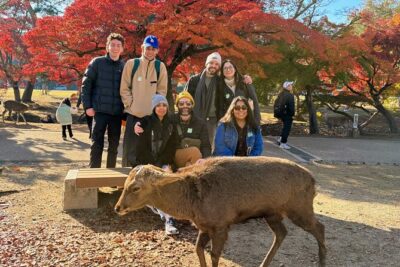
World Heritage Kyoto & Nara Uji Authentic Matcha Experience
Read our review →
Matcha Making Class in Tokyo with Authentic Japanese Sweets Set
Read our review →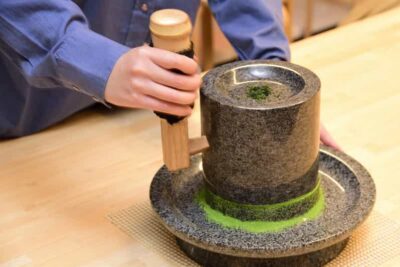
Tea Museum Tickets and Matcha Grinding Experience
Read our review →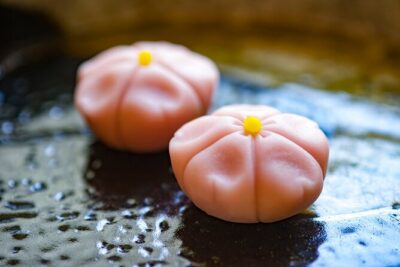
Matcha Making Class in Osaka with Authentic Japanese Sweets Set
Read our review →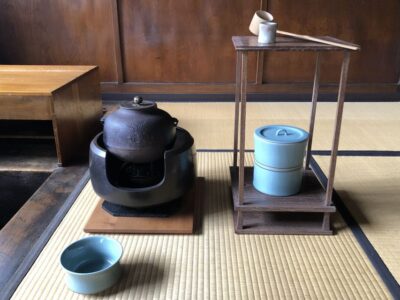
Tea Ceremony Meditation – Make Matcha with Tea Master
Read our review →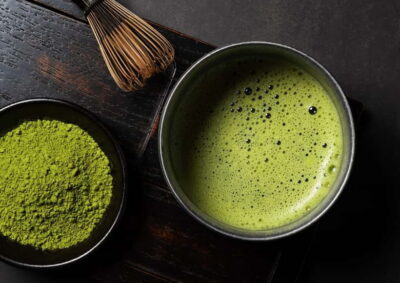
Matcha Making Experience with Mochi Sweets in Asakusa
Read our review →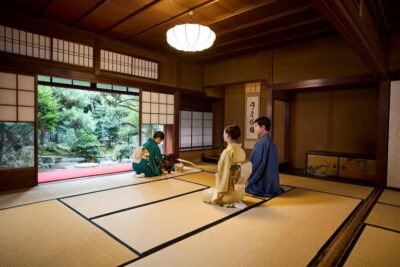
Browse the lists this tour appears in