
Review · KYOTO
Kyoto Hidden Riverside Zen Mediation and Uji Matcha Experience
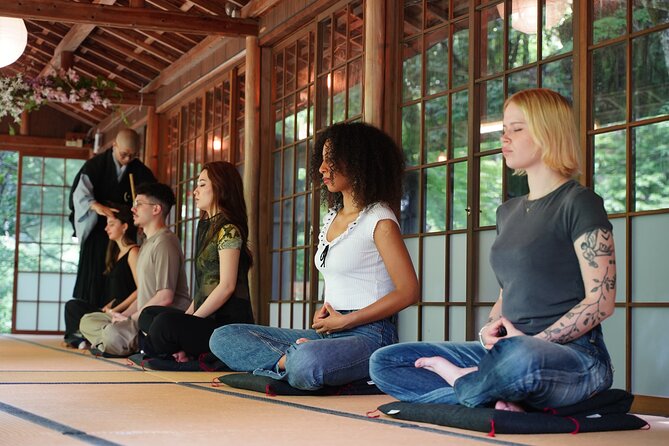
The unusual part comes first: you practice zazen beside a Kyoto river, not in a dark temple hall. Flowing water, trees, fresh air, and seasonal sounds become part of the session. An experienced Zen instructor leads the workshop, while an English-speaking cultural guide helps you follow the ideas and instructions.
I like the beginner-friendly approach and the small maximum of 10 people. I also like the quiet ending: freshly whisked Uji matcha and seasonal wagashi, served as a calm transition back into the day. The main consideration is price. At $105 for about two hours, this is not a bargain activity, and the outdoor setting means poor weather can change the plan.
Key points to know before booking
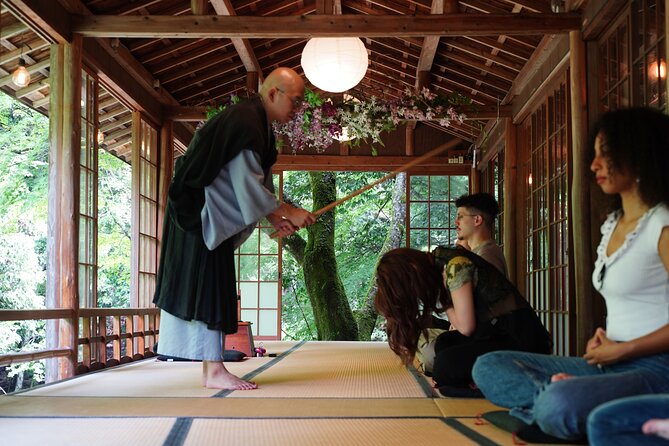
- Riverside zazen: Practice seated meditation on an open-air deck, with the sound of moving water and seasonal air around you.
- Practical Zen instruction: Learn posture, breathing, and reflection as tools for ordinary life, not as a formal religious performance.
- English support: An English-speaking cultural guide provides interpretation and context throughout the workshop.
- Small group size: The experience accepts a maximum of 10 people, allowing for a quieter and more personal feel.
- Uji matcha finale: Finish with premium matcha and seasonal Japanese sweets called wagashi.
- Two-hour commitment: The short format fits well into a Kyoto itinerary, but the $105 price makes it best for visitors who truly want a focused cultural experience.
Why riverside meditation changes the Kyoto experience
Kyoto offers plenty of temple visits, but many follow the same pattern: enter a historic building, admire the architecture, take a few photos, and move on. This workshop asks you to slow down before you add another sight to the list.
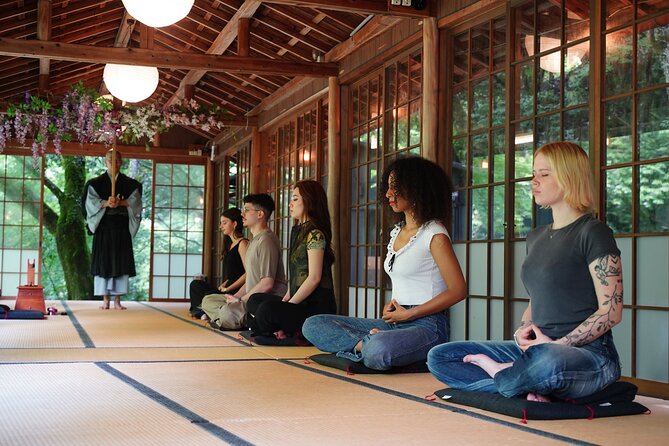
The setting is an open-air riverside deck surrounded by trees. You are not simply looking at Japanese culture from the outside. You are given a practice, a quiet place, and enough time to notice how the setting affects your attention.
The river matters here. Its sound gives the mind something gentle to register without demanding a response. The morning breeze and seasonal scenery add small changes to a session that could otherwise feel static. You do not need to know anything about Zen to appreciate this. You only need to sit, listen, and follow the instructions.
I would not book this expecting a grand temple ceremony. The appeal is almost the opposite. This is a modest, personal workshop that treats meditation as something usable in daily life. The lack of elaborate ritual may disappoint you if you want costumes, formal tea procedures, or a long explanation of Buddhist art. For a quiet introduction to Zen practice, though, the simpler format makes sense.
More Matcha Experiences in Kyoto:
- Kyoto: Arashiyama Bamboo Forest, Monkeys, Matcha & Temple Tour
★ 5.0 · 759 reviews - Kyoto: Tea Ceremony Meditation – Make Matcha with Tea Master
★ 4.8 · 406 reviews - Kyoto: Kimono Tea Ceremony with Matcha and Sweet
★ 4.9 · 249 reviews
What happens during the two-hour workshop
The experience begins at 35 Umegahata Tonohatachō in Kyoto’s Ukyo Ward, postal code 616-8293. The activity ends at the same meeting point, so you do not need to arrange a separate return transfer after the tea.
The exact order and length of each part are not specified, but the workshop is built around several clear stages. You begin with guidance into zazen, spend time in seated meditation and reflection, and close with matcha and sweets. The session is structured as a workshop rather than a silent period with little explanation.
That structure is useful for beginners. Sitting still can sound easy until your legs, shoulders, or attention start to complain. Step-by-step instruction gives you a way to understand what you are doing instead of guessing at temple etiquette.
You can expect the instructor to cover the basics of seated meditation, including posture and breathing. The larger aim is not simply to make it through one quiet session. The workshop presents Zen as a way to notice your thoughts and return your attention to the present moment during ordinary activities.
The instructor has spent decades guiding practitioners at historic temples and shrines in Kyoto. No individual instructor’s name is provided, so you should not book this expecting a named teacher. What is clear is the level of experience behind the lesson and the emphasis on practical instruction.
Learning zazen without temple formality
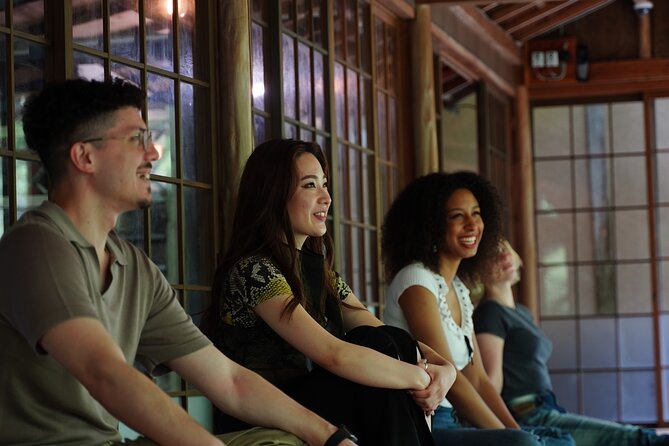
Zazen means seated meditation, and this session treats it as a practice anyone can try. You do not need a religious background, previous meditation experience, or a working knowledge of Japanese customs.
That open approach is one of the strongest reasons to choose this activity. Some visitors feel uncertain about entering a temple meditation hall. They worry about sitting incorrectly, breaking a rule, or failing to understand the religious setting. Here, the workshop is designed to explain the basics plainly and help you take part without that pressure.
The instruction also reaches beyond posture. You are encouraged to consider how calm attention might fit into your daily routine after Kyoto. That could mean bringing more awareness to a simple meal, a walk, or a few quiet minutes at home. The workshop does not present Zen as a special state reserved for temples.
The outdoor setting may help some people stay relaxed, but it can also bring distractions. You will hear natural sounds and feel changes in the air. If you need a perfectly controlled room for meditation, this may not be the best match. If you like the idea of letting the surroundings become part of the practice, the riverside location adds real value.
Because the activity requires good weather, the open-air format is not a minor detail. Rain or other poor conditions can lead to a different date or a full refund. Check the forecast before setting this as the fixed centerpiece of a tightly packed Kyoto day.
The value of an English-speaking cultural guide
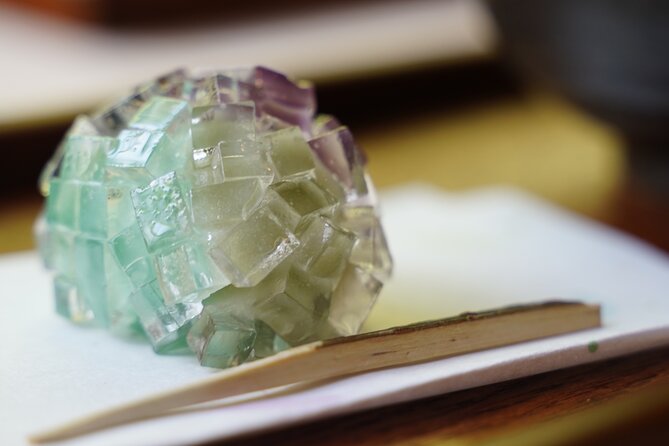
The Zen instructor leads the practice, while an English-speaking cultural guide accompanies the experience. That distinction matters. Meditation instructions can be difficult to follow when translated only through a printed handout or a few memorized phrases.
The guide provides real-time interpretation and cultural context. You can ask for clarification and understand the purpose behind the exercise, rather than copying movements without knowing what they mean.
This does not turn the activity into an academic lecture. The goal is to help you connect the practice with ordinary life. You should expect explanation when it is useful, followed by time to sit quietly and pay attention.
The guide is especially valuable if you are new to Zen terms or Japanese tea customs. You do not need to prepare by reading about Buddhism. The format is meant to make the experience accessible as you go.
One detail to keep in mind: the available information does not name the cultural guide or describe a particular language other than English. If you require support in another language, confirm that before booking.
Same place, a different pot:
- Kyoto: Tea Ceremony in a Traditional Tea House in Kiyomizu
★ 4.9 · 3,519 reviews - Kyoto: Tea Ceremony Ju-An at Jotokuji Temple
★ 4.9 · 3,207 reviews - Kyoto: 45-Minute Tea Ceremony Lesson Experience
★ 4.3 · 2,378 reviews - Kyoto: Table-Style Tea Ceremony at a Kyo-Machiya
★ 4.9 · 1,211 reviews
A quiet close with Uji matcha and seasonal wagashi
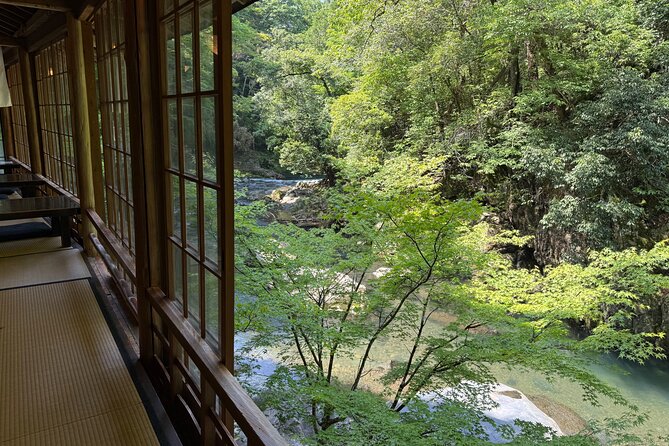
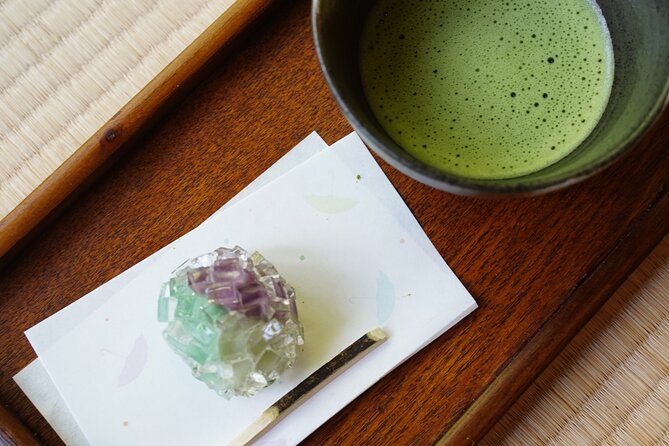
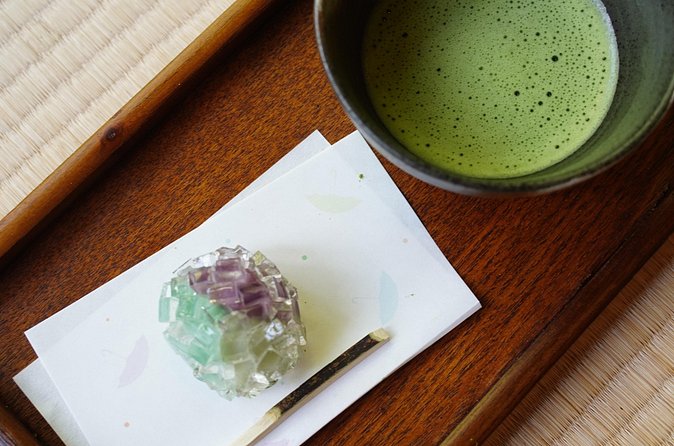
After the meditation workshop, you enjoy premium Uji matcha and seasonal wagashi. Uji, near Kyoto, is one of Japan’s best-known tea-producing areas, so the matcha gives the final part of the activity a clear local connection.
The tea service is not presented as a formal tea ceremony. That is important. You should expect a peaceful, mindful tea break rather than a detailed demonstration of every tea ceremony movement.
Freshly whisked matcha can taste grassy, bitter, and full-bodied. Seasonal wagashi, the small Japanese sweets served alongside it, provide a gentle counterpoint. The combination offers more than a snack. It gives you time to let the meditation settle before returning to sightseeing.
I like this ending because it avoids rushing from stillness straight into transport or a crowded attraction. Tea becomes a bridge between the workshop and the rest of your day.
The experience includes the premium Uji matcha and seasonal wagashi. It also lists coffee and tea as included, but the main tea focus is clearly the matcha. Private transportation and gratuities are not included, so you will need to handle your own journey to the meeting point and decide if you want to offer a tip.
Is $105 a fair price for two hours?
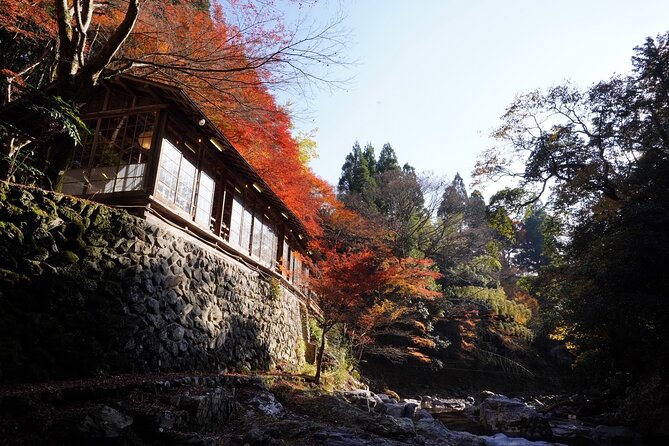
At $105 per person, this is a premium short activity. You are paying for about two hours, a small group capped at 10 people, experienced Zen instruction, English interpretation, a riverside setting, and the matcha service.
If you compare it with a standard sightseeing stop, the price may feel high. You could visit many Kyoto temples for less, and you would spend more time there. This workshop is not competing with a temple admission ticket. It is selling guided attention and a more personal cultural exchange.
The value is strongest if you want help entering a practice you would not confidently try alone. A meditation app, a quiet park, or a book about Zen costs less. None provides the same direct instruction, cultural explanation, or structured setting.
The value is also stronger for visitors who have already seen several temples and want a different kind of Kyoto experience. You are not collecting another view of a gate or garden. You are giving a morning or another part of the day to stillness.
The price is harder to justify if you are mainly looking for entertainment, photography, or a formal tea ceremony. There is no indication of a long temple tour, elaborate meal, or extended sightseeing program. Book it for the practice, not for a packed list of attractions.
The activity is booked an average of 14 days in advance, so planning ahead is sensible. Confirmation arrives at booking, and the mobile ticket makes the entry process straightforward.
Getting there and planning your day
The meeting point is in Umegahata Tonohatachō, in Kyoto’s Ukyo Ward. The location is near public transportation, but private transportation is not included. Allow enough time to reach the address without turning the start of meditation into a stressful race.
Since the activity returns to the same meeting point, it works best as a stand-alone morning or as one part of a day planned around the Ukyo area. Do not assume you will finish near Kyoto Station or another major sightseeing district.
The exact start time is not provided in the available details. Confirm the time on your booking and plan your route before the day begins. A mobile ticket is accepted, so keep it ready on your phone.
The maximum group size is 10. That is small enough to support a quieter mood, but it does not guarantee a one-to-one session. If you are looking for completely private instruction, ask the provider what the group arrangement will be before paying.
Service animals are allowed. The supplied information does not give detailed guidance about seating equipment, surface conditions, or general accessibility, so contact SunnySight Japan if you have mobility or medical needs that could affect seated meditation.
Who will appreciate this experience most?
I would recommend this workshop to you if you want a slower, more reflective side of Kyoto. It suits first-time meditators because the practice is explained step by step rather than assuming you already know Zen etiquette.
It also fits solo visitors and couples who want a calm activity with a clear beginning and end. The group size keeps the experience from feeling like a large bus tour.
You will probably appreciate it if you enjoy cultural activities that ask you to participate rather than simply watch. The matcha and wagashi provide a pleasant local detail, but the main point is the practice itself.
This is less suitable if you need a packed itinerary. Two hours is not long, but meditation requires you to give up the urge to keep moving. It is also not ideal if you want a traditional tea ceremony, a full temple visit, or a private lesson with a named instructor.
Families should consider the age and patience of their children. The supplied information does not state an age minimum or describe a children’s version. Since seated meditation requires quiet attention, confirm suitability before booking for young children.
Cancellation, weather, and practical risks
You can cancel up to 24 hours before the start time for a full refund. Changes or cancellations made less than 24 hours before the experience are not accepted for a refund, and the cut-off follows local Kyoto time.
The activity requires good weather. If conditions force a cancellation, you can receive a different date or a full refund. A minimum number of participants is also required, and if that minimum is not reached, the provider offers another date or experience or a full refund.
These rules are fair for an outdoor workshop, but they make this a poor choice for the one activity you cannot replace during a short visit. If your Kyoto schedule is tight, keep a backup plan nearby.
Should you book the riverside Zen workshop?
Book it if you want a genuine introduction to zazen in a natural setting, with clear English support and a calm matcha finish. The strongest parts are the riverside deck, the practical focus on everyday mindfulness, and the small group of no more than 10 people.
Think twice if $105 feels steep for two hours or if you want a formal temple ceremony. The experience does not promise elaborate ritual, private transportation, or a named instructor. It offers something quieter and more focused.
For the right visitor, this can become the part of Kyoto that stays with you after the temple photographs blur together. Go in ready to sit still, listen to the river, and accept that the value comes from attention rather than a long list of sights.
FAQ
Where does the Kyoto riverside Zen experience begin?
It begins at 35 Umegahata Tonohatachō, Ukyo Ward, Kyoto, 616-8293, Japan. The activity ends back at the same meeting point.
How long does the experience last?
The experience lasts approximately two hours.
Is the meditation suitable for beginners?
Yes. The workshop teaches the basics of zazen step by step and presents meditation in an approachable way for people without prior experience.
Is English interpretation available?
Yes. An English-speaking cultural guide accompanies the experience and provides real-time interpretation and cultural context.
What is included in the price?
The experience includes the Zen workshop, premium Uji matcha, and seasonal wagashi. Private transportation and gratuities are not included.
What happens if the weather is poor?
The activity requires good weather. If it is canceled because of poor conditions, you will be offered a different date or a full refund.
Just added around Kyoto
- Whisk Your Own Matcha: A Zen Matcha Experience at Temple★ 3.6 · 7 reviews
- Uji Walking Tour – Byodo-in temple and Tea Ceremony from Kyoto★ 3.5 · 3 reviews
- Kyoto: Authentic Tea Ceremony in a Small Group★ 5.0 · 7 reviews
- Tea ceremony at Kyoto’s Zen Temple Teahouse★ 5.0 · 2 reviews
- Traditional Tea Ceremony in Kyoto★ 4.5 · 3 reviews
- Tea Ceremony in 150 Years Old Townhouse with Tables and Chairs★ 5.0 · 22 reviews
- Silent Beauty of Kyoto Zen Walk and Tea Experience★ 5.0 · 2 reviews
- Tea Ceremony Experience in Traditional Kyoto Townhouse★ 5.0 · 19 reviews
Matcha Experiences, compared.
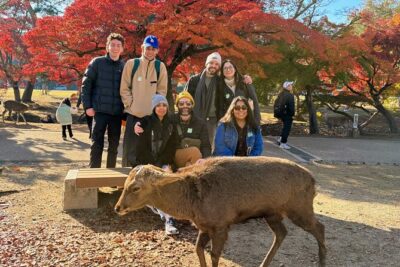
World Heritage Kyoto & Nara Uji Authentic Matcha Experience
Read our review →
Matcha Making Class in Tokyo with Authentic Japanese Sweets Set
Read our review →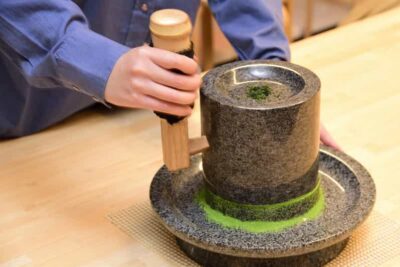
Tea Museum Tickets and Matcha Grinding Experience
Read our review →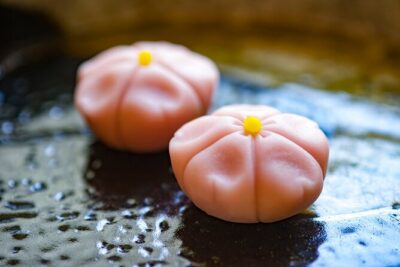
Matcha Making Class in Osaka with Authentic Japanese Sweets Set
Read our review →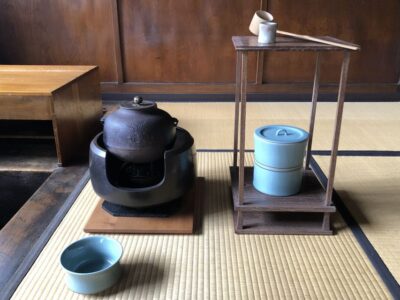
Tea Ceremony Meditation – Make Matcha with Tea Master
Read our review →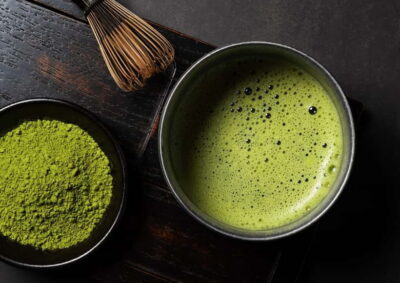
Matcha Making Experience with Mochi Sweets in Asakusa
Read our review →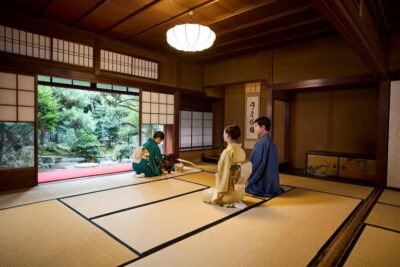
Browse the lists this tour appears in