
Review · KYOTO
Kyoto near Fushimiinari Wagashi making&Small Group Tea Ceremony
Making Japanese sweets before sitting down for matcha gives this Kyoto activity more substance than a simple tea demonstration. You make one wagashi by hand, then eat it during the ceremony in an authentic Japanese-style room near Fushimi Inari.
I like the small maximum of eight people, which gives the English-speaking instructor time to explain the customs clearly. I also like the friendly, personal setting, especially the short walk through the garden before entering the tea room. The main consideration is the 75-minute schedule, which leaves little room for lingering.
Key points to know before booking
- Hands-on wagashi making: You prepare one kind of traditional Japanese sweet in the kitchen, rather than only watching a demonstration.
- Two bowls of matcha: The experience includes matcha prepared by the host and a second bowl you make yourself.
- Near Fushimi Inari: The meeting point is about a 10-minute walk from Fushimi Inari Taisha, according to the experience details.
- Small English-speaking class: The group limit is eight, and licensed guide interpreters explain the customs and background.
- Tatami or chair seating: You can request chairs if sitting on the floor is uncomfortable.
- A few practical limits: You need socks, children seven and under cannot join, and the activity is not recommended if you avoid caffeine.
A Kyoto tea ceremony with something to do
Many tea ceremonies ask you to sit quietly and watch. This one begins in the kitchen, where you learn to make wagashi, a traditional Japanese sweet. That small change matters. By the time you enter the tea room, you have already made part of what you will eat.
The cooking is hands-on, and the class can get a bit sticky. That is part of the appeal. You are not simply receiving a polished cultural display. You are trying the work yourself, with an instructor guiding you through the steps.
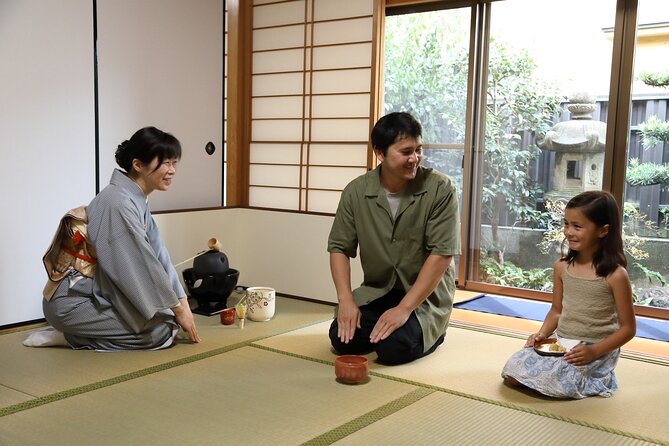
The exact wagashi can vary, but the experience includes one kind of Japanese confectionery. You then enjoy the sweet during the tea ceremony, alongside matcha. The sweet balances the tea’s bitter, grassy taste and helps you understand why wagashi is served with it.
The setting is a local house at 38-4 Fukakusa Watamoricho in Kyoto’s Fushimi Ward. The activity begins at 9:45 a.m. and lasts about one hour and 15 minutes. It ends back at the same meeting point, so you can continue exploring the Fushimi Inari area afterward.
More Japanese Sweets and Tea Sessions in Kyoto:
- Kyoto: Japanese Traditional Sweets Making and Tea Ceremony
★ 4.4 · 314 reviews - 2 Types of Japanese Sweets making and Tea Ceremony
★ 4.6 · 17 reviews - Kyoto Fushimiinari:Wagashi Making & Small Group Tea Ceremony
★ 5.0 · 14 reviews
From the kitchen to the tatami room
When you arrive, an English-speaking host takes you to the kitchen. The instructors are licensed guide interpreters, so the class is designed for clear explanations rather than silent imitation.
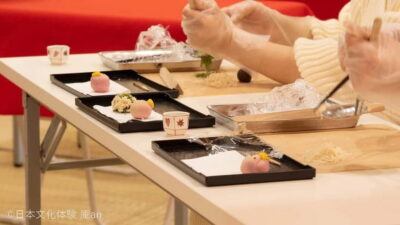
You learn how to make the wagashi with direct guidance. This is a good fit if you like cultural activities that give you a small skill to take home. Afterward, you can prepare the sweet again for friends, although you should not expect a formal cooking course with a long recipe booklet or several dishes. The focus is one traditional confectionery and the tea ritual that follows.
Once the wagashi is ready, the group goes outside and walks through a tiny garden. If the weather is suitable, you enter the Japanese-style room through the garden. That transition is one of the nicest parts of the experience. You move from the practical kitchen into a quieter space without leaving the house.
Rain can change this part of the route. The activity requires good weather, and poor conditions may lead to a different date or a full refund. The garden walk is brief, so you are not paying for a garden tour, but it helps set the mood before the formal ceremony.
What happens inside the tea room
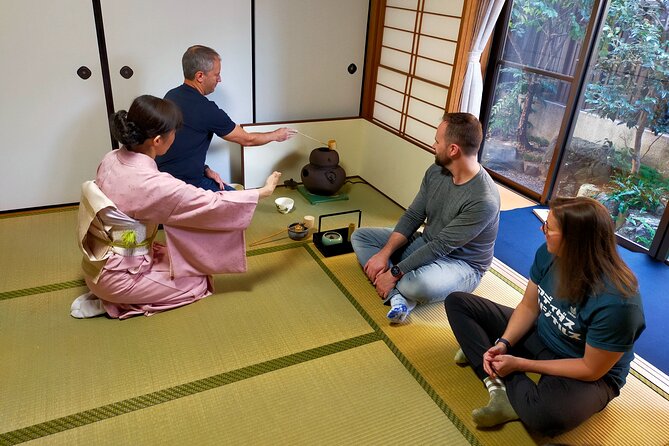
After sitting on the tatami, the instructor explains how to attend a tea ceremony. You learn the basic behavior first, which takes pressure off the experience. You do not need to know the etiquette in advance.
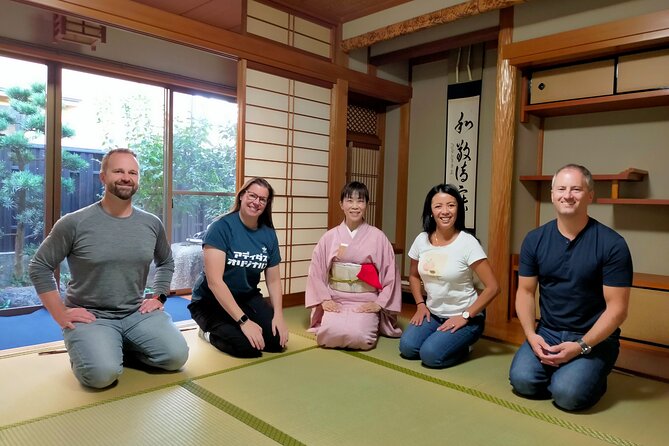
The instructor also explains the history of tea ceremony and the meaning of the hanging scroll on the wall. These details give the room a purpose beyond decoration. The scroll is part of the seasonal and spiritual atmosphere of the tea room, and the explanation helps you notice it rather than simply passing it by.
Tea ceremony is formal, but the host aims to make the session feel like being invited into a friend’s home. That balance is useful for first-time visitors. You get an introduction to the rules and gestures, but the tone is not presented as an intimidating examination.
The instructor first demonstrates how to drink a bowl of matcha. Pay attention to the sequence and the handling of the bowl, since you will have a chance to follow the steps yourself. The format gives you a clear example before asking you to participate.
The host then demonstrates the ceremonial preparation of matcha. You drink that bowl before preparing your own. The experience includes two bowls of matcha, along with the Japanese sweets.
Making your own matcha
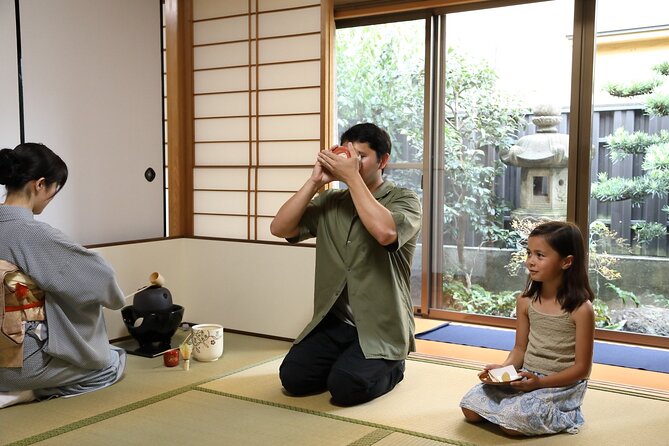
The final hands-on section lets you prepare matcha for yourself. This is where the class becomes useful beyond the hour in Kyoto. You leave knowing the basic process for serving matcha to friends at home.
Do not expect to become a tea master in one short session. Japanese tea ceremony has many rules and layers, while this class offers an accessible introduction. The value comes from trying the movements, understanding the purpose of the ritual, and learning how the host presents the tea.
The matcha is caffeine-containing tea, so this activity may not suit you if you do not take caffeine. The supplied information does not state that a decaffeinated substitute is available, so you should ask before booking if this matters to you.
The sweet and tea combination also makes the tasting easier for newcomers. Wagashi is traditionally served with matcha for a reason: its sweetness offsets the strong tea. You get to taste that pairing immediately, rather than hearing about it in the abstract.
More Tea Ceremony Experiences in Kyoto:
- Kyoto: Tea Ceremony in a Traditional Tea House in Kiyomizu
★ 4.9 · 3,519 reviews - Kyoto: Tea Ceremony Ju-An at Jotokuji Temple
★ 4.9 · 3,207 reviews - Kyoto: 45-Minute Tea Ceremony Lesson Experience
★ 4.3 · 2,378 reviews - Kyoto: Table-Style Tea Ceremony at a Kyo-Machiya
★ 4.9 · 1,211 reviews
Why the small group matters
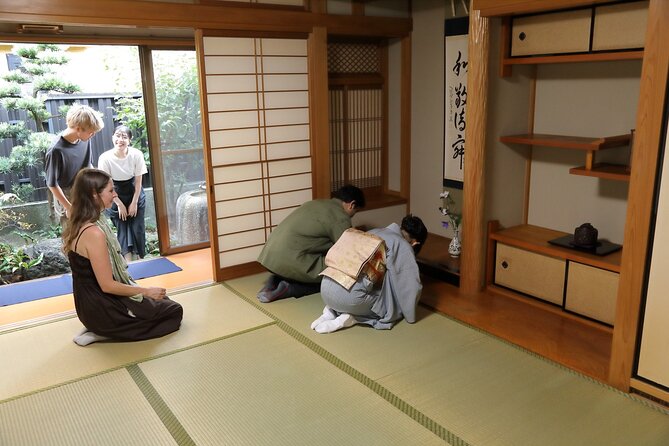
The maximum group size is eight people. That is small enough for the instructor to explain the ceremony, answer questions, and watch each participant prepare matcha.
A larger group would make the activity feel more like a stage performance. Here, the home setting and limited capacity support a more personal session. The trade-off is that the experience may sell out on popular dates, and it is booked on average about 10 days ahead. Reserve early if the 9:45 a.m. start fits your Kyoto plans.
The reservation normally requires at least two people. Solo participants are asked to contact the provider, since an arrangement may be possible. That is important if you are traveling alone and do not want to assume the standard booking process will work.
The English-speaking instructors are friendly and explain the material clearly. One host specifically named in the experience details is Miho, who speaks English well and leads the ceremony. Instructor assignments can vary, so do not assume she will lead every session, but the class is designed for English-speaking participants.
Location near Fushimi Inari
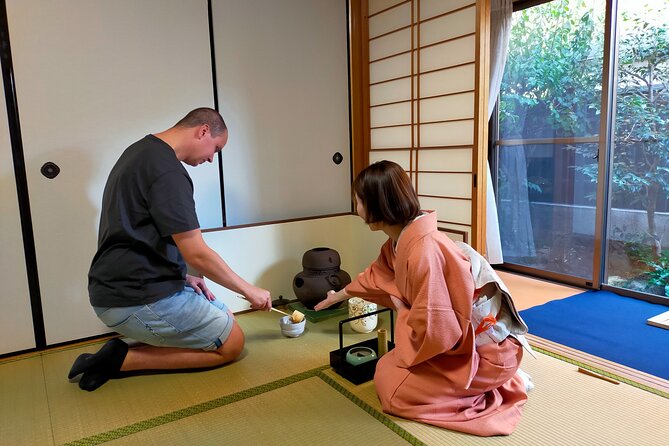
The meeting point is in Fushimi Ward, near public transportation and close to Fushimi Inari Taisha. The experience details place the house about a 10-minute walk from the famous shrine’s orange torii gates.
That makes the timing useful. You can schedule the tea ceremony before or after visiting Fushimi Inari, though the fixed 9:45 a.m. start means you need to plan your shrine visit around it. Since the activity ends back at the house, you do not finish in a different part of Kyoto.
Fushimi Inari is one of Kyoto’s best-known sights, so the area can be busy. The tea ceremony itself takes place in a local home rather than at the shrine. That contrast is part of its appeal: you see a famous Kyoto landmark, then spend a quiet hour in a more intimate setting nearby.
Do not book this as a walking tour of Fushimi Inari. The shrine is a nearby bonus, not the main activity. The focus is wagashi, matcha, and tea ceremony etiquette.
Price and what you receive
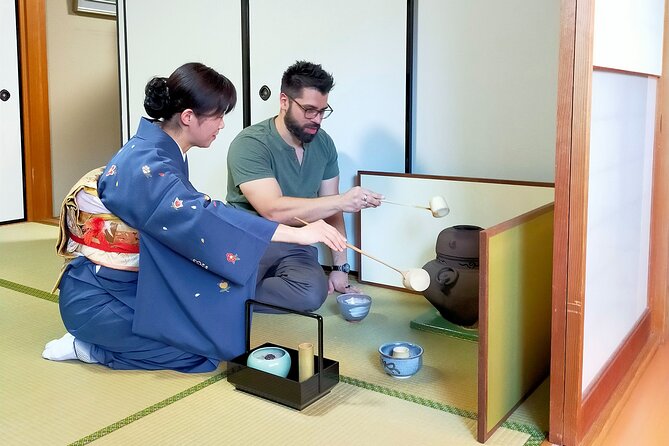
The cost is $52.26 per person. For 75 minutes, that is not the cheapest way to taste matcha in Kyoto. You are paying for more than a drink, though. The price includes the English-speaking instructor, all fees and taxes, the wagashi lesson, two bowls of matcha, and the traditional confectioneries.
The strongest value comes from the combination of instruction and participation. A quick tea tasting might cost less, but it would not give you the same chance to make wagashi, prepare matcha, and learn why the objects and gestures matter.
The small group also helps justify the price. With no more than eight participants, the session is built around individual involvement rather than simply watching from the back of a crowded room.
I would choose this activity for someone who wants a compact cultural lesson near Fushimi Inari. If your main goal is a long, highly formal tea ceremony with extensive ritual, you may find the 75-minute format too brief. If you want a friendly introduction that fits neatly into a sightseeing day, the price is reasonable.
Seating, clothing, and family considerations
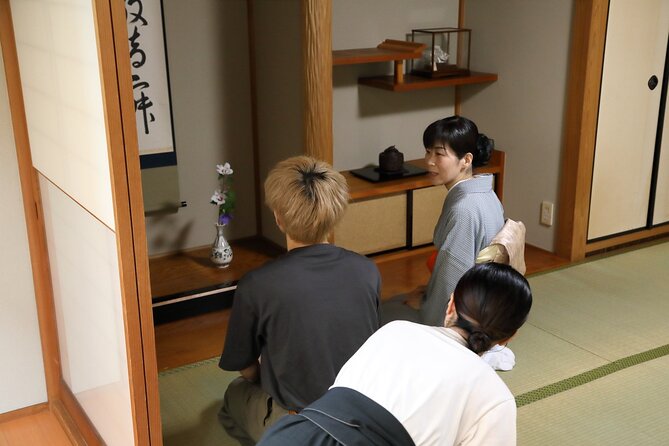
You sit on a tatami floor unless you request chairs. Tell the provider how many chairs you need when making the reservation. This is especially useful if kneeling or sitting on the floor is uncomfortable.
Wear or bring socks. Bare feet are not allowed in the tea room. Easy-to-remove shoes are also recommended because you will enter a traditional Japanese-style room.
Children from eight through 12 must attend with at least one adult. Children seven and under cannot participate. The activity is best for older children and adults who can follow a short lesson and take part quietly during the ceremony.
There is no hotel pickup or drop-off service. You need to make your own way to the meeting point and return from there. The activity is near public transportation, but the supplied details do not specify a particular station or route, so check your map before leaving.
Free cancellation is available up to 24 hours before the start time. Changes or cancellations within 24 hours are not accepted for a refund. Poor weather can also affect the garden portion and may result in a new date or full refund.
Who should book this experience
I would recommend this class if you want three things in one short session: a small cooking lesson, a traditional tea ceremony, and a chance to take part yourself.
It suits first-time visitors to Japan because the instructor explains the basic etiquette before you need to use it. It also works well for repeat visitors who want an activity that feels more personal than another major sightseeing stop.
Families with children over seven can consider it, provided an adult joins children aged eight to 12. Couples and friends will likely find the wagashi-making portion especially enjoyable because you can compare your finished sweets before the ceremony.
I would hesitate if you dislike caffeine, cannot sit on tatami and do not want to request a chair, or prefer a longer food workshop. The activity is also not ideal if you want an unstructured visit. The schedule is short and guided from start to finish.
Should you book the Kyoto wagashi and tea ceremony?
Book it if you want an approachable introduction to Japanese tea culture near Fushimi Inari. The hands-on wagashi lesson, two bowls of matcha, small group, and English explanations give the experience real substance for its short length.
Before booking, make three checks: arrange chairs if needed, bring socks, and confirm that matcha suits you. If those points work for you, this is a well-sized cultural activity that can add a quiet, personal hour to a busy Kyoto day.
FAQ
Where does the wagashi and tea ceremony take place?
It takes place at a local house at 38-4 Fukakusa Watamoricho, Fushimi Ward, Kyoto, 612-0022, Japan.
How long does the experience last?
The activity lasts approximately one hour and 15 minutes.
What time does the activity begin?
The scheduled start time is 9:45 a.m.
Is the activity near Fushimi Inari Shrine?
Yes. The experience details place it about a 10-minute walk from Fushimi Inari Taisha Shrine.
How many people can join the class?
The group has a maximum of eight participants.
Is the instruction provided in English?
Yes. An English-speaking instructor leads the session, and the instructors are licensed guide interpreters.
Do I make the Japanese sweets myself?
Yes. You make one kind of wagashi in the kitchen with instruction. It is a hands-on class rather than only a demonstration.
Can I sit on a chair instead of the tatami floor?
Yes. Chairs can be prepared if you request them when making your reservation. State how many chairs you need.
What should I bring or wear?
Bring or wear socks because bare feet are not allowed in the room. Easy-to-remove shoes are recommended. The activity is not recommended for people who do not take caffeine.
Just added around Kyoto
- Whisk Your Own Matcha: A Zen Matcha Experience at Temple★ 3.6 · 7 reviews
- Uji Walking Tour – Byodo-in temple and Tea Ceremony from Kyoto★ 3.5 · 3 reviews
- Traditional Tea Ceremony in Kyoto★ 4.5 · 3 reviews
- Kyoto: Authentic Tea Ceremony in a Small Group★ 5.0 · 7 reviews
- Tea ceremony at Kyoto’s Zen Temple Teahouse★ 5.0 · 2 reviews
- Tea Ceremony in 150 Years Old Townhouse with Tables and Chairs★ 5.0 · 22 reviews
- Silent Beauty of Kyoto Zen Walk and Tea Experience★ 5.0 · 2 reviews
- Tea Ceremony Experience in Traditional Kyoto Townhouse★ 5.0 · 19 reviews
Japanese Sweets & Tea, compared.

Matcha Making Class in Tokyo with Authentic Japanese Sweets Set
Read our review →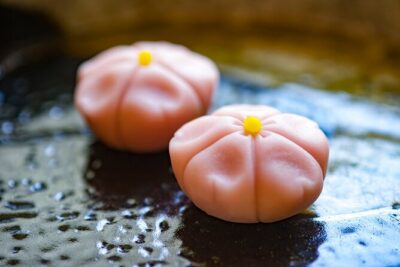
Matcha Making Class in Osaka with Authentic Japanese Sweets Set
Read our review →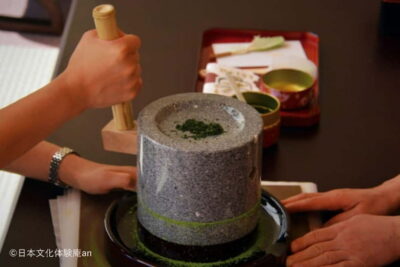
Japanese Traditional Sweets Making and Tea Ceremony
Read our review →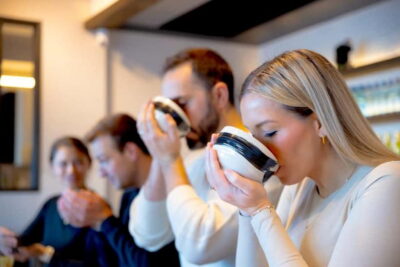
Japanese Traditional Sweets Making and Tea Ceremony
Read our review →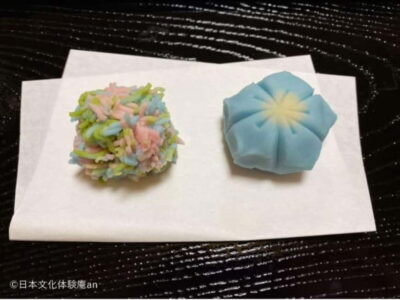
Nagoya: Japanese Traditional Sweets making and Tea Ceremony
Read our review →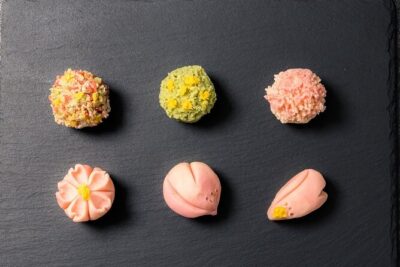
Sweets Making and Kimono Tea Ceremony at Tokyo Maikoya
Read our review →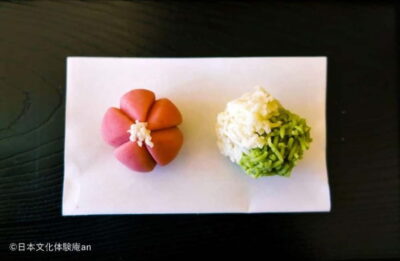
Japanese Traditional Sweets making and Tea Ceremony
Read our review →Browse the lists this tour appears in