
Review · JAPAN
Nagoya: Japanese Traditional Sweets making and Tea Ceremony
The best part of this Nagoya experience is that you do not just watch Japanese sweets being made. You shape the sweets yourself, starting with colored white bean paste and finishing with two seasonal designs, then prepare matcha to enjoy with them. It turns a delicate art into a hands-on lesson you can actually remember.
I like the use of bean paste from long-established Kyoto shops, since the ingredients are central to the taste and texture of wagashi. I also like the sensible location, just one minute from Kokusai Center Station and a 13-minute walk from Nagoya Station. The main consideration is that this is an introduction to tea culture, not a long, formal tea ceremony with every traditional ritual.
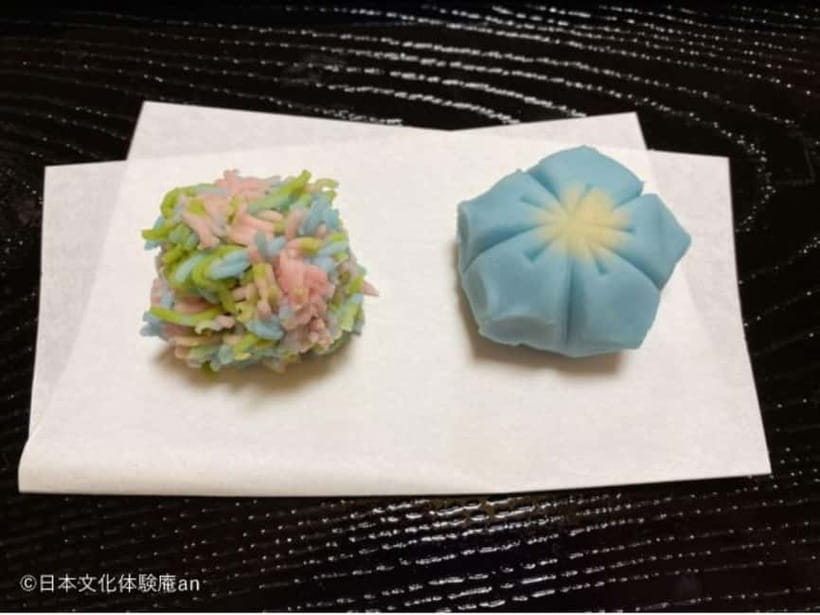
- Two seasonal sweets: Make a flower-shaped nerikiri and a kinton nerikiri, with designs changing to match the season.
- Quality ingredients: Use white and red bean paste made by established Kyoto producers, plus single-origin Uji matcha.
- Hands-on matcha: See a grinding demonstration, then prepare your own tea to drink with the sweets.
- Central Nagoya setting: The venue is one minute from Exit 3 of Kokusai Center Station.
- English help available: The main language is Japanese, but English translation can be added if requested.
- Good family activity: Children, including a six-year-old noted in the activity feedback, can take part with adult support.
Why Seasonal Nerikiri Makes This More Than a Cooking Class
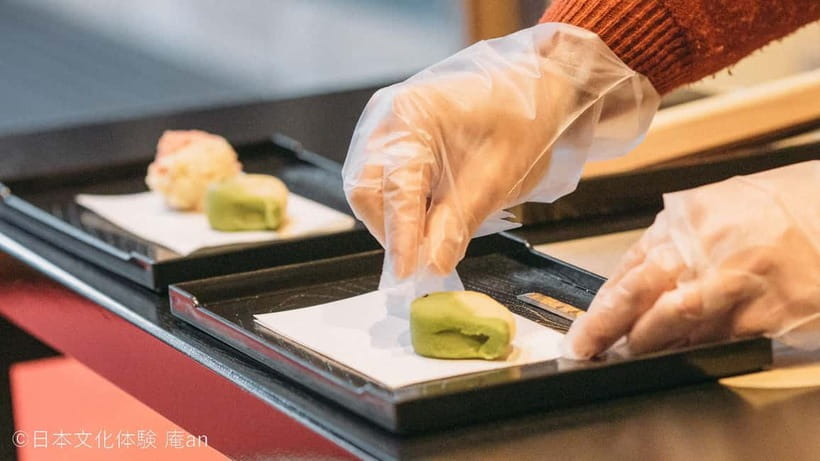
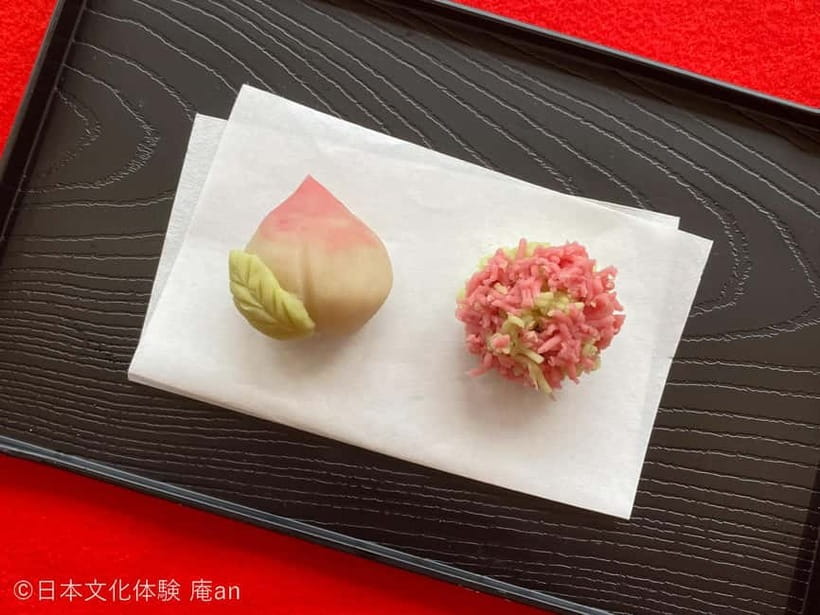
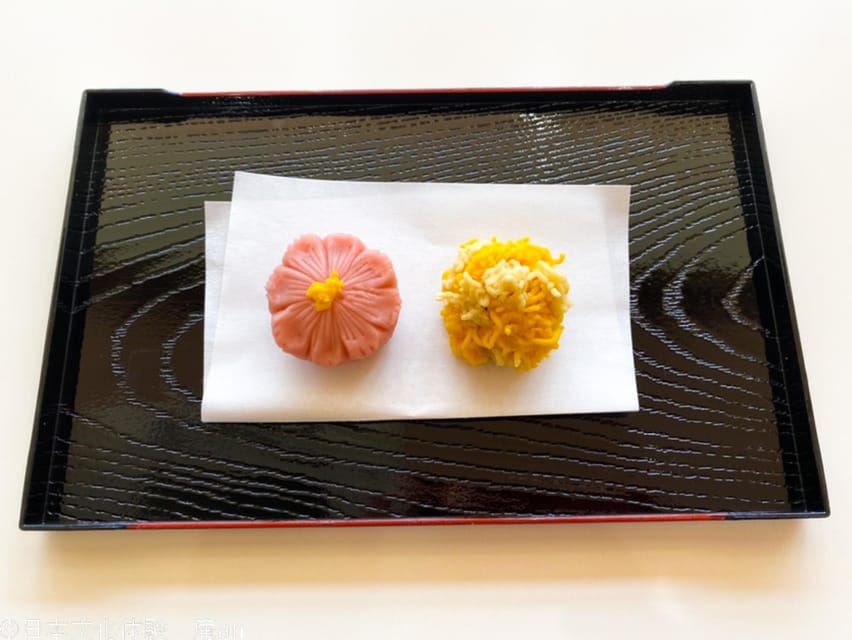
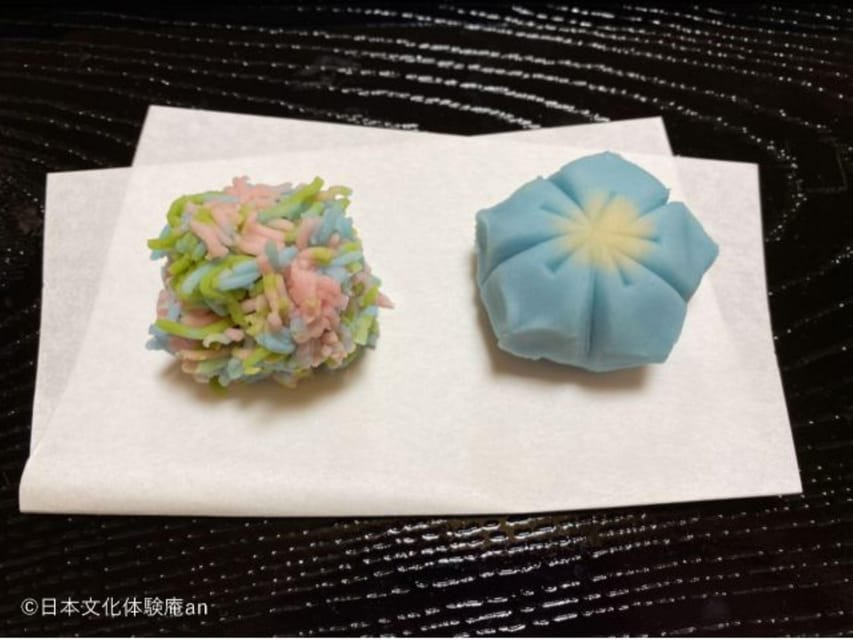
Nerikiri is a high-grade Japanese sweet made from colored white bean paste. Instead of being shaped into a simple ball or bar, it is formed into flowers, leaves, fruits, and other seasonal images. The point is not only sweetness. Shape, color, texture, and the time of year all matter.
You begin by coloring the white bean paste. That small step gives you a feel for the craft before you try to form the finished sweet. The paste is then shaped into a flower-style nerikiri and a kinton nerikiri, a more textured form that can suggest seasonal plants or other natural shapes.
I like this format because it gives you two different kinds of work. One sweet tests your ability to make clean shapes and details. The other lets you work with a looser, more textured appearance. Your results may not look like the instructor’s, and that is part of the fun. The class leaves room for a little creative freedom while still giving you clear guidance.
The designs are tied to the season. In autumn, for example, the sweets may reflect things such as ginkgo leaves and chestnuts. You are not simply producing a generic souvenir. You are making something connected to the time of year in Japan.
The 95-Minute Schedule, Step by Step
The experience lasts about 95 minutes. It is short enough to fit into a busy Nagoya day, but long enough to include preparation, instruction, tasting, and photographs.
More Japanese Sweets and Tea Sessions in Japan:
- Matcha Making Class in Tokyo with Authentic Japanese Sweets Set
★ 5.0 · 744 reviews - Matcha Making Class in Osaka with Authentic Japanese Sweets Set
★ 5.0 · 509 reviews - Kyoto: Japanese Traditional Sweets Making and Tea Ceremony
★ 4.4 · 314 reviews
The opening lesson and first nerikiri
At the start, the instructor explains Japanese traditional sweets and the ingredients you will use. This is useful context because bean paste can look plain at first, yet it has a long role in Japanese confectionery. You learn what you are handling before moving into the practical work.
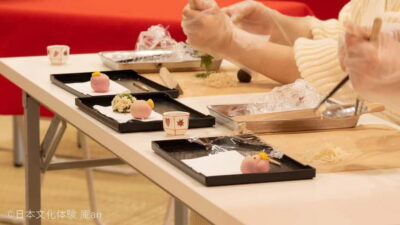
The first project is a flower-shaped nerikiri. You begin with the coloring process, then shape the paste into the intended form. The instructor demonstrates the steps, and you follow along at your own pace as much as the class schedule allows.
Clear instruction is one of the most important parts of this activity. The instructors have included Mariko and Saki, and English delivery has been described as very clear when available. The official language is Japanese, so you should contact the provider ahead of time if you want English translation added.
The kinton nerikiri
The second sweet is kinton nerikiri. This style has a different look and texture from the flower-shaped sweet, so you get a useful comparison instead of repeating the same task twice.
This is also where the class becomes pleasantly humbling. Fine Japanese sweets are made to look effortless, but shaping the paste neatly takes care. You may find that your own work has a few uneven edges. That is no failure. The instructor’s demonstration shows what the finished form should look like, while your own result gives you a better sense of the hand skill involved.
The activity is suitable for families, too. A six-year-old child took part with adult support, and the hosts helped keep the work approachable. Very young children who sit on a parent’s lap are free, but only children under two qualify for that arrangement.
The break at about 55 minutes
After the two sweets are prepared, there is a break at about the 55-minute mark. This gives you a pause before the tea portion and separates the making process from the tasting ritual.
The schedule is well judged here. Making two sweets requires concentration, especially if you are trying to copy seasonal details. A short pause keeps the second half from feeling rushed.
More Tea Ceremony Experiences in Japan:
- Kyoto: Tea Ceremony in a Traditional Tea House in Kiyomizu
★ 4.9 · 3,519 reviews - Kyoto: Tea Ceremony Ju-An at Jotokuji Temple
★ 4.9 · 3,207 reviews - Kyoto: 45-Minute Tea Ceremony Lesson Experience
★ 4.3 · 2,378 reviews - Osaka: Tea Ceremony Experience
★ 4.9 · 1,426 reviews
Tea explanation and matcha grinding
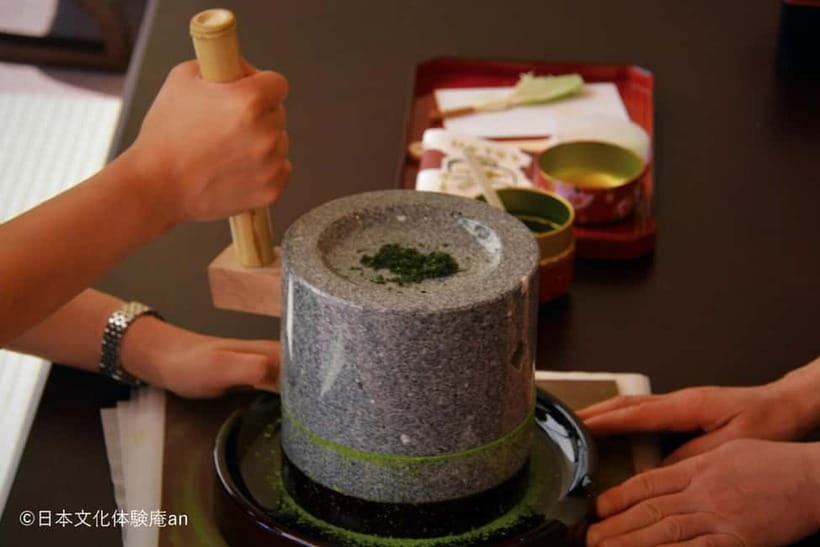
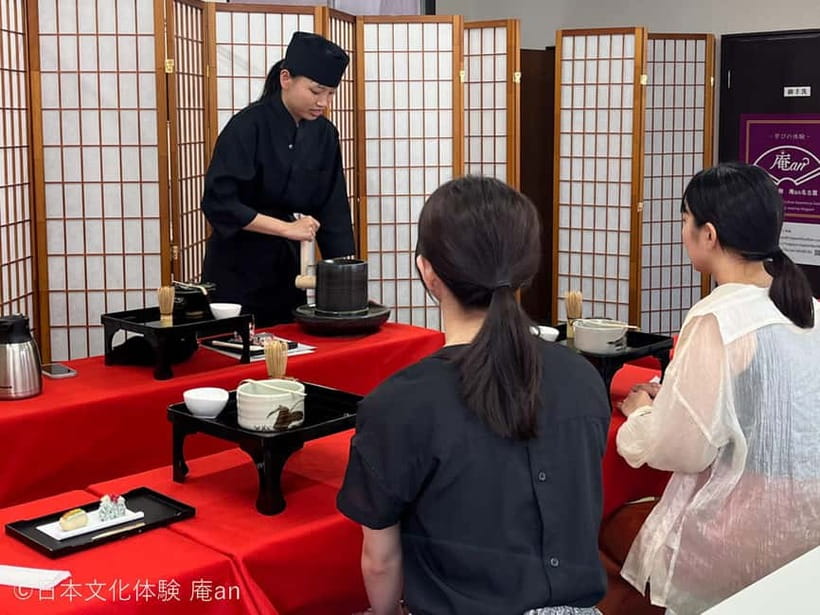
At about 65 minutes, the instructor explains tea and demonstrates how matcha is ground. The matcha used is single-origin Uji matcha, which gives this part a clear connection to one of Japan’s best-known tea-growing areas.
You then prepare your own matcha. The experience is not only about drinking a green beverage. You learn something about the work involved in producing and preparing it, and you get practical guidance on how to drink it properly.
The tea has a naturally strong, slightly bitter taste. That is why it is served with the sweets. The sweetness of the bean paste softens the sharper notes of the matcha, while the tea keeps the sweets from tasting heavy. This pairing is one of the most satisfying parts of the experience.
Tea ceremony and photographs
The tea portion follows the explanation and grinding demonstration. It introduces the manners and process of tea preparation without claiming to be a full formal ceremony. One useful expectation to set is that this is a cultural workshop with a tea-ceremony element, rather than an extended traditional performance.
After the tea experience, there is time for photographs. The activity formally ends at about 85 minutes, followed by eating and drinking time through the 95-minute mark. That final window matters because you can enjoy the sweets you made instead of packing them away immediately.
A take-out box costs 100 yen if you want to carry the sweets with you. Since the sweets are part of the experience, I would plan to eat them there unless you have a specific reason to take them elsewhere.
The Taste of Kyoto Bean Paste and Uji Matcha
The ingredients give this class more substance than a simple craft session. The white and red bean paste comes from long-established Kyoto shops. You are working with the same basic material used in a refined Japanese sweet tradition, not an unspecified substitute.
White bean paste is mild and smooth, making it useful for coloring and shaping. Red bean paste brings a deeper sweetness. The experience uses both types, although the exact combination in each seasonal sweet can vary with the program.
The matcha is single-origin Uji matcha. You prepare it yourself and drink it with the sweets, so the connection between ingredient, method, and taste is easy to understand. You may also find matcha and matcha equipment available for purchase at the location, although the supplied information does not specify the exact products or prices.
I especially like that the food is not treated as an afterthought. You make it, learn what goes into it, and then taste it in the setting where the flavors make sense together.
Is This a Full Japanese Tea Ceremony?
No, and it is better to know that before booking. The activity includes an explanation of tea, a matcha grinding demonstration, preparation of your own matcha, and a tea-ceremony experience. It does not promise every formal movement or extended ritual associated with a full traditional tea ceremony.
For many people, this is an advantage. You receive an accessible introduction without needing to sit through a long presentation. You can take part rather than simply watch. The sweets also give the tea portion a clear purpose.
If your main goal is a strict, formal tea ceremony in a highly traditional setting, you may want a different type of activity. If you want to understand the basics, make something with your hands, and drink matcha with a sweet you created, this shorter format makes good sense.
Location Near Nagoya Station
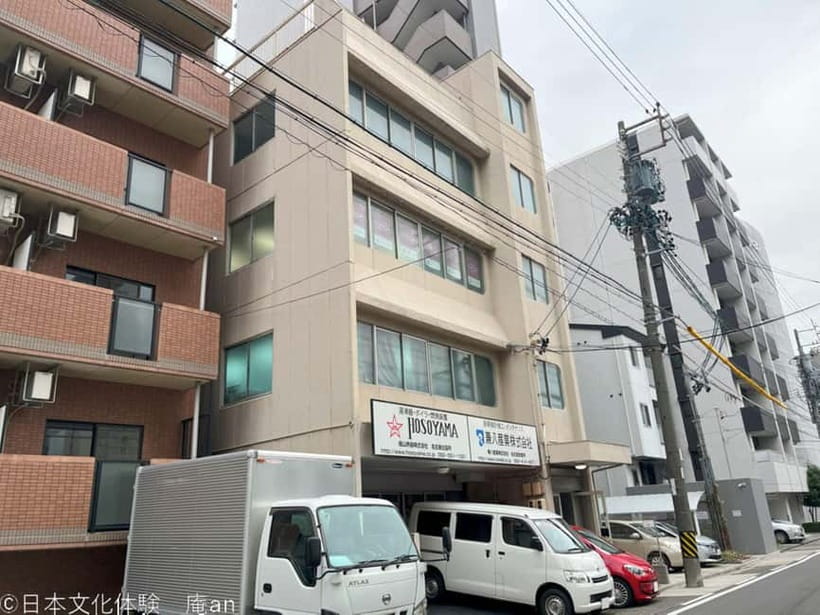
The venue is on the third floor, with no elevator. That is a practical point to keep in mind before you arrive.
The easiest route is from Exit 3 of Kokusai Center Station on Nagoya’s Sakura-dori subway line. The venue is about a one-minute walk from the exit. You can also walk from the Sakura-dori side of Nagoya Station in about 13 minutes.
The central location makes this a useful choice when you have only one full day in Nagoya or want a quiet break between larger sightseeing stops. It does not require a long trip outside the city, and the 95-minute length leaves room for other plans.
Arrive early. The class cannot be held for late arrivals, regardless of the reason, so a delayed train or a difficult search for the building can cost you the activity. Since the venue is upstairs and the exact meeting details matter, allow extra time to find Exit 3 and reach the third floor.
Who Will Get the Most From This Experience?
This is a strong choice for you if you want a small-scale cultural activity with a clear beginning and end. It suits first-time visitors who want to learn about wagashi without committing to a full cooking course.
Families can also make good use of it. The work is hands-on, the sweets are edible, and the instructors can support children who need help. Adults should expect to assist younger children, especially during the coloring and shaping stages.
It also suits couples, solo visitors, and friends who want a slower activity during a busy Japan itinerary. The class gives you something to do together, but it is not physically demanding or tied to outdoor weather.
You should think twice if you dislike sweet bean paste, matcha, or careful handwork. The activity is built around all three. You should also consider the Japanese-language setting if you need fully fluent English instruction. English translation can be provided as much as possible, but you need to request it rather than assume it will happen automatically.
The $18 Price and What You Receive
At $18 per person, the value is very good for a 95-minute activity in central Nagoya. The fee includes both the traditional sweets-making experience and the tea experience, along with the ingredients and instruction needed to complete them.
You are not paying only for a snack. You receive two hands-on projects, a lesson in seasonal Japanese confectionery, a matcha grinding demonstration, tea preparation, and time to eat what you made. The use of Kyoto bean paste and Uji matcha also gives the activity a stronger food focus than a basic souvenir workshop.
There are two small extra charges. A sweets take-out box costs 100 yen, and a completion certificate costs 300 yen. A nominative certificate requires you to send the names in advance. Otherwise, the name space will be left blank.
The class also offers reserve now and pay later booking, which can help if your Nagoya schedule is still moving. Cancellation is free up to 24 hours before the experience. After that point, fees apply, and changing the date or time after a fee has been incurred can also bring a specified charge.
Practical Details Before You Book
The operating hours are 10:00 to 17:00. Reservations received after 17:00 are processed the following day, so do not expect a late-night booking request to receive an immediate response.
The instructor is Japanese, and the listed language is Japanese. Contact the provider if you want English translation added. Several instructors have been able to explain the process clearly in English, but advance contact is the safest way to discuss language needs.
Only people taking part in the activity may enter. If one member of your group plans to sit out, that person should not assume they can come inside and watch.
The provider is B.B. Advisors Inc. AN NAGOYA. The activity has a 4.9 rating from 76 reviews, with especially strong praise for clear instruction, friendly support, the quality of the sweets, and the calm, educational tea portion. Those strengths match the design of the experience: it is structured, practical, and easy to follow.
Should You Book the Nagoya Sweets and Tea Experience?
Book it if you want an affordable, central, hands-on introduction to Japanese culture. The strongest reasons are the two seasonal nerikiri, the Kyoto bean paste, the single-origin Uji matcha, and the chance to prepare and taste everything yourself.
I would give it priority during a short Nagoya stay, especially if you want time away from crowded sightseeing. It also works well for families, provided adults help younger children and everyone is comfortable with sweets and matcha.
Skip it if you are seeking a formal, lengthy tea ceremony or a fully English-led class without advance arrangements. For everyone else, the balance of price, location, food quality, and participation makes this a smart 95-minute addition to a Nagoya itinerary.
FAQ
How long does the Japanese sweets and tea experience last?
The experience lasts 95 minutes. The sweets-making portion begins first, the tea portion starts at about 65 minutes, and the final eating and drinking time continues until departure at about 95 minutes.
What sweets will I make?
You will make two seasonal Japanese sweets. The program includes a flower-shaped nerikiri and a kinton nerikiri. The designs change to match the season.
What ingredients are used?
The activity uses white and red bean paste made by long-established shops in Kyoto. It also uses single-origin Uji matcha.
Is the tea ceremony a full formal ceremony?
The activity includes tea explanations, a matcha grinding demonstration, matcha preparation, and a tea-ceremony experience. It is presented as an introduction to tea culture rather than a full formal ceremony.
Is English available?
The main language is Japanese. English translation can be provided as much as possible if you contact the provider and request it.
Where is the meeting point?
The venue is one minute from Exit 3 of Kokusai Center Station on the Sakura-dori subway line. It is also about a 13-minute walk from the Sakura-dori side of Nagoya Station.
Is the venue accessible by elevator?
No. The venue is on the third floor, and there is no elevator.
Can I take the sweets home?
Yes. A sweets take-out box is available for 100 yen. The activity also includes time to eat and drink the sweets and matcha at the venue.
What happens if I arrive late or need to cancel?
The event cannot be held for late arrivals. You can cancel up to 24 hours in advance for a full refund. After that, cancellation fees apply, and changing the date or time after a fee has been incurred may also result in a specified charge.
More Dessert Stops in Japan
- Tokyo: Matcha Making Experience with Mochi Sweets in Asakusa
★ 4.9 · 388 reviews - Osaka: Matcha Making Experience with Japanese Sweets
★ 5.0 · 146 reviews - Make Traditional Nerikiri Sweets & Matcha experience in Shibuya
★ 5.0 · 130 reviews - Osaka: Japanese Traditional Sweets Making and Tea Ceremony
★ 4.7 · 118 reviews
Just added around Japan
- Yokohama : Tea Ceremony with Sweets and Souvenir★ 5.0 · 5 reviews
- Whisk Your Own Matcha: A Zen Matcha Experience at Temple★ 3.6 · 7 reviews
- Walking Tour: Yanaka,Nezu& Sendagi: Tea Ceremony & Old Tokyo★ 5.0 · 3 reviews
- Visit local home for music and tea ceremony near Disney★ 4.9 · 13 reviews
- Yokohama: Sushi & Gyoza Cooking with Matcha & GreenTea Experience★ 5.0 · 3 reviews
- Trip to Kamakura & Enoshima: Shrines, Seaside, Temples &Tea★ 5.0 · 11 reviews
- Kyoto tea town for matcha lovers★ 5.0 · 16 reviews
- Uji: Private immersion into Kyoto’s tea and reglious culture★ 5.0 · 17 reviews
Japanese Sweets & Tea, compared.

Matcha Making Class in Tokyo with Authentic Japanese Sweets Set
Read our review →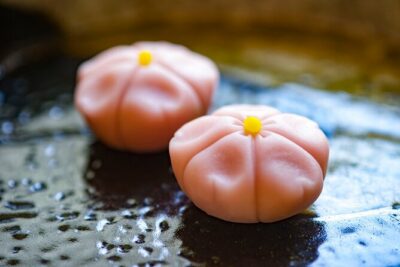
Matcha Making Class in Osaka with Authentic Japanese Sweets Set
Read our review →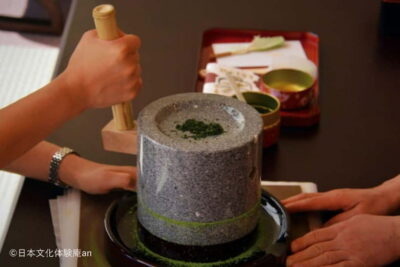
Japanese Traditional Sweets Making and Tea Ceremony
Read our review →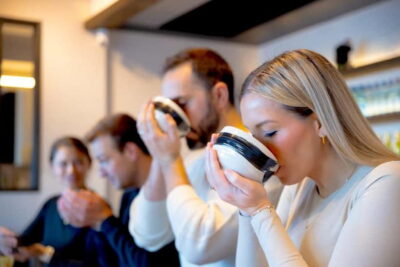
Japanese Traditional Sweets Making and Tea Ceremony
Read our review →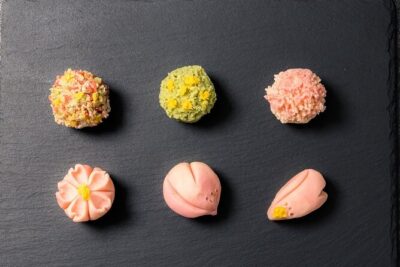
Sweets Making and Kimono Tea Ceremony at Tokyo Maikoya
Read our review →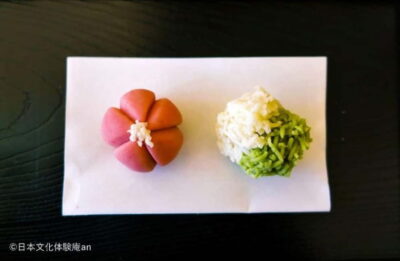
Japanese Traditional Sweets making and Tea Ceremony
Read our review →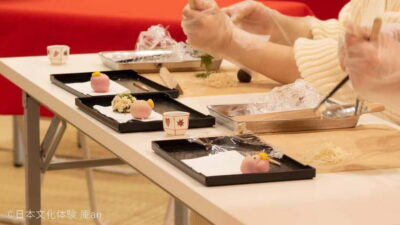
Two Types of Japanese Sweets Making and Tea Ceremony
Read our review →Browse the lists this tour appears in