
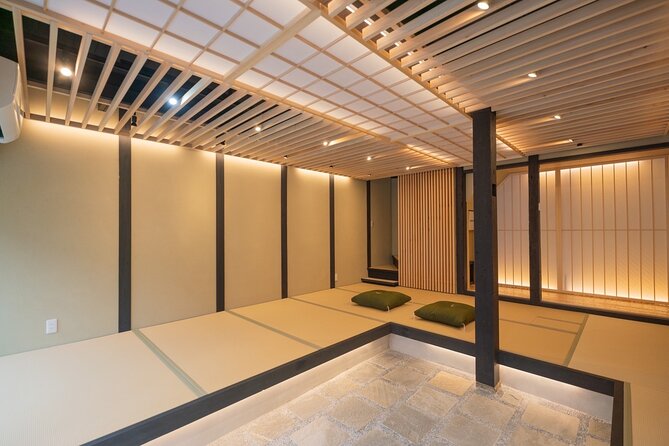
Review · KYOTO
Kyoto : Okada Tea Ceremony & Kimono
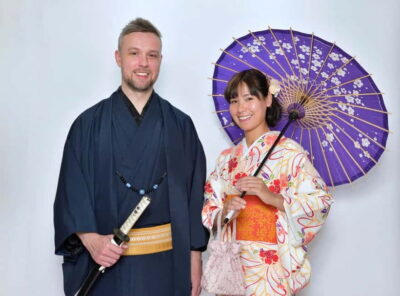
The most appealing part of this Kyoto experience is the way it joins kimono dressing and tea ceremony in one compact visit. You choose your outfit, receive simple hairstyling, learn how each part of the kimono is put on, then sit down for matcha, sweets, and an explanation of tea customs.
I like the tiny group size, capped at four, and the easy location, just a 30-second walk from the Kiyomizu-michi bus stop. I also like that you can keep the kimono until 6:00 PM, giving you time to stroll the nearby streets and make your photos part of the day. The main drawback is timing: dressing takes about 1 to 1.5 hours, so the full activity can feel long if you mainly want a quick tea demonstration.
Key points
- Two traditions in one visit: Choose a kimono, receive simple hairstyling, and take part in a one-hour tea ceremony.
- Small group setting: The maximum is four people, which allows for a more personal lesson.
- A convenient Higashiyama location: The rental shop sits beside the tea ceremony venue and near the Kiyomizu-michi bus stop.
- Keep the kimono until 6 PM: You can continue sightseeing nearby after the formal part ends.
- Matcha and sweets included: The tea session includes a taste of matcha and a traditional sweet.
- Helpful, patient instruction: Okada explains the customs and history step by step, with photos included during the experience.
Why this Kyoto experience works so well
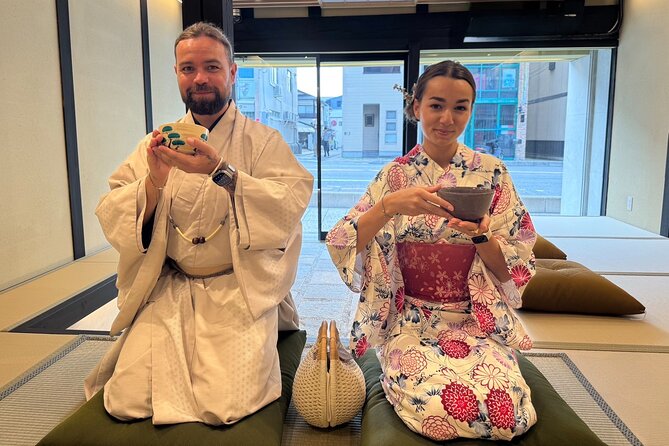
Many kimono activities in Kyoto are mainly about getting dressed and taking pictures. This one adds a proper tea session, so you get more than a costume change. You learn how the outfit is assembled, then connect it to a Japanese custom built around careful movement, hospitality, and respect.
The order matters. You are dressed first, and the tea ceremony follows without a trip across town. That keeps the day simple and avoids the awkward gap that can come with booking a rental shop and a cultural lesson separately.
The activity lasts about 2 hours and 30 minutes. About 1 to 1.5 hours goes to choosing and putting on the kimono, with simple hairstyling included. The tea ceremony takes about an hour. This is not a quick photo stop, but the pace gives you time to understand what you are wearing and why the ceremony is performed in a particular way.
More Kimono Tea Ceremonies in Kyoto:
- Kimono Tea Ceremony at Kyoto Maikoya, NISHIKI
★ 5.0 · 911 reviews - Kyoto: Kimono Tea Ceremony at Orizuruya Gion
★ 4.9 · 618 reviews - KYOTO Tea Ceremony with kimono near by Imamiya Jinjya Shrine
★ 5.0 · 343 reviews
Choosing a kimono and getting dressed
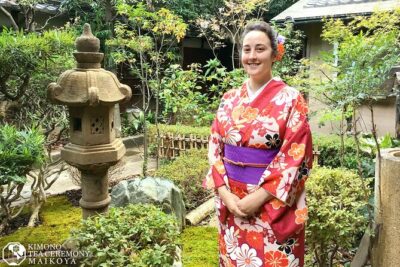
The experience begins at 岡田-OKADA-102 Tatsumichō in Kyoto’s Higashiyama Ward. You choose your kimono, then the staff help dress you in the traditional layers and accessories. The full process is part of the lesson, rather than a rushed change behind a curtain.
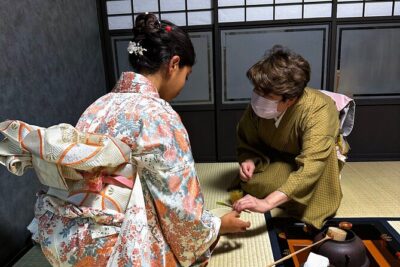
That detail matters. A kimono is not simply a robe you pull on and tie at the waist. The dressing process has several parts, and one of the strongest features of this activity is the careful explanation of each step. One participant described learning about every component and stage of the dressing process, which is useful if you want cultural context instead of only a finished look.
Simple hairstyling is included. The information does not promise an elaborate salon appointment, so you should think of this as a tidy traditional touch rather than a full beauty treatment. It is enough to complete the appearance and make the kimono feel like an outfit for the day.
Allow plenty of time for this section. If you are traveling with children, older family members, or anyone who dislikes sitting still, the dressing period may test patience. On the other hand, the unhurried pace helps you ask questions and get comfortable before the tea ceremony begins.
A one-hour tea ceremony with Okada
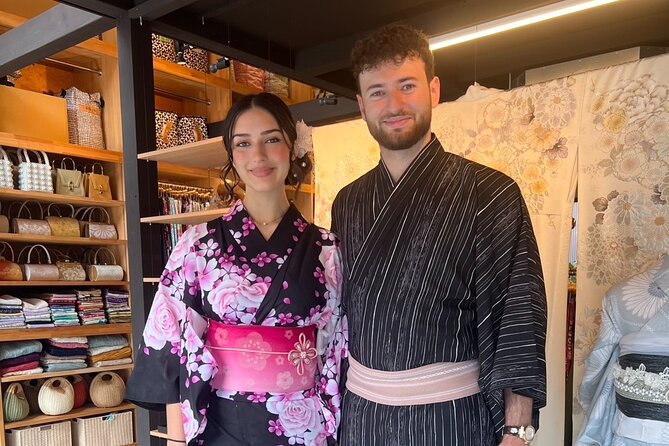
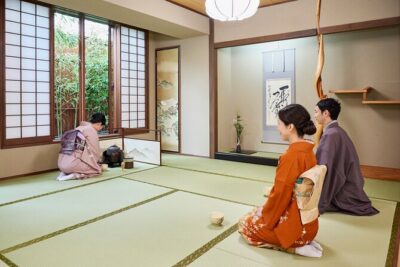
After dressing, you move directly to the nearby tea ceremony venue. The shop and tea room are next to one another, so you do not need to walk through Kyoto in a formal kimono before the main activity. That is a practical advantage, especially on a warm day or when you are still learning how to move in the clothing.
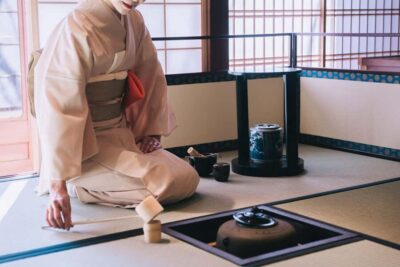
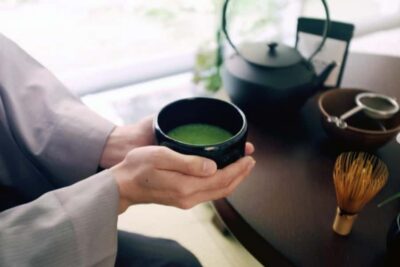
The tea ceremony lasts about one hour. You learn about tea culture, customs, and the meaning behind the movements, then enjoy matcha and sweets. The focus is not only on drinking tea. It is on understanding the care given to the room, the preparation, the serving, and the behavior of the people taking part.
Okada is the named host associated with the ceremony. He explains the history and customs in detail, and he also takes photos during the experience. That photo help is valuable because it lets you focus on the lesson instead of handing your phone to a stranger or trying to arrange pictures while wearing formal clothing.
The ceremony should appeal to anyone who wants context. You may not remember every rule or gesture, but you will leave with a clearer sense of why the Japanese tea ceremony is treated as a formal art rather than an ordinary cup of tea.
The session also appears suitable for young children in some cases. A family with a 3-year-old was accepted, and the host was described as patient and attentive. Still, the activity lasts several hours, and a small child may not enjoy every quiet moment. If you are booking for a young child, consider the child’s ability to sit calmly and follow simple instructions.
The value of keeping your kimono until 6 PM
The best practical feature comes after the formal program. You can keep the kimono until 6:00 PM and use the extra time to walk around nearby Kyoto streets. This turns a 2.5-hour appointment into a larger part of your sightseeing day.
The meeting point is close to the Kiyomizu-michi bus stop, and the listed walking time is about 30 seconds. From there, the Higashiyama area makes a natural setting for a slow walk and photographs. The experience does not promise entry to specific temples or attractions, so you will need to plan those separately. Its value is the freedom to continue exploring in costume, not a packaged sightseeing route.
Plan your route before you arrive. A kimono can make long walks, steep streets, and crowded buses less comfortable. Staying near the meeting point keeps the plan easy, and you can choose a short stroll instead of trying to cover half of Kyoto.
The return time is important. You must bring the kimono back by 6 PM, so do not schedule a late afternoon attraction far from Higashiyama. Keep an eye on the clock, particularly if you stop for food, photos, or shopping.
More Tea Ceremony Experiences in Kyoto:
- Kyoto: Tea Ceremony in a Traditional Tea House in Kiyomizu
★ 4.9 · 3,519 reviews - Kyoto: Tea Ceremony Ju-An at Jotokuji Temple
★ 4.9 · 3,207 reviews - Kyoto: 45-Minute Tea Ceremony Lesson Experience
★ 4.3 · 2,378 reviews - Kyoto: Table-Style Tea Ceremony at a Kyo-Machiya
★ 4.9 · 1,211 reviews
Location and group size
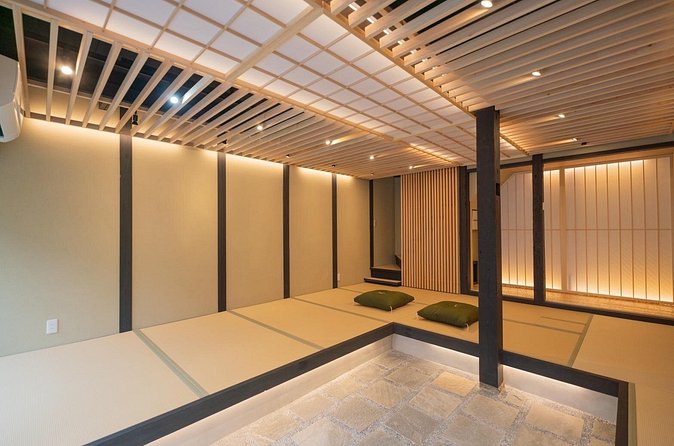
The activity begins and ends at the same meeting point: 岡田-OKADA-102 Tatsumichō, Higashiyama Ward, Kyoto, postal code 605-0855. The nearby Kiyomizu-michi bus stop makes public transport the sensible choice, and the short walk from the stop is helpful if you are carrying bags or traveling with family.
The maximum group size is four people. That is small enough for direct conversation and personal help with the clothing. It also makes the tea ceremony feel more focused than a large demonstration where you sit at the back and watch from a distance.
A small group can have one limitation: the experience may feel less anonymous. If you prefer to quietly observe without interacting, a private or four-person setting may require more participation. For most people, though, the small size is a strong part of the value.
Mobile ticketing is available. Confirmation is provided at booking, and service animals are allowed. These are useful details, but they do not change the main planning point: arrive at the correct Higashiyama meeting place and allow the full 2.5 hours.
Is $84.70 a fair price?
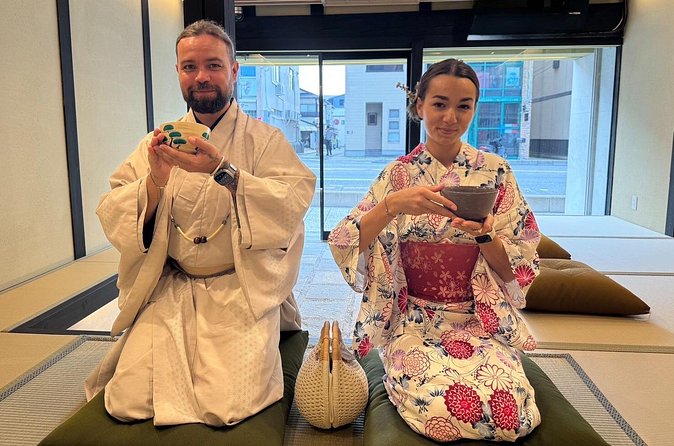
At $84.70 per person, this is not the cheapest way to wear a kimono in Kyoto. The price makes more sense when you count the separate parts: kimono rental, dressing, simple hairstyling, a one-hour tea ceremony, matcha, sweets, instruction, photos, and use of the kimono until 6 PM.
You are also paying for convenience. The rental shop is next to the tea room, and the same location handles the beginning and end of the activity. Booking these services separately could mean comparing shops, coordinating times, and crossing town in formal clothing.
The value is strongest if you plan to spend time in Higashiyama afterward. If you only want one or two photographs and a brief cup of matcha, the price may feel high. If you want a full cultural outing with a small group and time to walk around in the kimono, the package is easier to justify.
Families should calculate carefully because the price is per person. The experience can suit a parent and child, but a longer dressing session and a quiet tea ceremony may not work for every young child.
What the experience does especially well
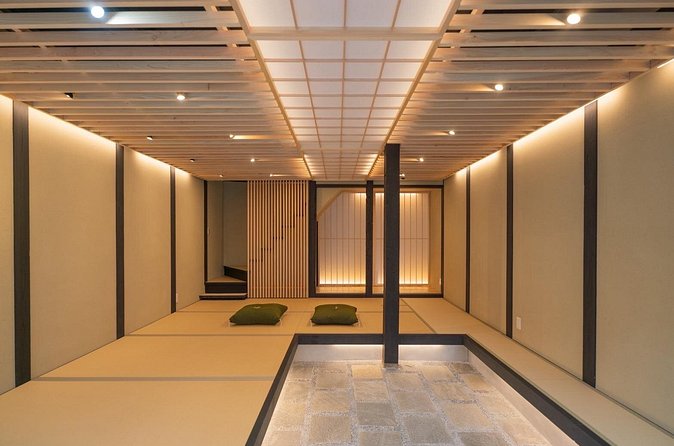
The strongest feature is the amount of explanation. You are not only shown a finished kimono or handed a bowl of tea. The dressing process, tea customs, and cultural background are all part of the time together.
The host’s patience is another clear advantage. Okada has been described as attentive during the ceremony and willing to explain the meaning behind the customs. That is the kind of guidance that helps you feel comfortable with unfamiliar gestures.
Photography is also handled thoughtfully. Since photos are taken while you are dressed, you can enjoy the moment without constantly checking your phone. Bring your own phone if you want extra pictures, but do not rely on the activity as a full professional photo session. The information promises photos from Okada, not a formal photography package.
The arrangement is also family-friendly in a practical sense. A 3-year-old was accepted, and the host was patient. Still, the quiet tone and long dressing time mean you should judge based on your child’s temperament rather than assume every young child will enjoy it.
Points to consider before booking
The 1 to 1.5-hour dressing period is the main consideration. People who enjoy clothing, photographs, and cultural detail will likely see it as part of the fun. People who want to reach the tea bowl quickly may find it slow.
You should also plan for the restrictions that naturally come with wearing a kimono, even though the activity details do not list specific clothing rules. Keep your post-tour route nearby, allow time to return the outfit by 6 PM, and avoid packing the afternoon with distant appointments.
The tea ceremony is cultural instruction, not simply a sweet drink. You will need to pay attention to customs and explanations. That is a benefit for many people, but it may not suit someone looking for a casual café break.
Finally, the experience has only a small maximum group size, so availability may be limited. Confirmation arrives at booking, and the activity offers free cancellation if you cancel at least 24 hours before the start time. Changes or cancellations made less than 24 hours before the start time are not accepted for a refund.
Who should book this Kyoto tea ceremony
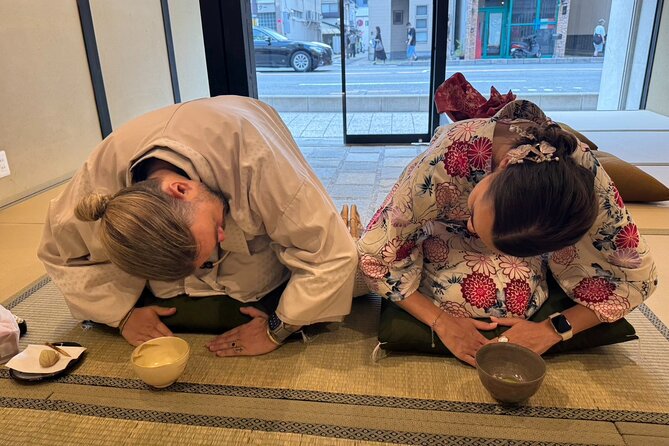
I would choose this experience if you want a compact introduction to two familiar Kyoto images, the kimono and the tea ceremony, with real explanation behind them. It is especially suitable for first-time visitors, couples, families with patient children, and anyone who wants photos without giving up cultural substance.
It is less suitable if your schedule is tight, you dislike formal clothing, or you want a large sightseeing tour with several included attractions. The activity stays in one area and focuses on one cultural lesson.
Book it if you can spare the full 2.5 hours and make use of the kimono afterward. The best plan is to schedule it on a day when you already want to explore Higashiyama, then return the outfit before 6 PM. At $84.70, the experience earns its price through the small group, careful instruction, included matcha and sweets, and extra sightseeing time in the kimono.
FAQ
Where does the Kyoto kimono and tea ceremony begin?
It begins at 岡田-OKADA-102 Tatsumichō in Kyoto’s Higashiyama Ward, postal code 605-0855. The location is about a 30-second walk from the Kiyomizu-michi bus stop.
How long does the complete experience take?
The experience lasts approximately 2 hours and 30 minutes. Kimono selection, dressing, and simple hairstyling take about 1 to 1.5 hours, followed by a one-hour tea ceremony.
Can I keep the kimono after the tea ceremony?
Yes. You can continue wearing the kimono to explore nearby Kyoto until 6:00 PM. You must return to the meeting point by then.
What is included in the tea ceremony?
The one-hour session includes an introduction to tea culture and customs, matcha, and sweets.
How many people can join the activity?
The maximum group size is four people.
Are service animals allowed?
Yes, service animals are allowed.
What is the cancellation policy?
You can cancel for a full refund up to 24 hours before the experience start time. Cancellations or changes made less than 24 hours before the start time are not accepted for a refund. Cut-off times use Kyoto local time.
Just added around Kyoto
- Whisk Your Own Matcha: A Zen Matcha Experience at Temple★ 3.6 · 7 reviews
- Uji Walking Tour – Byodo-in temple and Tea Ceremony from Kyoto★ 3.5 · 3 reviews
- Traditional Tea Ceremony in Kyoto★ 4.5 · 3 reviews
- Kyoto: Authentic Tea Ceremony in a Small Group★ 5.0 · 7 reviews
- Tea ceremony at Kyoto’s Zen Temple Teahouse★ 5.0 · 2 reviews
- Tea Ceremony in 150 Years Old Townhouse with Tables and Chairs★ 5.0 · 22 reviews
- Silent Beauty of Kyoto Zen Walk and Tea Experience★ 5.0 · 2 reviews
- Tea Ceremony Experience in Traditional Kyoto Townhouse★ 5.0 · 19 reviews
Kimono & Tea Ceremonies, compared.
KYOTO Tea Ceremony with kimono near by Imamiya Jinjya Shrine
Read our review →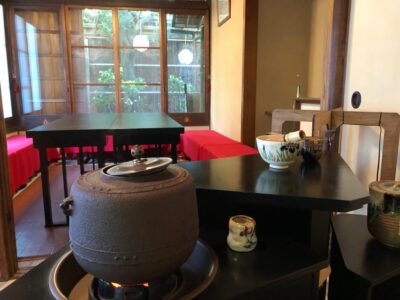
Kimono and Tea Ceremony Experience at Cultural Asset
Read our review →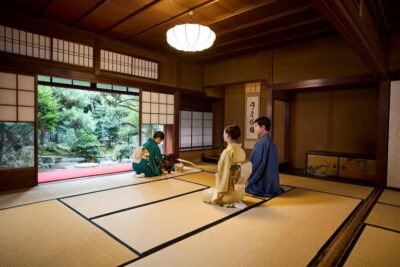
Browse the lists this tour appears in