
Review · KYOTO
Kyoto: Quiet and Graceful Tea Ceremony
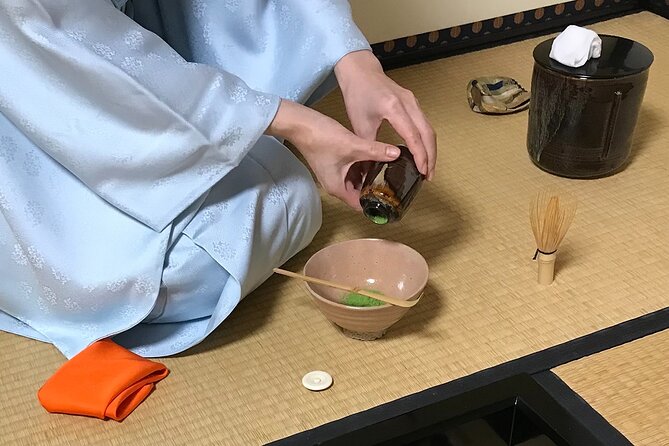
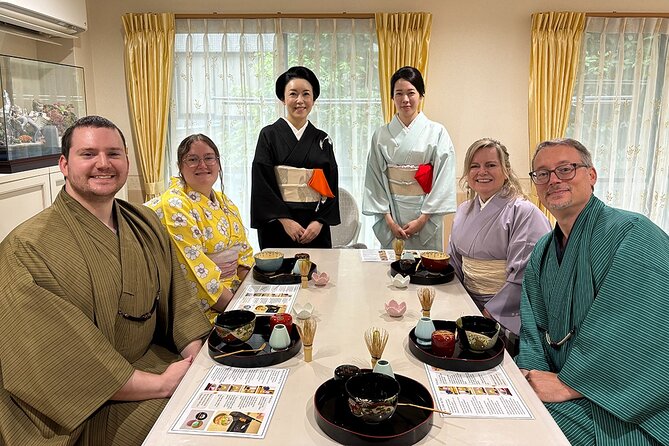
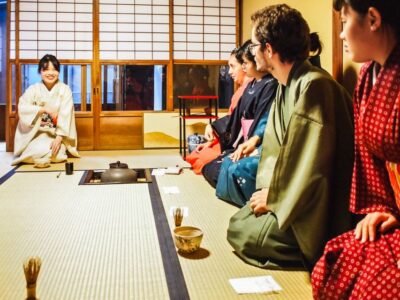
Kyoto’s tea ceremony is less about drinking a cup of matcha than watching how care is put into every movement. At Omotenashi Tea Ceremony, you sit in a quiet tatami room while the host prepares premium Kyoto matcha, explains the etiquette, and serves a seasonal sweet before inviting you to make tea yourself. I like the small-group setting and the chance to ask questions instead of simply watching a staged performance.
I also like that this is a private-house experience, not a flashy tourist production. Hosts such as Mai have been praised for graceful demonstrations and clear English explanations, and children can take part. The tradeoff is simple: this is not a kimono package or an ornate tea-house show, and some people may find 45 minutes and $56.49 a little steep for the setting.
Key points at a glance
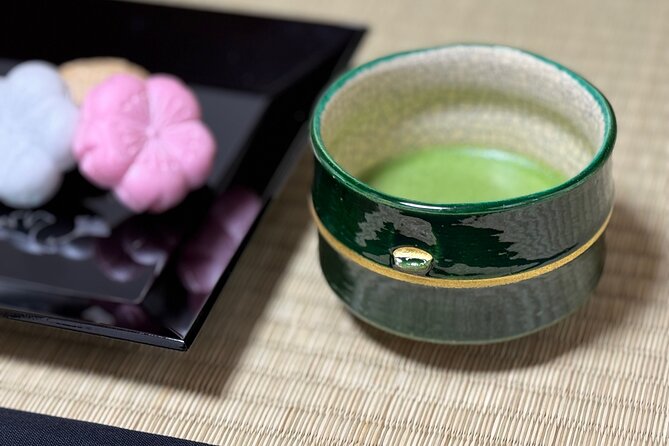
- A quiet tatami-room ceremony: The experience takes place in the tea master’s private house, designed for tea ceremony.
- You make your own matcha: After watching the formal preparation, you take part in the process yourself.
- Seasonal sweets are included: A traditional Japanese sweet is served to balance the bitter matcha.
- Small groups keep it personal: The maximum is eight people, with private small groups described as suitable for up to ten.
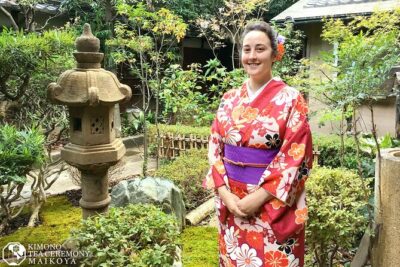
- No kimono rental: Wear your own clothes, and do not expect a dressing session or costume photographs.
- Photography has limits: Photos are allowed before and after the ceremony, but not during the tea performance.
A 45-minute pause from Kyoto’s busy streets
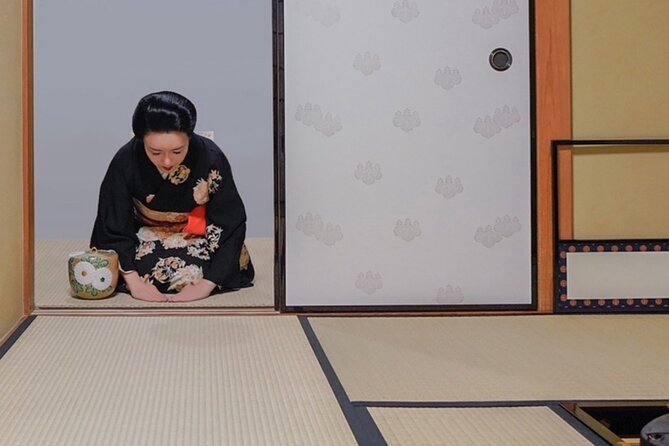
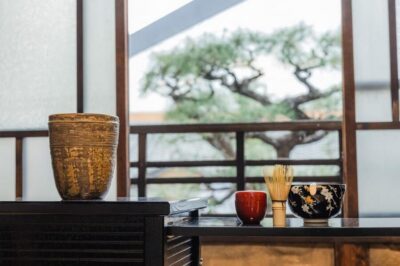
The appeal of this experience is its pace. Kyoto can wear you out with temple crowds, train connections, and long walks, but a tea ceremony asks you to stop and pay attention. For 45 minutes, the focus narrows to a bowl, a whisk, a sweet, and the careful movements of the person preparing your tea.
That quiet is not empty. The host places utensils, handles the tea scoop, measures matcha, adds water, and whisks the drink with deliberate control. You begin to see why the ceremony is treated as an art rather than a quick refreshment stop.
I would choose this activity for a first introduction to Japanese tea culture. You do not need prior knowledge, and the explanations are intended to make the rules less mysterious. At the same time, you should arrive ready to sit quietly and observe. This is not a high-energy cooking class or a rapid sightseeing stop.
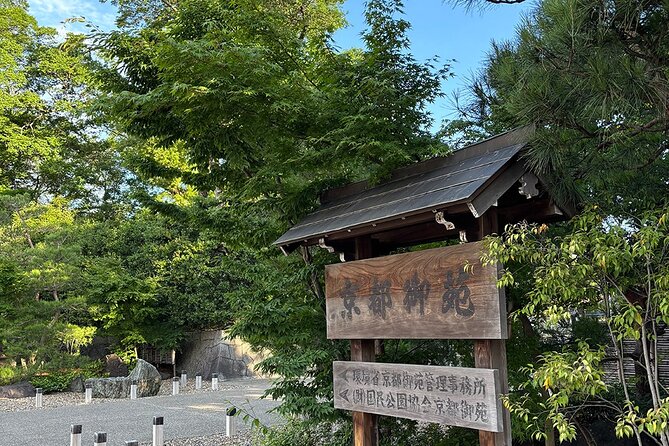
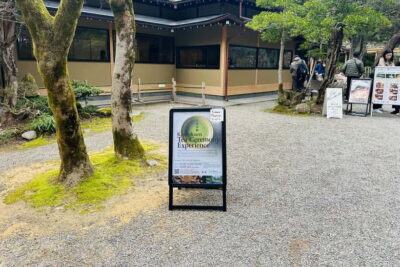
The ceremony is held at Omotenashi Tea Ceremony 南茶道教室, at 450-1 Sanbongichō in Kyoto’s Nakagyo Ward. The meeting point is listed at the address of the 南総合会計事務所, and the activity ends in the same place. It is near public transportation, but you should still check the address carefully before setting out because the experience is in a private setting rather than a large attraction with an obvious entrance.
More Tea Ceremony Experiences in Kyoto:
- Kyoto: Tea Ceremony in a Traditional Tea House in Kiyomizu
★ 4.9 · 3,519 reviews - Kyoto: Tea Ceremony Ju-An at Jotokuji Temple
★ 4.9 · 3,207 reviews - Kyoto: 45-Minute Tea Ceremony Lesson Experience
★ 4.3 · 2,378 reviews
Entering the private tea room
The setting tells you a great deal about the experience. This is a tea master’s private house, specially designed for tea ceremony, rather than a grand historic tea pavilion. That gives the session a personal, home-based character. Some people will find this more genuine than a polished stage show. Others may expect something fancier and feel the surroundings are too plain.
You receive guidance on how to enter the room and sit properly. Those small instructions matter because tea ceremony has its own manners, and knowing what to do keeps you from feeling awkward. The host explains the meaning behind the movements rather than leaving you to guess.
The room is intended to be calm and uncluttered. One practical point is worth noting: a visitor in November found the house quite cold. If you are visiting in cool weather, dress warmly enough to sit still for the full session. That is a small matter, but comfort makes a big difference when the ceremony itself is quiet.
The small group size is another strength. The stated maximum is eight people, while the description also presents the experience as suitable for private groups of up to ten. Either way, this is far more personal than a large demonstration. You can see the utensils clearly, follow the host’s hands, and ask questions without shouting across a room.
Watching the matcha preparation
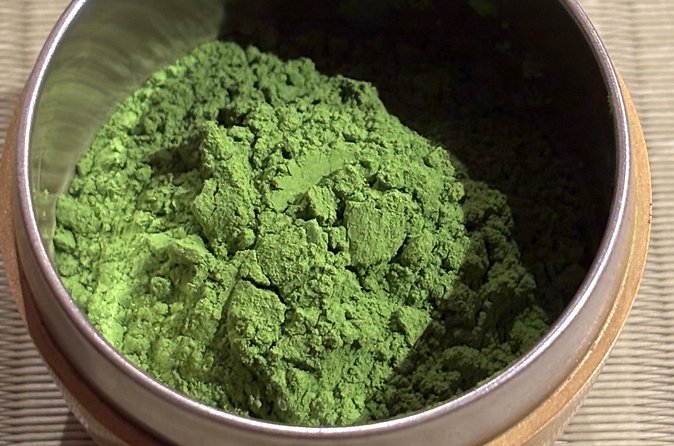
The central performance is the preparation of premium matcha sourced from Kyoto producers. Matcha is powdered green tea, so it is whisked directly into water rather than brewed and strained. The result is a concentrated drink with a fresh, grassy bitterness that pairs naturally with a sweet.
The host demonstrates the process step by step. You see how the tools are arranged and how the bowl is handled. The movements may look simple at first, but the beauty comes from their order and restraint. Several hosts have been praised for graceful motions, a warm manner, and clear explanations, with Mai receiving especially strong praise for combining precision with an easy, welcoming style.
You are not expected to understand every rule immediately. The point is to notice how hospitality is expressed through preparation. The host is not merely making tea. She is preparing the room, the utensils, the sweet, and the mood for you.
Silence is part of the experience. You may be asked not to take photographs or videos during the formal tea performance. This can disappoint anyone hoping to record every movement, but it protects the stillness of the room. Photos are permitted before and after the ceremony, and you can take pictures while making your own matcha according to the information provided.
Sweets first, then your own bowl of tea
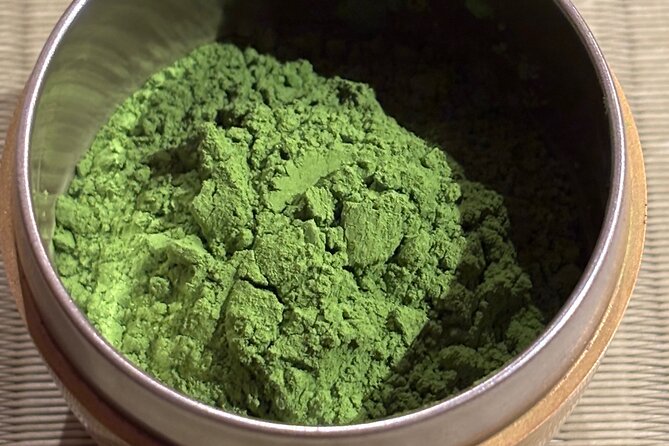
The traditional seasonal sweet is an important part of the tasting. Its sweetness softens the bitterness of matcha and helps you notice the tea more clearly. The exact sweet changes with the season, so you should expect a Japanese confection rather than a standard snack served year-round.
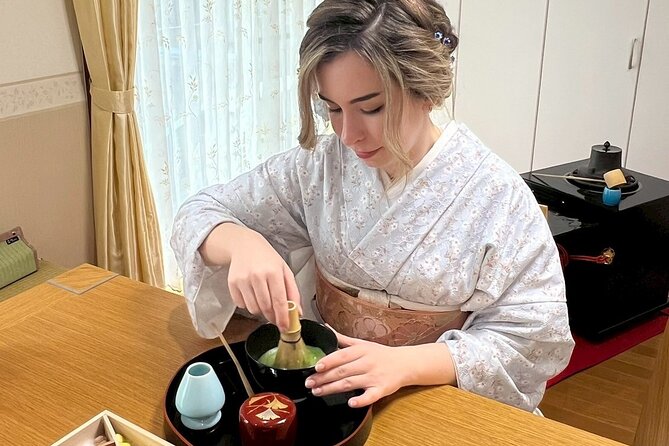
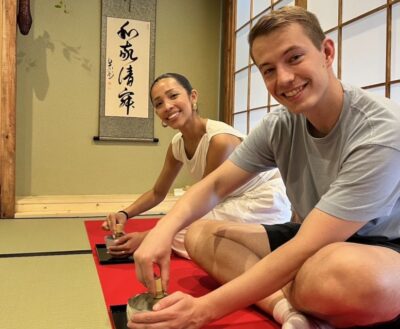
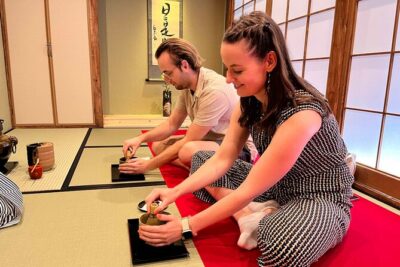
After watching the host, you have a chance to prepare matcha yourself. This hands-on section is one of the strongest reasons to book this experience instead of simply ordering tea in a restaurant. You learn by doing: handling the bowl and whisk, following the instructions, and tasting the result.
The process is approachable for beginners. You will not be graded on the foam or the appearance of your tea. The value is in understanding the care involved and feeling the rhythm of the preparation.
Families can take part, although children may not enjoy every traditional sweet. One family found that the hosts were flexible and offered Oreos when the children did not like the confection. That small act says something useful about the mood here: the ceremony follows tradition, but the hosts also want people to feel comfortable.
If you are sensitive to bitter drinks, the sweet helps. Matcha has a distinct taste, and the experience is not designed around sugary café-style drinks. The hosts focus on the traditional flavor.
A few more tea experiences around Kyoto worth a look
- Kyoto: Table-Style Tea Ceremony at a Kyo-Machiya
★ 4.9 · 1,211 reviews - Kimono Tea Ceremony at Kyoto Maikoya, NISHIKI
★ 5.0 · 911 reviews - Kyoto: Kimono Tea Ceremony at Orizuruya Gion
★ 4.9 · 618 reviews - Kyoto: Tea Ceremony in 100-year-old Kyo-Machiya Townhouse
★ 4.8 · 546 reviews
Questions, etiquette, and the human side of the ceremony
A good tea ceremony introduction should leave room for questions. Here, the explanation and question period help connect the formal movements to everyday Japanese culture. You can ask about the tools, the preparation, etiquette, or what you have just tasted.
Mai has been singled out for making this part especially engaging while remaining precise and calm. Other hosts have also been described as patient, friendly, and open to questions. One newer host was praised for having a strong grasp of the material and making the session relaxing.
English support is available, with at least one host described as speaking excellent English. Still, host assignments can vary, so I would not assume every session will have the same presenter or exactly the same style. The ceremony’s basic structure should remain the same, but the balance between demonstration, explanation, and questions may change.
This human contact is what keeps the activity from feeling like a museum display. You are not only watching an old custom. You are meeting someone who practices and teaches it, then trying a small part of it yourself.
What the price really buys you
At $56.49 per person, the experience sits above the price of a casual matcha drink and sweet. You are paying for a guided cultural lesson, the host’s time, the private setting, the tea, and the sweets. The small group matters here because the host can demonstrate directly and help you prepare your own bowl.
I think the price is fair for someone who values personal instruction and a quiet setting. It is less convincing if you only want to taste matcha or take costume photographs. Kyoto has other tea experiences, and some include kimono rental or a more decorative venue. Those may suit you better if presentation and pictures are your main goals.
The private-house setting cuts both ways. It gives the ceremony an intimate, less commercial feel, but it also means you should not expect a grand tea garden, elaborate furnishings, or a long formal program. One person found the session rushed and not fancy, while others considered its simplicity part of the charm.
The best comparison is not with a café. Compare it with a short cultural workshop. You watch an expert, learn the etiquette, taste a seasonal sweet, prepare tea yourself, and have time for questions. For many visitors, that is a worthwhile use of 45 minutes in Kyoto.
Who will enjoy this most
I would recommend this to you if you want a gentle cultural activity between temples and shopping. It suits couples, solo visitors, families, and small private groups. A solo visitor can still feel comfortable here, and the intimate format avoids the sense of being lost in a crowd.
It is also a good choice for first-time matcha drinkers. The host explains the steps, so you do not need to know how to sit, bow, or handle the utensils in advance. You can ask questions without worrying that you are slowing down a large group.
Families should find the hands-on portion appealing, especially if children enjoy copying the host and making their own tea. The traditional sweet may not suit every child, but the hosts have shown flexibility.
I would hesitate if you specifically want a kimono, a photo-heavy activity, or a grand traditional tea house. Kimono rental is not included. Photography and video are restricted during the central performance. Those limits are clearly part of the format, not unexpected extras.
Timing, arrival, and useful practical details
The activity lasts about 45 minutes, so it is easy to fit into a busy Kyoto day. Do not treat the short duration as permission to arrive late. The tea ceremony depends on quiet preparation, and late arrivals can interrupt the room. One person who arrived late was still welcomed warmly, but arriving on time is the respectful choice.
The activity is capped at eight people according to the additional information. The description also refers to private groups of up to ten, so group arrangements may vary. If the size of your party matters, confirm it when booking.
You receive confirmation at booking, and the ticket is mobile, which keeps things simple. Service animals are allowed, and the meeting point is near public transportation. No separate end location is involved because you return to the meeting point.
Cancellation is free up to 24 hours before the start time. Inside that window, the payment is not refunded and changes are not accepted. The cut-off follows Kyoto local time.
Is this Kyoto tea ceremony worth booking?
Book it if you want quiet instruction, a small group, and genuine participation. The chance to watch the host prepare matcha, enjoy a seasonal sweet, make your own tea, and ask questions gives the 45-minute session real substance.
Skip it if you want a kimono makeover, extensive photography, or a lavish tea-house setting. At $56.49, the experience asks you to value calm, etiquette, and personal guidance rather than visual spectacle.
For me, the strongest case is its modesty. This is tea ceremony presented in a private room, with no promise of costumes or theatrical extras. If that sounds like the kind of Kyoto memory you want, Omotenashi offers a focused and approachable introduction.
FAQ
How long does the tea ceremony last?
The experience lasts approximately 45 minutes.
Where does the activity meet?
It meets at 南総合会計事務所, 450-1 Sanbongichō, Nakagyo Ward, Kyoto, 604-0871, Japan. The activity ends back at the meeting point.
Is kimono rental included?
No. Kimono rental is not included in this tea ceremony.
Can I take photographs during the ceremony?
Photography and video are not allowed during the tea performance. Photos are permitted before and after the ceremony, and the information provided also allows photos while you are making your own matcha.
How many people can join?
The maximum listed group size is eight people. The description also refers to private small groups of up to ten, so confirm the arrangement for your specific booking if group size is important.
What is the cancellation policy?
You can cancel at least 24 hours before the start time for a full refund. Cancellations or changes made within 24 hours are not accepted and are not refundable.
Just added around Kyoto
- Whisk Your Own Matcha: A Zen Matcha Experience at Temple★ 3.6 · 7 reviews
- Uji Walking Tour – Byodo-in temple and Tea Ceremony from Kyoto★ 3.5 · 3 reviews
- Kyoto: Authentic Tea Ceremony in a Small Group★ 5.0 · 7 reviews
- Tea ceremony at Kyoto’s Zen Temple Teahouse★ 5.0 · 2 reviews
- Traditional Tea Ceremony in Kyoto★ 4.5 · 3 reviews
- Tea Ceremony in 150 Years Old Townhouse with Tables and Chairs★ 5.0 · 22 reviews
- Silent Beauty of Kyoto Zen Walk and Tea Experience★ 5.0 · 2 reviews
- Tea Ceremony Experience in Traditional Kyoto Townhouse★ 5.0 · 19 reviews
Tea Ceremony Experiences, compared.
Tea Ceremony in a Traditional Tea House in Kiyomizu
Read our review →
Browse the lists this tour appears in