
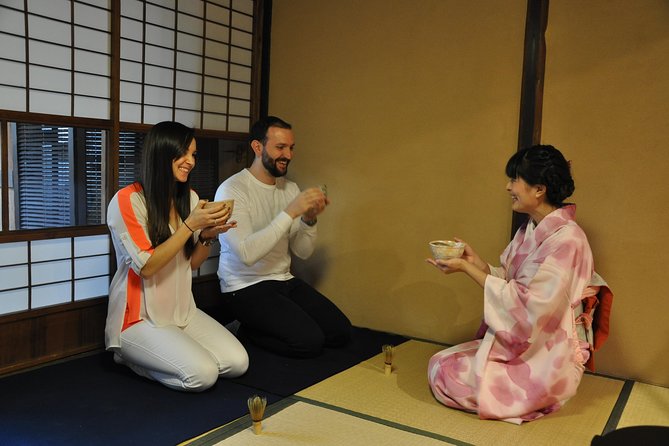
Review · KYOTO
Tea Ceremony Experience in Traditional Kyoto Townhouse
A tea ceremony in an old Kyoto machiya gives you something a formal sightseeing stop cannot: an hour inside a real wooden townhouse, with time to watch, ask questions, and take part. The hosts explain the ritual in clear terms, then guide you through making and drinking your own bowl of matcha.
I like the small size, capped at six people, and the careful ingredients: matcha from Uji City and sweets from a well-known Kyoto confectioner. The main caution is the address. The townhouse sits in a traditional residential area, and the entrance can be tricky to spot, so allow time to find it.
- An 80-year-old machiya: Spend the session inside a traditional wooden Kyoto townhouse rather than a modern studio.
- A hands-on lesson: Watch the hosts make tea, then whisk and drink your own bowl under instruction.
- Uji matcha and Kyoto sweets: The tea comes from Uji City, while the confectionery adds a classic sweet contrast.
- A very small group: The stated limit is six people, allowing room for questions and personal guidance.
- A focused one-hour format: You get the core ceremony without giving up half a day of sightseeing.
- Flexible start times: Multiple departures make it easier to fit the session around temples, meals, and train plans.
A quiet hour inside an old Kyoto townhouse
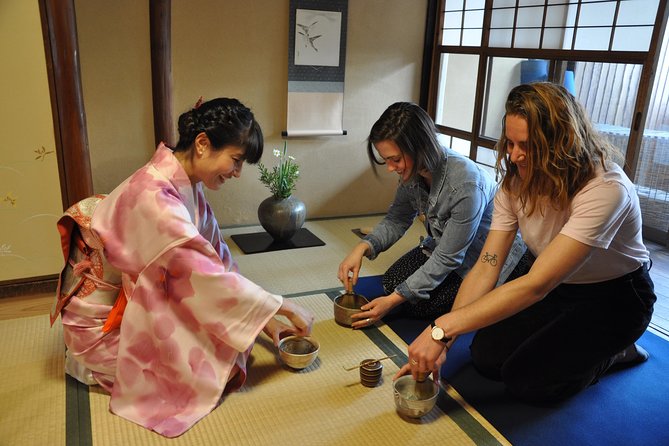
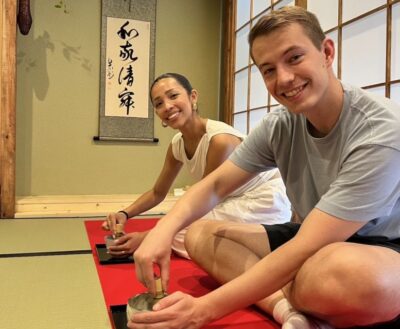
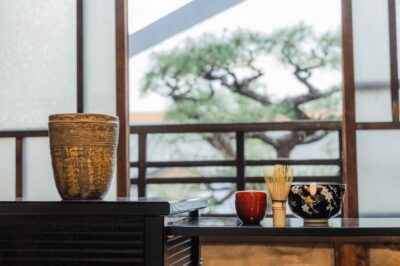
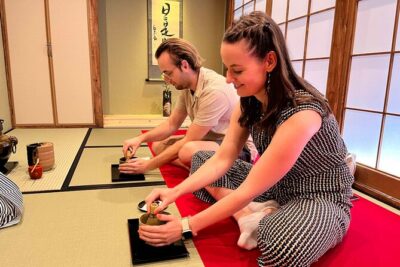
The setting is the main attraction before the tea even begins. Ami Kyoto operates from a traditional machiya, a narrow wooden townhouse of the kind that once filled Kyoto. This building is about 80 years old, and its modest scale helps the ceremony feel personal rather than staged for a large crowd.
You enter a simple, elegant space in a residential part of the city. It is not a grand temple hall or a theatrical recreation. That matters. Tea ceremony is tied to attention, hospitality, and respect for the room, the utensils, the season, and the person sharing tea with you. A small townhouse gives those ideas room to breathe.
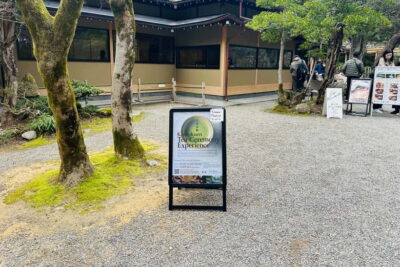
The practical trade-off is easy to understand. Old Kyoto neighborhoods do not always offer clear English signs or orderly numbering. The venue has a sign outside, but you should use the supplied address and map link and arrive with a few spare minutes. If you rush in from a busy sightseeing day, you may miss the entrance.
What happens during the 60-minute session
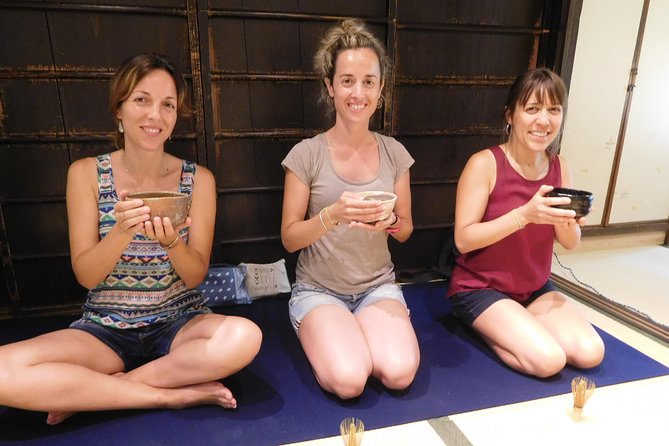
The full experience lasts about one hour and takes place at the meeting point, with no separate sightseeing stops or hotel transfer. That short format works well for a first introduction. You learn the basic ideas, see a complete demonstration, and make tea yourself without committing to a long ceremonial program.
The session begins with an explanation of tea ceremony and its etiquette. You are not expected to know which way to turn a bowl or how to sit and move. The hosts explain the practical steps and the meaning behind them, which helps the ritual feel less mysterious.
Next comes the demonstration. The hosts perform the process with deliberate movements, from entering the tea room through serving and drinking. Their gestures are not random decoration. The careful handling of the bowl, the order of actions, and the calm pace show how tea ceremony turns a simple drink into a shared moment of attention.
The demonstrations are one of the strongest parts of the experience. Several people described the movements as peaceful, precise, and intentional. One especially useful detail is that the hosts explain both the symbolic and practical reasons for what they do. That makes the ceremony easier to follow, even if you have never encountered Japanese tea culture before.
After watching, you prepare your own matcha. You are guided through the process rather than left to guess. The hosts then show you how to drink it properly and how to enjoy the sweet served with it. This hands-on part is important. Watching a ceremony can be beautiful, but making the tea gives you a direct feel for the care involved.
More Tea Ceremony Experiences in Kyoto:
- Kyoto: Tea Ceremony in a Traditional Tea House in Kiyomizu
★ 4.9 · 3,519 reviews - Kyoto: Tea Ceremony Ju-An at Jotokuji Temple
★ 4.9 · 3,207 reviews - Kyoto: 45-Minute Tea Ceremony Lesson Experience
★ 4.3 · 2,378 reviews
Uji matcha and a traditional Kyoto sweet
The included refreshment is a bowl of matcha green tea and a Japanese sweet. The matcha comes from a tea farm in Uji City, an area near Kyoto closely associated with high-quality Japanese tea. The sweet comes from a famous Kyoto confectioner, and the specific treat served has been identified as suhama on at least one occasion.
Matcha has a strong, grassy flavor that may surprise you if you usually drink black tea or sweetened green tea. The confectionery is not an afterthought. Japanese sweets are often served to balance matcha, giving you a gentle sweetness before or alongside the tea’s sharper taste.
You also learn the proper relationship between the sweet and the tea. That small detail makes the tasting more meaningful. Instead of simply receiving a snack, you begin to understand how the food, bowl, gestures, and conversation fit together.
If you enjoy the matcha, the hosts may have selected tea available to buy and take home. This is not listed as part of the included package, so consider it an optional purchase rather than part of the price. It can be a useful souvenir, especially after you have learned how to prepare and drink it.
Why the six-person limit matters
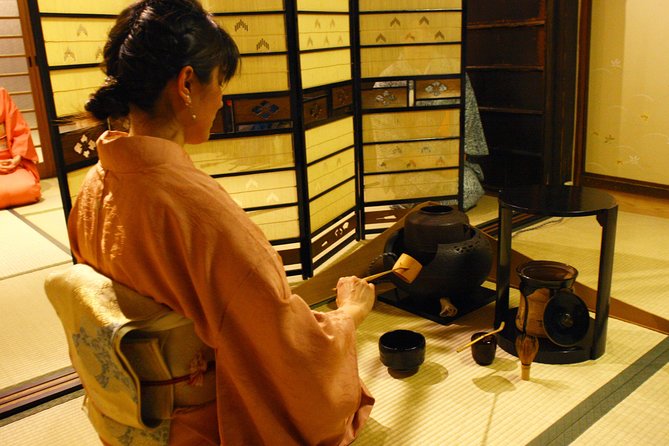
The group limit is six people, though one account describes a session with eight. Since the stated maximum is six, I would plan on a small group but confirm the final size if that detail is important to you.
A small class suits tea ceremony particularly well. The room is compact, and the subject rewards quiet attention. With fewer people, you have a better chance to see the hosts’ hand movements and ask questions without interrupting a large presentation.
The hosts are central to the experience. Kimi is named in several responses, and the session is led by Kimi and other women who demonstrate, explain, and help you practice. Their approach is warm and patient. They answer questions about the finer points of tea ceremony and create a relaxed atmosphere without stripping away the formal side of the tradition.
This balance is valuable for first-time visitors. The ceremony remains graceful and serious, but you are not made to feel awkward for being unfamiliar with the rules. Families and mixed-age groups can take part, and one family found the hosts accommodating when a member used a wheelchair. If accessibility is essential for your booking, contact Ami Kyoto in advance, since the available information does not provide full details about steps, seating, or restroom access.
A thoughtful introduction, not a full tea-school course
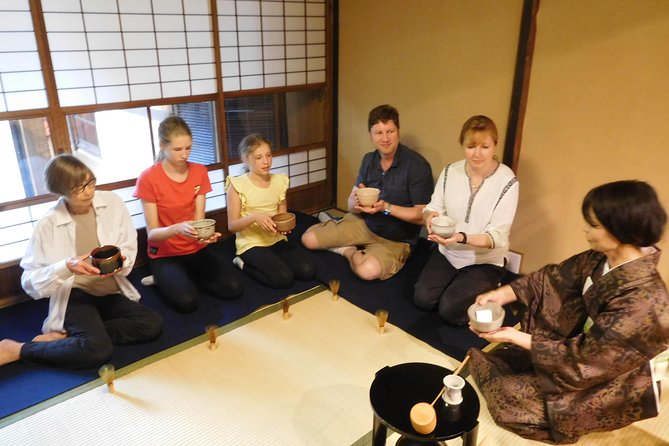
You should set your expectations correctly. This is an introduction to tea ceremony, not an advanced study of a particular tea school or a long retreat devoted to every detail of the tradition.
In one hour, you cover the basic concepts, etiquette, demonstration, preparation, drinking, and sweets. That is enough to give you a solid first impression. It is not enough to explore every utensil, historical development, regional variation, or formal movement in depth.
I see that as a strength for many people. Kyoto sightseeing can be demanding, and a compact cultural activity is easier to fit into a busy day. The one-hour length was also a good match for families who wanted something educational but not exhausting.
The short format may disappoint you if you already practice tea ceremony or want an extended, highly formal event. In that case, look for a longer specialist course. For a first encounter, the focus is sensible: understand the spirit, watch the process, and try it yourself.
A few more tea experiences around Kyoto worth a look
- Kyoto: Table-Style Tea Ceremony at a Kyo-Machiya
★ 4.9 · 1,211 reviews - Kimono Tea Ceremony at Kyoto Maikoya, NISHIKI
★ 5.0 · 911 reviews - Kyoto: Kimono Tea Ceremony at Orizuruya Gion
★ 4.9 · 618 reviews - Kyoto: Tea Ceremony in 100-year-old Kyo-Machiya Townhouse
★ 4.8 · 546 reviews
The value of the $27.74 price
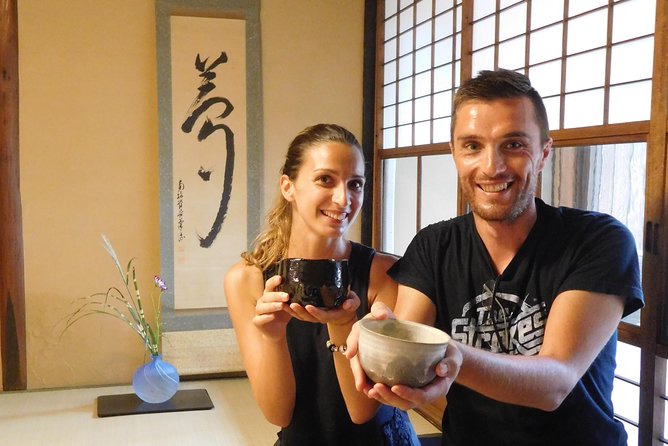
At $27.74 per person, this is priced below many polished cultural activities in Kyoto. The value comes from the combination of three things: access to a traditional townhouse, instruction from hosts who explain the ceremony clearly, and a hands-on serving of Uji matcha with a Japanese sweet.
You are not paying for transport, a meal, or a full afternoon of entertainment. Hotel pickup and drop-off are not included, and the experience ends where it begins. That keeps the price low, but you need to arrange your own route to the address at 605 Nishidacho, Shimogyo Ward.
For me, the strongest value is the personal scale. A large demonstration might show you the same broad sequence, but a six-person session gives you a better chance to practice and receive help. The price is particularly fair if you want cultural context rather than only a cup of matcha in a café.
The activity also compares well with a typical tea tasting. You receive the drink and sweet, but you also learn why the host moves in a certain way, how you should receive the bowl, and how to prepare matcha yourself. That extra instruction is what makes the cost worthwhile.
Finding the address in Kyoto
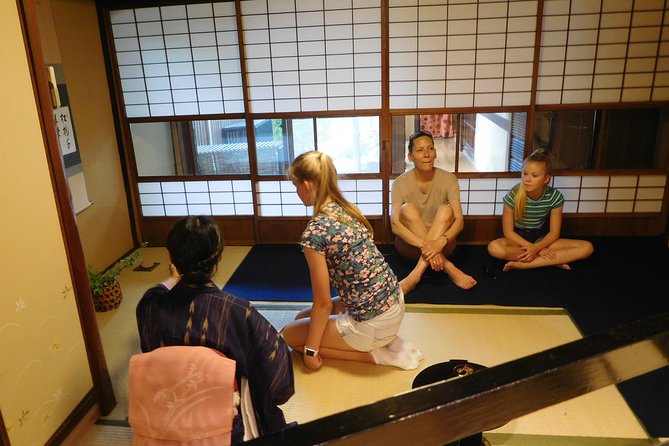
The meeting point is 605 Nishidacho, Shimogyo Ward, Kyoto, 600-8397, Japan. The area is close to public transportation, but the final approach may require attention.
Kyoto’s older streets can be confusing, particularly in residential areas where building numbers do not follow the pattern you might expect. English street names may be limited, and one person had difficulty finding the townhouse at first. Use the map link supplied after booking, keep the full address handy, and avoid arriving at the last minute.
Multiple start times are available, which is helpful when you are planning around temples, lunch, or a train. Still, I would not pair the session with a tight connection. The ceremony lasts about an hour, and you need extra time for the walk to the townhouse and the return journey.
The activity has a mobile ticket, so you can keep the booking on your phone. Confirmation is sent within 48 hours, subject to availability. Free cancellation is available up to 24 hours before the start time. Changes or cancellations inside that window are not accepted for a refund.
Who will enjoy this tea ceremony most
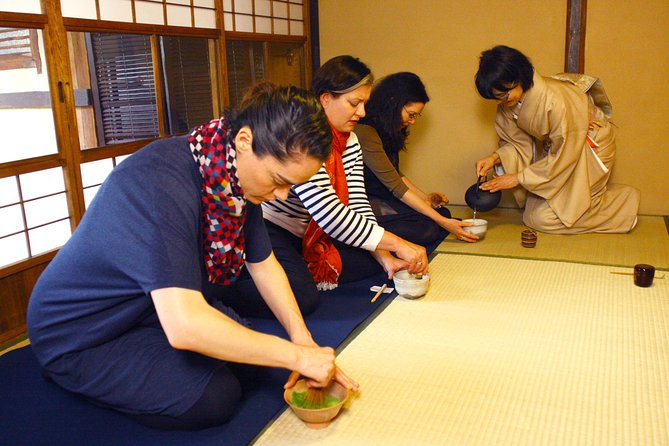
This experience fits you well if you want a gentle introduction to Japanese culture and prefer learning by doing. It is especially suitable for:
- First-time visitors to Kyoto who want more than temple photographs
- Couples seeking a calm cultural activity
- Families who can manage a one-hour seated experience
- Matcha fans curious about traditional preparation
- Small groups who value questions and personal guidance
- Anyone interested in the meaning behind ritual and etiquette
It is less suitable if you want a large, theatrical production or a full-day cultural course. You should also think about comfort with a traditional townhouse setting. The room is described as comfortable, but the available details do not specify the exact seating arrangement or accessibility features.
The activity also suits people who enjoy quiet concentration. Tea ceremony is not a loud, fast-paced attraction. Its pleasure comes from noticing small actions, listening to explanations, and accepting a slower rhythm for an hour.
The details that make the experience memorable
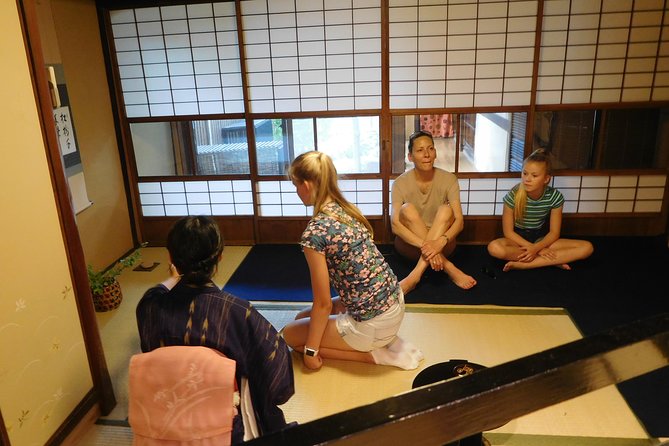
Several small touches add weight to the session. The hosts explain how to enter the tea room, not just how to whisk the tea. They discuss the sacred quality of the ceremony and show the process from beginning to end. This gives you a sense of tea as a way of living and paying attention, rather than simply a method for preparing a drink.
The tone is welcoming rather than stiff. Kimi and the other hosts answer questions, help with the practical steps, and keep the room relaxed. At the same time, the demonstration preserves the grace and discipline that make the ceremony special.
The matcha itself receives strong praise for flavor, and the sweet is a useful part of the lesson. The room, the tea, and the instruction work together. Remove any one of those elements and the experience would feel thinner.
Should you book the Ami Kyoto tea ceremony?
I would book this if you want a reasonably priced, small-scale cultural activity with real participation. The traditional townhouse, Uji matcha, Kyoto sweet, and careful instruction give you more than a quick photo opportunity.
Book with two practical points in mind. First, use the map and allow time to find the residential address. Second, treat the one-hour session as a focused introduction, not a master class in every aspect of tea ceremony.
For most first-time visitors, that is the right balance. You learn the etiquette, watch a graceful demonstration, make your own tea, and leave with a clearer sense of why this Japanese tradition matters.
FAQ
How long does the tea ceremony experience last?
The activity lasts approximately one hour.
Where does the experience take place?
It takes place at Ami Kyoto, located at 605 Nishidacho, Shimogyo Ward, Kyoto, 600-8397, Japan.
Does the activity take place in a traditional building?
Yes. The ceremony is held inside a traditional Kyoto machiya, or wooden townhouse, described as about 80 years old.
How many people can join the session?
The stated maximum is six people.
What is included in the price?
The experience includes one bowl of matcha green tea and Japanese sweets.
Is transportation included?
No. Hotel pickup and drop-off are not included. The activity begins and ends at the meeting point.
Can I choose the start time?
Yes. Multiple start times are available.
Do I get to make my own matcha?
Yes. You watch a demonstration and then receive guidance while preparing your own bowl of tea.
Is the experience suitable for most people?
The activity states that most people can participate and is near public transportation. If you have specific mobility needs, contact the provider before booking because full accessibility details are not provided.
What is the cancellation policy?
You can cancel up to 24 hours before the start time for a full refund. Cancellations or changes made less than 24 hours before the activity are not accepted for a refund.
Just added around Kyoto
- Whisk Your Own Matcha: A Zen Matcha Experience at Temple★ 3.6 · 7 reviews
- Uji Walking Tour – Byodo-in temple and Tea Ceremony from Kyoto★ 3.5 · 3 reviews
- Traditional Tea Ceremony in Kyoto★ 4.5 · 3 reviews
- Kyoto: Authentic Tea Ceremony in a Small Group★ 5.0 · 7 reviews
- Tea ceremony at Kyoto’s Zen Temple Teahouse★ 5.0 · 2 reviews
- Tea Ceremony in 150 Years Old Townhouse with Tables and Chairs★ 5.0 · 22 reviews
- Silent Beauty of Kyoto Zen Walk and Tea Experience★ 5.0 · 2 reviews
- Tea Ceremony Experience in Traditional Kyoto Townhouse★ 5.0 · 19 reviews
Tea Ceremony Experiences, compared.
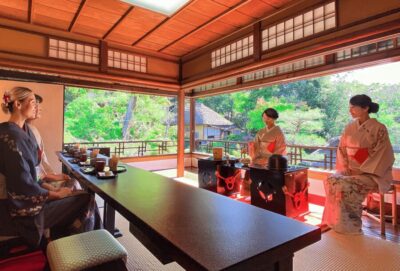
Tea Ceremony in a Traditional Tea House in Kiyomizu
Read our review →
Browse the lists this tour appears in