
Review · KYOTO
Private Tea Ceremony and Sake Tasting in Kyoto Samurai House
Kyoto’s most unusual tea ceremony may be the one held inside a 300-year-old samurai house, where your group has the property to itself. You sit in a traditional tea room, learn the careful rhythm of matcha, and then choose between making your own tea, tasting five sakes, or trying two Japanese whiskies.
I like the private setting, which gives you room to ask questions without a crowd looking over your shoulder. I also like the mix of quiet ritual and playful photos in a kimono or with a katana. The main drawback is the short 50-minute schedule: adding kimono dressing during the ceremony costs extra time and money, and the old house has only one small toilet.
Key points at a glance
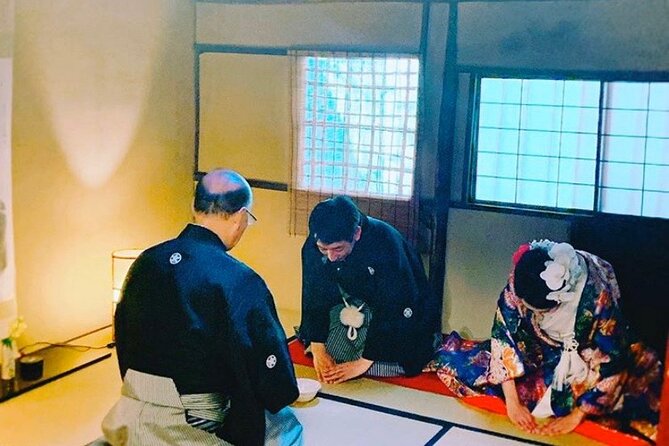
- A family samurai house: Visit a historic residence that has remained with the same family for roughly 300 years.
- Organic Uji matcha: Learn the basic etiquette and meaning of Japanese tea using high-grade matcha from Kyoto’s Uji area.
- Three tasting choices: Make your own matcha, taste five sake samples, or try two Japanese whiskies if you are over 20.
- Private by design: Only your party takes part, making this a calm choice for couples and families.
- Photo opportunity: Wear a kimono or samurai clothing and pose with a katana, with wedding kimono available for women.
- Easy Kyoto location: The house is about an eight-minute walk from Kyoto Station.
Entering a 300-year-old Kyoto samurai house
The setting does much of the work here. Instead of joining a large class in a modern studio, you enter a traditional home on a quiet street near Kyoto Station. The family has kept the residence for about three centuries, and the house gives the tea ceremony a sense of place that a hotel room cannot match.
I would allow a few extra minutes to find the entrance. The address is Kyoto Samurai House, 384 Mongakuchō in Shimogyo Ward, and the property is close enough to Kyoto Station to fit before a train, after arrival, or between other central Kyoto plans.
The experience is private, so your group does not share the room with strangers. That matters more than it may sound. Tea ceremony etiquette can feel awkward when you are trying to copy a host in front of a packed room. Here, you can ask why a movement is made, pause for a photograph, or admit that you have forgotten which way to turn the bowl.
The hosts are described as warm and welcoming, with fluent English available during the experience. Several accounts also describe the family as happy to explain the house, samurai background, and Japanese customs. You are not simply shown a sequence of gestures and sent on your way. The conversation is part of the appeal.
More Tea Tastings in Kyoto:
- Zen Garden Making and Matcha Tasting in Handmade Pottery Shop
★ 3.5 · 2 reviews - Twinings 2-Hour Tea Tasting Masterclass in London
★ 5.0 · 105 reviews - Charleston: Wadmalaw Island Wine Tasting and Tea Garden Trip
★ 4.9 · 94 reviews
Sitting in the traditional tea room
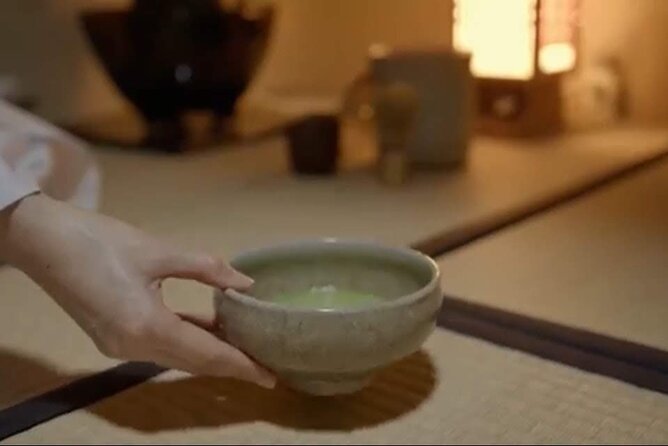
The tea ceremony takes place in a traditional tea room, using high-grade organic matcha sourced from Uji, the Kyoto area best known for green tea. The ceremony introduces the way of tea, or the deliberate set of actions used to prepare, present, and receive matcha.
You can expect the tea master to explain the process before or during the ceremony. The point is not just to drink powdered green tea. You learn how the bowl is handled, how the tea is received, and why the ritual values attention, calm, and respect.
This is a good first cultural activity in Kyoto because it gives you a simple entry into a practice that can otherwise seem mysterious. The ceremony is formal, but the private format keeps it approachable. You can focus on the quiet details: the bowl, the bamboo whisk, the movements of the tea master, and the way the room changes when everyone stops rushing.
The ceremony may feel more meditative than entertaining. That is a strength if you want a calm break from temples, shopping streets, and packed sightseeing routes. It may feel slow if you are looking for a hands-on activity from the first minute.
The tea master’s experience is a major part of the presentation. One account describes a teacher with 14 years of study, while another refers to a master with 40 years of experience. Since the host’s exact name is not provided, I would not book this expecting a celebrity instructor. I would book it for the chance to learn from a serious practitioner in a real home setting.
Making matcha with a bamboo whisk
After the formal ceremony, you may choose a hands-on matcha lesson. You use a bamboo whisk, called a chasen, to prepare your own bowl of tea. This is the most suitable option if you want to understand the mechanics rather than only watch them.
Whisking matcha is simple in theory but surprisingly easy to do poorly. The private lesson gives you a chance to try, adjust, and ask questions. You get a better sense of why the whisk is shaped as it is and how the powder becomes a smooth drink.
This choice also works well for families and for anyone who does not drink alcohol. Children under 20 receive the matcha-whisking lesson instead of alcohol tasting. One family with boys aged eight and ten found the hosts accommodating, and the activity can give younger children something active to do after the quiet ceremony.
I would choose this option if tea culture is your main reason for booking. It keeps the experience focused and avoids trying to squeeze too many unrelated activities into a short visit. You may also be able to purchase a matcha bowl afterward, giving you a practical souvenir rather than another decorative trinket.
Choosing five sakes or two Japanese whiskies
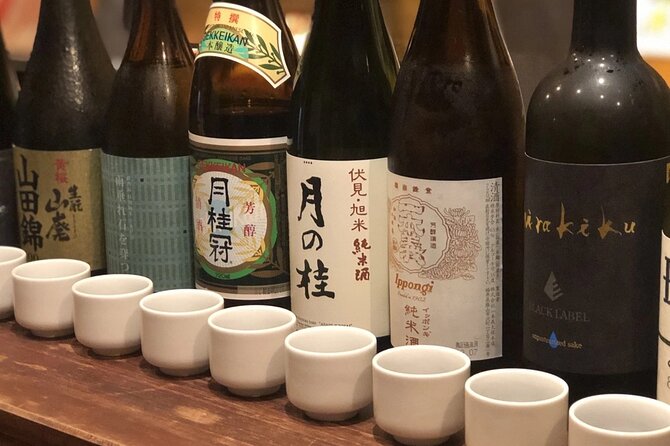
If you are over 20, you can choose alcohol instead of the hands-on matcha lesson. The sake option includes five shots, with explanations of the different styles and flavors. This is a tasting, not a full evening of drinking, but five samples can add up quickly. Eat before arriving and pace yourself.
The sake portion gives the visit a lively second half. After the quiet tea room, you sit with the host and compare local pours. The family-style conversation is one of the strongest parts of the experience, especially if you ask about how sake is made or how the samples differ.
The other choice is two shots of Japanese whisky. The standard information lists two samples, while individual accounts describe extra tastings, including Yamazaki whisky and, in one case, a rare 12-year bottle. I would treat those additional pours as a generous possibility, not something guaranteed. Book the whisky option for the stated two samples.
The sake and whisky choices are alternatives, so you should decide in advance what interests you most. If you are visiting a sake brewery later in your trip, the matcha lesson may add more variety. If you have already attended a formal tea ceremony, the tasting can give this visit a different shape.
More Tea Ceremony Experiences in Kyoto:
- Kyoto: Tea Ceremony in a Traditional Tea House in Kiyomizu
★ 4.9 · 3,519 reviews - Kyoto: Tea Ceremony Ju-An at Jotokuji Temple
★ 4.9 · 3,207 reviews - Kyoto: 45-Minute Tea Ceremony Lesson Experience
★ 4.3 · 2,378 reviews - Kyoto: Table-Style Tea Ceremony at a Kyo-Machiya
★ 4.9 · 1,211 reviews
Kimono, samurai clothing, and katana photographs
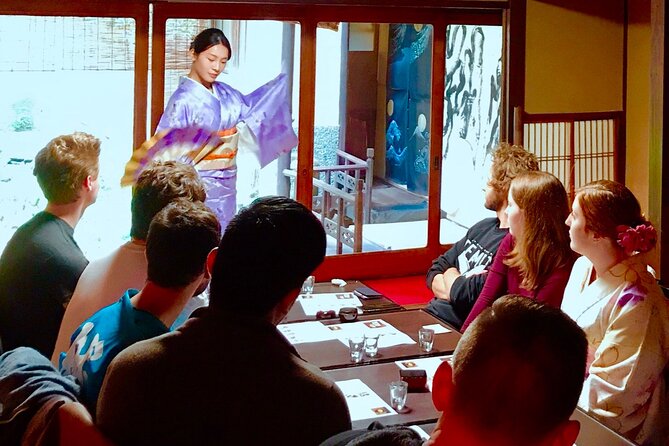
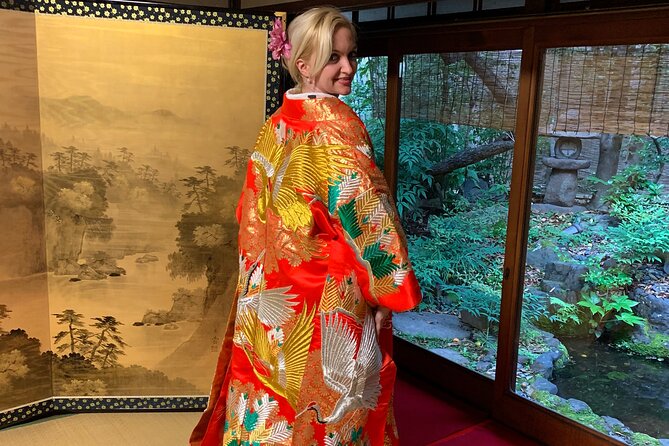
The photo session is an important part of the appeal. Women may wear an authentic silk wedding kimono, while men can pose in samurai clothing or a haori-style outfit with a katana. The clothing provides a clear connection to the house’s samurai identity and makes a simple tea visit feel more personal.
The standard experience includes the chance to take photographs. Hosts may guide you into poses, and several accounts describe them taking photographs for keepsakes. You can also use your own phone or camera.
Keep the clothing option clear when booking. Wearing a kimono during the actual tea ceremony requires an extra 30 minutes and an extra charge. That arrangement is limited to one group at a time, and the extended option is offered through the provider’s own website. The shorter visit includes the photo opportunity, but you should not assume a full kimono dressing session is included in the $99 price.
The wedding kimono is for women only, according to the supplied details. The listing does not specify the full range of sizes or fitting arrangements, and it advises against the experience for anyone weighing 120 kilograms or more. If clothing fit is important to you, contact the provider before paying.
For couples, the photos can make the visit feel special without committing to a full-day costume rental around Kyoto. For families, children may enjoy the samurai theme more than the tea lesson. One family even received a playful umbrella shaped like a sword for the children, though I would not count on that being part of every booking.
What the $99 price gets you
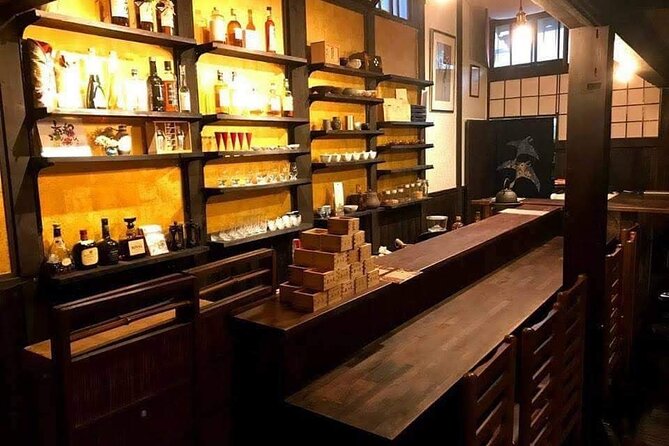
At $99, the experience is not the cheapest way to drink matcha in Kyoto. You can find simple tea demonstrations for less. The value here comes from the combination of a private group, a historic residence, a tea master, organic Uji matcha, a choice of tasting, and access to costume photographs.
The private format is especially useful for couples, families, and small groups with mixed interests. One person can ask detailed questions about tea while another enjoys the sake tasting or photo session. You are paying for the setting and attention as much as for the drink itself.
The price makes less sense if you only want a cup of matcha and do not care about the house, ceremony, or photographs. It also deserves a closer look if you expect a long visit. The listed duration is about 50 minutes, so this is a compact cultural appointment, not a half-day tour.
Group discounts are available, though the exact discount is not specified. A booking requires at least two people. For a pair, the cost is easier to justify if you value privacy and want an activity close to Kyoto Station.
Timing, comfort, and small practical matters
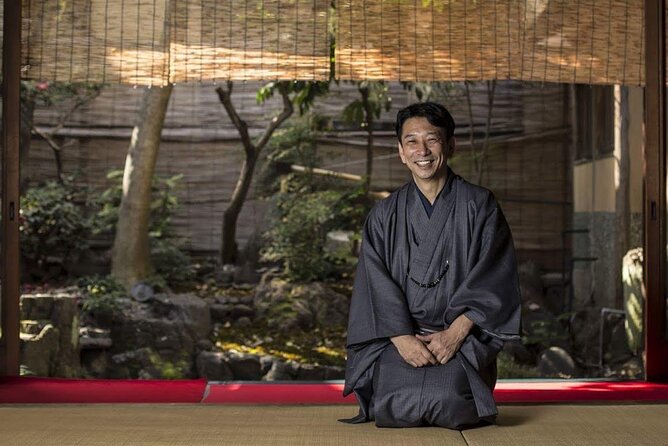
The experience ends where it begins, at the samurai house. Its location, roughly eight minutes on foot from Kyoto Station, is a major practical advantage. You can fit it into a Kyoto Station day without spending time crossing the city.
The house is old, and that affects comfort. There is only one old toilet, so use the restroom before you arrive. This is a small point, but it matters when several people are sharing a short visit.
The activity is not recommended for anyone weighing 120 kilograms or more. The details do not provide a full accessibility assessment, so you should ask the provider directly about mobility needs, floor seating, and clothing arrangements before booking.
The experience is private, but the minimum booking is two people. Confirmation is provided when you reserve, and mobile tickets are supported. The cancellation policy is strict: the booking is non-refundable and cannot be changed for any reason. If the provider cancels because the minimum number is not met, you are offered another date or experience, or a full refund.
That policy makes advance planning important. I would avoid booking it on the same day as an uncertain train connection or a flight departure. Give yourself a little breathing room, especially if you plan to add the longer kimono option.
Who will enjoy this most
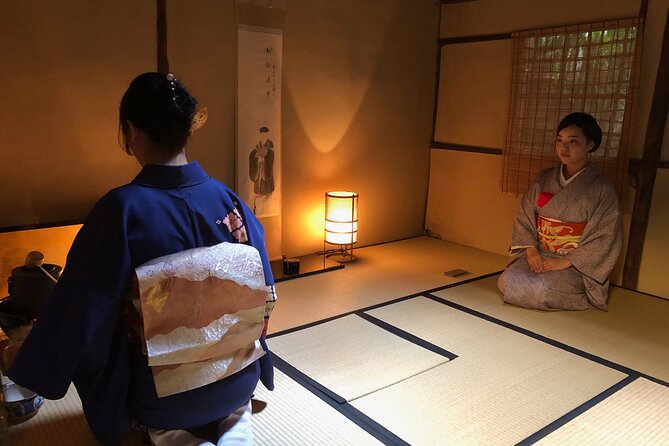
I would recommend this to couples who want a quiet, memorable activity with photographs and a drink afterward. It also suits families, particularly if the adults choose sake or whisky while children learn to whisk matcha.
It is a good fit for first-time visitors who want cultural context without committing to a long formal class. The hosts explain the customs in English, and the private format lets you set the pace with questions.
Tea enthusiasts should choose the matcha lesson and pay close attention to the ceremony. Sake fans should select the five-sample tasting and use the private conversation to ask about flavor differences. Whisky fans can choose the two-sample option, but should not assume that rare bottles or extra pours are included.
I would hesitate if you dislike floor-based traditional rooms, have strict mobility or clothing needs, or want a large-scale historical tour. The experience offers a personal look at one family home, not a museum with a broad collection of samurai artifacts.
Should you book the Kyoto Samurai House experience?
I would book it if you want a private cultural encounter rather than a quick photo stop. The strongest reasons are the old family home, the calm tea ceremony, the choice of matcha or alcohol tasting, and the chance to ask questions without a crowd.
Choose the standard 50-minute version if your schedule is tight. Confirm the extra time and fee if you want to wear a kimono during the ceremony itself. Use the restroom first, remember that alcohol is for people over 20, and accept the strict cancellation terms before paying.
At $99, this is a premium short activity, but the private access and setting give it a fair case. For many people, the combination of tea, samurai clothing, family hospitality, and Kyoto Station convenience will be worth more than a cheaper group demonstration.
FAQ
Where does the tea ceremony take place?
It takes place at Kyoto Samurai House, 384 Mongakuchō, Shimogyo Ward, Kyoto, 600-8222, Japan.
How long does the experience last?
The standard activity lasts approximately 50 minutes.
How far is the house from Kyoto Station?
The samurai house is about an eight-minute walk from Kyoto Station.
Is the experience private?
Yes. Only your group takes part in the activity.
How many people are required to book?
A minimum of two people is required for a reservation.
What matcha is served?
The house serves high-grade organic matcha sourced locally from Uji in Kyoto.
Can I make my own matcha?
Yes. You can choose a lesson using a bamboo whisk after the tea ceremony.
What alcohol tasting choices are available?
Guests over 20 can choose a sake tasting with five shots or a Japanese whisky tasting with two shots.
Can children take part?
Children can take part in the tea experience. Anyone under 20 receives the matcha-whisking lesson instead of alcohol tasting.
Can I wear a kimono during the ceremony?
Yes, but wearing a kimono during the tea ceremony requires an additional 30 minutes and an extra fee. This option is limited to one group at a time.
More Food and Drink Tours in Kyoto
- Jakarta: Volcano, Tea/Rice Fields, Hot Spring, Local Food
★ 4.9 · 515 reviews - SF’s Chinatown: Tea & Dim Sum Food Tour – Includes full meal, 3hr
★ 5.0 · 153 reviews - Experience all of Japanese culture and Japanese food experience classes “origami, udon, Japanese food, green tea, calligraphy” in 4 hours
★ 5.0 · 105 reviews - Cairo Food Tour in local places & Egyptian Mint Tea
★ 4.5 · 102 reviews
More Drinking Tours in Kyoto
- Arashiyama Bamboo, Temple, Monkeys, or Secret Sake Brewery
★ 4.8 · 886 reviews - Kyoto Local Gourmet Night Experience: Kaiseki & Izakaya & Matcha
★ 5.0 · 22 reviews - Tokyo Sushi Making Class : Sake Ceremony & Matcha Experience
★ 5.0 · 44 reviews - Making Japanese desserts Nerikiri & drinking matcha in Tokyo
★ 5.0 · 20 reviews
Just added around Kyoto
- Whisk Your Own Matcha: A Zen Matcha Experience at Temple★ 3.6 · 7 reviews
- Uji Walking Tour – Byodo-in temple and Tea Ceremony from Kyoto★ 3.5 · 3 reviews
- Traditional Tea Ceremony in Kyoto★ 4.5 · 3 reviews
- Kyoto: Authentic Tea Ceremony in a Small Group★ 5.0 · 7 reviews
- Tea ceremony at Kyoto’s Zen Temple Teahouse★ 5.0 · 2 reviews
- Tea Ceremony in 150 Years Old Townhouse with Tables and Chairs★ 5.0 · 22 reviews
- Tea Ceremony Experience in Traditional Kyoto Townhouse★ 5.0 · 19 reviews
- Silent Beauty of Kyoto Zen Walk and Tea Experience★ 5.0 · 2 reviews
Tea Tastings, compared.
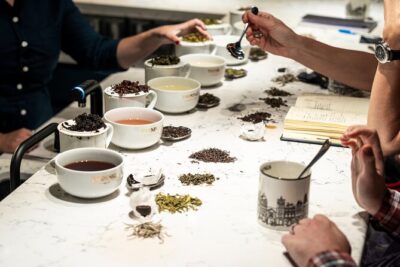
Twinings 2-Hour Tea Tasting Masterclass in London
Read our review →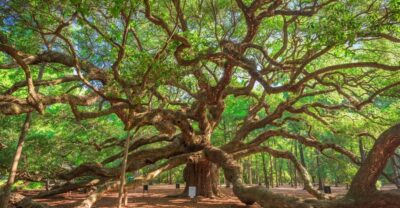
Wadmalaw Island Wine Tasting and Tea Garden Trip
Read our review →
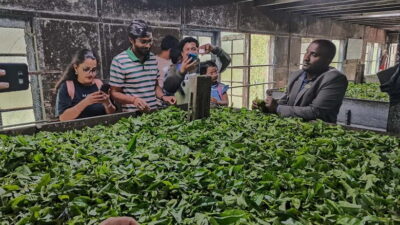
Matcha Experience with of Japanese Tea Tasting in Tokyo
Read our review →
World Teas & Turkish Tea Brewing, Tasting Workshop
Read our review →
Browse the lists this tour appears in