
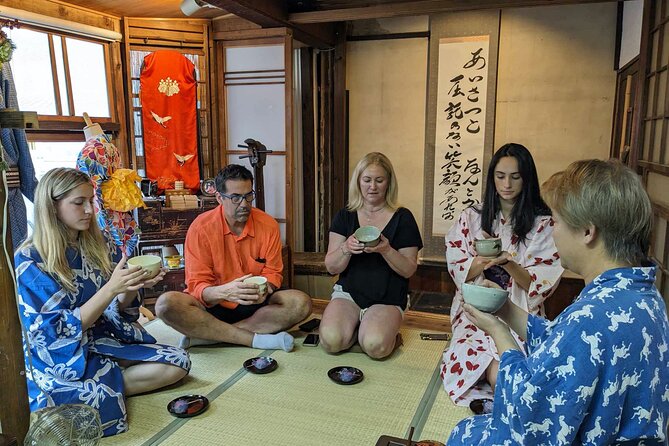
Review · KYOTO
A Unique Antique Kimono and Tea ceremony Experience in English
The rare treat here is not simply drinking matcha. You first choose an antique kimono more than 80 years old, then learn tea ceremony manners inside a century-old home near Katsura Imperial Villa. Toku, the host, has more than 20 years of tea ceremony experience and explains each step in English.
I like the small six-person limit, which gives the ceremony a calm, personal feel. I also like the setting: this is in a quiet residential area, away from Kyoto’s busiest sightseeing streets. The trade-off is that the house is not a grand temple or garden, and some visitors may find the $99.10 price high for 90 minutes.
Key points at a glance
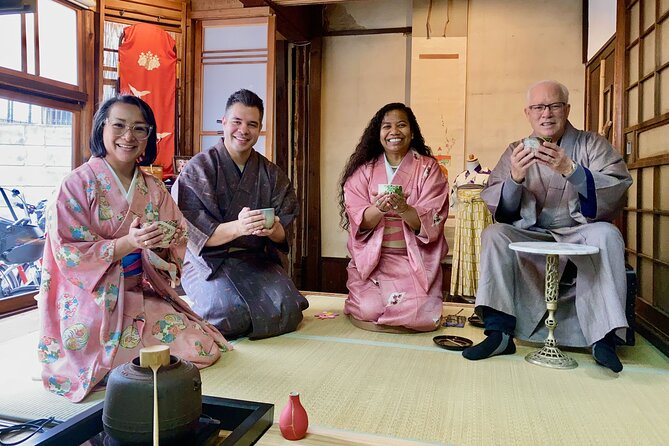
- Choose your own antique kimono: Toku and his family help you select a kimono, obi, and accessories before the ceremony.
- Learn matcha etiquette step by step: You are shown how the tea is prepared and how to behave during the ceremony, rather than simply watching a performance.
- Meet Toku and his family: Their warm, hands-on hosting is a major part of the experience, with help dressing and taking photographs.
- Enjoy a quieter Kyoto address: The old house near Katsura Imperial Villa offers a more peaceful setting than a central-city tea venue.
- Small groups make a difference: The activity accepts no more than six people, and the ceremony can be adapted when someone cannot kneel.
- Allow 90 minutes: The time includes kimono selection, dressing, explanations, tea, Japanese sweets, and photographs.
An old Kyoto home near Katsura Imperial Villa
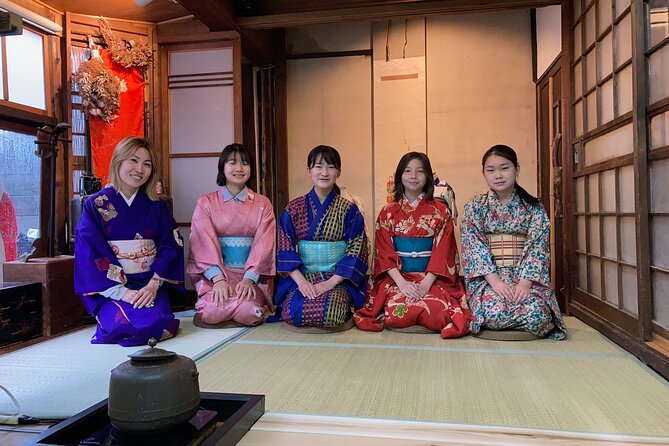
Miyagawa Tokusaburo Shoten is at 32-4 Katsuranozatocho in Kyoto’s Nishikyo Ward. The experience begins and ends there, in a house that is more than 100 years old and also serves as the family’s shop.
The location matters. Katsura Imperial Villa is one of Kyoto’s quieter cultural areas, and this part of the city feels far removed from the crowds around Gion, Kiyomizu-dera, and Nishiki Market. The setting is residential rather than theatrical. You are not walking into a polished tourist attraction built to look old. You are entering a working family space with clothing, household objects, and a tea room.
That authenticity will appeal to you if you want a close look at ordinary Japanese hospitality and traditional clothing. It may disappoint you if you are expecting temple grounds, a formal garden, or an ornate historical hall. One person found the house too much like a regular residence and felt the kimonos were stored casually rather than displayed in an exotic setting. That is a fair warning. The appeal here is personal contact, not grand architecture.
The meeting point is near public transportation, though the exact train or bus route is not provided. One booking note describes the ride as an easy 15-minute taxi trip, so a taxi may be the simplest option if you are coming from central Kyoto or carrying luggage. Check your route carefully before leaving, since this is not a central Kyoto walk-in stop.
More Kimono Tea Ceremonies in Kyoto:
- Kimono Tea Ceremony at Kyoto Maikoya, NISHIKI
★ 5.0 · 911 reviews - Kyoto: Kimono Tea Ceremony at Orizuruya Gion
★ 4.9 · 618 reviews - KYOTO Tea Ceremony with kimono near by Imamiya Jinjya Shrine
★ 5.0 · 343 reviews
Choosing an antique kimono with Toku
The clothing portion comes first. Toku explains his background as a kimono fitter and helps you choose from his collection of antique garments. You can also select an obi, the wide sash worn around the waist, and accessories to complete the outfit.
This is more than a costume rental. The clothing is part of the lesson. You see how much care goes into dressing for a formal occasion, and you get a better sense of how a kimono shapes movement, posture, and manners. The kimono rental is included in the price, which is important because a separate rental can add a noticeable cost in Kyoto.
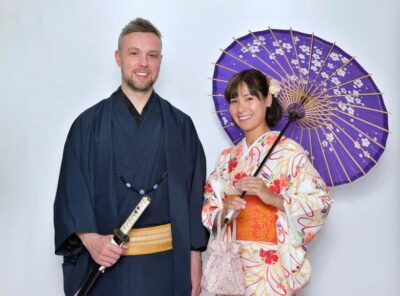
The choice of clothing also makes the experience feel personal. Instead of everyone receiving the same outfit, you are invited to choose something you like, with guidance from Toku and his wife. Several participants especially appreciated the help with accessories and hair. The hosts have also taken photographs during the dressing and tea ceremony, giving you a record of the occasion without requiring you to arrange a separate photographer.
You should expect the dressing to be snug. A kimono is wrapped and secured carefully so it sits correctly, not thrown on like a loose robe. That fitted feeling is part of the experience, but it may not suit someone who dislikes restrictive clothing or sitting formally for a period of time.
The clothing selection can be fun for children and families too. Parents described their children being included in the process, and one family had a good experience with a two-and-a-half-year-old. Still, the ceremony is quiet and structured, so very young children may need patience and help from an adult.
Learning the manners behind the tea
Once you are dressed, Toku introduces the customs and etiquette of the tea ceremony. The point is not to rush you through a few decorative gestures. He explains what you are doing, why the movements matter, and how the tea ceremony connects to Japanese ideas of respect, attention, and shared time.
That explanation is the heart of the activity. A tea ceremony can look mysterious if you only watch it from the side. Here, you are shown how to receive the bowl, how to appreciate the tea and sweets, and how to move through the ceremony with care. Toku’s more than 20 years of experience gives the lesson a firm base, while his English makes it accessible to visitors who do not know Japanese customs.
The experience also touches on the relationship between samurai and tea ceremony. This adds useful context without turning the session into a long lecture. You begin to see tea as a practice shaped by discipline and social connection, not merely a way to prepare a hot drink.
The mood is solemn, but not stiff. The hosts explain what is happening and encourage photographs, so you do not have to sit in fear of making one wrong move. You are taking part in a real tradition, but the tone is welcoming rather than intimidating.
One important practical point: kneeling may be required or suggested during parts of the ceremony. If you cannot kneel, the hosts have shown that they can adapt the ceremony. You should mention any physical limitation when you arrive so they can make the session comfortable.
Watching and making matcha
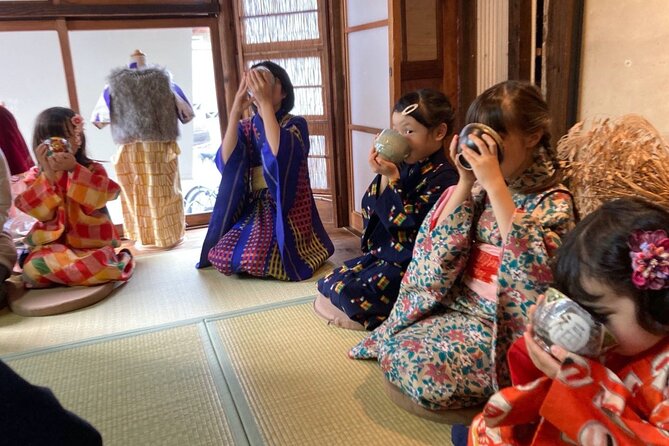
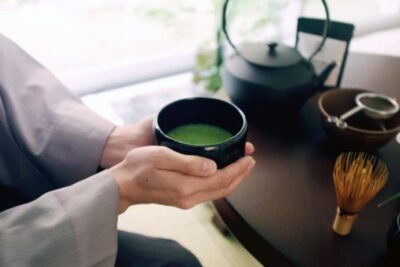
The activity includes an opportunity to learn how matcha is made. You see the careful preparation of powdered green tea and take part in the process rather than simply receiving a cup at the end.
The tea is served with Japanese sweets, and the ceremony gives you time to notice the details: the bowl, the hand movements, the order of service, and the quiet attention paid to each action. Toku explains the steps slowly, which helps if this is your first tea ceremony.
Keep your expectations in check. This is a traditional tea ceremony lesson, not a tasting workshop with several varieties of tea. One visitor hoped to learn more about tea production and sample multiple special teas, and felt the experience did not go far enough. If your main interest is matcha farming, roasting, regional styles, or comparing grades of tea, this is probably not the right activity.
If you want to understand the ceremony itself and take part in preparing matcha, the format makes more sense. The emphasis is on manners, meaning, and shared time. The tea is one part of the experience, not the entire subject.
More Tea Ceremony Experiences in Kyoto:
- Kyoto: Tea Ceremony in a Traditional Tea House in Kiyomizu
★ 4.9 · 3,519 reviews - Kyoto: Tea Ceremony Ju-An at Jotokuji Temple
★ 4.9 · 3,207 reviews - Kyoto: 45-Minute Tea Ceremony Lesson Experience
★ 4.3 · 2,378 reviews - Kyoto: Table-Style Tea Ceremony at a Kyo-Machiya
★ 4.9 · 1,211 reviews
Why the six-person limit helps
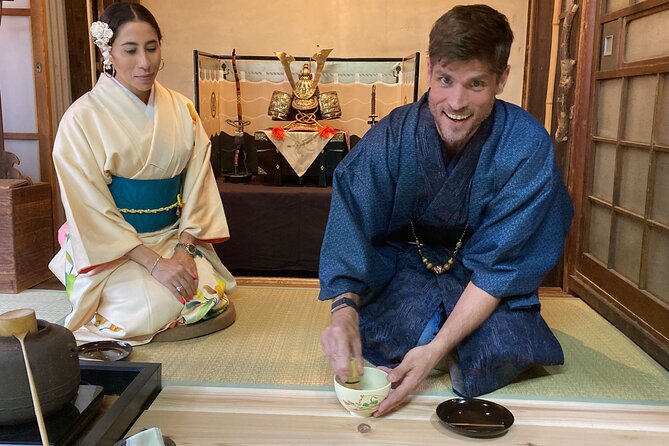
The group is capped at six people. That is a useful limit in a small home, where a larger crowd would make the dressing area and ceremony feel cramped.
A small group also gives you more room to ask questions. Toku and his family can help with kimono fitting, explain unfamiliar customs, and adjust the ceremony when needed. If your group is smaller, you may receive even more direct attention, though the exact group size depends on the date you book.
The atmosphere is one of the activity’s strongest points. The hosts are described as warm, patient, and generous with their time. Their welcome is not a minor detail. Since you are entering a family home, the way you are received shapes the whole visit.
You may also be invited to take photographs throughout the session. This works well for couples, families, and friends who want pictures in traditional clothing without spending a full day at a rental shop. Ask before photographing personal items or areas of the house, and follow the hosts’ guidance.
A calm alternative to central Kyoto tea venues
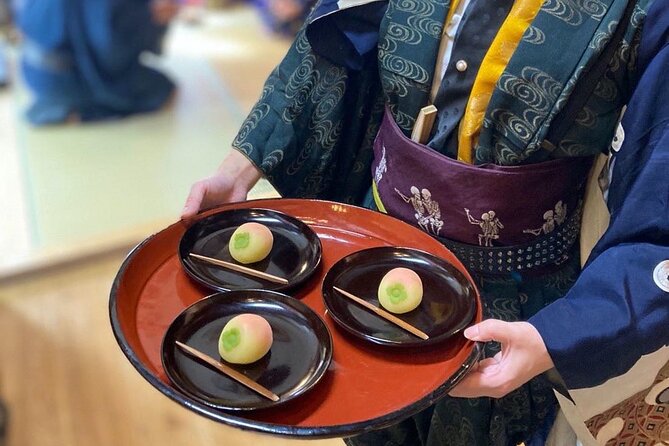
Kyoto has plenty of tea ceremonies, including sessions in parks, temples, hotels, and purpose-built cultural centers. This one offers a different kind of setting.
You will not get a formal garden view or a dramatic temple backdrop. Instead, you get a quieter residential neighborhood and a family-run house near Katsura Imperial Villa. The old building, the kimono collection, and the direct contact with Toku and his wife create a more intimate mood.
I see this as a choice between atmosphere and convenience. Central venues are easier to combine with other sightseeing and may offer more elaborate surroundings. This experience asks you to make a separate trip, but the quieter address is part of what you are paying for.
The location can work well before or after visiting Katsura Imperial Villa, though no villa admission or visit is included in this activity. Do not assume the tea ceremony includes a tour of the imperial villa. They are separate plans.
Is $99.10 good value for 90 minutes?
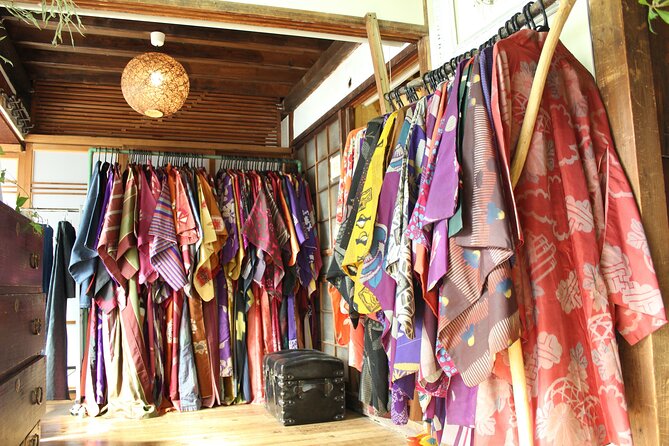
At $99.10 per person, this is not a budget tea break. The price includes the antique kimono rental, dressing assistance, the English-language tea ceremony, green tea, and Japanese sweets.
The value depends on what you want from Kyoto. If you only want to taste matcha, the cost is high. If you want a kimono rental, help dressing, an introduction to tea etiquette, access to a family-run old house, and photographs, the price becomes easier to justify.
You are also paying for the small group and the hosts’ time. Dressing a visitor properly takes care, and the ceremony is explained rather than performed at top speed. For a first visit to Japan, this can be a memorable cultural activity that combines clothing, food, history, and personal contact in one short session.
The weak point is duration. Ninety minutes goes quickly once you include choosing clothes, dressing, the ceremony, and photographs. If you expect a long lesson on tea production or several kinds of matcha, you may feel short-changed.
You can judge the price this way:
- Choose it if you value personal instruction and traditional clothing.
- Skip it if you mainly want a low-cost cup of matcha.
- Choose it for a special couple or family activity.
- Skip it if your priority is a temple, garden, or grand ceremonial room.
Who will enjoy this experience most?
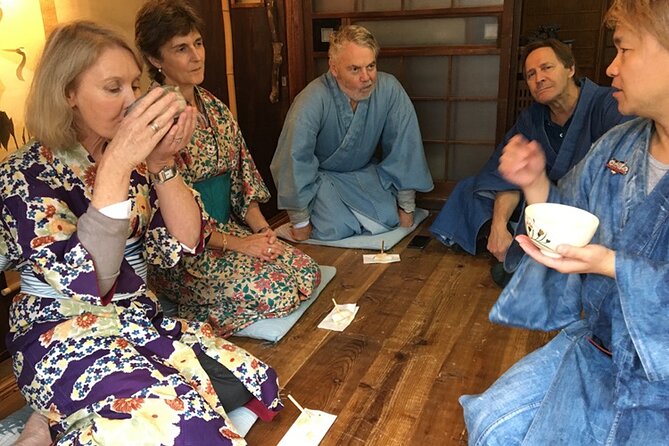
I would recommend it to couples, families, and first-time visitors who want a gentle introduction to Japanese customs. Children can be included, and the hosts have shown flexibility with young children and visitors who cannot kneel.
It also suits you if you enjoy meeting local people and seeing a family business from the inside. Toku’s story, his work as a kimono fitter, and the family’s connection with tea give the activity a human side that a large commercial venue may not provide.
Photography fans will appreciate the clothing and the chance to have pictures taken during the session. The antique garments create a more distinctive look than a standard modern yukata rental.
You may want to choose another activity if you need wheelchair-specific information, a large group booking, or a detailed lesson on tea cultivation. Service animals are allowed, and the location is near public transportation, but the supplied details do not describe step-free access or the exact seating arrangements.
Booking and cancellation details
You receive confirmation at booking unless you reserve within one day of the activity. In that case, confirmation arrives as soon as possible and depends on availability.
The maximum group size is six people, and the activity is available in English. Free cancellation is available up to 24 hours before the start time for a full refund. Cancellations or changes made less than 24 hours before the start time are not accepted for a refund.
Lunch and dinner are not included, so plan a separate meal before or after the ceremony. The activity begins and ends at Miyagawa Tokusaburo Shoten.
Should you book it?
Book this experience if you want a personal, family-run introduction to Kyoto culture, especially one that combines antique clothing with a carefully explained tea ceremony. Toku and his family appear to make the welcome, the kimono fitting, and the photographs as important as the tea itself.
Do not book it expecting a palace, temple garden, or full matcha tasting course. The house is residential, the time is limited, and the $99.10 price rewards personal attention more than grand scenery.
For the right visitor, that is the point. You dress in an old kimono, slow down, learn why the ceremony works as it does, and share tea in a quiet Kyoto home. If that sounds more appealing than a quick demonstration in the city center, this is a strong choice.
FAQ
Where does the tea ceremony take place?
It takes place at Miyagawa Tokusaburo Shoten, 32-4 Katsuranozatocho, Nishikyo Ward, Kyoto, near Katsura Imperial Villa.
How long does the experience last?
The experience lasts approximately 1 hour and 30 minutes.
Is the experience available in English?
Yes. The activity is available in English.
Is the kimono rental included?
Yes. The antique kimono rental fee is included in the price.
How many people can join the activity?
The group is limited to a maximum of six people.
What does the price include besides the kimono?
The price includes the tea ceremony experience, green tea, and Japanese sweets.
Are meals included?
No. Lunch and dinner are not included.
Can the ceremony be adapted if I cannot kneel?
The hosts have adapted the ceremony for a participant who could not kneel. You should tell them about your needs when you arrive.
What is the cancellation policy?
You can cancel up to 24 hours before the start time for a full refund. Cancellations or changes made less than 24 hours before the start time are not accepted for a refund.
Just added around Kyoto
- Whisk Your Own Matcha: A Zen Matcha Experience at Temple★ 3.6 · 7 reviews
- Uji Walking Tour – Byodo-in temple and Tea Ceremony from Kyoto★ 3.5 · 3 reviews
- Traditional Tea Ceremony in Kyoto★ 4.5 · 3 reviews
- Kyoto: Authentic Tea Ceremony in a Small Group★ 5.0 · 7 reviews
- Tea ceremony at Kyoto’s Zen Temple Teahouse★ 5.0 · 2 reviews
- Tea Ceremony in 150 Years Old Townhouse with Tables and Chairs★ 5.0 · 22 reviews
- Silent Beauty of Kyoto Zen Walk and Tea Experience★ 5.0 · 2 reviews
- Tea Ceremony Experience in Traditional Kyoto Townhouse★ 5.0 · 19 reviews
Kimono & Tea Ceremonies, compared.
KYOTO Tea Ceremony with kimono near by Imamiya Jinjya Shrine
Read our review →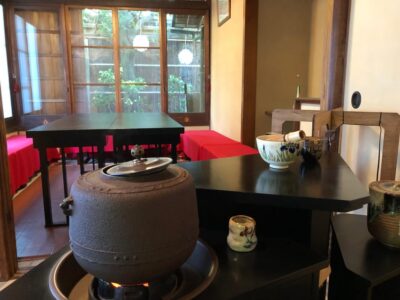
Kimono and Tea Ceremony Experience at Cultural Asset
Read our review →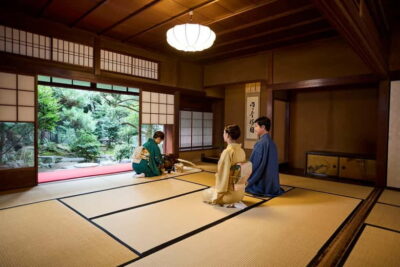
Browse the lists this tour appears in