
Review · JAPAN
Hokkaido Seafood Sushi Rolls Experience with Matcha, in Sapporo
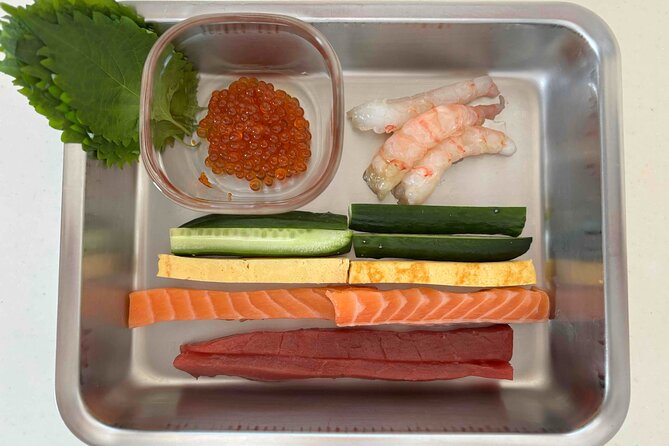
Hokkaido’s seafood gets the starring role in this friendly, hands-on Sapporo class. You’ll make seafood sushi rolls, fry light tempura, eat what you prepare, then slow down with matcha and Japanese sweets in a home-style kitchen.
I like the tiny group size, just two or three people, and the chance to see an everyday residential side of Sapporo. I also like the tidy three-part rhythm: food culture, cooking, then tea. The main consideration is the price, $97.55 per person, which is fair for a private cooking lesson but more than a simple market meal.
Key Points to Know Before Booking
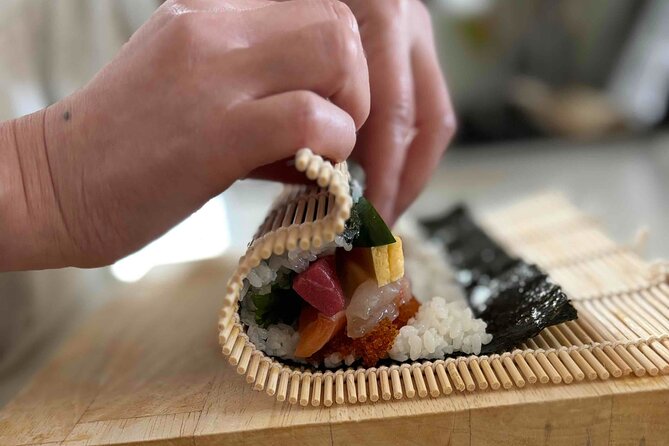
- Hokkaido seafood takes center stage: Prepare attractive seafood sushi rolls with fresh regional ingredients.
- Two useful cooking lessons: You’ll work on sushi rolls and crispy tempura, not just watch a demonstration.
- A quiet home setting: The class takes place in a residential Sapporo neighborhood rather than a busy commercial venue.
- Small and private: The experience is limited to your own group, with classes designed for two or three people.
- Tea culture gets its own final chapter: Matcha and traditional Japanese sweets follow the meal.
- Easy to pair with sightseeing: The studio is about 15 minutes by car from Sapporo Station and near Hokkaido Shrine and Maruyama Zoo.
A Small Sapporo Kitchen With a Big Seafood Focus
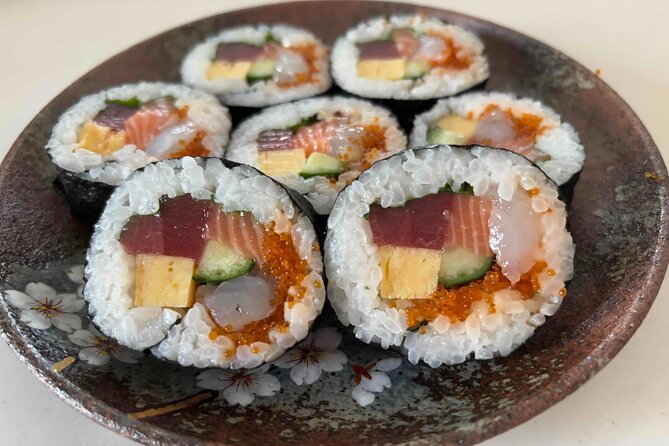
This experience gives you more than a plate of sushi. You get a short lesson in how several familiar Japanese foods come together, from seasoned rice and seafood rolls to hot, crisp tempura.
The setting matters. The class is held in a quiet residential area, giving you a look at ordinary Sapporo life away from the department stores and restaurant streets. You are not simply being served a finished dish. You are handling the food, shaping the rolls, cooking the tempura, and sitting down to eat it together.
Tomoko’s Japanese Cooking runs the experience. The class is designed to feel warm and home-like, with a rental apron and hand towel provided. That makes the session practical for a morning in your sightseeing clothes, though you should still choose something comfortable and easy to move in.
The class is private, and the stated group size is just two to three people. That is a major advantage if you want room to ask questions or need a calmer setting than a large cooking school. It also makes this a good choice for a couple, a small family group, or friends who want an activity built around conversation.
More Matcha Experiences in Japan:
- World Heritage Kyoto & Nara Uji Authentic Matcha Experience
★ 5.0 · 1,573 reviews - Kyoto: Arashiyama Bamboo Forest, Monkeys, Matcha & Temple Tour
★ 5.0 · 759 reviews - Matcha Making Class in Tokyo with Authentic Japanese Sweets Set
★ 5.0 · 744 reviews
The 10:00 a.m. Introduction to Hokkaido Food
The class begins at 10:00 a.m. with a short introduction lasting roughly 15 minutes. This opening places the cooking in the setting of Hokkaido’s food culture before you start preparing lunch.
The introduction is brief, which suits the format. You are here to cook, not sit through a long lecture. Still, the regional focus adds useful context. Hokkaido is known in Japan for its seafood, and this class lets that ingredient quality shape the meal rather than treating seafood as a generic sushi filling.
You meet at 26 Chome-2 Odorinishi in Chuo Ward, Sapporo. The studio is about 15 minutes by car from Sapporo Station and near public transportation. Since hotel pickup and drop-off are not included, plan to make your own way to the meeting point. The experience may show pickup as an available feature, but the detailed terms say hotel transfers are not included, so I would not build your morning around a door-to-door transfer.
The location also works well for a day in western or central Sapporo. Hokkaido Shrine and Maruyama Zoo are within walking distance of the studio, according to the activity details. You can schedule the class before or after those sights, though remember that the cooking session ends at about 12:30 p.m.
Making Seafood Sushi Rolls From Scratch
From about 10:15 a.m. until noon, the focus shifts to hands-on cooking. You will prepare seafood sushi rolls using fresh Hokkaido seafood, then make tempura with a light, crisp finish.
The sushi portion is especially appealing if you care about presentation. The stated goal is not only to make a roll, but to make a beautiful seafood sushi roll. That points to a lesson in arranging and shaping as well as basic preparation. You get to see how an attractive finished roll is built instead of receiving one already cut and plated.
Sushi rolls are also a useful dish to learn because they combine several small skills. You need to handle the rice, place the fillings, roll the ingredients together, and slice the result neatly. In a small class, you should have a better chance to correct your technique than you would in a large group where the instructor has to move quickly from table to table.
The details do not specify which seafood or fillings will be used on your date. You should expect fresh seafood from Hokkaido, but not a guaranteed list of species. That is worth noting if you have a strong preference or dietary concern. The available information also does not describe substitutions, so ask the provider before booking if you need changes.
Learning the Trick to Light, Crispy Tempura
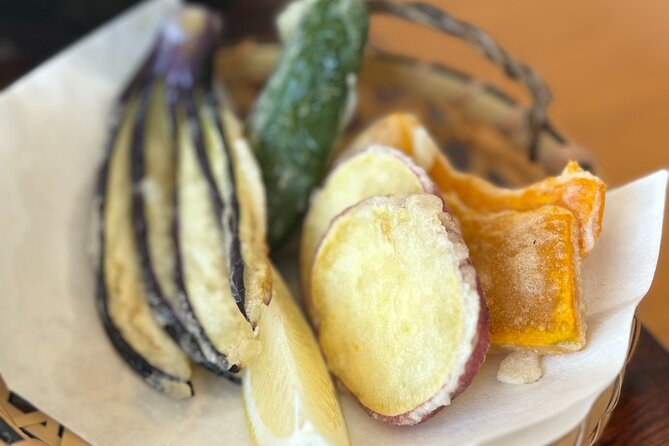
Tempura provides a useful contrast to the sushi. Sushi is cool, neat, and precise. Tempura is hot and crisp, with timing playing a bigger role.
The class teaches you how to cook light, crispy tempura rather than simply frying food until it is browned. That makes this part valuable for anyone who has tried tempura at home and ended up with a heavy coating. You will learn by preparing the dish yourself, then eat it as part of the shared meal.
The experience details do not list the exact vegetables, seafood, or frying equipment. I would treat the lesson as a practical introduction rather than a full professional cooking course. In two and a half hours, you can learn the core approach and enjoy the result, but you should not expect a long technical workshop covering every Japanese frying style.
The cooking and meal occupy most of the middle section, from 10:15 a.m. to noon. That gives you about an hour and 45 minutes for preparation and tasting. The pace should feel manageable for beginners, especially with only two or three people, though the session still has a fixed schedule.
Same place, a different pot:
- Kyoto: Tea Ceremony in a Traditional Tea House in Kiyomizu
★ 4.9 · 3,519 reviews - Kyoto: Tea Ceremony Ju-An at Jotokuji Temple
★ 4.9 · 3,207 reviews - Kyoto: 45-Minute Tea Ceremony Lesson Experience
★ 4.3 · 2,378 reviews - Osaka: Tea Ceremony Experience
★ 4.9 · 1,426 reviews
Sitting Down to Eat What You Prepared
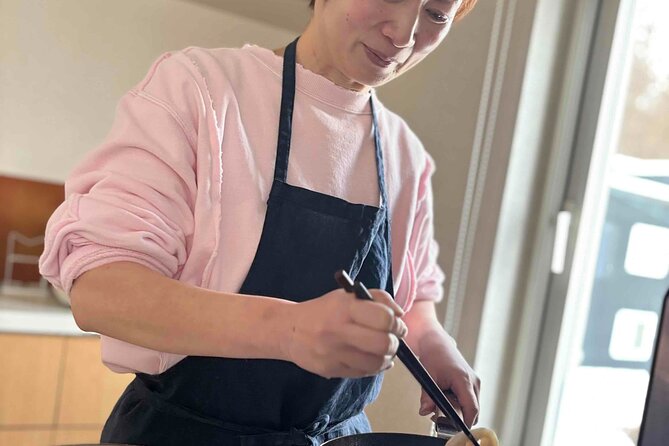
After the cooking, you enjoy the sushi rolls and tempura together at the table. This shared meal is more than a convenient ending. It gives you a chance to see how the dishes work side by side and to enjoy the results while they are fresh.
I like this format because the food is not an afterthought. A cooking class can feel rushed when everyone plates a sample and immediately leaves. Here, eating together is built into the plan, so the lesson has a natural finish before the tea portion begins.
The meal also gives you time to talk with the host and the other people in your group. One particularly positive response described the experience as a very nice lesson with good people, interesting instruction, and new friendships. That fits the design of a private, home-style class, where the social side is likely to be part of the appeal.
Still, keep your expectations clear. This is not advertised as a full lunch with a long menu. The included meal is seafood sushi rolls and tempura, followed by matcha and sweets. If you want a broad tasting of Hokkaido cuisine, a seafood market visit or restaurant meal would cover more dishes.
Matcha and Traditional Sweets From Noon to 12:30
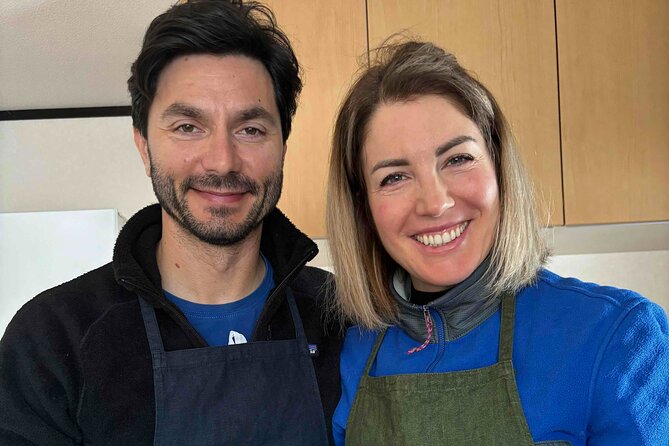
The final half hour is devoted to matcha and traditional Japanese sweets. This gives the morning a quieter ending and introduces the basic ideas behind Japanese tea culture.
You will not only drink matcha. The class includes an explanation of the spirit and basic ideas behind tea culture. The wording suggests an introduction rather than a formal tea ceremony, so you should expect a simple, approachable experience rather than an elaborate ceremonial performance.
That distinction is helpful. A short tea session works well after the active cooking period. It lets you shift gears, enjoy a sweet with the tea, and learn why the preparation and presentation matter. If you are curious about Japanese customs but do not want a full formal ceremony, this lighter introduction may suit you better.
The matcha and traditional sweets are included in the $97.55 price. They also help justify the length of the activity. Without this final section, the class would be mostly a cooking lesson. With it, you get a broader look at food and hospitality in Japan.
The activity ends back at the meeting point around 12:30 p.m. That timing leaves the rest of the afternoon open for Hokkaido Shrine, Maruyama Zoo, lunch elsewhere, or more time in central Sapporo.
Why the Small Group Makes a Difference
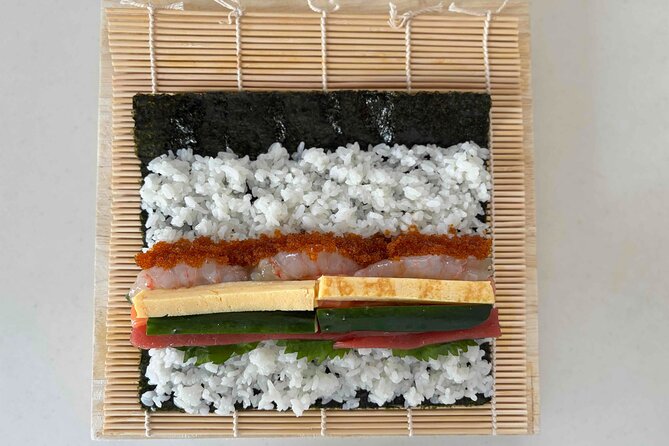
The class is listed as a private activity, and the stated size is two to three people. This is one of the clearest reasons to consider it over a larger cooking event.
In a small group, you can ask for help as you roll the sushi or prepare the tempura. You are less likely to spend the whole lesson watching from the back of a room. The home-style setting should also make the pace feel more personal and relaxed.
The trade-off is that the price is calculated per person, and a private experience usually costs more than a large shared class. At $97.55 per person, this is best seen as a personal food lesson with a meal, not a budget way to eat sushi.
I would also pay attention to the size when booking. The experience is designed for two or three people, so it is a natural fit for a couple or a very small party. If you are traveling alone, confirm the booking arrangement before you commit, since the provided details do not explain how solo participants are handled.
What the $97.55 Price Includes
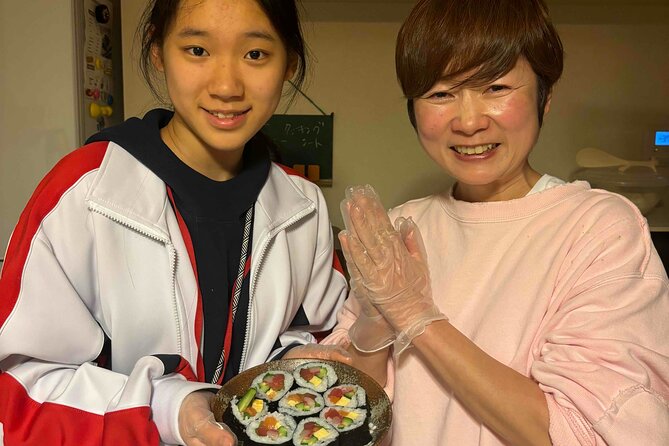
The cost covers the core food and equipment:
- Seafood sushi rolls
- Tempura
- Matcha
- Traditional Japanese sweets
- Rental apron
- Hand towel
That is a solid package for a 2.5-hour private class. You are paying for instruction, ingredients, a prepared meal, tea, sweets, and the use of a small kitchen setting. The personal format is the main part of the value.
The price is less attractive if your main goal is simply to eat Hokkaido seafood. You could likely spend less on a restaurant meal, though that would not teach you how to make the food or offer the tea culture portion.
For me, the cost makes the most sense when you want an activity with substance. You get a practical skill, a regional food focus, and time with a local host. It is also a sensible splurge for a special couple’s outing or a small family activity.
Hotel transportation is not included. You should also remember that the meeting point and return point are the same, so your transport costs to and from 26 Chome-2 Odorinishi are separate.
Planning Your Morning in Sapporo
The 10:00 a.m. start means you need to allow enough time to reach the meeting point. The studio is about 15 minutes by car from Sapporo Station, but that estimate does not account for finding the address or waiting for public transportation.
Because the class ends at around 12:30 p.m., it fits neatly into a day devoted to the Maruyama area. Hokkaido Shrine and Maruyama Zoo are both within walking distance of the studio. You can combine the cooking experience with one of those sights, though I would avoid scheduling something with a strict timed entry immediately afterward.
Mobile tickets are available, and booking confirmation is provided at the time of reservation. The experience has an average booking lead time of 16 days, so you should reserve ahead if your Sapporo dates are fixed. The small capacity is another reason not to leave it until the last morning.
Free cancellation is available if you cancel at least 24 hours before the start time. Changes or cancellations made inside that window are not accepted for a refund. The activity also requires good weather, and if poor weather causes a cancellation, you are offered another date or a full refund.
Who Will Enjoy This Cooking Class Most
I would recommend this class to you if you want to do something active with your morning in Sapporo and care about how Japanese food is made. It is particularly suited to:
- Couples looking for a private food experience
- Small families or friend groups
- First-time cooks who prefer personal guidance
- Seafood lovers interested in Hokkaido ingredients
- Visitors who want a gentle introduction to matcha and tea culture
- People staying long enough to pair the class with Hokkaido Shrine or Maruyama Zoo
It may be less suitable if you want a large menu, a formal tea ceremony, or a low-cost way to eat seafood. The ingredients are not itemized in the available details, so you should contact Tomoko’s Japanese Cooking before booking if you have allergies or strict dietary requirements.
The experience also assumes that you are comfortable taking part in food preparation. You do not need to be an expert, but the value comes from making the dishes, not merely watching someone else cook.
Should You Book Tomoko’s Japanese Cooking Experience?
Book it if you want a personal, food-focused morning that combines Hokkaido seafood, hands-on cooking, and matcha. The two-hour-30-minute schedule is well balanced, the private group size is a real benefit, and the nearby sights make it easy to fit into a Sapporo itinerary.
At $97.55 per person, I would call it a worthwhile splurge rather than a bargain. You are paying for the instruction, ingredients, shared meal, tea experience, and small home-style setting. If those details matter to you, the price is reasonable. If you only want to sample sushi and tempura, eat at a restaurant instead.
FAQ
Where does the Hokkaido seafood sushi experience take place?
The meeting point is 26 Chome-2 Odorinishi, Chuo Ward, Sapporo, Hokkaido 064-0820, Japan. The class is held in a quiet residential area of Sapporo.
What time does the activity start and finish?
The experience starts at 10:00 a.m. and lasts about two hours and 30 minutes. It ends at the meeting point around 12:30 p.m.
What food will I prepare?
You will prepare seafood sushi rolls using fresh Hokkaido seafood and cook crispy tempura. You will then eat the dishes together.
Is matcha included?
Yes. The experience includes matcha and traditional Japanese sweets, along with an introduction to the basic ideas and spirit of Japanese tea culture.
How many people are in the class?
Classes are held in small groups of two to three people. The activity is private, so only your group participates.
Is hotel pickup included?
Hotel pickup and drop-off are not included. You need to make your own way to the meeting point, which is about 15 minutes by car from Sapporo Station and near public transportation.
Can I cancel for a full refund?
Yes, if you cancel at least 24 hours before the local start time. Cancellations or changes made less than 24 hours before the start time are not refunded or accepted. If poor weather causes the activity to be canceled, you are offered a different date or a full refund.
Just added around Japan
- Yokohama : Tea Ceremony with Sweets and Souvenir★ 5.0 · 5 reviews
- Whisk Your Own Matcha: A Zen Matcha Experience at Temple★ 3.6 · 7 reviews
- Walking Tour: Yanaka,Nezu& Sendagi: Tea Ceremony & Old Tokyo★ 5.0 · 3 reviews
- Visit local home for music and tea ceremony near Disney★ 4.9 · 13 reviews
- Yokohama: Sushi & Gyoza Cooking with Matcha & GreenTea Experience★ 5.0 · 3 reviews
- Trip to Kamakura & Enoshima: Shrines, Seaside, Temples &Tea★ 5.0 · 11 reviews
- Kyoto tea town for matcha lovers★ 5.0 · 16 reviews
- Uji: Private immersion into Kyoto’s tea and reglious culture★ 5.0 · 17 reviews
Matcha Experiences, compared.
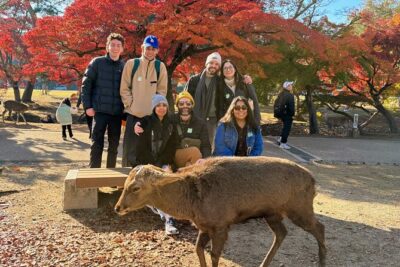
World Heritage Kyoto & Nara Uji Authentic Matcha Experience
Read our review →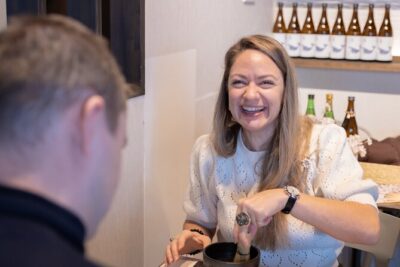
Matcha Making Class in Tokyo with Authentic Japanese Sweets Set
Read our review →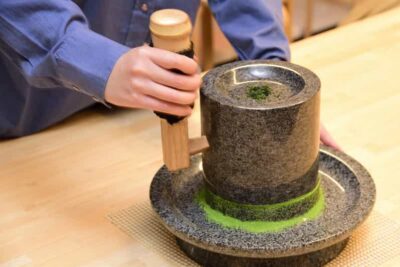
Tea Museum Tickets and Matcha Grinding Experience
Read our review →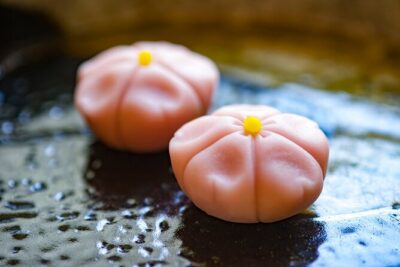
Matcha Making Class in Osaka with Authentic Japanese Sweets Set
Read our review →
Tea Ceremony Meditation – Make Matcha with Tea Master
Read our review →
Matcha Making Experience with Mochi Sweets in Asakusa
Read our review →
Browse the lists this tour appears in