
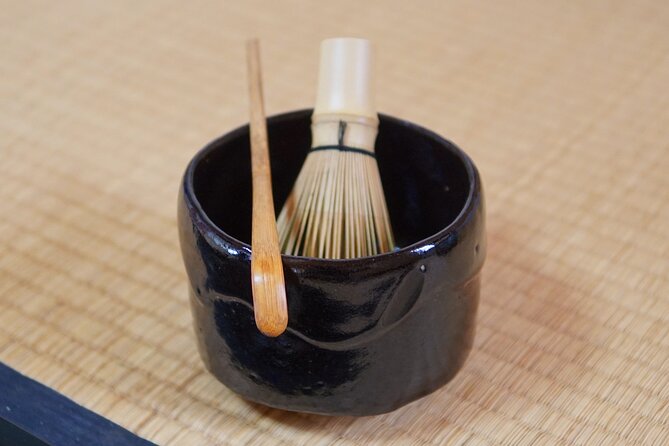
Review · TOKYO
Tokyo Tea Ceremony Class at a Traditional Tea Room
The rare treat here is not simply drinking matcha. You enter a purpose-built wooden tea room in Kugayama, a residential corner of Tokyo, and learn the ceremony in English from Ms. Haruki, a tea practitioner from Oita who has practiced since high school. You’ll see the formal steps, taste both thin tea and thick tea, and try making matcha yourself.
I like the small maximum of four people, which gives you room to ask questions and watch the utensils closely. I also like that the lesson includes koicha, thick matcha usually reserved for formal ceremonies, rather than stopping at the familiar thin tea served in many casual cultural demonstrations.
The main drawback is the price, $117.87 per person, for an activity lasting about two hours. The meeting point is outside central Tokyo at Kugayama Station, and the non-refundable policy means you need to be sure of your plans before booking.
Key points to know before booking
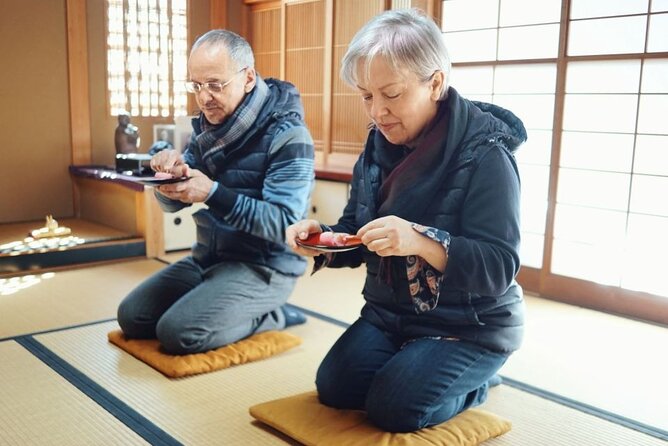
- Koicha is included: You’ll taste thick matcha, a formal style not commonly offered in casual tea classes.
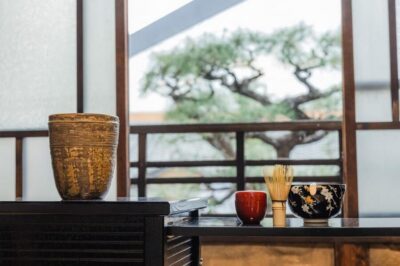
- The tea room is part of the lesson: Traditional wooden construction and a carefully made interior give the setting real weight.
- Ms. Haruki teaches in English: She has practiced tea since high school and has presented the ceremony in the United States and New Zealand.
- You make your own matcha: The class goes beyond watching a demonstration.
- Groups are tiny: The maximum is four people, useful when you want close views of the utensils and time for questions.
- Kugayama changes the pace: You leave the busiest sightseeing areas and meet near a local Tokyo station.
Why this tea ceremony feels different
Many Tokyo tea activities are designed as quick cultural stops. You sit down, whisk a bowl of matcha, take a few photographs, and move on. This class takes a more careful route. The setting, the explanation of the ceremony, and the types of tea served all matter.
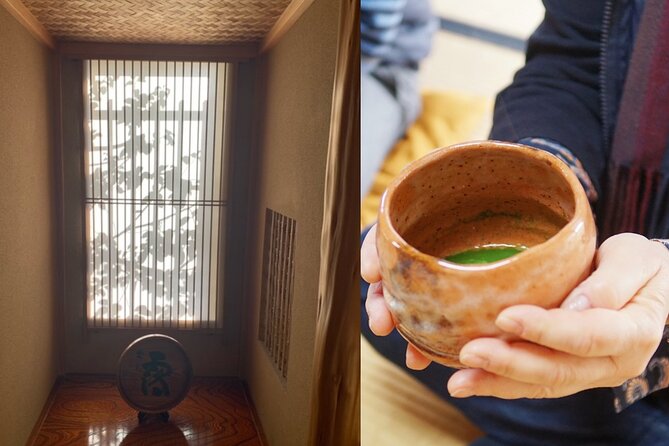
The room uses traditional construction methods and wooden materials made for that particular space. That may sound like a small detail, but it changes how the lesson feels. You are not simply being shown a tea ritual in a rented event room. The building itself helps explain why Japanese tea values restraint, preparation, and attention to small movements.
I also appreciate the focus on the ceremony as a practice rather than a photo opportunity. Ms. Haruki has studied tea since her school days, learned international tea ceremony presentation in Tokyo, and introduced Japanese tea culture abroad. Her work as a nationally licensed guide interpreter helps make the English explanation part of the class, not an afterthought.
The atmosphere is described as calm, and the group size supports that. With no more than four participants, you should have a clear view of the tea-making procedure called temae. You can also look at the utensils at close range and ask about the purpose of each item.
More Tea Ceremony Experiences in Tokyo:
- Kimono Tea Ceremony at Tokyo, Asakusa Maikoya
★ 5.0 · 638 reviews - Tokyo: Traditional Tea Ceremony with a Tea Master
★ 5.0 · 528 reviews - Tea Ceremony Workshop in Tokyo by the Experienced Instrucor
★ 5.0 · 189 reviews
Meeting Ms. Haruki at Kugayama Station
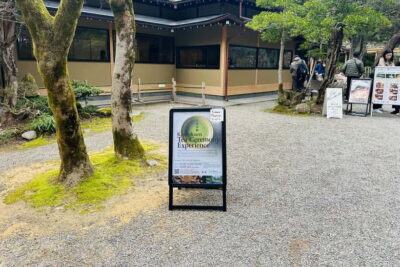
The class begins at Kugayama Station in Suginami City. This is not one of Tokyo’s main sightseeing districts, so allow time to reach the meeting point and do not treat it as an activity you can casually squeeze between two central attractions.
That location is part of the appeal. Kugayama gives you a break from Tokyo’s large commercial centers and brings the class into a quieter local setting. The activity begins and ends at the meeting point, with no transport included, so you are responsible for getting to the station and returning to your next stop.
The address provided is in Kugayama, Suginami City, Tokyo 168-0082. Check the meeting instructions carefully after booking, since confirmation is sent within 48 hours and is subject to availability.
The class is usually planned for about two hours, though you should allow closer to two and a half hours based on the pace of the teaching. A previous session took about two and a half hours because the instructors spent extra time explaining customs and background. That is good news if you like patient teaching, but it matters if you have a tight afternoon schedule.
The opening lesson: tea, customs, and context
The first part covers the history of the Japanese tea ceremony. This gives you a frame for the movements that follow. Without some explanation, the ceremony can look like a string of precise gestures. With context, you can begin to understand why the host cleans, folds, turns, presents, and pauses in a particular order.
The teaching is not limited to dates or formal terms. The instructors explain traditional customs and the ideas behind the steps. That makes this class a better fit for you if you want to understand what you are seeing, not simply copy a hand movement for a photograph.
The pace also seems to favor conversation. The teachers are described as friendly and willing to spend time explaining the background. That can be especially helpful if you have never attended a tea ceremony and are unsure when to move, drink, bow, or handle the bowl.
You should not expect a loud, fast-moving class. The calm setting and small group point toward a quiet lesson where observation matters. If you prefer constant activity, this may feel slow. If you enjoy careful instruction, the slower rhythm is part of the value.
Watching temae in a traditional wooden room
Next comes the demonstration of temae, the formal procedure used to prepare and serve tea. This is the visual center of the class. You watch the practitioner arrange the utensils, prepare the matcha, and follow the established sequence of movements.
The room gives this demonstration more meaning. Traditional tea spaces are designed to focus attention on the ceremony, and the wooden construction here was made specifically for the room. The result is a setting where the utensils and movements take priority over decoration.
You will also have a chance to examine the tea utensils closely. That is worth your attention. A tea bowl, scoop, whisk, container, and other tools are not just equipment for making a drink. Their placement and handling are part of the ceremony’s language.
I suggest resisting the urge to focus only on the final bowl of matcha. Watch the preparation. Notice the order of the steps, how the utensils are handled, and how much care goes into a small serving. The class is most rewarding when you treat the process as the main event.
More Workshops in Tokyo:
- Matcha Making Class in Tokyo with Authentic Japanese Sweets Set
★ 5.0 · 744 reviews - Experience all of Japanese culture and Japanese food experience classes “origami, udon, Japanese food, green tea, calligraphy” in 4 hours
★ 5.0 · 105 reviews - Tokyo Sushi Making Class : Sake Ceremony & Matcha Experience
★ 5.0 · 44 reviews - Mochi Matcha Gluten Free Japanese Sweets Class near Shibuya area
★ 5.0 · 26 reviews
Drinking thin tea and rare koicha
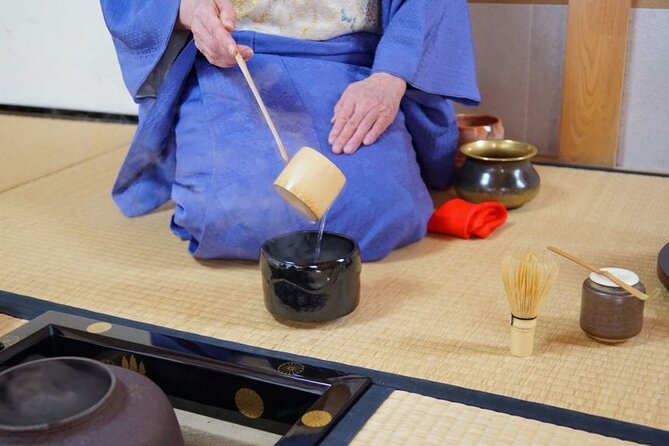
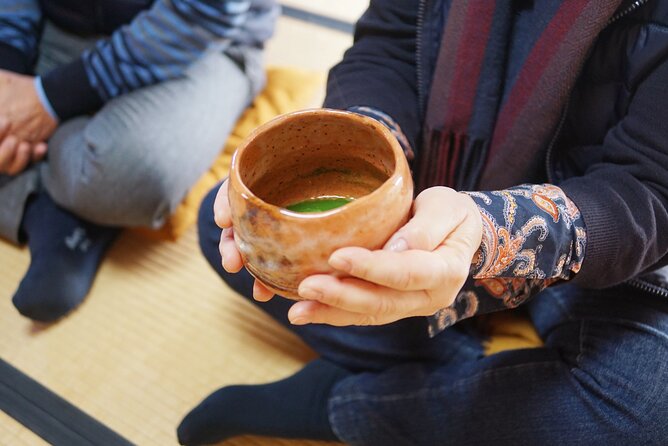
The class teaches you how to drink both thin tea and thick tea. Thin tea, or usucha, is the lighter style most people associate with a modern matcha tasting. It is whisked into a frothy drink and is generally easier for first-time drinkers.
The more unusual part is koicha, or thick tea. This is prepared with less water and a higher concentration of matcha, producing a dense texture and a stronger flavor. It is usually served in formal tea settings, so having it included gives you a fuller sense of the tradition.
Koicha may not suit every palate. It is intense, and its texture is very different from a sweet matcha latte. That is not a flaw, but you should approach it as a traditional preparation rather than expect a café drink.
The instruction on how to drink the tea is useful here. You are not left to guess what to do with the bowl. You learn the expected manner for both types of tea and receive guidance on how to appreciate them. Sweets are included as part of the tea service, providing a traditional contrast to the bitterness of matcha.
The tea itself received especially strong praise in the available feedback, with both thin and thick matcha described as tasty. That detail matters because koicha can be a difficult introduction if it is poorly prepared. Here, the teaching and the serving are treated as one complete lesson.
Making your own bowl of matcha
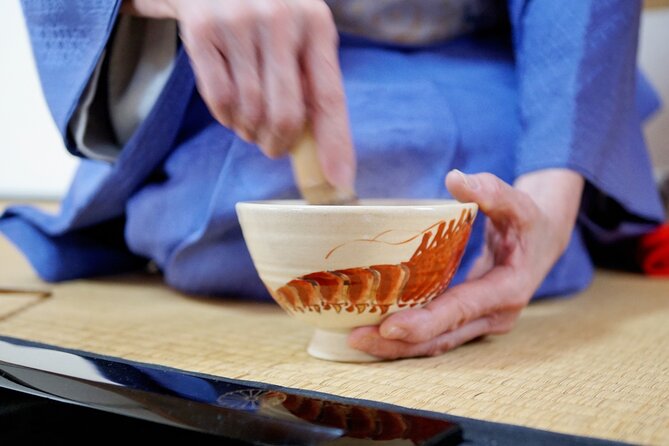
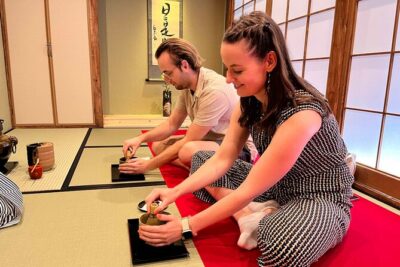
After watching the practitioner, you get to make matcha yourself. This hands-on part helps you understand how much technique goes into producing the right texture.
You will have already seen the sequence, so the task is not dropped on you without preparation. The instructor can show you how the whisk is used and how the tea is handled. Because the group is capped at four, you should have enough space to follow the motion rather than simply watch someone else do it.
Your own bowl may not look exactly like the practitioner’s. That is normal. The point is to feel the whisk in your hand, see how the powder reacts with water, and gain respect for the skill behind a smooth bowl of tea.
This is one reason the class offers better value than a simple tasting. You receive information, watch a formal presentation, taste two styles of matcha, and take part in the preparation. The class still centers on the ceremony, but you are not kept at a distance from it.
The small group and teaching style
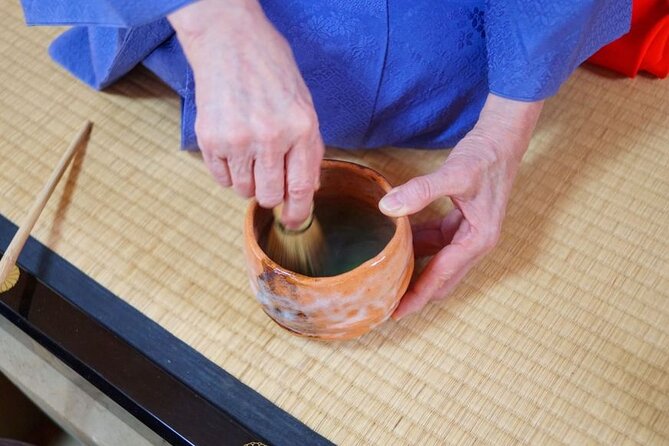
The maximum group size is four people. That is unusually intimate for a Tokyo cultural activity and affects the whole session. You can see the utensils without standing behind a crowd, hear the explanation more easily, and ask questions without waiting for a large group to settle down.
The teaching may involve more than one woman from the tea group. The available accounts describe three ceremonial tea teachers taking time to explain the history and customs through different stages. Ms. Haruki is the named practitioner associated with the experience, while the other instructors are not identified in the information provided.
The teachers are described as kind and friendly, with a clear concern for keeping the ceremony dignified. That balance is important. The class is approachable for first-time participants, but it does not turn the tradition into a comedy routine or a rushed tourist performance.
English is another practical advantage. Ms. Haruki has presented tea ceremony in the United States and New Zealand, and the activity is designed for instruction in English. You should still expect Japanese terms such as temae, usucha, and koicha, but they are explained as part of the lesson.
Souvenirs and what is included
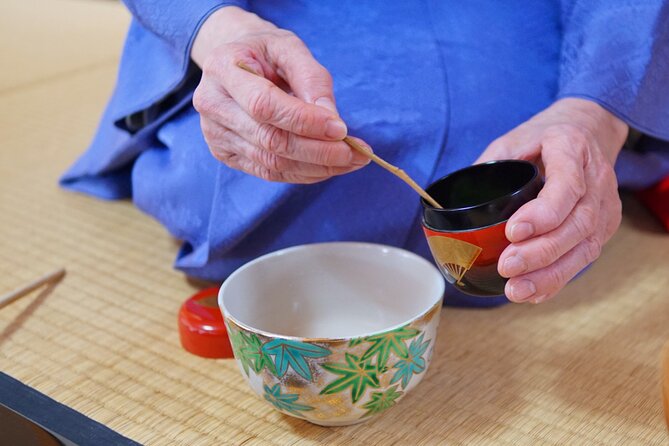
The price includes matcha green tea, sweets, the tea ceremony performance, your own tea-making activity, and a souvenir made from washi, traditional Japanese paper. The washi item gives you something small and tangible to take home without turning the class into a shopping stop.
The souvenir is a pleasant extra, but I would not use it as the main reason to book. The value rests more heavily on the private-feeling instruction, the traditional room, and the chance to taste koicha.
Coffee and tea are listed among the included refreshments, though the clear focus is matcha. Do not expect a full meal. This is a cultural lesson with sweets, not a lunch or café visit.
Is $117.87 a fair price?
At $117.87 per person, this is not a budget activity. You are paying for a small group, an English-language tea lesson, a traditional room, a trained practitioner, both thin and thick matcha, hands-on preparation, sweets, and a washi souvenir.
The price makes more sense if you value setting and instruction. A quick matcha demonstration elsewhere in Tokyo may cost less, but it may not include koicha, a purpose-built wooden room, or close attention from several teachers. The four-person limit is also important. You are buying access to a focused lesson, not just a cup of tea.
I would be more hesitant to recommend the cost if you only want to sample matcha or take a few pictures. In that case, a casual tea stop may suit you better. If you have a serious interest in Japanese customs, traditional arts, or the details of tea preparation, the class offers more substance.
The average booking lead time is 29 days, so advance planning is sensible. Confirmation arrives within 48 hours and depends on availability. Since the booking cannot be refunded or changed, check your Tokyo schedule, station route, and preferred date before paying.
Who should book this class?
I would recommend it to you if you want a quiet cultural activity with real instruction. It suits first-time visitors who want a clear introduction, as well as people who already know matcha and want to try formal thick tea.
It is also a good choice for anyone who values small groups. The group limit removes much of the distance found in large demonstrations. You can watch, ask questions, and make tea without feeling like one person in a crowd.
Families and friends should note that the ceremony is calm and deliberate. The class rewards patience more than constant motion. Children or adults who cannot sit quietly for an extended lesson may find it less engaging.
The location is best for someone willing to spend part of the day outside Tokyo’s central sightseeing zone. Kugayama Station is easy to identify as the meeting point, but transport time is not included in the two-hour activity. Plan the route before you leave your hotel.
Should you book the Kugayama tea ceremony?
Book it if you want more than a matcha tasting. The traditional wooden room, English-language explanation, four-person maximum, and inclusion of koicha make this a serious introduction to tea ceremony rather than a quick cultural sample.
Skip it if your schedule is packed, your budget is tight, or you dislike strong tea and slow rituals. The price is high for two hours, and the strict no-refund policy leaves little room for a last-minute change.
For the right person, this is one of the more focused ways to encounter Japanese tea in Tokyo. You leave with a better sense of the ceremony’s purpose, practical knowledge of how to drink and prepare matcha, and a washi souvenir to remind you of the lesson.
FAQ
Where does the tea ceremony take place?
The activity begins at Kugayama Station in Suginami City, Tokyo. It ends back at the meeting point.
How long does the activity last?
The stated duration is about two hours. A session may take around two and a half hours when the instructors spend extra time explaining customs and background.
How many people can join?
The activity has a maximum of four participants.
Is the tea ceremony taught in English?
Yes. Ms. Haruki presents the ceremony in English and has experience presenting Japanese tea culture in the United States and New Zealand.
What kinds of matcha will I try?
You will learn about and drink both thin tea, called usucha, and thick tea, called koicha.
Can I make matcha myself?
Yes. Participants have the chance to prepare matcha themselves after watching the tea-making demonstration.
Is transportation included?
No. You must make your own way to Kugayama Station and return from the meeting point after the activity.
Just added around Tokyo
- Yokohama : Tea Ceremony with Sweets and Souvenir★ 5.0 · 5 reviews
- Walking Tour: Yanaka,Nezu& Sendagi: Tea Ceremony & Old Tokyo★ 5.0 · 3 reviews
- Private Mochi・Matcha sweets Making Class Near Shibuya Area★ 5.0 · 22 reviews
- 2 Hours Mochi &Nerikiri Making & Matcha Class in Bunkyo★ 5.0 · 21 reviews
- Private Kimono and tea ceremony at local home near Tokyo Disney★ 5.0 · 6 reviews
- Tokyo Sweets Tour: Hidden Gems & Matcha at an Old Tea House★ 5.0 · 6 reviews
- Giant Sushi Cooking Class: Make a 1.5m Sushi Roll in Tokyo★ 5.0 · 9 reviews
- Tokyo: Tea Ceremony & Japanese Sweets Making★ 5.0 · 10 reviews
Tea Ceremony Experiences, compared.
Tea Ceremony in a Traditional Tea House in Kiyomizu
Read our review →
Browse the lists this tour appears in