
Review · TOKYO
Japanese Traditional Sweets making and Tea Ceremony
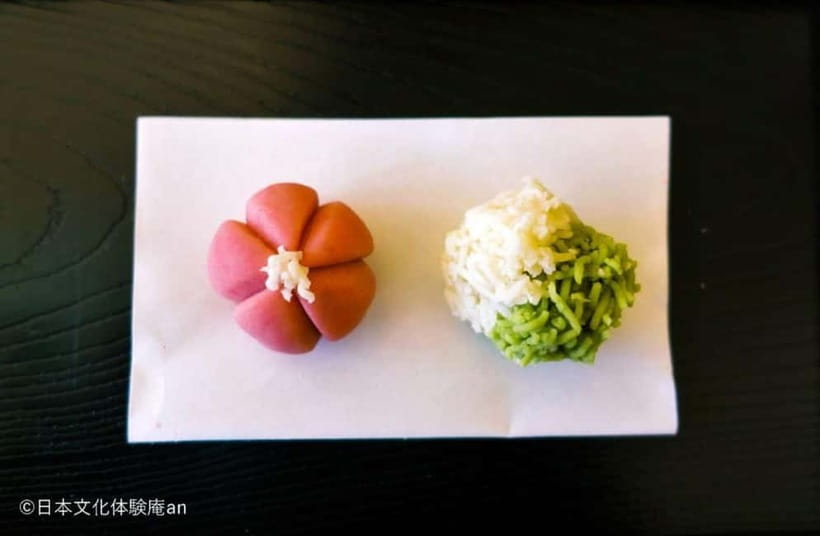
Nerikiri is edible sculpture: soft white bean paste colored and shaped into seasonal flowers or fruit. This 95-minute class lets you make two sweets, then serve yourself single-origin Uji Matcha in a tea ceremony. It is a neat way to meet Japanese food culture without spending half a day.
I especially like the use of bean paste from long-established Kyoto shops, and the fact that you make both a flower-shaped nerikiri and a kinton nerikiri. The $18 price is easy to justify for a hands-on class, a tea ceremony, and the sweets you eat at the end.
The main caution is language and crowd control. The instructor teaches in Japanese, with English help when possible, and one busy session was hard to hear. Arrive on time, and contact AN TOKYO ahead if you need extra English explanation.
Key points at a glance
- Two seasonal sweets: Make a flower-shaped nerikiri and a kinton nerikiri from Kyoto bean paste.
- Uji Matcha preparation: Watch a Matcha-grinding demonstration before preparing your own tea.
- A compact 95-minute class: The schedule gives you a clear introduction without taking up a full morning or afternoon.
- Japanese-led instruction: The demonstrations carry much of the teaching, while English translation is provided as much as possible.
- Good low-cost value: At $18 per person, the class combines making, tasting, tea preparation, and a short cultural lesson.
- Small extras cost little: A take-out box is 100 JPY, and a completion certificate is 300 JPY.
Why nerikiri makes this class different
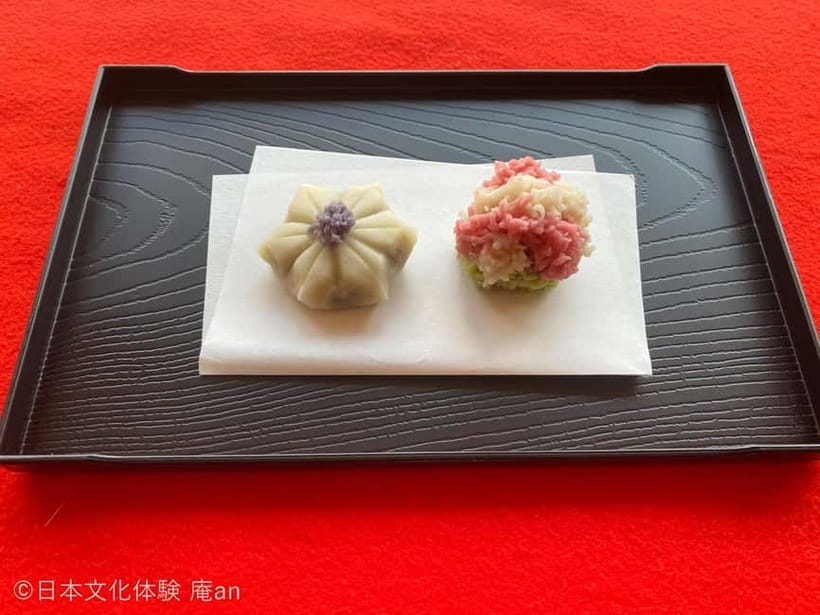
Many Japanese food activities focus on familiar dishes such as sushi, ramen, or tempura. This one takes you into wagashi, the traditional world of Japanese sweets. Nerikiri is a refined sweet made mainly from colored white bean paste, shaped into flowers, fruit, and other seasonal forms.
The appeal is not just the sugar. The shape changes with the season, so the sweet becomes a small edible calendar. A flower shape can suggest spring, while fruit or other forms may fit another time of year. The exact designs are seasonal, and the supplied information does not name them in advance, so you should expect variation.
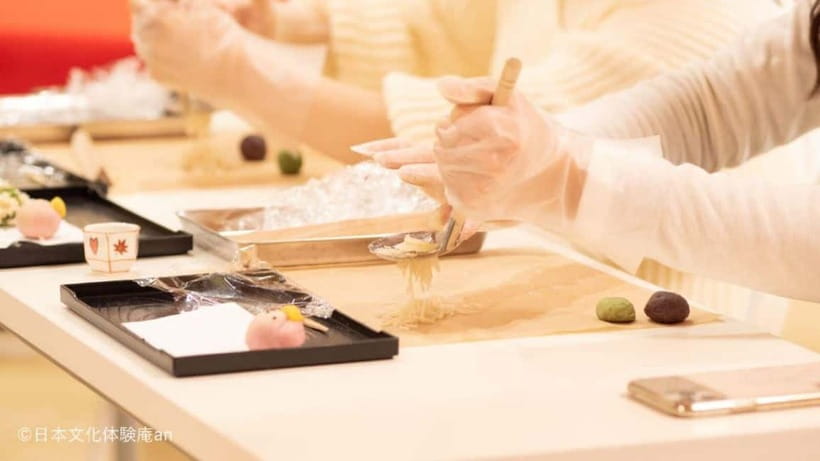
You begin with the coloring process. That matters because you are not simply handed a finished sweet to admire. You work the white bean paste, choose or follow the demonstrated colors, and shape the pieces with your hands. The process gives you room to express your own sense of form, though the instructor’s example will guide the result.
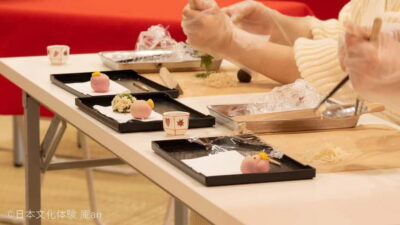
Your two pieces are different. The first is a flower-shaped nerikiri. The second is a kinton nerikiri, another style of wagashi made from fine strands or textured pieces of sweet bean paste. Making both gives you more than one technique and helps you see how much design can come from a simple base.
More Japanese Sweets and Tea Sessions in Tokyo:
- Matcha Making Class in Tokyo with Authentic Japanese Sweets Set
★ 5.0 · 744 reviews - Sweets Making and Kimono Tea Ceremony at Tokyo Maikoya
★ 5.0 · 57 reviews - Mochi Matcha Gluten Free Japanese Sweets Class near Shibuya area
★ 5.0 · 26 reviews
Kyoto bean paste and the taste of wagashi
The class uses white and red bean paste produced by long-established Kyoto shops. That detail is important for anyone who cares about ingredients. Bean paste is the heart of these sweets, so the quality and balance of the paste matter more than decorative color alone.
Wagashi can be unfamiliar if you are used to Western desserts. The flavor is sweet, but the bean paste has a soft, smooth character rather than the buttery or creamy profile of cake. Here, the sweetness is meant to pair with Matcha rather than overpower it.
You eat the sweets you make at the end with your tea. A take-out box is available for 100 JPY if you prefer to carry them away, but the class is designed around tasting them during the session. If you are making the sweets as gifts or want to save one for later, bring the small extra fee and request the box.
The first 55 minutes: shaping two seasonal sweets
The class opens with an explanation of Japanese traditional sweets. This short introduction gives you the basic idea behind nerikiri before you start handling the paste. Since the instructor teaches in Japanese, watch the demonstrations closely and ask about added English support before the session if that will make the class easier for you.
The first practical step is coloring the white bean paste. This is a useful part of the class because it shows how the plain paste becomes a seasonal design. You then move into the flower-shaped nerikiri, following the form shown by the instructor.
Next comes the kinton nerikiri. It gives the class a second look at wagashi making rather than repeating the same shape twice. You get to compare the two styles and see how texture changes the appearance of the finished sweet.
The schedule places a break at about 55 minutes. By then, you have completed the sweets and can pause before the tea portion begins. The timing is well suited to a city day when you want a focused activity between sightseeing stops.
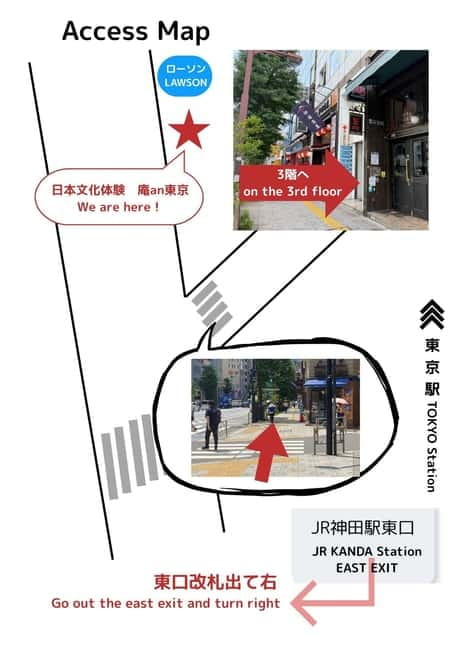
One practical point: the session will not be held for late arrivals. Tokyo connections can take longer than expected, so build in enough time to reach AN TOKYO at the meeting point near 35.6916541, 139.7715022. A late arrival is especially awkward in a hands-on class because the instructor may already be demonstrating the next step.
Matcha from Uji and the tea ceremony
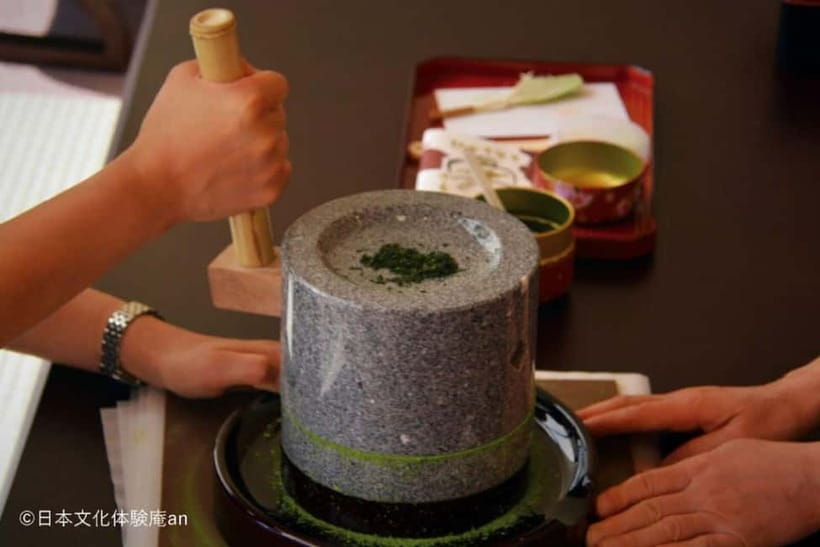
At about 65 minutes, the focus shifts from sweets to tea. You first receive an explanation of the ceremony, followed by a demonstration of Matcha grinding. The activity uses Uji Matcha, a famous tea associated with Kyoto, and describes it as a single-origin special Matcha.
The grinding demonstration gives you a useful look at what happens before the green powder reaches the bowl. You then prepare your own Matcha as part of the tea ceremony experience. This makes the second half active rather than a simple performance.
The tea is served with the sweets you made earlier. This pairing is the point of the whole class. The sweetness of the white or red bean paste softens the sharper, more vegetal taste of Matcha, while the tea keeps the dessert from feeling too heavy.
You should not expect a long formal tea ceremony with every traditional detail explained in depth. The schedule allows only about 20 minutes between the tea explanation and the picture time. Instead, think of it as a compact introduction that connects preparation, presentation, and taste.
Picture time follows the ceremony. This is a welcome detail if you want a record of your finished sweets or the tea moment. The session ends at about 85 minutes, with the final eating and drinking time taking you to the 95-minute mark.
More Tea Ceremony Experiences in Tokyo:
- Kimono Tea Ceremony at Tokyo, Asakusa Maikoya
★ 5.0 · 638 reviews - Tokyo: Traditional Tea Ceremony with a Tea Master
★ 5.0 · 528 reviews - Tea Ceremony Workshop in Tokyo by the Experienced Instrucor
★ 5.0 · 189 reviews - Asakusa: Kimono Tea Ceremony with Matcha and Sweet
★ 4.9 · 153 reviews
Language, demonstrations, and class size
The instructor is Japanese, and the listed language is Japanese. English translation is provided as much as possible, and you can contact the organizer if you would like additional English support. This is worth doing before booking if you need detailed spoken instruction.
The class has a strong visual element. Coloring paste, shaping nerikiri, grinding Matcha, and preparing tea can all be shown by hand, which makes demonstrations useful even when you do not understand every spoken sentence. Still, food techniques depend on small movements, so you should position yourself where you can see clearly.
A busy session may affect that. One piece of feedback described too many people, difficulty hearing the instructor, and the class moving on without waiting. The available information does not give a standard group size, so I would not assume every session has the same feel.
If you are sensitive to noise or need close instruction, contact AN TOKYO before reserving and ask about the expected group size and English assistance for your chosen time. This is a simple step that may prevent disappointment.
Is $18 a fair price?
At $18 per person, this is one of the easier Japanese culture activities to fit into a budget. You receive instruction in two wagashi techniques, the ingredients, a Matcha-grinding demonstration, your own tea preparation, and time to eat what you made.
The value is strongest if you want participation rather than a quick tasting. You are not only buying two sweets. You are paying for the guided process, the cultural context, and the chance to see how Matcha and wagashi work together.
The price does not include a take-out box or completion certificate. The box costs 100 JPY, while a certificate costs 300 JPY. A nominative certificate can be prepared if you provide names in advance. Otherwise, the name area will be left blank.
For families, children under two who sit on a parent’s lap are free. The information does not give a broader child-age policy, so contact the organizer if you are planning to bring older children or need to know how much hands-on space they will have.
Who will enjoy this class most
I would recommend this activity to anyone curious about Japanese sweets, especially if you have already seen the major temples and want a more active cultural stop. It also suits visitors who like crafts, food design, and activities that produce something tangible.
It is a good choice for couples, friends, and families with children old enough to follow a demonstration. The two different sweets keep the class moving, and the final tea pairing gives the session a clear finish.
You should think twice if your main goal is a fully English-led lesson or a quiet, highly formal ceremony. The instructor teaches in Japanese, English is added as much as possible, and a crowded session can make spoken directions difficult.
The activity also may not suit someone who wants to take home a large amount of food. You make two sweets, and the take-out box is an optional small purchase. This is a tasting and learning session, not a cooking workshop designed to fill a bag.
Timing and booking advice
The activity lasts 95 minutes, with operating hours from 10:00 to 17:00. Availability determines the starting time, so check the schedule before planning nearby reservations.
Book the class early enough to reach the meeting point without rushing. The event will not wait for delayed arrivals, and cancellation does not cover travel expenses to the venue. Those rules make punctuality important, especially if you are coming from another part of Tokyo.
The reservation system allows you to reserve now and pay later. You can cancel up to 24 hours in advance for a full refund, subject to the stated cancellation terms. After the cancellation fee applies, changing the date or time may bring another specified charge.
Reservations received after 17:00 are processed the next day. If you need to request a particular arrangement or extra English help, do not leave that message until the last minute.
My take: should you book it?
Book this class if you want a short, affordable introduction to Japanese sweets and Matcha, and you like learning by doing. The strongest parts are the two seasonal nerikiri designs, Kyoto-sourced bean paste, and the simple pleasure of eating your own work with freshly prepared tea.
I would be more cautious if your English needs are substantial or if you dislike group activities. Contact AN TOKYO first about translation and expected attendance, then choose a time when you can arrive early and watch the demonstrations from a good position.
For $18, the risk is modest. You get a real activity, not just a photo stop, and the 95-minute length leaves room for other Tokyo plans. Add the inexpensive box or certificate only if you need those extras. Otherwise, enjoy the sweets where they belong, with Matcha at the end of the class.
FAQ
Where does the Japanese sweets and tea ceremony take place?
The activity takes place at AN TOKYO Japanese Culture Experience in Honshu, Japan. The provided meeting-point coordinates are 35.6916541, 139.7715022.
How long does the activity last?
The full experience lasts 95 minutes. The schedule includes sweets making, a break, Matcha instruction, the tea ceremony, photos, and final eating and drinking time.
How much does the activity cost?
The listed price is $18 per person.
What sweets will I make?
You will make two seasonal Japanese sweets. The schedule identifies them as a flower-shaped nerikiri and a kinton nerikiri.
What ingredients are used for the sweets?
The class uses white and red bean paste produced by long-established shops in Kyoto.
What type of Matcha is included?
The activity uses Uji Matcha described as single-origin special Matcha.
Is the class taught in English?
The instructor is Japanese, and the listed language is Japanese. English translation is provided as much as possible. You can contact the organizer if you would like additional English support.
Can I take my sweets home?
Yes. A sweets take-out box is available for 100 JPY.
Is a completion certificate available?
Yes. A completion certificate costs 300 JPY. For a certificate with names, provide the names in advance. Otherwise, the name field will be left blank.
What is the cancellation policy?
You can cancel up to 24 hours in advance for a full refund, subject to the stated cancellation terms. The activity will not wait for delayed arrivals, and travel expenses to the venue are not covered if you cancel.
More Dessert Stops in Tokyo
- Tokyo: Matcha Making Experience with Mochi Sweets in Asakusa
★ 4.9 · 388 reviews - Make Traditional Nerikiri Sweets & Matcha experience in Shibuya
★ 5.0 · 130 reviews - Tokyo: Two Types of Japanese Sweets Making and Tea Ceremony
★ 4.6 · 26 reviews - Private Mochi・Matcha sweets Making Class Near Shibuya Area
★ 5.0 · 22 reviews
Just added around Tokyo
- Yokohama : Tea Ceremony with Sweets and Souvenir★ 5.0 · 5 reviews
- Walking Tour: Yanaka,Nezu& Sendagi: Tea Ceremony & Old Tokyo★ 5.0 · 3 reviews
- 2 Hours Mochi &Nerikiri Making & Matcha Class in Bunkyo★ 5.0 · 21 reviews
- Private Kimono and tea ceremony at local home near Tokyo Disney★ 5.0 · 6 reviews
- Private Mochi・Matcha sweets Making Class Near Shibuya Area★ 5.0 · 22 reviews
- Tokyo Sweets Tour: Hidden Gems & Matcha at an Old Tea House★ 5.0 · 6 reviews
- Giant Sushi Cooking Class: Make a 1.5m Sushi Roll in Tokyo★ 5.0 · 9 reviews
- Tokyo Tea Ceremony Class at a Traditional Tea Room★ 5.0 · 2 reviews
Japanese Sweets & Tea, compared.

Matcha Making Class in Tokyo with Authentic Japanese Sweets Set
Read our review →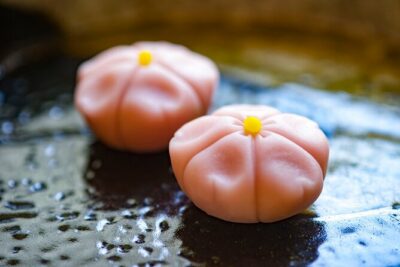
Matcha Making Class in Osaka with Authentic Japanese Sweets Set
Read our review →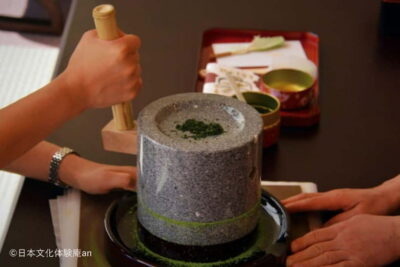
Japanese Traditional Sweets Making and Tea Ceremony
Read our review →
Japanese Traditional Sweets Making and Tea Ceremony
Read our review →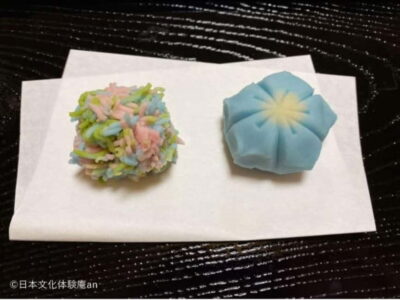
Nagoya: Japanese Traditional Sweets making and Tea Ceremony
Read our review →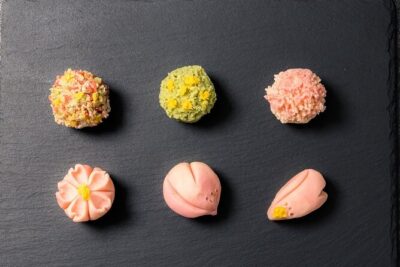
Sweets Making and Kimono Tea Ceremony at Tokyo Maikoya
Read our review →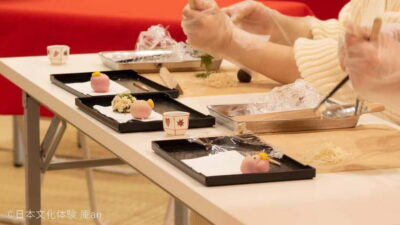
Two Types of Japanese Sweets Making and Tea Ceremony
Read our review →Browse the lists this tour appears in