
Review · KANAZAWA
Kanazawa: Tea Ceremony Experience at Kenrokuen
Kanazawa’s best matcha lesson takes place just outside Kenrokuen Garden, where you can sip freshly whisked tea with Kanazawa Castle’s stone walls across the street. The setting does much of the work: cherry blossoms, autumn leaves, or snow can turn a simple cup of tea into a fine seasonal moment.
I like two things right away. First, you do not just watch a ceremony, you make your own matcha with a bamboo whisk. Second, the private format gives the host room to guide beginners at an easy pace. The main caution is communication: the listed language is Japanese with basic English support, so detailed explanations may depend on translation help.
Key points
- Tea House Street location: Find Togeikissa Tozan beside the Katsurazaka Gate, outside Kenrokuen’s paid entrance.
- Hands-on preparation: Learn to use a traditional bamboo chasen and drink the cup you prepare.
- Kanazawa Castle views: The shop faces the castle park’s stone walls and offers a strong historic setting.
- Seasonal appeal: Spring blossoms, autumn color, and winter snow each change the mood of the tea room.
- Private one-hour format: The activity is offered as a private group, though the practical information also describes the visit as approximately two hours, so confirm the exact timing when booking.
- Simple cultural entry point: You receive matcha and a traditional Japanese sweet, with no previous experience required.
A quiet cup beside Kenrokuen’s Katsurazaka Gate
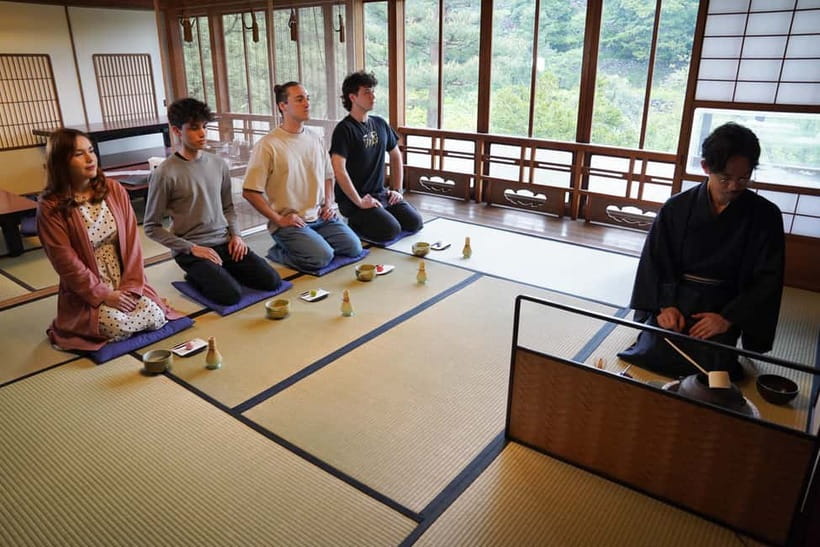
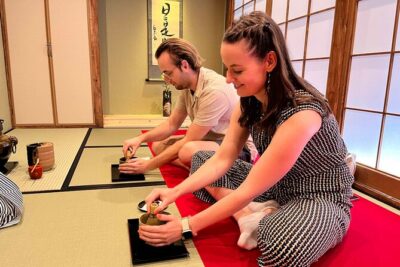
This is a small-scale cultural experience, not a formal tea-school performance lasting half a day. You walk into a traditional tea and pottery shop, take a seat in a quiet room, watch the preparation, and then try it yourself.
That modest scale is the appeal. You are not being pushed through a large group or asked to know the etiquette in advance. The host shows you what to do, provides every tool, and lets you take part without turning the lesson into an exam.
The location is especially useful. Togeikissa Tozan sits on Tea House Street, a narrow lane lined with traditional shops just outside Kenrokuen Garden. The Katsurazaka Gate is nearby, and Kanazawa Castle Park is across the street. You can enjoy the tea without buying a Kenrokuen admission ticket, then decide if you want to enter the garden afterward.
That makes this a good choice for a short cultural stop before sightseeing. It also works if you have already visited Kenrokuen and want something calmer after the crowds and walking.
More Tea Ceremony Experiences in Japan:
- Kyoto: Tea Ceremony in a Traditional Tea House in Kiyomizu
★ 4.9 · 3,519 reviews - Kyoto: Tea Ceremony Ju-An at Jotokuji Temple
★ 4.9 · 3,207 reviews - Kyoto: 45-Minute Tea Ceremony Lesson Experience
★ 4.3 · 2,378 reviews
Finding Togeikissa Tozan on Tea House Street
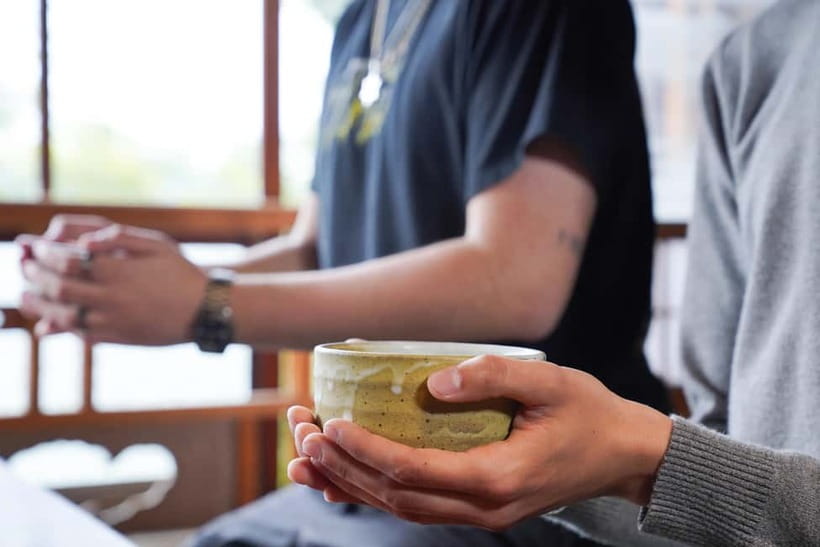
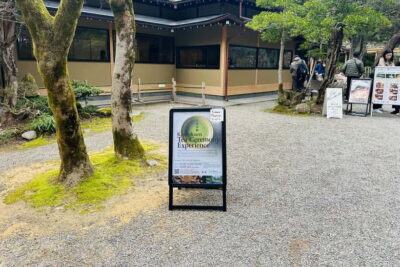
Look for a wooden building marked with signs for Matcha Experience and Pottery Workshop. The shop is in the traditional tea house lane near the Katsurazaka Gate, with Kanazawa Castle Park’s stone walls visible across the street.
Give yourself enough time to find it. One booking had arrived well before the scheduled start but still experienced a six-minute delay before the activity began. Six minutes is not a disaster, but it matters when you have a timed garden visit, a bus to catch, or a restaurant reservation afterward. I would arrive early, then keep a little space in your schedule.
The setting is easy to combine with Kanazawa’s major sights. Kenrokuen is the obvious neighbor, and Kanazawa Castle is right across the road. You could schedule the tea before entering the garden, use it as a break between the garden and castle, or finish with it after exploring both.
The tea shop’s position outside the garden also keeps the cost clear. You pay for the tea experience, not for a bundled garden ticket. If you only want the matcha lesson and the historic surroundings, you do not need to pay for Kenrokuen entry.
Watching the ceremony before you take the whisk
The first part gives you a chance to watch the host prepare matcha in the traditional way. This matters because the tools and motions can look unfamiliar when you first see them.
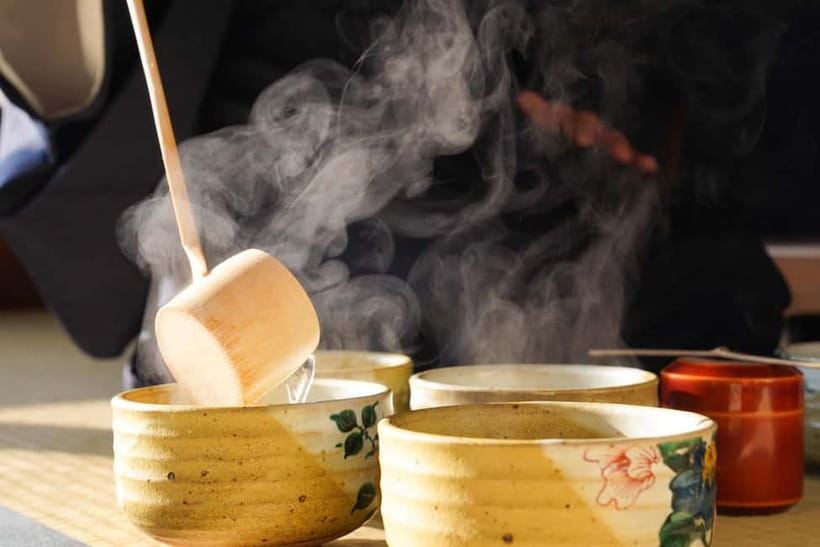
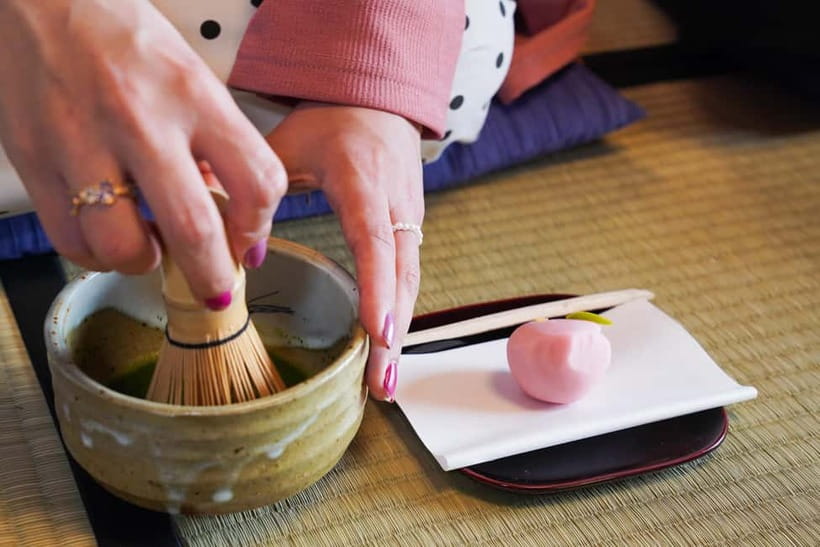
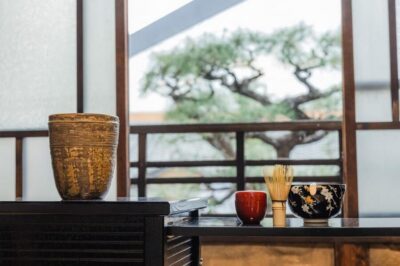
The key tool is the chasen, a bamboo whisk with fine tines. You will learn how to use it to mix the powdered tea with hot water until the drink becomes smooth and lightly foamy. The activity provides the materials, so you do not need to bring anything beyond comfortable clothing and your curiosity.
The host guides you through each step. No previous tea experience is needed, and the aim is participation rather than perfection. Your first whisking may not look like a tea master’s work. That is part of the fun, and the private setting should make it easier to ask for help.
The ceremony also gives you a small lesson in Japanese attention to objects. The bowl, whisk, tea, and sweet each have a place in the process. Even in a brief session, you begin to see why matcha is treated as more than a quick drink.
One booking described the presentation as informative, while another praised the chance to watch the full ceremony before trying it personally. That combination is valuable. If you only prepare the tea, you may miss the meaning of the motions. If you only watch, you lose the tactile part that makes the memory stick.
Whisking your own matcha with a bamboo chasen
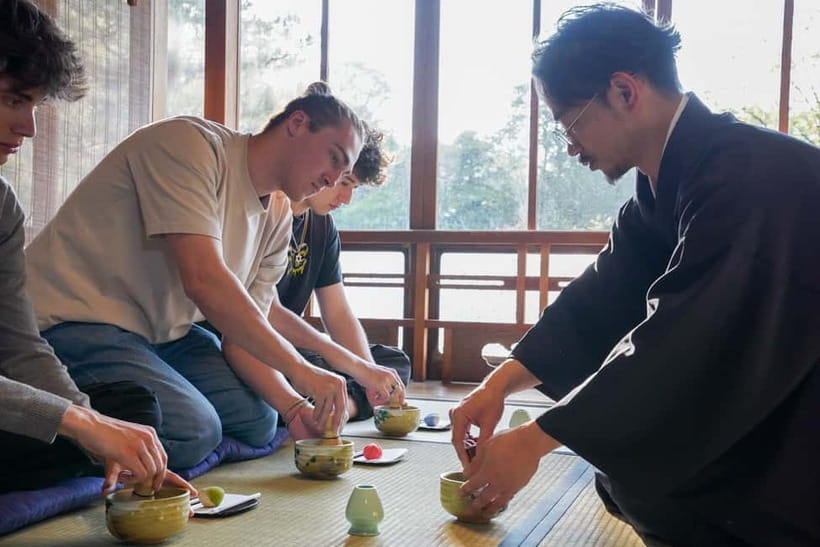
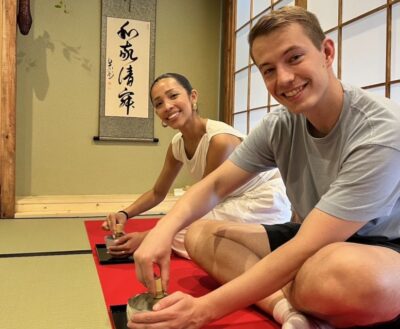
Your hands-on turn is the heart of the experience. You prepare one cup of freshly whisked matcha, following the host’s instructions and using the traditional bamboo whisk.
I like this format because it removes the pressure of formal etiquette. You are not expected to perform a flawless ceremony. You are learning one small section of the process, then tasting the result.
Matcha has a strong, earthy flavor that can surprise first-time drinkers. The traditional Japanese sweet served with it helps balance that bitterness. Treat the sweet as part of the tea service, not just a dessert on the side. It gives your palate a gentler path into the drink.
Photos are allowed, and staff can assist. That is useful in a private setting, especially if you want a picture of yourself using the whisk rather than a quick snapshot of the room. Be polite about when you take photos, and let the preparation remain the focus.
The experience is also suitable for children with adult supervision. A hot drink and delicate bamboo whisk call for care, but children who enjoy making things may find this more engaging than simply sitting through a demonstration.
A few more tea experiences around Japan worth a look
- Osaka: Tea Ceremony Experience
★ 4.9 · 1,426 reviews - Kyoto: Table-Style Tea Ceremony at a Kyo-Machiya
★ 4.9 · 1,211 reviews - Kanazawa: Kenrokuen Tea Ceremony Experience
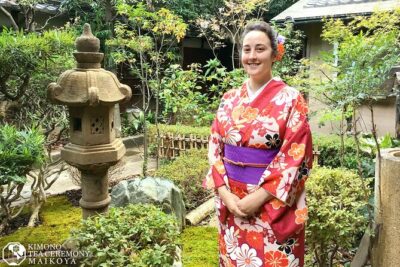
★ 4.8 · 1,139 reviews - Kimono Tea Ceremony at Kyoto Maikoya, NISHIKI
★ 5.0 · 911 reviews
Kanazawa Castle walls and the changing seasons
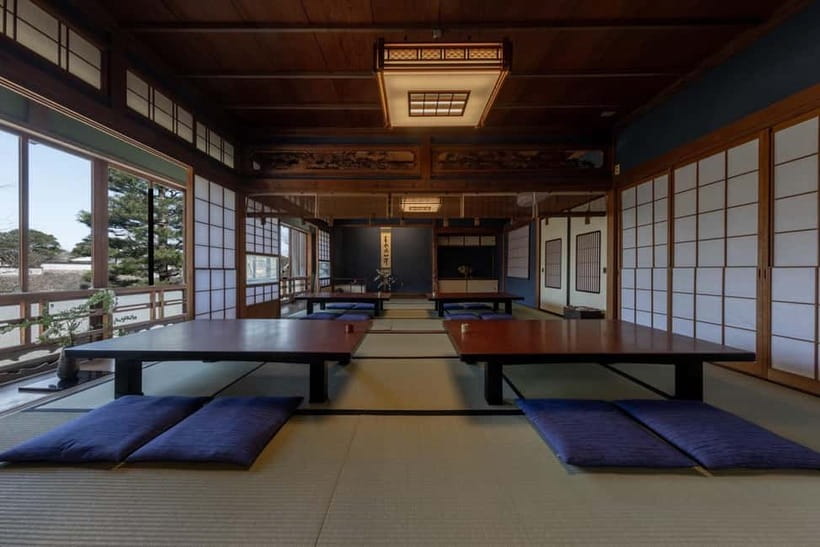
The visual setting is one of the strongest reasons to book this particular tea experience rather than any matcha class in an ordinary indoor venue.
Across the street, Kanazawa Castle Park provides a historic backdrop. From the tea house area, you can see the castle’s stone walls. The scene changes throughout the year:
- In spring, cherry blossoms add a soft, bright frame to the tea stop.
- In autumn, colored leaves bring warmer tones to the view.
- In winter, snow gives the traditional setting a quieter, more spare appearance.
The experience does not depend on perfect weather, since the tea preparation takes place indoors. Still, the seasonal scenery adds meaning to the visit. You are not simply learning how to whisk powdered tea. You are doing it in a part of Kanazawa where gardens, castle grounds, traditional buildings, and seasonal change meet.
Kenrokuen is known for its carefully arranged scenery, and the nearby tea house street gives you a smaller, more intimate version of that visual style. I would book this especially in a season when you already hope to see blossoms, leaves, or snow. The tea itself stays the same, but the surroundings do not.
What the language support is really like
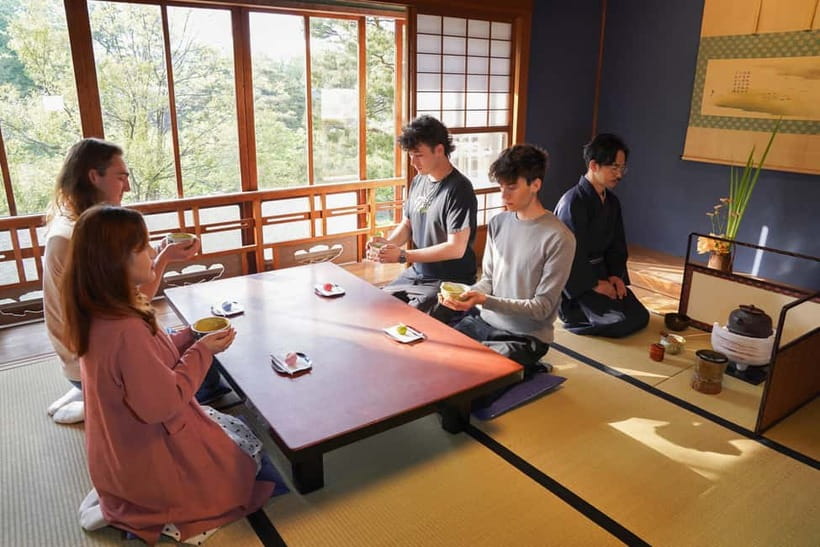
The activity is led in Japanese, with basic English support. That is the clearest practical limitation.
You should be able to follow a demonstration even when your Japanese is limited, since the host physically shows each stage. The process is hands-on and fairly direct. Still, if you want a long explanation of tea history, etiquette, or the meaning of every movement, the language barrier may reduce the detail you receive.
Translation help can be used when needed. A booking experience described the host using a translator for the visitor’s preferred language, which made the private session feel more personal. I would still treat this as support rather than a promise of a full multilingual lecture.
The best approach is to arrive ready to watch carefully and ask short questions. The private format helps here. You are not competing with a large group for the host’s attention, and the session can be adjusted to your level.
If precise English instruction is your top priority, check the available language support before paying. If your goal is to take part, taste matcha, and enjoy a traditional setting, the basic communication should be less of a problem.
Why the $29 price can make sense
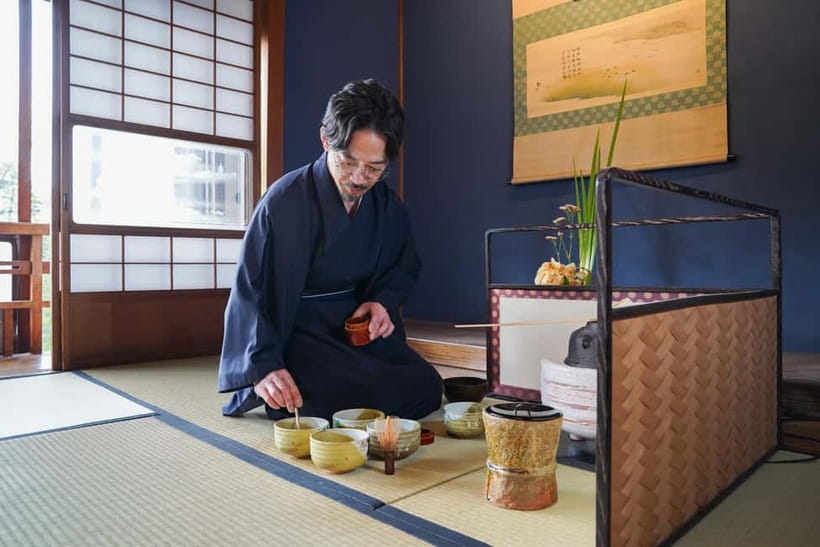
At $29 per person, this is fairly priced for a private, hands-on cultural activity in a prime Kanazawa location. The fee includes the matcha preparation, one cup of tea, a traditional Japanese sweet, and use of all materials.
You are also paying for convenience. The shop is immediately beside one of the city’s main sightseeing areas, and you do not need to arrange a separate tea school or travel to an outlying neighborhood. The castle view and seasonal setting add value without requiring a second ticket for Kenrokuen.
The price is less compelling if you only want to drink matcha. Kanazawa has other places to buy tea more cheaply. This experience earns its cost through the instruction, private format, and chance to prepare the drink yourself.
For couples, the price is easy to understand as a shared cultural activity. For families, it may be worthwhile if children are interested in making and tasting the tea. For solo visitors, the private arrangement may feel more expensive than a casual café stop, but it offers a more focused introduction to Japanese tea customs.
The rating is 4.2 from seven reviews, with particularly strong praise for the host’s presentation, the beautiful tea rooms, the views, and the chance to watch before trying the ceremony. The small number of ratings means I would not treat that score as a final verdict, but the repeated strengths are clear.
Timing, comfort, and the two-hour question
The headline duration is one hour, while the important activity notes describe the total duration as approximately two hours. That is a real inconsistency, and you should confirm the exact schedule when booking.
If the practical session itself takes about an hour, it fits neatly into a sightseeing day. If the full visit runs closer to two hours, you need more room around it. Do not place it between two tightly timed attractions.
Comfortable clothing is recommended. No special clothing or equipment is required, and all tea tools are provided. Smoking is not allowed.
The activity is not suitable for wheelchair users. That may be important because the traditional shop and tea room may not offer the access features you need. Children are welcome with adult supervision, and you should tell the host in advance about any food allergies because a traditional sweet is included.
Cancellation is free up to 24 hours before the scheduled time, and you can reserve now and pay later. Those terms help if your Kanazawa plan is still shifting, but they do not remove the need to check the start time and duration carefully.
Who will get the most from this tea stop
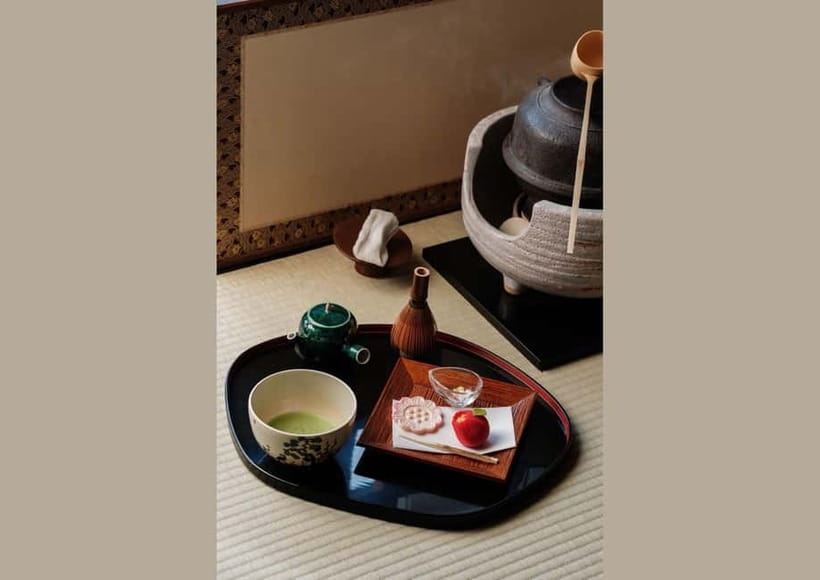
I would recommend this for a first-time matcha drinker who wants more than a souvenir photo. The hands-on preparation gives you a simple skill to remember, and the host’s step-by-step guidance keeps the experience approachable.
It also suits anyone who values place. The tea house street, castle walls, and nearby garden make this feel tied to Kanazawa rather than interchangeable with a tea class in another city.
Families can consider it if the children can sit, listen, and handle the tools with adult help. Couples may like the quiet private setting and the seasonal views. Solo visitors can benefit from the focused attention of a private group.
I would be more cautious if you need wheelchair access, a fully English-language lecture, or a tightly controlled one-hour appointment. I would also avoid booking it as the only reason to visit Kenrokuen. The tea experience is a pleasant part of a Kanazawa day, not a replacement for the garden and castle.
Should you book the Kenrokuen matcha experience?
Book it if you want a short, practical introduction to matcha in a setting that connects tea, traditional architecture, seasonal scenery, and Kanazawa Castle. The chance to watch the ceremony and then whisk your own cup is the strongest part, and the $29 price is sensible for a private session with tea and a sweet included.
Skip it if you only want a quick drink, require wheelchair access, or need guaranteed detailed instruction in English. Before confirming, check the actual duration because the information gives both one hour and approximately two hours.
For most visitors already planning to see Kenrokuen, this is an easy cultural addition. Arrive early, allow extra time, and let the castle walls and changing season do their quiet work.
FAQ
Where does the tea ceremony take place?
It takes place at Togeikissa Tozan, a traditional tea and pottery shop on Tea House Street near the Katsurazaka Gate of Kenrokuen Garden.
Is Kenrokuen Garden admission included?
No. The shop is outside the garden entrance, so you can join the tea experience without paying Kenrokuen’s admission fee.
Can I see Kanazawa Castle from the experience?
Yes. Kanazawa Castle Park and its stone walls are across the street from the shop.
Do I need previous tea ceremony experience?
No. The host guides beginners through each step of preparing matcha.
Will I make my own matcha?
Yes. You learn to whisk matcha with a traditional bamboo chasen and drink the cup you prepare.
What is included in the price?
The price includes the matcha preparation experience, one cup of freshly whisked matcha, a traditional Japanese sweet, and all required materials and tools.
Is the activity offered in English?
The listed activity language is Japanese, with basic English support. Translation help may be used when needed.
Can children participate?
Yes. Children are welcome with adult supervision.
Can I take photographs?
Yes. Photos are allowed, and staff can assist with taking them.
Is the experience wheelchair accessible?
No. The activity is listed as unsuitable for wheelchair users.
Just added around Japan
- Yokohama : Tea Ceremony with Sweets and Souvenir★ 5.0 · 5 reviews
- Whisk Your Own Matcha: A Zen Matcha Experience at Temple★ 3.6 · 7 reviews
- Walking Tour: Yanaka,Nezu& Sendagi: Tea Ceremony & Old Tokyo★ 5.0 · 3 reviews
- Visit local home for music and tea ceremony near Disney★ 4.9 · 13 reviews
- Trip to Kamakura & Enoshima: Shrines, Seaside, Temples &Tea★ 5.0 · 11 reviews
- Yokohama: Sushi & Gyoza Cooking with Matcha & GreenTea Experience★ 5.0 · 3 reviews
- Kyoto tea town for matcha lovers★ 5.0 · 16 reviews
- Uji: Private immersion into Kyoto’s tea and reglious culture★ 5.0 · 17 reviews
Tea Ceremony Experiences, compared.
Tea Ceremony in a Traditional Tea House in Kiyomizu
Read our review →
Browse the lists this tour appears in