
Review · KYOTO
Kyoto: Kimono and Tea Ceremony Experience at Cultural Asset
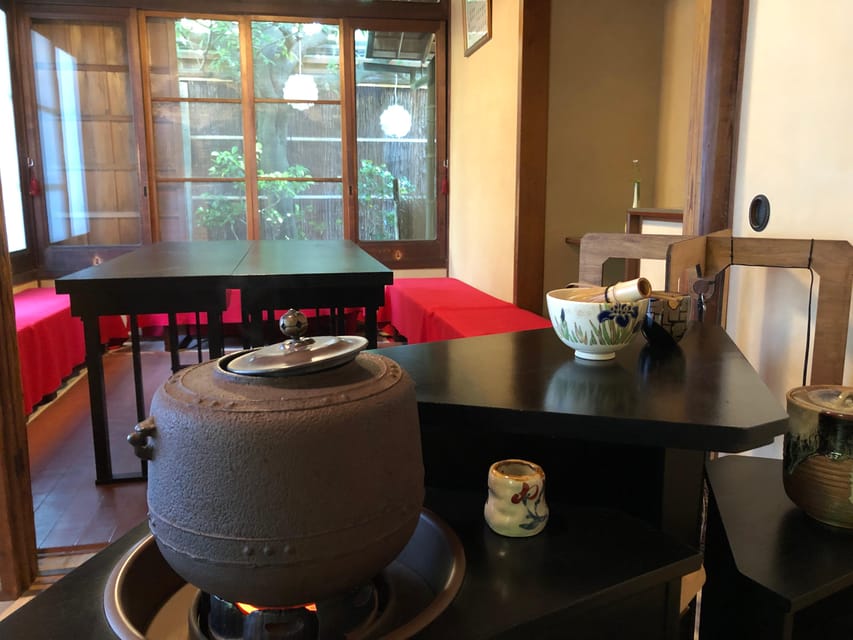
The heart of this Kyoto experience is Tondaya, a 140-year-old machiya, or traditional townhouse, where you are dressed in silk before watching a tea ceremony in the same historic setting. It feels more substantial than a simple costume rental because the house, garden, woodwork, and old objects are part of the visit.
I like the chance to take your own photos through the house, and I like the calm, careful tea presentation. The main consideration is the group size. A large or noisy group can make the ceremony feel less peaceful, and English explanations may rely on a translation device.
Key Points to Know
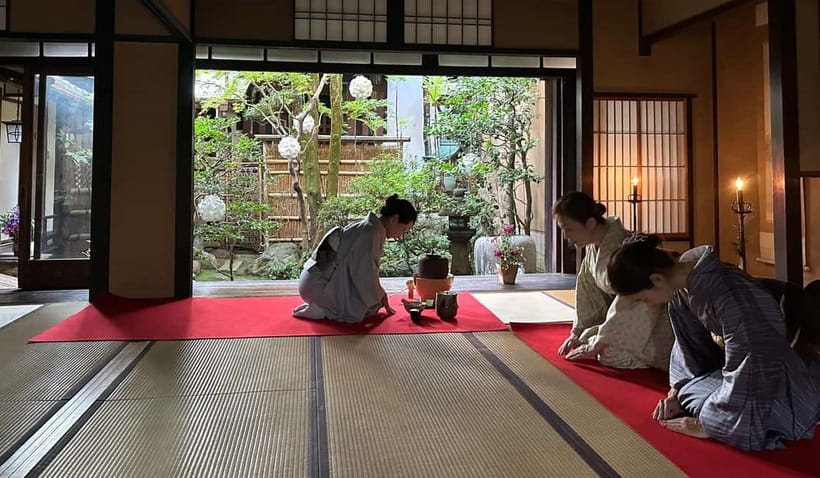
- A real 140-year-old machiya: Tondaya is a nationally registered cultural property with traditional rooms, woodwork, gardens, and historic objects.
- Silk kimono dressing included: Staff select and fit the kimono, usually in about five minutes, though the complete visit takes much longer.
- Tea ceremony in the house: A seasoned tea master explains and performs the ritual in a setting tied to Kyoto’s traditional arts.
- Photography is a major part of the visit: You have time to take photos in the house and garden, and staff may help take pictures.
- Group size affects the mood: Shared sessions can be crowded, while a private option gives you more time and personal attention.
- Bring socks, not stockings: Bare feet are not allowed, and you should wear a loose-necked top that can be removed or changed if damp.
Entering Tondaya, Kyoto’s Old Nishijin Townhouse
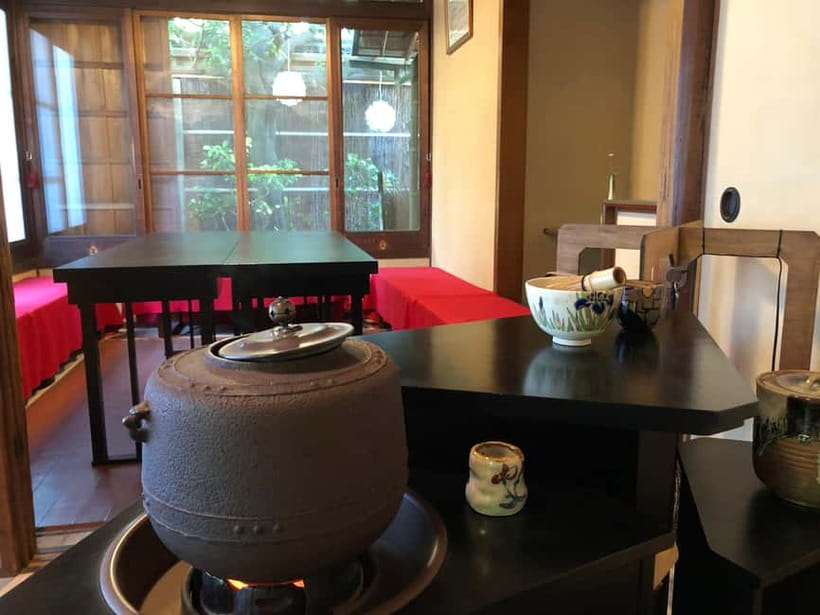
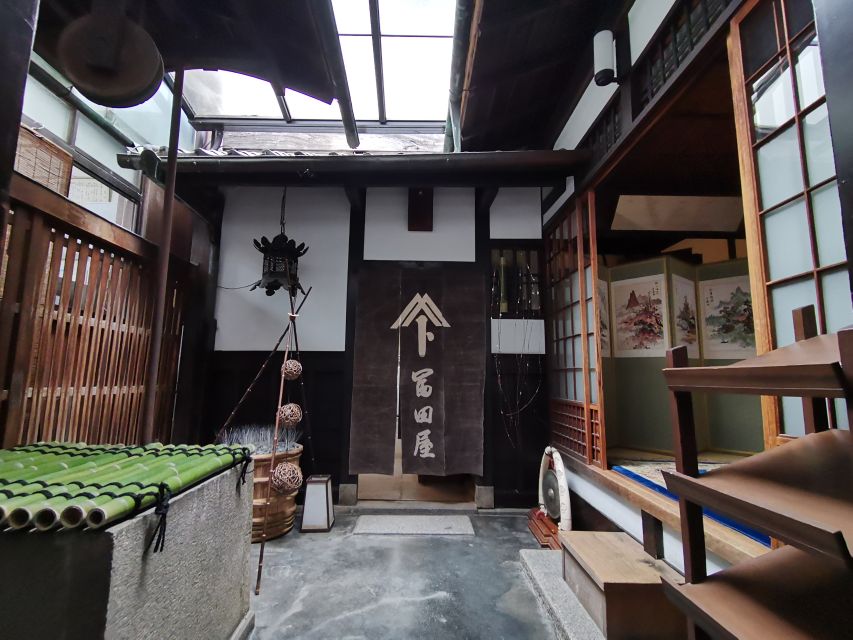
Tondaya is in Kyoto’s Kamigyo Ward, at 697 Ishiyakushicho. It is a traditional machiya associated with the old Nishijin area, known for Kyoto’s textile culture. The building itself gives the visit much of its value.
You do not simply arrive at a studio with rows of rental costumes. You enter an old wooden home with carefully made interiors, small gardens, and objects connected to earlier generations. The setting makes the kimono feel less like a stage costume and more like one part of a wider Japanese cultural tradition.
The house tour is included, so allow time to look beyond the room where you are dressed. You will see traditional spaces and hear stories about the property. Some guides explain in clear English, while others use a translation app or device. Be patient, watch closely, and ask short questions if you need clarification.
The experience provider is Tondaya, Co., Ltd. The staff are also involved in other traditional arts, including calligraphy and ikebana. That wider connection helps explain why the house is used for more than photography.
More Kimono Tea Ceremonies in Kyoto:
- Kimono Tea Ceremony at Kyoto Maikoya, NISHIKI
★ 5.0 · 911 reviews - Kyoto: Kimono Tea Ceremony at Orizuruya Gion
★ 4.9 · 618 reviews - KYOTO Tea Ceremony with kimono near by Imamiya Jinjya Shrine
★ 5.0 · 343 reviews
Getting Dressed in a Silk Kimono
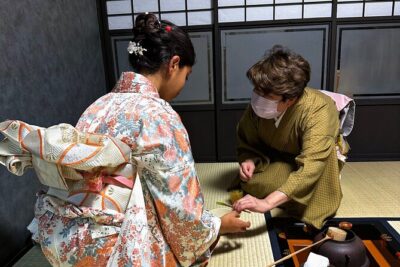
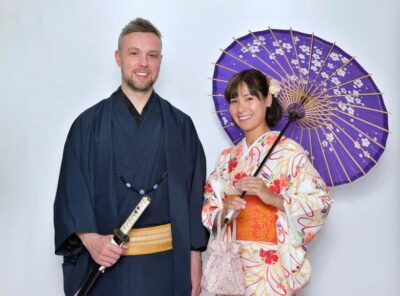
Kimono dressing is the first major part of the visit. Staff help you choose from the available garments and fit the kimono to your body. The actual fitting is described as taking about five minutes, but the full process may feel longer when you add selecting a garment, arranging the layers, and getting ready for photographs.
The kimonos are made of silk, and the clothing is one of the strongest parts of the experience. You will notice that the available sizes and patterns are not identical. Tall participants may receive larger garments in solid colors, while shorter participants might find more printed designs. If the exact pattern matters to you, ask what choices are available before dressing begins.
The fit also matters for comfort. One person found that the kimono did not fit well, so do not be shy about explaining if something feels too tight or awkward. A kimono is wrapped firmly around the body, but it should still allow you to sit and move carefully.
Wear a top with a loose neckline. Tight clothing around the neck can affect how the kimono looks. If your T-shirt becomes wet, staff cannot dress you in the kimono, so bring a dry shirt or be prepared to buy one at the venue.
You must bring socks. Bare feet are not allowed, and stockings are specifically discouraged. Clean socks also make sense for walking through a traditional house and sitting during the tea ceremony.
Photography is not allowed during dressing or undressing. Once you are ready, however, you can take plenty of pictures around the property. This division is sensible. Dressing is a working part of the visit, while the house tour gives you time to pose and enjoy the setting.
Touring the House and Gardens
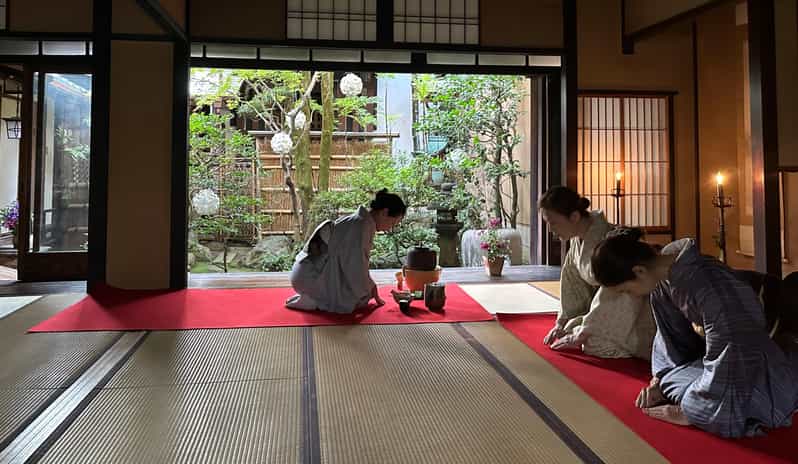
After dressing, you will have time to see Tondaya as a cultural property. The combination of polished wood, interior details, small garden views, and historic objects gives your photographs a real sense of place.
I especially like this part for visitors who want more than a standard kimono rental. The house provides visual context. You are not simply standing in front of a painted backdrop. You are moving through a traditional Kyoto home that has been preserved and used for cultural activities.
The tour can be informative, but the depth depends on the guide and the language support available that day. Some staff speak English well. Others explain basic points and then use a translation device. This means you may receive a careful explanation of the building, the kimono, and Japanese customs, or a shorter account with more help from gestures and translation.
If learning the history of the garment is your main goal, ask direct questions. You may want to ask about the fabric, the pattern, the way the kimono is wrapped, and why certain movements are made during the ceremony. The staff make an effort, but the communication can be uneven.
You should also protect time for your own photographs. Staff generally allow plenty of opportunities, and they may take pictures for you. The house and inner gardens are the best backdrops, so bring a phone or camera with enough battery. You will not be able to take pictures while being dressed, but you should have time later.
Watching the Tea Ceremony
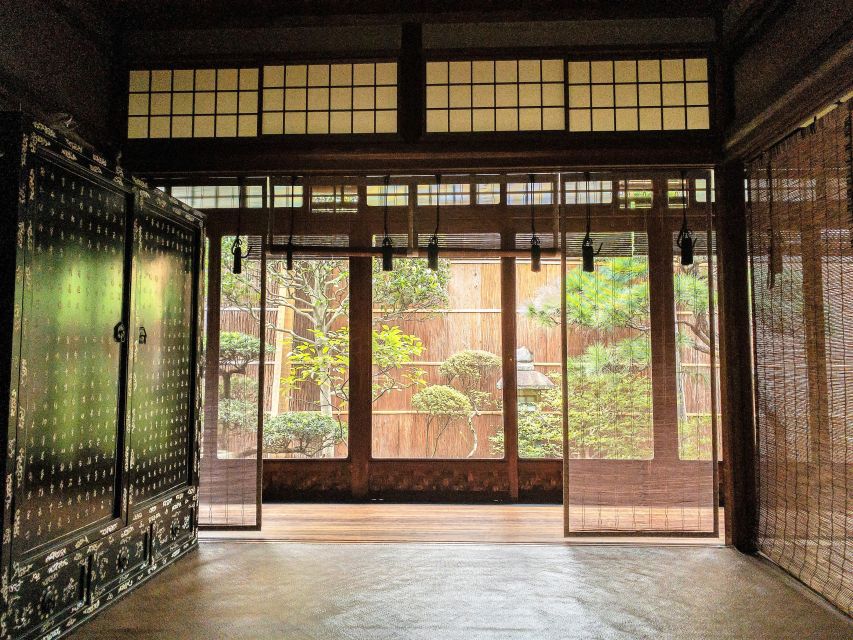
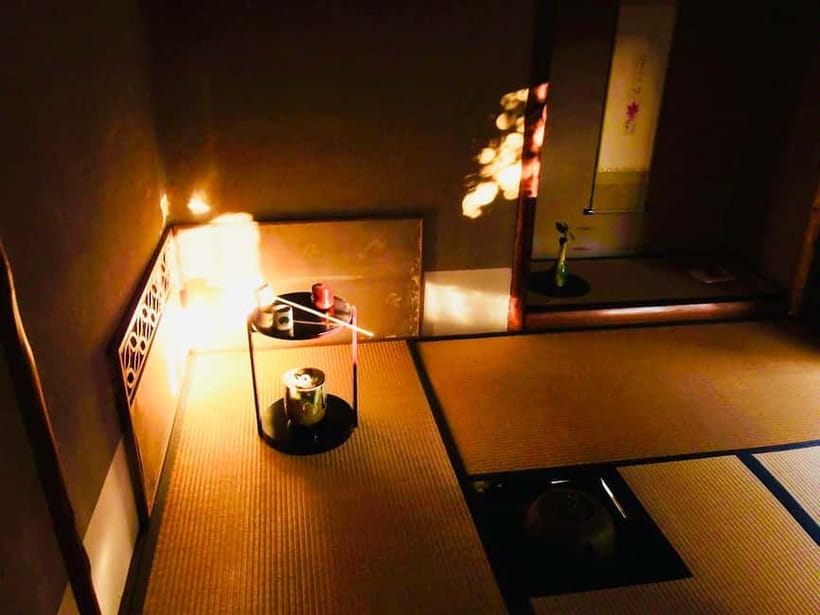
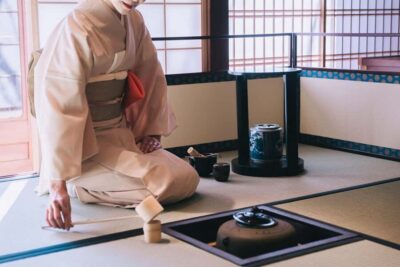
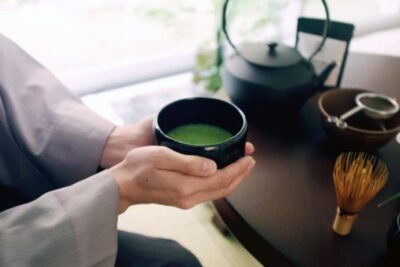
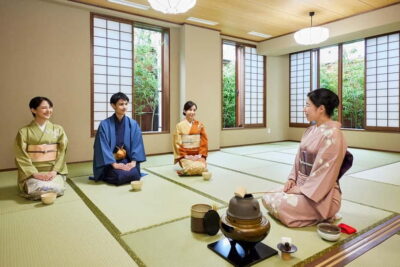
The tea ceremony is usually the quietest and most focused part of the visit. A tea master prepares and presents matcha in the traditional manner while explaining what is happening and why. The movements are deliberate, and the ceremony gives you a direct look at the manners, tools, and rhythm of Japanese tea culture.
The setting matters. Instead of watching a demonstration in a modern classroom, you sit inside a historic machiya. That connection between the building and the ritual makes the ceremony easier to understand. The room is not just decoration. It helps show how traditional arts fit into everyday Japanese spaces.
The ceremony is generally a demonstration rather than a hands-on workshop. One person specifically wished for a chance to mix the tea, so you should not assume that you will whisk your own bowl. If you want an active tea-making lesson, ask about the format before booking.
You may sit on the floor. Small chairs are available, but the supply is limited. If floor seating is difficult, mention it when you arrive. The ceremony is described as simple and fairly quick in some sessions, which can be helpful if you are not used to sitting on the floor for long.
Respect matters here. Put your phone away during the presentation and save photography for the times when staff invite it. The ceremony is designed to be peaceful and attentive. A late arrival, loud conversation, or constant filming can distract everyone, including the person conducting the ceremony.
Group sessions can be a mixed experience. A small group may feel intimate and allow clear views of the tea master. A larger gathering can make the room feel crowded, and some people may have to wait. If you want more direct explanations, fewer interruptions, and a calmer ceremony, choose the private option if it is available for your date.
More Tea Ceremony Experiences in Kyoto:
- Kyoto: Tea Ceremony in a Traditional Tea House in Kiyomizu
★ 4.9 · 3,519 reviews - Kyoto: Tea Ceremony Ju-An at Jotokuji Temple
★ 4.9 · 3,207 reviews - Kyoto: 45-Minute Tea Ceremony Lesson Experience
★ 4.3 · 2,378 reviews - Kyoto: Table-Style Tea Ceremony at a Kyo-Machiya
★ 4.9 · 1,211 reviews
How Much Time to Allow
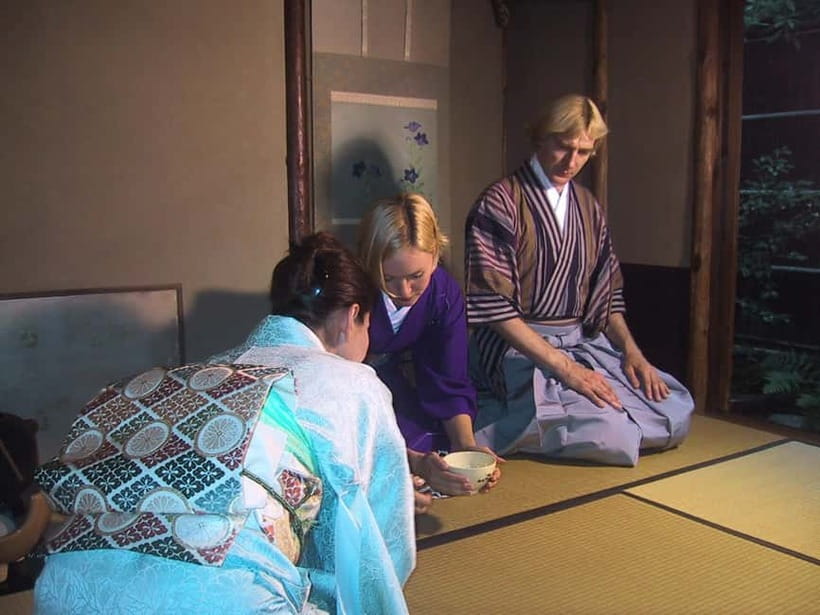
The listed duration ranges from 90 minutes to four hours. That wide range reflects the different formats and the time needed for dressing, the house tour, the tea ceremony, photographs, and possible waiting.
A shorter visit may feel fairly brisk: dress, attend the tea ceremony, tour the building, take photographs, and change back. A longer visit can include more time in the house or the slower pace of a private session.
Arrive on time. Staff work around scheduled dressing and ceremony periods, and a late arrival can interrupt the group. Arriving very early may not mean you can immediately begin, but you should still avoid cutting things close. One visitor arrived 30 minutes early and was dressed soon after arrival, so the actual time at the property can sometimes run longer than the official schedule.
Do not plan a tight connection immediately afterward. The activity may take only 90 minutes in a smooth session, but the advertised upper range is four hours. If you are visiting Kyoto on a packed day, place this appointment between flexible plans rather than between two fixed reservations.
Group Session or Private Visit
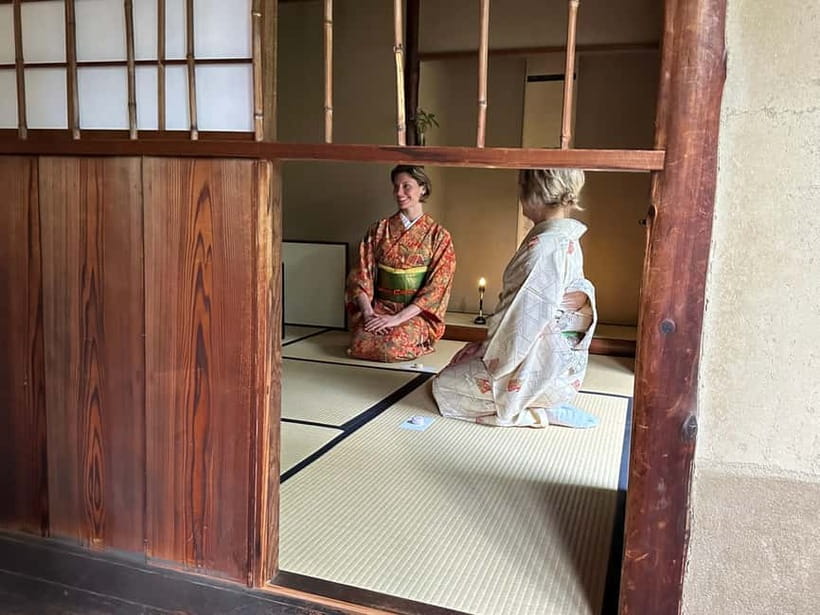
The standard format includes other participants. This keeps the price lower than a fully private cultural appointment, but it also brings the usual tradeoff: you may wait, share the room, and have less control over the pace.
Crowding is the most consistent weakness of the experience. Some sessions have felt chaotic or commercial, especially when several groups are inside the house at once. The tea ceremony can also lose some of its quiet character when people whisper, film, or arrive late.
The private option is better for couples, families, or anyone who wants detailed explanations and more time for photos. A private visit can also help if you need assistance with seating or want to ask many questions about the kimono and tea ceremony.
The activity information describes the booking as a private group in one place and as a shared group unless you choose the private option elsewhere. Treat the private format as something you must select when booking, not as an automatic feature of every reservation.
What the $222 Price Means
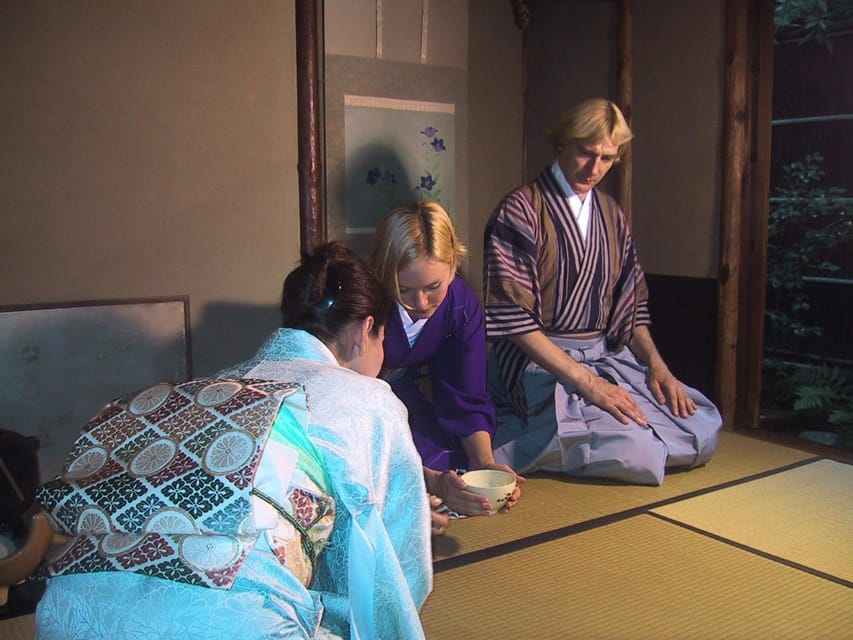
At $222 per person, this is not a bargain kimono rental. You are paying for more than the garment. The price includes entry to a historic property, kimono dressing, the tea ceremony, a guided look at the house, staff assistance, and time for photographs.
The value is strongest if you want several Kyoto traditions in one carefully arranged visit. You receive the setting, clothing, ceremony, and cultural explanation without having to organize each piece separately. The old house also gives you something that a modern photo studio cannot provide.
The value is weaker if you mainly want to wear a kimono for a few quick pictures. You could find cheaper dressing experiences elsewhere, though this visit includes the historic building and tea ceremony. It is also less satisfying if your priority is a long, highly detailed English lesson, since language ability varies among staff.
A private session makes the price easier to justify if you value personal attention. A shared session offers better value when you are happy to observe rather than ask many questions and do not mind waiting.
Who Will Enjoy This Experience Most
I would choose this for a first visit to Kyoto, especially if you want an introduction to several traditional arts without spending a full day on a formal course. Couples often get strong value from the photography time and the chance to dress together.
It also suits families and friends who want a memorable activity indoors. The house gives you plenty to look at, and the tea ceremony offers a slower change of pace after Kyoto’s busy sightseeing streets.
You should book with realistic expectations if you are very tall or want a particular kimono pattern. Larger sizes may be more limited in design. Ask about choices early and accept that the available garment may not match the photographs you have seen.
This is not the best choice for anyone who dislikes floor seating, crowded rooms, or translation through a device. It is also not ideal if you want to perform every step of the tea ceremony yourself. For that, seek a dedicated tea lesson rather than this presentation.
Practical Details Before You Go
The meeting point is Tondaya, Nishijin Japanese Cultural Experience Museum, 697 Ishiyakucho, Kamigyo Ward, Kyoto. The listed languages are English and Japanese, though not every staff member speaks English fluently.
Bring socks and avoid stockings. Wear a loose-necked top, and bring a dry T-shirt if you are concerned about arriving sweaty. You can cancel up to 24 hours ahead for a full refund, and the reserve-now, pay-later option keeps your plans flexible.
The experience receives an overall rating of 4.3 from 306 ratings. That fits the pattern I would expect: very warm staff, beautiful clothing, a memorable house, and a lovely tea presentation, balanced by occasional crowding, uneven English explanations, and a price that requires more than a quick photo stop.
Should You Book It?
Book this if you want a historic Kyoto setting, silk kimono dressing, and a traditional tea ceremony in one visit. The house is the key reason to choose it, and the time for photographs adds real value.
Choose the private option if peace, questions, and personal attention matter to you. Choose the shared format if you can accept some waiting and want a broad cultural introduction at a lower relative cost.
I would not book it only for the cheapest kimono rental or a hands-on tea-making class. For everyone else, especially first-time Kyoto visitors who want a polished introduction to traditional arts, Tondaya offers a memorable and thoughtfully arranged afternoon.
FAQ
Where does the kimono and tea ceremony experience take place?
It takes place at Tondaya, Nishijin Japanese Cultural Experience Museum, 697 Ishiyakucho, Kamigyo Ward, Kyoto, Japan.
How long does the experience last?
The listed duration is 90 minutes to four hours. The exact time depends on the selected schedule, group format, dressing, ceremony, house tour, photographs, and any waiting.
Is kimono dressing included?
Yes. Kimono dressing and the entrance fee are included, along with the tea ceremony.
Do I need to bring socks?
Yes. Socks are required, and bare feet are not allowed. You should bring socks rather than stockings.
Can I take photos during the visit?
You can take photographs in the traditional house and gardens after dressing. Photography is not allowed while you are being dressed or undressed.
Is the tea ceremony private?
The standard experience is conducted with other participants unless you select the private option. Shared sessions may include waiting and larger groups.
Is the experience offered in English?
English and Japanese are listed languages. Not every staff member speaks English fluently, so a translation device may be used when needed.
What should I wear under the kimono?
Wear clothing that is not too tight around the neck. If your T-shirt is wet, staff cannot dress you in the kimono, so bring a dry shirt or consider purchasing one at the venue.
Can I cancel for a full refund?
You can cancel up to 24 hours before the scheduled experience for a full refund. A reserve-now, pay-later option is also available.
Just added around Kyoto
- Whisk Your Own Matcha: A Zen Matcha Experience at Temple★ 3.6 · 7 reviews
- Uji Walking Tour – Byodo-in temple and Tea Ceremony from Kyoto★ 3.5 · 3 reviews
- Traditional Tea Ceremony in Kyoto★ 4.5 · 3 reviews
- Kyoto: Authentic Tea Ceremony in a Small Group★ 5.0 · 7 reviews
- Tea ceremony at Kyoto’s Zen Temple Teahouse★ 5.0 · 2 reviews
- Tea Ceremony in 150 Years Old Townhouse with Tables and Chairs★ 5.0 · 22 reviews
- Silent Beauty of Kyoto Zen Walk and Tea Experience★ 5.0 · 2 reviews
- Tea Ceremony Experience in Traditional Kyoto Townhouse★ 5.0 · 19 reviews
Kimono & Tea Ceremonies, compared.
KYOTO Tea Ceremony with kimono near by Imamiya Jinjya Shrine
Read our review →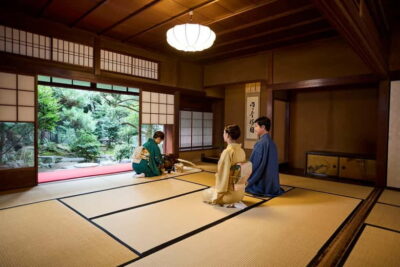
Asakusa: Kimono Tea Ceremony with Matcha and Sweet
Read our review →Browse the lists this tour appears in