
Review · KYOTO
Kyoto: Maiko, Samurai, or Kimono Rental and Tea Ceremony
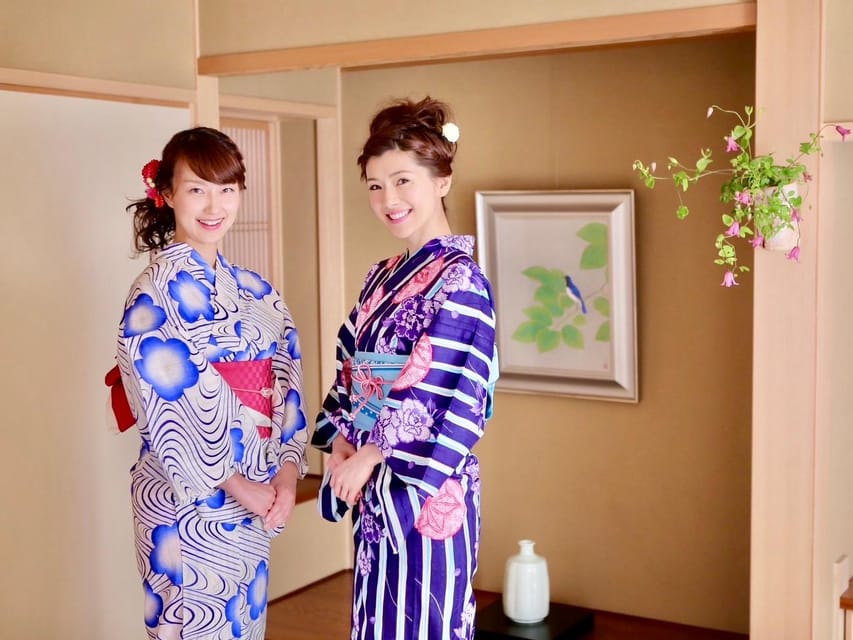
Kyoto’s Studio Shiki lets you step into a maiko, samurai, or traditional kimono outfit before walking three minutes to Akebonotei for matcha tea and sweets. It is an easy way to add a hands-on cultural activity to a sightseeing day around Kiyomizu-dera.
I like the excellent location and the family-friendly format. You can wear a rented kimono until 5pm, giving you time to visit nearby temples and old streets. The main caution is that the tea ceremony is a short tourist version, not a long formal lesson, and busy periods may feel rushed.
Key points at a glance
- Three-minute walk to Kiyomizu-dera: Studio Shiki sits in one of Kyoto’s most useful sightseeing areas.
- Choose your look: Pick a kimono or seasonal yukata, or book a maiko or samurai-style experience.
- Matcha and sweets at Akebonotei: The tea portion follows the costume session at a nearby parlor.
- Keep the kimono until 5pm: This gives you time for Ninenzaka, Sannenzaka, Yasaka Pagoda, and nearby shrines.
- Suitable for ages 5 and up: Families can book for up to four people, though the wider small-group limit is six.
- Plan your clock carefully: A late arrival can mean joining partway through or missing the activity.
Dressing up beside Kiyomizu-dera
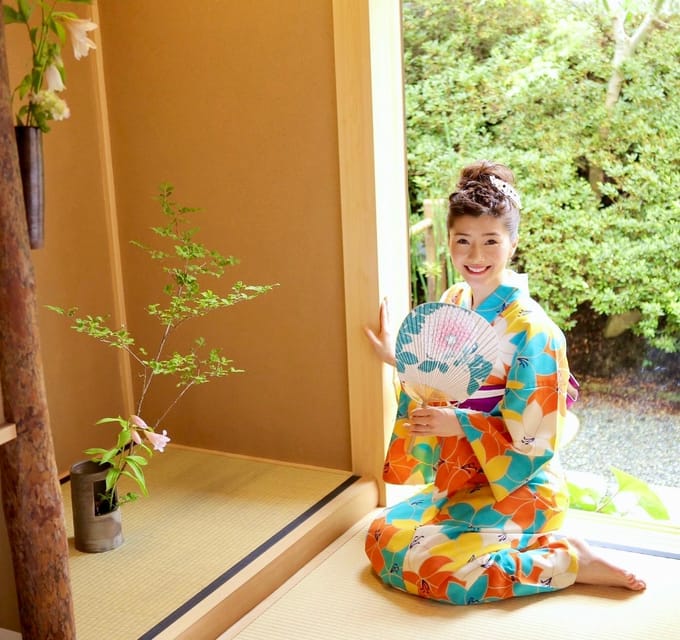
The great strength of this experience is its setting. Studio Shiki is close to Kiyomizu-dera, one of Kyoto’s most visited temples, and the costume session fits neatly into a morning or afternoon of walking.
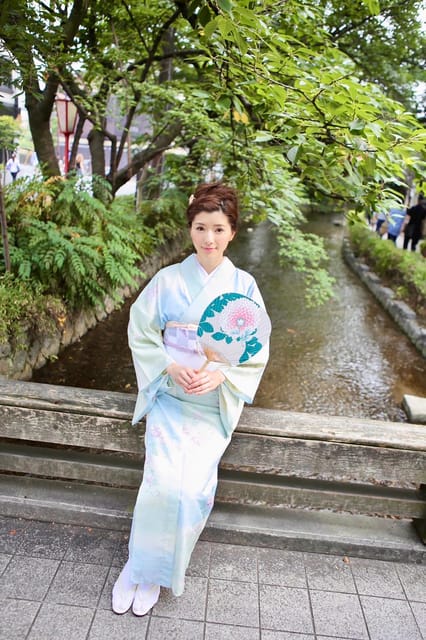
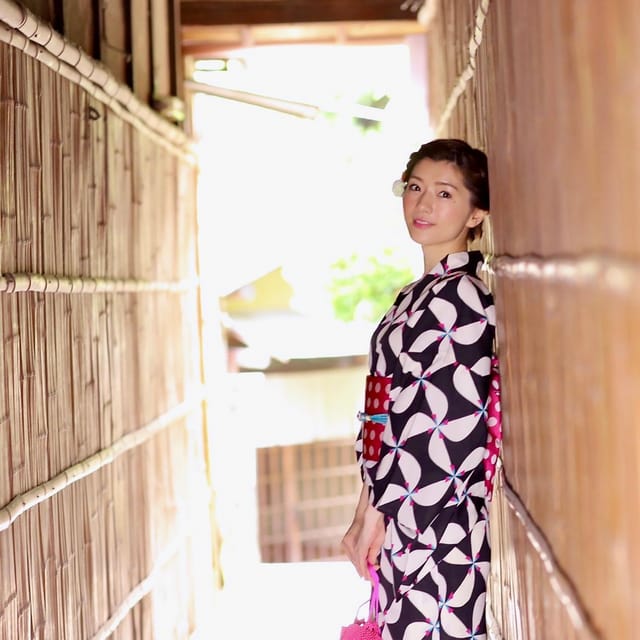
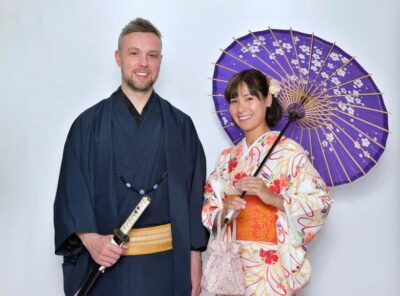
You begin by choosing your outfit and getting dressed. The package includes the kimono, obi sash, underwear, bag, and sandals. From June 1 through September 15, the seasonal yukata plan is available. Yukata are lighter summer garments, so this option makes practical sense in Kyoto’s hot months.
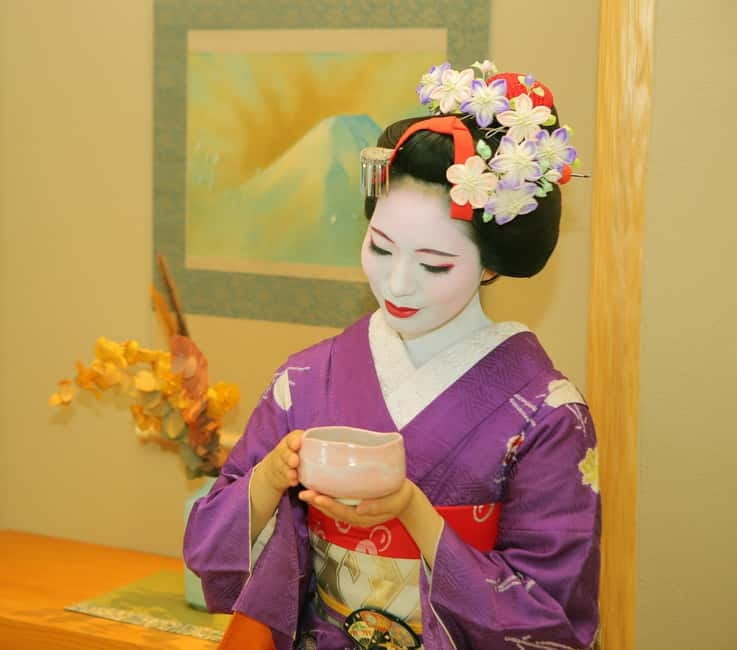
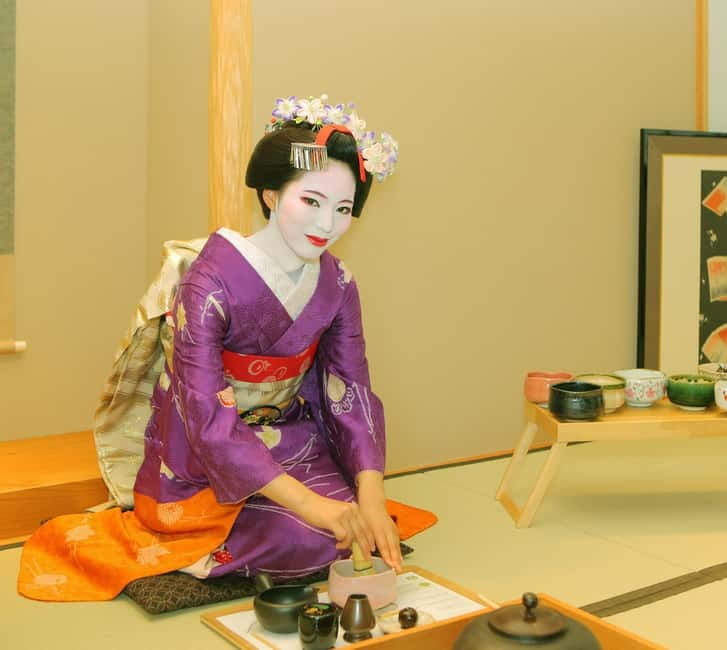
The activity also offers maiko and samurai styles. These are more theatrical choices than a standard kimono rental. A maiko look gives you the chance to enjoy matcha in a costume associated with Kyoto’s traditional entertainment world, while the samurai option adds a playful historical angle. I would choose the regular kimono if your main goal is to walk around Kyoto afterward, and the maiko or samurai style if photographs and family fun matter most.
Hair styling is not included. A recent price given for the optional service was 1,650 yen. That is worth planning for if you want a more finished maiko or kimono look, but you can also keep the basic package and avoid the extra charge.
The staff need time to dress each person properly, so do not treat this as a quick clothing pickup. Arrive ready for a structured appointment, especially if several members of your family are changing at once.
More Kimono Tea Ceremonies in Kyoto:
- Kimono Tea Ceremony at Kyoto Maikoya, NISHIKI
★ 5.0 · 911 reviews - Kyoto: Kimono Tea Ceremony at Orizuruya Gion
★ 4.9 · 618 reviews - KYOTO Tea Ceremony with kimono near by Imamiya Jinjya Shrine
★ 5.0 · 343 reviews
A short walk to Akebonotei for matcha
After the costume session, you walk about three minutes to the tea ceremony parlor, Akebonotei. The route is short, but you still need to keep track of time. Your booking pairs the costume start with a tea start 90 minutes later.
The available sequence is:
- 9:00am costume session, 10:30am tea ceremony
- 10:00am costume session, 11:30am tea ceremony
- 11:00am costume session, 12:30pm tea ceremony
- 12:00pm costume session, 1:30pm tea ceremony
- 1:00pm costume session, 2:30pm tea ceremony
- 2:00pm costume session, 3:30pm tea ceremony
- 3:00pm costume session, 4:30pm tea ceremony
The 90-minute gap allows time for dressing and the short walk, but it is not an invitation to wander far before tea. You should stay near the area and follow the staff’s timing. Late arrival can force you to join halfway through or miss the session entirely.
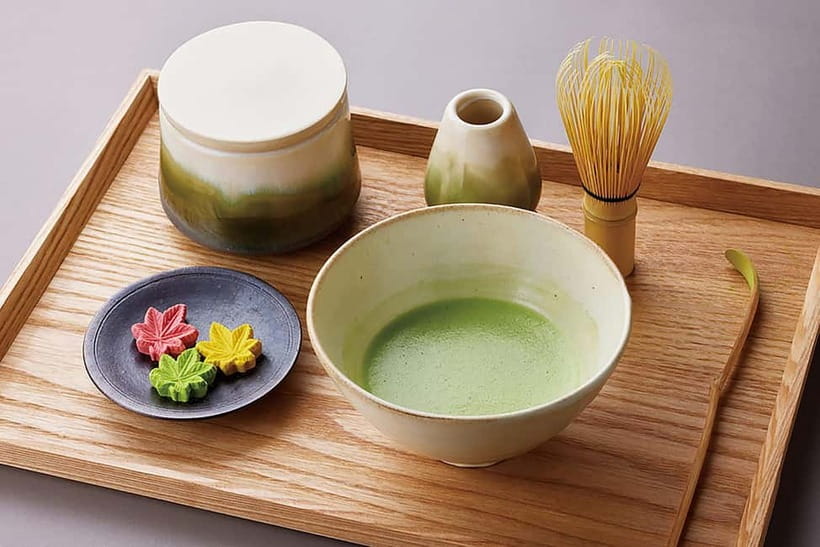
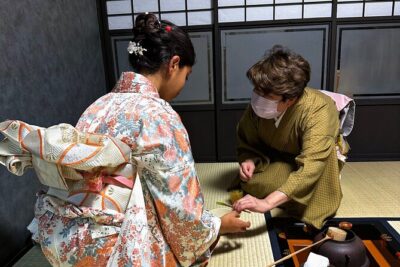
At Akebonotei, you take part in a matcha experience and receive sweets. The ceremony is presented as a short introduction rather than a long study of tea culture. That makes it manageable for children and for anyone fitting this activity between temple visits.
A recent family booking described the tea session as brief but suitable for children, with English spoken well by the woman leading the ceremony. That is useful practical information for families who want guidance without committing to a lengthy formal ceremony.
What the tea ceremony gives you
A Kyoto tea ceremony can be quiet, precise, and highly formal. This activity gives you a smaller taste of that world while you are dressed for the part.
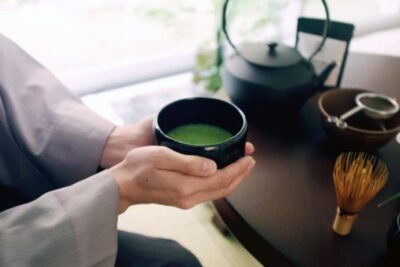
You can expect an explanation of the matcha experience, a serving of tea, and sweets. The costume makes the setting more memorable, especially for children who may not be eager to sit through a full-length cultural demonstration. The maiko and samurai options also give the session a more playful character.
The tradeoff is depth. You should not book this expecting a detailed lesson in tea history, etiquette, or the philosophy behind every movement. The experience is designed to be compact and easy to fit into a sightseeing day. Some people will appreciate that. Others may find it too staged or too brief.
I see its value as an introduction. You get to wear traditional clothing, enter a tea setting, try matcha, and then step back into the streets of old Kyoto. If you want a serious tea study, you should compare this with a dedicated tea class. If you want a family activity that connects food, clothing, and local customs, this format is more approachable.
Use the kimono rental as part of your sightseeing day
The kimono rental is not limited to the tea ceremony. You can generally keep the outfit until 5pm, so the best plan is to use the costume during the afternoon rather than changing straight back after tea.
The area around Studio Shiki offers plenty of places to visit:
- Kiyomizu-dera Temple
- Yasaka Five-Story Pagoda
- Yasaka Koshindo
- Ninenzaka
- Sannenzaka
- Kodaiji Temple
- Yasaka Shrine
These places are close enough to make the location useful, but walking in sandals and traditional clothing takes more care than walking in ordinary shoes. Kyoto’s historic lanes can be uneven, and the streets around Kiyomizu-dera include slopes and steps. Keep your route sensible and allow time to return the outfit by the required deadline.
Ninenzaka and Sannenzaka are especially natural companions to the rental. Their traditional buildings, shops, cafes, and narrow lanes provide the kind of setting many people want when they dress in kimono. Yasaka Pagoda and Kiyomizu-dera also make strong photo backdrops, though this activity does not promise a private photography session.
You may find stylish cafes and small shops along the way. The area is packed with things to see, so do not plan an ambitious temple marathon while wearing a formal outfit. A relaxed loop works better: dress, enjoy tea, visit one or two nearby sights, then return the clothing on time.
More Tea Ceremony Experiences in Kyoto:
- Kyoto: Tea Ceremony in a Traditional Tea House in Kiyomizu
★ 4.9 · 3,519 reviews - Kyoto: Tea Ceremony Ju-An at Jotokuji Temple
★ 4.9 · 3,207 reviews - Kyoto: 45-Minute Tea Ceremony Lesson Experience
★ 4.3 · 2,378 reviews - Kyoto: Table-Style Tea Ceremony at a Kyo-Machiya
★ 4.9 · 1,211 reviews
How the $77 price measures up
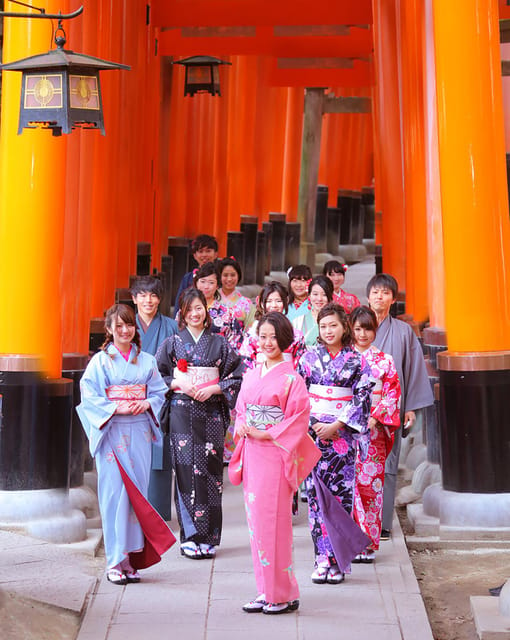
At $77 per person, this is not simply a low-cost kimono rental. The price combines clothing, accessories, the matcha experience, and sweets. You are also paying for the convenience of having the costume session and tea ceremony arranged near Kiyomizu-dera.
That package can be good value if you intend to spend several hours in the area wearing the outfit. The rental period until 5pm adds real value, especially for a couple or family that wants photographs and a slow walk through the old streets.
The calculation changes if you only want to put on a kimono for a few photographs and leave immediately. In that case, the tea ceremony may feel like an added cost rather than a benefit. The same is true if you are looking for a highly detailed cultural lesson. The tea portion is short, and the activity has a tourist-friendly structure.
The price does not include hair styling. Add the possible 1,650 yen styling fee if you want that service. Admission fees are also not included for anyone who does not take part in the tea ceremony. The supplied package information includes admission-related exclusions but does not specify a temple admission price, so budget separately for any site that charges an entrance fee.
Family planning for four people
This is a useful choice for families because children from age 5 can take part, and the tea session is short enough to hold their attention better than a long formal ceremony might.
The family limit is four people. The activity information also describes the general format as a small group of up to six participants, so larger parties should check the exact booking setup before paying. For a family of four, the stated limit fits neatly.
Pregnant women cannot take part. Children under 5 are also excluded. These rules matter because the costume process involves traditional clothing and the activity has a fixed schedule. Do not assume a baby or toddler can simply sit in without being counted.
For families, I would choose an earlier appointment if possible. Morning bookings leave more time to explore after the tea ceremony, and they reduce the risk of trying to rush through a packed afternoon. If you want to stay in costume until 5pm, a noon or 1pm start may give you the most useful balance between the activity and the rest of your day.
Getting to Studio Shiki

If you arrive by city bus, get off at the Kiyomizu-michi stop. The bus ride is about 20 minutes, followed by a walk of roughly 10 minutes to the shop.
That final walk is important to include in your timing. The appointment schedule is strict, and bus traffic can make the journey less predictable. Give yourself extra time rather than aiming to arrive exactly at the stated start.
The shop’s location near Kiyomizu-dera is convenient once you arrive, but the surrounding area is popular and can be crowded. Keep the meeting address easy to find on your phone, and avoid adding a distant sightseeing stop immediately before the appointment.
Who will enjoy this experience most
I would recommend this activity to:
- Families with children age 5 and up
- First-time visitors who want a simple introduction to matcha
- Couples who want to walk around Kyoto in kimono
- Visitors already planning to see Kiyomizu-dera and nearby streets
- Anyone who values convenience over a long, formal cultural class
- People interested in playful maiko or samurai photographs
I would be more cautious if you want a quiet, private ceremony or a detailed lesson led in a traditional setting. The format can feel busy during popular periods, and the short tea session may not satisfy someone seeking a serious study of tea etiquette.
The experience also works best when you enjoy the costume as part of a wider Kyoto walk. If you put on the kimono only for the tea and remove it immediately, you miss one of the package’s better advantages.
Timing, cancellation, and small practical points
You can cancel up to 24 hours before the activity for a full refund, and the reserve-now, pay-later option keeps your plans flexible. Starting times vary, so check the available slot before making other reservations.
The duration is listed as 150 minutes to three hours. The difference likely reflects the costume timing, group size, and how long you remain involved in the rental portion. Plan the larger part of an afternoon rather than trying to squeeze it into a narrow gap.
Most important, be punctual for both appointments. A late arrival may mean joining partway through or losing the chance to participate. The experience is limited by the tea schedule, so staff cannot simply shift the ceremony whenever someone arrives late.
Should you book Studio Shiki’s kimono and tea experience?
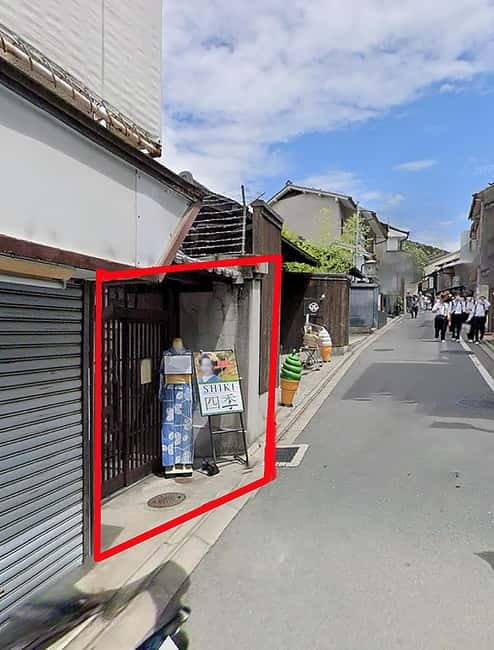
Book it if you want a convenient, family-friendly Kyoto activity near Kiyomizu-dera, especially if you plan to keep the kimono on and explore Ninenzaka, Sannenzaka, and the nearby temples afterward. The location, included clothing, matcha, sweets, and afternoon rental period make the $77 price easier to justify.
Skip it if your priority is a long, quiet, highly traditional tea ceremony. The tea portion is short, and the costume experience is designed for sightseeing and photographs as much as for cultural instruction.
For most first-time Kyoto visitors, I would choose the regular kimono or seasonal yukata, add hair styling only if it matters to you, and book a morning or early afternoon slot. That gives you the best use of the rental period and leaves room to explore this exceptionally well-placed part of the city.
FAQ
Where does the kimono and tea ceremony experience take place?
The costume rental takes place at Studio Shiki, and the matcha experience is held at Akebonotei, about a three-minute walk away.
How close is the activity to Kiyomizu-dera Temple?
Studio Shiki is described as a three-minute walk from Kiyomizu-dera Temple.
What clothing options are available?
You can choose a kimono, a seasonal yukata, a maiko costume, or a samurai-style outfit, depending on the selected plan.
Can I keep the kimono after the tea ceremony?
If you rent a kimono, you can enjoy wearing it until 5pm.
What does the package include?
The package includes the kimono, obi, underwear, bag, sandals, the matcha tea ceremony, and sweets. The yukata plan is available from June 1 through September 15.
Is hair styling included?
No. Hair styling is not included. A price of 1,650 yen has been given for the optional service.
Can children participate?
Children age 5 and up can participate. Children under 5 are not allowed, and the experience is limited to families of up to four people.
What happens if I arrive late?
If you are late for the kimono or tea appointment, you may have to join partway through or may not be able to participate. Punctuality is required for both parts.
Just added around Kyoto
- Whisk Your Own Matcha: A Zen Matcha Experience at Temple★ 3.6 · 7 reviews
- Uji Walking Tour – Byodo-in temple and Tea Ceremony from Kyoto★ 3.5 · 3 reviews
- Traditional Tea Ceremony in Kyoto★ 4.5 · 3 reviews
- Kyoto: Authentic Tea Ceremony in a Small Group★ 5.0 · 7 reviews
- Tea ceremony at Kyoto’s Zen Temple Teahouse★ 5.0 · 2 reviews
- Tea Ceremony in 150 Years Old Townhouse with Tables and Chairs★ 5.0 · 22 reviews
- Silent Beauty of Kyoto Zen Walk and Tea Experience★ 5.0 · 2 reviews
- Tea Ceremony Experience in Traditional Kyoto Townhouse★ 5.0 · 19 reviews
Kimono & Tea Ceremonies, compared.
KYOTO Tea Ceremony with kimono near by Imamiya Jinjya Shrine
Read our review →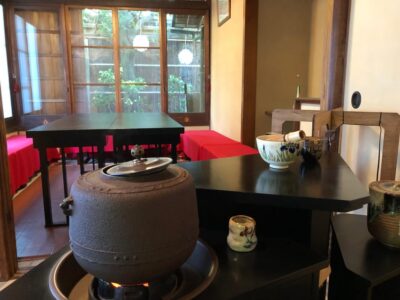
Kimono and Tea Ceremony Experience at Cultural Asset
Read our review →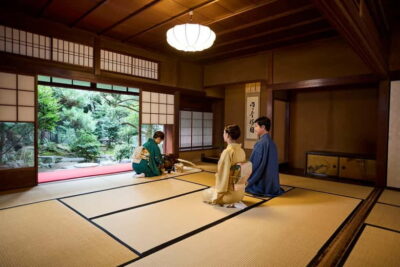
Browse the lists this tour appears in