
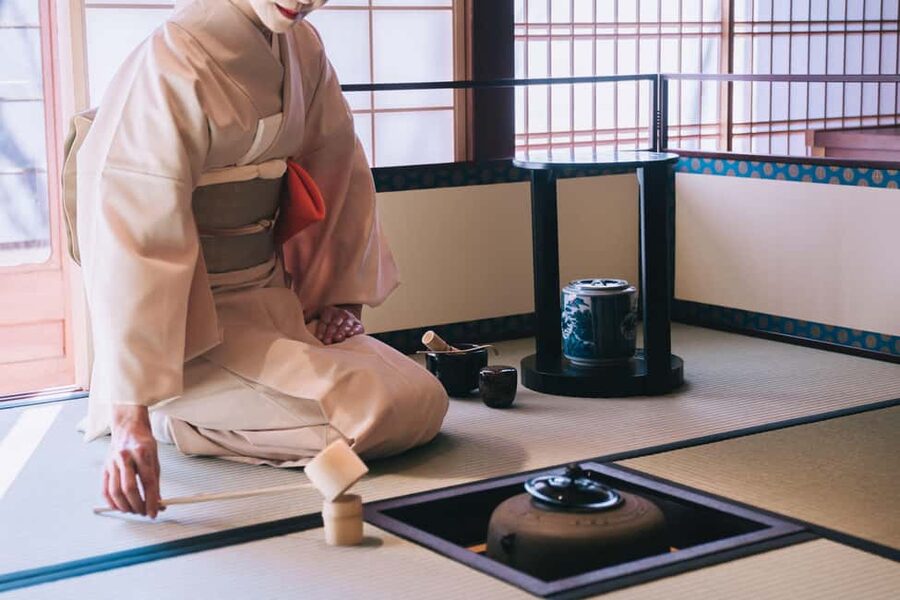
Review · KYOTO
Kyoto: Kimono Tea Ceremony at Orizuruya Gion
Kyoto’s Orizuruya Gion tea ceremony gives you the rare chance to do more than watch a Japanese ritual. You choose a kimono, have it fitted by an expert, learn the meaning behind the tea ceremony, and prepare your own bowl of matcha. The dressing and hairstyling are part of the experience, not a separate add-on.
I especially like the small maximum group of 10 and the clear English instruction. I also like the chance to keep the kimono on after the ceremony for photographs and a walk through Gion, with the return time reported as 5 p.m. The main consideration is that a kimono can feel restrictive, and the full version with calligraphy takes two hours rather than 90 minutes.
Key points to know before booking
- Choose from more than 200 kimono designs, with staff helping you select and dress.
- Learn to whisk your own matcha with a traditional bamboo chasen.
- Women receive simple hairstyling as part of the dressing process.
- Stay in the kimono after the ceremony, with a reported return time of 5 p.m. for many bookings.
- Add Japanese calligraphy for a longer, two-hour cultural session.
- Meet in central Gion, about seven minutes from Keihan Gion-Shijo Station.
Choosing a kimono at Orizuruya Gion
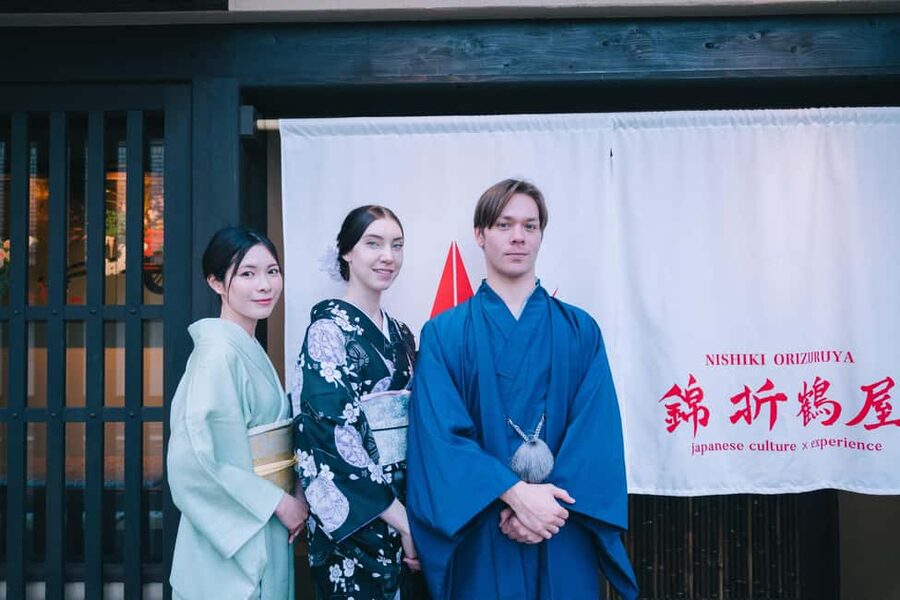
The activity begins at Gion Oritsuruya, at 572-7 Minamigawa, Gion-machi, in Kyoto’s Higashiyama district. The shop is a short walk from the main rail stations, about 10 minutes from Hankyu Kyoto-Kawaramachi Station and seven minutes from Keihan Gion-Shijo Station.
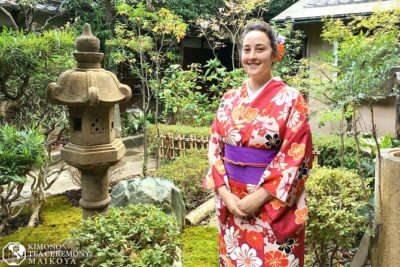
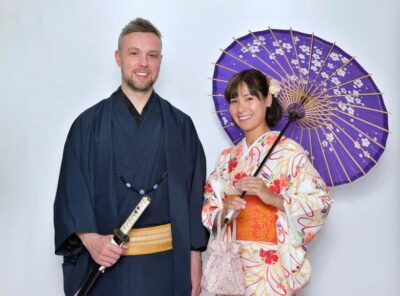
Your first job is choosing a kimono from more than 200 designs. That number matters. You are not simply handed a standard costume, and the selection lets you choose colors and patterns that suit your taste. Staff members help with the practical side, which is useful if you have never worn traditional Japanese clothing.
The dressing process is handled by experienced attendants. They fit the kimono properly and complete the outfit with the necessary rental pieces. For women, simple hairstyling is included. Several people describe the staff as patient, warm, and efficient, which is important because the dressing room can feel unfamiliar at first.
The result is meant for a cultural activity, not a fashion shoot or formal ceremonial appointment. You should expect a polished traditional appearance, but do not assume that every design or size will be available at every moment. The large selection helps, yet busy periods may still limit your choices.
A practical point: a kimono is wrapped firmly around the body and secured with layers of fabric. It is not the kind of outfit you forget you are wearing. The clothing makes the ceremony feel special, but you will want to move at a relaxed pace afterward.
More Kimono Tea Ceremonies in Kyoto:
- Kimono Tea Ceremony at Kyoto Maikoya, NISHIKI
★ 5.0 · 911 reviews - KYOTO Tea Ceremony with kimono near by Imamiya Jinjya Shrine
★ 5.0 · 343 reviews - Kyoto: Kimono and Tea Ceremony Experience at Cultural Asset
★ 4.3 · 306 reviews
From dressing room to quiet tea room
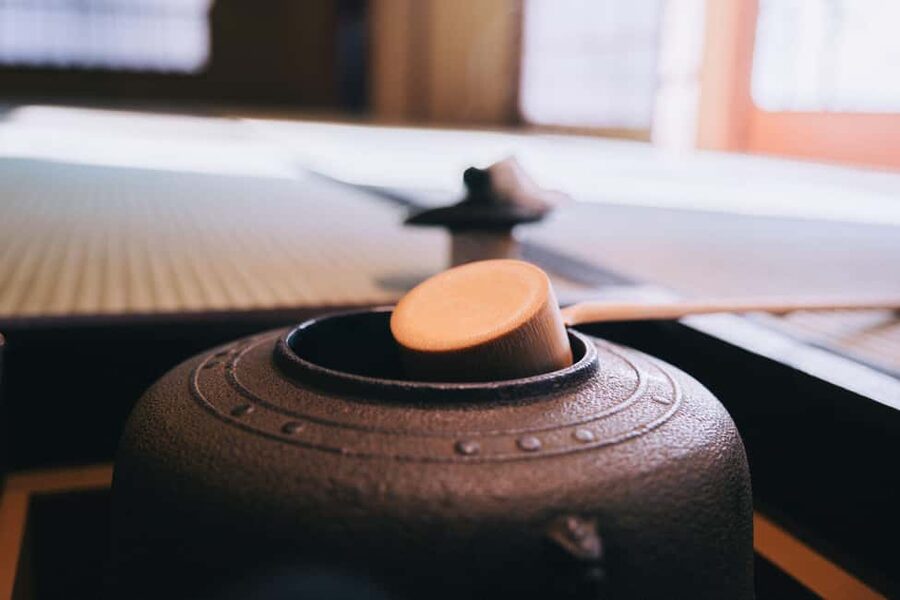
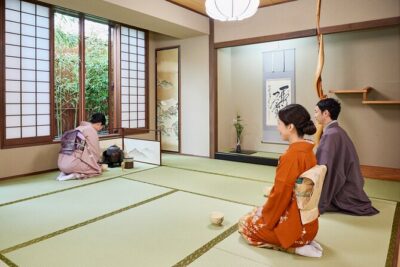
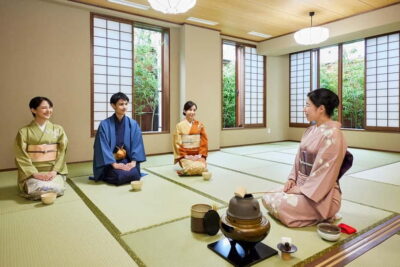
Once dressed, you move into a tea room for the main lesson. The instructor explains the order of the ceremony, the purpose of the utensils, and the careful gestures used to prepare and serve matcha.
This is a good setup for first-time visitors. You do not need to know the rules in advance, and the English-speaking instructor guides you through each step. The point is not to test you. It is to show why the ceremony values attention, calm movement, hospitality, and respect for the people sharing the room.
The ceremony itself is more restrained than many sightseeing activities in Kyoto. You are not rushing from one sight to another or trying to capture every moment with a camera. You sit, watch, listen, and take part. That slower pace is a big reason this activity works well after a busy day of temples and shopping.
The instructor also explains details about matcha, including how different types can vary and how the tea is made. This turns the drink from a fashionable green beverage into something with a clear place in Japanese culture.
The ceremony is presented in a way that is accessible to an international audience. You can ask questions, and the staff takes care to explain small details rather than assuming you already understand them. The gentle teaching style is particularly useful for families, couples, and anyone worried about making a cultural mistake.
Making your own bowl of matcha
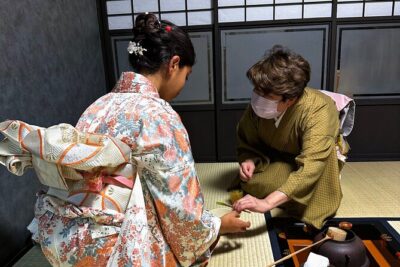
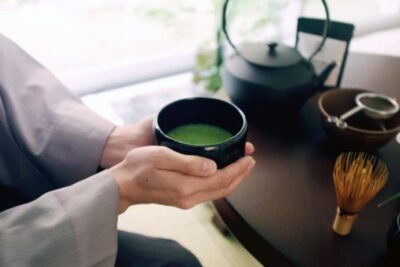
The most hands-on part comes when you prepare matcha yourself. You use a bamboo whisk, called a chasen, to mix the tea into a smooth, frothy drink.
The movement looks simple, but it takes some practice. You will be shown how to handle the whisk and then given the chance to make your own bowl. This is where the activity becomes more than a demonstration. You leave with a basic skill you can repeat at home, along with a better sense of the care involved in preparing matcha.
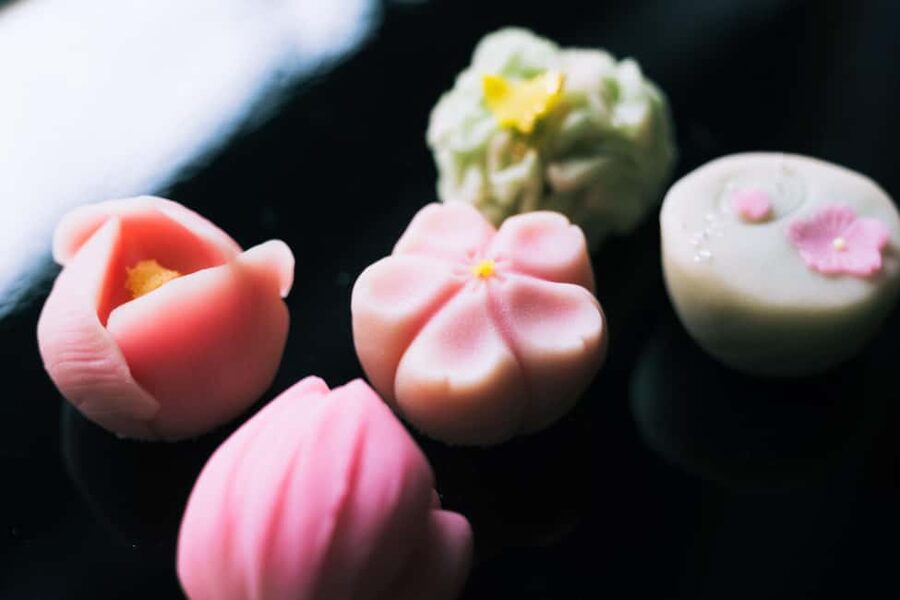
The tea is served with wagashi, traditional Japanese sweets from a century-old confectionery. The sweet gives you a pleasant contrast to matcha’s earthy, slightly bitter flavor. It also reflects the balance built into the tea setting, where the food and drink are meant to complement each other.
Do not expect a large meal. The included food is a small sweet paired with matcha, so plan lunch or dinner separately. The snack works as part of the ceremony, not as a substitute for a full meal.
I like this part because it gives you something to do with your hands. Many cultural demonstrations end when the instructor finishes speaking. Here, you take part in the preparation and taste what you have made.
Adding Japanese calligraphy for a longer visit
You can choose the tea ceremony on its own, which takes about 90 minutes, or select the option that includes Japanese calligraphy, which lasts about two hours.
The calligraphy session adds a different kind of focus. After learning the tea ritual, you work with a brush and calligraphy set under the guidance of an instructor. The task can be challenging, but the instruction is described as patient and encouraging.
Calligraphy is a good choice if you want a souvenir that you create yourself rather than only photographs. It also adds more quiet, concentrated time to the visit. Several people particularly enjoyed this portion, sometimes finding it as memorable as the tea ceremony.
The extra half hour is worth considering if you enjoy crafts, drawing, or learning through practice. If your schedule is tight, the 90-minute tea-only option still covers the central parts: kimono dressing, hairstyling for women, the tea ceremony, matcha preparation, and wagashi.
The activity information lists a Japanese calligraphy set only with the calligraphy option. If you choose the shorter program, do not expect that lesson or its materials to be included.
More Tea Ceremony Experiences in Kyoto:
- Kyoto: Tea Ceremony in a Traditional Tea House in Kiyomizu
★ 4.9 · 3,519 reviews - Kyoto: Tea Ceremony Ju-An at Jotokuji Temple
★ 4.9 · 3,207 reviews - Kyoto: 45-Minute Tea Ceremony Lesson Experience
★ 4.3 · 2,378 reviews - Kyoto: Table-Style Tea Ceremony at a Kyo-Machiya
★ 4.9 · 1,211 reviews
Taking the kimono into Gion
One of the strongest practical benefits is the chance to continue wearing the kimono after the indoor program. Participants have used the extra time to walk around Gion, visit a nearby temple, and take photographs.
A reported return time of 5 p.m. makes an early booking especially useful. A morning appointment can function partly as a kimono rental, allowing you to explore the surrounding streets before returning the clothing. The exact arrangement can depend on the booking time, so confirm the return instructions when you arrive.
The location is well suited to this. Gion is one of Kyoto’s best areas for traditional streets, wooden facades, small lanes, and nearby temples. You do not need to arrange separate transportation for a short walk after the ceremony.
Keep your plans sensible. A kimono is best suited to a relaxed outing rather than a long-distance day trip. Cold weather can also affect your comfort, although one person appreciated being able to keep the kimono on indoors and decide how long to remain dressed. Wear comfortable footwear if possible, and allow extra time for photographs without turning the afternoon into a race.
The opportunity to walk outside also gives the clothing a purpose. You are not only putting on a costume for a staged picture. You are experiencing how traditional dress changes your pace and your view of the streets around you.
The staff and teaching style
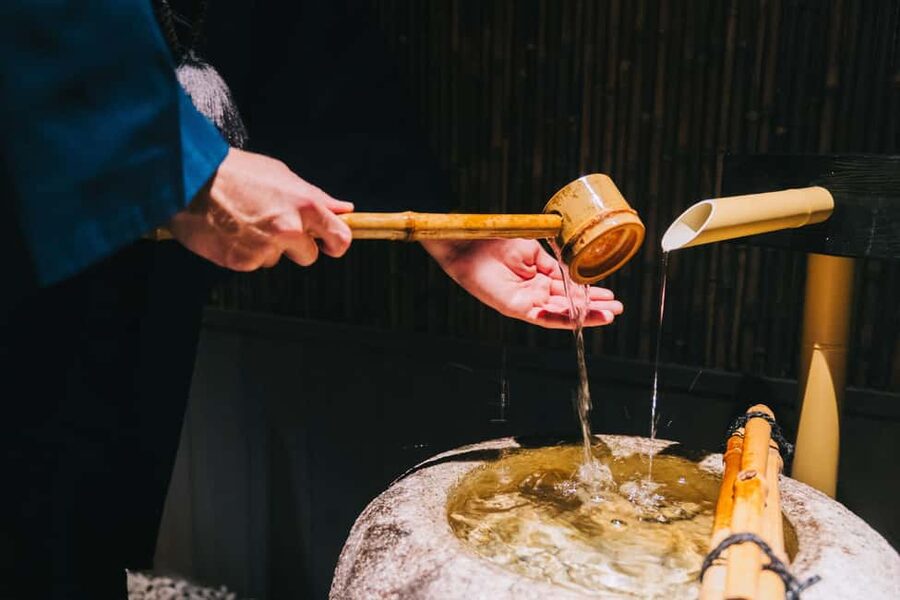
The staff are a major part of the appeal. The dressing attendants may speak limited English, but the welcome is supported by the English-speaking guide who leads the tea lesson. The full team helps with photographs, directions, and practical questions.
Juki is named in the available feedback as a particularly appreciated host. Other visitors describe individual instructors as warm, funny, and patient, especially during the calligraphy lesson. Since staff assignments can change, you should not book expecting one specific person, but the overall approach is clear: the activity is designed to make first-time participants feel comfortable.
That matters because the ceremony includes unfamiliar gestures and etiquette. A cold or overly formal presentation would make the activity feel like a performance. Here, the tone is friendlier and more conversational while still treating the tradition with care.
You can ask questions about matcha, the meaning of the ceremony, and the steps you are following. The explanations help connect the attractive clothing and photographs with the ideas behind the ritual.
Is $49 a good value?
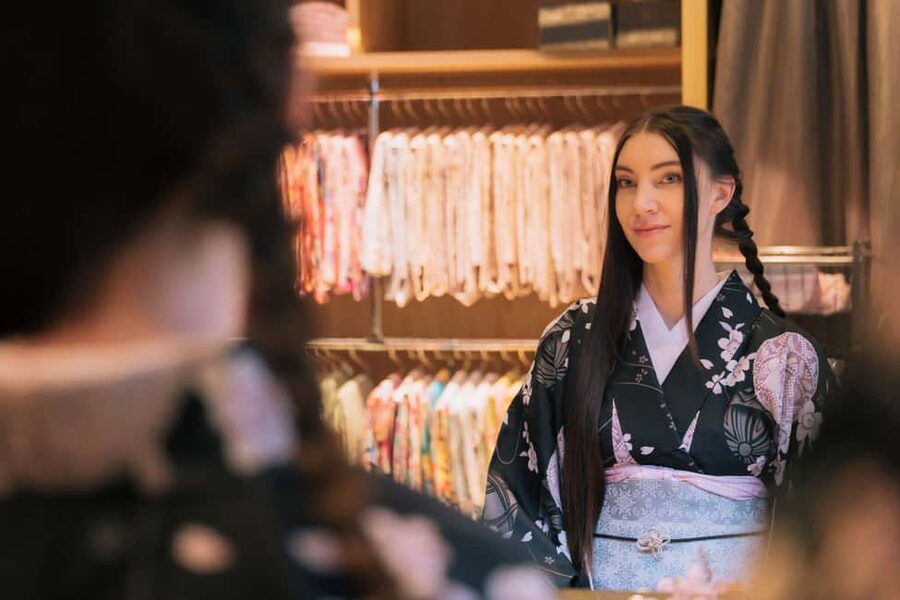
At $49 per person, the price is reasonable for what is included. You receive the kimono set rental, dressing assistance, simple hairstyling for women, tea utensils, matcha, wagashi, instruction from a licensed guide, and all listed fees and taxes.
The value improves if you use the kimono after the ceremony. A morning appointment with time to walk through Gion can give you an indoor cultural activity and a short kimono rental in one booking. That makes the price more appealing than a tea demonstration where you dress normally and leave as soon as the lesson ends.
The calligraphy option adds time and materials, but the supplied price is listed as $49 per person for the experience generally, not as a separate confirmed price for the longer option. Check the exact amount for your selected program before paying.
Transport to Gion is not included. You pay your own rail or local transportation costs to reach the meeting point. Since the venue is within walking distance of two major stations, this is easy to plan, but it is still an extra cost.
Who will enjoy this Kyoto activity?
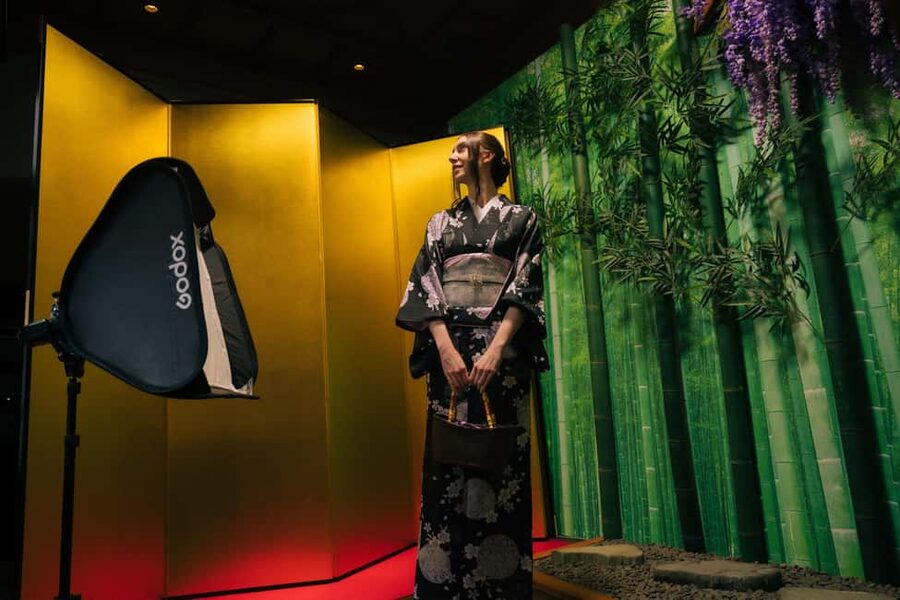
I would recommend it most to first-time visitors who want a clear introduction to Japanese tea culture without worrying about etiquette. The instructor does the explaining, and the small group keeps the session personal enough for questions.
It also works well for couples. Choosing clothing together, taking photographs, and walking through Gion afterward gives the activity a natural social rhythm. One booking was described as a thoughtful gift, and that makes sense: the experience feels more memorable than a standard meal or sightseeing ticket.
Families with older children and teenagers can enjoy it too, especially if they choose the calligraphy option. The hands-on parts keep the visit from becoming a lecture. Very young children may find the careful sitting and quiet ceremony less engaging, but the supplied information does not specify a minimum age, so ask before booking if age is a concern.
This is also a strong choice for repeat visitors to Japan. Even if you have already seen Kyoto’s major temples, the tea ceremony offers a more focused look at daily cultural practice. You are not simply checking off another famous building.
You may want to skip it if you dislike dressing up, sitting quietly, or following a set sequence. The kimono is beautiful but not casual, and the tea ceremony rewards patience more than speed. If you only want a quick photo, the full program may feel longer than necessary.
Booking details that affect your day
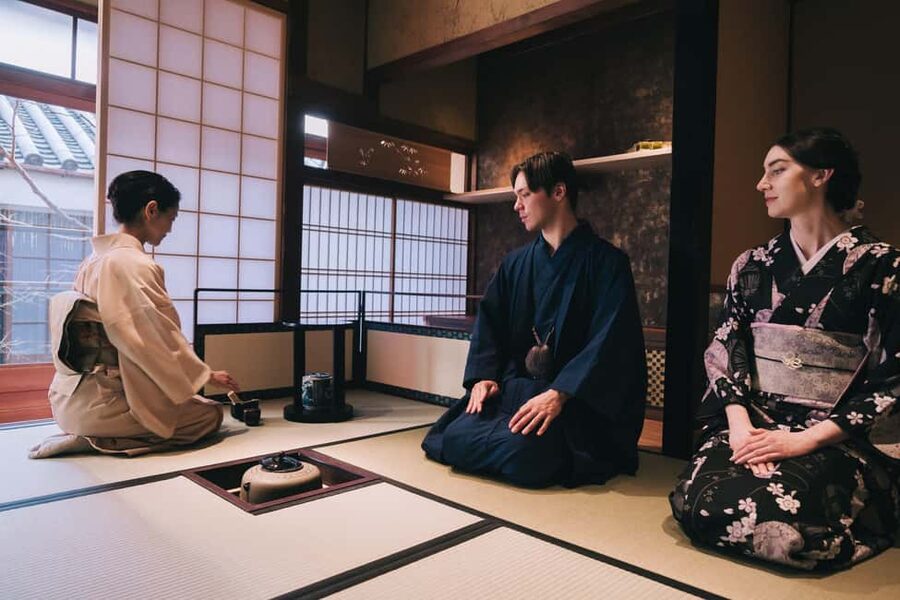
The activity runs for about 90 minutes without calligraphy and about two hours with it. Starting times vary, so check availability when you choose a date.
The group is limited to 10 people, and the instruction is in English. That size is small enough to receive direct help, but it is not a private ceremony. If you want a completely personal session, ask about the exact group arrangement before booking.
Cancellation is free up to 24 hours in advance for a full refund. A reserve-now, pay-later option is also available, which helps if your Kyoto schedule is still shifting.
The meeting point is Gion Oritsuruya at 572-7 Minamigawa, Gion-machi, Higashiyama-ku, Kyoto. From Keihan Gion-Shijo Station, allow about seven minutes on foot. From Hankyu Kyoto-Kawaramachi Station, allow about 10 minutes.
Should you book Orizuruya Gion?
Book this if you want a hands-on cultural activity with photographs, instruction, and time in a kimono, rather than a passive show. The combination is unusually useful: you learn the tea ritual, prepare matcha, taste wagashi, and may continue exploring Gion in traditional dress.
Choose the calligraphy version if you enjoy making things and can spare two hours. Choose the shorter tea ceremony if you want the central experience without adding another lesson.
At $49, the activity offers solid value, especially when the post-ceremony kimono time fits your schedule. I would place it high on a Kyoto itinerary for couples, families with older children, and first-time visitors who want a respectful introduction to Japanese culture without fear of a faux pas.
FAQ
Where does the kimono tea ceremony take place?
It takes place at Gion Oritsuruya, 572-7 Minamigawa, Gion-machi, Higashiyama-ku, Kyoto-shi, Kyoto.
How long does the activity last?
The kimono tea ceremony takes about 90 minutes. The tea ceremony with Japanese calligraphy takes about two hours.
How much does the experience cost?
The listed price is $49 per person.
How many people can join the group?
The group is limited to a maximum of 10 participants.
Is the instruction available in English?
Yes. The instructor language is English.
What is included in the price?
The experience includes wagashi and matcha, a kimono set rental, tea ceremony utensil rental, simple hairstyling, all listed fees and taxes, and a licensed guide. A Japanese calligraphy set is included only with the calligraphy option.
Can women have their hair styled?
Yes. Simple hairstyling for women is included.
Can I wear the kimono after the tea ceremony?
Yes. The kimono can be worn for a walk after the activity, with a reported return time of 5 p.m. Confirm the exact return arrangement for your booking.
How far is the venue from public transportation?
The venue is about a seven-minute walk from Keihan Gion-Shijo Station and about a 10-minute walk from Hankyu Kyoto-Kawaramachi Station.
Can I cancel for a full refund?
Yes. You can cancel up to 24 hours in advance for a full refund. A reserve-now, pay-later option is also available.
Just added around Kyoto
- Whisk Your Own Matcha: A Zen Matcha Experience at Temple★ 3.6 · 7 reviews
- Uji Walking Tour – Byodo-in temple and Tea Ceremony from Kyoto★ 3.5 · 3 reviews
- Traditional Tea Ceremony in Kyoto★ 4.5 · 3 reviews
- Kyoto: Authentic Tea Ceremony in a Small Group★ 5.0 · 7 reviews
- Tea ceremony at Kyoto’s Zen Temple Teahouse★ 5.0 · 2 reviews
- Tea Ceremony in 150 Years Old Townhouse with Tables and Chairs★ 5.0 · 22 reviews
- Silent Beauty of Kyoto Zen Walk and Tea Experience★ 5.0 · 2 reviews
- Tea Ceremony Experience in Traditional Kyoto Townhouse★ 5.0 · 19 reviews
Kimono & Tea Ceremonies, compared.
KYOTO Tea Ceremony with kimono near by Imamiya Jinjya Shrine
Read our review →
Kimono and Tea Ceremony Experience at Cultural Asset
Read our review →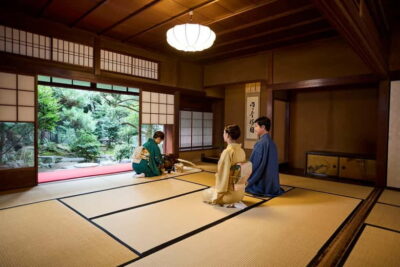
Asakusa: Kimono Tea Ceremony with Matcha and Sweet
Read our review →Browse the lists this tour appears in