
Review · KYOTO
Kyoto Fushimiinari:Wagashi Making & Small Group Tea Ceremony
The best part of this Kyoto experience is the move from a hands-on kitchen lesson into a quiet tatami room, where you eat the wagashi you just made and prepare your own bowl of matcha. Miho and the English-speaking instructors keep the lesson clear and friendly, so you learn the ritual without feeling tested on every tiny movement.
I like the small group size, limited to six people, and the fact that you actually make both the sweet and one bowl of tea. I also like the setting: a local Japanese-style house, a little garden, and a calm room with a hanging scroll in the alcove. The main consideration is that you must sit on the floor unless you request a chair in advance, and children under eight and wheelchair users cannot join.
Key points
- Make your own wagashi: Prepare one seasonal Japanese sweet by hand, rather than watching a simple cooking display.
- Whisk your own matcha: You receive two bowls of matcha, including one you prepare with a bamboo whisk.
- Enter an authentic tea room: Walk through a tiny garden into a Japanese-style tatami room when weather allows.
- Learn the meaning behind the ritual: The instructor explains tea history, room manners, and the hanging scroll.
- Keep it personal: The group is limited to six, and questions are welcome throughout the session.
- Plan for floor seating: Chairs and tables can be arranged if you ask ahead of time, but bare feet are not allowed.
From Wagashi Kitchen to Kyoto Tea Room
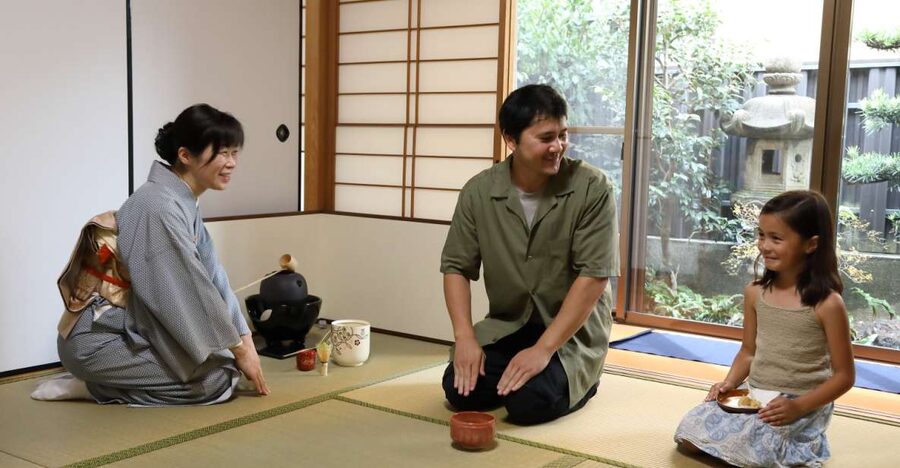
This 75-minute experience has a pleasing rhythm. You begin in the kitchen, move into a short cultural explanation, and finish by preparing and drinking matcha yourself.
That sequence matters. Wagashi is not just a snack placed beside the tea. It balances the bitterness of matcha and gives you something to notice with your eyes, hands, and palate. Making the sweet first also gives the tea ceremony a personal touch: you are eating something you shaped only minutes earlier.
The activity takes place in a Japanese-style house near Fushimi Inari. You are welcomed by an English-speaking host and guided to the kitchen. The setting offers a useful break from Kyoto’s crowded sightseeing routes, especially if you have spent the morning around the shrine.
The experience is not designed as a formal performance for you to watch from the side. You take part, ask questions, and try the movements yourself. That makes this a good choice if you want a practical cultural activity rather than another explanation delivered while you stand in a group.
More Japanese Sweets and Tea Sessions in Kyoto:
- Kyoto: Japanese Traditional Sweets Making and Tea Ceremony
★ 4.4 · 314 reviews - 2 Types of Japanese Sweets making and Tea Ceremony
★ 4.6 · 17 reviews - Kyoto near Fushimiinari Wagashi making&Small Group Tea Ceremony
★ 5.0 · 14 reviews
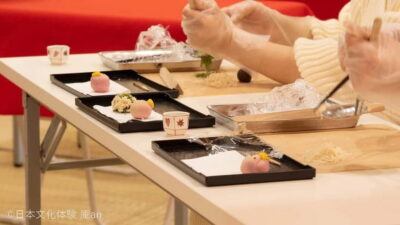
Making Seasonal Wagashi by Hand
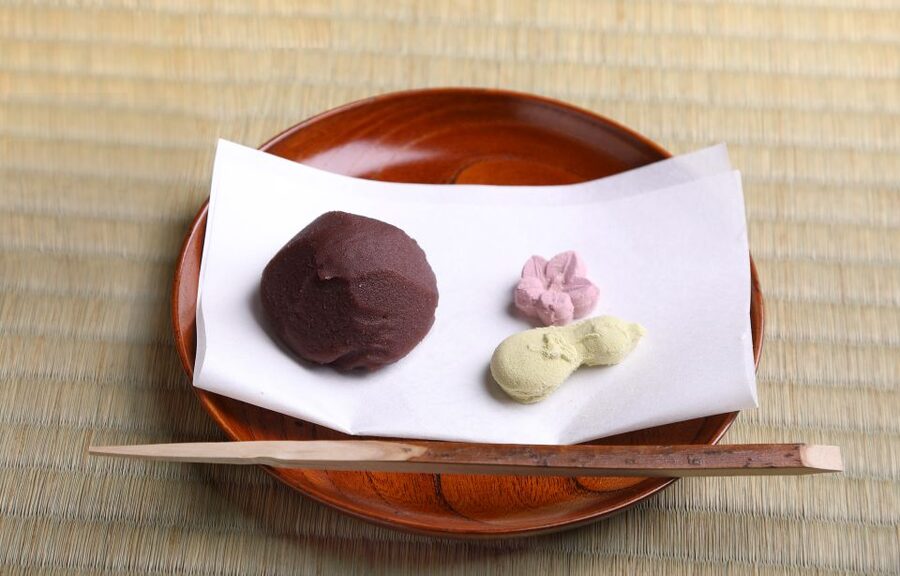
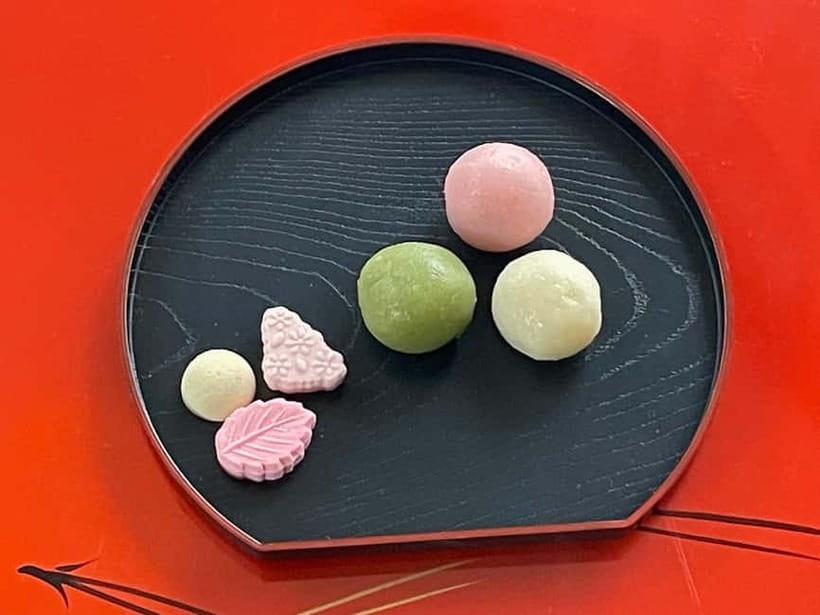
The first lesson covers one kind of wagashi, or traditional Japanese sweet. The exact design can change with the season, so the finished confection may not look exactly like the pictures used when you book.
You work in the kitchen with guidance from the instructor. The class is hands-on, not just a demonstration, and you later eat the sweet during the tea ceremony. Past sessions have included mochi with red bean paste and white bean paste, though you should not assume those fillings will be offered on your date.
I like this part because it gives you a simple way to understand Japanese food culture. Wagashi is shaped to be attractive as well as edible, and seasonal changes are part of the tradition. You get to see that idea in practice instead of hearing it as a broad cultural statement.
The class also helps you pace the rest of the visit. You are not rushed straight into the ceremony. First, you have something to do with your hands, and then you have a clear reason to sit down and enjoy the result.
Tell the provider about food restrictions or allergies before the activity. The details supplied for this experience do not list specific substitutions, so you should not count on changes unless they are confirmed in advance.
A Small Garden Walk to the Tatami Room
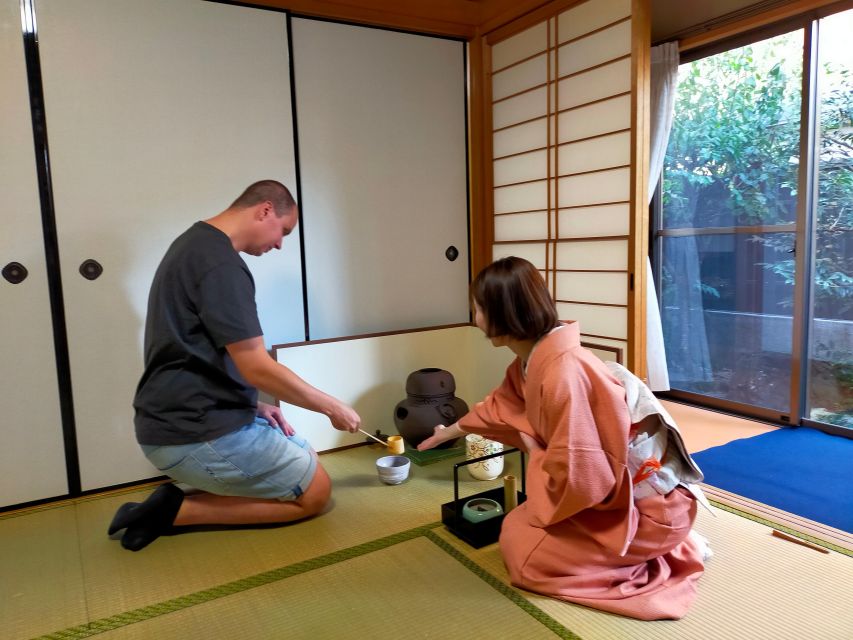
After the kitchen lesson, the host explains how to take part in the tea ceremony and reviews manners for the Japanese room. If it is not raining, you walk through a tiny garden before entering the tea room.
That short walk is more than a change of scenery. It marks the shift from an ordinary cooking class to a quieter ritual. You leave the kitchen behind, slow down, and enter a room arranged for tea.
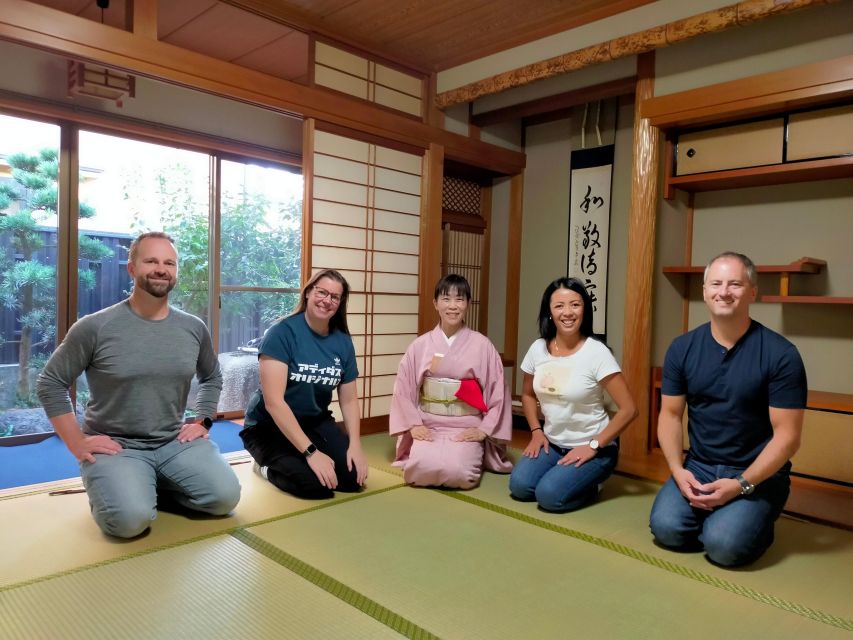
The room has tatami flooring and a hanging scroll in the alcove. The instructor explains the scroll and its role in the room, along with the history of tea and the purpose of the ceremony. This is one of the details that makes the activity feel grounded in a real Japanese home rather than staged as a quick photo opportunity.
Rain changes the route, since the garden walk is available when conditions allow. The tea ceremony itself remains the central part of the activity, but the small outdoor passage adds a welcome sense of place on a dry day.
You need to wear socks. Bare feet are not allowed, so this is a small detail worth remembering when you get dressed. If sitting on tatami is difficult, chairs and tables are available when arranged in advance.
Learning Tea Manners Without Feeling Stiff
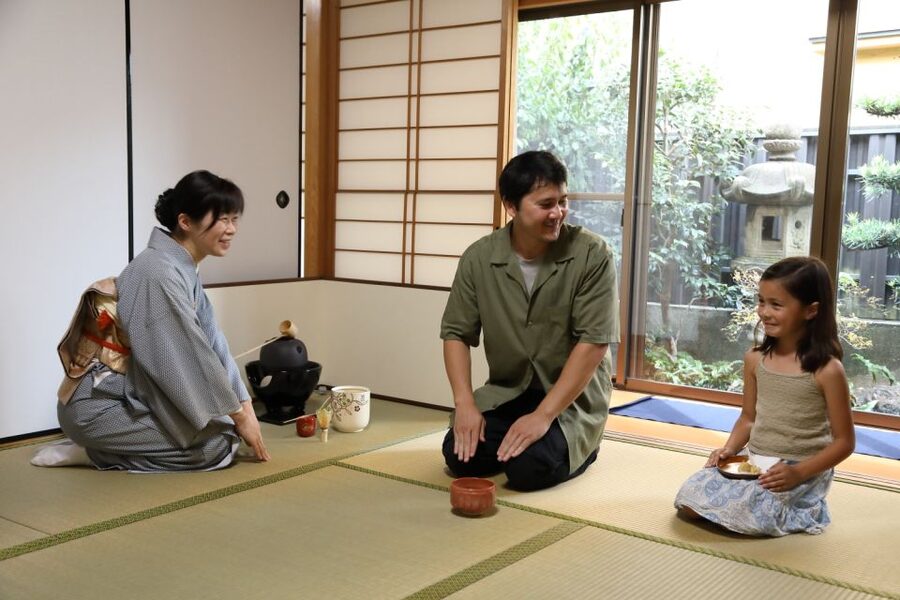
Tea ceremony can look mysterious if you only see the finished performance. Here, the instructor first explains how to attend and what to do in the room, so you are not left guessing when to bow, handle the bowl, or eat the sweet.
The ceremony is explained carefully but is not treated as a strict examination. You learn the order of events, the basic manners, and the reason behind the actions. That balance matters for first-time visitors. You can respect the ritual without worrying that one imperfect movement has ruined the entire experience.
The English-speaking instructors are licensed guide interpreters, and the activity is conducted in English. Miho is one of the hosts associated with the experience, and the tea master is happy to answer questions about Japanese culture. Clear English makes a real difference here because the value of the session lies in understanding the small actions, not simply copying them.
You first watch the demonstration and enjoy the wagashi you have made. The host then demonstrates the ceremonial preparation of matcha, showing how the powder and hot water become a frothy bowl of tea.
More Tea Ceremony Experiences in Kyoto:
- Kyoto: Tea Ceremony in a Traditional Tea House in Kiyomizu
★ 4.9 · 3,519 reviews - Kyoto: Tea Ceremony Ju-An at Jotokuji Temple
★ 4.9 · 3,207 reviews - Kyoto: 45-Minute Tea Ceremony Lesson Experience
★ 4.3 · 2,378 reviews - Kyoto: Table-Style Tea Ceremony at a Kyo-Machiya
★ 4.9 · 1,211 reviews
Two Bowls of Matcha, One Made by You
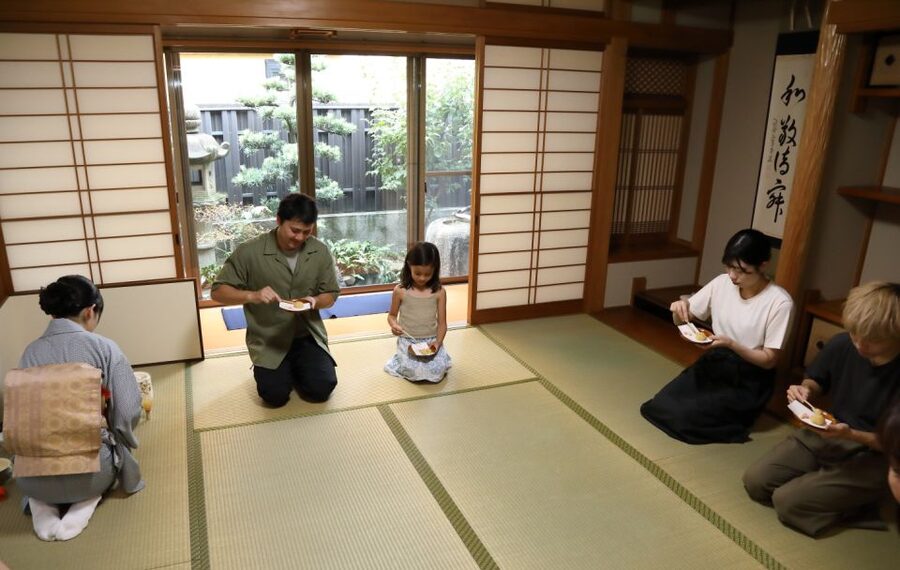
The included drinks are two bowls of matcha. One is prepared for you, and the other is made by you with a bamboo tea whisk.
That second bowl is the practical payoff. You learn how to hold and use the whisk, how to prepare the tea, and how to drink it in the proper way. The goal is not to turn you into a tea master in 75 minutes. It is to give you enough understanding and practice to serve matcha to friends or family at home.
I like that the experience lets you compare the demonstration with your own attempt. You see the careful preparation first, then try the steps yourself while the instructor guides you. The result is less about producing a perfect bowl and more about understanding the care built into the process.
Matcha has a distinct bitter taste, and the wagashi is served to balance it. If you are new to powdered green tea, this pairing helps you appreciate why a sweet is part of the ceremony rather than an extra treat added at the end.
What the Six-Person Limit Adds
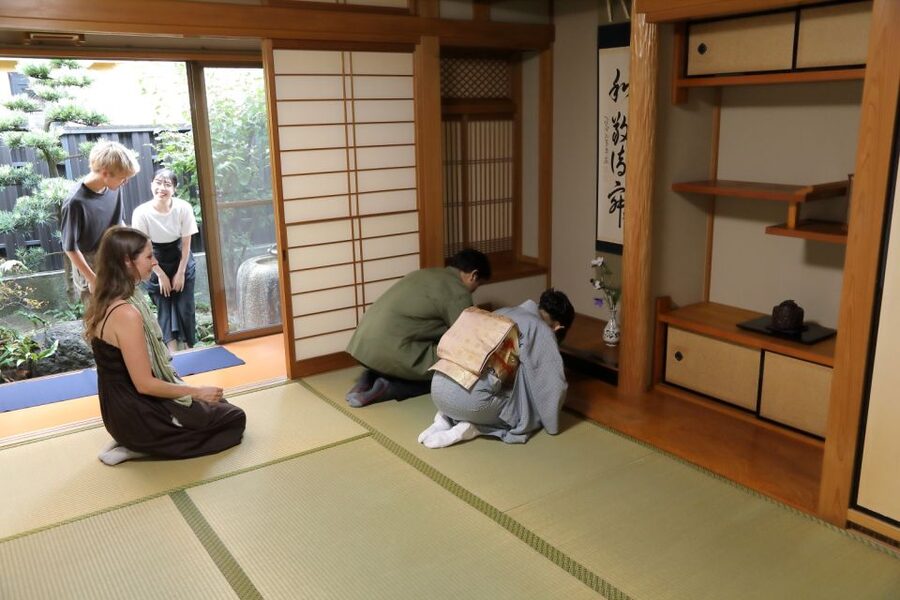
The activity is limited to six participants, which is a useful size for a lesson involving food preparation and tea equipment. You should be able to see the demonstrations and ask questions without competing with a large crowd.
A small group also suits the setting. A Japanese-style room and a tiny garden are better experienced quietly than with a busload of people moving through them. The atmosphere is calm, and the hosts can give direct help when you are shaping the sweet or whisking the tea.
The tradeoff is that spaces in a local home can feel close and personal. If you prefer a large commercial cooking school with wide workstations and plenty of room to spread out, this may feel more intimate than expected.
Photography is limited. Flash photography and video recording are not allowed, and the host may ask you not to photograph parts of the session so everyone can focus on the ceremony. You can take photographs only when permitted, so treat the activity as something to experience first and document second.
Is $55 a Fair Price?
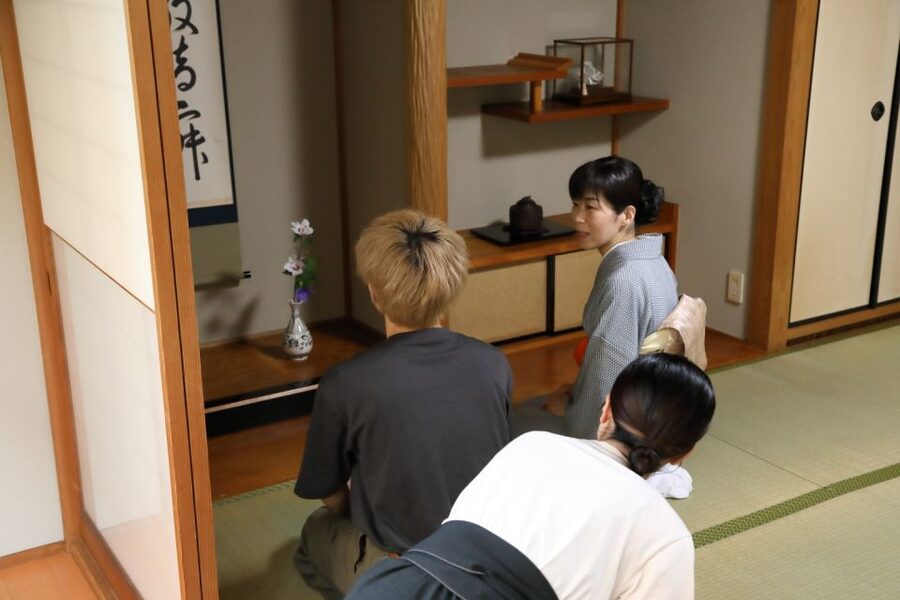
At $55 per person, the price is reasonable if you value instruction and participation rather than simply receiving tea and a sweet. The fee includes the English-speaking instructor, all taxes and fees, one wagashi lesson, a traditional confectionary, explanations of the ceremony and food manners, and two bowls of matcha.
You are paying for a private-home setting, a small group, and guided practice with ingredients and tea tools. A short 75-minute activity cannot cover every aspect of Japanese tea culture, but it does focus tightly on a few things you can understand and repeat.
The value is strongest for first-time visitors who want a clear introduction without committing to a longer formal ceremony. It also suits people who like to take home a skill. Afterward, you should know how to prepare wagashi in the class style and how to serve matcha in the basic manner shown.
The price may feel less attractive if you only want a quick drink or a photo in a traditional room. In that case, the educational and hands-on parts are the very features you would be paying for without using fully.
Timing It Near Fushimi Inari
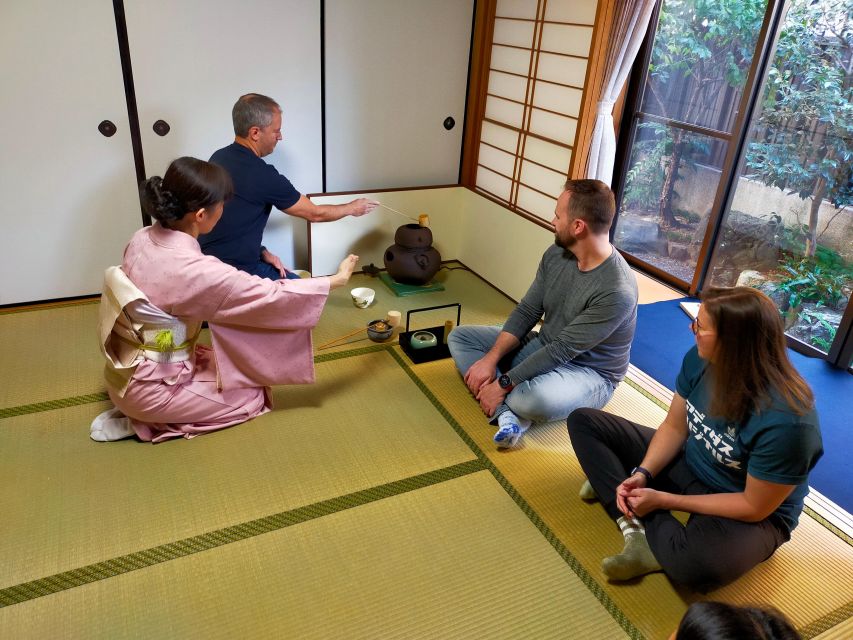
The experience is in Kyoto, in the Fushimi Inari area, and lasts 75 minutes. Starting times vary, so you need to check availability when choosing a date.
Its length makes it easy to add around other Kyoto plans, but do not treat it as a rushed stop between major sights. Allow enough time to arrive at the house, settle in, and take part without watching the clock.
The activity can work well before or after visiting Fushimi Inari, but the supplied details do not include hotel pickup, drop-off, or taxi arrangements. You need to handle your own transport. The provider does not call a taxi for you, so plan the route before leaving your hotel.
Cancellation is free up to 24 hours in advance, and you can reserve now and pay later. Those terms are useful if your Kyoto schedule may change, though they do not remove the need to check the exact meeting details and start time before booking.
Who Will Enjoy This Most
I would choose this for adults and children eight or older who want a quiet cultural lesson with real participation. It is especially well suited to you if you enjoy cooking, local customs, tea, or small-group activities where questions are welcome.
It also works for families with older children, couples, solo visitors, and friends who want something gentler than a full day of sightseeing. The wagashi gives younger participants a clear task, while the tea ceremony adds cultural context.
You may want to skip it if you cannot sit on the floor and do not request a chair and table ahead of time. Wheelchair users cannot join according to the supplied accessibility information. The hosts can provide chairs for people who find floor seating difficult, but you should arrange that before arrival.
The session is not aimed at children under eight. It is also not a good match if you want unrestricted photography or video, since some parts of the ceremony may need to remain camera-free.
Small Details That Make the Experience Work
Bring socks, and avoid arriving barefoot. This is both a practical rule and part of showing respect for the tatami room.
Tell the provider about allergies or food restrictions in advance. Seasonal wagashi may differ from the pictured version, so keep an open mind about the shape, color, and filling you receive.
Do not expect a fully formal ceremony lasting several hours. This is a compact introduction with a friendly teaching style. You learn the background, watch the host, eat the sweet, and prepare your own tea in a single focused session.
The best souvenir is not a packaged object. It is the ability to whisk matcha for someone at home and explain why the sweet comes first. That is a small skill, but it gives the experience a life beyond your time in Kyoto.
Should You Book This Kyoto Tea Experience?
Book it if you want more than a ceremonial display. The combination of making seasonal wagashi, walking through a small garden, learning tea-room manners, and preparing your own matcha gives you several ways to take part.
I would be cautious only if floor seating, food restrictions, limited photography, or the 75-minute format creates a problem. For everyone else, $55 buys a well-focused cultural lesson in a small setting, with English guidance and enough hands-on practice to make the visit feel personal.
FAQ
How long does the wagashi and tea ceremony experience last?
The experience lasts 75 minutes.
How much does the experience cost?
The price is $55 per person.
Where does the activity take place?
It takes place in a local Japanese-style house in Kyoto, in the Fushimi Inari area on Honshu.
Is the activity conducted in English?
Yes. The instructor speaks English, and the instructors are licensed guide interpreters.
How many people can join the group?
The group is limited to six participants.
What is included in the price?
The price includes an English-speaking instructor, two bowls of matcha, one bowl prepared by you, a lesson in making one kind of wagashi, one traditional Japanese confectionary, explanations of tea preparation and sweet-eating manners, and all fees and taxes.
Do I need to bring anything?
You need to bring socks. Bare feet are not allowed.
Can I sit in a chair instead of on the floor?
Chairs and tables are available for people who find floor seating difficult. You need to request this in advance.
Can I cancel the booking?
You can cancel up to 24 hours in advance for a full refund. Reserve-now, pay-later booking is also available.
Just added around Kyoto
- Whisk Your Own Matcha: A Zen Matcha Experience at Temple★ 3.6 · 7 reviews
- Uji Walking Tour – Byodo-in temple and Tea Ceremony from Kyoto★ 3.5 · 3 reviews
- Traditional Tea Ceremony in Kyoto★ 4.5 · 3 reviews
- Kyoto: Authentic Tea Ceremony in a Small Group★ 5.0 · 7 reviews
- Tea ceremony at Kyoto’s Zen Temple Teahouse★ 5.0 · 2 reviews
- Tea Ceremony in 150 Years Old Townhouse with Tables and Chairs★ 5.0 · 22 reviews
- Silent Beauty of Kyoto Zen Walk and Tea Experience★ 5.0 · 2 reviews
- Tea Ceremony Experience in Traditional Kyoto Townhouse★ 5.0 · 19 reviews
Japanese Sweets & Tea, compared.

Matcha Making Class in Tokyo with Authentic Japanese Sweets Set
Read our review →
Matcha Making Class in Osaka with Authentic Japanese Sweets Set
Read our review →
Japanese Traditional Sweets Making and Tea Ceremony
Read our review →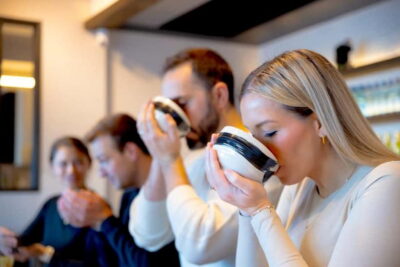
Japanese Traditional Sweets Making and Tea Ceremony
Read our review →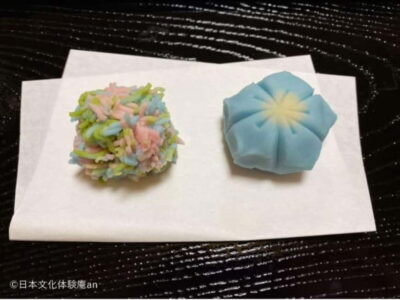
Nagoya: Japanese Traditional Sweets making and Tea Ceremony
Read our review →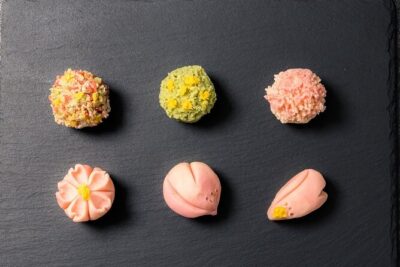
Sweets Making and Kimono Tea Ceremony at Tokyo Maikoya
Read our review →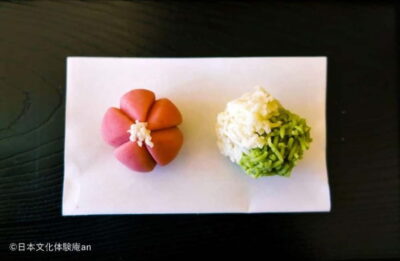
Japanese Traditional Sweets making and Tea Ceremony
Read our review →Browse the lists this tour appears in