
Review · KYOTO
Kyoto: Tea Ceremony Experience in a Small Tea Room
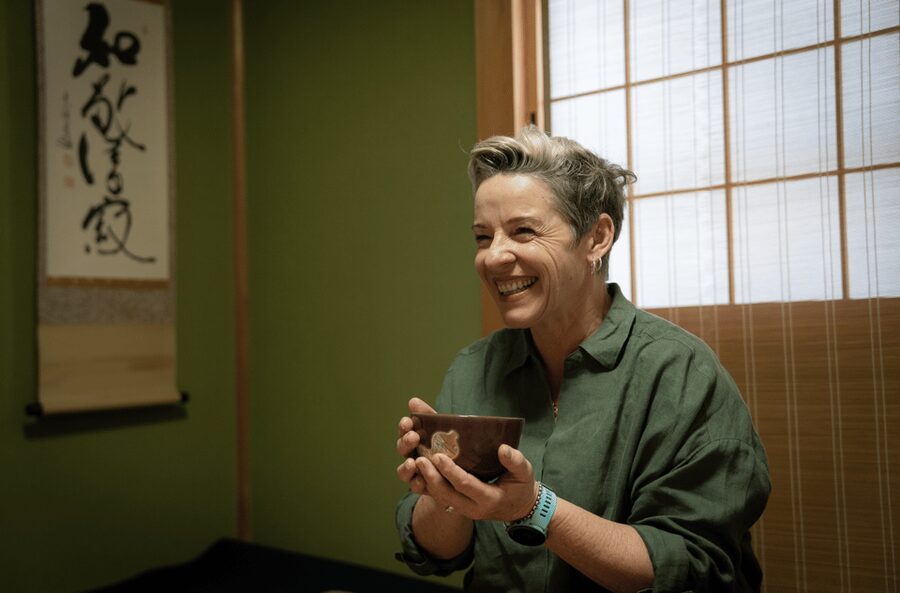
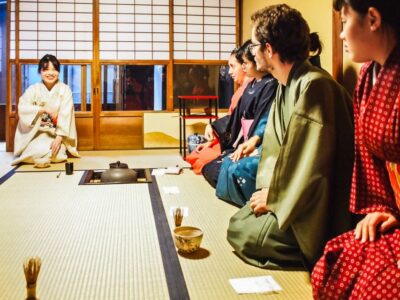
The most appealing part of this Kyoto experience is its small tea room setting, where a teacher with 30 years of practice can explain the ceremony without making you feel like you need a degree in Japanese etiquette. You learn what the movements mean, taste matcha with traditional dried sweets, and may prepare your own bowl.
I like the personal instruction and the handy location, just a 15-minute walk from the Kamogawa Delta and Demachiyanagi Station. The main consideration is time: one hour gives you a clear introduction, but not a full study of every school and style of Japanese tea.
Key points
- Learn from a teacher with 30 years of experience, with instruction in English.
- Prepare your own matcha if you wish, including the whisking and careful hand movements.
- Visit a peaceful tea room near Kamogawa Delta, a pleasant stop before or after a riverside walk.
- Keep the group small, with no more than six participants.
- Taste traditional dried sweets and matcha, both included in the $38 price.
- Combine the ceremony with Demachiyanagi, a useful starting point for visits toward Kibune Shrine and Rurikou Temple.
Why this one-hour tea ceremony works
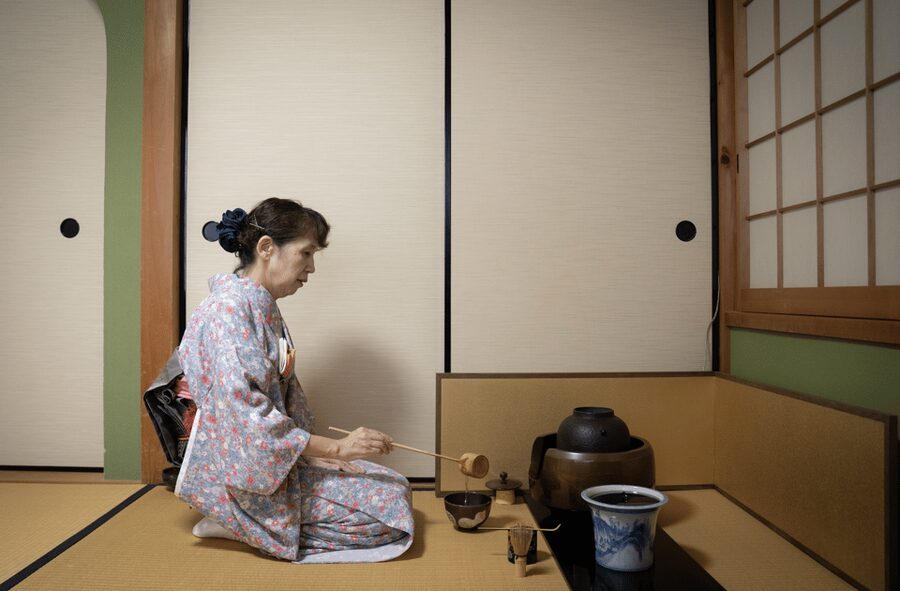
Kyoto offers many ways to encounter tea culture, from polished formal performances to casual matcha tastings. This session sits in a useful middle ground. You get the ceremony, the explanation, and the chance to take part yourself, but the tone is intended to be welcoming rather than stiff.
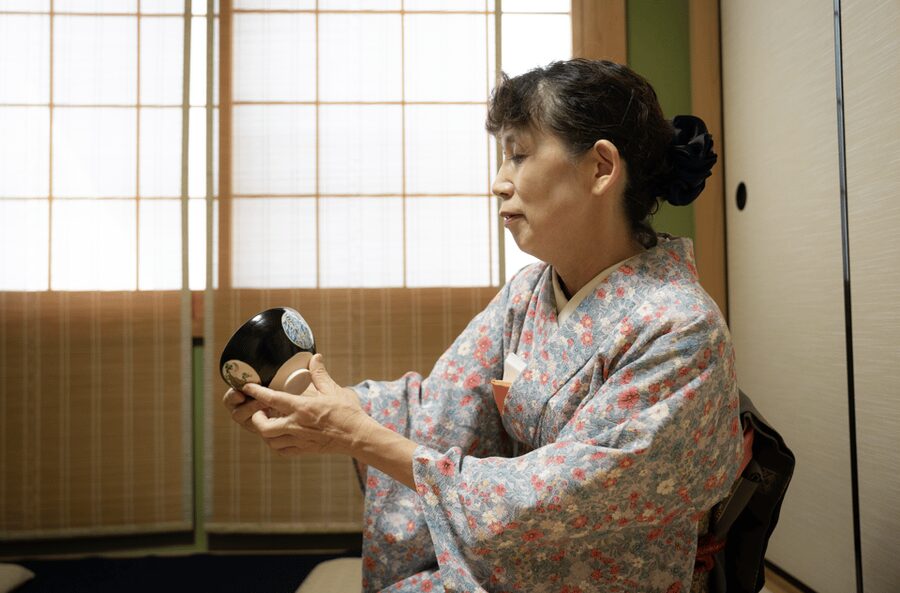
That matters if you have never held a bamboo whisk or do not know when to bow. The teacher explains the purpose behind the actions, so you are not simply copying a sequence of hand movements. You begin to see the ceremony as a practice of attention, courtesy, and calm.
The session lasts one hour. That is long enough to give the ceremony some shape, while still fitting neatly into a busy Kyoto day. You will not spend half a day here, which makes it practical alongside temples, shopping, or a walk along the Kamo River.
The small group size is another real advantage. With a maximum of six people, the teacher can guide individual attempts at preparing matcha and answer questions. A large room full of onlookers would change the mood. Here, the format is more personal.
More Tea Ceremony Experiences in Kyoto:
- Kyoto: Tea Ceremony in a Traditional Tea House in Kiyomizu
★ 4.9 · 3,519 reviews - Kyoto: Tea Ceremony Ju-An at Jotokuji Temple
★ 4.9 · 3,207 reviews - Kyoto: 45-Minute Tea Ceremony Lesson Experience
★ 4.3 · 2,378 reviews
Finding the tea room near Kamogawa Delta
The location is about a 15-minute walk from the Kamogawa Delta. This is a pleasant part of northern central Kyoto, where the Kamo and Takano Rivers meet and people pause beside the water. The setting gives you a simple way to pair the tea ceremony with a quiet riverside stroll.
The tea room is also about 15 minutes on foot from Demachiyanagi Station. That makes the activity easy to attach to an outing in the northeastern part of the city. Demachiyanagi is also described as a starting point for exploring Kibune Shrine and Rurikou Temple, so the ceremony can fit before or after that wider day plan.
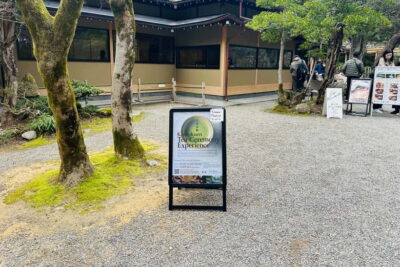
At the meeting point, look for a Japanese house with a sign reading Tisato. This is a useful detail to keep in mind because a traditional house can be easy to pass if you are watching only for a modern storefront or a large tour sign.
Allow a few extra minutes to find the entrance. The directions give you the identifying sign, but they do not suggest a prominent commercial venue. Once you have located the house, the small-scale setting begins before the tea preparation itself.
What happens during the ceremony
The session begins with an introduction to Japanese tea ceremony traditions. Your teacher explains the setting and the basic actions before asking you to take part. This approach helps you understand that the ceremony is not just about drinking powdered green tea.
You learn how small movements carry meaning. The order of preparation, the way the tea is whisked, and the care given to the bowl all reflect the values of harmony and mindfulness. You do not need prior experience, and you are not expected to arrive knowing formal rules.
The teacher’s long experience is particularly useful here. Thirty years of practice gives her a broad base from which to explain both the visible steps and the ideas behind them. Past participants have singled out Ms. Yamazaki’s patience and clear explanations, which are important qualities in an activity where the details can otherwise feel mysterious.
The ceremony includes matcha and traditional dried sweets. The sweet is not an afterthought. In the usual rhythm of tea service, it balances the bitterness of the matcha and gives you a small lesson in how the elements of the setting work together.
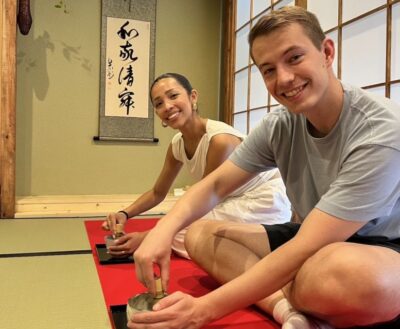
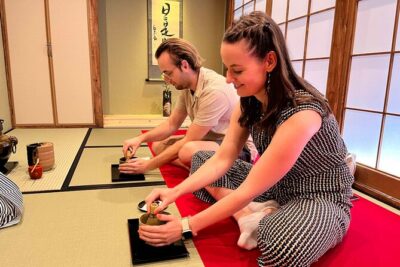
You will have the chance to make your own tea if you wish. The hands-on portion includes whisking powdered matcha and following the careful movements shown by the instructor. If you are nervous about getting it wrong, remember that this is an introduction, not an examination. The aim is to understand the process and enjoy the act of doing it.
Making matcha instead of just watching
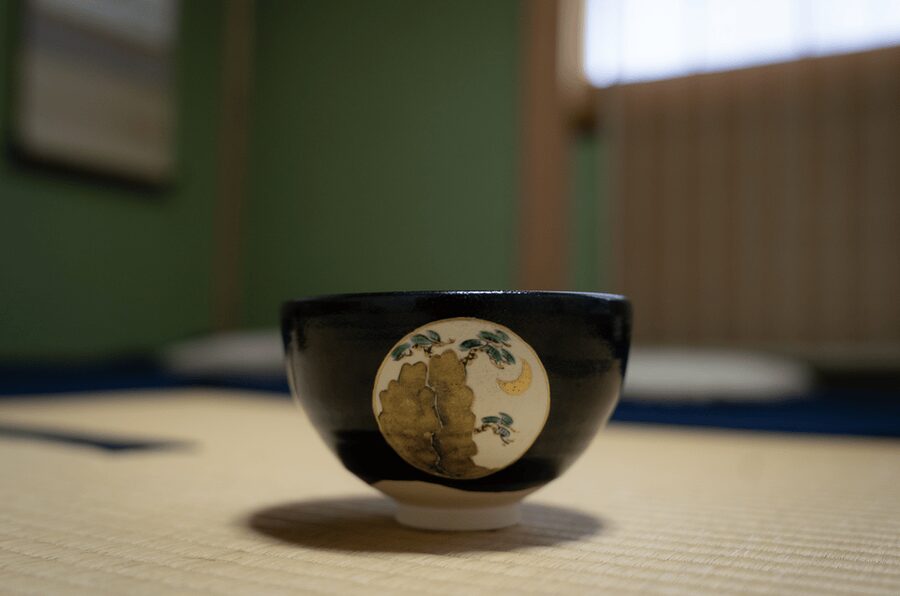
Many cultural demonstrations leave you in the audience. This one gives you the option of preparing your own tea, which makes the lesson more memorable.
You follow the teacher’s instructions as you whisk the matcha. The technique requires attention, and the motion is more precise than simply stirring a cup. You begin to notice the connection between the physical act and the quiet mood of the room.
That does not mean you need to produce a perfect bowl. Your first attempt is about learning the movement, seeing how the powder changes, and tasting the result. The teacher’s guidance keeps the activity accessible for beginners.
If you already know something about tea ceremony, you can use the time to ask more specific questions. The session is designed for people with no background, but the presence of an experienced instructor gives it more substance than a basic tourist tasting.
The option to participate also lets you choose your pace. You can take an active role or focus on watching the teacher. That flexibility is helpful for families, couples, and anyone who would rather observe first before handling the whisk.
A few more tea experiences around Kyoto worth a look
- Kyoto: Table-Style Tea Ceremony at a Kyo-Machiya
★ 4.9 · 1,211 reviews - Kimono Tea Ceremony at Kyoto Maikoya, NISHIKI
★ 5.0 · 911 reviews - Kyoto: Kimono Tea Ceremony at Orizuruya Gion
★ 4.9 · 618 reviews - Kyoto: Tea Ceremony in 100-year-old Kyo-Machiya Townhouse
★ 4.8 · 546 reviews
The cultural value beyond a cup of tea
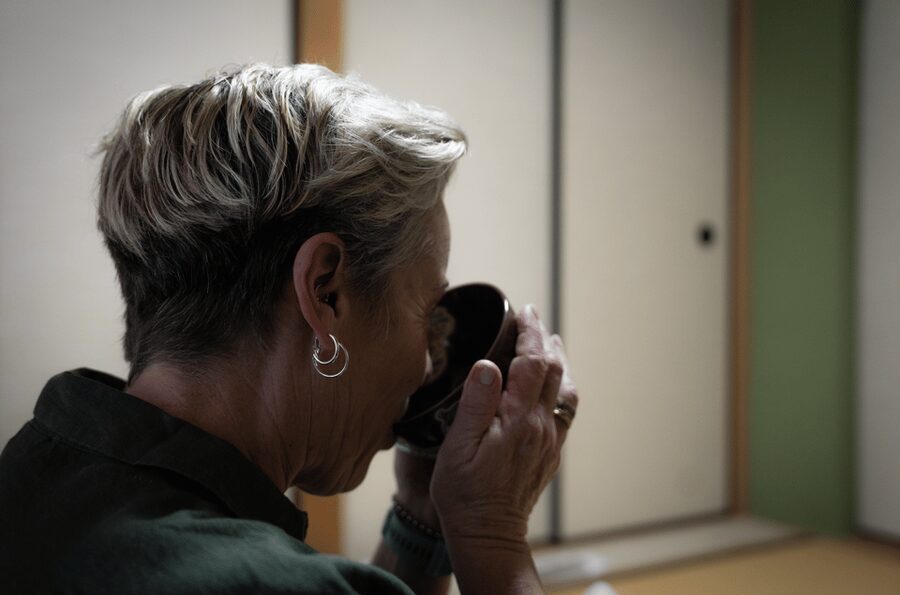
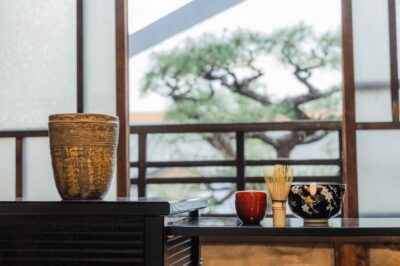
A tea ceremony can seem simple from the outside: hot water, powdered tea, a whisk, and a sweet. The meaning comes from the care given to each part.
The teacher introduces the ceremony as a tradition shaped by attention and respect. You learn that the experience is not built around speed or convenience. Instead, the preparation asks you to slow down and notice what is happening.
That lesson fits Kyoto well. The city is full of famous sights, and it is easy to rush from one temple to the next while checking off names. A tea ceremony offers a short pause with a clear cultural purpose.
The hour also gives you a chance to ask about customs that may be hard to understand from a museum display or guidebook. English instruction makes the session approachable, especially if you want context instead of a silent demonstration.
You should keep your expectations realistic. This is an introduction, not a complete course in tea ceremony history or a detailed comparison of every Japanese tea school. Its value is more immediate: you get a thoughtful explanation, a guided practice session, and a direct encounter with one of Kyoto’s best-known traditions.
Pairing the ceremony with northern Kyoto
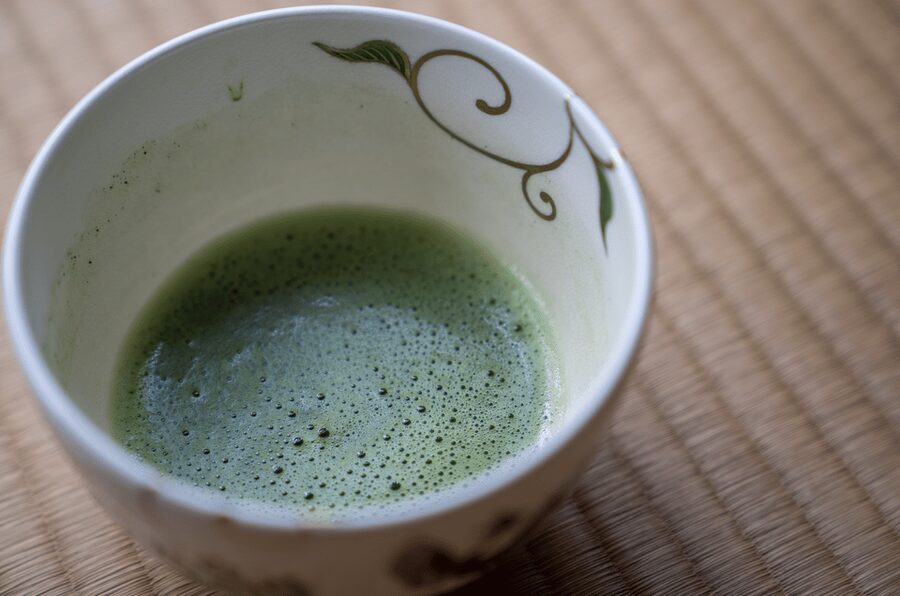
The location makes planning easy. Start with a walk near the Kamogawa Delta, then continue to the tea room. The river setting offers a change of pace before you enter the quiet indoor space.
You can also place the ceremony near a visit to Demachiyanagi Station. From there, the area serves as a starting point for trips toward Kibune Shrine and Rurikou Temple. The tea session works especially well as a calm stop between larger sightseeing plans.
Do not treat the ceremony as a full substitute for those places. The activity itself does not include transportation to the shrines or temple, and it does not claim to provide a guided tour of them. Think of it as a one-hour cultural addition to a day in northern Kyoto.
The nearby sites also make the location more useful than a tea room that requires a special trip across the city. You can build a simple plan around the appointment without losing a large block of sightseeing time.
Price, group size, and overall value
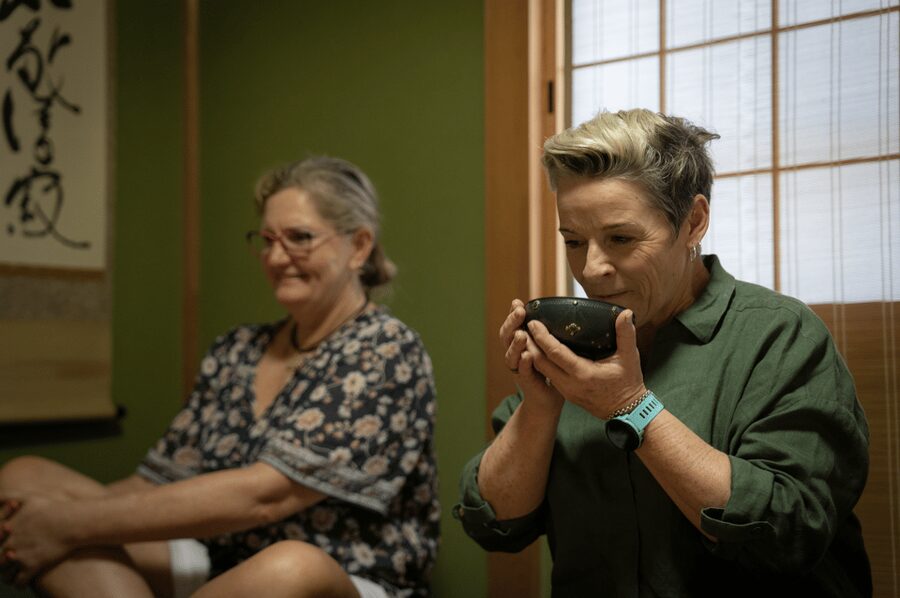
At $38 per person, the experience is reasonably priced for a one-hour cultural activity that includes instruction, matcha, dried sweets, and the ceremony itself. The main value comes from the teacher’s direct attention rather than from the amount of food or drink.
A six-person limit helps justify the cost. You are paying for a guided encounter in a small setting, with the chance to ask questions and prepare your own tea. A cheaper, self-guided matcha tasting might give you a drink, but not the same explanation of the ritual.
The price is also easy to weigh against the time commitment. You are not giving up an entire morning or afternoon. If you have a packed Kyoto schedule, one hour is manageable.
The limitation is that anyone looking for a long, highly formal ceremony may find the session brief. The description emphasizes accessibility and instruction, so expect a welcoming introduction rather than an exhaustive presentation of tea culture.
Who will enjoy this experience most
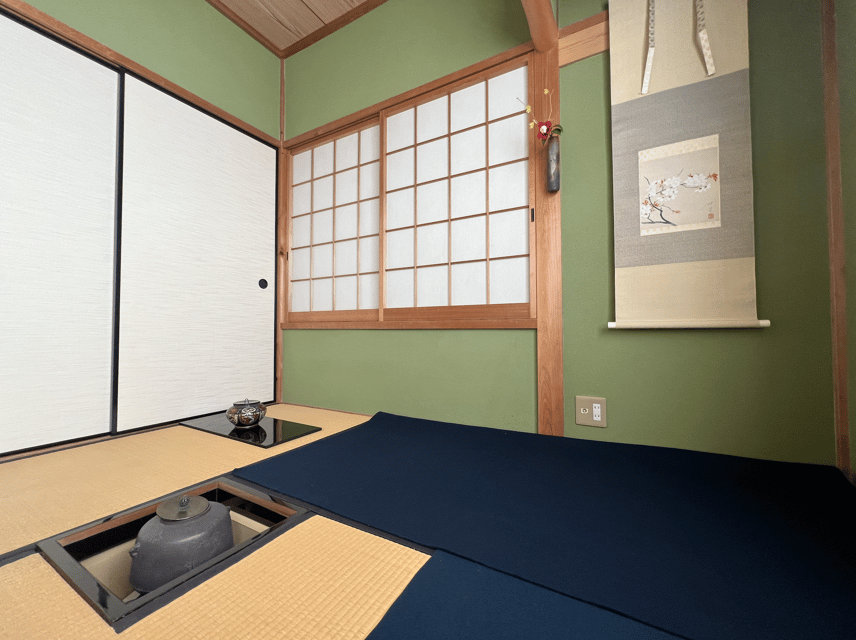
I would recommend this session to first-time visitors who want a clear introduction to Japanese tea ceremony without feeling intimidated. You get enough explanation to understand the basic purpose of the practice, and you can try the preparation yourself.
It also suits visitors who prefer small groups. Six participants is enough for a social setting, but small enough for personal guidance. The calm atmosphere may appeal to couples, solo visitors, and families with older children who can follow a one-hour lesson.
The activity is a good choice if you are already planning to visit the Kamogawa Delta or travel from Demachiyanagi toward Kibune Shrine and Rurikou Temple. The location lets you add culture to an existing route rather than making a separate cross-city journey.
It may not suit you if you want a long ceremony, a meal, or a full-day study of Japanese tea traditions. It also may not be the right choice if you only want to drink matcha quickly and move on. The teaching is central to the experience.
The English instruction is important for international visitors. You can follow the steps and ask questions without needing prior knowledge of Japanese customs. The friendly tone described by past participants also suggests that beginners will not be left guessing.
Practical details before you book
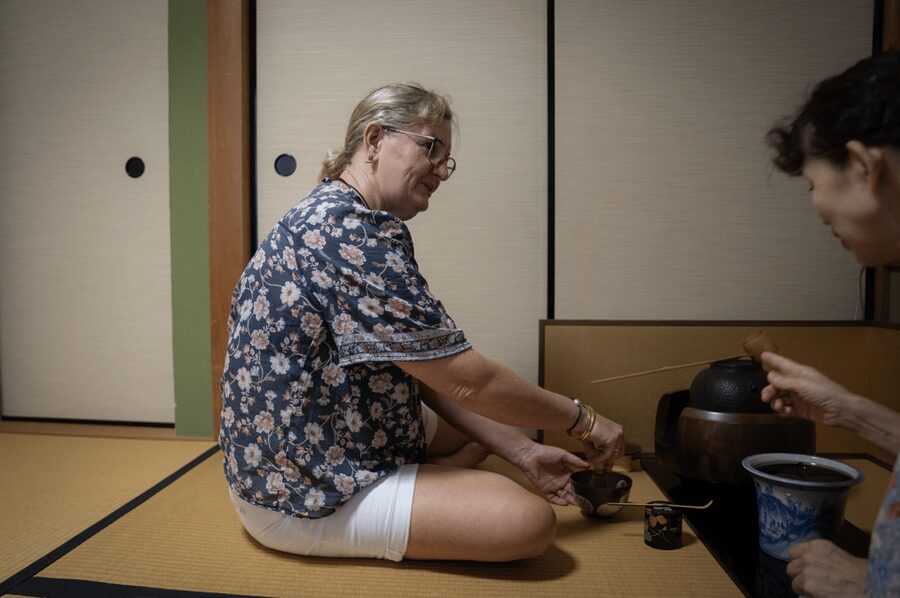
The session is offered in English and lasts one hour. Check the available start times when choosing your date, since the exact schedule is not fixed in the information provided.
The group is limited to six people. That small number can make the session feel more personal, but it also means spaces may be limited on your preferred day.
The experience includes the tea ceremony, instruction from an experienced teacher, matcha, and traditional dried sweets. You can make your own tea if you wish, but participation in that part is optional.
The meeting point is a Japanese house marked by the sign Tisato. Keep that name visible on your phone as you approach, and allow enough time for the walk from the station or river.
You can cancel up to 24 hours in advance for a full refund. The reserve-now, pay-later option also lets you hold a place without paying at the time of booking, which is useful while your Kyoto plans are still shifting.
Should you book this Kyoto tea ceremony?
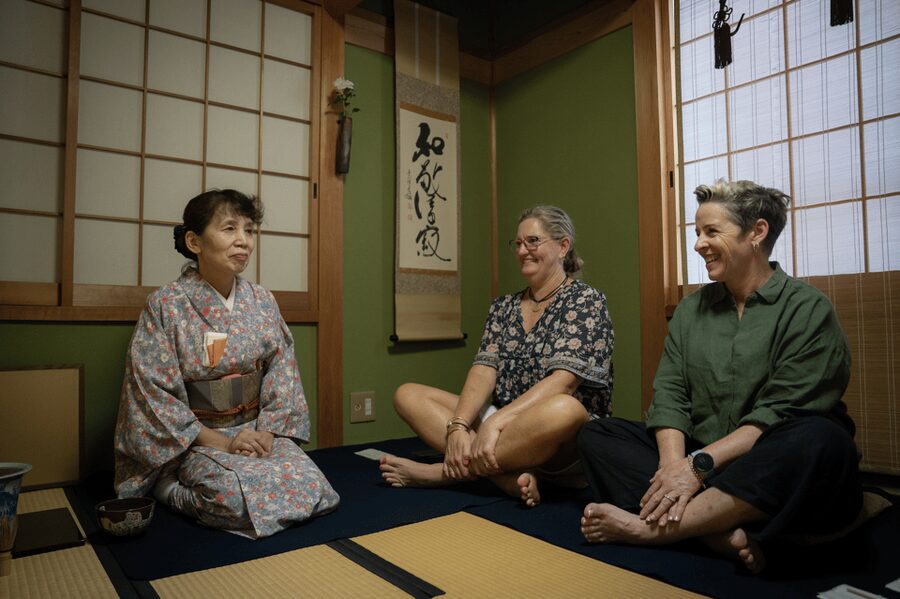
Book it if you want a personal, beginner-friendly introduction to matcha and Japanese tea customs, especially if you value patient teaching and a small group. The combination of a seasoned instructor, hands-on preparation, and a location near Kamogawa Delta makes the $38 price fair.
Skip it if your priority is a long formal ceremony or a broad historical lecture. For most visitors, though, this one-hour session offers a thoughtful pause from Kyoto’s busy sightseeing rhythm and gives you something better than a quick cup of tea: a way to understand why the cup matters.
FAQ
How long does the tea ceremony last?
The experience lasts one hour.
How much does the tea ceremony cost?
The price is $38 per person.
Where does the tea ceremony take place?
It takes place near Kyoto’s Kamogawa Delta, about a 15-minute walk from the delta and a 15-minute walk from Demachiyanagi Station.
How do I find the meeting point?
Look for a Japanese house with a sign reading Tisato, then enter there.
Is the experience offered in English?
Yes. The instructor provides the experience in English.
How many people can join the group?
The group is limited to six participants.
What is included in the price?
The price includes the tea ceremony, instruction from an experienced teacher, matcha tea, and traditional dried sweets. You can also prepare your own tea if you wish.
Just added around Kyoto
- Whisk Your Own Matcha: A Zen Matcha Experience at Temple★ 3.6 · 7 reviews
- Uji Walking Tour – Byodo-in temple and Tea Ceremony from Kyoto★ 3.5 · 3 reviews
- Traditional Tea Ceremony in Kyoto★ 4.5 · 3 reviews
- Kyoto: Authentic Tea Ceremony in a Small Group★ 5.0 · 7 reviews
- Tea ceremony at Kyoto’s Zen Temple Teahouse★ 5.0 · 2 reviews
- Tea Ceremony in 150 Years Old Townhouse with Tables and Chairs★ 5.0 · 22 reviews
- Silent Beauty of Kyoto Zen Walk and Tea Experience★ 5.0 · 2 reviews
- Tea Ceremony Experience in Traditional Kyoto Townhouse★ 5.0 · 19 reviews
Tea Ceremony Experiences, compared.
Tea Ceremony in a Traditional Tea House in Kiyomizu
Read our review →
Browse the lists this tour appears in