
Review · BEIJING
Beijing: Chinese Culture Tea Ceremony Reservation Service
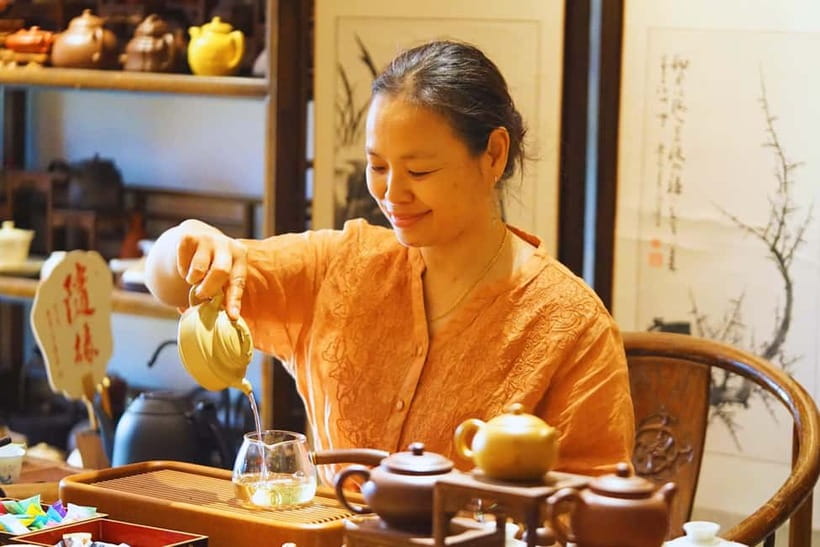
A Chinese tea ceremony is less about drinking a quick cup and more about noticing each small step. Near Tiananmen, you choose your tea leaves, watch the host warm the utensils, release the fragrance, rinse the tea, and serve it in a careful sequence. The setting gives you a calm cultural break from Beijing’s big sights.
I like the English-speaking instruction and the chance to choose your own tea. I also like the fixed 10:00 AM and 3:00 PM appointments, which fit neatly around sightseeing. The main catch is price clarity: the $7 payment is only a reservation fee, and the average teahouse spending is about 398 RMB per person, with tea purchases extra.
Key points before you book
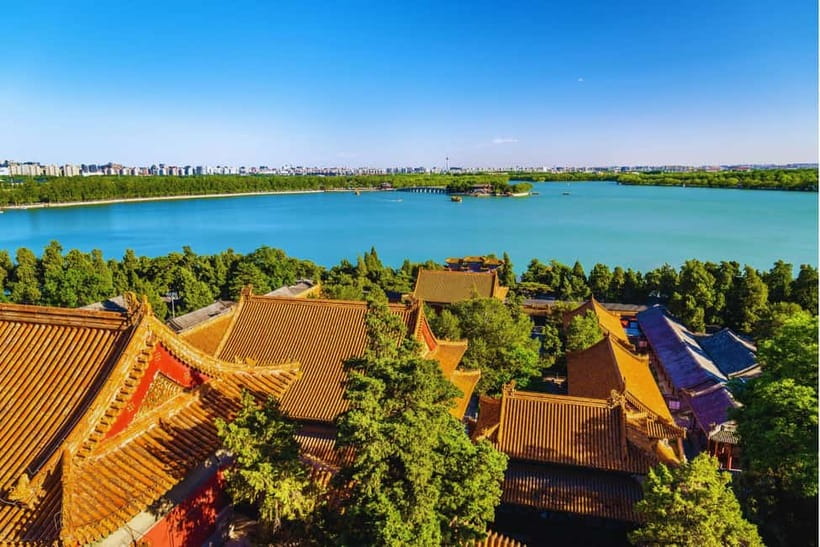
- The ceremony takes place near Beijing’s major sights: Tiananmen Square, the Forbidden City, and Yonghe Temple are all nearby.
- The $7 price reserves your place only: Pay separately for everything at the teahouse, including tea and any tea leaves you purchase.
- The ritual follows a clear traditional sequence: You greet the host, warm the utensils, smell the leaves, rinse the tea, brew it, and drink it.
- You receive English help on site: An English-speaking tea ceremony instructor leads the session, and an English visual and written guide helps you find the teahouse.
- The best booking times are 10:00 AM and 3:00 PM: These are the only stated appointment times and are considered suitable tea-drinking hours in traditional Chinese culture and medicine.
- The activity lasts about two hours: You return to the same meeting point at the end, with access via the second-floor elevator.
Why a tea ceremony makes a good Beijing break
Beijing sightseeing can feel large, formal, and demanding. Tiananmen Square and the Forbidden City ask you to cover a lot of ground, while temples and busy streets keep your attention moving. A tea ceremony changes the pace.
The value here is not simply the tea in your cup. It is the order of the ritual. The host and guest greet each other, prepare the tea, heat the utensils, add the leaves, shake them to release their scent, smell the aroma, warm the cups, rinse the tea, brew it, and serve it.
That sequence gives you something to watch and something to do. You are not just sitting while an instructor talks. You follow the preparation with your hands, eyes, and nose, then taste the result.
The central ideas are simplicity, nature, balance, and harmony between heart and mind. Those words can sound grand on a booking page, but the practical meaning is easy to understand. The ceremony asks you to slow down, pay attention to temperature and aroma, and share a few quiet minutes with the person preparing the tea.
I would not choose this activity if you want a fast tasting with several large cups. I would choose it if you are curious about the manners and meaning behind Chinese tea, or if you want a gentle cultural activity between major Beijing monuments.
More Tea Ceremony Experiences in Beijing:
- Traditional Chinese Tea Ceremony Experience
★ 4.7 · 74 reviews - Beijing Culture: Tea Ceremony, Heritage Instrument & Calligraphy
★ 5.0 · 57 reviews - Chinese Tea ceremony in Beijing Hutong courtyard
★ 4.7 · 26 reviews
Reaching the teahouse near Tiananmen
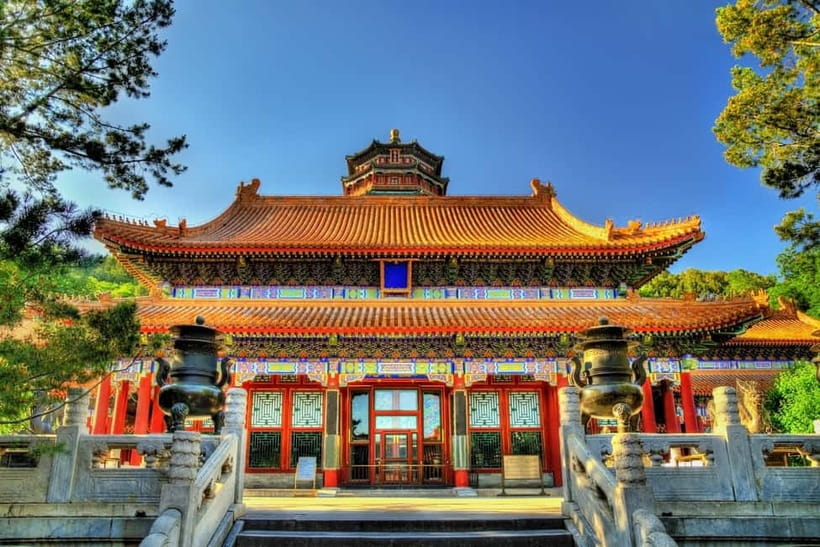
The teahouse is close to Tiananmen Square, the Forbidden City, and Yonghe Temple. That location makes the ceremony useful as part of a sightseeing day, though the exact walking route depends on which attraction you visit first.
After booking, you receive an English written and visual guide. It explains the tea ceremony and shows the teahouse location and transportation information. Bring the guide with you, since this is a reservation service rather than a fully guided city tour.
At the meeting point, take the elevator to the second floor. The activity begins there and ends back at the same meeting point. Express elevators are available for skipping the line, and the activity is listed as wheelchair accessible.
You should arrive ready to provide your name and phone number. The reservation process is designed to be simple once you reach the teahouse: identify yourself, select your preferred tea leaves, and begin.
The arrangement does not include a city guide or an audio guide. That matters if you want detailed commentary about Tiananmen, the Forbidden City, or Beijing’s wider history. You receive help with the tea ceremony, not a guided tour of the surrounding sights.
Choosing your tea and settling into the ritual
Selecting your tea is one of the more personal parts of the visit. The available information does not list the exact teas, so you should expect to choose from the options offered at the teahouse rather than book a named variety in advance.
Take a moment before making a choice. If you already know which kinds of tea you prefer, tell the instructor. If you are unsure, use this as a chance to ask about the available leaves, their aroma, and how they are prepared.
The first part of the ceremony is about preparation. The host and guest greet each other, and the utensils are warmed. Tea leaves are added, then shaken so their fragrance can be released. You smell the leaves before drinking, which makes the process more than a simple beverage purchase.
Next, the cups are warmed and the tea is rinsed. The tea is then brewed and served. These steps may seem small, but they are the heart of the activity. You see how the ceremony treats water, cups, leaves, scent, and timing as part of one connected act.
The English-speaking instructor is important here. Without explanation, several steps could look like repeated pouring and emptying. With English guidance, you can understand why the host warms the cups, rinses the tea, and pauses to smell the leaves.
The available feedback points to warm, attentive service and an informative session. That matches the design of the activity, which gives the instructor time to explain rather than rush you through a sample. Still, the exact style of instruction can vary with the host and the tea you select.
What two hours really gives you
Two hours is a generous amount of time for a tea ceremony. You should have room for the greeting, preparation, explanation, brewing, tasting, and questions without feeling pressed to leave after one cup.
The session also works well at two different points in the day. A 10:00 AM appointment can start your sightseeing day with a quieter activity before a long visit to the nearby monuments. A 3:00 PM appointment can give you a rest after morning sightseeing and help break up a full day in central Beijing.
The times are not random. The service specifically selects 10:00 AM and 3:00 PM because traditional Chinese culture and medicine consider them good times for drinking tea. You do not need to follow that idea as a health rule to appreciate the practical result: both appointments avoid an especially early start or a late evening finish.
The teahouse is open from 10:00 AM to 8:00 PM, but the available appointment times are listed as 10:00 AM and 3:00 PM. Check the date you want before making plans, especially if you are building a tight Forbidden City schedule.
The experience ends where it begins. That is helpful if you have left bags, arranged transportation, or planned your next stop around the teahouse location.
A few more tea experiences around Beijing worth a look
- Beijing: Dumpling Making Workshop with Meal and Tea
★ 4.7 · 69 reviews - Beijing: Mutianyu Great Wall and Tea House Private Tour
★ 5.0 · 11 reviews - Beijing Culture Event: Tradition Music, Tea Ceremony, Calligraphy
★ 5.0 · 11 reviews - Beijing: Temple Of Heaven+Tai Chi Class+Tea Ceremony
★ 5.0 · 8 reviews
The real cost: a small booking fee plus tea spending
At $7 per person, the reservation fee is modest. It pays for access to the booking service, the reserved place, the English visual and written guide, and the English-speaking instructor.
Do not treat $7 as the total cost. It does not cover any expenses at the teahouse. Average spending is listed at about 398 RMB per person, and purchasing tea leaves is not included in that figure.
This is the point I would clarify before booking. The information describes average teahouse spending at roughly 398 RMB, while also noting that tea leaves are extra. Your final bill may therefore be higher if you decide to buy tea to take home.
That price may feel high if you only want to taste tea for a few minutes. It makes more sense if you value the instruction, the setting, the formal preparation, and the chance to learn how the ceremony works.
You are also paying for a reserved cultural activity in a central part of Beijing. The convenience has value, but it is not the same as buying a regular cup of tea. If you are watching your budget closely, set a spending limit before you arrive and ask what each tea option costs.
The positive side is that you can decide which leaves you want after arriving. The downside is that the final price is less predictable than the $7 headline figure. Plan for the reservation fee and separate teahouse costs.
Who will enjoy this most
I would recommend this experience to anyone with a real interest in Chinese customs, tea preparation, or quiet cultural activities. It is especially suitable if you want something participatory rather than another monument where you mainly walk and look.
Tea ceremony enthusiasts will have the clearest reason to book. You can focus on the order of service, aroma, utensils, rinsing, and brewing. The English-speaking instructor gives you a way to ask questions as the ritual unfolds.
It also suits curious first-time visitors. You do not need specialist tea knowledge to take part. The sequence is explained, and the ceremony itself gives you a clear introduction to the subject.
Families and mixed-age groups might appreciate the slower pace, though the provided information does not specify a minimum age or child pricing. If you are booking for children, confirm those details before paying.
I would be more cautious if you prefer a packed schedule, dislike sitting through a formal process, or want a guided explanation of Beijing’s landmarks. This is not a replacement for a Forbidden City tour. It is a separate activity that works best alongside sightseeing.
What the strongest feedback tells you
The most important positive point is the service. The session has been described as very attentive and warm, with delicious tea. That matters because a tea ceremony depends heavily on how the host welcomes you and explains the steps.
Another strong point is the educational value. The experience gives you a small but useful look at Chinese culture, rather than treating tea as a simple tasting stop. You come away with a better sense of how preparation, scent, hospitality, and balance fit together.
The response is not entirely without caution. One assessment found the session interesting and informative, with friendly hosts, but considered the price less affordable. That is a fair reading of the offer. The experience appears to deliver careful service, but the separate teahouse bill means you should judge the value using the full cost, not the $7 reservation fee alone.
The small rating base also matters. The overall score is 4.8 from four reviews, which is encouraging, but it is not enough to predict every host, tea selection, or appointment. Go in expecting a well-organized reservation and attentive instruction, while keeping some flexibility about the exact tea and final bill.
Planning the activity around Beijing sightseeing
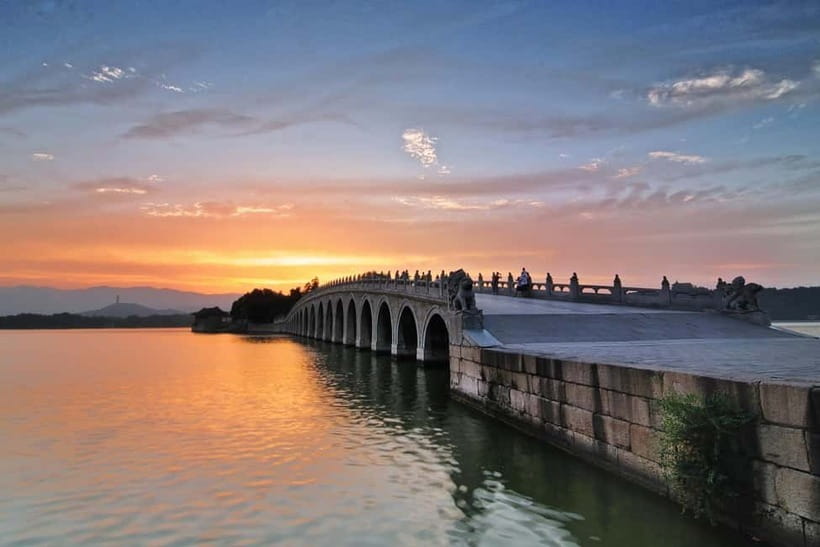
A 10:00 AM ceremony can fit before nearby sightseeing. Afterward, you can continue toward Tiananmen Square or the Forbidden City, depending on your plans and access arrangements.
A 3:00 PM ceremony may be easier after a morning at the Forbidden City. Two hours gives you a planned pause, and the location near several major sights keeps the activity from taking you far out of your way.
The service does not include transportation to the teahouse, but the guide sent after booking includes transportation information. You are responsible for getting to the meeting point, so leave time to find the entrance and take the elevator to the second floor.
Because the location is central, the activity may fit well into a day focused on historic Beijing. The nearby attractions give you options before or after, but do not assume you can squeeze in every sight around the ceremony. Beijing’s major sites require time, and the tea session itself takes two hours.
If your plans change, free cancellation is available up to 24 hours in advance for a full refund. You can also reserve now and pay later, which helps if you are still arranging your Beijing schedule.
Should you book this tea ceremony?
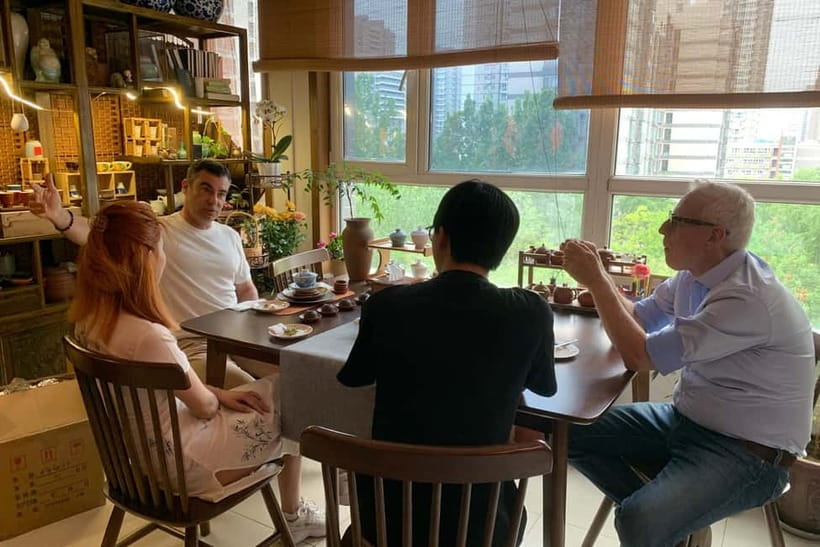
Book it if you want a calm, guided introduction to Chinese tea and you like the idea of taking part in a formal ritual. The location near Tiananmen, the Forbidden City, and Yonghe Temple makes it easy to combine with central Beijing sightseeing. The English-speaking instructor and clear sequence are the strongest reasons to choose it.
Think twice if you are mainly attracted by the $7 price. That amount covers the reservation only. With average teahouse spending around 398 RMB per person and tea purchases extra, the full cost can be much higher.
My practical advice is simple: reserve this for a day when you have two open hours, confirm the appointment time, and decide in advance how much you are willing to spend on tea. If those details suit you, this can be a thoughtful change of pace from Beijing’s large attractions, with enough explanation to make the ritual meaningful rather than merely decorative.
FAQ
How long does the tea ceremony last?
The activity lasts two hours.
What appointment times are available?
The specifically selected appointment times are 10:00 AM and 3:00 PM. Check availability for the date you want.
Where is the teahouse located?
The teahouse is near Tiananmen Square, the Forbidden City, and Yonghe Temple.
What does the $7 price include?
The price includes the tea ceremony reservation service, an English written and visual guide, and an English-speaking tea ceremony instructor.
Does the price include tea and teahouse expenses?
No. The reservation price does not cover expenses at the teahouse. Average spending is about 398 RMB per person, and purchasing tea leaves is also not included.
What happens during the ceremony?
The host and guest greet each other, prepare the tea, warm the utensils, add and shake the leaves to release their fragrance, smell the aroma, warm the cups, rinse the tea, brew it, serve it, and drink it.
Where do I go when I arrive?
After arriving, take the elevator to the second floor. The activity ends back at the meeting point.
Can I cancel the reservation?
Yes. You can cancel up to 24 hours in advance for a full refund. You can also reserve now and pay later.
Just added around Beijing
- Traditional Chinese Tea Ceremony Experience★ 5.0 · 7 reviews
- Beijing: Mutianyu Great Wall and Tea House Private Tour★ 5.0 · 11 reviews
- Private Beijing Spiritual Tour with Lunch and Tea Ceremony★ 5.0 · 2 reviews
- Private Tour: Tiananmen Area Night Walk with Lao She Teahouse Show★ 5.0 · 3 reviews
- Beijing Culture Event: Tradition Music, Tea Ceremony, Calligraphy★ 5.0 · 11 reviews
- Temple of Heaven Private Tour and Tea Tasting at Maliandao Tea Street★ 5.0 · 2 reviews
- Private Tour to the Temple of Heaven and Tea tasting at the Maliandao Tea city★ 5.0 · 3 reviews
- 3-hour Morning/Afternoon Tea Tasting on Maliandao Street & Dimsum★ 5.0 · 7 reviews
Tea Ceremony Experiences, compared.
Tea Ceremony in a Traditional Tea House in Kiyomizu
Read our review →
Browse the lists this tour appears in