
Review · JAPAN
Tea Ceremony experience with simple kimono in Okinawa
The most memorable part of this Okinawa experience is the move from the small traditional tea room to a Ryurei-style setting, where you sit at a table and make your own matcha. It gives you a taste of formal Japanese culture without requiring you to kneel on the floor for the entire session.
I like the small group of two to six people, which leaves room for questions and careful instruction. I also like the mix of Japanese and Okinawan sweets, since the food adds a local touch to what could otherwise be a standard tea lesson. The main consideration is the price: at $83 per person, this is a focused cultural activity rather than a bargain snack stop.
- Enter through a small tea room doorway and learn why the entrance and first movements matter.
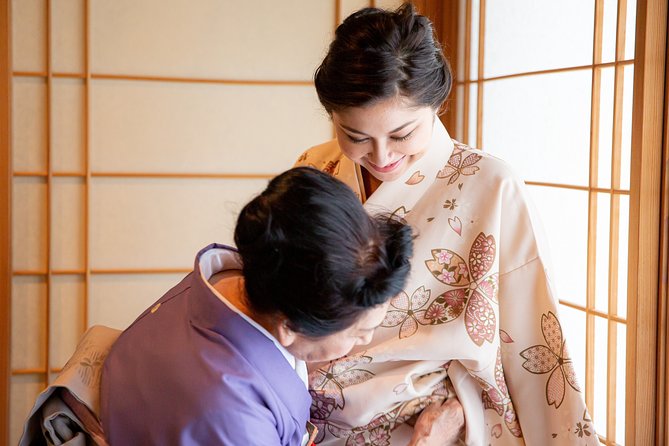
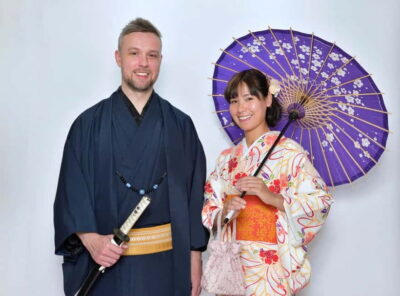
- Wear a simple kimono for the ceremony, photos, and a stronger sense of occasion.
- Study the hanging scroll, flowers, and tea utensils before the hands-on lesson begins.
- Taste Okinawan and Japanese sweets before drinking the bitter matcha.
- Prepare your own green tea with guidance from the tea master and interpreter.
- Keep the group intimate, with a minimum of two and a maximum of six participants.
A Small Tea Room in Okinawa
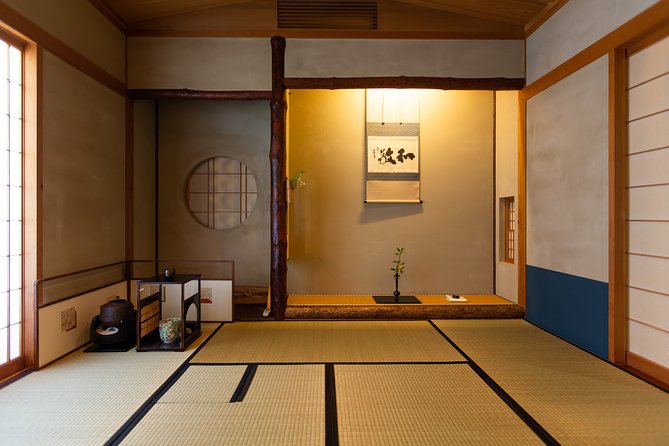
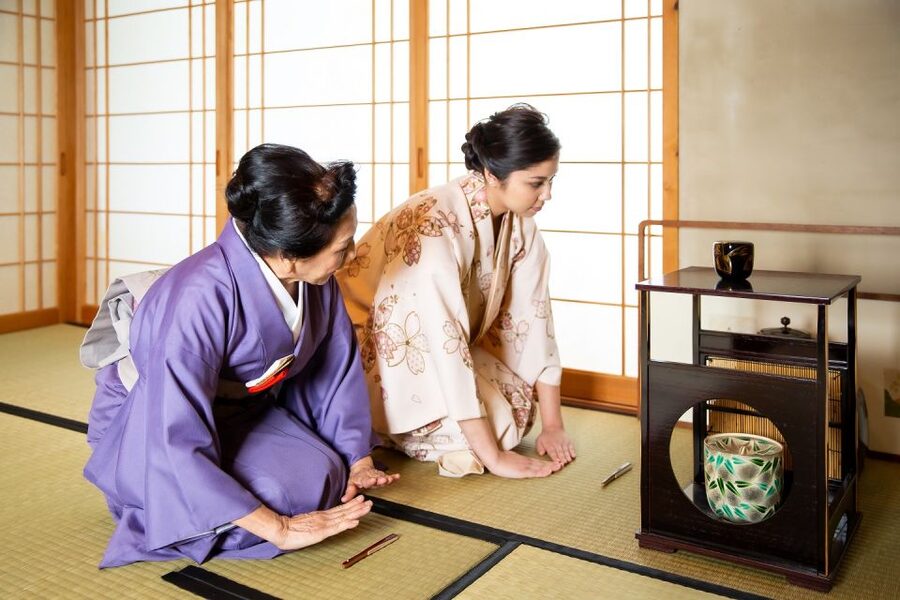
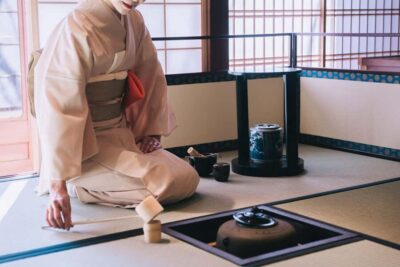
This is not a stage show where you watch someone else prepare tea from a distance. You take part. The session begins with a simple kimono, then moves through the quiet details of a Japanese tea ceremony: cleansing your hands, entering the tea room, observing the objects placed there, and learning how to handle the tools.
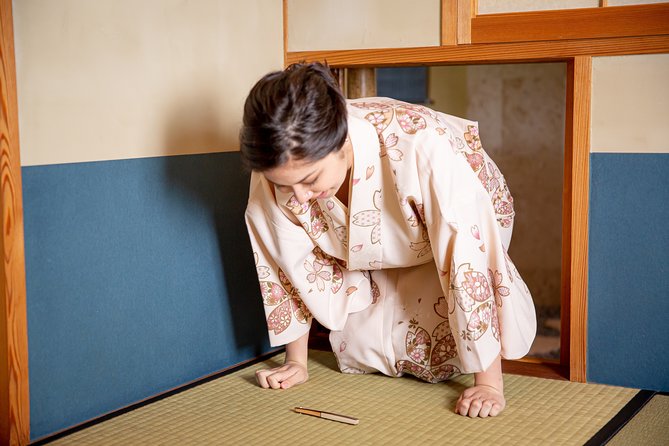
The setting is important. A traditional tea room is designed to make you slow down and pay attention. The small entrance is part of that idea. You must enter carefully rather than stride in like you are walking through a hotel lobby. That simple act helps explain the humble, deliberate mood of the ceremony.
Your instructor introduces the tea utensils and explains the manners used in the room. You also have time to appreciate the hanging scroll and flowers. These items are not random decoration. They help set the tone for the gathering and show how a tea ceremony gives meaning to small details.
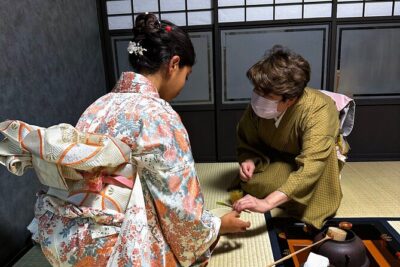
The English support is a major practical benefit. The instructor speaks English and Japanese, and previous sessions have also used an interpreter alongside the tea master. That arrangement makes the experience accessible to visitors who do not know Japanese, while preserving the careful pace of the lesson.
Putting On the Simple Kimono
The kimono rental is included in the $83 price, so you do not need to arrange traditional clothing separately. This is a simple kimono rather than a formal, elaborate outfit. That makes sense for a 75 to 90-minute activity, since you get the visual and cultural experience without turning the clothing change into a full event.
You begin by changing into the kimono. After the ceremony, you change back, so allow enough time in your schedule for both transitions. The published duration is 90 minutes, while the step-by-step program describes the activity itself as 75 minutes. The difference likely covers changing clothes and moving between rooms, but you should still treat the full 90 minutes as reserved time.
The clothing adds more than a photo opportunity. Sitting, moving, and handling utensils in a kimono gives you a small sense of how formal Japanese customs shape physical movement. You will need to be attentive, but this is presented as a relaxed lesson rather than a test of perfect etiquette.
More Kimono Tea Ceremonies in Japan:
- Kimono Tea Ceremony at Kyoto Maikoya, NISHIKI
★ 5.0 · 911 reviews - Kimono Tea Ceremony at Tokyo, Asakusa Maikoya
★ 5.0 · 638 reviews - Kyoto: Kimono Tea Ceremony at Orizuruya Gion
★ 4.9 · 618 reviews
Why the Doorway Matters
After changing, you cleanse your hands before entering the tea room. This is a quiet ritual, but it helps mark the change from ordinary sightseeing to a more formal cultural setting.
The small entrance deserves attention. You learn how to enter through it, then observe the hanging scroll, flowers, and utensils arranged inside. These steps can seem slow if you are used to quick sightseeing, but that is exactly the point. The ceremony asks you to notice the room before you focus on the tea.
I like this opening because it gives context to the objects you will use later. You are not simply handed a bowl and told to stir. You first see how the room, tools, and movements fit together.
The ceremony also offers a useful contrast with Okinawa’s other attractions. This is not a tour of beaches, markets, or outdoor sights. It is an indoor activity built around quiet observation, making it a good choice for a break from a busy sightseeing schedule.
Sweets First, Bitter Tea Afterward
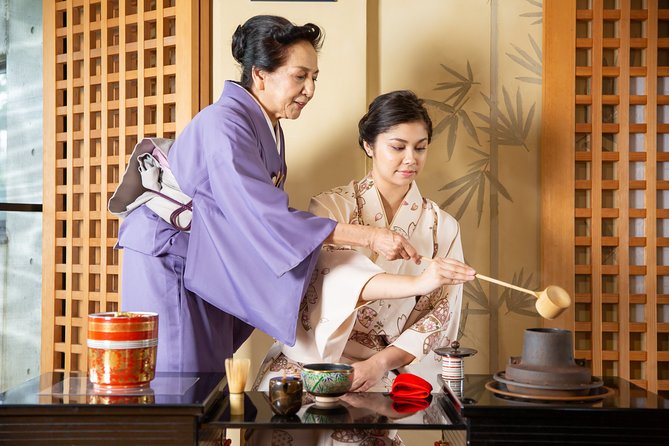
You move from the traditional tea room to a room arranged in the Ryurei style. Here, the tea ceremony uses tables and chairs rather than floor seating. This is an important comfort point. If kneeling or sitting on the floor is difficult, the table-and-chair format makes the main tea preparation easier, although the activity is not suitable for wheelchair users.
Before the matcha, you taste Japanese and Okinawan sweets. This order matters. The sweetness prepares your palate for the tea’s sharp, bitter flavor. Without the sweets, matcha can surprise first-time drinkers. With them, the contrast becomes part of the lesson.
The Okinawan sweets add local character. You are not only learning a Japanese tea custom in Okinawa, but also tasting something connected to the place. The supplied details do not specify the exact sweets served, so do not book this expecting a particular dessert. Think of them as a changing part of the experience rather than a guaranteed menu.
The sweets are included, along with the matcha, utensils, instruction, kimono, photography, and an origami crane souvenir. For some people, that package will feel worthwhile because it combines clothing, food, instruction, and a hands-on activity. If you only want to sample green tea, the price may feel high.
Learning the Silk Cloth and Tea Tools
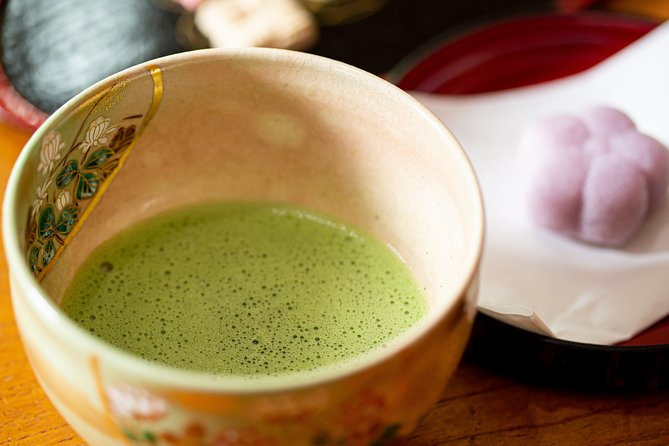
Once you are seated, the instructor explains how to handle the silk cloth and cleanse the tea tools. This is one of the more precise parts of the session. The cloth is not just a napkin. It is handled in a set way, and the tools are cleaned with care before the tea is prepared.
You will also learn how the utensils are treated and positioned. The focus is not on memorizing every rule forever. It is on understanding the respect and order built into the ceremony.
The English explanation is especially useful here. Small movements can be hard to understand if you are watching silently, and the tea master’s demonstration gives you something clear to copy. An interpreter can also explain why the movements matter, not just what your hands should do.
Past sessions have been described as relaxed, friendly, and full of smiles, which is useful to know if formal Japanese etiquette sounds intimidating. You should expect careful instruction, but not a stiff atmosphere. The goal is to let you participate with confidence.
More Tea Ceremony Experiences in Japan:
- Kyoto: Tea Ceremony in a Traditional Tea House in Kiyomizu
★ 4.9 · 3,519 reviews - Kyoto: Tea Ceremony Ju-An at Jotokuji Temple
★ 4.9 · 3,207 reviews - Kyoto: 45-Minute Tea Ceremony Lesson Experience
★ 4.3 · 2,378 reviews - Osaka: Tea Ceremony Experience
★ 4.9 · 1,426 reviews
Making Your Own Matcha
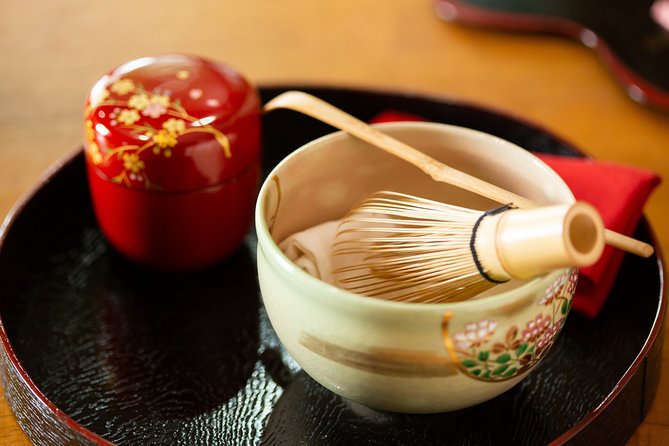
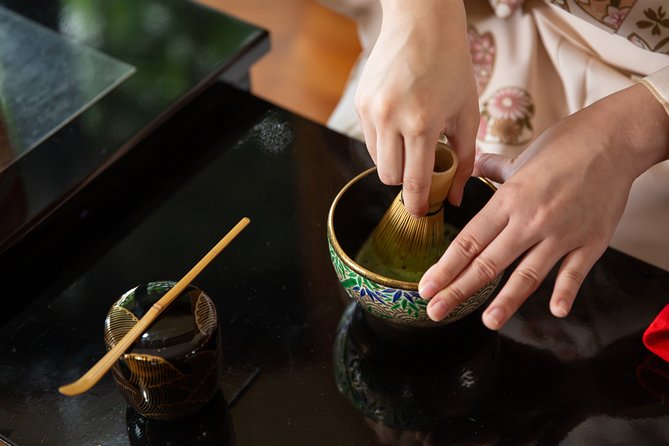
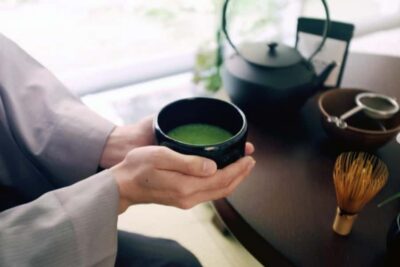
The hands-on part arrives when you add matcha green tea and hot water to the tea bowl. Under the host’s watchful eye, you prepare your own drink and then taste it.
This is the heart of the experience. Watching a tea master make tea can be beautiful, but making it yourself gives you a better sense of the technique. You learn how the powder and water come together, how the tools feel in your hands, and how much attention goes into a simple bowl of tea.
Your first bowl may not look perfect. That is fine. The instruction is designed for beginners, and you are guided through the process. The bitter taste can also be an adjustment, especially if you usually drink sweetened tea. The earlier sweets help, but matcha remains distinctly earthy and sharp.
I like that the activity lets you taste your own preparation rather than stopping after a demonstration. It turns the ceremony from a performance into a skill you have tried yourself. You leave with a more practical understanding of why the tea is made and served in such a deliberate way.
Photos by the Gold Folding Screen
After drinking the tea, you have time for photos in front of a gold folding screen. This gives you a clear souvenir image in the kimono and provides a natural closing moment before changing clothes.
Photography is included, which adds value if you want a keepsake but do not want to ask another participant to manage your phone. The details do not specify the number or format of photographs, so you should not assume a professional photo package or edited portraits.
The gold screen also gives the final part of the session a distinctly Japanese visual setting. It is a simple addition, but it helps mark the experience as something different from an ordinary food or craft class.
You then change out of the kimono. Including the clothing change in the plan is practical, but it also explains why you should not schedule another activity too tightly against this one.
Small Group Size and Language Support
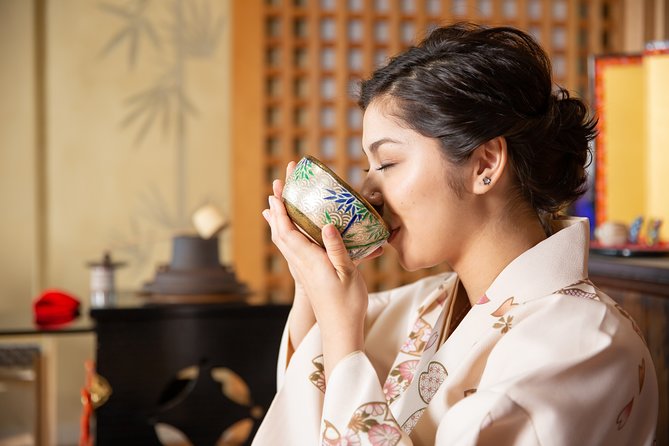
The group size is limited to six people, with at least two participants required. That is a good fit for an activity based on careful movements. You should have more opportunity to see the demonstration, ask questions, and receive corrections than you would in a large class.
The small format also suits couples, friends, and families with older children. Children under three are not allowed, and the activity is not suitable for wheelchair users. No other age restriction is given, but the ceremony does require attention and patience.
Instruction is available in English and Japanese. Previous participants have had explanations in English with help from an interpreter, alongside the tea master. If you are concerned about language, this is one of the stronger reasons to choose this experience over an informal tea stop.
The relaxed tone matters too. Formal customs can feel uncomfortable when you fear making a mistake. Here, you are shown what to do and allowed to learn at a manageable pace.
Is $83 a Fair Price?
At $83 per person, this experience costs more than simply ordering matcha and sweets at a café. That comparison is not quite fair, since the price includes a simple kimono rental, tea tools, instruction, sweets, matcha, photography, and an origami crane souvenir.
The real value depends on what you want from your Okinawa schedule. If you are looking for a short cultural activity with a personal, guided format, the price is reasonable. You are paying for the setting, the teacher’s time, the clothing, and the chance to prepare tea yourself.
The value is weaker if you mainly want a quick taste of green tea or a low-cost photo in traditional clothing. In that case, the 90-minute commitment and $83 price may be more than you need.
The rating of 4.7 from seven reviews points to a strong early track record, with praise focused on the authentic setting, detailed explanations, professional tea master and interpreter, and friendly instruction. The feedback is consistent on the main point: this is an educational activity as much as a photo experience.
How to Plan Your Visit
Reserve at least three days before your desired date. The minimum group size is two, so a solo booking may not work unless another participant is already scheduled. The maximum is six, which keeps the session personal but also limits availability.
The advertised duration is 90 minutes, with the detailed activity steps listing 75 minutes. I would block out the full 90 minutes, plus a little extra time if you need to reach another appointment afterward.
You can cancel up to 24 hours in advance for a full refund. The reserve-now, pay-later option lets you hold a place without paying immediately, which is useful when your Okinawa plans are still shifting.
The experience takes place in Okinawa, but the supplied details do not give a more specific neighborhood, meeting point, or transportation instructions. Check those details carefully before booking, especially if you are staying far from the venue.
Who Should Book This Tea Ceremony?
I would choose this for you if you want a calm, structured cultural activity and prefer taking part over simply watching. It suits first-time matcha drinkers, visitors curious about Japanese customs, and anyone who wants a meaningful souvenir photo without booking a full-day cultural tour.
The activity is also a good match for couples or small groups who enjoy learning together. The shared sweets and tea preparation create an easy rhythm, and the interpreter support removes much of the language worry.
I would think twice if you dislike bitter tea, have trouble with clothing changes, need wheelchair access, or want a loose, drop-in activity. This is a scheduled lesson with formal steps, even though the atmosphere is friendly.
Should You Book It?
Book this tea ceremony if you want to slow down and learn the reasons behind Japanese tea customs, not just take a quick kimono photo. The small group, English support, hands-on matcha preparation, Okinawan sweets, and traditional room make it a well-rounded 90-minute activity.
Skip it if $83 feels too high for a short indoor program or if you are looking for a broad tour of Okinawa. For the right visitor, though, the chance to enter a traditional tea room, handle the tools, make your own matcha, and leave with an origami crane makes this a thoughtful addition to an Okinawa itinerary.
FAQ
How much does the tea ceremony experience cost?
The price is $83 per person.
How long does the experience last?
The activity is advertised as 90 minutes. The detailed sequence describes 75 minutes of activity, with time also needed for changing into and out of the simple kimono.
How many people can join?
The minimum is two participants and the maximum is six.
How far in advance must I reserve?
You must reserve at least three days before the desired experience date.
Is the activity offered in English?
Yes. The instructor languages are English and Japanese. An interpreter may assist the tea master during the English explanation.
What is included in the price?
The price includes a simple kimono rental, tea tools, instruction, Okinawan and Japanese sweets, matcha green tea, photography, and an origami crane souvenir.
Is the experience suitable for wheelchair users?
No. The activity is not suitable for wheelchair users.
Can children under three join?
No. Children under three are not permitted.
Can I cancel for a refund?
Yes. You can cancel up to 24 hours in advance for a full refund. You can also reserve now and pay later.
Just added around Japan
- Yokohama : Tea Ceremony with Sweets and Souvenir★ 5.0 · 5 reviews
- Whisk Your Own Matcha: A Zen Matcha Experience at Temple★ 3.6 · 7 reviews
- Walking Tour: Yanaka,Nezu& Sendagi: Tea Ceremony & Old Tokyo★ 5.0 · 3 reviews
- Visit local home for music and tea ceremony near Disney★ 4.9 · 13 reviews
- Yokohama: Sushi & Gyoza Cooking with Matcha & GreenTea Experience★ 5.0 · 3 reviews
- Trip to Kamakura & Enoshima: Shrines, Seaside, Temples &Tea★ 5.0 · 11 reviews
- Kyoto tea town for matcha lovers★ 5.0 · 16 reviews
- Uji: Private immersion into Kyoto’s tea and reglious culture★ 5.0 · 17 reviews
Kimono & Tea Ceremonies, compared.
KYOTO Tea Ceremony with kimono near by Imamiya Jinjya Shrine
Read our review →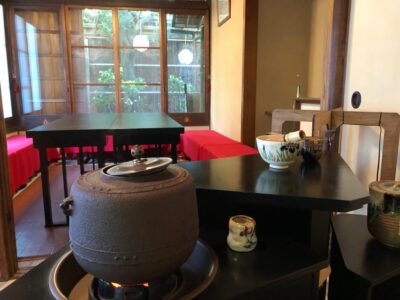
Kimono and Tea Ceremony Experience at Cultural Asset
Read our review →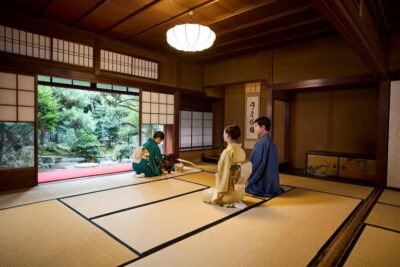
Browse the lists this tour appears in