
Review · TOKYO
Tokyo:Genuine Tea Ceremony, Kimono Dressing, and Photography
A tea ceremony feels different when you take part in it wearing a traditional kimono. This small Tokyo experience combines a careful matcha lesson with kimono dressing, shrine etiquette, a short walk, and photos, so you get both a cultural activity and a visual record of the day.
I like the hands-on tea making, since you do not just watch the instructor prepare matcha. I also like the small group size of three, which gives Sayoko and the tea teacher room to explain details and correct your movements without rushing you.
The main consideration is time and comfort. Kimono dressing and sitting through a formal ceremony require patience, and the tour takes place rain or shine. You can request chairs and a table if sitting on the floor is difficult, but this is still a structured cultural experience rather than a quick photo stop.
Key details at a glance
- Choose from more than 50 outfits: You select your kimono or yukata by the day before the experience, with help from Sayoko.
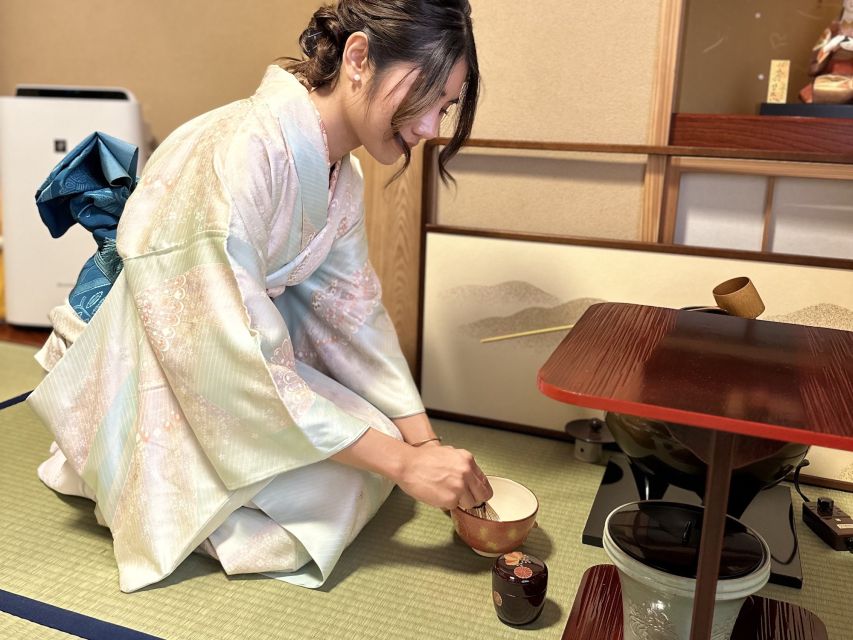
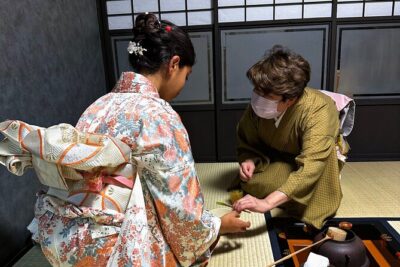
- Make your own matcha: You watch a tea ceremony teacher first, then prepare tea yourself.
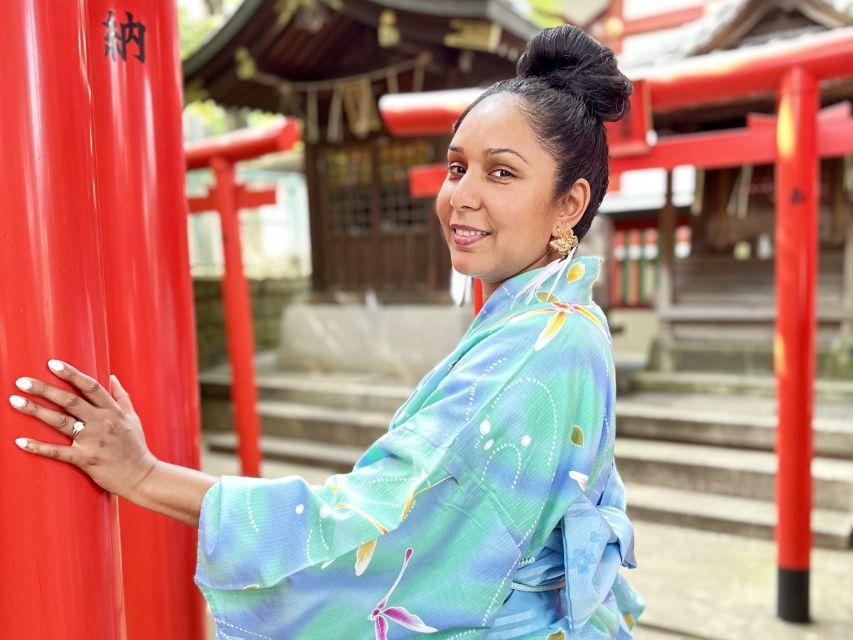
- Visit a local shrine: Sayoko explains how to behave and pray respectfully at the shrine.
- Photos are included: Sayoko takes commemorative images with an iPhone 14 Pro at the shrine and tea room.
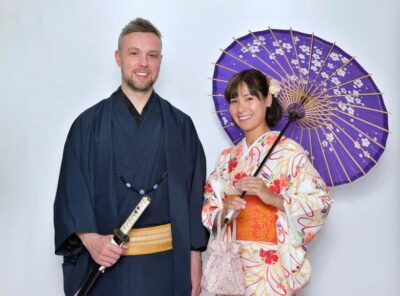
- Silk in winter, cotton in summer: The clothing changes with the season, and all obi and dressing accessories are supplied.
- Private-feeling group format: The maximum group size is three participants, useful for questions and personal attention.
Why this Tokyo tea ceremony feels more complete
Many tea experiences begin and end with a cup of matcha. This one adds the setting, clothing, manners, and movement that help you understand why the ceremony feels so deliberate.
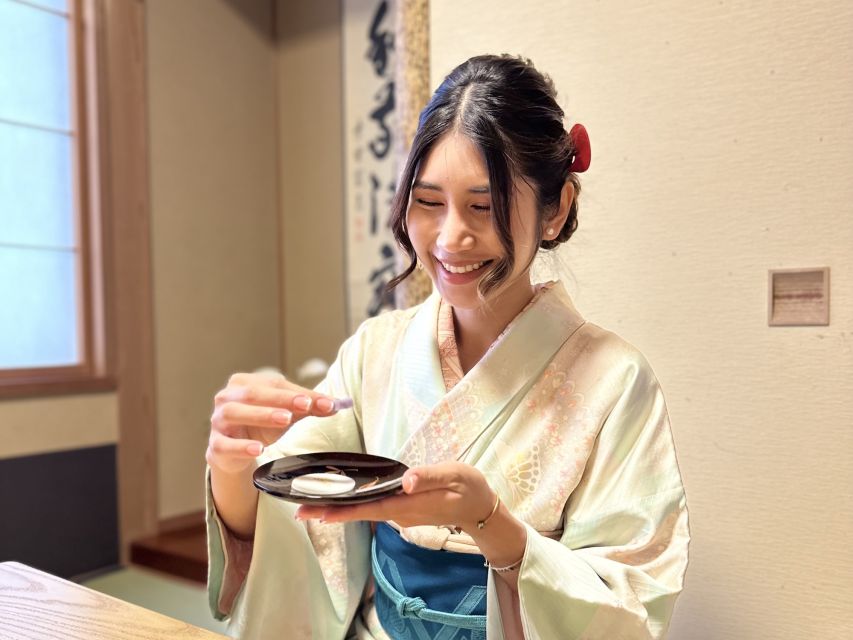
You start by wearing a kimono or yukata, then learn how to walk, sit down, and behave in the outfit. That matters because traditional clothing changes how you move. Small steps, careful posture, and controlled gestures become part of the experience rather than background decoration.
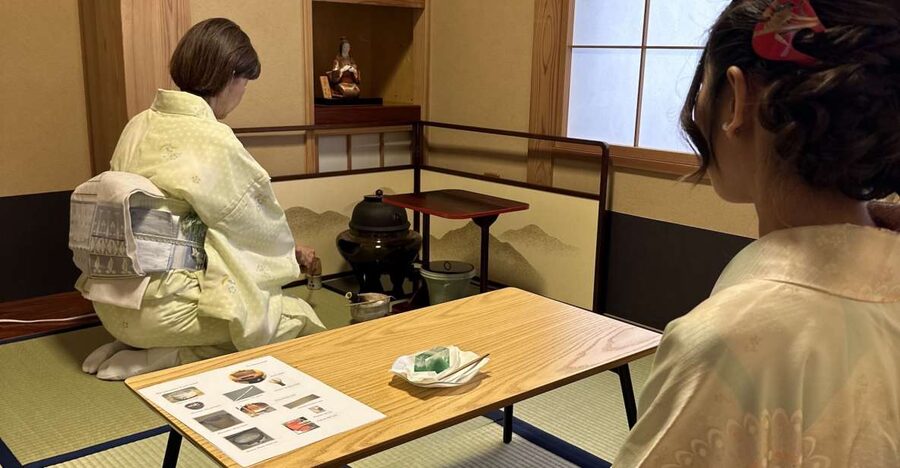
The tea ceremony itself is led by an experienced instructor. You sit close enough to watch the preparation clearly, including the measured movements used to make matcha. The instructor prepares tea for you first, then guides you as you make your own. Tea sweets are included, giving you the traditional pairing that helps balance matcha’s sharp, grassy flavor.
The tone is formal, but the teaching is intended to be welcoming. You are not expected to know the rules before arriving. The value comes from learning what the movements mean and then trying them yourself.
More Kimono Tea Ceremonies in Tokyo:
- Kimono Tea Ceremony at Tokyo, Asakusa Maikoya
★ 5.0 · 638 reviews - Tokyo: Matcha and Kimono Experience
★ 4.7 · 219 reviews - Tokyo: Asakusa Kimono Dressing and Matcha Experience
★ 4.9 · 173 reviews
Choosing between a kimono and a summer yukata
The clothing depends on the season. In summer, you wear a yukata, the lighter cotton garment often associated with warm weather. In winter, the experience provides a kimono, including authentic silk pieces made in a traditional style.
You can choose from more than 50 kimono and yukata options. This is one of the practical details that needs attention before the day itself. You must select your outfit by the day before the tour, and Sayoko contacts you through GetYourGuide or WhatsApp to help with the choice.
Reply to that message promptly. The provider says contact should arrive within 12 hours of booking, and the clothing selection is not something to leave until you reach the meeting point.
Your outfit includes the kimono or yukata, obi, and the accessories needed to wear it properly. You do not need to arrange a separate rental. Since you will walk outdoors and pose for pictures, think beyond color alone. Choose something in which you will feel comfortable standing and moving for several hours.
The dressing process also teaches you how much work goes into the finished appearance. An obi is not simply a belt, and the accessories help create the traditional shape of the outfit. You will gain a better sense of Japanese clothing than you would from putting on a costume for a few minutes.
Professional hair and makeup are available for an extra charge. They are not part of the $115 price, so ask about the additional cost if you want a more formal portrait session.
Learning the ceremony one movement at a time
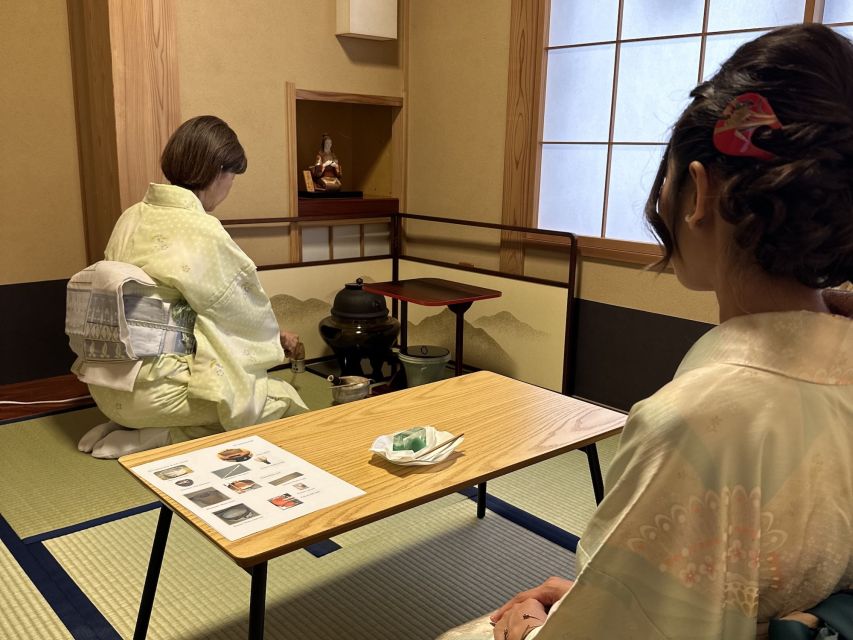
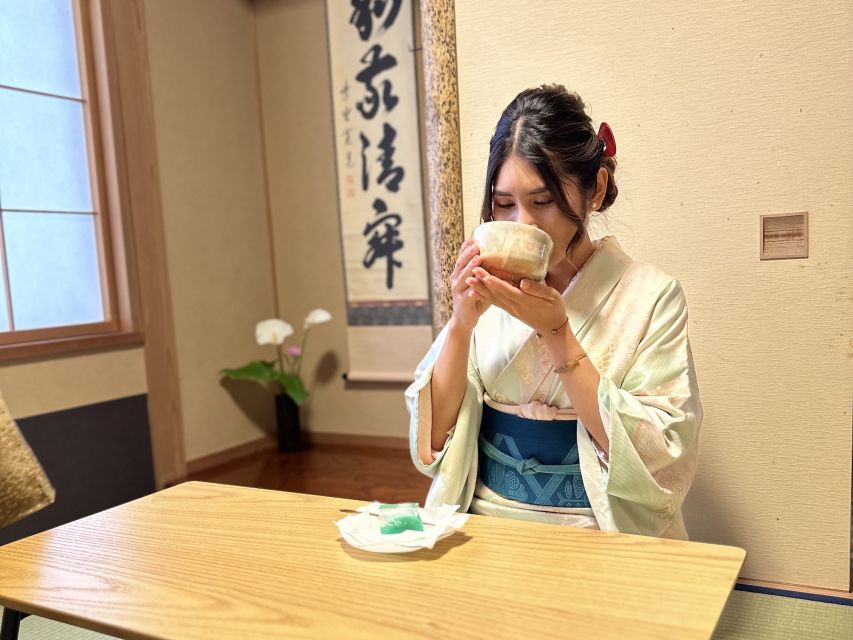
The tea portion is the heart of the experience. First, you watch the instructor make matcha up close. The point is not speed. The ceremony uses controlled movements, attention to the equipment, and respect between the person preparing the tea and the person receiving it.
You then make your own tea. This hands-on part is useful because it turns an abstract cultural explanation into something physical. You hold the tools, follow the instructions, and see how much care goes into a drink that might otherwise seem simple.
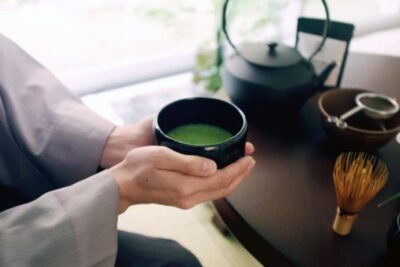
The prepared matcha and your own matcha are both included. That gives you a chance to compare the experience of receiving tea with the experience of making it.
You should also expect a calm pace. This is not a high-energy demonstration with constant narration. The quiet pauses and repeated gestures are part of the lesson. If you prefer a quick activity with little sitting, the ceremony may feel slow. If you want an introduction to Japanese etiquette and mindfulness, that slower rhythm is a strength.
Sitting on the floor is part of the traditional setting, but the provider can supply a table, chairs, and related equipment for people who need them. Mention this need in advance so the arrangement is ready.
Walking to the shrine in traditional clothing
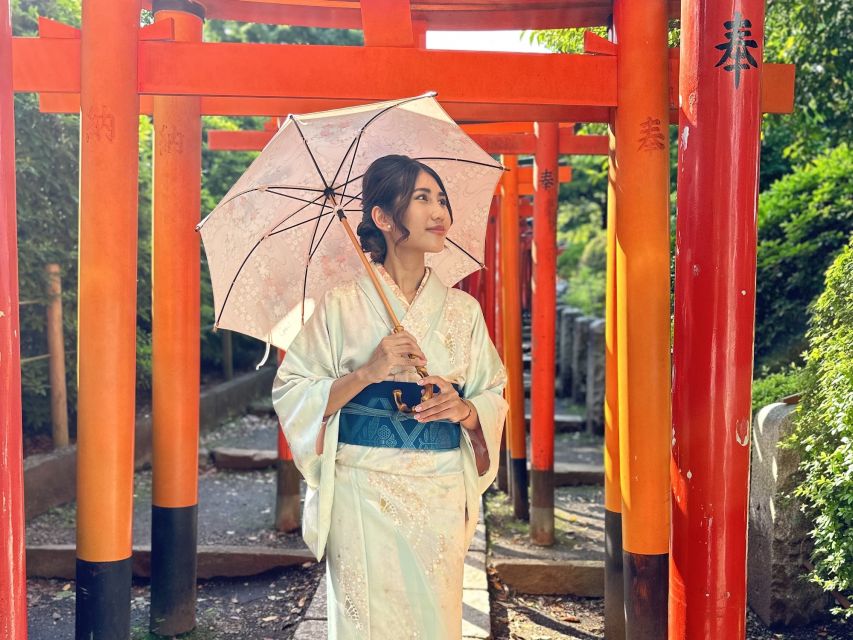
After dressing, you take a walk with Sayoko while carrying an AKIZAKURA kimono upcycling umbrella. The umbrella is a distinctive touch, and it gives the outdoor photographs a clear connection to the clothing theme.
The walk is also a practical lesson. Sayoko shows you how to move in a kimono or yukata, how to sit down, and how to handle yourself in a respectful way. These details can be easy to miss if you only rent an outfit for a photo.
At the local shrine, you learn the proper way to pray and behave. This adds context to the visit instead of treating the shrine as a decorative backdrop. You should approach the site with the same care you would show during the ceremony.
The shrine location is described as a local shrine, but no specific name or landmark is provided. That means you should not book this expecting one of Tokyo’s famous major shrines. The appeal is the combination of local setting, traditional clothing, and guidance from someone who can explain the etiquette.
The tour runs rain or shine. A plastic umbrella is supplied if rain arrives, while the kimono upcycling umbrella is part of the walking experience. Outdoor photos may look different in wet weather, but the activity does not automatically stop because of rain.
More Tea Ceremony Experiences in Tokyo:
- Tokyo: Traditional Tea Ceremony with a Tea Master
★ 5.0 · 528 reviews - Tea Ceremony Workshop in Tokyo by the Experienced Instrucor
★ 5.0 · 189 reviews - Asakusa: Kimono Tea Ceremony with Matcha and Sweet
★ 4.9 · 153 reviews - Tea Ceremony Experience in a Private Tea Room in Shibuya
★ 4.9 · 125 reviews
What the included photography is really worth
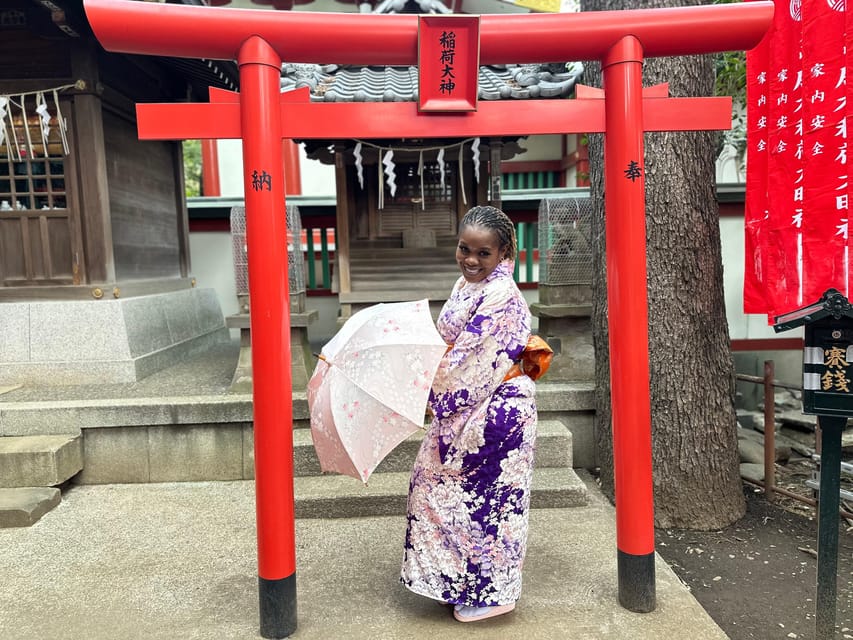
Sayoko takes photos with an iPhone 14 Pro at the shrine and tea room. The photographs are included in the price, and this is more than a minor extra if you are wearing formal clothing that you may never have another chance to use.
The photos also help solve a common problem with cultural activities: one person is often left out while the other takes pictures. Here, the host can record the group and the ceremony setting for you.
You should keep expectations realistic. This is not a full professional photo shoot. The included service uses an iPhone, and the tour also has to cover dressing, walking, shrine etiquette, and tea. If you want carefully planned portraits, studio lighting, extensive retouching, or a dedicated photographer, a professional shoot is available for an additional fee.
For most people, the included photographs should work well as personal keepsakes. Sayoko is described as an excellent photographer, and the activity places you in several useful settings: the kimono room, tea room, and shrine.
A small group makes the teaching easier
The group is limited to three participants. That size suits the activity well because the ceremony includes quiet observation, personal instruction, and clothing adjustments.
You can ask questions without speaking over a large tour group. Sayoko can also give more attention to how you walk, sit, and pose. The tea instructor has a better chance to see your technique when you make matcha.
There is one important booking rule: everyone present must be included in the reservation, even if someone does not wear a kimono. A companion cannot simply come along to watch without being charged.
This matters for families, couples, and friends planning photos. If three people attend, book three places. The small capacity also means availability may be limited at your preferred time, so check starting times before building the activity into a busy Tokyo day.
The value of $115 for 2.5 hours
At $115 per person, this costs more than a basic tea tasting. You are paying for several linked services: kimono or yukata rental, dressing, obi and accessories, tea sweets, professional instruction, your own matcha preparation, shrine guidance, an umbrella, and iPhone photography.
The price makes the most sense if you want a cultural activity that also produces photographs. Booking the clothing, a tea ceremony, shrine assistance, and a separate photo session could easily take more planning, even before you consider the convenience of one host coordinating the pieces.
It is less compelling if you only want to drink matcha. A shorter tea demonstration would likely suit you better. This experience is designed for people who want to understand the clothing and manners as well as the tea.
The small group size strengthens the value. You are not paying for a large group presentation where the same explanation must serve everyone. The personal help with choosing an outfit and the chance to make tea yourself also give the 2.5 hours more substance.
Free cancellation is available up to 24 hours before the start time, and you can reserve now and pay later. Check the exact starting time when booking, since the tour offers different availability rather than one fixed daily departure.
Who should book this experience
I would recommend this for first-time visitors who want an introduction to Japanese culture without committing to a full-day excursion. It is also a good fit for couples, friends, and solo participants who care about photos and prefer a small group.
You will get the most from it if you enjoy learning proper behavior rather than only collecting pictures. The shrine prayer lesson, walking guidance, and tea preparation give the activity useful cultural content.
It can also suit people who are unsure about wearing traditional clothing. Sayoko helps you choose from a wide selection, then shows you how to move in it. That support is more helpful than simply picking up a rental outfit on your own.
Think carefully if you have difficulty sitting on the floor, dislike structured ceremonies, or want a completely private photo shoot. Chairs and a table can be provided, but the ceremony remains formal. A professional photographer and hair and makeup are possible, but they cost extra.
Practical preparation before you go
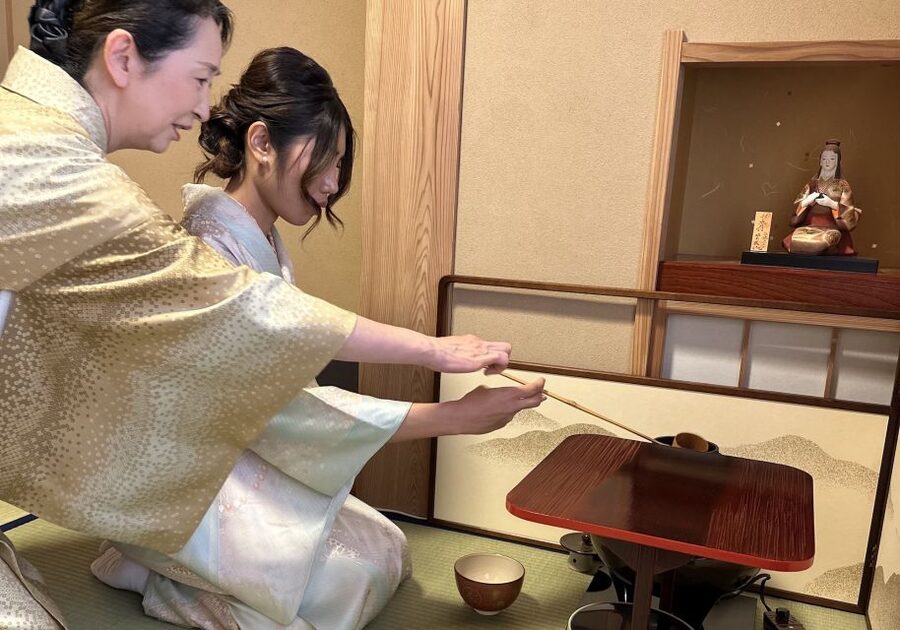
After booking, watch for Sayoko’s message. She uses GetYourGuide or WhatsApp to help you choose your kimono or yukata, and you need to make that choice by the day before.
Wear an attitude of patience. Dressing, adjusting the obi, learning to walk, and following tea movements cannot be rushed without losing the point of the activity.
If you need chairs or a table, raise the request before the tour. If you want professional hair and makeup or a photographer, ask about those additions before the day so you understand the extra cost.
Remember that the experience operates in all weather. The provider supplies a plastic umbrella for rain, and the tour includes an AKIZAKURA kimono upcycling umbrella during the walk.
Should you book it?
Book this if you want more than a staged costume photo. The strongest part is the combination of hands-on matcha preparation, formal tea instruction, shrine etiquette, and help moving naturally in a kimono.
The $115 price is fair for the number of elements included, especially with a three-person limit and photographs from the shrine and tea room. I would skip it only if you want a very short tea tasting, a famous shrine landmark, or a fully professional photo session without extra charges.
For an intimate introduction to tea, clothing, and respectful shrine behavior, AKIZAKURA offers a well-focused 2.5-hour experience.
FAQ
How long does the experience last?
The experience lasts 2.5 hours.
How much does the experience cost?
The price is $115 per person.
How many people can join the group?
The group is limited to three participants.
What languages are available?
The experience is offered in English and Japanese.
Do I wear a kimono or a yukata?
You wear a summer cotton yukata in summer and a kimono in winter. The provider offers more than 50 options.
When do I choose my outfit?
You must choose your kimono or yukata by the day before the experience. Sayoko contacts you through GetYourGuide or WhatsApp to help with the choice.
Is matcha preparation hands-on?
Yes. You first watch the tea ceremony instructor prepare matcha, then make your own tea.
Are photographs included?
Yes. Photography with an iPhone 14 Pro is included at the local shrine and tea room. A professional photographer is available for an additional fee.
What happens if it rains?
The activity takes place rain or shine. A plastic umbrella is provided if needed.
More Photography Sessions in Tokyo
- Kyoto: Tea Ceremony with Kimono and Photoshoot
★ 4.9 · 90 reviews - Kyoto Tea Ceremony and Samurai Photo Session
★ 5.0 · 70 reviews - Tea Ceremony with Kimono and Professional Photoshoot in Kyoto
★ 5.0 · 44 reviews - Private Tour in Kamakura: Matcha Tea Tasting & Photo Session
★ 5.0 · 6 reviews
Just added around Tokyo
- Yokohama : Tea Ceremony with Sweets and Souvenir★ 5.0 · 5 reviews
- Walking Tour: Yanaka,Nezu& Sendagi: Tea Ceremony & Old Tokyo★ 5.0 · 3 reviews
- 2 Hours Mochi &Nerikiri Making & Matcha Class in Bunkyo★ 5.0 · 21 reviews
- Private Kimono and tea ceremony at local home near Tokyo Disney★ 5.0 · 6 reviews
- Private Mochi・Matcha sweets Making Class Near Shibuya Area★ 5.0 · 22 reviews
- Tokyo Sweets Tour: Hidden Gems & Matcha at an Old Tea House★ 5.0 · 6 reviews
- Giant Sushi Cooking Class: Make a 1.5m Sushi Roll in Tokyo★ 5.0 · 9 reviews
- Tokyo Tea Ceremony Class at a Traditional Tea Room★ 5.0 · 2 reviews
Kimono & Tea Ceremonies, compared.
KYOTO Tea Ceremony with kimono near by Imamiya Jinjya Shrine
Read our review →
Kimono and Tea Ceremony Experience at Cultural Asset
Read our review →
Browse the lists this tour appears in