
Review · TOKYO
Tokyo: Two Types of Japanese Sweets Making and Tea Ceremony
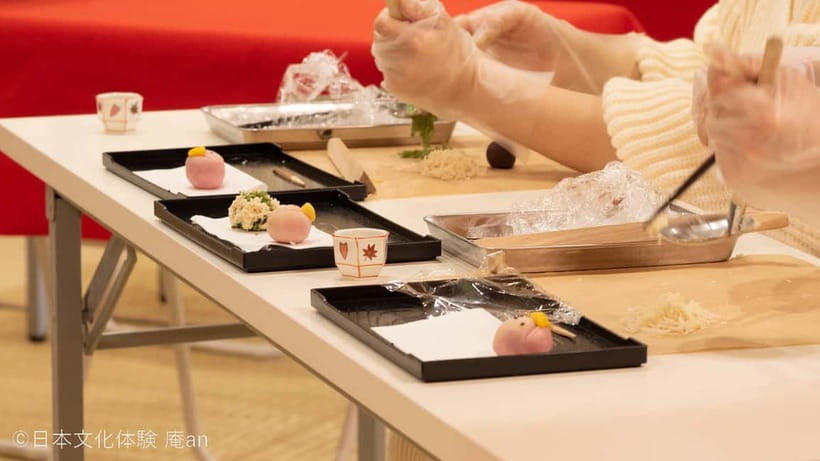
Tokyo’s AN TOKYO experience packs three hands-on Japanese traditions into one 125-minute session: Wasanbon Ohigashi, two seasonal Nerikiri sweets, and Matcha. I like the variety, since you move from a simple molded sugar sweet to more delicate bean-paste work, then finish with tea. I also like the use of white and red bean paste from long-established Kyoto shops and single-origin Matcha.
The main drawback is that the Nerikiri shaping needs a light touch, so it can feel tricky if you expect an easy craft class. English translation is provided as much as possible, but the instructor is Japanese and the session cannot wait for late arrivals.
Key points at a glance
- Three Japanese traditions in one visit: Make Ohigashi, two seasonal Nerikiri sweets, and Matcha.
- Kyoto-sourced bean paste: The white and red bean paste comes from long-established Kyoto shops.
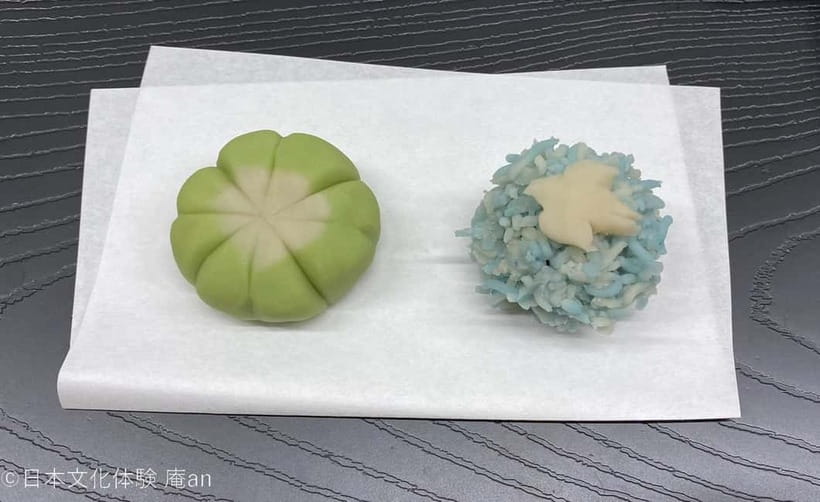
- Seasonal designs: You shape a flower-style Nerikiri and a Kinton Nerikiri that reflect the time of year.
- Traditional Wasanbon sugar: The dried sweet uses a distinctive Japanese sugar rather than ordinary granulated sugar.
- A practical tea finish: You grind Matcha in a demonstration, then whisk your own bowl and take part in a casual ceremony.
- A reasonable $28 price: The fee covers the full three-part experience, though take-home packaging and optional extras cost more.
Three Japanese sweets and one bowl of Matcha
I like this activity because it gives you more than a tea demonstration. You make food with your own hands, learn a little about Japanese sweets, and then sit down with Matcha at the end. The order also works well: Ohigashi starts gently, Nerikiri asks for more care, and tea provides a calm finish.
The sweets are not random snacks chosen for convenience. Ohigashi is a dried confection made with Wasanbon, a traditional Japanese sugar. Nerikiri uses white or red bean paste, with the designs changing to match the season. That seasonal element gives the class a stronger connection to Japanese custom than a fixed, year-round souvenir craft.
The tea portion is casual rather than stiff. You learn about the tea, see how Matcha is ground, and prepare your own drink. You still take part in a tea ceremony, but you do not need prior knowledge or special clothing.
More Japanese Sweets and Tea Sessions in Tokyo:
- Matcha Making Class in Tokyo with Authentic Japanese Sweets Set
★ 5.0 · 744 reviews - Sweets Making and Kimono Tea Ceremony at Tokyo Maikoya
★ 5.0 · 57 reviews - Japanese Traditional Sweets making and Tea Ceremony
★ 4.7 · 50 reviews
What happens during the 125 minutes
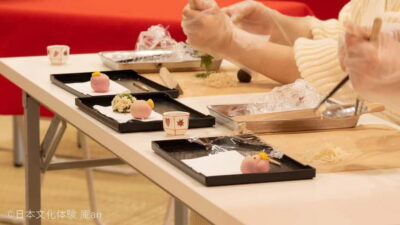
The session begins with an explanation of Japanese traditional sweets. This opening matters because the three items have different textures, ingredients, and purposes. You are not simply handed a lump of paste and told to copy a shape. The instructor sets up the basic ideas before the work begins.
After the introduction, you make Ohigashi. This is the dried-type sweet made from Wasanbon. Compared with Nerikiri, it is the easier first task. One German participant found the Ohigashi simple to make, which makes sense as a warm-up before the finer shaping begins.
A short break follows at about the 20-minute mark. The schedule then moves into the main Nerikiri work at around 30 minutes.
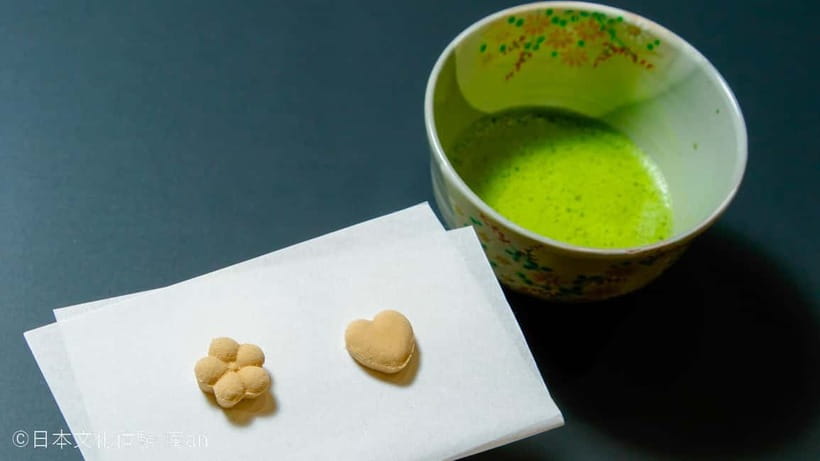
Ohigashi with Wasanbon sugar
Ohigashi has a firm, dry texture and a neat appearance. Its appeal is partly visual, but the sugar is also important. Wasanbon is a traditional Japanese sugar often associated with fine confectionery, and using it gives this first activity a clear sense of place.
This is a good part of the class for children and adults who prefer a straightforward craft. You get a finished sweet without spending the whole session on delicate detail. It also lets you compare two broad types of Japanese confectionery: a dry sweet first, then the softer bean-paste sweets that follow.
The information provided does not specify the exact Ohigashi shapes or molds, so you should not arrive expecting a particular design. The focus is on making the sweet and understanding the ingredient, not on producing a perfect professional confection.
Shaping the flower Nerikiri
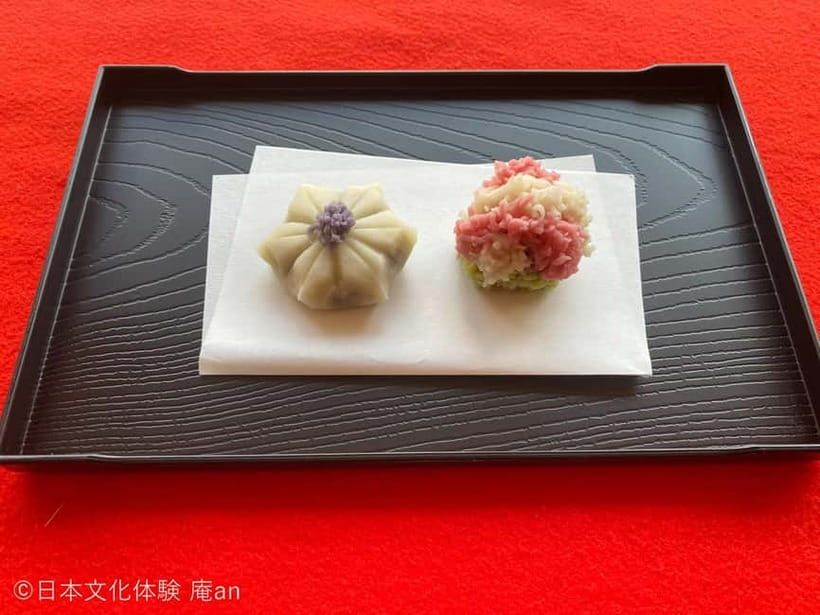
Nerikiri is where the class becomes more delicate. You work with white or red bean paste from established Kyoto shops and shape one seasonal sweet in a flower design. The work calls for some finger control. A small change in pressure can affect the petals and surface.
This is the part I would approach patiently. Your sweet may not look exactly like the instructor’s, and that is fine. The value is in seeing how a simple piece of bean paste becomes a seasonal form. You also get a better feel for why Japanese sweets often look like small works of seasonal art without needing an elaborate lecture.
The flavor is likely to matter as much as the shape. One participant specifically enjoyed the Nerikiri, and the use of Kyoto bean paste gives the tasting portion more substance than a generic factory-made snack. The provided details do not identify the exact seasonal flavors, so the taste may vary with the program date.
More Tea Ceremony Experiences in Tokyo:
- Kimono Tea Ceremony at Tokyo, Asakusa Maikoya
★ 5.0 · 638 reviews - Tokyo: Traditional Tea Ceremony with a Tea Master
★ 5.0 · 528 reviews - Tea Ceremony Workshop in Tokyo by the Experienced Instrucor
★ 5.0 · 189 reviews - Asakusa: Kimono Tea Ceremony with Matcha and Sweet
★ 4.9 · 153 reviews
Making Kinton Nerikiri
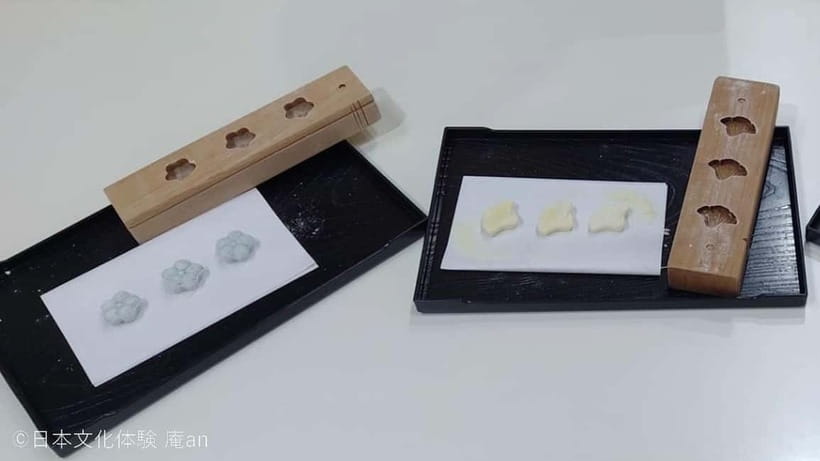
The second Nerikiri is Kinton Nerikiri. This gives you another chance to work with the paste, but the form is different from the flower-shaped sweet. Making two kinds is useful because you can learn from the first attempt and adjust your handling for the second.
Do not rush this stage. Nerikiri can be forgiving in taste but less forgiving in appearance. If the paste sticks, flattens, or loses a clean edge, the instructor can guide you as much as the language setup allows. An English explanation is provided as much as possible, and one highly rated session included clear English help from the instructor.
The seasonal pairing is one of the better reasons to book at a particular time of year. You are not only making a sweet associated with Japan in general. You are making forms chosen to match the season, which gives the activity a changing quality. The specific designs are not listed in advance, so ask about the day’s motifs if that matters to you.
A casual Matcha ceremony at the end
After the Nerikiri work, the schedule includes another short break before the tea section. The instructor explains tea, then demonstrates Matcha grinding. You finish by making your own Matcha and taking part in the tea ceremony.
The experience uses single-origin special Matcha. That detail matters to people who want to understand the drink itself, not just perform the whisking motion. You can pay attention to the color, aroma, and texture, then eat the sweets with the tea as intended.
Whisking Matcha is usually the most approachable practical skill in the session. One participant found this part easy after the more demanding Nerikiri work. You do not need to be an expert at the ceremony. The activity is designed to let you enjoy the tea experience in a relaxed way.
The tea section also gives the class a sensible ending. You have already handled the ingredients and made the sweets. Now you sit down, prepare the drink, and taste the results. Picture time comes near the end, followed by eating and drinking before you leave.
Why the seasonal sweets matter
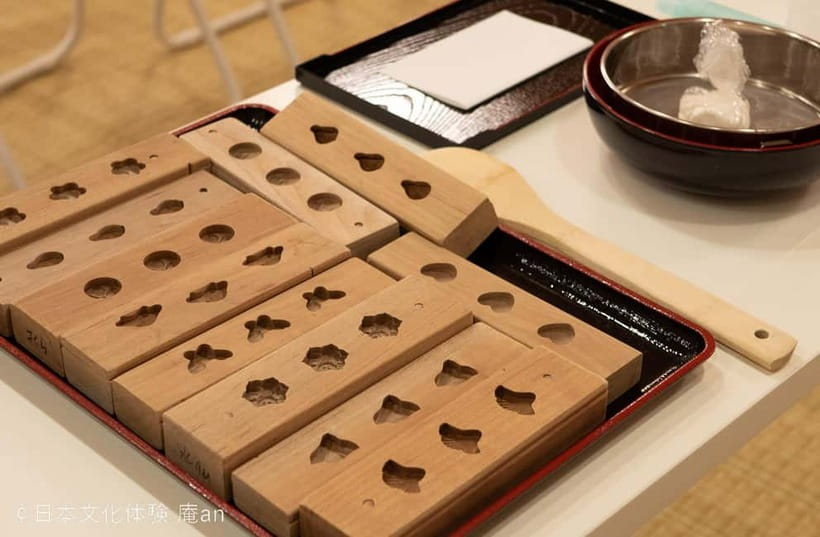
Japanese confectionery often changes with the calendar. A sweet can suggest a flower, a plant, weather, or a festival without needing a large display or long explanation. Here, the seasonal Nerikiri makes that idea tangible.
You may find this more interesting than a standard cooking class because the finished pieces are tied to appearance and timing as well as flavor. The activity shows why Japanese sweets are often served with tea: their sweetness balances the bitterness of Matcha, while their shapes add a visual pause before you eat.
The experience does not promise a complete history of Wagashi or an advanced pastry lesson. It is a short introduction with hands-on work. That makes it suitable for a first encounter, but less suitable if you want a specialist course on confectionery technique.
How much value do you get for $28?
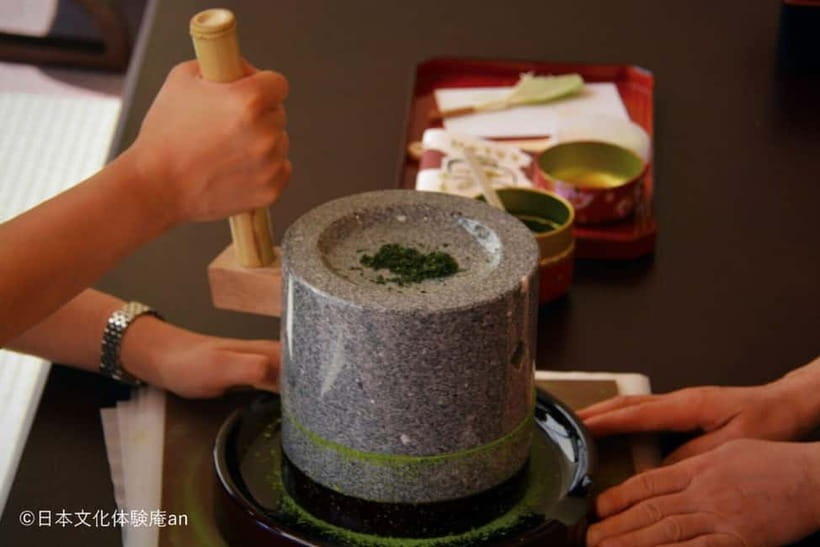
At $28 per person, the price is fair for the amount included. You get three linked activities across 125 minutes, the ingredients for two types of sweets, and the Matcha experience. A separate tea demonstration could easily feel too brief, while a standalone confectionery class might not include the same cultural context.
The value is strongest if you want an activity rather than a packaged food souvenir. You make the sweets, eat and drink them during the session, and leave with the memory and pictures. The basic price does not include a take-out box, which costs 100 Japanese yen. If you want to bring your sweets away, add that small extra charge.
Adding color costs 200 Japanese yen, and a completion certificate costs 300 Japanese yen. These are optional, so the advertised price remains a useful guide to the core experience. I would treat the take-out box as the most practical extra if you want to show someone at home what you made.
The price also includes the instructor’s guidance, though English translation is provided as much as possible rather than promised as a full English-language class. If detailed English instruction is essential to you, contact AN TOKYO before booking.
Language, timing, and practical planning
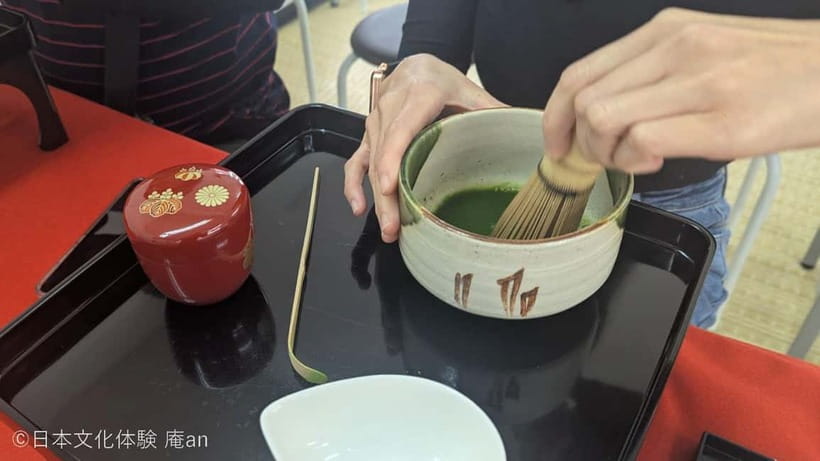
The instructor is Japanese, and the stated language is Japanese. English support is offered as much as possible, and a highly rated session included English instructions and background explanations. Still, you should expect some demonstration and imitation, not every detail delivered in fluent English.
Plan to arrive early. The event cannot be held for delayed participants, and the provider does not compensate for transport costs if you miss it. This is especially important in Tokyo, where a short-looking journey can take longer than expected once you include station exits and finding the venue.
The meeting point is AN TOKYO Japanese Culture Experience. Operation hours are from 10:00 to 17:00, and reservations received after 17:00 are processed the next day. The activity itself lasts 125 minutes, with breaks built into the schedule.
Only people taking part may enter. Children under two who sit on a parent’s lap are free, but anyone else attending needs to be included in the reservation. The available information does not state the group size, accessibility details, or specific transport directions, so ask the provider directly if those points affect your plans.
Cancellation is flexible up to 24 hours before the start for a full refund. You can also reserve and pay later, which helps if your Tokyo schedule is still changing.
Who will enjoy this experience most?
I would recommend it to first-time visitors who want a structured cultural activity without giving up half a day. It also suits couples, families with older children, and anyone who likes food crafts but does not want a full cooking course.
You will get the most from it if you enjoy small details and do not mind working carefully. The Nerikiri stage is not hard in an academic sense, but it does require patience. People who want a quick, effortless tasting may find the shaping slower than expected.
It is also a good rainy-day plan because the activity is built around making and tasting rather than outdoor sightseeing. The exact venue setup and group size are not specified, so contact the provider if you need a quiet setting or have particular seating needs.
I would be less likely to choose it for someone who wants a formal, highly traditional tea ceremony with strict etiquette. This is explicitly a casual tea experience, paired with sweet-making. That relaxed format is a strength for most visitors, but it is not a substitute for a longer specialist tea-school visit.
My take on the instructor and teaching style
The instructor’s role is important here because the class shifts between food preparation, cultural explanation, and tea procedure. The available feedback points to a kind instructor who took care to explain the sweet varieties and the difference between green tea and Matcha. That background adds value, especially if you are new to Japanese tea.
The English support also appears strongest when paired with demonstrations. You can watch the hand movements, then copy them, while asking for clarification as needed. I would still save detailed questions for the beginning or for the break, when there is less pressure to keep up.
The class seems designed to make the process friendly rather than intimidating. That suits the craft. A perfect Nerikiri is not the point. Learning how the paste responds, understanding why the shapes change with the season, and tasting what you made are the real rewards.
Should you book the AN TOKYO sweet-making and tea experience?
Book it if you want a reasonably priced Tokyo activity that combines making, tasting, and a little ceremony. The strongest features are the three-part format, Kyoto bean paste, seasonal Nerikiri, Wasanbon Ohigashi, and single-origin Matcha. You get a lot of variety without a long commitment.
Go in expecting Japanese-language instruction supported by English where possible, not a fully English-led class. Arrive early, budget a few minutes to find the venue, and consider the 100-yen take-out box if you want to carry your sweets away.
For most visitors, I think the $28 fee is good value. It gives you enough time to learn, make two kinds of sweets, prepare tea, and enjoy the results. If you want a formal tea-school lesson or advanced confectionery training, choose something more specialized. If you want a friendly first look at Japanese sweets and Matcha, this is a sensible pick.
FAQ
How long does the Japanese sweets and tea experience last?
The activity lasts 125 minutes, including the sweet-making, breaks, Matcha preparation, picture time, and eating and drinking time.
What sweets will I make?
You will make Wasanbon Ohigashi, a flower-shaped Nerikiri, and Kinton Nerikiri. The Nerikiri designs match the season.
What ingredients are used for the Nerikiri?
The white and red bean paste comes from long-established shops in Kyoto.
Is Matcha included?
Yes. The experience includes a Matcha grinding demonstration, an explanation of tea, and the chance to make your own Matcha during a casual tea ceremony.
Is the experience taught in English?
The instructor is Japanese, and English translation is provided as much as possible. The stated language for the activity is Japanese.
Can I take my sweets home?
A sweets take-out box is available for an additional 100 Japanese yen. It is not included in the main price.
What happens if I need to cancel?
You can cancel up to 24 hours in advance for a full refund. You can also reserve now and pay later.
More Dessert Stops in Tokyo
- Tokyo: Matcha Making Experience with Mochi Sweets in Asakusa
★ 4.9 · 388 reviews - Make Traditional Nerikiri Sweets & Matcha experience in Shibuya
★ 5.0 · 130 reviews - Mochi Matcha Gluten Free Japanese Sweets Class near Shibuya area
★ 5.0 · 26 reviews - Private Mochi・Matcha sweets Making Class Near Shibuya Area
★ 5.0 · 22 reviews
Just added around Tokyo
- Yokohama : Tea Ceremony with Sweets and Souvenir★ 5.0 · 5 reviews
- Walking Tour: Yanaka,Nezu& Sendagi: Tea Ceremony & Old Tokyo★ 5.0 · 3 reviews
- 2 Hours Mochi &Nerikiri Making & Matcha Class in Bunkyo★ 5.0 · 21 reviews
- Private Kimono and tea ceremony at local home near Tokyo Disney★ 5.0 · 6 reviews
- Private Mochi・Matcha sweets Making Class Near Shibuya Area★ 5.0 · 22 reviews
- Tokyo Sweets Tour: Hidden Gems & Matcha at an Old Tea House★ 5.0 · 6 reviews
- Giant Sushi Cooking Class: Make a 1.5m Sushi Roll in Tokyo★ 5.0 · 9 reviews
- Tokyo Tea Ceremony Class at a Traditional Tea Room★ 5.0 · 2 reviews
Japanese Sweets & Tea, compared.

Matcha Making Class in Tokyo with Authentic Japanese Sweets Set
Read our review →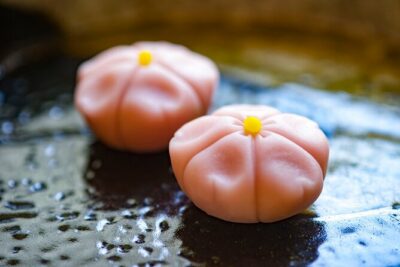
Matcha Making Class in Osaka with Authentic Japanese Sweets Set
Read our review →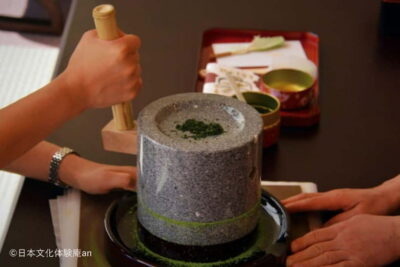
Japanese Traditional Sweets Making and Tea Ceremony
Read our review →
Japanese Traditional Sweets Making and Tea Ceremony
Read our review →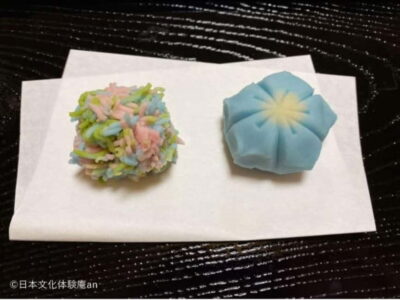
Nagoya: Japanese Traditional Sweets making and Tea Ceremony
Read our review →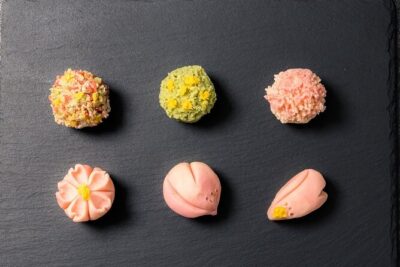
Sweets Making and Kimono Tea Ceremony at Tokyo Maikoya
Read our review →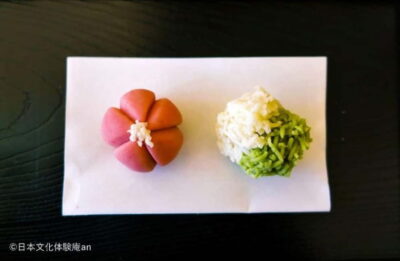
Japanese Traditional Sweets making and Tea Ceremony
Read our review →Browse the lists this tour appears in