
Review · TOKYO
Kimono rental in Asakusa Tokyo
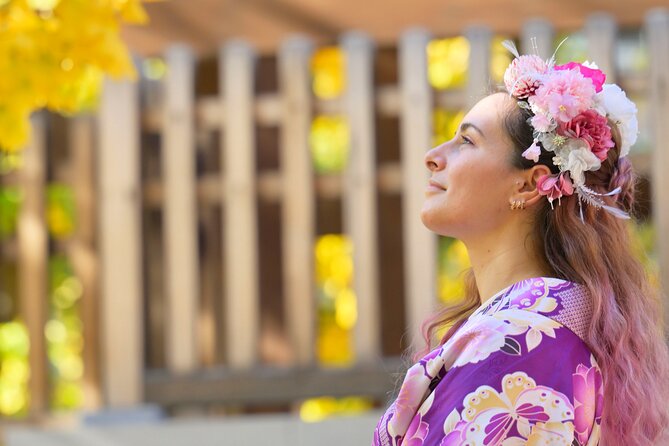
Asakusa is the right place for a kimono outing: old Tokyo streets, Sensoji Temple, the Sumida River, and plenty of spots for photographs. At Kimono Rental Yui, you choose from light walking kimonos, summer yukata, and more formal silk styles, then receive help with dressing, hair, and accessories. The outfit can stay with you for the day, so this is more than a quick dressing-room photo.
I especially like the careful hair styling and patient dressing service, which several families and couples found to be the heart of the experience. I also like the choice between a self-guided walk and a professional photo session, with a photographer who knows the streets around Sensoji. The main consideration is comfort: a kimono is fitted tightly, geta sandals can take getting used to, and matcha tea is not included in the basic rental plan.
Key points
- Choose a full outfit: Kimono or yukata, obi, hair styling, accessories, geta sandals, and a traditional handbag are included.
- Keep the kimono until 5:30 p.m.: You have time to walk around Asakusa and take your own photos.
- Add a 30 or 60-minute photo session: A professional photographer takes you to scenic locations near Sensoji Temple and the Sumida River.
- Matcha is a separate plan: The tea experience includes a short lesson in traditional etiquette, but it is not part of the standard kimono rental.
- Suitable for children and wheelchair users: Children’s kimonos and wheelchair-friendly options are available.
- Small-group feel: The activity has a maximum of five participants, though larger families may be able to arrange a visit directly.
Why Asakusa is the best setting for a kimono rental
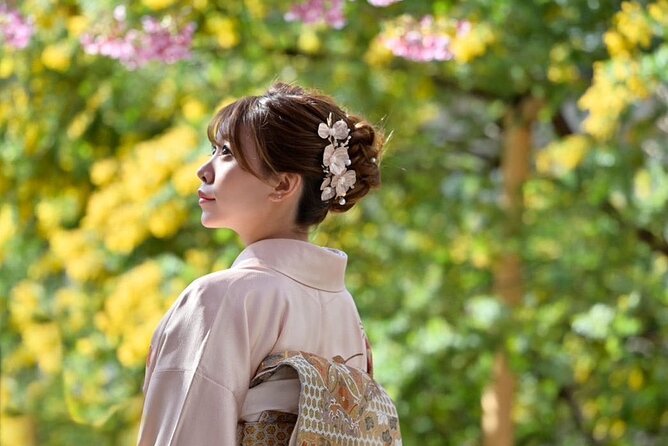
Tokyo has plenty of places to dress in traditional clothing, but Asakusa gives the experience a useful sense of place. This is Tokyo’s oldest district, with Sensoji Temple, narrow side streets, old-style shops, and views toward the Sumida River.
The meeting point is at 1-chōme-16-2 Asakusa, in Taito City. After you finish dressing, you can walk from the shop into the surrounding district and make the kimono part of your sightseeing day rather than a short studio activity.
That matters because the experience works best when you have time to slow down. You can pause near the temple, take pictures in the back streets, stop for a snack, or simply watch how the outfit changes the way you move through the neighborhood.
You return to the same meeting point at the end. The rental period runs until 5:30 p.m., giving you much more freedom than a two-hour appointment might suggest. The stated activity time is about two hours, but that refers mainly to the dressing and planned experience. The kimono itself can be used for the rest of the day.
More Kimono Tea Ceremonies in Tokyo:
- Kimono Tea Ceremony at Tokyo, Asakusa Maikoya
★ 5.0 · 638 reviews - Tokyo: Matcha and Kimono Experience
★ 4.7 · 219 reviews - Tokyo: Asakusa Kimono Dressing and Matcha Experience
★ 4.9 · 173 reviews
Choosing between a kimono and a summer yukata
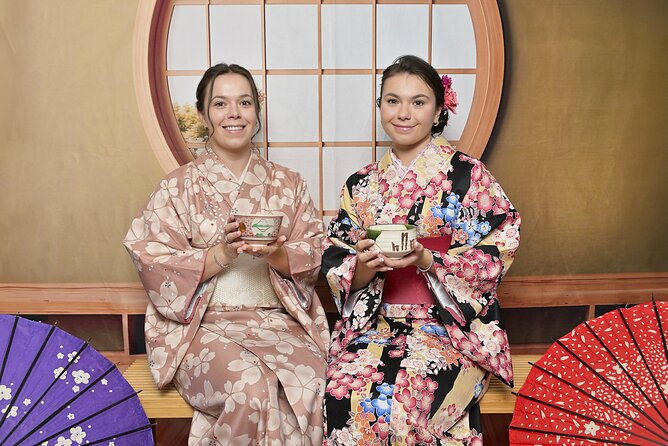
The shop offers a broad selection, so you are not limited to one standard outfit. You can choose a regular kimono, a lighter summer yukata, or a more formal silk kimono, depending on the season and the type of outing you want.
A yukata is generally the easy choice for warm weather and a relaxed walk. A more formal kimono suits visitors who want a dressier look for portraits or a special occasion. The shop also offers children’s styles, and the available clothing can be matched to different ages.
The selection is part of the fun, but allow time for the staff to help you decide. The clothing is not simply a robe that you put on over street clothes. It includes the kimono, obi belt, and other layers that shape the final look.
You can request extra accessories such as an obijime for an added 550 yen. That is worth considering if you care about a more detailed outfit, but it is not necessary for a complete rental.
What dressing at Kimono Rental Yui is like
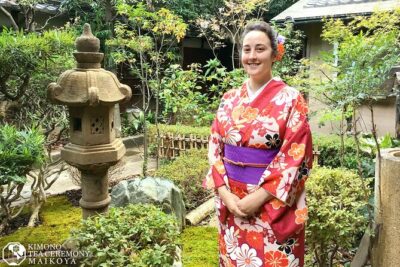
The staff dress you and finish the outfit with hair styling and hair accessories. Footwear and a traditional handbag are included, which saves you from having to arrange the small pieces separately.
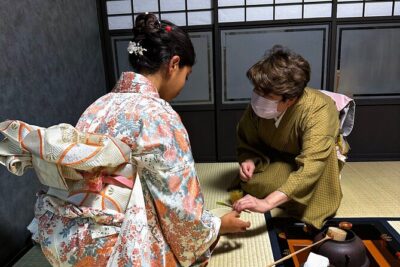
The dressing process is one of the strongest reasons to choose this activity. Several experiences describe the staff as patient, gentle, and careful, especially with children and first-time visitors. That matters when you are dealing with unfamiliar layers, a tied obi, and footwear that feels different from modern shoes.
Women’s hair styling is included. Men’s hair styling is not included and must be arranged at your own expense. Makeup is also separate, so plan to arrive ready if you want a polished look in your photographs.
Large suitcases cannot be stored as part of the basic rental fee. Storage costs an additional 550 yen, so leave large luggage at your hotel or make room in your budget for this charge.
The maximum group size is five people. That makes the standard format more personal than a large dressing line, though a family of seven was able to arrange a visit by contacting the shop directly. If you are part of a larger group, contact the provider before booking rather than assuming everyone can be handled together.
The optional matcha lesson
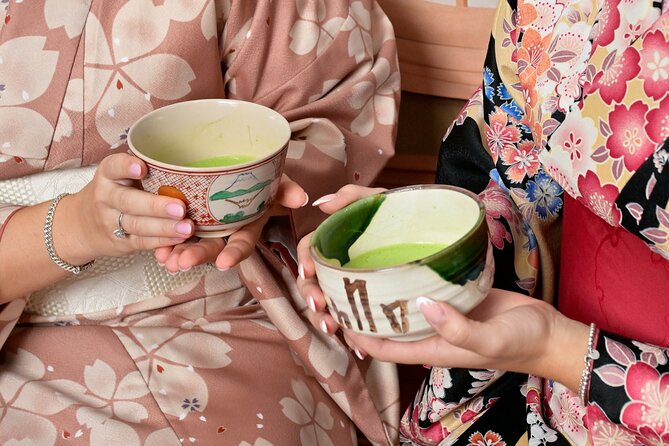
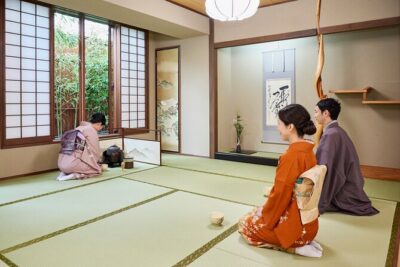
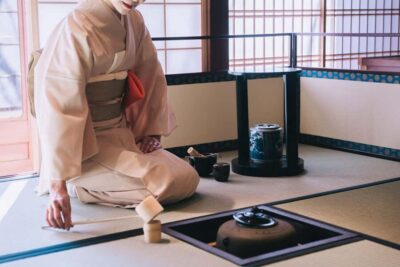
The matcha option adds a cultural lesson to the clothing rental. You learn how to enjoy Japanese matcha tea and receive an introduction to the manners and spirit connected with a traditional tea ceremony.
This is not just a drink stop. The value is in understanding why the tea is prepared and served with care. Wearing a kimono while learning the basic etiquette gives the activity a stronger connection to Japanese customs than a simple costume rental.
Matcha and sweets are not included in the standard kimono-only plans. Check that you select the correct option if tea is important to you.
There is also an age rule: matcha is not served to children under seven because it contains caffeine. The experience is still suitable for young children, but the tea portion may not apply to everyone in your family.
For families, this means you should decide whether the tea lesson is worth adding if only the adults and older children can participate. For couples and older children, it can be a pleasant way to give the outing more structure.
Same place, a different pot:
- Matcha Making Class in Tokyo with Authentic Japanese Sweets Set
★ 5.0 · 744 reviews - Tokyo: Traditional Tea Ceremony with a Tea Master
★ 5.0 · 528 reviews - Dynamic Tokyo: Tokyo Tower, Tea Experience, Bay Cruise Day Tour
★ 4.5 · 521 reviews - Tokyo: Matcha Making Experience with Mochi Sweets in Asakusa
★ 4.9 · 388 reviews
Walking around Sensoji in traditional clothing
Once you are dressed, you can explore at your own pace until 5:30 p.m. Sensoji Temple is the obvious destination, but the area around it is just as useful for photographs and atmosphere.
The main temple grounds provide a recognizable Tokyo setting. The nearby back streets offer a quieter look, with traditional details and changing views as you move away from the busiest paths. The Sumida River adds another kind of setting, especially if you want photographs that show more of the district than just the temple entrance.
You should remember that a kimono changes your walking style. The clothing is fitted, and geta sandals are not as forgiving as modern shoes. Keep your pace comfortable and avoid planning a day that requires long-distance walking across Tokyo.
The rental period is generous, but you do not need to use it all. A shorter outing may be more comfortable in hot weather or if you are wearing a formal silk kimono. A summer yukata may be easier for a longer walk.
Adding a 30 or 60-minute professional photo session
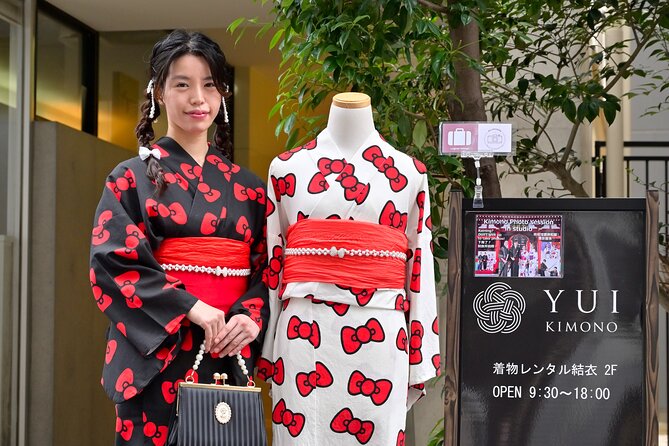
The photo plan is the most useful add-on if you want more than casual snapshots. A professional photographer accompanies you around Asakusa and points out photogenic locations near Sensoji Temple and the Sumida River.
You can choose a 30-minute or 60-minute session. The shorter option should suit a quick portrait session, while the longer choice gives you more time for different backgrounds and poses. The longer session is especially useful for couples, families, or anyone who wants a fuller set of photographs.
The photo service is not confined to the shop. You go outside into the district, which gives the pictures a sense of place. That is a better record of your Tokyo visit than a studio backdrop alone, though the shop also has a studio for bad weather.
Edited photo data is sent to you for download within a week. This is important if you need the pictures immediately for a same-day post or printed gift. You should think of the photo plan as a finished product delivered later, not an instant download during the walk.
The photographer can also help you find suitable locations around the temple and river. That saves you from spending your rental time trying to work out where to stand, how to pose, or how to include the surroundings.
How the experience works for families
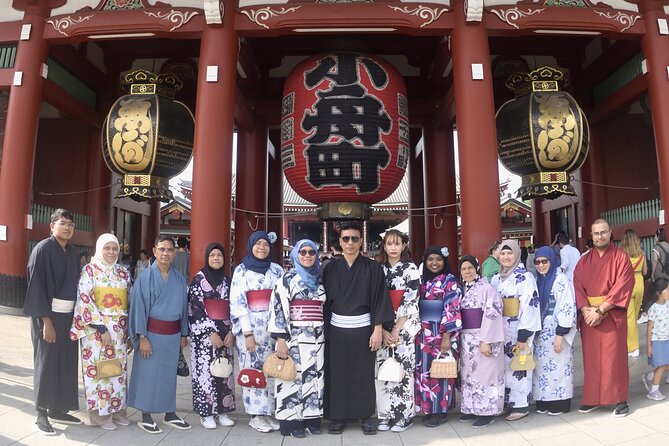
Children older than one can take part, and children’s kimonos are available. The staff have experience dressing families with children ranging from teenagers to preschool age, and the patient approach is useful when a young child is tired or restless.
Hair styling for girls is a particularly nice touch. It gives children a complete outfit rather than leaving them in a kimono with ordinary hair and street shoes. The included accessories also help the whole family look ready for photographs.
Keep expectations practical with very young children. They may enjoy the dressing and pictures but may not tolerate a long walk in geta sandals. A shorter photo session or a brief stroll around Sensoji may work better than trying to use every hour until 5:30 p.m.
Wheelchair users can also take part, with kimonos designed for that purpose. Service animals are allowed, and the meeting point is near public transportation. These details make the activity workable for a wider range of visitors, though you should still share any specific mobility needs when arranging the booking.
What the $42.70 price gets you
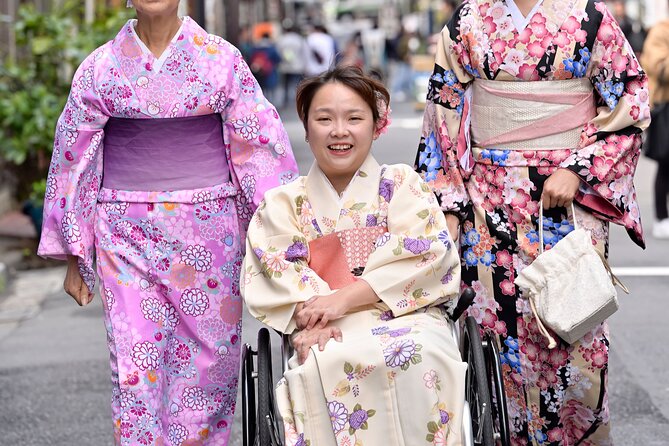
At $42.70 per person, the basic price is reasonable if you want a full dressing service rather than a costume borrowed for a quick picture. You receive the kimono or yukata, obi, hair styling, hair accessories, geta sandals, and a traditional handbag.
The value improves if you plan to walk around Asakusa for several hours. You are paying for the clothing and the dressing service, but also for the freedom to use the outfit beyond the shop.
The price does not include everything. Large luggage storage costs 550 yen, obijime accessories cost another 550 yen, and makeup is extra. Men’s hair styling is also not included. Most important, the basic rental does not include matcha tea or sweets.
The photo plan costs extra, although the exact add-on price is not provided here. Ask about the total before confirming if you want professional portraits. Group discounts are available, which may make the activity more attractive for families or friends booking together.
Free cancellation is available when you cancel at least 24 hours before the start time. Changes or cancellations inside that window are not accepted for a refund, so keep the local cut-off time in mind.
Who should book this Asakusa experience
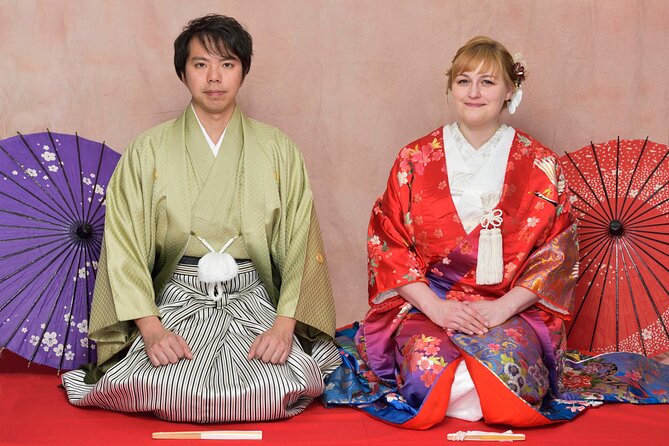
I would choose this for a first trip to Tokyo when I want one hands-on cultural activity that also creates photographs. It suits couples, families, friends, and solo visitors who enjoy dressing up but want to do it in a real sightseeing district rather than only inside a studio.
It is particularly good for:
- Couples who want a planned photo session near Sensoji
- Families seeking a shared activity for adults and children
- First-time visitors who want a gentle introduction to tea etiquette
- Solo visitors who would rather have a professional take portraits
- Anyone interested in traditional clothing and Japanese accessories
I would be more cautious if you dislike tight clothing, have difficulty walking in sandals, or want to cover a large part of Tokyo during the rental period. The outfit is best enjoyed at a calm pace in Asakusa.
Also keep the optional elements clear when booking. Kimono rental, matcha, and professional photography are not automatically one package. Confirm which plan you are selecting and which extras you want.
Should you book Kimono Rental Yui?
Book it if you want a friendly, hands-on cultural activity with time to walk around Asakusa in the outfit. The included hair styling, accessories, sandals, and handbag make the base price useful, while the optional photographer gives you a simple way to get polished portraits near Sensoji and the Sumida River.
Choose the tea option if you want a short lesson in Japanese etiquette, but remember that matcha is not served to children under seven. If you are visiting with a large family, contact the shop first, since the normal maximum is five people but larger groups may be accommodated.
For the best value, arrive without large luggage, wear comfortable clothes underneath, and decide in advance if you want the 30 or 60-minute photo session. This is not a rushed costume stop. It is a relaxed Asakusa outing with traditional clothing, local scenery, and enough time to make the experience part of your day.
FAQ
How long does the kimono rental experience last?
The activity itself takes about two hours, but you can keep the kimono and explore Asakusa until 5:30 p.m. You return the outfit to the meeting point at the end.
Where does the activity start and finish?
It starts and finishes at 1-chōme-16-2 Asakusa, Taito City, Tokyo 111-0032, Japan.
Is matcha tea included with the kimono rental?
No. Kimono-only plans do not include matcha tea or sweets. You need to select a plan that includes the matcha experience.
Can children participate?
Yes. Children over one year old can participate, and children’s kimonos are available. Matcha is not served to children under seven because it contains caffeine.
Is professional photography included?
Professional photography is an add-on option. You can choose a 30-minute or 60-minute session around Sensoji Temple and the Sumida River. Edited photo data is sent for download within a week.
What is included in the rental?
The rental includes a kimono or yukata, obi, rental fee, hair styling, hair accessories, geta footwear, and a traditional handbag. Makeup, men’s hair styling, large luggage storage, and some extra accessories cost more.
Can wheelchair users take part?
Yes. Kimonos for wheelchair users are available, and the activity is near public transportation. Service animals are also allowed.
Just added around Tokyo
- Yokohama : Tea Ceremony with Sweets and Souvenir★ 5.0 · 5 reviews
- Walking Tour: Yanaka,Nezu& Sendagi: Tea Ceremony & Old Tokyo★ 5.0 · 3 reviews
- 2 Hours Mochi &Nerikiri Making & Matcha Class in Bunkyo★ 5.0 · 21 reviews
- Private Kimono and tea ceremony at local home near Tokyo Disney★ 5.0 · 6 reviews
- Private Mochi・Matcha sweets Making Class Near Shibuya Area★ 5.0 · 22 reviews
- Tokyo Sweets Tour: Hidden Gems & Matcha at an Old Tea House★ 5.0 · 6 reviews
- Giant Sushi Cooking Class: Make a 1.5m Sushi Roll in Tokyo★ 5.0 · 9 reviews
- Tokyo Tea Ceremony Class at a Traditional Tea Room★ 5.0 · 2 reviews
Kimono & Tea Ceremonies, compared.
KYOTO Tea Ceremony with kimono near by Imamiya Jinjya Shrine
Read our review →
Kimono and Tea Ceremony Experience at Cultural Asset
Read our review →
Browse the lists this tour appears in