
Review · TOKYO
At an Antique Shop, Tea Ceremony and Japanese Sweets Forming
A tea ceremony in a 100-year-old roadside antique shop feels far more personal than a class held in a rented apartment room. You begin by looking through old tableware, then make seasonal nerikiri sweets before using your own creation in a matcha ceremony.
I like the freedom to choose a teacup, including pieces that may be several hundred years old, and the relaxed setting that welcomes questions. The main consideration is communication: the host is a Japanese artisan whose English may be limited, so this suits you best if you are comfortable with a slower, simpler exchange.
Key Points
- Antique setting: The activity takes place inside a century-old roadside tableware shop that has attracted attention from CNN.
- Choose your cup: You select the teacup used during the ceremony, with some cups several hundred years old.
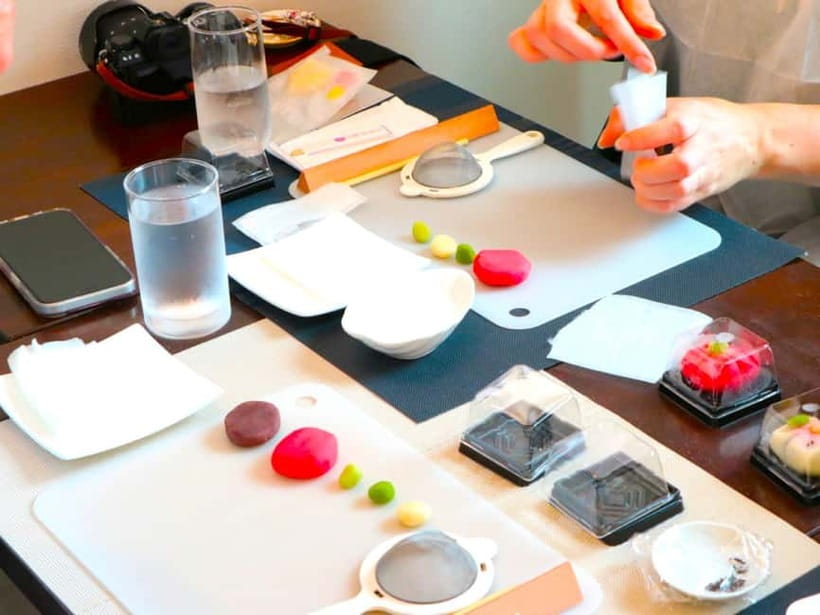
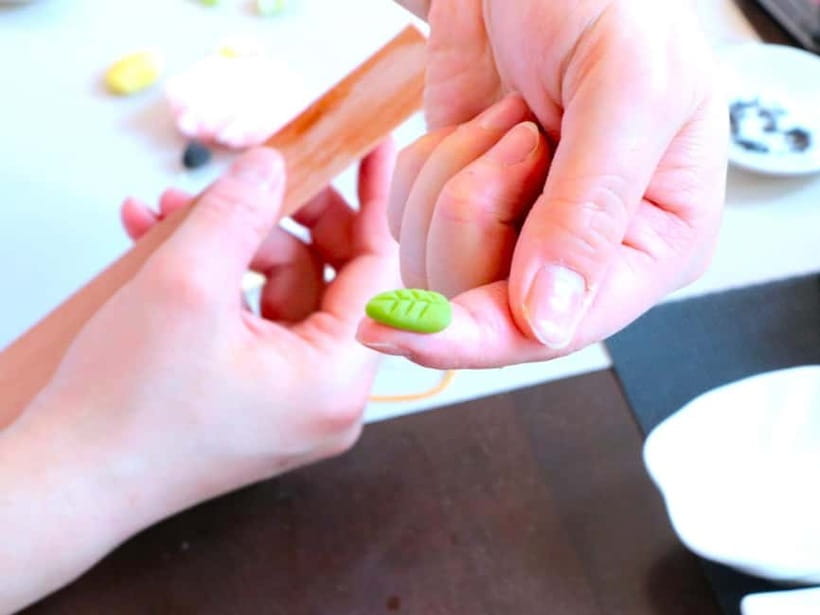
- Make nerikiri: Shape colored dough by hand into a seasonal Japanese sweet, using simple tools for fine lines and details.
- Chair-friendly tea room: The ceremony takes place in a dedicated room designed for sitting in a chair rather than on the floor.
- Near Nippori Station: The shop is about 10 minutes from Nippori, with exact directions supplied after booking.
- Best for older children and adults: Participants must be at least 13, and the activity is not suitable for wheelchair users or people with vertigo, epilepsy, or a cold.
Why This Tokyo Tea Experience Feels Different
Tokyo offers plenty of tea ceremony and Japanese sweets classes. Many take place in a plain apartment room, which can still be pleasant, but this one has a setting with its own character. You enter a working antique tableware shop that has been in place for roughly a century.
That setting changes the mood before the tea even begins. Instead of walking straight into a staged lesson, you have time to look at old bowls, cups, and serving pieces. You can study the objects that give Japanese tea culture much of its visual appeal.
The shop has also been featured in a CNN interview. That does not make the lesson better by itself, but it signals that the location is unusual enough to attract outside attention. I would book this for the atmosphere as much as for the tea.
The program costs $57 per person. That is not the cheapest way to taste matcha in Tokyo, but the fee covers the instructor, room, tools, ingredients for the sweets, matcha, and tax. You are paying for a guided activity in a rare setting, not simply for a bowl of tea and a sweet.
More Japanese Sweets and Tea Sessions in Tokyo:
- Matcha Making Class in Tokyo with Authentic Japanese Sweets Set
★ 5.0 · 744 reviews - Sweets Making and Kimono Tea Ceremony at Tokyo Maikoya
★ 5.0 · 57 reviews - Japanese Traditional Sweets making and Tea Ceremony
★ 4.7 · 50 reviews
From Antique Tableware to Your Chosen Teacup
When you arrive, the first part is unhurried. Take time to look around the shop and examine the antique tableware before the hands-on work starts. This is a useful introduction because it lets you see cups and serving pieces in their natural setting rather than as isolated objects in a museum case.
You can choose the teacup used during your ceremony. Some pieces are several hundred years old, so handle them with care and listen closely to the host’s instructions. The choice gives you a small personal role in the ceremony and makes the final tea service feel less like a demonstration watched from the side.
I also like that the shop offers context without requiring a separate museum visit. You do not need to know the difference between every Japanese vessel or historical style. Simply looking closely at the forms, colors, and signs of age can make the later tea service easier to appreciate.
Antique lovers may also purchase tableware from the shop. Buying is optional and not part of the activity fee. You should treat this as an opportunity to browse, not as a required part of the program.
Making Nerikiri by Hand
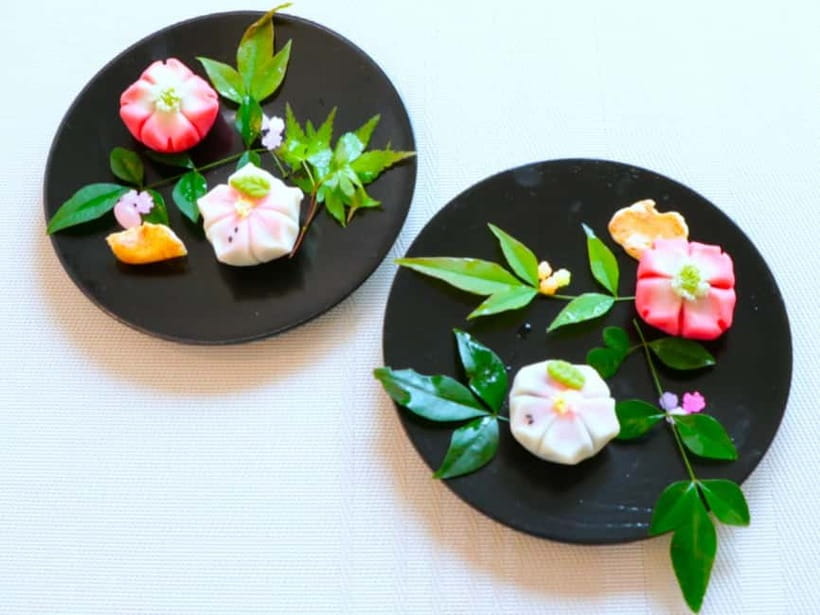
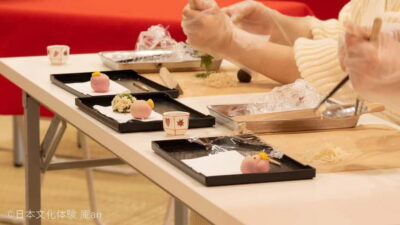
After you look around the shop, the focus shifts to wagashi, the broad Japanese category of traditional sweets. The sweet made here is nerikiri, a soft confection made with mochi flour and colored materials.
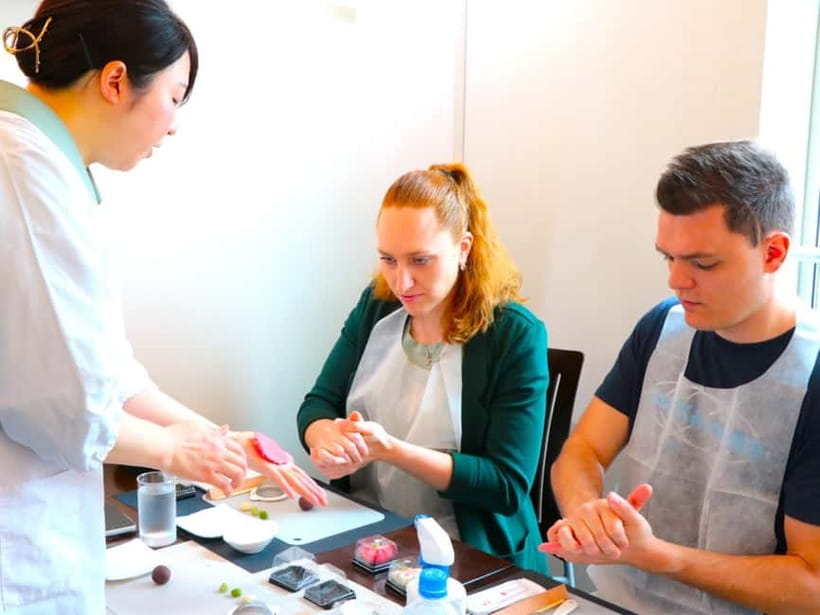
The shaping process is presented as simple and hands-on. You work with several colors and form them into the design chosen for the day. The comparison to colorful clay work is useful: this is more about careful handwork and shape than about baking or complex cooking.
You will handle the dough, form the main shapes, and use tools to add fine lines. Those lines help suggest seasonal Japanese beauty. The finished sweet is meant to look as carefully made as it tastes.
You do not need much cooking experience or a strong artistic background. The instructor guides you through each stage, and the activity is designed to be manageable for beginners. Still, do not expect every sweet to look like a professional confectioner made it. Part of the pleasure is seeing your own version take shape.
The seasonal design matters. Japanese wagashi often reflects flowers, plants, weather, or other changes in the year. Since the exact design can vary by day, the activity gives you a small connection to the Japanese habit of noticing the season through food.
This is also the most active part of the program. If you prefer a tea ceremony with no hands-on work, you may find the making session more than you want. If you like practical activities, it gives the visit a good rhythm and keeps the tea lesson from feeling too formal.
A Chair-Friendly Matcha Ceremony
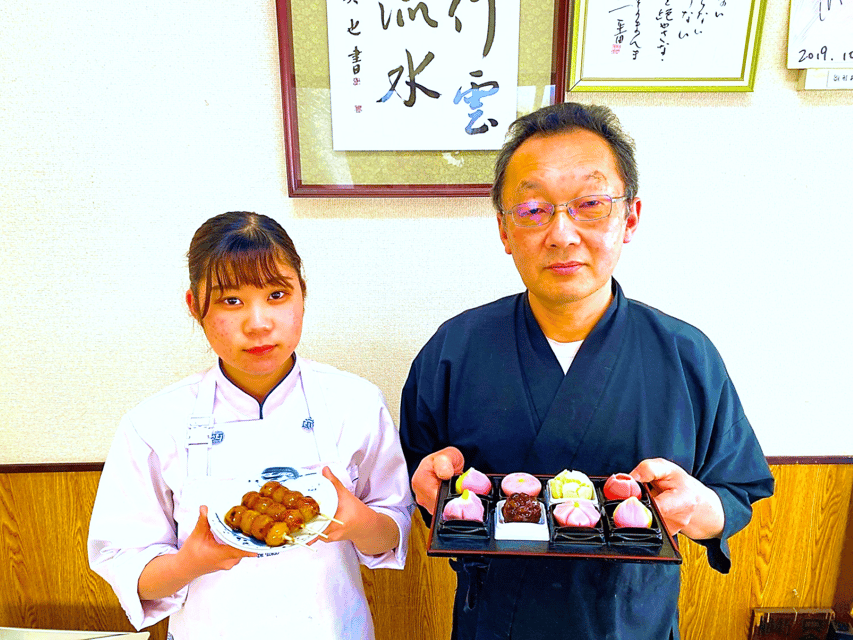
Once your nerikiri is ready, you move to a dedicated tea room. The room is designed for sitting in a chair, which is important if kneeling on the floor would be uncomfortable. You still take part in a traditional tea setting, but without the physical demand of sitting in a formal floor position.
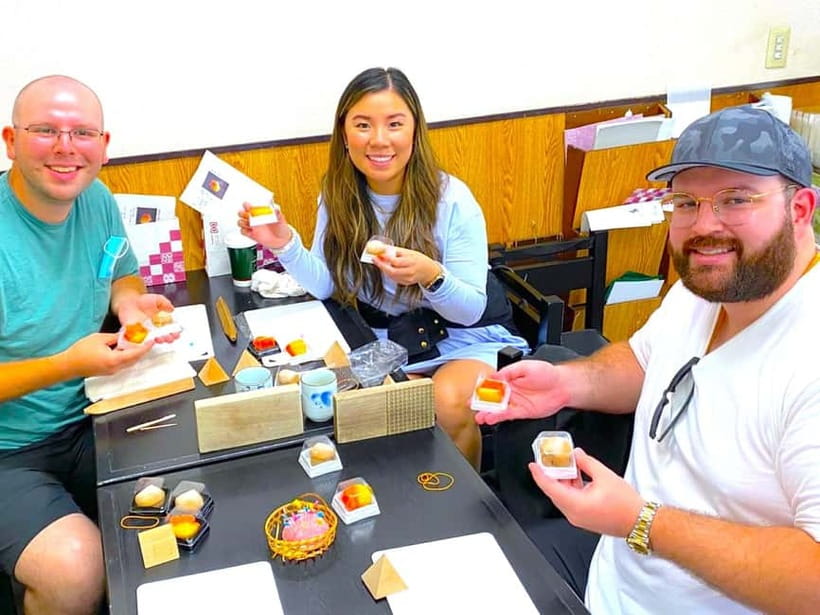
The host serves the confection first, followed by real matcha. The tea is not described as a sweetened drink, so expect the distinct, earthy taste of powdered green tea rather than a dessert-style beverage. Eating the nerikiri before or with the matcha gives the tea a useful contrast.
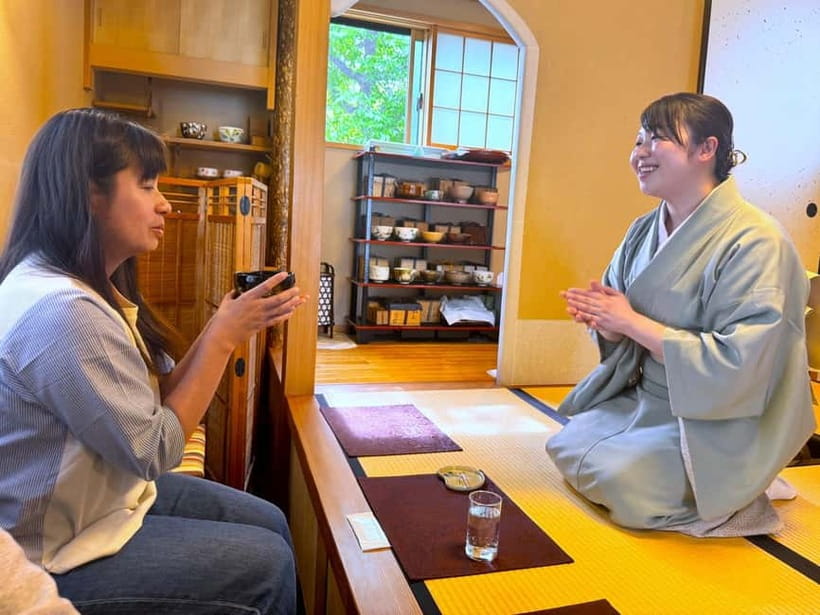
The ceremony is not just a performance. Questions are encouraged, and conversation forms part of the session. You can ask about the tea, the sweets, the teacup, or the way the ceremony is carried out.
That conversational approach is a strong point for anyone who has never attended a tea ceremony. Formal gestures can seem mysterious when you only watch them. Being able to ask questions helps connect the movements with their purpose.
The host is an artisan rather than a polished commercial presenter. English may not be fluent, and the activity information is candid about that point. The instructor still aims to help you enjoy the session, but you should expect simple explanations, gestures, and patience rather than a long, detailed lecture in English.
I see this as a trade-off, not a flaw. A highly scripted English tour may be easier to follow, while this setting may feel closer to meeting someone who practices the craft directly. Bring a curious attitude, pay attention to demonstrations, and ask short questions one at a time.
More Tea Ceremony Experiences in Tokyo:
- Kimono Tea Ceremony at Tokyo, Asakusa Maikoya
★ 5.0 · 638 reviews - Tokyo: Traditional Tea Ceremony with a Tea Master
★ 5.0 · 528 reviews - Tea Ceremony Workshop in Tokyo by the Experienced Instrucor
★ 5.0 · 189 reviews - Asakusa: Kimono Tea Ceremony with Matcha and Sweet
★ 4.9 · 153 reviews
What the $57 Price Covers
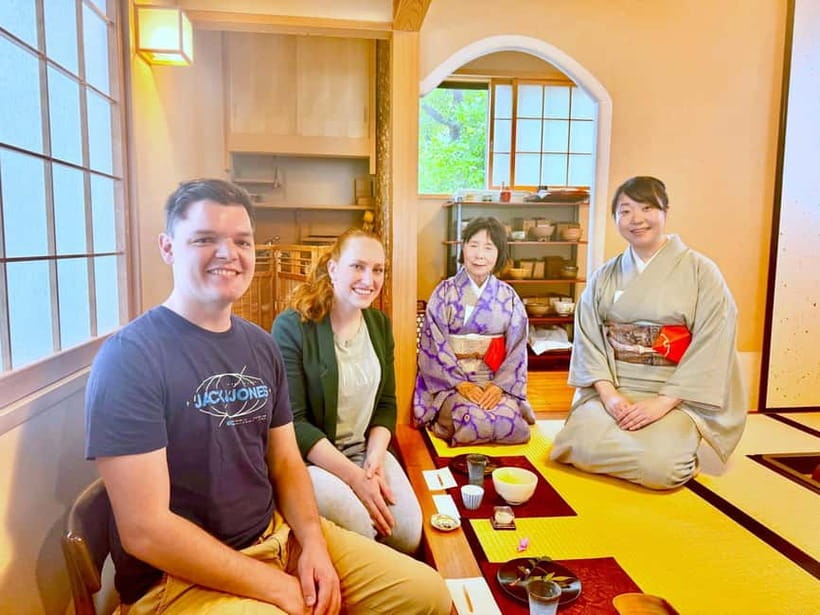
At $57, the value depends on what you want from a Tokyo activity. If your only goal is to drink matcha, cheaper options exist. If you want a short cultural activity that combines a historic shop, antique tableware, a creative workshop, and a tea ceremony, the price is easier to justify.
The fee includes:
- Experience instruction
- Use of the shop and tea room
- Tools for forming the sweet
- Ingredients for nerikiri
- Matcha
- Consumption tax
You are not paying separately for the room or the equipment. You also do not need to buy an antique item to complete the experience.
The strongest value is the combination. A standard tea lesson may teach ceremony. A sweets class may teach shaping. This program links the two, so you make the confection and then eat it during the tea service.
The activity also has a small-group feel in its description, though no group size is provided. Because group size is not specified, I would not book it expecting a private lesson unless that is confirmed directly before payment.
Location Near Nippori Station
The shop is about 10 minutes from Nippori Station. That makes it reasonably easy to add to a day in northern Tokyo, especially if you are already visiting the Nippori area.
The exact meeting information is sent after you reserve. Allow enough time to find the shop, since arriving late does not extend the session. The program ends back at the meeting point, so you do not need to arrange a second pickup location.
I would avoid adding a distant attraction immediately before the class. The start time is fixed, and the activity ends on its original schedule even if you arrive late. Tokyo rail trips can take longer than expected when you include station exits and walking, so build in a cushion.
The shop is a better fit for a planned cultural stop than a last-minute drop-in. You need a reservation, and anyone entering without taking part must also pay a fee if included in the request. This rule matters if someone in your party wants to watch but not participate.
Who Will Enjoy It Most
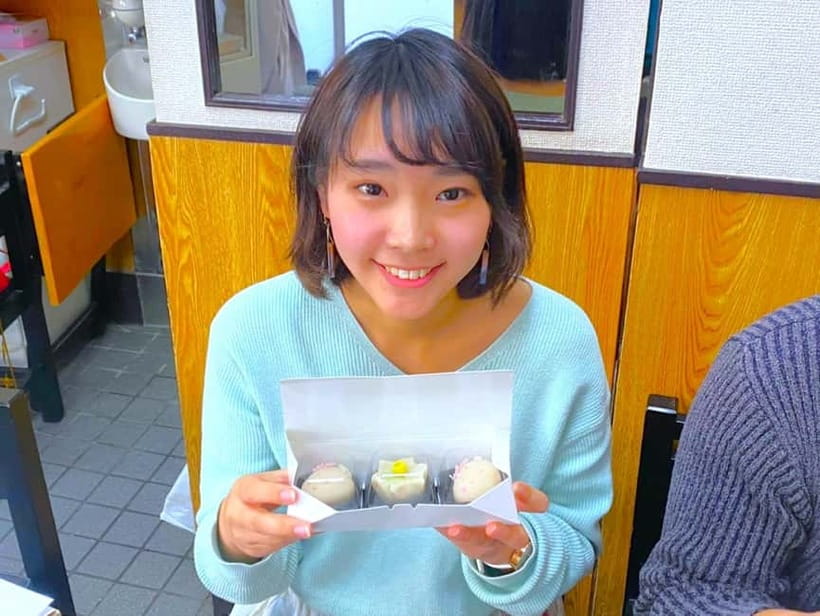
This experience fits adults, couples, friends, and families with teenagers aged 13 or older. It works especially well for you if you want an activity that is calm, creative, and rooted in Japanese craft rather than a large sightseeing production.
You will probably enjoy it most if you:
- Like old tableware and handmade objects
- Want to ask questions during a cultural activity
- Prefer a small, personal setting to a large class
- Enjoy making something with your hands
- Are curious about the taste and preparation of unsweetened matcha
- Can be patient with an instructor whose English is limited
The age rule is firm. Participants must be at least 13, and anyone under 18 must attend with an adult. The activity is not designed for young children, even if they are interested in sweets.
It is also not suitable for wheelchair users, people with vertigo, people with epilepsy, or people with a cold. Baby strollers and carriages are not allowed, and bare feet are prohibited. Smoking, chewing gum, alcohol, and drugs are not allowed.
Anyone who is unwell or under the influence of alcohol will be refused entry without a refund. That is worth keeping in mind if you are planning a busy evening before the session.
Practical Tips Before You Go
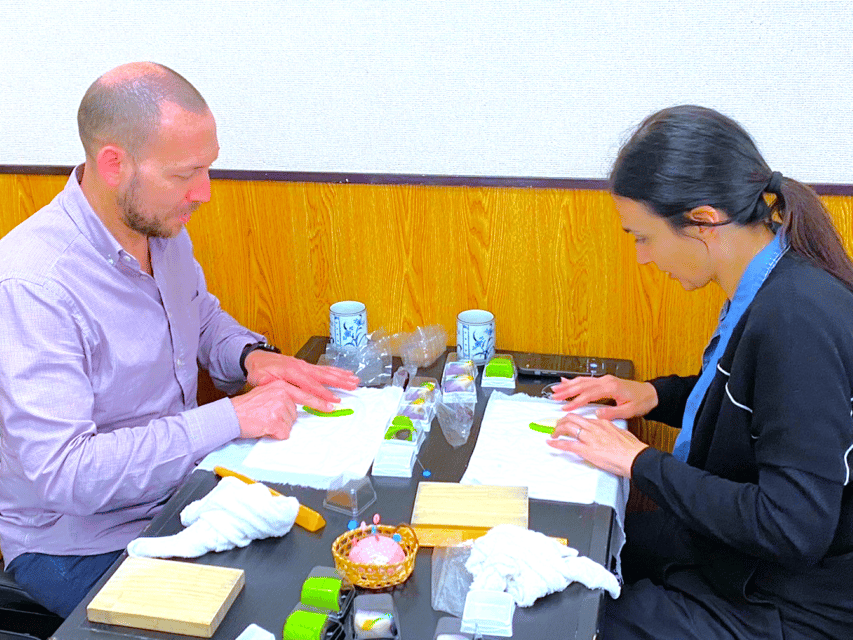
Wear clothing that lets you use your hands comfortably. You will be shaping colored dough and handling tools, so loose sleeves or anything delicate may be inconvenient.
Arrive sober, well, and on time. The session follows its planned schedule, and lateness does not result in extra time. You should also avoid bringing a stroller or expecting to sit on the floor, since the tea room uses chairs.
Read the instructions about age and access before booking. The chair-based room helps with comfort, but it does not make the venue suitable for wheelchair users. The available information specifically excludes wheelchair users and people with several medical conditions.
If you want to buy a teacup or other tableware, set aside time to browse. The activity allows antique purchases, but the price of any item is separate from the $57 experience fee.
Cancellation is free up to seven days before the activity. After that point, the stated policy does not promise a refund, so confirm your dates before reserving.
Is This Antique Shop Tea Ceremony Worth Booking?
I would book this if you want more than a formal tea demonstration. The best parts are the old shop, the chance to choose a historic teacup, the easy nerikiri craft session, and the chance to ask questions while drinking matcha.
I would skip it if you need fluent English instruction, a fully accessible venue, or a very flexible schedule. The artisan-led format has charm, but it may require patience and careful listening.
For most adults and older teenagers who want a quiet cultural activity near Nippori, $57 is a fair price for the mix of setting, materials, and instruction. You leave with a better sense of how sweets, utensils, seasonal design, and tea service fit together, rather than simply checking tea ceremony off a list.
FAQ
Where does the tea ceremony and nerikiri activity take place?
It takes place in a 100-year-old roadside antique tableware shop in Tokyo, about 10 minutes from Nippori Station. Detailed location information is provided after you reserve.
What is included in the $57 price?
The price includes the experience fee, facility use, tools, nerikiri ingredients, matcha, and consumption tax.
Can I choose the teacup used during the ceremony?
Yes. You can choose the teacup you use, and some of the available cups may be several hundred years old.
Is the activity suitable for children?
Participants must be at least 13 years old. Anyone under 18 must be accompanied by an adult.
Is the tea room suitable for people who cannot sit on the floor?
The tea room is designed for sitting in a chair. However, the activity is not suitable for wheelchair users.
What happens if I arrive late or feel unwell?
The activity ends at its scheduled time even if you arrive late. Anyone who is unwell or under the influence of alcohol will not be admitted, and no refund is provided in that situation.
More Dessert Stops in Tokyo
- Tokyo: Matcha Making Experience with Mochi Sweets in Asakusa
★ 4.9 · 388 reviews - Make Traditional Nerikiri Sweets & Matcha experience in Shibuya
★ 5.0 · 130 reviews - Mochi Matcha Gluten Free Japanese Sweets Class near Shibuya area
★ 5.0 · 26 reviews - Tokyo: Two Types of Japanese Sweets Making and Tea Ceremony
★ 4.6 · 26 reviews
Just added around Tokyo
- Yokohama : Tea Ceremony with Sweets and Souvenir★ 5.0 · 5 reviews
- Walking Tour: Yanaka,Nezu& Sendagi: Tea Ceremony & Old Tokyo★ 5.0 · 3 reviews
- 2 Hours Mochi &Nerikiri Making & Matcha Class in Bunkyo★ 5.0 · 21 reviews
- Private Kimono and tea ceremony at local home near Tokyo Disney★ 5.0 · 6 reviews
- Private Mochi・Matcha sweets Making Class Near Shibuya Area★ 5.0 · 22 reviews
- Giant Sushi Cooking Class: Make a 1.5m Sushi Roll in Tokyo★ 5.0 · 9 reviews
- Tokyo Sweets Tour: Hidden Gems & Matcha at an Old Tea House★ 5.0 · 6 reviews
- Tokyo Tea Ceremony Class at a Traditional Tea Room★ 5.0 · 2 reviews
Japanese Sweets & Tea, compared.

Matcha Making Class in Tokyo with Authentic Japanese Sweets Set
Read our review →
Matcha Making Class in Osaka with Authentic Japanese Sweets Set
Read our review →
Japanese Traditional Sweets Making and Tea Ceremony
Read our review →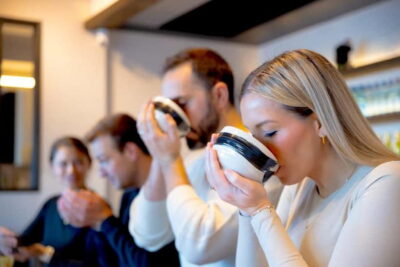
Japanese Traditional Sweets Making and Tea Ceremony
Read our review →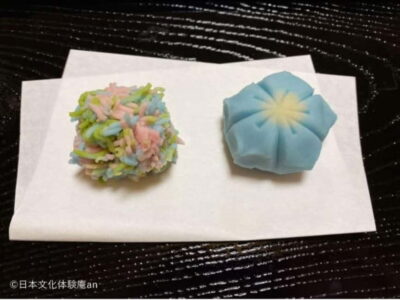
Nagoya: Japanese Traditional Sweets making and Tea Ceremony
Read our review →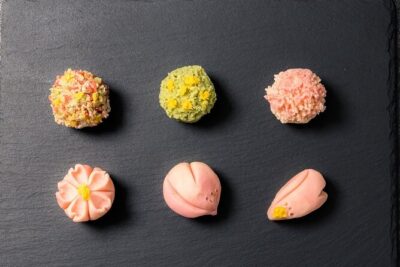
Sweets Making and Kimono Tea Ceremony at Tokyo Maikoya
Read our review →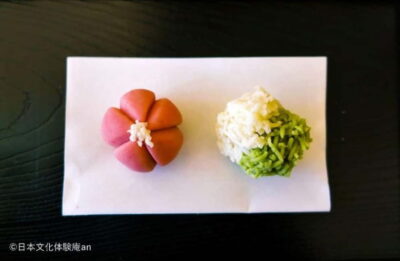
Japanese Traditional Sweets making and Tea Ceremony
Read our review →Browse the lists this tour appears in