
Review · TOKYO
Authentic Japanese tea tasting: sencha, matcha and gyokuro
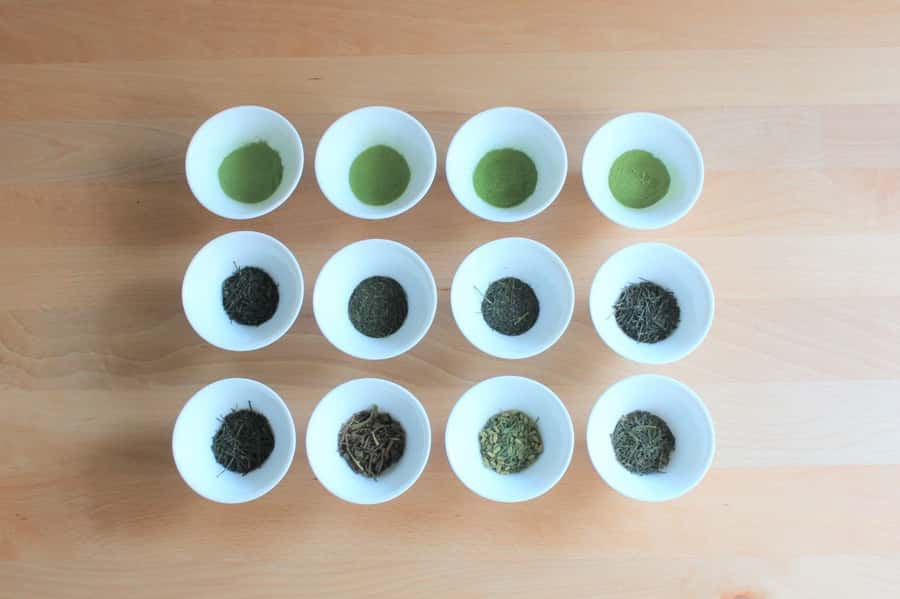
Japanese tea is not one flavor, and this 90-minute tasting makes that clear from the first cup. You move through 12 teas, including seven sencha, four matchas, and one premium gyokuro, while learning how growing methods, picking, and preparation affect the taste.
I like the small group of no more than four people, which gives the session a calm, personal feel. I also like the range from everyday tea to hand-picked premium tea, since you can compare value and flavor instead of simply being told that one cup is better. The main consideration is that this is an indoor tasting in a cozy apartment, not a grand tea-house ceremony or a sightseeing tour.
Key points to know before booking
- Twelve teas in 90 minutes: Taste seven sencha varieties, four matcha powders, and one premium gyokuro.
- A useful side-by-side lesson: Compare daily tea with higher grades and learn why the cups taste different.
- Matcha comes with Japanese confectionery: Small traditional sweets help balance matcha’s strong, savory character.
- Small group setting: The experience is limited to four participants, so the explanation can stay personal.
- Downtown Tokyo location: Meet at the apartment entrance and use the intercom by pushing 202 and the bottom-right button.
- Best for adults who enjoy tea: The session is conducted in English and is not suitable for children under 18 or pregnant women.
Twelve cups that show what Japanese tea can do
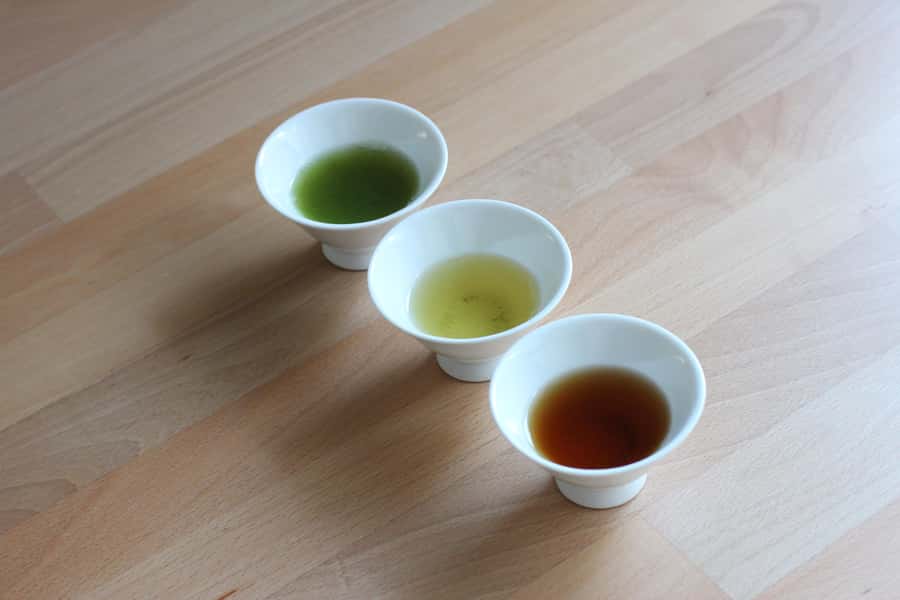
The heart of the experience is the tasting itself. You sample seven kinds of sencha, four kinds of matcha green tea powder, and one premium gyokuro. That is a broad range for a 90-minute session, so expect the event to keep moving rather than pause for long breaks between cups.
Sencha is the familiar starting point for many people. It is a loose-leaf green tea that can be part of everyday life in Japan, but the word covers a wide range of quality and style. Here, the seven examples let you compare more than one version of the same general tea type. That matters because a first cup can give you the wrong idea if you assume all sencha tastes alike.
As you taste, pay attention to sweetness, bitterness, aroma, and umami. Umami is the savory, brothy quality often linked with Japanese green tea. Some people love it at once. Others find it unusual, especially if they normally drink black tea or lightly flavored herbal tea. The tasting gives you a chance to decide for yourself instead of relying on a description.
The sencha selection also helps explain price. A daily tea may be straightforward and refreshing, while a more carefully grown or processed tea may feel smoother, sweeter, or more layered. You do not need to become a tea expert to notice the contrast. The point is to understand what you are paying for when you see a large range of prices in a Japanese tea shop.
More Matcha Experiences in Tokyo:
- Matcha Making Class in Tokyo with Authentic Japanese Sweets Set
★ 5.0 · 744 reviews - Tokyo: Matcha Making Experience with Mochi Sweets in Asakusa
★ 4.9 · 388 reviews - Asakusa Cultural Walk & Matcha Making Tour
★ 5.0 · 245 reviews
Matcha, sweets, and a more concentrated taste
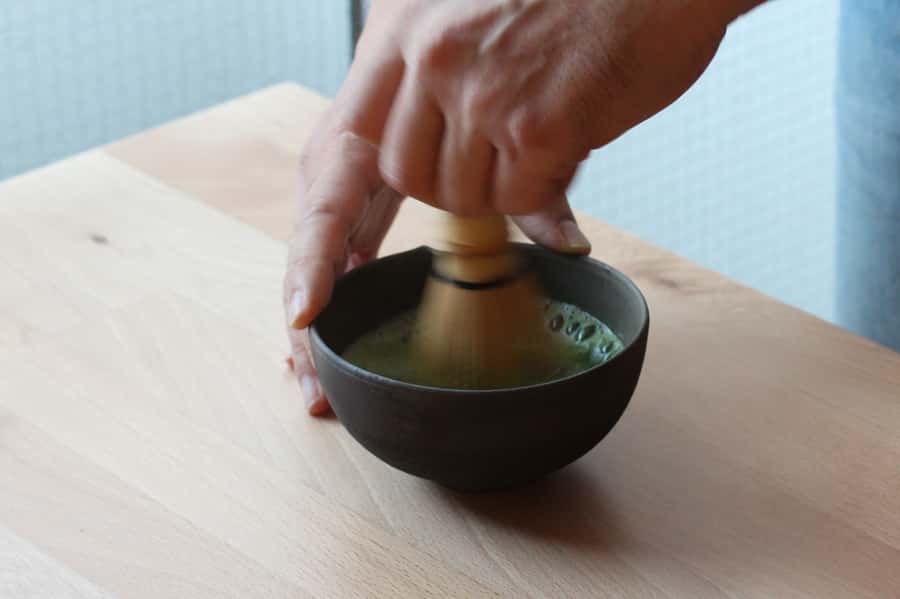
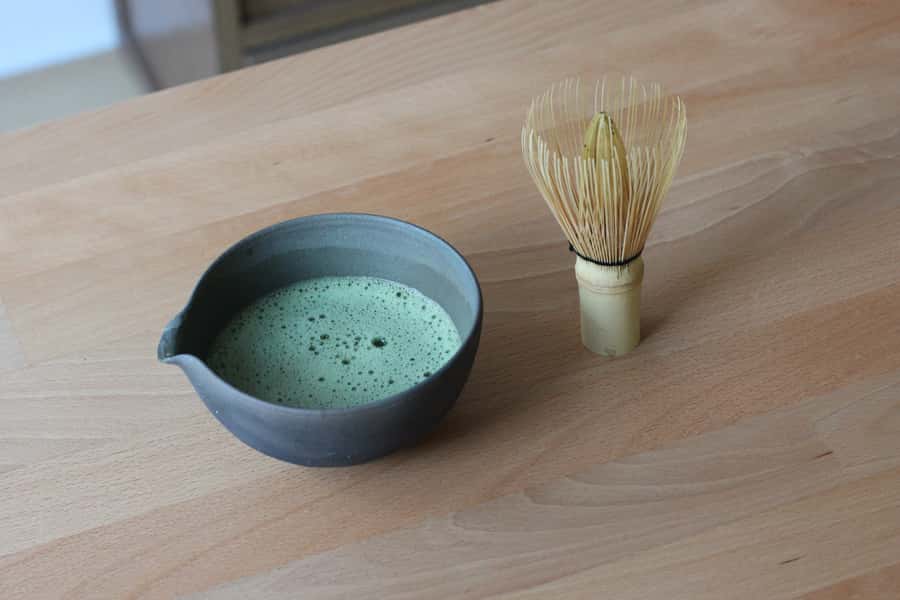
The four matchas change the pace of the tasting. Unlike sencha, matcha is powdered tea. You drink the leaf itself after it has been whisked into water, rather than drinking water that has passed over leaves. The flavor is therefore more direct, and the texture is part of the experience.
Matcha can be grassy, savory, sweet, bitter, or creamy in the mouth. The differences among four powders may be subtle at first, but the comparison makes them easier to spot. If you have only tried matcha in a sweet latte, this is a useful reset. You will taste matcha in a more traditional form, without milk or syrup covering its character.
The tasting includes a small portion of Japanese traditional confectionery with the matcha. That pairing is practical, not decorative. Sweet confectionery can soften matcha’s bitterness and give your palate a clear contrast. Take a small bite, then taste the tea again. You may find that the matcha seems rounder or more balanced afterward.
The portions of sweets are small, so do not book this as a snack or lunch replacement. It is a tea lesson with a modest food pairing. That is just right for the format, since too much food would distract from the differences among the teas.
Gyokuro is the premium final comparison
The tasting includes one premium-grade gyokuro. Gyokuro is known in Japan as a high-end green tea, and it is often prized for its strong umami and smooth character. In this session, it gives you a clear reference point for the top end of the tasting.
Because there is one gyokuro rather than several, the experience does not offer a full gyokuro flight. Still, its place in the lineup is useful. After tasting several sencha and matchas, you can consider how a premium tea feels different from a more ordinary cup.
Do not expect every tea to be an instant favorite. Tea preference is personal, and the Italian participant whose comments are included with the experience made that point plainly: the tasting is highly instructive, but the flavors may suit some palates more than others. I appreciate that honesty. A premium tea is not automatically better for every drinker. It may simply be more intense, more savory, or more refined in ways you either enjoy or do not.
The story behind the leaves
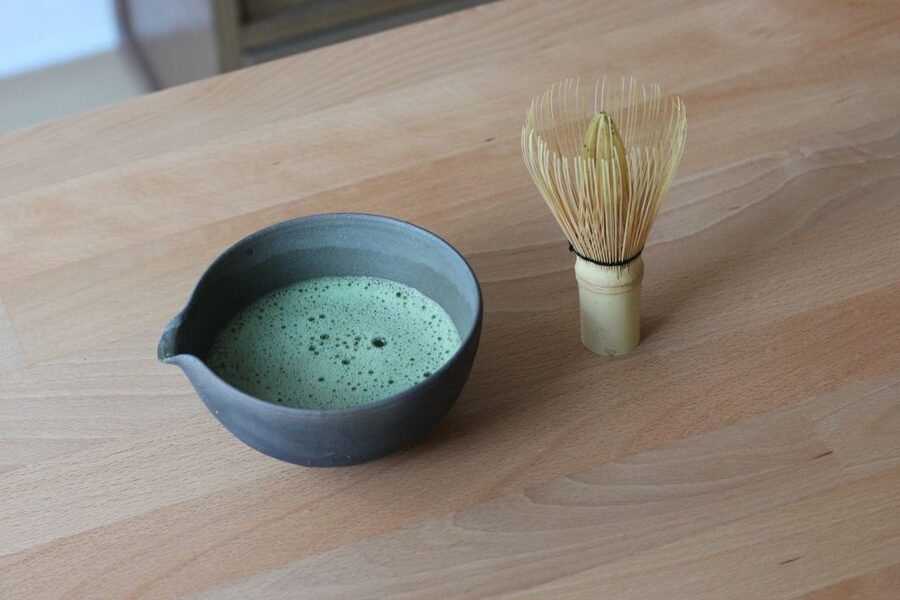
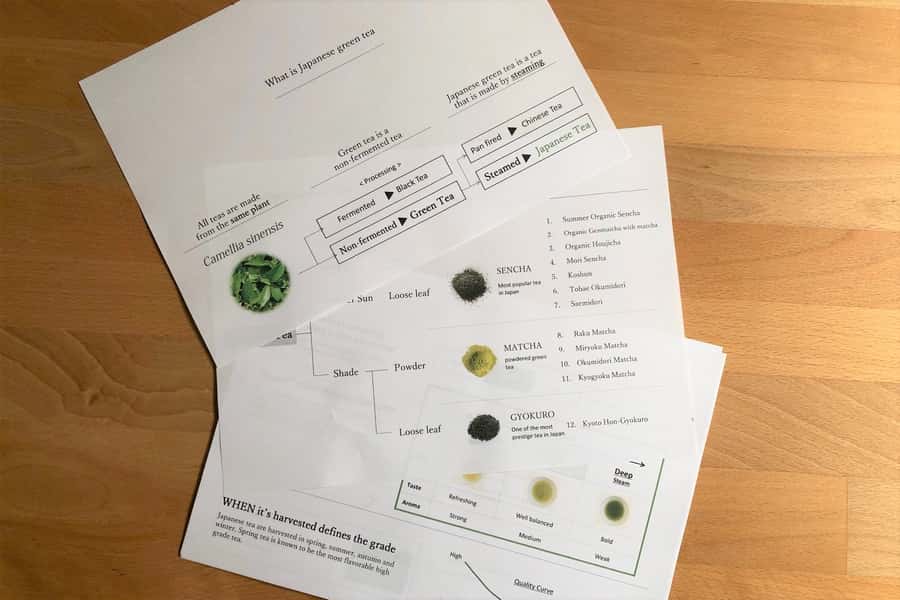
This is not just a succession of cups. The tea expert explains the background of Japanese tea, how it evolved, and how different teas are made. That context gives the tasting a purpose.
You learn about the difference between sencha, matcha, and gyokuro, but the more useful lesson is how production affects the final drink. The host also explains the range of grades, from daily tea to premium hand-picked tea. This helps connect the taste in your cup with the work behind it.
The teas are sourced from family farms. That detail adds a human scale to the experience. Rather than treating Japanese tea as a single national product, the session presents it as something made by individual growers and producers. You can ask questions about the teas as you go, although the amount of time for questions will depend on the pace of the group.
The explanations are given in English. The host’s role is especially important here because the value of the session rests on interpretation. You are not simply handed 12 samples. You are shown how to notice the differences and how to think about quality.
More Tea Tastings in Tokyo:
- Matcha Experience with of Japanese Tea Tasting in Tokyo
★ 5.0 · 31 reviews - Tokyo: Matcha Tasting and Making Experience
★ 4.9 · 21 reviews - Authentic Japanese tea tasting session: sencha, matcha, gyokuro
★ 5.0 · 11 reviews - Private Tea Ceremony and Sake Tasting in Kyoto Samurai House
★ 5.0 · 163 reviews
Why the small group matters
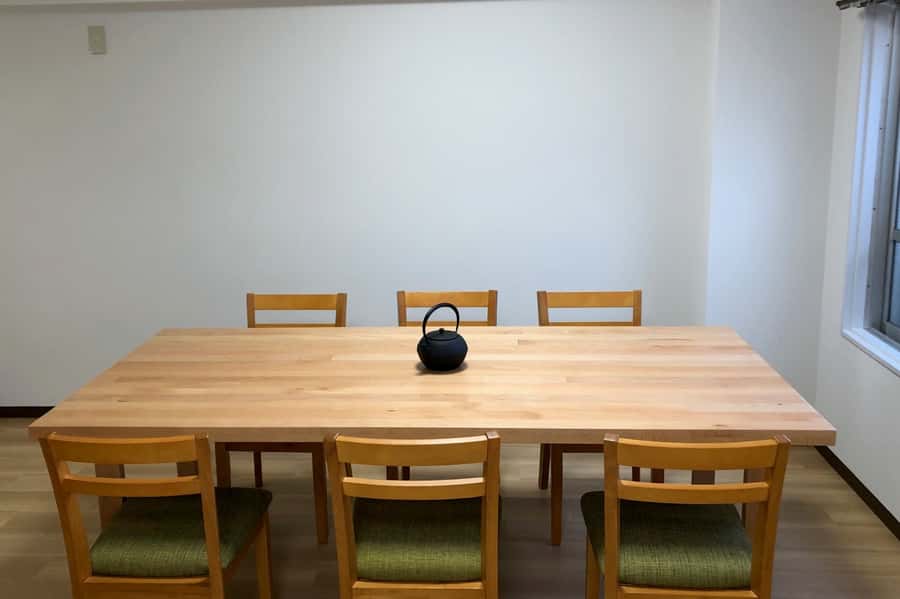
The group is limited to four participants. That is one of the strongest features of the experience, especially in an apartment setting. A large class could make the tasting feel like a demonstration, while four people allow the discussion to stay focused.
A small group also helps with the practical side of tasting. You can compare your impressions with the others without having to speak in front of a crowd. If one tea tastes sweet to you and savory to someone else, that difference becomes part of the lesson.
The setting is a cozy apartment room in downtown Tokyo. I see this as a deliberate contrast to a formal tourist attraction. You are entering a private-feeling space for a quiet conversation about tea. It should appeal to you if you prefer local-scale activities and simple surroundings.
There is a tradeoff. The apartment setting does not offer the visual ceremony of a historic tea house, garden, or temple. The experience is about the tea and the teaching, not architecture or costumes. If you want photographs and a grand setting, this may feel modest. If you want a focused tasting, the room is likely to suit you well.
A practical look at the 90-minute flow
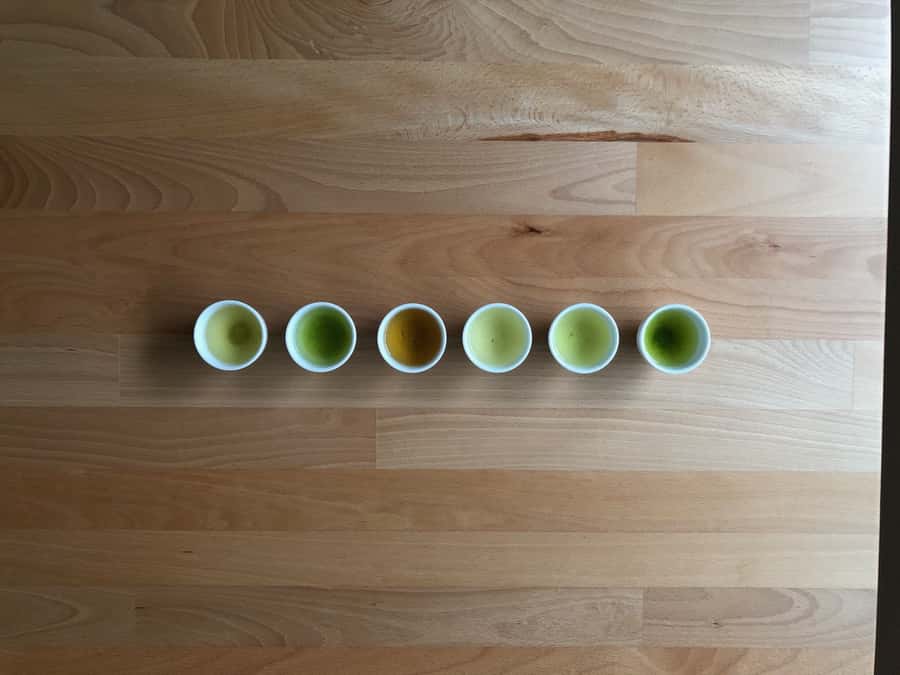
The precise order can vary, but you can expect the session to follow a clear progression.
It begins with an introduction to Japanese tea and its background. This gives you the vocabulary to follow the tasting and explains why the session includes several grades and types.
The sencha portion then provides the largest comparison, with seven teas. This is where you are most likely to notice the range between everyday drinking tea and more carefully produced examples. The number of sencha samples may sound ambitious for 90 minutes, but small tasting portions keep the focus on comparison rather than consumption.
The matcha section follows with four powders. These are prepared in an appropriate way by the tea expert, so the session can address both flavor and method. You also pair matcha with traditional confectionery, which gives the tasting a clear food element without turning it into a meal.
The premium gyokuro completes the lineup. Its inclusion gives you a final reference for a high-grade tea and lets you consider how it compares with the sencha you have just tasted.
The host also explains how to have a tea ceremony, according to the experience details. You should think of this as an introduction to the method and customs, not necessarily a full formal ceremony lasting 90 minutes. The main focus remains tasting, comparison, and explanation.
Is $87 a fair price?
At $87 per person, this is not a cheap cup of tea. It is also not priced like a casual café visit. You are paying for 12 samples, instruction in English, premium ingredients, a small group, and 90 minutes with a tea expert.
The value depends on how you use the session. If you already enjoy Japanese tea and want to understand the gap between ordinary sencha, matcha, and gyokuro, the price is easier to justify. Twelve comparisons would cost money and time to arrange on your own, and you would not necessarily know how to prepare each tea properly.
The value is weaker if you mainly want a quick matcha drink or a scenic Japanese cultural activity. You may find the amount of teaching more than you need, and the apartment setting may feel too plain for the price.
One useful bonus is that tea may be available to take home. An Irish participant specifically noted getting tea to bring home. Do not assume a purchase is included in the $87 price, but if you find a favorite, the chance to buy it after tasting is helpful. You can try before choosing rather than guessing from a package label.
The strong ratings, all at five stars from the supplied feedback, fit the experience’s main strengths: welcoming instruction, good tea, and a relaxed small-group format. I would still keep your palate in mind. Green tea can be an acquired taste, and no teacher can guarantee that every one of 12 cups will appeal to you.
Who should book this tasting?
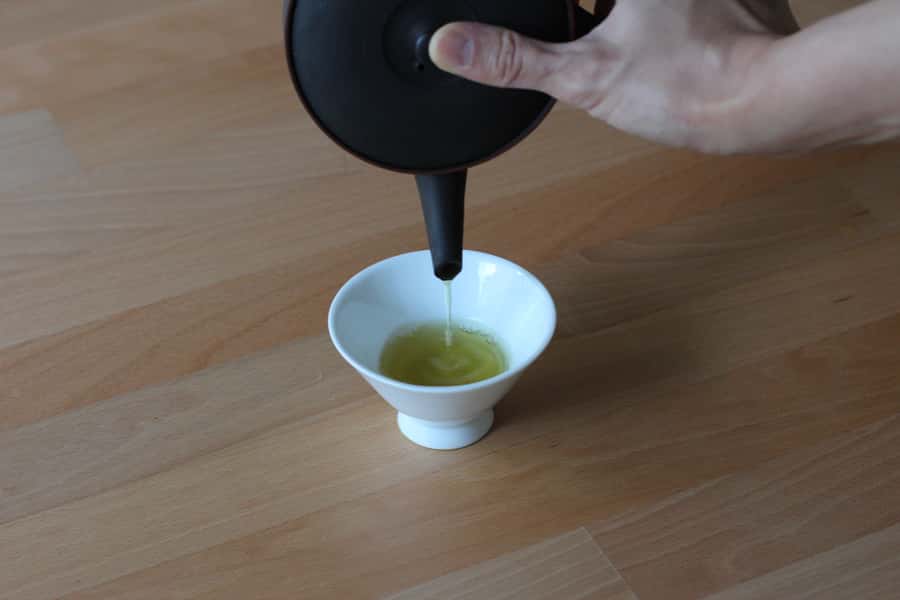
I would recommend it to adults who already like green tea or who want a clear introduction to Japanese tea beyond matcha sweets and bottled drinks. It is also a smart choice for a repeat visitor to Tokyo who has already seen the major sights and wants a quieter cultural activity.
It suits curious beginners because the host explains the basic differences and provides a wide range of examples. It suits tea fans because the lineup includes premium gyokuro and several grades of sencha. It is particularly useful if you plan to buy tea in Japan and want to learn what to look for before spending money.
The session is conducted in English, which makes the instruction accessible to English-speaking visitors. The small group should also appeal to you if you prefer conversation over a large class.
This is not suitable for children under 18 or pregnant women, according to the activity restrictions. It is also not the right choice if you dislike green tea’s bitter or savory notes, need a full meal, or want a formal ceremony in a historic setting.
Meeting in downtown Tokyo
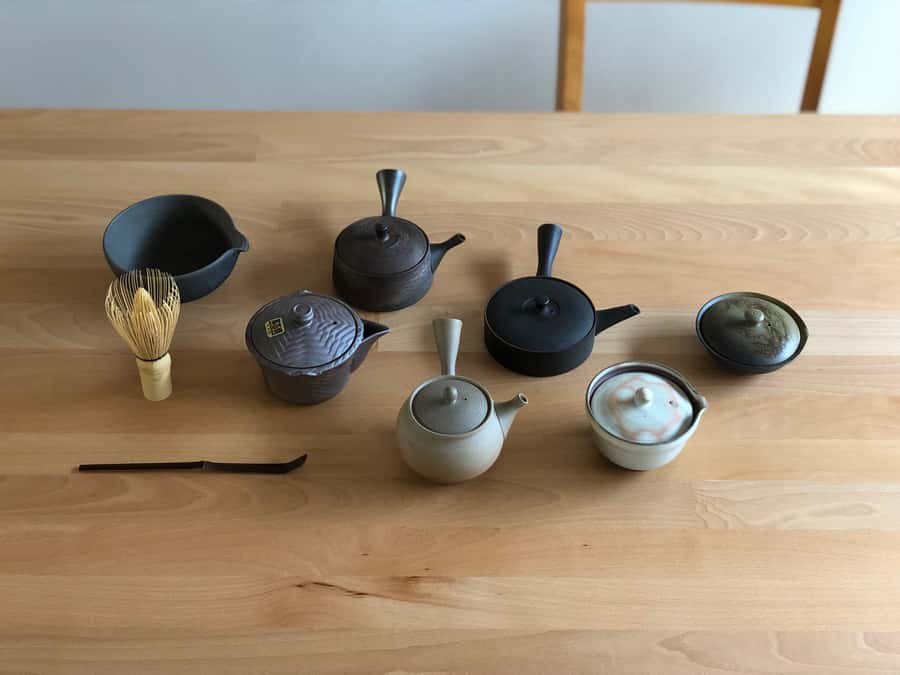
You meet at the entrance of the apartment. The stated instruction is to push 202 and then press the bottom-right button. Keep that detail handy, since apartment entrances can be easy to miss when you are looking for a shopfront or sign.
The location is in downtown Tokyo, but the supplied information does not give a station name or neighborhood. Check the confirmed booking details carefully before setting out, and allow enough time to identify the building. Once inside, the experience takes place in a cozy apartment room.
The activity lasts 90 minutes. Starting times depend on availability, so choose a slot that leaves you unhurried. Tea tasting is more enjoyable when you are not watching the clock or rushing to another reservation.
Free cancellation is available up to 24 hours in advance for a full refund. You can also reserve now and pay later, which is useful if your Tokyo schedule is still changing.
Should you book it?
Book this experience if you want to understand Japanese tea through comparison rather than ceremony alone. The seven sencha, four matchas, and premium gyokuro create a useful tasting map, while the family-farm sourcing, preparation guidance, and Japanese sweets add context.
I would especially choose it for a small adult group that values calm conversation and practical learning. At $87, it is a considered purchase, but the number of teas and personal instruction give it solid value for tea lovers.
Skip it if your priority is a grand setting, a full meal, or a short and inexpensive refreshment. For everyone else, this is a focused way to spend 90 minutes in Tokyo and leave with a much clearer sense of why Japanese green tea can taste so different from cup to cup.
FAQ
How long does the Japanese tea tasting last?
The experience lasts 90 minutes.
How many teas will I taste?
You will taste 12 different Japanese teas: seven sencha varieties, four matcha green tea powders, and one premium-grade gyokuro.
Is Japanese confectionery included?
Yes. A small portion of traditional Japanese confectionery is paired with the matcha.
Is the experience conducted in English?
Yes. English is the stated language for the instructor and activity.
How many people can join the tasting?
The group is limited to four participants.
Who cannot take part in this activity?
The experience is not suitable for pregnant women or children under 18.
More Food and Drink Tours in Tokyo
- Experience all of Japanese culture and Japanese food experience classes “origami, udon, Japanese food, green tea, calligraphy” in 4 hours
★ 5.0 · 105 reviews - Tokyo Sushi Making Class : Sake Ceremony & Matcha Experience
★ 5.0 · 44 reviews - Kimono and Tea Ceremony in Asakusa Private Food Tour With Guide
★ 5.0 · 4 reviews - Arashiyama Bamboo, Temple, Monkeys, or Secret Sake Brewery
★ 4.8 · 886 reviews
Just added around Tokyo
- Yokohama : Tea Ceremony with Sweets and Souvenir★ 5.0 · 5 reviews
- Walking Tour: Yanaka,Nezu& Sendagi: Tea Ceremony & Old Tokyo★ 5.0 · 3 reviews
- 2 Hours Mochi &Nerikiri Making & Matcha Class in Bunkyo★ 5.0 · 21 reviews
- Private Kimono and tea ceremony at local home near Tokyo Disney★ 5.0 · 6 reviews
- Private Mochi・Matcha sweets Making Class Near Shibuya Area★ 5.0 · 22 reviews
- Tokyo Sweets Tour: Hidden Gems & Matcha at an Old Tea House★ 5.0 · 6 reviews
- Giant Sushi Cooking Class: Make a 1.5m Sushi Roll in Tokyo★ 5.0 · 9 reviews
- Tokyo Tea Ceremony Class at a Traditional Tea Room★ 5.0 · 2 reviews
Matcha Experiences, compared.
World Heritage Kyoto & Nara Uji Authentic Matcha Experience
Read our review →
Matcha Making Class in Tokyo with Authentic Japanese Sweets Set
Read our review →
Tea Museum Tickets and Matcha Grinding Experience
Read our review →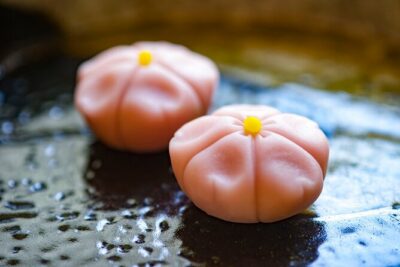
Matcha Making Class in Osaka with Authentic Japanese Sweets Set
Read our review →
Tea Ceremony Meditation – Make Matcha with Tea Master
Read our review →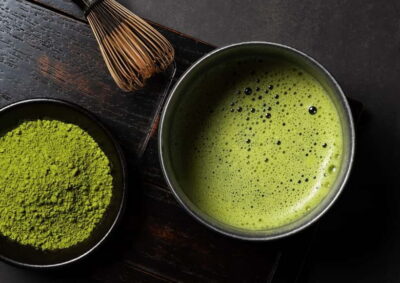
Matcha Making Experience with Mochi Sweets in Asakusa
Read our review →
Browse the lists this tour appears in