
Review · KYOTO
Experience a tea ceremony in an authentic tearoom, in Kyoto!
Kyoto’s tea ceremony is less about drinking a cup of green tea than learning how a simple act can hold history, manners, craft, and quiet attention. Here, you enter an authentic tea room in a 130-year-old townhouse, passing through the garden rather than walking into a modern activity venue. I like that the experience gives you both a demonstration and a chance to make your own matcha, and I like the use of sweets from a long-established Kyoto confectioner. The main consideration is time: at about 45 minutes, this is a well-made introduction, not a long formal tea gathering.
Host Kaori guides the ceremony in English and explains the customs in a patient, friendly way. Small groups of up to 10 people can make the room feel personal, though the experience may feel expensive if you want only a quick taste of matcha or expect costumes and a full cultural performance. A stool is available if kneeling is difficult, but you should still expect a traditional room and floor-level seating.
What makes this Kyoto tea ceremony worth your time
- A 130-year-old townhouse setting: Enter the tea room through the garden and experience the ceremony in a genuine old Kyoto home.
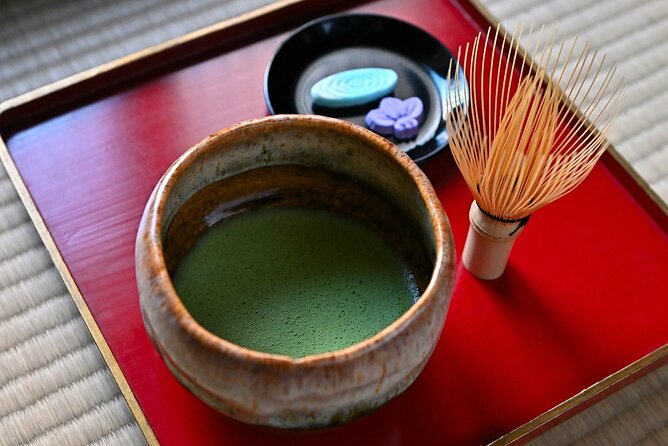
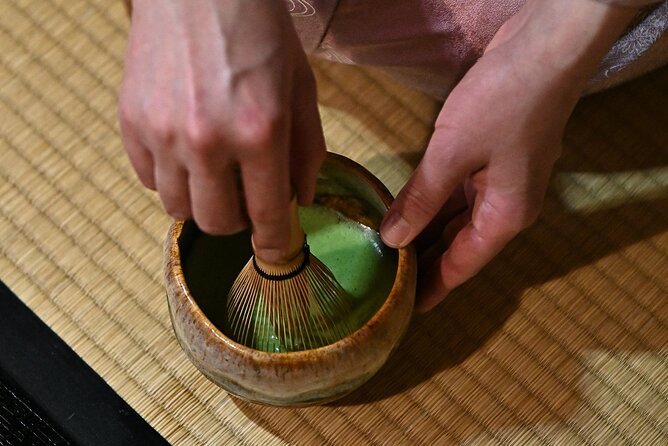
- A demonstration followed by hands-on practice: Watch the host prepare matcha, then whisk your own cup with step-by-step guidance.
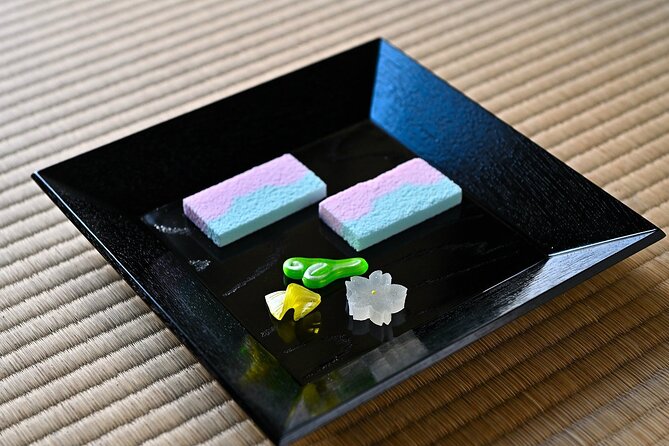
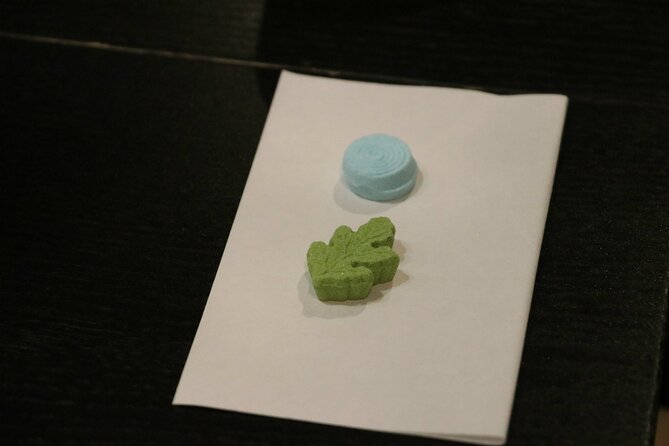
- Traditional wasanbon sweets: Enjoy small dried sweets from Shioyoshi-ken, a long-established Kyoto confectionery.
- Clear English instruction: Kaori explains tea customs, etiquette, history, and preparation in a way beginners can follow.
- A short, focused visit: The 45-minute format works well between sightseeing stops and suits families or first-time visitors.
- Useful knowledge to take home: You learn how to make matcha without formal tea utensils, so the lesson can continue after Kyoto.
Entering through the garden into old Kyoto
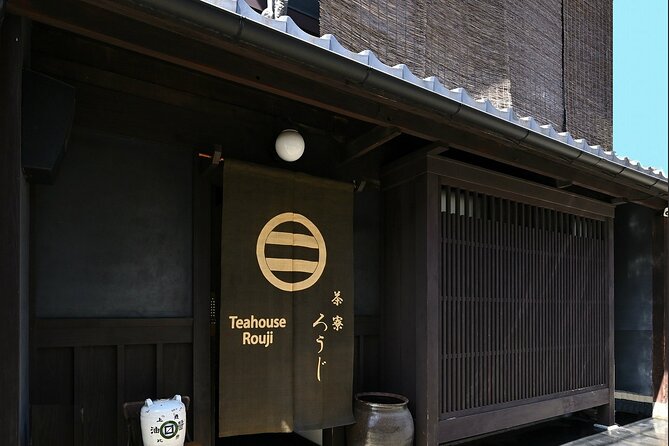
The meeting point is at 22-26 Nishinokyō Ikenouchichō in Nakagyo Ward, Kyoto. The address is near public transportation, but this is not a major sightseeing gate or a large commercial tea center. Allow enough time to find the townhouse and arrive calmly, since a tea ceremony begins with the right frame of mind.
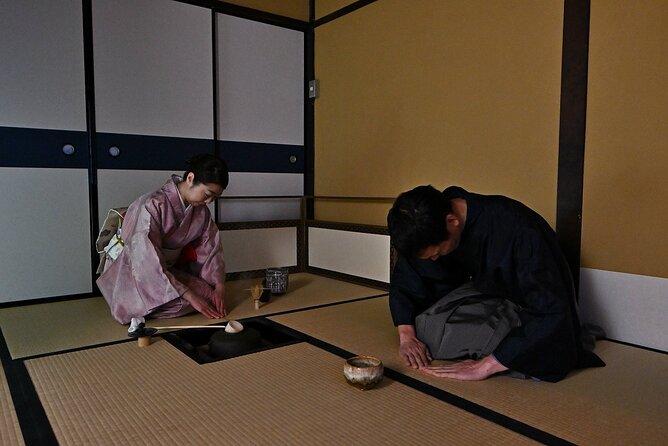
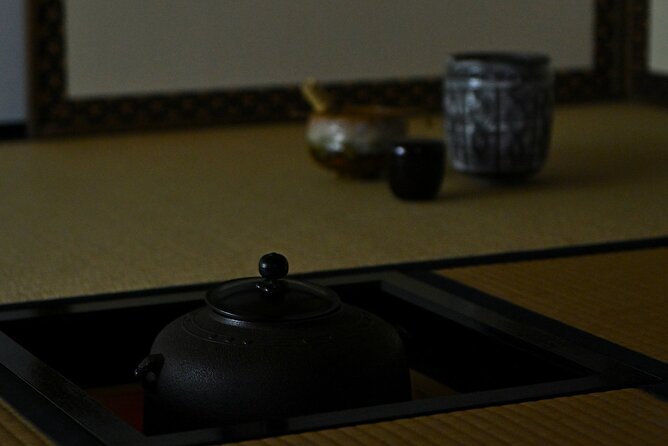
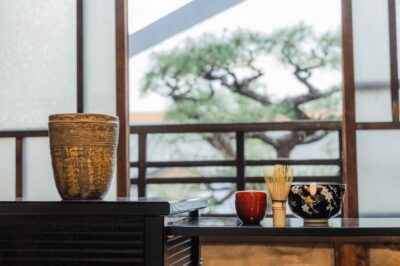
The first memorable detail is the entrance. You do not simply walk into a classroom, sit at a table, and receive a cup of tea. You enter the tea room from the garden, a small shift that helps separate the activity from Kyoto’s busy streets. The 130-year-old townhouse gives the setting real character. Wooden rooms, a garden approach, and the compact tea space make the ceremony feel connected to domestic Kyoto rather than staged for a large audience.
That setting is a major part of what you are paying for. Matcha itself is not an expensive drink. The value comes from the room, the host’s instruction, the traditional objects, the sweets, and the chance to learn why each movement matters.
The room is also likely to feel close and intimate. The maximum group size is 10, and smaller bookings may have only a few people. A family of three, for example, may receive a very personal session, while a full group of 10 will have a livelier class. The exact group size depends on bookings, so do not assume the activity will always be private.
More Tea Ceremony Experiences in Kyoto:
- Kyoto: Tea Ceremony in a Traditional Tea House in Kiyomizu
★ 4.9 · 3,519 reviews - Kyoto: Tea Ceremony Ju-An at Jotokuji Temple
★ 4.9 · 3,207 reviews - Kyoto: 45-Minute Tea Ceremony Lesson Experience
★ 4.3 · 2,378 reviews
Watching the ceremony before making your own matcha
Kaori begins by explaining the background and customs of tea ceremony. You learn that the practice joins tea, Zen ideas, manners, movement, and attention to the objects in the room. This introduction matters because the ceremony can otherwise look like a series of precise motions with no obvious reason behind them.
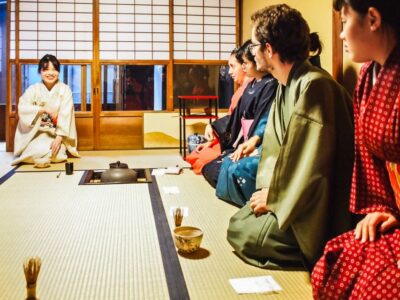
You will see the host prepare matcha before trying it yourself. Pay attention to the small details: how the bowl is handled, how the tea is whisked, how the drink is appreciated, and how the sweets fit into the order of the experience. The goal is not to memorize every rule. It is to understand the spirit of the ritual well enough to take part respectfully.
The tea is served with dried Japanese sweets, including traditional wasanbon sugar confections from Shioyoshi-ken. These sweets are small and quite sweet, which may surprise you if you expect a larger dessert. Their purpose is to balance the bitterness of matcha, and the sweetness gives your palate a useful contrast before you drink.
This is one area where expectations matter. If you want a café-style serving with a generous pastry, this may feel slight. If you want to see the traditional pairing of a small sweet and bitter tea, the portion makes sense. The sweets are part of the lesson, not a separate snack stop.
Making matcha as a beginner
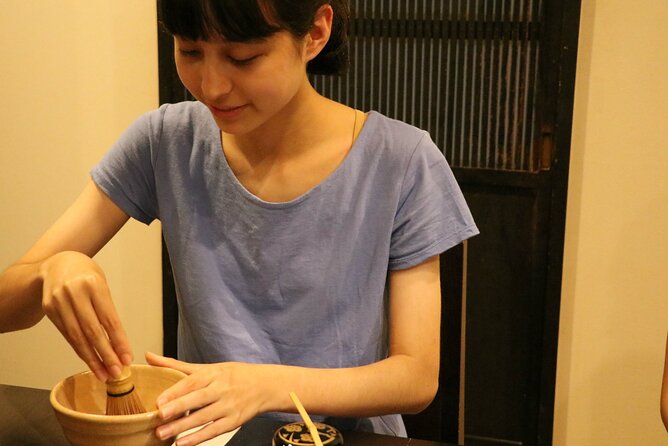
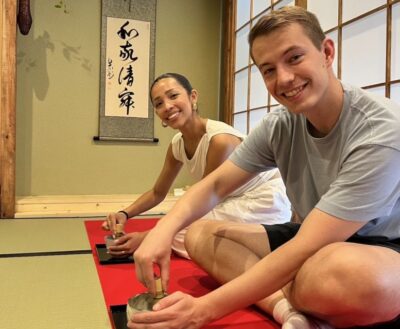
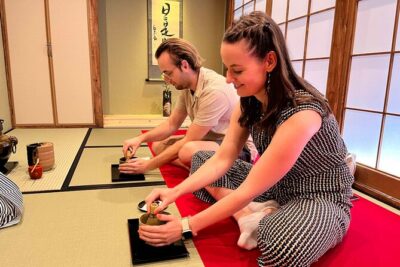
After the demonstration, you prepare your own matcha. The host provides detailed instructions, so you do not need previous experience with tea ceremony or Japanese tea. You learn the basic preparation process and receive help as you work.
This hands-on part is the practical heart of the activity. Watching a trained host whisk tea is pleasant, but making the drink yourself helps you understand the rhythm and effort involved. It also gives you something useful to take home. The lesson includes tips for preparing matcha without formal tea utensils, which means you can try it again even if you do not buy a traditional tea bowl or whisk.
Several parts of the instruction are aimed at beginners:
- How to appreciate and drink matcha
- How to handle the tea and bowl
- How to prepare matcha yourself
- How to enjoy the practice without a complete tea ceremony setup
- How tea ceremony connects with Japanese customs and history
The quality of this part depends heavily on the host, and Kaori’s role is important. She explains patiently, answers questions, and speaks English clearly. The experience is not designed as a silent performance. You can ask about the objects, the ritual, the tea, and the customs as they come up.
If you are traveling with children, this practical step can help keep their attention. A family does not have to sit through a long formal ceremony without participation. You watch, listen, and then get to whisk tea yourself. The 45-minute length also keeps the activity manageable for younger visitors.
What the old townhouse adds to the experience
Kyoto has many ways to learn about tea, from department-store demonstrations to large cultural shows. Those options may offer more elaborate presentation, but this activity’s strength is its scale and setting.
A 130-year-old townhouse gives you a sense of how traditional spaces can be used for everyday culture. The tea room is not merely a backdrop. It shapes the pace of the visit. You leave the street, pass through the garden, and enter a smaller room where the sounds and movements become more noticeable.
I also appreciate that the ceremony takes place away from the busiest tourist routes. That does not mean the address is difficult to reach, but it does mean you are not attending an event inside a large attraction with crowds moving around you. The quieter setting suits the subject.
Do not expect a grand estate or a museum-scale building. This is a townhouse, and the tea room is likely to feel compact. That is part of its charm, but visitors who prefer spacious venues or a large visual spectacle may find it modest.
A few more tea experiences around Kyoto worth a look
- Kyoto: Table-Style Tea Ceremony at a Kyo-Machiya
★ 4.9 · 1,211 reviews - Kimono Tea Ceremony at Kyoto Maikoya, NISHIKI
★ 5.0 · 911 reviews - Kyoto: Kimono Tea Ceremony at Orizuruya Gion
★ 4.9 · 618 reviews - Kyoto: Tea Ceremony in 100-year-old Kyo-Machiya Townhouse
★ 4.8 · 546 reviews
Sitting comfort, clothing, and the missing extras
Traditional tea ceremony often involves sitting on the floor, and this activity takes place in an authentic tea room. If you have bad knees or trouble kneeling, tell the host when you arrive. A stool can be provided, and the host has shown flexibility when people cannot sit in the customary position.
Still, I would not book this expecting a chair-based presentation from start to finish. Wear clothing that lets you sit comfortably and avoid anything that makes floor-level movement awkward. The experience is short, but comfort affects how much attention you can give the ceremony.
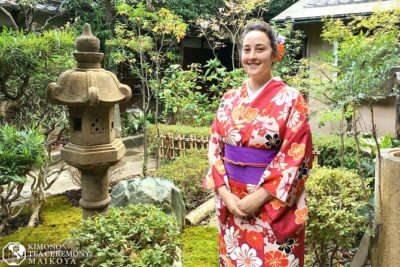
A kimono is not listed as part of the activity. One person specifically found the lack of kimono disappointing, so adjust your expectations before booking. This is a tea lesson in an old townhouse, not a costume rental or photo session. The host may wear traditional clothing, but you should not assume dressing up is included for participants.
That distinction helps with the price. At $39.63 per person, you are paying for access to the tea room, the host’s time, the sweets, the tea, and personal instruction. You are not paying for a meal, a kimono, a long cultural show, or several hours of entertainment.
Is $39.63 a fair price?
For a short cultural activity in Kyoto, the price is reasonable if you care about setting and instruction. You receive a demonstration, a serving of matcha, traditional sweets, explanations in English, and hands-on practice. The old townhouse adds something that a basic tea-tasting counter cannot provide.
The value is weaker if you judge the activity by food and drink alone. You receive a small amount of sweet and one tea experience, not a full meal or an extended tasting. Some people may feel that 45 minutes is too brief for the cost, particularly if they are looking for a more formal or elaborate ceremony.
I would compare it with the cost of other short Kyoto activities. This is priced like a guided cultural lesson, not like a café visit. If you want to understand what tea ceremony means and learn a skill you can repeat at home, the price makes sense. If you simply want to taste matcha, buy a drink elsewhere.
The small-group limit also affects value. A group of three or four can receive a warm, personal session, while a full group may have less individual attention. Even with 10 people, the format remains more personal than a large stage-style demonstration, but it is worth knowing that private booking is not automatically guaranteed.
How the 45 minutes are likely to unfold
The exact pace can vary, but you can expect a clear sequence:
- Arrival and entry: Meet at the Kyoto townhouse and enter the tea room through the garden.
- Cultural introduction: Learn about the history, customs, and meaning of Japanese tea ceremony.
- Host demonstration: Watch Kaori prepare and serve matcha while explaining the proper approach.
- Sweet and tea pairing: Enjoy dried wasanbon sweets from Shioyoshi-ken with the matcha.
- Hands-on preparation: Make your own matcha with guidance, even if you have never used a tea whisk.
- Practical tips: Learn how to prepare and enjoy matcha at home without formal tea utensils.
The order may shift slightly, but the activity clearly combines observation with participation. You are not just sitting while someone else performs the ceremony.
The 45-minute format is also useful for planning. You can fit it into a day of sightseeing without sacrificing half a day. I would place it between larger visits rather than at the end of an exhausting day. The quiet pace works best when you are not rushing to catch another appointment.
Who should book this tea ceremony?
I would recommend it to first-time visitors who want an introduction to an important Japanese tradition without committing to a long formal lesson. It also suits couples, families, and small groups that prefer a personal activity over a large organized show.
It is especially good for you if:
- You want to make matcha, not just drink it
- You enjoy learning the meaning behind customs
- You value an old Kyoto setting
- You prefer a small group
- You want an activity that fits into a busy sightseeing day
- You would like to repeat the experience at home
It may not suit you if you want a full kimono experience, a large meal, a long ceremony, or a visually dramatic performance. It may also disappoint you if you have no interest in ritual and would rather spend the time visiting a temple, garden, or café.
English is an important practical point. Kaori’s explanations are clear, and the activity is designed for international visitors. That makes the customs easier to follow and gives you room to ask questions rather than simply copy movements.
Booking, timing, and cancellation details
Confirmation is sent within 48 hours of booking, subject to availability. Because a scheduling misunderstanding once caused a missed appointment, check your confirmation carefully and make sure the date and time match your plans. If the operator offers a time change, respond clearly and keep the updated details handy.
The activity ends back at the meeting point. It is near public transportation, but the townhouse address may require a little street-finding, so arrive early rather than cutting it close.
Free cancellation is available up to 24 hours before the local start time for a full refund. Changes or cancellations made less than 24 hours before the start are not accepted for a refund. The activity also requires a minimum number of participants, and if that minimum is not reached, you will be offered another date or experience, or a full refund.
Should you book it?
Book this tea ceremony if you want a short, well-explained introduction in a real old Kyoto setting. The strongest reasons are the 130-year-old townhouse, the garden entrance, Kaori’s clear instruction, and the chance to prepare your own matcha rather than only watch.
The main caution is value. At $39.63, the visit is not cheap for 45 minutes, and the sweets are small. There is no listed kimono experience, and the traditional seating may be uncomfortable for some people. But if you treat the fee as payment for a cultural lesson, a personal host, and access to a genuine tea room, it is a sensible choice.
For a first taste of tea ceremony in Kyoto, I would book it. For a full-day cultural program or a formal tea-school lesson, choose something longer and more specialized.
FAQ
How long does the tea ceremony experience last?
The activity lasts approximately 45 minutes.
Where does the experience take place?
It takes place at 22-26 Nishinokyō Ikenouchichō, Nakagyo Ward, Kyoto, Japan. The activity begins and ends at this meeting point.
How many people can join?
The maximum group size is 10 people.
Is the activity suitable for beginners?
Yes. The host explains the ceremony and gives detailed instructions for making matcha, even if you have never prepared it before.
Will I make my own matcha?
Yes. You first watch a demonstration, then prepare your own matcha with guidance from the host.
Are sweets included?
Yes. You receive dried Japanese sweets, including wasanbon-style confections from a long-established Kyoto confectionery, to enjoy with the matcha.
Can I cancel for a full refund?
You can cancel up to 24 hours before the experience start time for a full refund. Cancellations or changes made less than 24 hours before the start are not accepted for a refund.
Just added around Kyoto
- Whisk Your Own Matcha: A Zen Matcha Experience at Temple★ 3.6 · 7 reviews
- Uji Walking Tour – Byodo-in temple and Tea Ceremony from Kyoto★ 3.5 · 3 reviews
- Traditional Tea Ceremony in Kyoto★ 4.5 · 3 reviews
- Kyoto: Authentic Tea Ceremony in a Small Group★ 5.0 · 7 reviews
- Tea ceremony at Kyoto’s Zen Temple Teahouse★ 5.0 · 2 reviews
- Tea Ceremony in 150 Years Old Townhouse with Tables and Chairs★ 5.0 · 22 reviews
- Silent Beauty of Kyoto Zen Walk and Tea Experience★ 5.0 · 2 reviews
- Tea Ceremony Experience in Traditional Kyoto Townhouse★ 5.0 · 19 reviews
Tea Ceremony Experiences, compared.
Tea Ceremony in a Traditional Tea House in Kiyomizu
Read our review →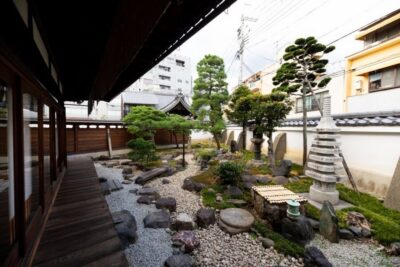
Browse the lists this tour appears in