
Review · KYOTO
Kyoto: A Walking Tour of Four Spring Waters, Tofu Lunch & Matcha
Kyoto’s sacred springs give this half-day tour its unusual focus. You’ll begin with a tofu and Kyoto obanzai lunch, then walk to three water sources tied to local beliefs, learning why each one matters. The final stop is Kameya Yoshinaga, a confectionery founded in 1803, for matcha and sweets made with spring water.
I like the small group, capped at six people, and the way the tour links food, shrines, folklore, and daily Kyoto customs. I also like that transportation, admission fees, lunch, and the tea stop are included, so the $130 price is easier to judge from the full package rather than from the walking time alone.
The main consideration is that this is not a quiet countryside water pilgrimage. Parts of the route pass through busy central Kyoto streets and shopping arcades, and you may wait at the spring sites. The tour also requires at least two participants to operate, and its end time can slip because of traffic.
Key points at a glance
- Three sacred water sources: Visit Yasaka Shrine, Nishiki Tenmangu, and Hiyoke Tenmangu, each linked to a different local belief.
- A tofu and obanzai lunch: Start with a meal built around soy milk cuisine and small Kyoto-style dishes.
- A 1803 confectionery finish: Kameya Yoshinaga serves sweets and matcha prepared with spring water.
- A six-person maximum: The limited group size should make questions and conversation easier.
- Included costs: Lunch, tea, admission, activity fees, and transportation during the tour are covered.
- A central Kyoto route: You’ll see a mix of major shrine areas, shopping streets, and smaller sacred sites rather than rural scenery.
Tofu lunch sets the tone
The experience begins at 11 a.m. with a tofu and Kyoto obanzai lunch. Obanzai refers to home-style Kyoto cooking built around several modest dishes, so this meal is less about one large centerpiece and more about tasting a range of carefully prepared foods.
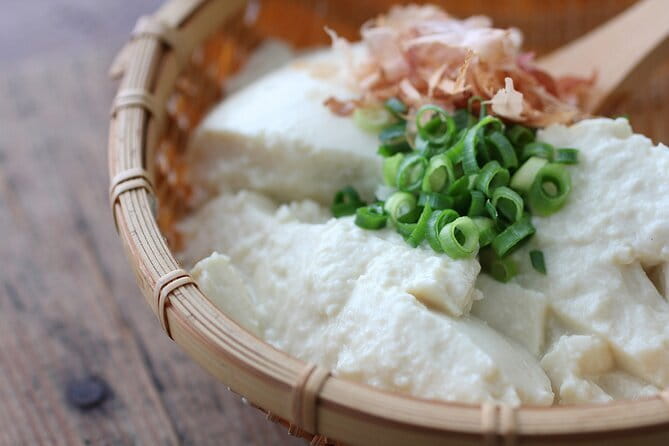
Tofu is the natural star. It is made from soy milk and has long been important in Kyoto cooking, particularly in meals that value clean flavors and gentle textures. Depending on the season and other practical factors, the restaurant may change. That means you should think of the lunch as a style of meal rather than a guaranteed menu at one named dining room.
A yuba dish may also be part of the meal. Yuba is the delicate skin that forms on heated soy milk. It can be subtle, and its texture is not for everyone. If you prefer strongly seasoned food, the lunch may seem restrained. For me, that is part of the point: this meal introduces the quiet, precise side of Kyoto cooking before the walking portion begins.
Allow about 1 hour and 20 minutes for lunch. That is a generous block of time, which helps keep the meal from feeling rushed. It also means the total outing is nearly five hours, so you should not schedule a tight afternoon appointment afterward.
More Matcha Experiences in Kyoto:
- Kyoto: Arashiyama Bamboo Forest, Monkeys, Matcha & Temple Tour
★ 5.0 · 759 reviews - Kyoto: Tea Ceremony Meditation – Make Matcha with Tea Master
★ 4.8 · 406 reviews - Kyoto: Kimono Tea Ceremony with Matcha and Sweet
★ 4.9 · 249 reviews
Yasaka Shrine and the city’s eastern water
The walking portion begins at Yasaka Shrine. The shrine is associated with Kyoto’s eastern guardian, the Azure Dragon, one of four divine creatures said to protect the city’s cardinal directions. Beneath the shrine’s main hall, a mystical pond is described as the dragon’s lair.
The spring water connected with this place is called Gion Shinsui, or Power Water. You’ll have a chance to sample it, then encounter Biyomizu, known as beauty water, at a shrine connected with beauty. The ritual is simple, but the meaning matters more than the taste. This is an opportunity to see how water, prayer, and everyday hopes are woven into shrine customs.
You should expect about 20 minutes here. That is enough for an explanation, a drink, and a few moments to look around, but not enough for a full exploration of the entire Yasaka Shrine complex. If Yasaka is a priority for you, return later on your own with more time.
This first stop is likely to feel the most crowded. The shrine is a well-known Kyoto destination, and the route can pass through busy streets. You may need to queue to experience the water. Bring patience, and do not expect a silent spiritual retreat.
Nishiki Tenmangu and water for learning
The next spring is at Nishiki Tenmangu Shrine. This small shrine is connected with Tenjin, the deity of learning. Its water is believed to offer protection from misfortune, wisdom, and success in academic work.
The stop itself is short, about 10 minutes. That may sound brief, but it suits the nature of this route. You are not spending the day touring large temple compounds. Instead, you are collecting small pieces of Kyoto’s religious life and hearing the story attached to each water source.
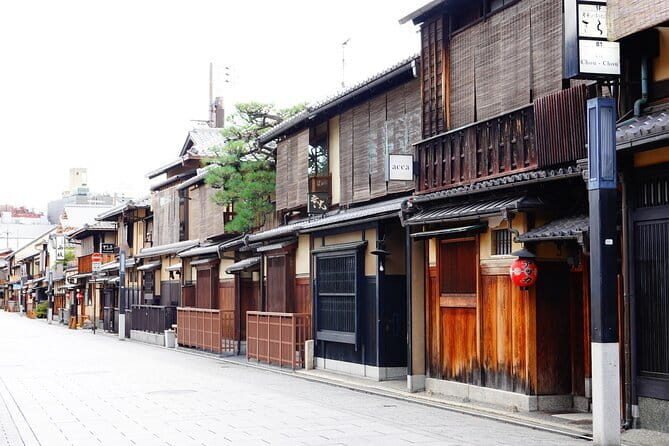
The location also gives you a useful look at central Kyoto’s mix of old and new. The surrounding streets include shopping arcades and modern city life, so the walk is not separated from the city around it. That contrast is one of the stronger parts of the experience. You can move from a sacred spring to a busy commercial passage within minutes.
If you enjoy taking your time at each shrine, this may feel too fast. The tour’s value comes from the connections between stops, not from long visits at any one site.
Hiyoke Tenmangu and protection from fire
Hiyoke Tenmangu provides the third spring-water stop. This shrine is revered as a fire-preventing deity, and its story is tied to the Hamaguri-gomon Incident in the late Edo period. The area is said to have escaped a major fire, leading to tales of the shrine’s protection.
Again, the planned visit is around 10 minutes. You will have time to hear the story and experience the spring, but not to linger for a long independent visit. The fire-prevention theme gives this stop a different mood from Yasaka’s power water and Nishiki Tenmangu’s link with learning.
This variety is what makes the walk more than a sequence of drinking fountains. Each spring carries a separate wish: strength, beauty, wisdom, safety, or good fortune. You do not have to accept the beliefs literally to appreciate the way they shape local customs.
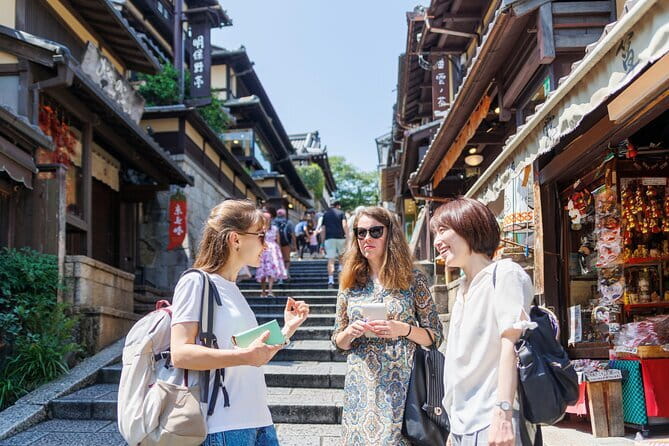
The route also gives you a practical reason to look beyond Kyoto’s famous temples. Smaller shrines can be easy to pass without noticing, especially when you are focused on major sights. A guide helps explain why an unassuming spring deserves attention.
A few more tea experiences around Kyoto worth a look
- Kyoto Walking Tour with Kimono Rental Lunch and Tea Ceremony
★ 5.0 · 3 reviews - Active Volcano, Rice Field, Hot Spring, Fruit market, Tea Plantation with Lunch
★ 5.0 · 513 reviews - Bandung: White Crater Hotspring Tea Plans And Lunch Included
★ 4.9 · 419 reviews - From Sapa: 1-Day Guided Trek to Lao Chai & Ta Van with Lunch
★ 4.9 · 416 reviews
Kameya Yoshinaga and a sweet ending
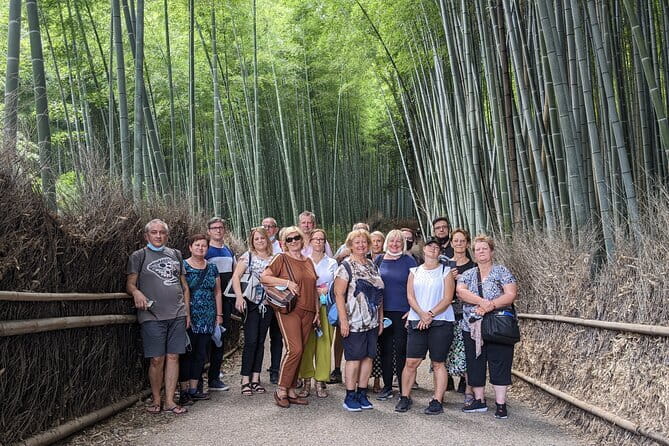
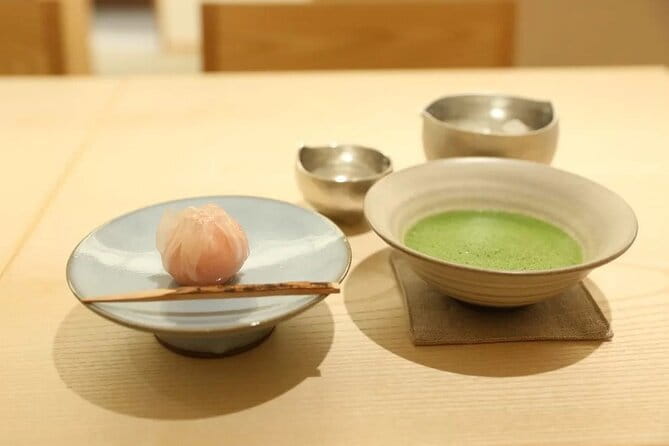
The tour concludes at Kameya Yoshinaga, a Kyoto confectionery founded in 1803. Here, you’ll sit down for sweets and a bowl of matcha made with spring water.
This is the most relaxed part of the outing. After several short shrine visits and a city walk, the tea stop gives you time to slow down. Kyoto confectionery is known for presentation as well as flavor, and the sweets provide a neat closing contrast to the savory tofu lunch.
The spring water is important here, too. It links the final course back to the central idea of the tour. You are not simply stopping for a cafe break. The water appears first as a sacred source, then as part of a traditional tea service and confectionery practice.
You should allow about 30 minutes. The stop is included in the price, along with the matcha and sweets. If you do not usually drink matcha, the experience is still approachable as a cultural stop, though the flavor can be more bitter and concentrated than standard green tea.
The confectionery may be the part that leaves the strongest impression. It gives the tour a clear finish, rather than ending abruptly at the last shrine. If you are especially interested in Japanese sweets, this stop may justify much of the tour’s appeal.
What the $130 price covers
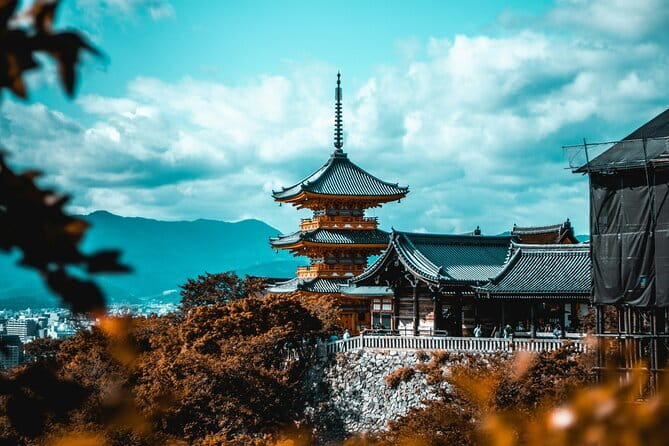
At $130 per person, this is not a bargain walking tour. The price makes more sense when you count the full four-hour-40-minute program: a tofu lunch, a guided route, transportation during the tour, entrance and activity fees, and matcha with sweets.
You are also paying for a small group, with no more than six participants. That matters on a walking tour involving shrine rituals and short explanations. A smaller group can make it easier to hear the guide and ask questions without stopping the entire street.
The value depends on what you want from Kyoto. If your main goal is to see as many famous sights as possible, the tour may feel expensive for three brief shrine visits. If you want food, local beliefs, and a guided look at less obvious stops, the package is easier to justify.
Private transportation to and from Kyoto is not included. You meet at Kyoto Station and return there at the end. Hotel pickup and drop-off are also not provided, so plan your morning around reaching the station on time.
Group size, timing, and walking conditions
The tour starts at 11 a.m. and lasts about 4 hours and 40 minutes. You will be walking between central Kyoto locations, with transportation included where the tour calls for it. The exact route and restaurant can change because of traffic, season, or other conditions.
The end time is not guaranteed to the minute. Leave extra space in your schedule, especially if you have a train reservation, evening dinner, or another paid activity. Kyoto traffic can slow the final return.
The maximum group size is six, which is a real advantage over a large coach excursion. The experience should feel more like a guided outing than a formal crowd movement. Still, a small group does not remove the crowds at Yasaka Shrine, Nishiki, or nearby shopping streets.
Most people can participate, according to the activity information. Specific accessibility details are not provided, so if you have mobility needs, ask before booking. The route includes urban walking and shrine areas, and the exact conditions may vary.
Note that Kiyomizu-dera Temple is not part of this current route. That is important because many people associate beauty water with Kiyomizu-dera and may assume the temple is included. It is not.
The experience’s strongest qualities
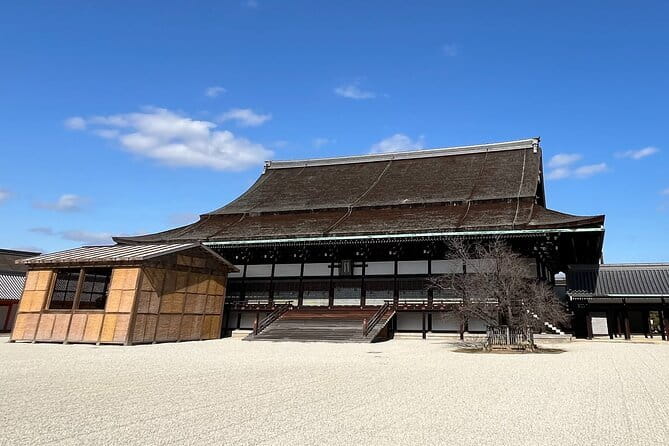
The best feature is the theme. Many Kyoto tours jump from one major sight to another. This one gives you a single thread, spring water, and uses it to connect food, faith, folklore, and sweets.
I also like the balance between sitting and walking. Lunch gives you a substantial pause, the shrines keep the route active, and the confectionery provides another chance to sit down. You are not walking nonstop for nearly five hours.
The two detailed experiences that shape the tour most are the spring-water rituals and the final confectionery visit. One gives the outing its spiritual character. The other supplies the pleasure and comfort of a traditional tea stop.
The main weakness is the short time at each shrine. Ten or 20 minutes can be enough for a focused introduction, but not for deep sightseeing. You should book this as a themed introduction to several places, not as a full shrine tour.
Who should book this Kyoto walk
I would recommend this experience if you want a small-group introduction to Kyoto food and local religious customs. It suits first-time visitors who want guidance in central Kyoto, as well as repeat visitors looking for a different angle on familiar streets.
It is also a good choice for people who enjoy food experiences but want more than a restaurant meal. The tofu lunch and matcha stop are framed by stories about water and shrine traditions, giving the day a clear purpose.
You may want to skip it if you prefer a fast sightseeing schedule, dislike tofu or lightly seasoned dishes, or want long visits at major temples. It is also not the right pick if Kiyomizu-dera is your main goal.
The tour requires at least two participants. If that minimum is not reached, it may be canceled four days before departure, with a full refund offered. Once booked, the experience is otherwise non-refundable and cannot be changed, so check your plans carefully.
Should you book it?
Book this tour if you value small-group guidance, Kyoto food, and cultural detail more than a long list of major sights. The spring-water theme is unusual, the included lunch and tea make the price easier to understand, and Kameya Yoshinaga gives the outing a satisfying finish.
Skip it if you want Kiyomizu-dera, extensive shrine sightseeing, or a quiet escape from city crowds. For the right visitor, this is a thoughtful half-day introduction to Kyoto’s sacred water traditions, with enough food and folklore to make the route memorable.
FAQ
Where does the tour begin?
It begins at Kyoto Station at 11 a.m. The meeting address is Higashishiokoji Kamadonocho, Shimogyo Ward, Kyoto, 600-8216, Japan.
Where does the tour end?
The activity ends back at the meeting point at Kyoto Station.
How long does the experience last?
The tour lasts approximately 4 hours and 40 minutes.
What food is included?
You receive a tofu and Kyoto obanzai lunch. The restaurant may change depending on the season and other factors.
Which spring-water locations are visited?
The route includes Yasaka Shrine, Nishiki Tenmangu Shrine, and Hiyoke Tenmangu.
Is Kiyomizu-dera Temple included?
No. Kiyomizu-dera is not included in the current itinerary.
How many people can join the tour?
The tour has a maximum of six participants and requires at least two participants to operate. If the minimum is not reached, the tour may be canceled four days before departure, with a full refund offered.
More Walking Tours in Kyoto
- Kyoto Tea Ceremony & Kiyomizu-dera Temple Walking Tour
★ 5.0 · 115 reviews - The Way of Tea: Kyoto Crafts, Hidden Temples & Wabi-Sabi Walk
★ 5.0 · 41 reviews - Matcha Grinding Experience and Walking Tour in Uji Kyoto
★ 5.0 · 26 reviews - Kyoto Gion Tea ceremony & Wabi-sabi Walking Tour
★ 4.5 · 7 reviews
Just added around Kyoto
- Whisk Your Own Matcha: A Zen Matcha Experience at Temple★ 3.6 · 7 reviews
- Uji Walking Tour – Byodo-in temple and Tea Ceremony from Kyoto★ 3.5 · 3 reviews
- Traditional Tea Ceremony in Kyoto★ 4.5 · 3 reviews
- Kyoto: Authentic Tea Ceremony in a Small Group★ 5.0 · 7 reviews
- Tea ceremony at Kyoto’s Zen Temple Teahouse★ 5.0 · 2 reviews
- Tea Ceremony in 150 Years Old Townhouse with Tables and Chairs★ 5.0 · 22 reviews
- Tea Ceremony Experience in Traditional Kyoto Townhouse★ 5.0 · 19 reviews
- Silent Beauty of Kyoto Zen Walk and Tea Experience★ 5.0 · 2 reviews
Matcha Experiences, compared.
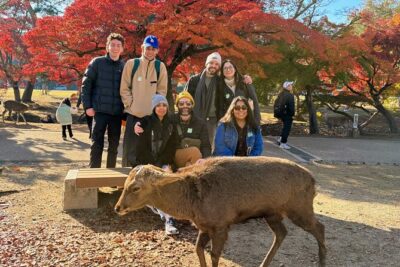
World Heritage Kyoto & Nara Uji Authentic Matcha Experience
Read our review →
Matcha Making Class in Tokyo with Authentic Japanese Sweets Set
Read our review →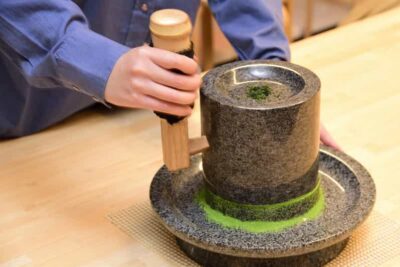
Tea Museum Tickets and Matcha Grinding Experience
Read our review →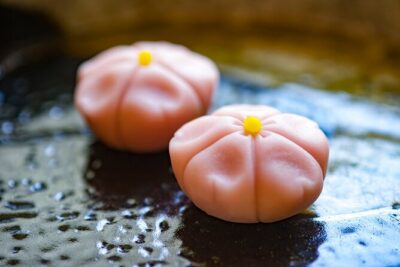
Matcha Making Class in Osaka with Authentic Japanese Sweets Set
Read our review →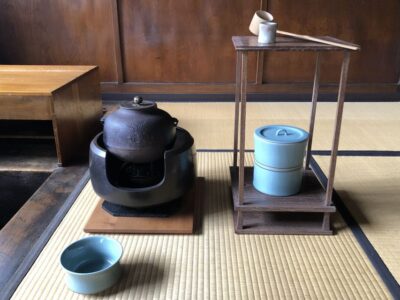
Tea Ceremony Meditation – Make Matcha with Tea Master
Read our review →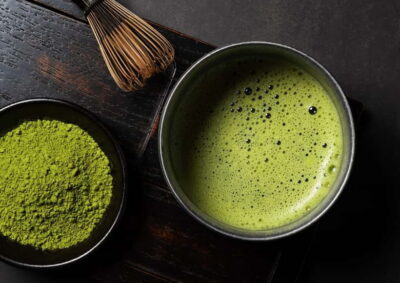
Matcha Making Experience with Mochi Sweets in Asakusa
Read our review →
Browse the lists this tour appears in