
Review · KYOTO
Kyoto: Arashiyama Bamboo, Temple, Matcha, Monkeys & secret spots
Arashiyama is far more than a quick photo stop in a bamboo grove. This small-group walking tour takes you through the grove, a private garden, Tenryu-ji Temple, the shopping street, Togetsukyo Bridge, and Monkey Park Iwatayama, giving you a fuller picture of western Kyoto in one half-day.
I like the combination of quiet garden time and local guidance. The matcha stop at Okochi Sanso gives you a chance to sit down, while guides such as Toru, Karim, Tom, and Francis add useful stories about Japanese culture, bamboo, temples, and food. I also like that admission to the main paid sights is included.
The tradeoff is simple: you walk a lot. The Monkey Park climb is steep, especially in summer, and the tour may run about 30 minutes shorter or longer than five hours. You need comfortable shoes, water, and a firm arrival time.
Key points to know before you book
- The bamboo grove is only the beginning: You also visit Okochi Sanso Garden, Tenryu-ji, Togetsukyo Bridge, and Monkey Park Iwatayama.
- Matcha comes with a quiet pause: Your Okochi Sanso admission includes time in the former tea house rest area with a bowl of matcha.
- The group stays small: Up to 12 people means you can ask questions and keep a more manageable walking pace.
- Monkey Park requires effort: The final climb takes about 15 to 20 minutes on a steep path.
- The guide adds the most value: Past guides have included Toru, Karim, Tom, Francis, Diana, and Tomio, with strong attention to history, culture, food, and group needs.
- The price covers key admissions: At $89.54 per person, your fee includes the guide, Okochi Sanso, Tenryu-ji, and Monkey Park, but not lunch or shopping.
Why this Arashiyama tour covers more than the bamboo grove
Many first visits to Arashiyama follow the same pattern: arrive, walk a short section of bamboo, take photographs, and leave. I think that misses the point. The area works best as a connected half-day outing, where the bamboo, temple grounds, river, garden, shops, and hillside view all show a different side of Kyoto.
This tour is designed around that broader experience. You begin near the Arashiyama area and move mostly on foot. The guide keeps the group moving between stops, explains what you are seeing, and can help with shopping or translation along the way.
The small maximum of 12 people matters here. Arashiyama can feel crowded, and a huge group would make it harder to hear or stop without blocking others. A smaller party also gives you room to ask about temple customs, bamboo uses, Japanese food, or anything else that catches your eye.
The tour costs $89.54 per person. That is not the cheapest way to see Arashiyama, but the price includes three admission tickets and roughly five hours of guiding. If you would otherwise pay separately for Okochi Sanso, Tenryu-ji, and Monkey Park, the fee becomes easier to justify. You are paying mainly for context, route planning, and the chance to fit several sights into one organized walk.
More Matcha Experiences in Kyoto:
- Kyoto: Arashiyama Bamboo Forest, Monkeys, Matcha & Temple Tour
★ 5.0 · 759 reviews - Kyoto: Tea Ceremony Meditation – Make Matcha with Tea Master
★ 4.8 · 406 reviews - Kyoto: Kimono Tea Ceremony with Matcha and Sweet
★ 4.9 · 249 reviews
Starting in the Kameyama bamboo area
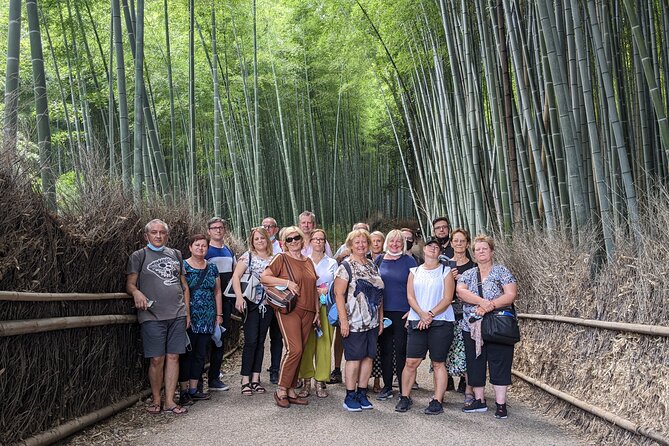
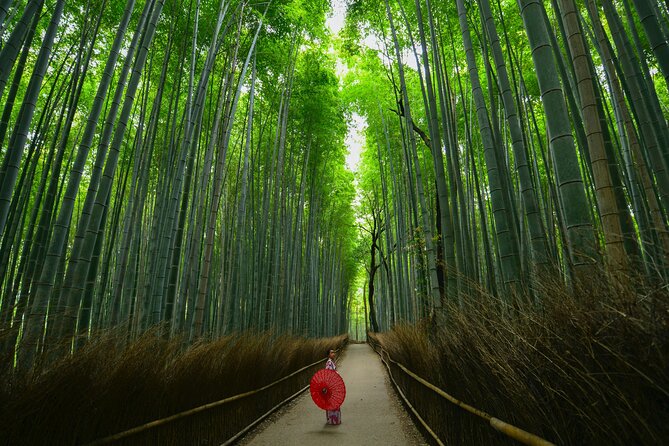
The first major section takes you through Arashiyama Park’s Kameyama Area and the bamboo grove. You have about an hour here, with time to walk through the tall bamboo and continue toward the park’s higher ground.
The bamboo is beautiful, but it is also the part of Arashiyama most likely to feel busy. A good guide can help you move beyond the most obvious path and point out quieter corners. One guide, Karim, has been praised for bringing groups through the grove early and keeping the route efficient. That matters if you want photographs without spending the entire morning waiting for a clear patch of path.
The guide also explains how bamboo grows and what happens to it after it is cut. That turns a pretty walk into a more useful one. You begin to notice the practical side of the grove, not just its tall green stems and filtered light.
The route includes reaching the top of the park area, so this is not a flat stroll from start to finish. You should expect steps, slopes, and regular walking from the first stop onward.
Okochi Sanso Garden and a bowl of matcha
Okochi Sanso Garden is one of the strongest parts of the route. This private garden was once connected to the actor Denjiro Okochi, and the visit gives you a more controlled, reflective setting after the public bamboo paths.
Your admission is included, and you have about 45 minutes to explore. The garden is valued for its views, plants, paths, and calm atmosphere. Seasonal color can add a great deal, particularly in autumn, though the exact appearance depends on the date of your visit.
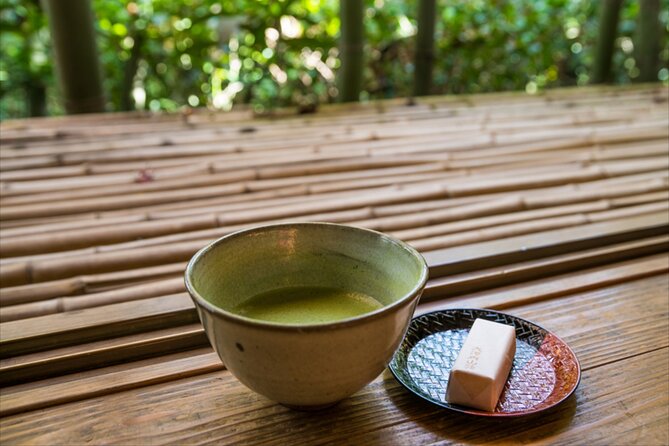
The matcha stop gives this portion a welcome change of pace. You can sit in a former tea house that now serves as a rest area and enjoy a warming bowl of matcha. I like this because it is not just another photograph stop. You get a few minutes to breathe, take in the garden, and let the morning slow down.
Do not expect a full tea ceremony. The supplied details describe a beverage served in the former tea house, not a formal demonstration. Still, it is a worthwhile inclusion, especially after the first hour of walking.
Tenryu-ji, koi ponds, and temple etiquette
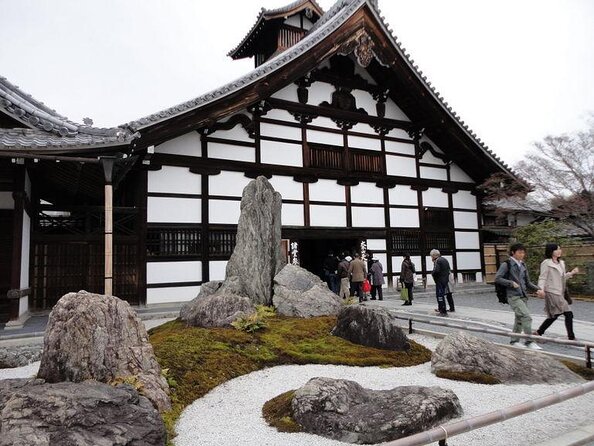
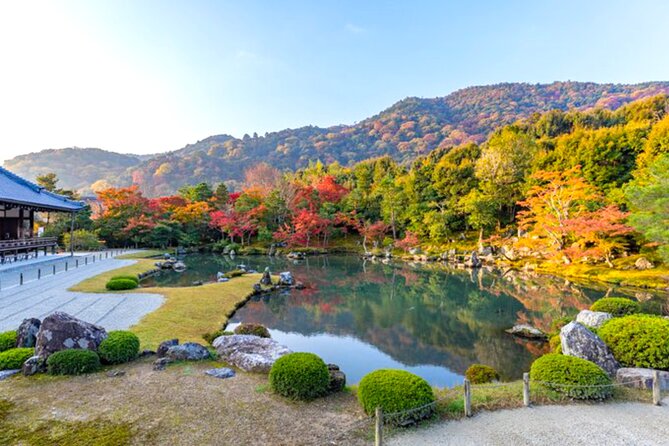
Tenryu-ji is the tour’s main temple visit. You have about 45 minutes to see both the indoor and outdoor areas, including the pond with koi fish.
Tenryu-ji is one of Kyoto’s major Zen temples, and the combination of buildings, gardens, water, and surrounding trees gives the guide plenty to explain. This is where historical context can make a major difference. Guides such as Tom and Toru have been singled out for explaining Japanese history, architecture, and cultural customs in a way that keeps the stop approachable.
You may also learn small details that are easy to miss alone. One past guide showed the group a coin-tossing activity involving a frog figure, while other guides have pointed out wildlife and details for children. These moments are not the core of the visit, but they can make temple time feel more personal and memorable.
Forty-five minutes is enough for a useful introduction, but not enough for every corner of the temple complex. If Tenryu-ji is a top priority for you, plan to return independently later. On the tour, the goal is to understand the setting and see the main highlights before continuing.
Same place, a different pot:
- Kyoto: Tea Ceremony in a Traditional Tea House in Kiyomizu
★ 4.9 · 3,519 reviews - Kyoto: Tea Ceremony Ju-An at Jotokuji Temple
★ 4.9 · 3,207 reviews - Kyoto: 45-Minute Tea Ceremony Lesson Experience
★ 4.3 · 2,378 reviews - Kyoto: Table-Style Tea Ceremony at a Kyo-Machiya
★ 4.9 · 1,211 reviews
Arashiyama shopping street and local help
The shopping street receives about an hour, which gives you more freedom than the other stops. You can pause at shops, look for snacks, and ask your guide for help with translation or purchases.
Shopping is not included in the tour price, so budget separately. The guide can assist with questions and local choices, but you should not expect the group to wait indefinitely while you browse every store. Tell the guide what interests you, and use the hour with a clear idea of what you want to find.
This is also a good place to ask about food. Karim has helped people find custard-filled fish-shaped pastries, and guides have offered suggestions for Japanese dishes and restaurants. The tour does not include lunch, so this part of the route can help you decide what to eat afterward.
The street is more commercial than the garden or temple. That contrast is useful. You see how Arashiyama functions as both a historic destination and a modern shopping area, rather than treating it as a collection of monuments separated from daily life.
Togetsukyo Bridge and the Katsura River
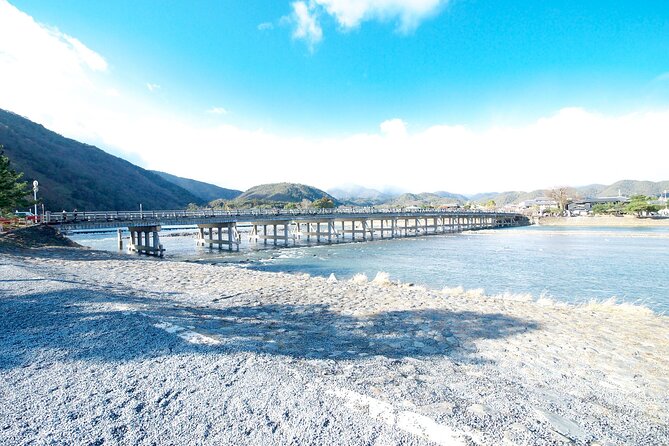
The bridge stop is brief, about 15 minutes, but it gives you one of Arashiyama’s classic views. Togetsukyo crosses the Katsura River and provides a wide setting for photographs, especially when you want a break from the narrow bamboo paths and temple lanes.
You will not spend long here, so have your camera ready. The guide can point out the best general view and explain why the bridge is one of the area’s most recognized sights.
This is a short stop rather than a leisurely riverside visit. If you want to sit by the river or photograph the bridge in changing light, you may want to return after the tour. The route gives you an introduction, then moves on to the final and most strenuous section.
The climb to Monkey Park Iwatayama
Monkey Park is the part you need to assess honestly before booking. The entrance ticket is included, but reaching the monkeys requires a 15 to 20 minute uphill hike on a steep path.
The climb can feel demanding in hot weather. People have described it as tough in temperatures around 33°C, particularly for anyone who is not used to hills. The advice is practical: wear shoes with a good grip, carry water, use sun protection, and leave enough energy for the ascent.
The tour officially ends at Monkey Park. Your guide gives you the ticket and directions, then leaves you to make the climb and explore at your own pace. You can stay as long as you like and leave the park whenever you choose. This arrangement gives you freedom, but it also means you should understand that the guide will not continue to the top with you.
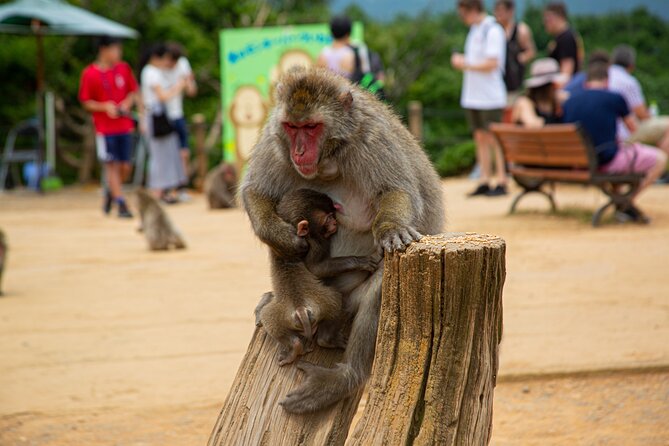
At the park, you can watch the Japanese macaques and enjoy one of the best broad views over Kyoto. The monkeys are a strong draw for families and children, though the experience depends on the animals’ behavior on the day. The setting and city view may be as rewarding as the animals themselves.
The stop is not equally important to everyone. Some people find the climb worth it for the view and the chance to see the monkeys. Others may prefer the garden, temple, and river sections. If you dislike uphill walking, you can still enjoy most of the tour, but the final stop may not suit you.
What the guides add to the day
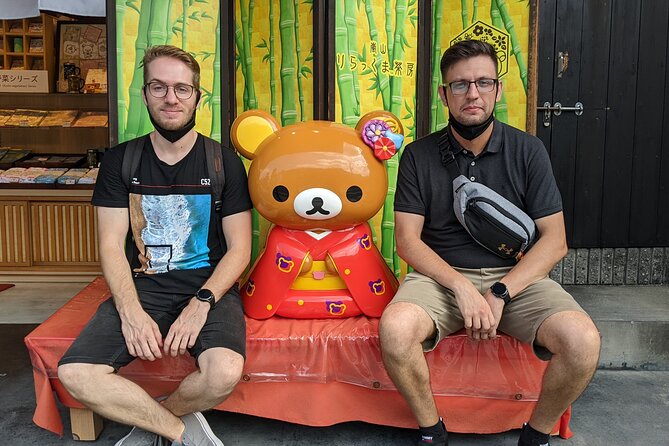
The guide is the main reason to choose this organized walk instead of visiting the sights on your own. The tour has used guides including Toru, Karim, Tom, Francis, Diana, Tomio, Augustin, Rami, and others. The exact guide depends on your date.
The strongest pattern is personal explanation. Guides have covered temple customs, Japanese history, bamboo, food, local practices, and family-friendly details. Toru is known for humor and stories between stops, while Karim has been praised for pacing, historical detail, and attention to older members of a group. Francis has helped visitors understand how bamboo grows, and Diana has offered restaurant suggestions.
You should not assume every guide has the same background or style. Some are native English speakers, some have lived in Japan for many years, and some may also speak French, German, or Spanish. Languages other than English and Japanese are not guaranteed, so contact the provider before booking if language support matters to you.
The guide can also help the group avoid causing problems for local residents. That is especially important in Arashiyama, where narrow paths and private spaces require care. Keep your voice down, follow instructions, and do not block paths for photographs.
Timing, meeting point, and practical planning
The tour lasts about five hours, but the actual duration can vary by roughly 30 minutes. You meet at 18-12 Sagatenryuji Kurumamichicho in Ukyo Ward, near public transportation. Arrive 15 minutes early.
Late arrival is a serious issue. The group cannot wait for people who miss the start, and no refund is offered if you arrive too late to join. Download WhatsApp before the tour because the hotline may contact you there at departure time if you have not arrived.
This is a walking tour, not a bus tour. Wear comfortable shoes and plan for slopes, temple paths, shopping streets, and the Monkey Park climb. Summer heat can make the route much harder, while rain may affect the experience or lead to cancellation. If poor weather cancels the tour, you can receive a different date or a full refund.
A single person can book, but the tour requires at least two participants to operate. If the minimum is not reached, you may be offered a new date or a full refund.
Who should book this Arashiyama experience
I would choose this tour if you are visiting Kyoto for the first time and want a clear introduction to Arashiyama without spending hours researching the route. It also suits families who want a mix of bamboo, animals, gardens, temple details, and food suggestions.
It is a good fit for people who enjoy asking questions. The maximum group size of 12 keeps the setting more personal, and the guides have shown a willingness to adjust explanations for children, older people, and curious first-time visitors.
I would think twice if you want a slow, unstructured day. Five hours covers a lot, and the group must keep moving. You should also reconsider if steep walking is difficult for you, especially in hot weather.
For the money, I see solid value if you plan to visit all three paid sights. Okochi Sanso, Tenryu-ji, and Monkey Park admissions are included, and the guide handles the sequence. You still pay for lunch and shopping, but those are easy to manage on your own.
Should you book it?
Book this tour if you want the full Arashiyama picture, not just the famous bamboo photograph. The strongest parts are the private garden and matcha pause, Tenryu-ji explanations, small group size, and the practical help offered by guides such as Toru, Karim, Tom, and Francis.
Skip it if you prefer to move at your own pace or if the Monkey Park climb would be uncomfortable. For most reasonably fit visitors, though, this is a well-planned half-day route with enough variety to justify the price and enough local explanation to make the sights more meaningful.
FAQ
How long does the Arashiyama tour last?
The tour takes approximately five hours. The actual timing can vary by about 30 minutes before or after the estimate.
How many people can join the tour?
The shared tour has a maximum of 12 participants. It is not a private tour.
Is this a walking tour or a bus tour?
It is a walking tour. You move between the bamboo grove, garden, temple, shopping street, bridge, and Monkey Park on foot.
What admissions are included?
The tour includes the entrance fees for Okochi Sanso Garden, Tenryu-ji Temple, and Monkey Park Iwatayama.
Is lunch included?
No. Lunch is not included, and shopping and souvenirs are also paid for separately.
How difficult is the Monkey Park walk?
The climb to the top takes about 15 to 20 minutes on a steep path. Comfortable shoes and a reasonable level of physical fitness are recommended.
Where does the tour end?
The tour officially ends at the entrance to Arashiyama Monkey Park Iwatayama. Your guide provides the ticket and directions, and you can complete the climb and leave the park whenever you wish.
Can I request a guide who speaks French, German, or Spanish?
Some guides may speak languages besides English and Japanese, but a specific additional language is not guaranteed on a shared tour. Contact the provider before booking to ask about availability.
What happens if I need to cancel?
You can receive a full refund if you cancel at least 24 hours before the experience begins. Cancellations or changes made less than 24 hours in advance are not refunded or accepted.
Just added around Kyoto
- Whisk Your Own Matcha: A Zen Matcha Experience at Temple★ 3.6 · 7 reviews
- Uji Walking Tour – Byodo-in temple and Tea Ceremony from Kyoto★ 3.5 · 3 reviews
- Kyoto: Authentic Tea Ceremony in a Small Group★ 5.0 · 7 reviews
- Tea ceremony at Kyoto’s Zen Temple Teahouse★ 5.0 · 2 reviews
- Traditional Tea Ceremony in Kyoto★ 4.5 · 3 reviews
- Tea Ceremony in 150 Years Old Townhouse with Tables and Chairs★ 5.0 · 22 reviews
- Silent Beauty of Kyoto Zen Walk and Tea Experience★ 5.0 · 2 reviews
- Tea Ceremony Experience in Traditional Kyoto Townhouse★ 5.0 · 19 reviews
Matcha Experiences, compared.
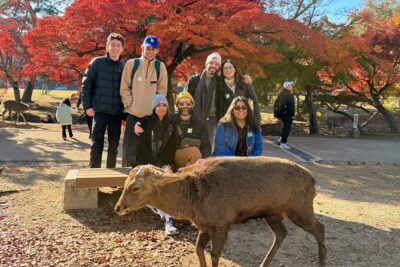
World Heritage Kyoto & Nara Uji Authentic Matcha Experience
Read our review →
Matcha Making Class in Tokyo with Authentic Japanese Sweets Set
Read our review →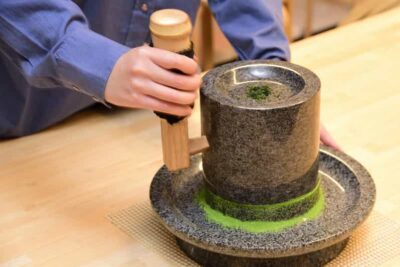
Tea Museum Tickets and Matcha Grinding Experience
Read our review →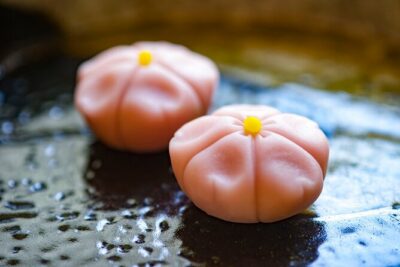
Matcha Making Class in Osaka with Authentic Japanese Sweets Set
Read our review →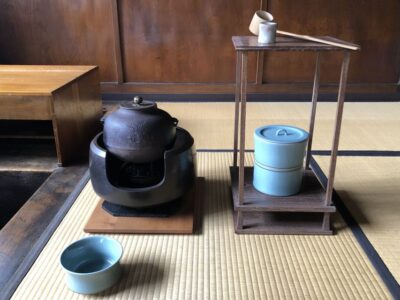
Tea Ceremony Meditation – Make Matcha with Tea Master
Read our review →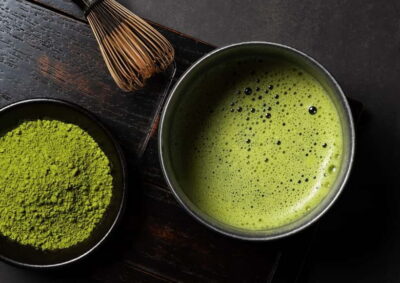
Matcha Making Experience with Mochi Sweets in Asakusa
Read our review →
Browse the lists this tour appears in