
Review · KYOTO
Kyoto Kiyomizu Tea Ceremony with Scenic Garden Views
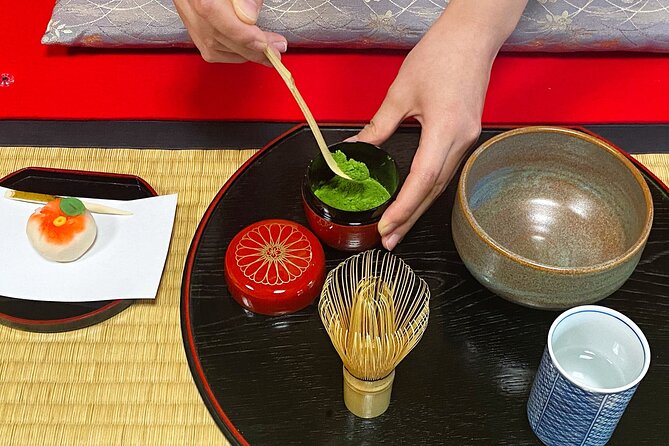
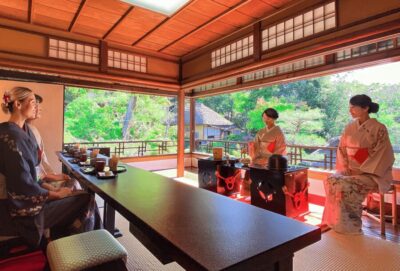
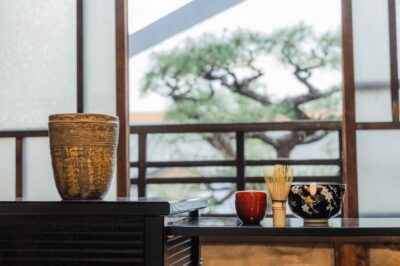
The best part of this Kyoto experience is the setting: you sit in a traditional tea room with broad garden views while a tea master handles every movement with calm precision. You watch the utensils being purified, the matcha whisked, and the bowl presented according to rules shaped over generations.
I like the small-group format, which keeps the session personal and leaves room for questions. I also like that you get two cups of matcha, not just a demonstration: the first is prepared for you, and the second lets you try the technique yourself. The main consideration is time. At about 45 minutes, this is a compact introduction rather than a full study of tea ceremony, and some people may find the price a little high for such a short activity.
Key points at a glance
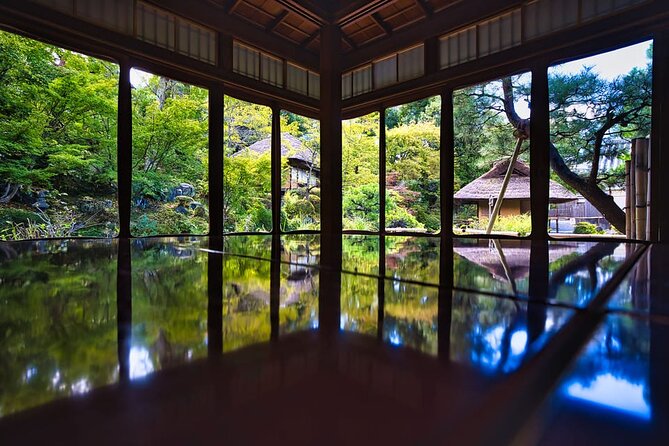
- Garden views from the tea room: Large windows give the ceremony a peaceful setting, with seasonal changes outside.
- Two cups of matcha: One is prepared by the tea master, and the second helps you practice making the tea.
- Traditional wagashi sweets: A delicate Japanese sweet is served with the matcha and helps balance its bitter edge.
- English guidance: The host or translator explains the ceremony, its history, symbolism, and proper etiquette.
- Groups capped at 12: The room remains intimate enough for questions and close observation.
- Useful practical tip: Wear or bring socks, and think twice if kneeling is difficult for your feet or knees.
A quiet introduction near Kiyomizu
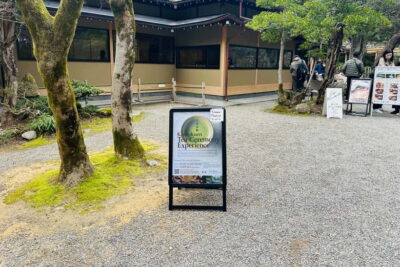
Tea Ceremony Sakaguchian is at 3-chōme-334 Kiyomizu in Kyoto’s Higashiyama Ward, a short walk from the famous Kiyomizu area. The activity begins and ends at the tea room, so it fits neatly into a day spent exploring old Kyoto.
This is not a restaurant serving matcha as a quick refreshment. You enter a space designed for the ceremony itself, where the room, tools, movements, sweets, and garden all play a part. That difference matters. You are not simply drinking powdered green tea. You are learning why the preparation is slow, ordered, and quiet.
The published duration is approximately 45 minutes. That is enough time to see the central movements, hear an explanation of the custom, drink two cups, and practice the basic method yourself. It is not enough time for a long historical lecture or an advanced lesson in tea. If you want a gentle first look at the art, the length works well. If you already study tea ceremony, you may want something more formal and extensive.
More Tea Ceremony Experiences in Kyoto:
- Kyoto: Tea Ceremony in a Traditional Tea House in Kiyomizu
★ 4.9 · 3,519 reviews - Kyoto: Tea Ceremony Ju-An at Jotokuji Temple
★ 4.9 · 3,207 reviews - Kyoto: 45-Minute Tea Ceremony Lesson Experience
★ 4.3 · 2,378 reviews
What happens when you arrive
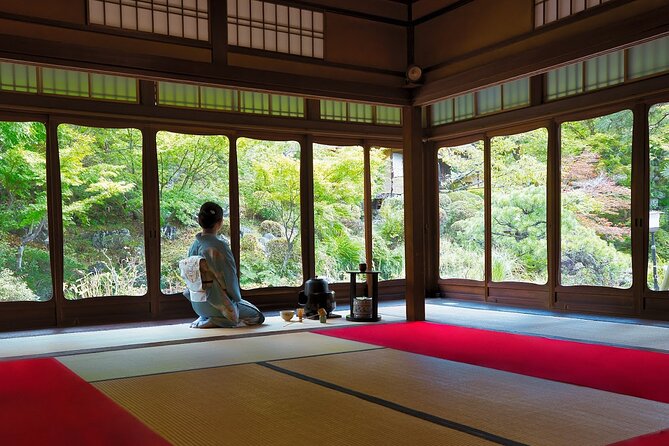
You meet at the tea house and enter a traditional room overlooking a carefully maintained Japanese garden. The garden is not a separate sightseeing stop with a long walking route. Its value comes from the way it frames the ceremony. You can look outside while listening, and the changing seasonal view adds a sense of time and place to the room.
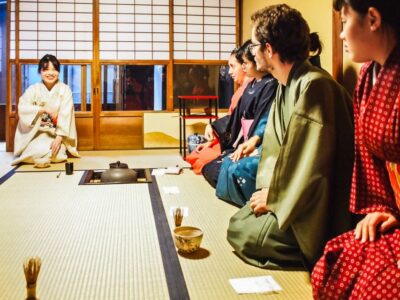
The group can include up to 12 people. That is not a private lesson, but it is small enough for the tea master’s gestures to remain visible. It also gives the host space to answer questions instead of rushing everyone through a crowded presentation.
The room may require you to sit in a traditional position for part of the session. This is the main physical issue to consider. The experience is not recommended for people with poor feet or knees. You should also wear socks, since one helpful tip from the experience is to bring or wear them.
Watching the tea master work
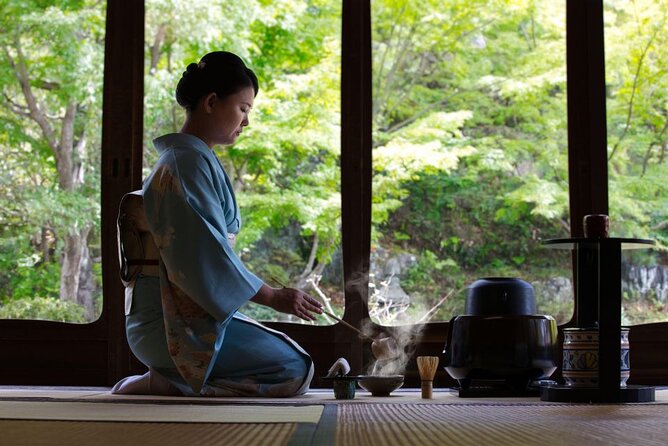
The ceremony begins with the tea master preparing the space and utensils in a measured sequence. The movements can seem simple at first, but the careful order is the point. Tools are handled with attention, the bowl is presented properly, and each action has a place within the larger ritual.
An English-speaking host or translator explains what you are seeing. The explanations cover the history and culture of tea ceremony, as well as the meaning behind details in the room and garden. This guidance makes a major difference. Without it, you might see a graceful performance but miss why the host turns the bowl, handles the utensils in a certain way, or pauses between actions.
The tea master’s movements are one of the strongest parts of the experience. They are deliberate without feeling theatrical. You get a close look at the precision needed to prepare matcha properly, from measuring the powder to whisking it into a fine foam.
This is also a good moment to ask questions. The host and tea master are presented as warm and willing to explain, and the English support is designed to help international visitors follow the ceremony. The format is educational without turning into a classroom lecture.
The first bowl, sweets, and the taste of matcha
You receive traditional wagashi, Japanese sweets made to accompany tea. The sweet is not an afterthought. Its delicate flavor gives your palate a gentle contrast before or alongside the earthy bitterness of matcha.
The first cup is prepared for you by the tea master. This lets you focus on the ritual, the appearance of the tea, and the proper way to receive and drink it. Matcha in a tea ceremony is thicker and more intense than the sweetened green tea drinks found in many cafés, so the wagashi is a useful pairing.
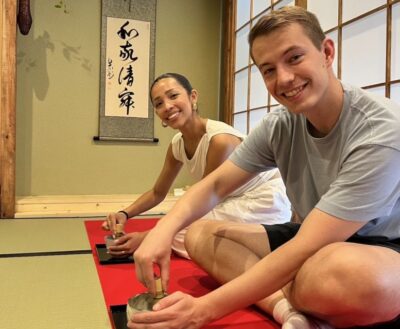
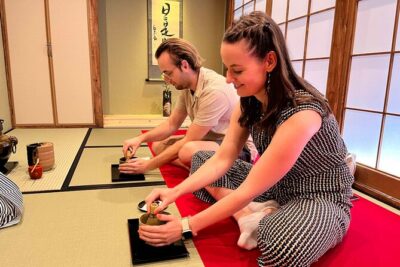
The experience includes two cups in total. Having a second cup makes the activity more useful than a demonstration alone. After watching the first preparation, you can take part in making the next one. That second step turns the ceremony into a practical lesson.
A few more tea experiences around Kyoto worth a look
- Kyoto: Table-Style Tea Ceremony at a Kyo-Machiya
★ 4.9 · 1,211 reviews - Kimono Tea Ceremony at Kyoto Maikoya, NISHIKI
★ 5.0 · 911 reviews - Kyoto: Kimono Tea Ceremony at Orizuruya Gion
★ 4.9 · 618 reviews - Kyoto: Tea Ceremony in 100-year-old Kyo-Machiya Townhouse
★ 4.8 · 546 reviews
Making your own matcha
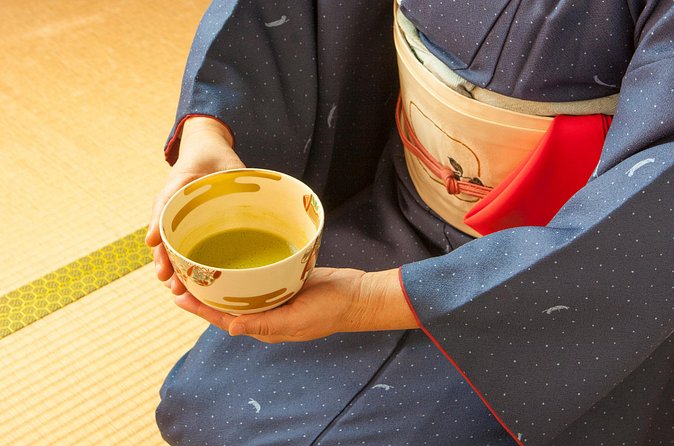
The host explains how to handle the tea bowl and how to use the bamboo whisk. You learn the basic technique for combining the matcha and hot water into a smooth, frothy drink.
Do not expect to produce a tea master’s perfect foam on your first attempt. That is part of the fun. The lesson gives you a feel for the tools and the rhythm, while the tea master shows how much control and practice go into the polished version.
This hands-on part is especially useful for couples, families, and first-time visitors who want more than a formal performance. Children old enough to follow instructions may also enjoy it, although the quiet setting and traditional posture may not suit every child.
The second cup also helps you understand matcha as a craft. You notice how the powder behaves, how the whisk changes the texture, and why technique matters to the final drink. It is a small lesson, but a memorable one.
Why the garden view matters
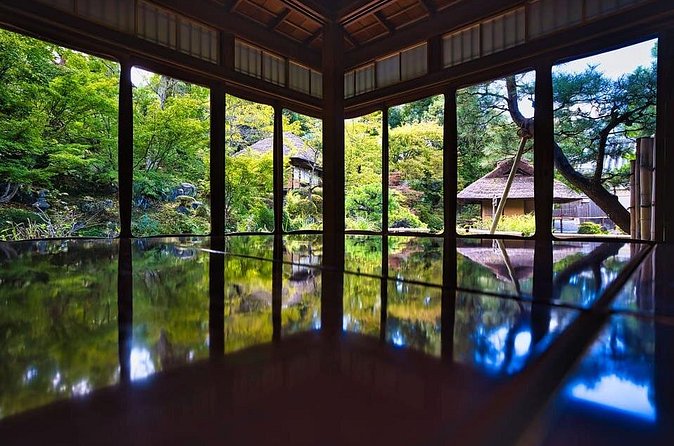
Kyoto has no shortage of temples, gardens, and cultural activities. The garden view helps this one avoid feeling like a demonstration placed in an ordinary room. Large windows bring the outside into the experience, so you can watch the ceremony against a distinctly Japanese setting.
The view changes with the season, which gives the activity a different mood throughout the year. The garden is described as carefully maintained, and the calm setting supports the central ideas of the ceremony: harmony, respect, purity, and tranquility.
You should not book this expecting a garden tour. The garden is mainly a backdrop and visual focus from the tea room. If you want to walk through extensive grounds, you will need to visit a separate garden or temple before or after the session. The advantage here is that you can enjoy the view without giving up much sightseeing time.
Is $50.87 a fair price?
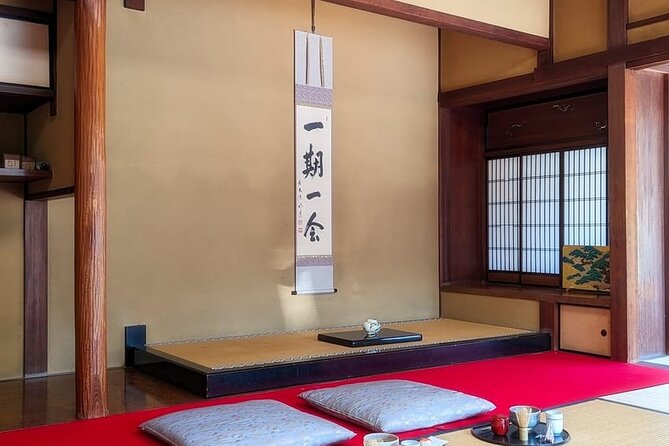
At $50.87 per person, this is not the cheapest way to taste matcha in Kyoto. You can find tea in cafés for far less. The price pays for a guided cultural activity, a traditional setting, the tea master’s demonstration, two cups of matcha, wagashi, English explanation, and a small-group format.
I consider the value reasonable if you want context and participation. You are paying for the setting and instruction as much as the drink. The ceremony gives you a window into a formal Japanese art that can be difficult to understand from observation alone.
The value is less convincing if you mainly want a quick cup of matcha or a long, advanced ceremony. The short format only covers the basics, and one of the clear limitations is that you may feel you have just begun to understand the subject when the session ends.
For most first-time visitors, the price makes sense as one of the cultural activities in a Kyoto itinerary. It works best when you value calm, explanation, and a personal encounter over a large attraction with many rooms and exhibits.
The pace and the atmosphere
This is a slow activity in the best sense. You are asked to watch closely, listen, and let the movements unfold. It makes a useful break after a morning of temples or a busy walk through Higashiyama.
The air-conditioned room is helpful on hot days, and the quiet pace can reset you before returning to the streets. You may find the activity a little nerdy if tea culture does not interest you, but that focus is exactly what makes it worthwhile for people curious about Japanese customs.
The host’s manner is an important part of the experience. The guidance is polite, clear, and warm, with enough background to explain the ceremony without overwhelming the short session. You should feel free to ask about the tea, the tools, the gestures, or the symbolism of the room and garden.
Who should book this experience?
I would recommend it most strongly to:
- First-time visitors who want an accessible introduction to Japanese tea ceremony
- Couples or families looking for a quiet cultural activity
- Anyone interested in Japanese manners, craft, gardens, or traditional arts
- Visitors who prefer a small group to a large stage-style presentation
- People who want to make matcha themselves rather than only watch
- Sightseers who need a peaceful pause in a full Kyoto day
It may not suit you if you dislike sitting in a traditional position, have foot or knee problems, or want a long and highly formal tea study. It is also not the best pick if your main goal is simply to drink matcha cheaply.
The experience is suitable for people who have never tried matcha, but you should not assume the tea will taste like a sweet café drink. It has a strong, grassy flavor and a creamy texture when whisked well. The wagashi helps, but the tea remains the focus.
Planning it around a Kiyomizu day
The meeting point is in Kiyomizu, in Higashiyama Ward. Since the activity ends where it begins, you can pair it with sightseeing in the same part of Kyoto rather than crossing the city afterward.
A practical plan is to place the ceremony between major sightseeing stops. It can serve as a quiet interval during a long day, especially in summer when the air-conditioned room offers relief. Afterward, you can continue exploring the traditional streets and cultural sites around Kiyomizu.
The mobile ticket makes entry simple, but you should still allow enough time to reach the tea house. The activity has a fixed start time, and the session depends on a calm sequence rather than an open-ended drop-in visit.
The experience requires good weather. If poor weather causes a cancellation, you are offered another date or a full refund. You can cancel for a full refund up to 24 hours before the start time. Changes or cancellations inside that 24-hour window are not accepted, so keep that cutoff in mind when planning a changeable itinerary.
Should you book it?
Book this tea ceremony if you want a short, thoughtful introduction to matcha and Japanese tea culture in a scenic room. The garden view, patient explanations, two cups of tea, wagashi, and hands-on second preparation give it more substance than a simple tasting.
I would be cautious if you need a longer session, have difficulty kneeling, or judge value mainly by the amount of food and drink included. At about 45 minutes, the activity covers the essentials and no more.
For most visitors spending time near Kiyomizu, it is a sensible choice. Wear socks, arrive ready to sit quietly, and expect a compact cultural lesson rather than a full apprenticeship. If that sounds like your kind of Kyoto pause, the experience earns its place in your day.
FAQ
How long does the tea ceremony last?
The activity lasts approximately 45 minutes. The session includes the ceremony, explanations, wagashi, two cups of matcha, and instruction in preparing tea.
Where does the experience begin and end?
It begins at Tea Ceremony Sakaguchian, located at 3-chōme-334 Kiyomizu, Higashiyama Ward, Kyoto, 605-0043, Japan. It ends back at the same meeting point.
How many people can join?
The activity has a maximum of 12 participants.
What is included in the price?
The experience includes two cups of matcha, traditional wagashi sweets, and a photo. Kimono rental and video recording are not included.
Is the experience suitable for people with foot or knee problems?
It is not recommended for people with foot or knee problems. Wearing or bringing socks is also advised.
What happens if I need to cancel?
You can receive a full refund if you cancel at least 24 hours before the experience start time. Cancellations or changes made less than 24 hours before the start time are not accepted. If poor weather causes the activity to be canceled, you will be offered another date or a full refund.
Just added around Kyoto
- Whisk Your Own Matcha: A Zen Matcha Experience at Temple★ 3.6 · 7 reviews
- Uji Walking Tour – Byodo-in temple and Tea Ceremony from Kyoto★ 3.5 · 3 reviews
- Traditional Tea Ceremony in Kyoto★ 4.5 · 3 reviews
- Kyoto: Authentic Tea Ceremony in a Small Group★ 5.0 · 7 reviews
- Tea ceremony at Kyoto’s Zen Temple Teahouse★ 5.0 · 2 reviews
- Tea Ceremony in 150 Years Old Townhouse with Tables and Chairs★ 5.0 · 22 reviews
- Silent Beauty of Kyoto Zen Walk and Tea Experience★ 5.0 · 2 reviews
- Tea Ceremony Experience in Traditional Kyoto Townhouse★ 5.0 · 19 reviews
Tea Ceremony Experiences, compared.
Tea Ceremony in a Traditional Tea House in Kiyomizu
Read our review →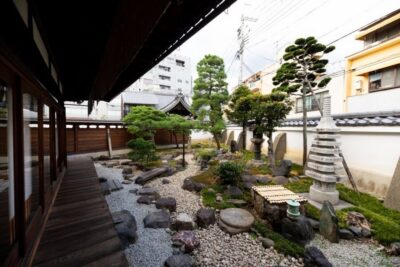
Browse the lists this tour appears in