
Review · KYOTO
Kyoto: Make Zen Garden and Taste Matcha in Pottery Shop
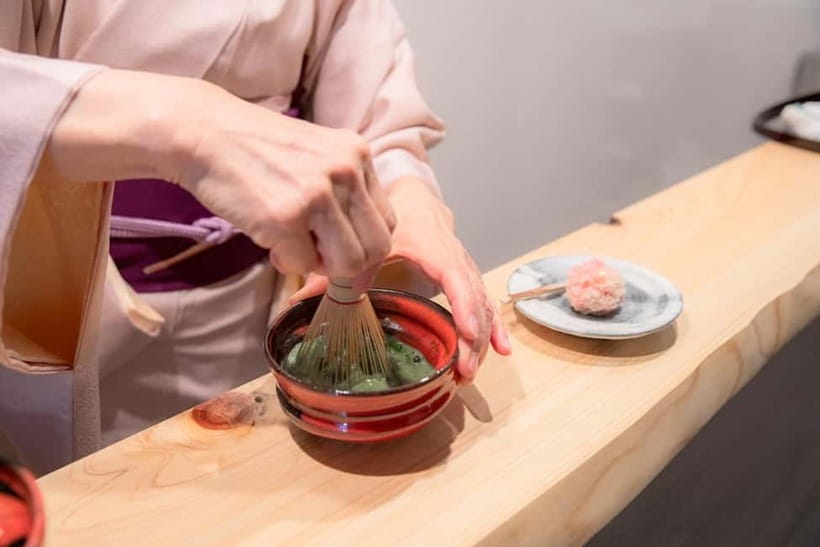
Kyoto’s temple gardens are usually made for quiet viewing. Here, you get to rake and decorate your own small karesansui garden in the back of a pottery shop. Then you sit in front of it with matcha from Ippodo and a Japanese sweet, turning a short stop into a hands-on piece of Kyoto culture.
I like two things right away: the $12 price includes the tea and sweet, and the activity takes place in a renovated 100-year-old machiya near Kyoto Imperial Palace Park. The main thing to consider is the free-form format. You receive limited instruction, so this suits creative people who are happy to make their own choices more than anyone expecting a formal lesson.
Key Points
- Make your own karesansui garden: Rake sand and add decorations instead of simply looking at a finished temple garden.
- Taste Ippodo matcha: Enjoy hot or iced matcha from one of Kyoto’s best-known tea companies.
- Relax in a 100-year-old machiya: The setting is a small traditional townhouse converted into Ninshu’s pottery shop.
- Keep the experience compact: The activity lasts 30 minutes, making it easy to add to a day around Kyoto Imperial Palace.
- Browse practical pottery: Handmade pieces are available to buy, including dishwasher-safe and microwave-safe items.
- Join a small group: The experience is limited to eight participants, though the garden activity can move quickly.
Making a Temple-Style Garden in a Pottery Shop
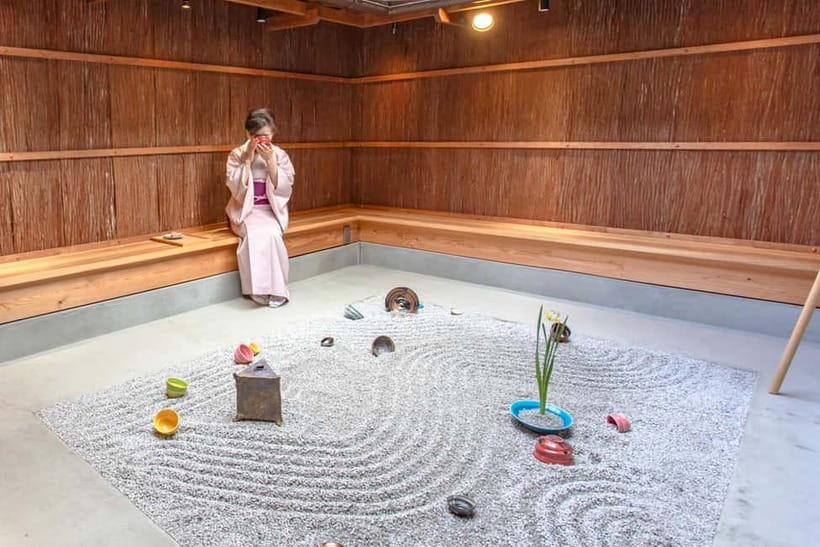
The heart of this experience is the garden-making. A traditional sand garden, known as karesansui, uses raked sand or gravel and carefully placed objects to suggest water, rocks, or a larger natural scene. At Ninshu, you do not simply admire the finished work. You rake and decorate a small garden of your own.
That difference matters. A temple garden can be beautiful, but it is also fixed and formal. Here, your choices shape the result. You decide how to rake the sand and where to place the decorations. The activity gives you a small, practical taste of a garden style usually reserved for looking at from a distance.
Do not expect a long gardening class. The instructions are limited, and the format is deliberately open. That can be a plus if you enjoy making quick creative decisions. It can also feel brief if you want a teacher to explain every symbol or guide you through a precise design.
I would approach the garden as a quiet creative exercise, not a test of Japanese aesthetics. You do not need to know the rules of temple garden design. The fun comes from making something personal, then seeing it in your photographs with the tea set in front of it.
More Matcha Experiences in Kyoto:
- Kyoto: Arashiyama Bamboo Forest, Monkeys, Matcha & Temple Tour
★ 5.0 · 759 reviews - Kyoto: Tea Ceremony Meditation – Make Matcha with Tea Master
★ 4.8 · 406 reviews - Kyoto: Kimono Tea Ceremony with Matcha and Sweet
★ 4.9 · 249 reviews
A Traditional Machiya Setting Near Kyoto Imperial Palace
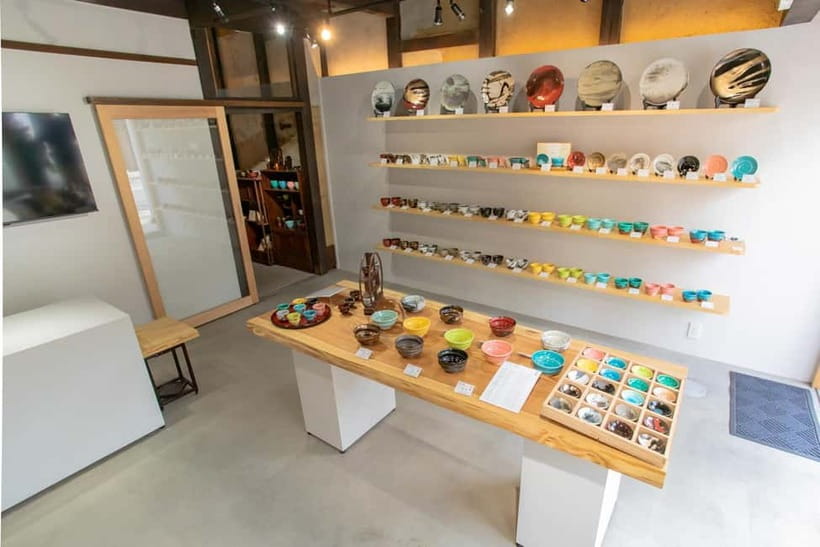
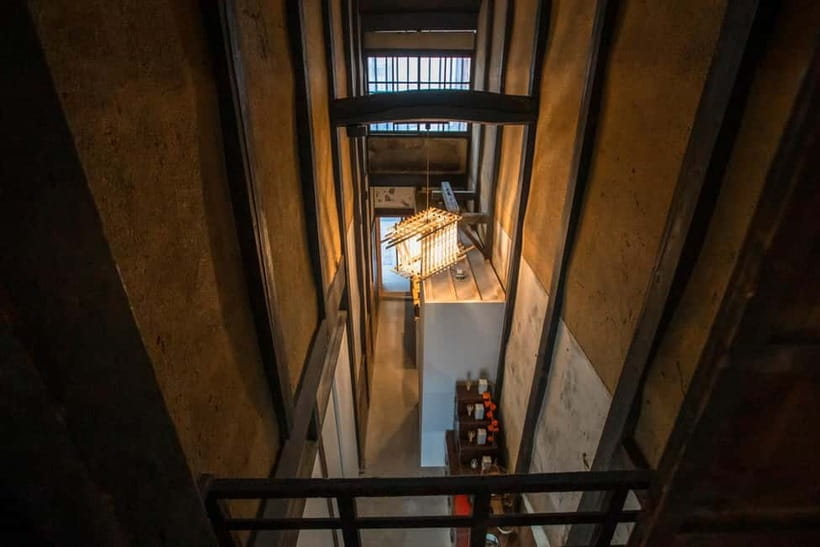
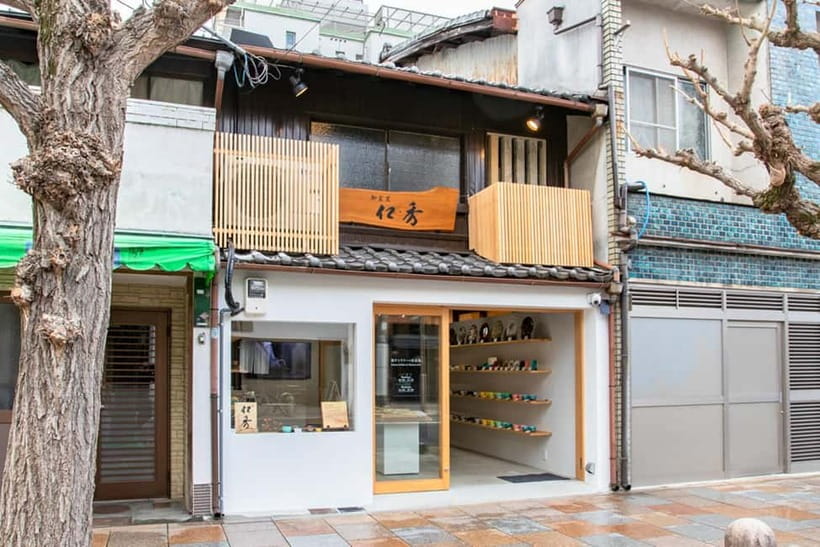
Ninshu operates from a renovated 100-year-old Kyoto townhouse, or machiya. These narrow traditional buildings are an important part of Kyoto’s older streetscape, and the setting gives the activity more character than a modern workshop room.
The garden is located toward the back of the pottery shop. That means you enter a working retail space before reaching the activity area. I like this arrangement because it connects the garden to a real local business rather than putting it in a purpose-built attraction.
The location also works well for a walking day. The shop is about 100 meters south of Kyoto Imperial Palace Park along Teramachi Dori and two minutes north of Ippodo. Teramachi Dori has antique and traditional household shops, so you can pair this short activity with browsing before or after your visit.
The closest listed rail options are Kyoto Shiyakusho-mae Station on the Subway Tozai Line, about an 11-minute walk away, and Jingu-marutamachi Station on the Keihan Main Line, about nine minutes away. If you use a map, the listed coordinates are 35.0157879, 135.7673992.
Because the activity lasts only 30 minutes, location is a real advantage. You do not need to set aside half a day. It fits neatly between the Imperial Palace area, Teramachi shopping, and a stop at Ippodo.
Matcha and a Sweet in Front of Your Garden
After making the garden, you enjoy matcha in front of it. The tea comes from Ippodo, the well-known Kyoto tea company located nearby. You can choose hot or iced matcha, according to the experience details provided in the activity information.
A Japanese sweet is served with the tea. The offering is described as seasonal wagashi, and one account of the activity noted a mochi cookie. The exact sweet may depend on the day, but you should expect a small Japanese treat rather than a full snack or meal.
This part gives the activity its best sense of place. You are not only drinking matcha in Kyoto. You are drinking it beside a garden you just made, in a traditional townhouse that also houses handmade pottery. The sequence is simple, but it ties together tea, sweets, gardens, architecture, and ceramics.
The matcha and sweet also make the activity feel more complete for the price. At $12 per person, you are paying for the garden activity, tea, Japanese sweet, reservation fees, and system fees. That is a modest cost for a short cultural stop, especially if you value an activity that includes both participation and refreshments.
The tea portion is not presented as a lengthy tea ceremony. If you want a highly formal demonstration with detailed movements and a long explanation of tea practice, this is not that kind of appointment. Think of it as a relaxed matcha break with a creative activity attached.
Why the Small Group Size Helps
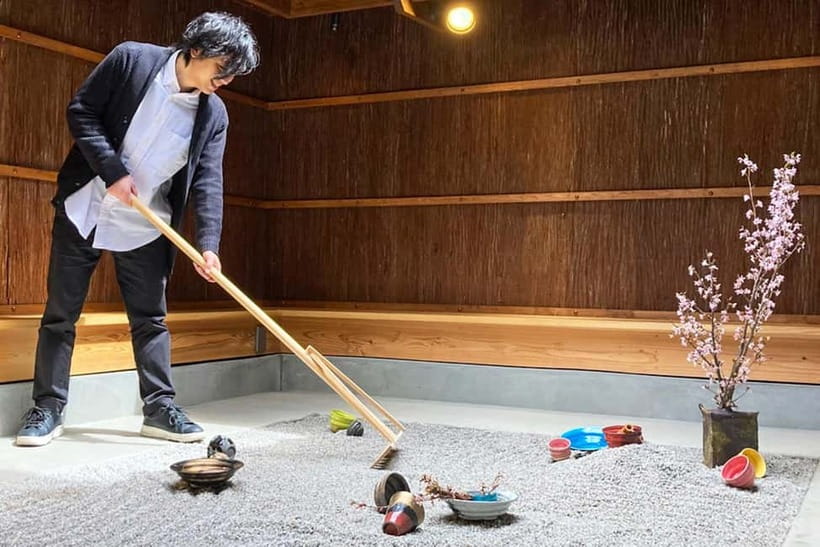
The group is limited to eight participants. That is still large enough for a little energy in the room, but small enough to keep the garden activity manageable.
A small group also suits the setting. This is a shop and townhouse, not a large studio. Fewer people should make it easier to work around the garden and enjoy the tea without feeling packed into a busy room.
There is one practical wrinkle. The garden task can be completed quickly if everyone makes decisions fast. One account of the activity found that the limited instruction and free-form design made it fun, but also shorter than expected. You should not book this expecting 30 minutes of nonstop guided teaching.
For some people, that freedom will be the point. You can create your design without being told there is one correct answer. For others, the experience may feel under-explained. If you prefer clear steps, ask for guidance when you arrive rather than waiting for a long demonstration.
Same place, a different pot:
- Kyoto: Tea Ceremony in a Traditional Tea House in Kiyomizu
★ 4.9 · 3,519 reviews - Kyoto: Tea Ceremony Ju-An at Jotokuji Temple
★ 4.9 · 3,207 reviews - Kyoto: 45-Minute Tea Ceremony Lesson Experience
★ 4.3 · 2,378 reviews - Kyoto: Table-Style Tea Ceremony at a Kyo-Machiya
★ 4.9 · 1,211 reviews
Browsing Ninshu’s Handmade Pottery
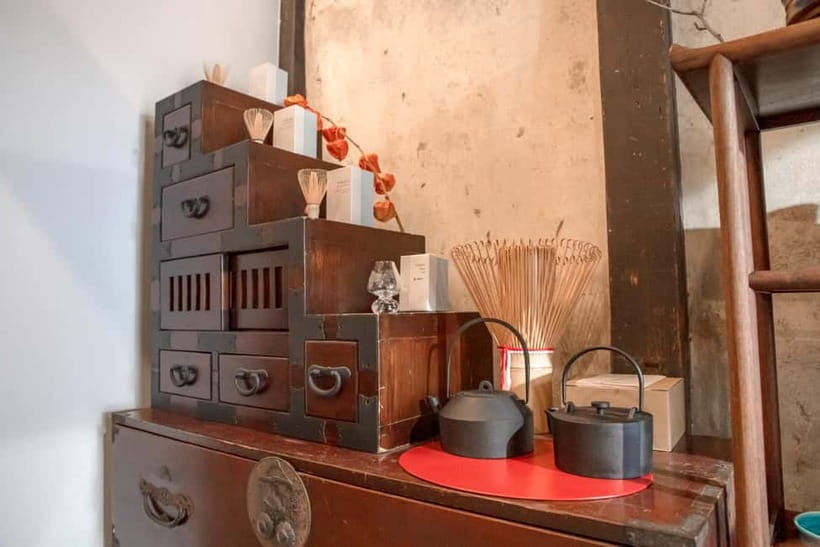
The pottery shop is more than the backdrop. Handmade ceramics are available to purchase as Kyoto souvenirs, and the pieces are described as dishwasher-safe and microwave-safe.
That practical detail is important. Many traditional-looking souvenirs end up sitting on a shelf because they are fragile or difficult to use. Dishwasher and microwave safety makes these pieces more useful for daily meals, especially if you are buying something for a home outside Japan.
The available pottery can also help you remember the wider theme of the visit. The experience brings together the garden, the tea bowl, the sweet, and the machiya. Buying a piece lets you carry home one part of that connection.
Your purchase is separate from the $12 activity price. The listed cost covers the experience, matcha, Japanese sweet, reservation fee, and system fee. It does not state that pottery is included, so plan to pay separately for anything you choose in the shop.
The surrounding area gives you another reason to browse. Teramachi Dori has antique and traditional household shops, making this a good stop for anyone who enjoys ceramics and older Japanese home goods. You can keep the visit focused or turn it into part of a longer walk.
What the 30 Minutes Feel Like
The short duration is both the appeal and the limitation. You can fit this into a crowded Kyoto schedule without sacrificing a major block of sightseeing time. It is especially useful on a day when you are already near the Imperial Palace or central Kyoto.
The basic flow is straightforward:
- You arrive at Ninshu’s pottery shop.
- You make and decorate a small Zen garden in the back garden area.
- You sit in front of your garden.
- You drink hot or iced matcha and eat a Japanese sweet.
- You can browse the shop’s handmade pottery afterward.
The precise amount of time spent on each part can vary. A decisive group may finish the raking quickly, while a more creative group may spend longer on the design. Since the activity is limited to 30 minutes, I would arrive ready to begin rather than treating the garden portion as an open-ended workshop.
The format is a good match for families, couples, solo visitors, and anyone looking for a small cultural activity between larger sights. It may also work well for people who want photographs connected to Kyoto rather than another standard scenic viewpoint. You can take pictures of yourself eating matcha and the sweet in front of the garden you created.
Is $12 a Good Value?
At $12, this experience offers good value if you want a short activity with several connected parts. You get hands-on garden making, matcha from Ippodo, a Japanese sweet, access to a traditional townhouse setting, and the chance to browse pottery.
The value is less convincing if you measure tours by the amount of instruction or time spent. Thirty minutes passes quickly, and there is not a long explanation of karesansui or a formal tea ceremony. The garden task is open-ended, so the quality of the experience depends partly on how much you enjoy making your own design.
I see the price as especially fair for a first introduction to several Kyoto traditions at once. You are not paying only for a cup of tea. You are getting a small creative activity, a snack, a setting with character, and a convenient location near other sights.
The pottery shopping adds possible value, but only if you want to buy something. Since purchases are separate, do not count a ceramic souvenir as part of the entry price.
Who Should Book This Experience
I would recommend this for anyone who wants a compact, low-cost Kyoto cultural activity rather than a long class. It works well if your day already includes central Kyoto and you want something more active than simply looking around a temple.
It is a particularly good choice for:
- People who enjoy crafts and creative activities
- Visitors interested in Japanese gardens but unable to fit a long garden visit into the day
- Matcha drinkers who want to try tea from Ippodo
- Shoppers looking for practical handmade pottery
- Couples and families who want a photograph of a shared activity
- First-time visitors seeking several Kyoto traditions in one small setting
You may want to skip it if you need detailed teaching, a formal tea ceremony, or a long workshop. The limited instruction is central to the format. You get room to make your own choices, but not a full lesson in garden design.
The activity also suits people who value flexibility. Free cancellation is available up to 24 hours before the scheduled time, with a full refund, and you can reserve now and pay later. Those terms make it easier to fit the stop into a changing Kyoto itinerary.
Final Recommendation: Book It for a Short Cultural Stop
I would book this experience if you are near Teramachi Dori, Kyoto Imperial Palace Park, or Ippodo and want something that takes only 30 minutes. The combination of making a garden, drinking matcha, and browsing useful pottery gives the stop more substance than its short length suggests.
Go in with the right expectations. You will not receive a long guided lesson, and the garden activity may finish quickly. But at $12, with tea and a sweet included, this is an easy way to add a personal touch to your Kyoto day. If you like creative freedom and small traditional shops, it is a sensible booking. If you want formal instruction, choose a longer workshop instead.
FAQ
How long does the Kyoto Zen garden and matcha experience last?
The activity lasts 30 minutes.
How much does the experience cost?
The listed price is $12 per person.
What is included in the price?
The price includes the experience, matcha, a Japanese sweet, reservation fees, and system fees.
Can I make my own Zen garden?
Yes. You rake and decorate your own small Zen garden in the garden area at Ninshu’s pottery shop.
What kind of tea and sweet are served?
The experience includes matcha from Ippodo and a seasonal Japanese sweet. Hot or iced matcha is available.
How many people can join the group?
The experience is limited to eight participants.
Where is the meeting point?
Ninshu is two minutes north of Ippodo and about 100 meters south of Kyoto Imperial Palace Park along Teramachi Dori. It is about an 11-minute walk from Kyoto Shiyakusho-mae Station and a nine-minute walk from Jingu-marutamachi Station.
Can I cancel or pay later?
You can cancel up to 24 hours in advance for a full refund. You can also reserve now and pay later.
Just added around Kyoto
- Whisk Your Own Matcha: A Zen Matcha Experience at Temple★ 3.6 · 7 reviews
- Uji Walking Tour – Byodo-in temple and Tea Ceremony from Kyoto★ 3.5 · 3 reviews
- Traditional Tea Ceremony in Kyoto★ 4.5 · 3 reviews
- Kyoto: Authentic Tea Ceremony in a Small Group★ 5.0 · 7 reviews
- Tea ceremony at Kyoto’s Zen Temple Teahouse★ 5.0 · 2 reviews
- Tea Ceremony in 150 Years Old Townhouse with Tables and Chairs★ 5.0 · 22 reviews
- Silent Beauty of Kyoto Zen Walk and Tea Experience★ 5.0 · 2 reviews
- Tea Ceremony Experience in Traditional Kyoto Townhouse★ 5.0 · 19 reviews
Matcha Experiences, compared.

World Heritage Kyoto & Nara Uji Authentic Matcha Experience
Read our review →
Matcha Making Class in Tokyo with Authentic Japanese Sweets Set
Read our review →
Tea Museum Tickets and Matcha Grinding Experience
Read our review →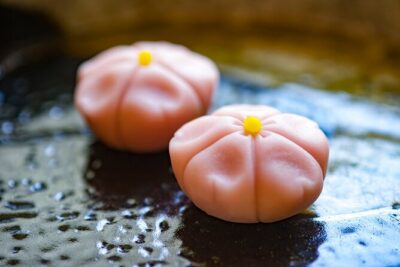
Matcha Making Class in Osaka with Authentic Japanese Sweets Set
Read our review →
Tea Ceremony Meditation – Make Matcha with Tea Master
Read our review →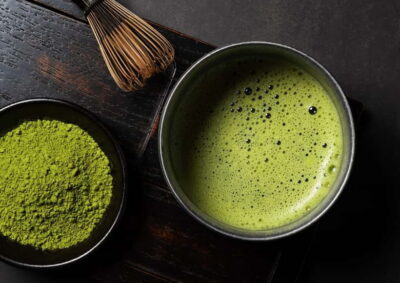
Matcha Making Experience with Mochi Sweets in Asakusa
Read our review →
Browse the lists this tour appears in