
Review · KYOTO
Kyoto: Nighttime Zen Meditation and Matcha Tea Experience
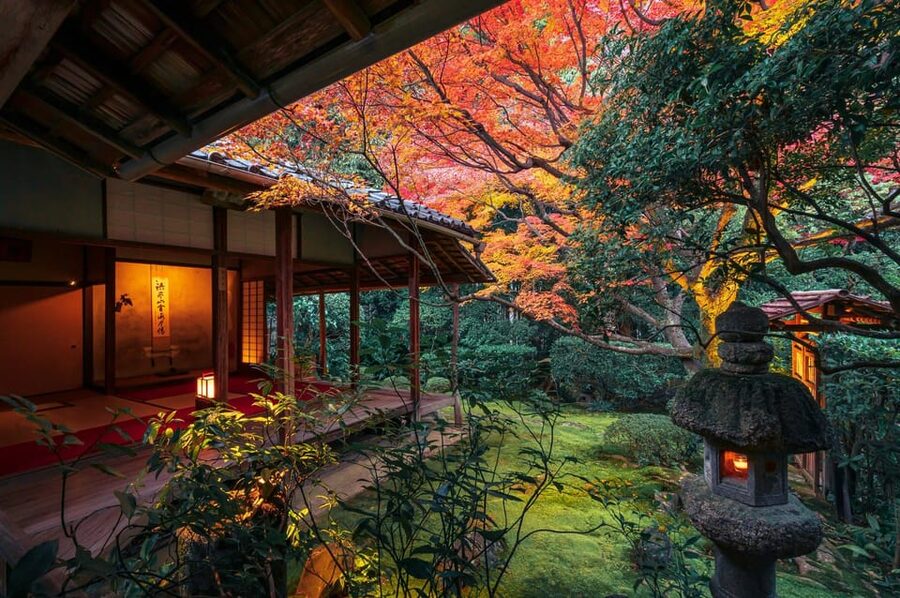
Keishunin Temple feels most special after dark, when its four historic gardens are lit for a quiet, carefully paced visit. You’ll move from garden views and Kano Sansetsu’s fusuma paintings to zazen meditation led by Deputy Chief Priest Yasumasa Arashima, then finish with matcha and a Japanese sweet.
I like the small private-group setting, which gives the visit a calm, personal rhythm. I also like the mix of culture and participation: you are not only looking at a temple, but sitting in meditation and learning the customs behind it. The main drawback is the $206 price for 90 minutes, which makes this a special-occasion activity rather than a casual add-on.
Key points to know before booking
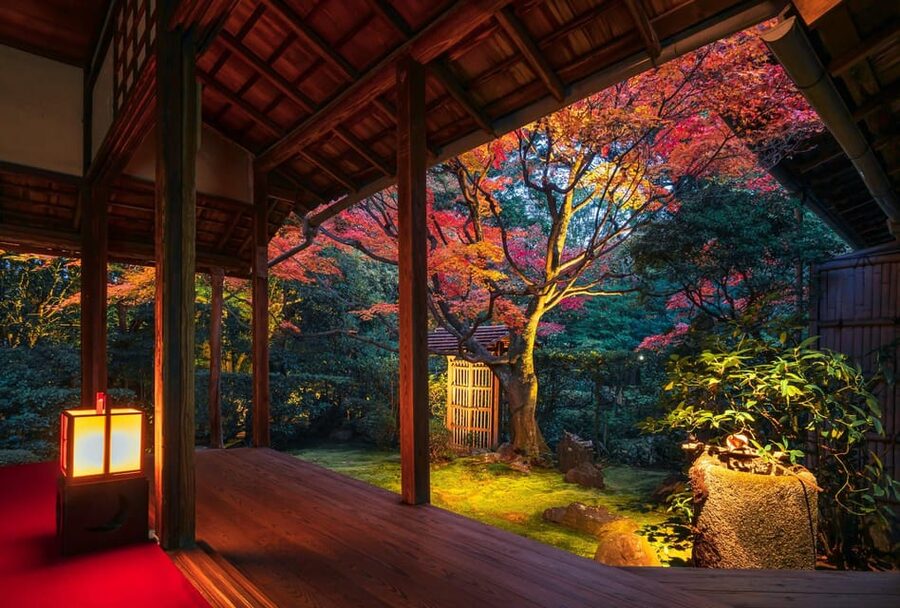
- Night lighting changes the gardens: The four gardens take on a quieter, more focused mood after sunset.
- Zazen is guided: Deputy Chief Priest Yasumasa Arashima leads the meditation and explains what to do.
- The tea room is part of the visit: You see the secluded Sehakuan tea room, along with Kano Sansetsu’s fusuma paintings.
- The group is private: This suits you if you want a slower visit and room for questions.
- Matcha comes with a traditional sweet: The tea service gives the evening a simple, satisfying finish.
Entering Keishunin after dark
This is not a broad tour of Kyoto’s temple district. It is a focused visit to Keishunin, a sub-temple of Myoshinji Temple, built around silence, gardens, and formal Buddhist customs.
Your guide meets you at the temple and begins by placing Keishunin in its cultural setting. That introduction matters because the site is not simply a pretty backdrop for photographs. The gardens, tea room, paintings, and meditation all belong to different parts of Japanese religious and artistic life.
The nighttime timing sets the mood from the start. Instead of arriving in the full activity of a daytime sightseeing stop, you see the temple gardens illuminated by lights. The effect is likely to be more concentrated than a daytime visit, with the lighting drawing your eye toward carefully arranged views.
You should wear warm clothing, even if the day has been mild. You will spend part of the 90 minutes sitting quietly, so comfortable clothes are more useful than formal travel wear.
More Matcha Experiences in Kyoto:
- Kyoto: Arashiyama Bamboo Forest, Monkeys, Matcha & Temple Tour
★ 5.0 · 759 reviews - Kyoto: Tea Ceremony Meditation – Make Matcha with Tea Master
★ 4.8 · 406 reviews - Kyoto: Kimono Tea Ceremony with Matcha and Sweet
★ 4.9 · 249 reviews
Four illuminated gardens with a slower pace
The four gardens are designated as nationally designated historical sites and scenic spots. That official status tells you that the gardens have cultural importance beyond their appearance, but the real value of the visit comes from seeing them as a connected group.
Your guide explains what you are looking at as you move through the temple grounds. The details provided for the tour do not give a full garden-by-garden route, so you should not expect a technical gardening lecture with a fixed list of plants or design terms. Instead, the visit centers on the atmosphere, the setting, and the role the gardens play within Keishunin.
Night lighting can be a gift for anyone who finds daytime temple visits crowded or visually busy. It narrows your attention. A stone, wall, tree, or patch of carefully arranged space may become the focus for a moment, rather than one item among dozens competing for your attention.
There is also a practical limit. If you want broad views, bright daylight, or extensive photography, a daytime garden visit may give you more. Flash photography is not allowed, and this is not the place to treat the temple like a photo set. Bring a camera if you wish, but plan to watch first and photograph second.
The Sehakuan tea room and Kano Sansetsu’s paintings
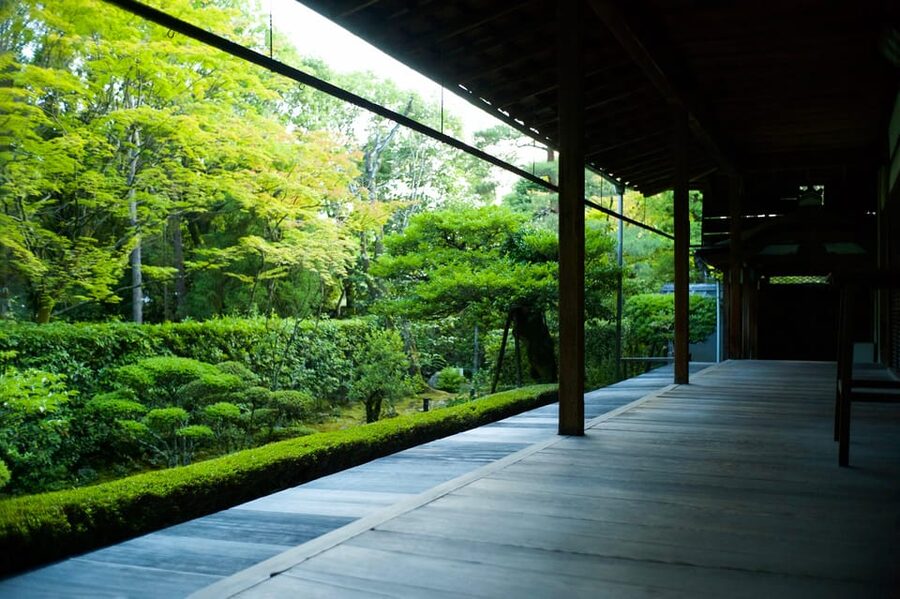
The tour includes a visit to the hidden tea room known as Sehakuan. Tea rooms are small by design, and that scale changes how you experience the space. The room is not just another interior on a checklist. It helps you understand the care given to tea ceremony, entrance, proportion, and quiet attention.
You also see fusuma paintings by Kano Sansetsu. Fusuma are sliding panels used to divide rooms, and paintings on them are meant to be viewed as part of the architecture. The artwork is not displayed in a separate gallery with a label beside it. It belongs to the room itself.
That setting makes this part valuable for you if you enjoy Japanese art but do not want a museum-only visit. You see the paintings where they functioned as part of a temple interior. Your guide provides the cultural background, and the private format should make it easier to ask about details that catch your eye.
Photography rules matter here too. Flash photography is prohibited, and you should follow any additional instructions given inside the temple. The point of this part of the visit is careful looking, not collecting a large number of images.
Zazen led by Yasumasa Arashima
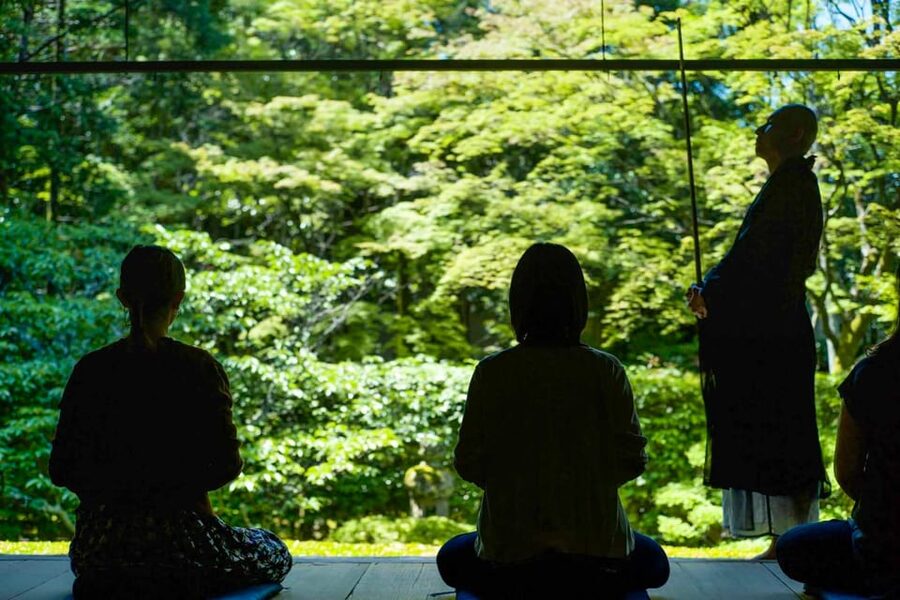
The meditation portion is the heart of the evening. Deputy Chief Priest Yasumasa Arashima leads the zazen session, giving you a direct introduction to seated Zen meditation rather than a general wellness class.
You do not need to arrive with a meditation background. The session is guided, and the purpose is to give you a taste of zazen within an active temple setting. You will be shown how to sit and how to approach the silence. The exact physical demands may vary, but you should be ready to sit still and pay attention for a period of time.
One especially interesting custom concerns what happens when a practitioner becomes too tired and needs a reminder to continue. A guide can explain this practice during the session. If you are adventurous, you may have the chance to try it, though you should follow the temple’s instructions rather than treating it as a novelty.
This is also where the private format helps. In a large group, meditation instructions can feel distant or rushed. A private group allows the guide and priest to keep the session personal and responsive. One visitor needed translation support, and an accompanying guide translated effectively, so English and Chinese language assistance is available.
You should keep your expectations realistic. Ninety minutes includes the garden visit, cultural explanation, tea room, paintings, meditation, and refreshments. This is an introduction to zazen, not a long retreat or a complete course in Zen practice.
A few more tea experiences around Kyoto worth a look
- Kyoto: Tea Ceremony in a Traditional Tea House in Kiyomizu
★ 4.9 · 3,519 reviews - Kyoto: Tea Ceremony Ju-An at Jotokuji Temple
★ 4.9 · 3,207 reviews - Kyoto: 45-Minute Tea Ceremony Lesson Experience
★ 4.3 · 2,378 reviews - Kyoto: Table-Style Tea Ceremony at a Kyo-Machiya
★ 4.9 · 1,211 reviews
Matcha and a Japanese sweet at the finish
After meditation, you have matcha and a traditional Japanese sweet. The tea service provides a gentle change of pace after the stillness of zazen.
Matcha can taste grassy, bitter, and more intense than the tea many people drink at home. The sweet balances it and gives you a small example of how Japanese tea service pairs flavor and presentation. This is not described as a full meal, so eat beforehand if you need dinner.
The tea portion also creates space for conversation. You can discuss what you noticed during the meditation, ask about the temple, or simply let the evening end quietly. The setting and the short exchange with the priest are likely to matter as much as the drink itself.
I like this ending because it keeps the program from becoming too solemn. You begin with gardens and art, sit in silence, then return to a simple social ritual. The sequence gives the evening a clear shape without trying to pack in too many unrelated attractions.
Is $206 good value for 90 minutes?
At $206 per person, this is expensive for a 90-minute activity. The price makes more sense if you value access, privacy, and the chance to meet a Buddhist priest in a temple setting rather than simply counting minutes or attractions.
Your booking includes the special nighttime temple visit, four illuminated gardens, the Sehakuan tea room, Kano Sansetsu’s fusuma paintings, guided zazen, matcha, and a Japanese sweet. Transportation and personal expenses are not included, so you must arrange and pay for your journey to and from the meeting place.
The private group matters most in the value calculation. You are not buying a standard public temple entry ticket. You are paying for a guided visit with a local guide, a meditation session, and a tea service arranged around your group.
I would recommend comparing this with the rest of your Kyoto plans. If your schedule already includes several temples, gardens, and tea tastings, this may feel costly and repetitive. If you want one carefully planned evening that combines Buddhist practice, art, architecture, and food, the price is easier to justify.
The perfect audience is someone who values a personal cultural encounter over a long list of sights. It is also a good fit for a return visit to Kyoto, when you may want something more focused than another daytime temple circuit.
Timing, language, and practical details
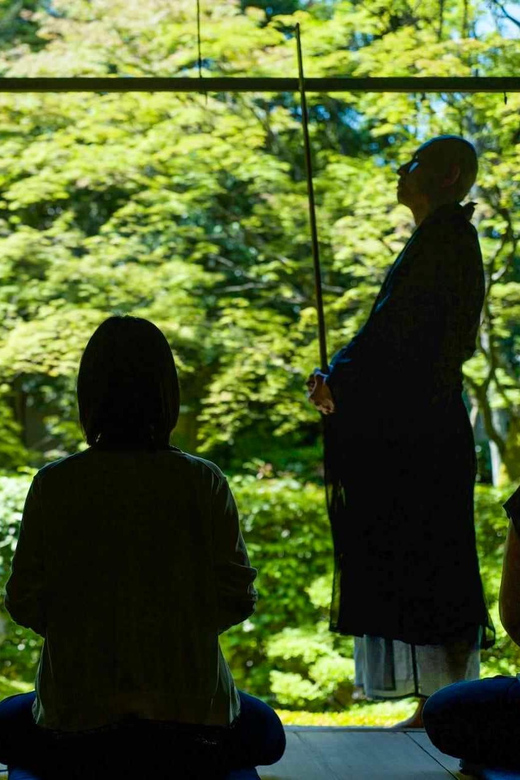
The activity lasts 90 minutes, with starting times varying by availability. Because the visit takes place at night and includes meditation, give yourself enough time to arrive without rushing. The exact meeting point details are not provided here, so check them carefully when you reserve.
English and Chinese tours are available. The guide introduces the temple and helps explain what is happening, while Deputy Chief Priest Yasumasa Arashima leads the zazen portion. If you have questions about translation, confirm the language arrangement before booking.
The group type is private. That is useful for couples, families with older children, and small groups of friends who prefer not to share a quiet meditation session with strangers.
Smoking and flash photography are not allowed. Wear warm, comfortable clothing. Children under 12 are listed as unsuitable, while the activity information also says primary school students and older are welcome. Since those age descriptions do not match perfectly, ask the provider to confirm eligibility if you are booking for a child. Anyone under junior high school age must be accompanied by a parent or guardian.
The experience is not suitable for wheelchair users. That is important to confirm before paying, since temple interiors and garden paths may not work for every mobility need.
Cancellation terms require care. You can cancel up to three days in advance for a full refund, but charges apply closer to the start time. The stated terms list 20 percent from three days before through the day before, 50 percent on the day, and 100 percent for a no-show or joining after the activity has begun. Check the exact cutoff shown at booking, especially if your plans may change.
Who should book this Kyoto temple evening?
I would choose this for a traveler who wants to slow down and give one evening to a single place. It suits you if you enjoy quiet gardens, Japanese art, tea ceremony, and guided cultural explanation.
It is also a good choice if you are curious about meditation but do not know where to begin. The session is short, led by a priest, and connected to the temple rather than presented as a generic relaxation class.
Families can consider it for older children who can sit quietly and follow temple customs. Younger children may find the stillness difficult, and the age restrictions require extra checking.
I would skip it if you want a lively evening, a substantial meal, or a long list of Kyoto sights. I would also skip it if $206 feels high for a 90-minute program, since the value depends heavily on your interest in the setting and the private format.
Should you book the Keishunin night visit?
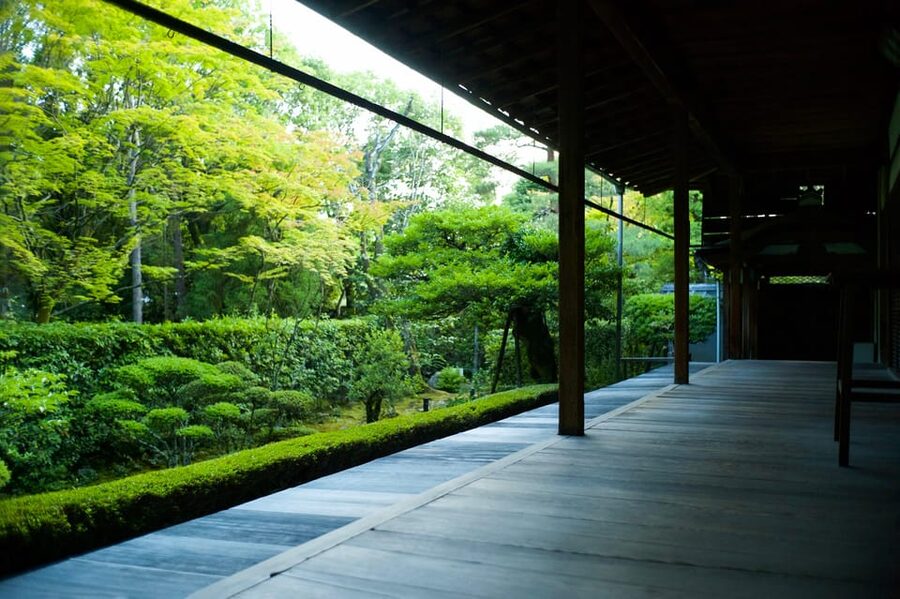
Book it if you want a quiet, intimate look at Kyoto’s Buddhist culture, with enough structure to make the evening easy to follow. The strongest parts are the illuminated gardens, the access to the Sehakuan tea room, the fusuma paintings, and zazen led by Yasumasa Arashima.
The main caution is price. This is not a bargain temple stop, and transportation is extra. But if you see it as a private cultural appointment rather than a sightseeing ticket, the cost may feel fair.
For me, the deciding question is simple: do you want to look at another Kyoto temple, or do you want to spend an evening practicing stillness inside one? If the second option appeals to you, this is one of the more distinctive ways to use 90 minutes in Kyoto.
FAQ
Where does the meditation and tea experience take place?
It takes place at Keishunin, a sub-temple of Myoshinji Temple in Kyoto, on Honshu.
How long does the experience last?
The activity lasts 90 minutes.
What is included in the price?
The price includes the special nighttime visit to Keishunin, a tour of four illuminated gardens, the Sehakuan tea room, Kano Sansetsu’s fusuma paintings, a zazen meditation session, matcha, and a traditional Japanese sweet.
Who leads the meditation?
Deputy Chief Priest Yasumasa Arashima leads the zazen meditation.
Which languages are available?
Live tour guidance is available in English and Chinese.
Is the group private?
Yes. The activity is organized as a private group experience.
Are children allowed to join?
The activity is intended for primary school students and above, but it is also listed as unsuitable for children under 12. Anyone under junior high school age must be accompanied by a parent or guardian, so confirm the age requirement before booking.
What is the cancellation policy?
You can cancel up to three days in advance for a full refund. The stated terms list a 20 percent charge from three days before through the day before, 50 percent on the day, and 100 percent for non-participation without notice or joining after the activity starts.
Just added around Kyoto
- Whisk Your Own Matcha: A Zen Matcha Experience at Temple★ 3.6 · 7 reviews
- Uji Walking Tour – Byodo-in temple and Tea Ceremony from Kyoto★ 3.5 · 3 reviews
- Traditional Tea Ceremony in Kyoto★ 4.5 · 3 reviews
- Kyoto: Authentic Tea Ceremony in a Small Group★ 5.0 · 7 reviews
- Tea ceremony at Kyoto’s Zen Temple Teahouse★ 5.0 · 2 reviews
- Tea Ceremony in 150 Years Old Townhouse with Tables and Chairs★ 5.0 · 22 reviews
- Silent Beauty of Kyoto Zen Walk and Tea Experience★ 5.0 · 2 reviews
- Tea Ceremony Experience in Traditional Kyoto Townhouse★ 5.0 · 19 reviews
Matcha Experiences, compared.
World Heritage Kyoto & Nara Uji Authentic Matcha Experience
Read our review →
Matcha Making Class in Tokyo with Authentic Japanese Sweets Set
Read our review →
Tea Museum Tickets and Matcha Grinding Experience
Read our review →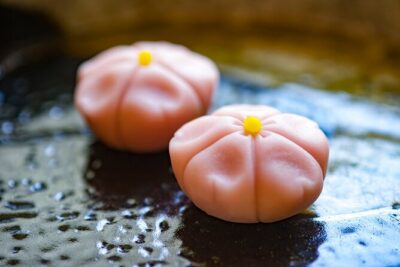
Matcha Making Class in Osaka with Authentic Japanese Sweets Set
Read our review →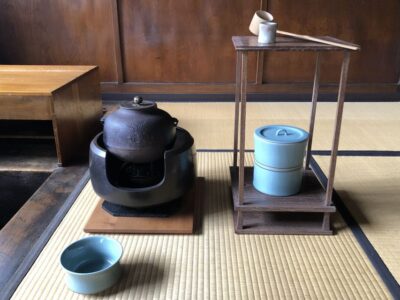
Tea Ceremony Meditation – Make Matcha with Tea Master
Read our review →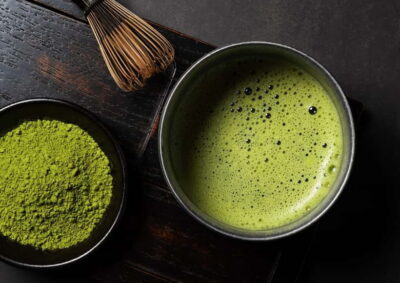
Matcha Making Experience with Mochi Sweets in Asakusa
Read our review →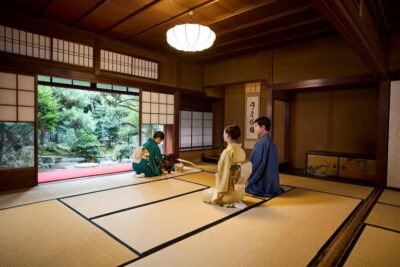
Browse the lists this tour appears in