
Review · KYOTO
Kyoto Ninenzaka: Tea Ceremony in Old Townhouse with Chairs
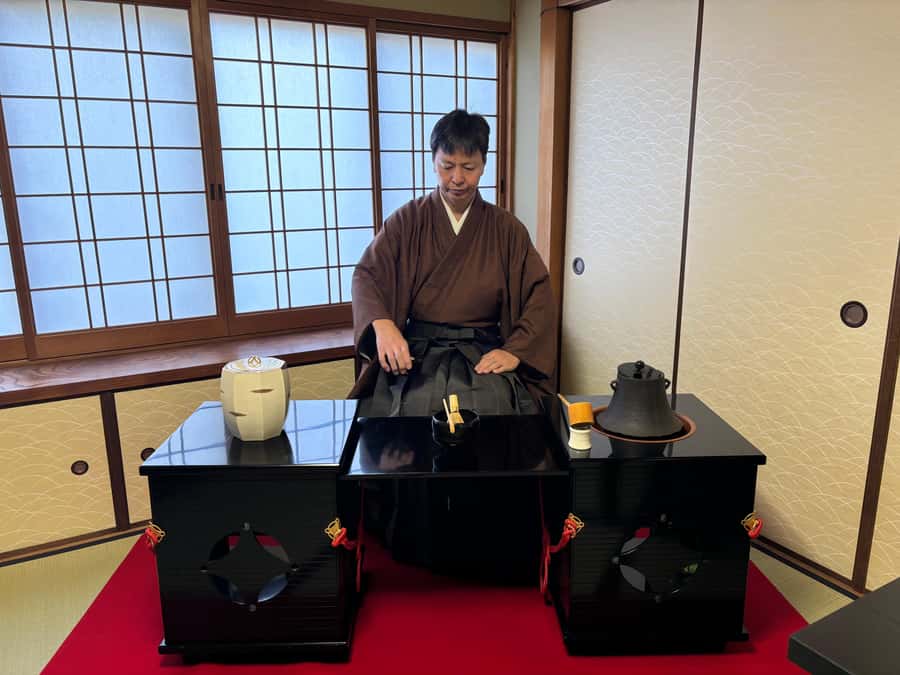
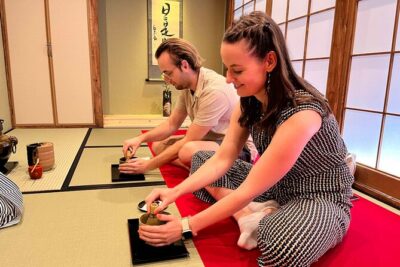
Kyoto’s tea ceremony is less about sipping a drink than learning how a bowl, a sweet, a gesture, and a quiet room fit together. In this 50-minute experience near Kiyomizu Temple, you watch the tea master work, then prepare matcha yourself in a 150-year-old townhouse.
I like the small-group feel, which can make the teaching calm and personal. I also like the practical chair-based format, especially if kneeling is hard on your knees. The one drawback is that the room is reached by narrow, steep stairs, and the ceremony’s no-photo, no-video rule may disappoint anyone hoping for a staged souvenir shoot.
Key points
- Two cups of Uji matcha: Watch the tea being prepared, then whisk your own using traditional tools.
- A 150-year-old townhouse: The renovated rooms keep their old Kyoto character, with tatami, low ceilings, and a quiet atmosphere.
- Chairs instead of floor seating: The standing tea ceremony style makes this easier for people who cannot sit comfortably on tatami.
- Seasonal Kyoto wagashi: Handcrafted sweets from a long-established confectioner provide the traditional counterpoint to bitter matcha.
- Real cultural context: The lesson covers Zen, utensils, etiquette, seasonal hospitality, and the meaning behind the movements.
- A focused setting: Perfume, flash photography, recording, drinks, large bags, and electronic devices are not allowed.
A quiet introduction to Kyoto tea culture
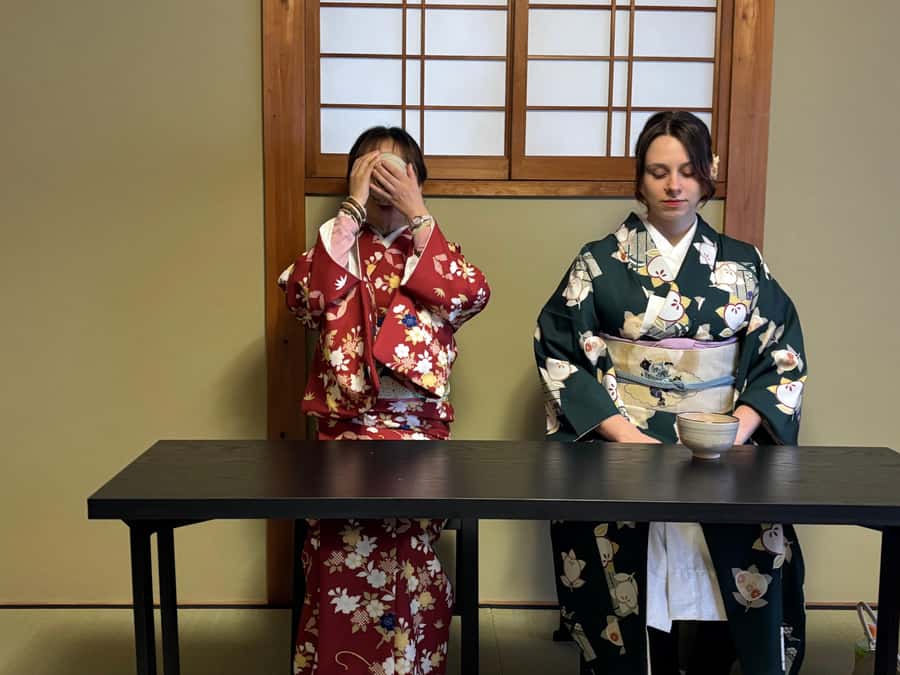
I like this activity because it gives you enough background to understand what you are seeing. You are not simply handed a bowl of green tea and told to copy a few motions. The instructor explains the history of tea ceremony, its connection with Zen practice, and why the details matter.
The ceremony is presented as a form of hospitality and attention. The host prepares the room, handles the utensils, serves the sweet, and makes the tea with deliberate movements. You learn to notice the bowl, the tools, the season, and the relationship between the person serving and the person receiving.
That makes this a good choice if you enjoy Japanese art, design, history, and traditional customs. It is less suitable if you want a quick cultural photo opportunity. The room stays quiet, and the rules are strict enough to protect the mood. You cannot film or make an audio recording, and professional cameras and flash photography are not permitted.
The atmosphere is part of the lesson. By putting away phones and other distractions, you have a better chance of noticing the sound of the whisk, the texture of the sweets, and the careful rhythm of the tea master’s movements.
More Tea Ceremony Experiences in Kyoto:
- Kyoto: Tea Ceremony in a Traditional Tea House in Kiyomizu
★ 4.9 · 3,519 reviews - Kyoto: Tea Ceremony Ju-An at Jotokuji Temple
★ 4.9 · 3,207 reviews - Kyoto: 45-Minute Tea Ceremony Lesson Experience
★ 4.3 · 2,378 reviews
Finding the townhouse near Ninenzaka
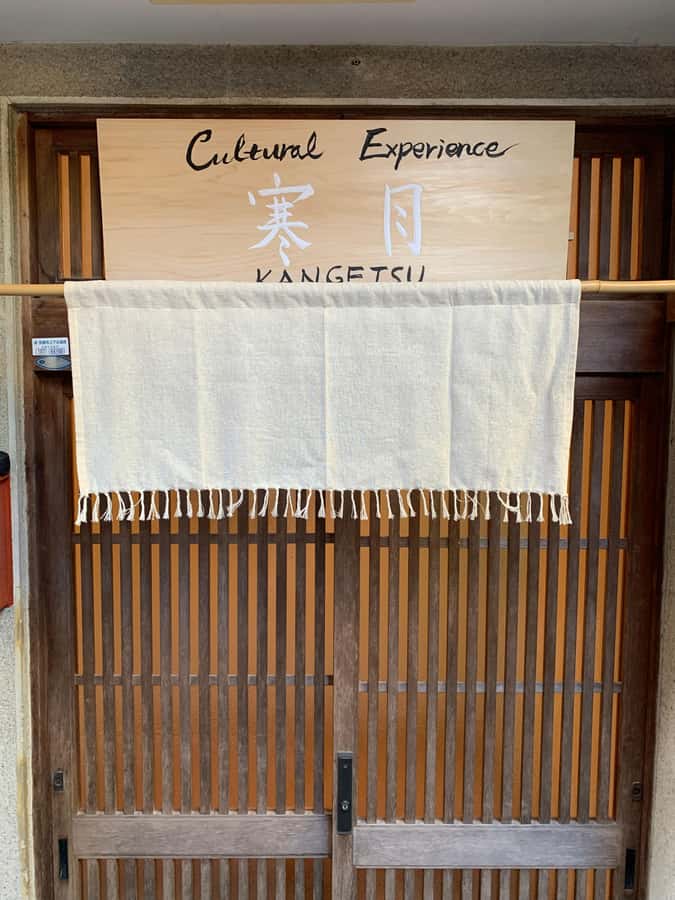
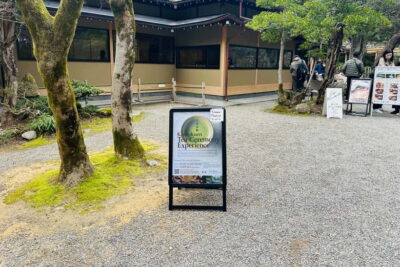
The meeting point is near Kiyomizu Temple, at the end of the alley next to the Starbucks on Ninenzaka. This puts the activity in one of Kyoto’s most visited old-town areas, so you can pair it with a walk around Ninenzaka, Sannenzaka, and Kiyomizu Temple.
Give yourself time to find the entrance. The directions point you toward the alley beside Starbucks, but the location can be confusing, and the map pin has reportedly led some people toward another cultural activity provider. I would use the written directions carefully rather than relying only on the map marker.
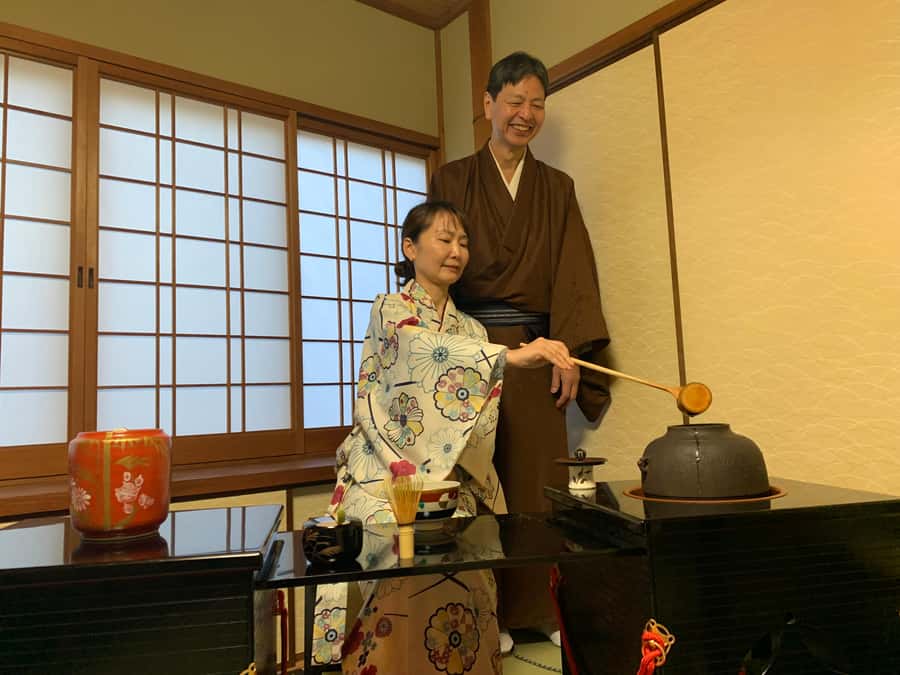
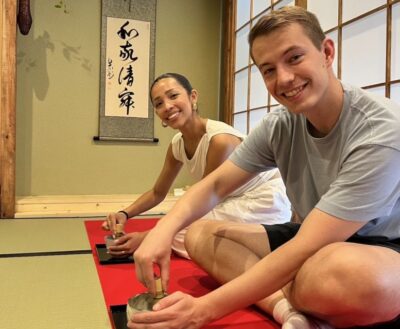
The venue occupies a Japanese townhouse built about 150 years ago. The interior has been renovated, but it retains the features that give an old Kyoto home its character: small rooms, low ceilings, tatami, and a traditional feel. The classroom has been arranged to be brighter and more spacious than a formal tea room, which helps first-time visitors follow the lesson.
That renovation is a sensible compromise. A strict tea room can feel dark and cramped if you have never experienced one before. Here, you still get the old-house setting without being asked to spend the whole class in an uncomfortable position.
Why the chair-based format matters
Many Japanese tea ceremonies involve sitting on the floor in seiza, with your legs folded beneath you. That can be physically demanding, even for people who are used to long sightseeing days. This experience uses a standing tea ceremony style with tables and chairs, so you can take part without kneeling.
The chairs do not make the ceremony casual. You still learn how to receive the bowl, how to handle the utensils, and how to show respect for the person serving you. The format simply removes one physical obstacle.
I would recommend it for anyone with bad knees, stiff hips, or limited comfort on tatami. One important distinction remains: the townhouse is reached by a narrow, steep staircase. The activity is not suitable for wheelchair users, and the stairs may be difficult if you have serious mobility concerns.
The space also asks you to remove your shoes. Bare feet are not allowed, so wear socks. Large jewelry can damage a valuable tea bowl, and long hair should be tied back so it does not fall into your tea.
What happens during the 50 minutes
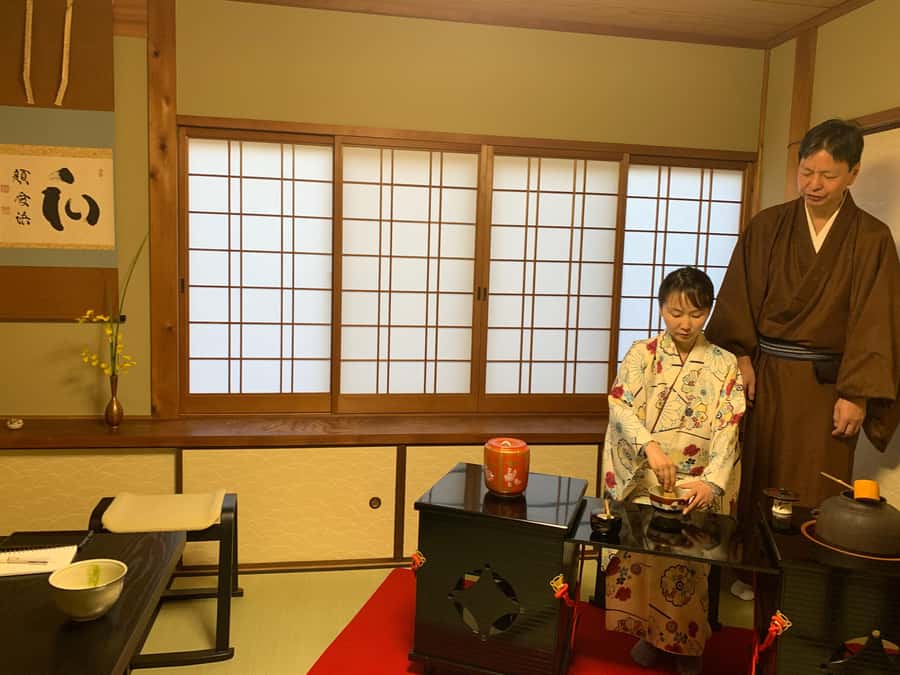
The exact pace can vary with the group, but the experience follows a clear sequence.
A few more tea experiences around Kyoto worth a look
- Kyoto: Table-Style Tea Ceremony at a Kyo-Machiya
★ 4.9 · 1,211 reviews - Kimono Tea Ceremony at Kyoto Maikoya, NISHIKI
★ 5.0 · 911 reviews - Kyoto: Kimono Tea Ceremony at Orizuruya Gion
★ 4.9 · 618 reviews - Kyoto: Tea Ceremony in 100-year-old Kyo-Machiya Townhouse
★ 4.8 · 546 reviews
The cultural introduction
You begin with an explanation of tea ceremony and its place in Japanese culture. The instructor discusses its connection with Zen practice and the idea that each meeting is a special occasion that cannot be repeated in exactly the same way.
This background gives purpose to the ceremony’s slow pace. You start to see that the movements are not random decoration. The way a utensil is placed, the way a bowl is presented, and the way a guest responds all help create a shared moment of calm.
English instruction is provided. Sakura has led sessions described as warm, clear, and patient, while an assistant may help with translation alongside the Japanese tea master. The teaching is generally easy to follow, though occasional translation differences are possible, particularly when discussing abstract ideas or specialized terms.
Looking at the utensils
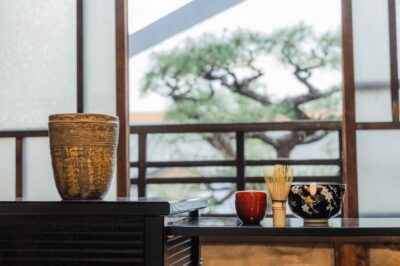
Next, you learn about the tools used to prepare and serve matcha. The instructor explains what each item does, how it is handled, and how it should be cared for.
This part is especially useful if you are interested in Japanese craft. A tea bowl is not just a cup. Its shape, glaze, weight, and imperfections affect how it feels in the hands. The whisk, scoop, container, and cloth each have a role in the preparation.
You may also see a selection of tea bowls. One participant specifically appreciated the range of cups available, and that variety helps you understand that tea ceremony has a strong connection with pottery and seasonal taste.
Watching the demonstration
The tea master then demonstrates the ceremony. The movements are restrained and exact, but the explanation keeps the presentation accessible. You see the utensils cleaned, the matcha measured, the water added, and the tea whisked into a smooth foam.
The demonstration is the most meditative part of the activity. It can feel solemn, but the hosts also allow room for questions and gentle humor. The result is more serious than a casual workshop, but not so formal that you are afraid to participate.
Seasonal hospitality is another theme. The sweet and tea are chosen to work together, and the setting is prepared to reflect the time of year. You may not learn every detail of the seasonal design in 50 minutes, but you will understand why the ceremony pays such close attention to timing and presentation.
Preparing your own matcha
You then prepare matcha yourself using traditional utensils. The instructor provides detailed guidance, so you do not need prior experience.
The process is simple in outline but harder to make graceful than it looks. You measure the powder, add hot water, and whisk until the tea develops a light foam. You also learn how to hold the bowl and drink it properly.
Two cups of matcha are included in the experience. One is part of the demonstration and tasting, and the other gives you the chance to make and enjoy tea yourself. The flavor is the real thing: Uji matcha has the green, bitter, savory taste that can surprise people who are used to sweetened drinks.
If you prefer a mild, sugary beverage, matcha may take some getting used to. I would not book this expecting a dessert drink. The point is to taste the tea as it is traditionally prepared, alongside a sweet that balances its bitterness.
Tasting the wagashi
The tea is served with seasonal wagashi, Japanese sweets ordered from a long-established Kyoto confectionery. These are delicate, handcrafted sweets rather than generic packaged candy.
Wagashi often bring color, shape, and seasonal imagery to the tea table. Their sweetness prepares your palate for the matcha, and their texture gives the experience another sensory layer.
The sweets are small, but that is intentional. Tea ceremony is about restraint and balance. You get enough to understand the pairing without turning the activity into a meal. Meals and transportation are not included, so plan to eat separately if you need something substantial.
Questions and conversation
The final portion allows time for questions. This is where the activity becomes more useful than a demonstration you simply watch from the edge.
You can ask about etiquette, the history of tea, the utensils, Zen ideas, or the practical details of preparing matcha. The hosts are used to explaining the ceremony to people who know little about it, and the English support makes it possible to ask detailed questions.
Some sessions may include a Japanese tea master, an English-speaking guide, and an assistant. The exact combination can vary, but the structure is designed to help you understand both the movements and the cultural meaning behind them.
The matcha and wagashi are worth the attention
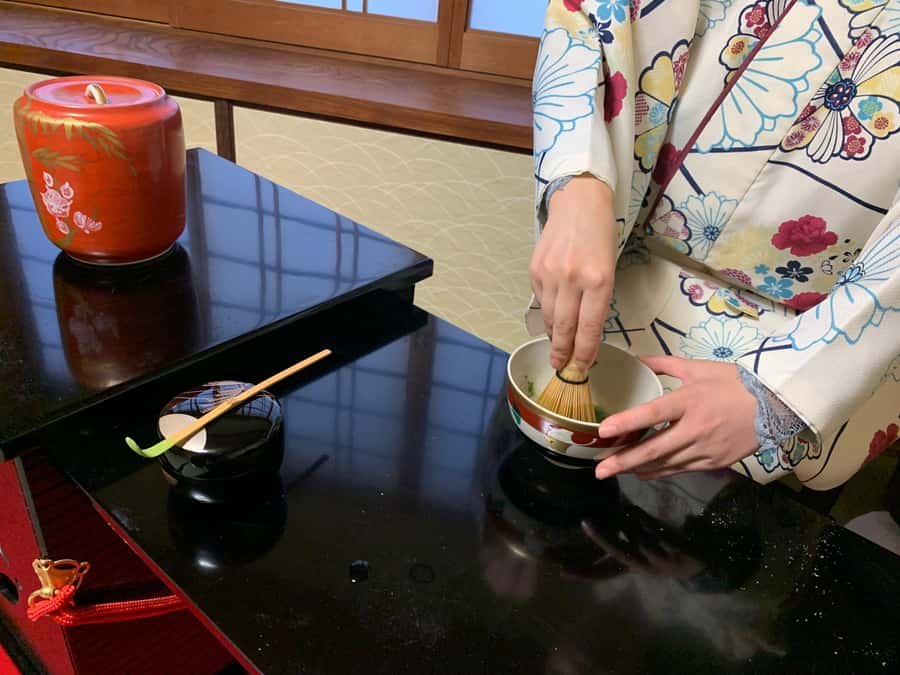
The quality of the ingredients matters here. The matcha comes from Uji and is sourced directly from a tea farmer whose family has grown tea since the Bunsei era, from 1818 to 1831.
That long family connection does not mean you need to be a tea expert. It simply explains why the experience puts care into the tea itself rather than treating matcha as a colorful prop.
The flavor may be stronger and more bitter than expected. Drink it slowly, and eat the wagashi as instructed. The sweet helps soften the tea’s sharp edge.
The wagashi comes from a long-established Kyoto confectionery that belongs to the Kyoto Prefectural Confectionery Association. This is a small detail, but it adds value. You are tasting two local traditions together: Uji tea and Kyoto confectionery.
How authentic is the ceremony?
This is a genuine teaching experience, but it is still designed for international visitors. That distinction matters.
The ceremony is conducted by a tea master in a traditional home, with explanations of the formal steps, the tools, and the philosophy. The quiet room, the restrictions on recording, and the focus on etiquette all make it more serious than a staged performance.
At the same time, the chair-based classroom, English explanations, and short 50-minute schedule make it more approachable than a full formal tea gathering. One person found it informative but not quite as authentic as expected, and that is a fair way to frame it.
I would call it a careful introduction to tea ceremony rather than a complete apprenticeship in the practice. If you already study tea ceremony or want to observe a highly formal event with no adaptation for visitors, you may find the format simplified. If you want to understand the basics and take part respectfully, the balance works well.
It is also different from a performance associated with geisha entertainment. The focus here is the tea practice itself, not a show built around a performer.
Group size and the feel of the room
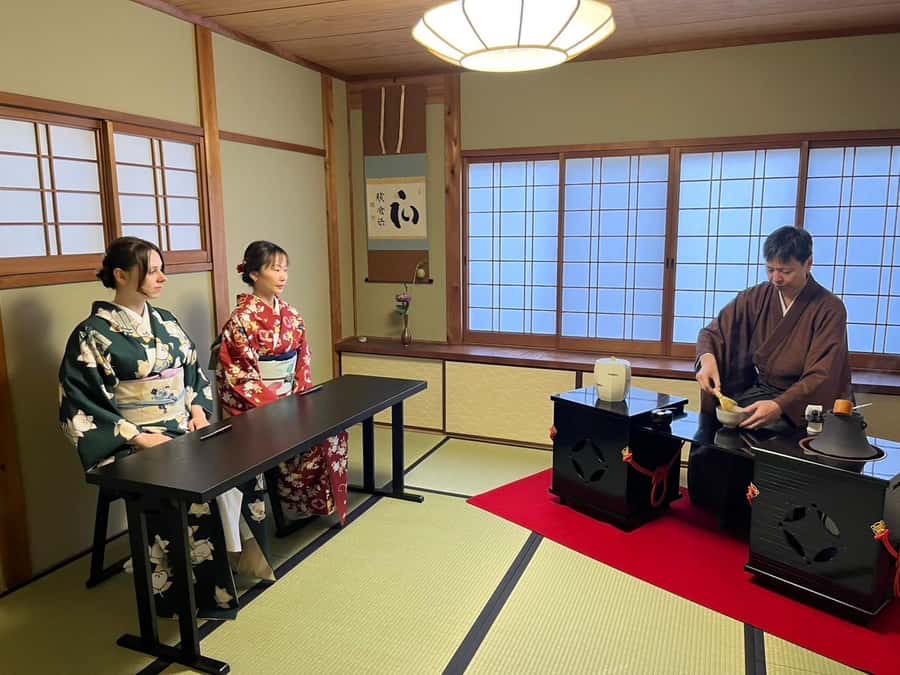
The venue can accommodate groups of up to 20, but sessions may be much smaller. Groups of four and six have been reported, and that size makes a noticeable difference.
With fewer people, you can see the utensils more clearly and ask questions without holding up a large crowd. The tea master and assistants can also correct your technique more easily when you prepare your own bowl.
A full group of 20 would feel less intimate, even in a room designed for cultural classes. If a small group matters to you, check the expected availability at the time you book, since the group size is not guaranteed.
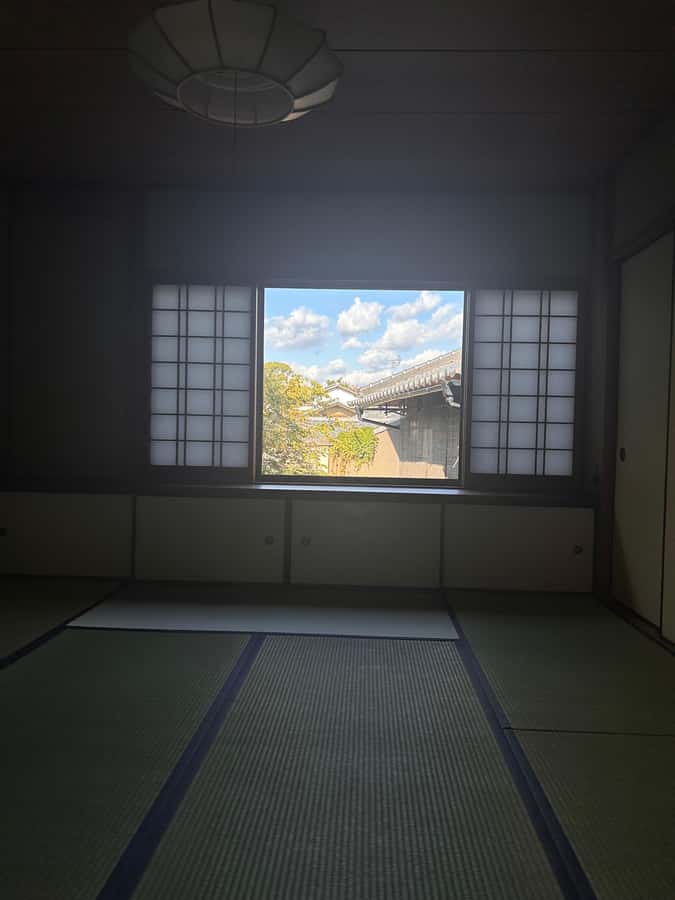
The townhouse also offers a view from a spacious Japanese-style room, although the central attraction is the tea room and the lesson itself. Other classes, including ikebana, calligraphy, cooking, and origami, are offered at the facility, but they are separate activities.
Price, timing, and what you get for $21
At $21 per person, this is an easy activity to fit into a Kyoto day. The price includes an experienced instructor, a seated tea ceremony stand, detailed guidance, an original booklet, two cups of matcha, and seasonal Japanese sweets.
The value comes from the teaching and the setting, not from the quantity of food. You are paying for a focused cultural lesson, quality Uji matcha, traditional utensils, and access to a tea master in an old townhouse.
The 50-minute length is useful if you have a tight sightseeing schedule. It is long enough to cover the history, watch a demonstration, make tea, eat wagashi, and ask questions. It is not long enough for a full formal tea gathering or extensive practice.
You can cancel up to 24 hours before the activity for a full refund, and the reserve-now, pay-later option can help if your Kyoto plans are still shifting. Same-day and next-day reservations may be harder to accommodate, and those sessions may be conducted in English.
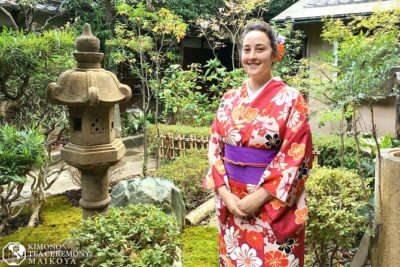
Kimono rental is available at an additional cost. It can make the occasion feel more special, and some people enjoy dressing for photographs afterward, but it is not included. You do not need a kimono to take part.
Who should book this experience
I would choose this activity if you:
- Want a serious introduction to Japanese tea ceremony
- Enjoy learning the meaning behind traditional arts
- Prefer a small, quiet class to a large staged event
- Want to taste unsweetened Uji matcha with Kyoto wagashi
- Need chairs instead of floor seating
- Are comfortable following rules about silence, clothing, and personal items
- Have an interest in pottery, utensils, Japanese aesthetics, or Zen practice
I would think twice if you:
- Want to film the entire ceremony
- Dislike bitter tea
- Need step-free access
- Are looking for a fast photo stop
- Are traveling with children under 10
- Expect a fully formal ceremony without adaptations for international visitors
Children under 10 are not accepted, partly to protect the calm atmosphere. People with a cold are also asked not to attend. Large bags, oversize luggage, bicycles, drinks, alcohol, smoking, vaping, and electronic devices are not allowed in the activity.
Should you book the Kyoto Ninenzaka tea ceremony?
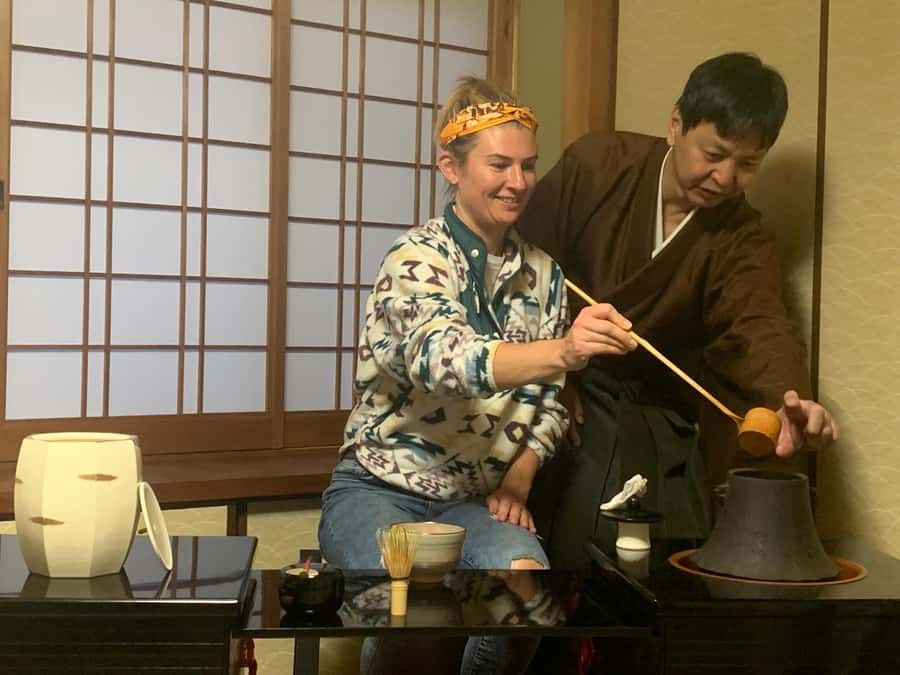
Book it if you want to understand what tea ceremony means, not just take a picture holding a matcha bowl. The combination of a historic townhouse, Uji matcha, Kyoto wagashi, clear English support, and chair-based seating makes this one of the more accessible ways to approach a serious Japanese tradition.
Do not book it expecting a full-length formal gathering or a free-form photography session. The stairs, strict house rules, and no-recording policy require some preparation.
For most first-time visitors with a real interest in Japanese culture, I think the $21 price is fair. Wear socks, skip the perfume, tie back long hair, remove bulky jewelry, and follow the written directions carefully. Arrive ready to watch closely, taste something unfamiliar, and let the quiet do some of the teaching.
FAQ
How long does the Kyoto Ninenzaka tea ceremony last?
The activity lasts 50 minutes.
How much does the experience cost?
The listed price is $21 per person.
Is the tea ceremony conducted in English?
English is available through the host or guide. Depending on the timing and session, an English-speaking guide or translator may assist.
Do I have to sit on the floor?
No. The activity uses a standing tea ceremony style with tables and chairs, making it suitable for people who find floor seating difficult.
What is included in the price?
The price includes experienced instructors, a stand for the seated tea ceremony, detailed guidance, an original tea ceremony booklet, two cups of matcha, and seasonal Japanese sweets.
Do I need to bring anything?
You must bring socks because bare feet are not allowed. Long hair should be tied back, and large necklaces, rings, and bracelets should be removed.
Can children or wheelchair users join?
Children under 10 are not accepted, and the activity is not suitable for wheelchair users. The townhouse also has narrow, steep stairs.
Just added around Kyoto
- Whisk Your Own Matcha: A Zen Matcha Experience at Temple★ 3.6 · 7 reviews
- Uji Walking Tour – Byodo-in temple and Tea Ceremony from Kyoto★ 3.5 · 3 reviews
- Traditional Tea Ceremony in Kyoto★ 4.5 · 3 reviews
- Kyoto: Authentic Tea Ceremony in a Small Group★ 5.0 · 7 reviews
- Tea ceremony at Kyoto’s Zen Temple Teahouse★ 5.0 · 2 reviews
- Tea Ceremony in 150 Years Old Townhouse with Tables and Chairs★ 5.0 · 22 reviews
- Silent Beauty of Kyoto Zen Walk and Tea Experience★ 5.0 · 2 reviews
- Tea Ceremony Experience in Traditional Kyoto Townhouse★ 5.0 · 19 reviews
Tea Ceremony Experiences, compared.
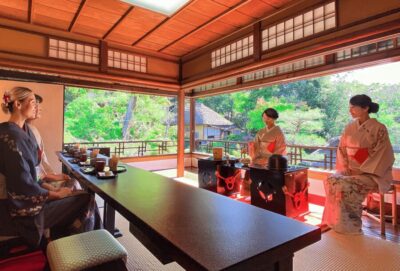
Tea Ceremony in a Traditional Tea House in Kiyomizu
Read our review →
Browse the lists this tour appears in