
Review · OSAKA
Osaka; Japanese Tea ceremony experience, Macha and Sencha
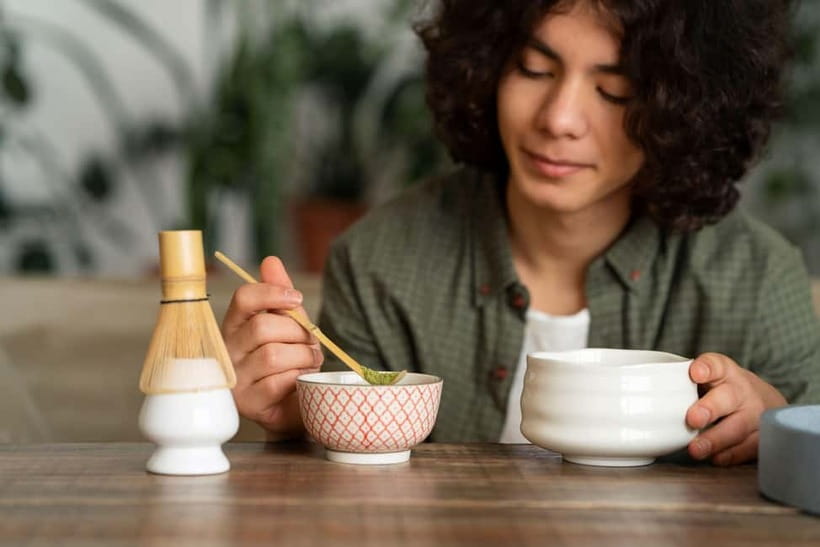
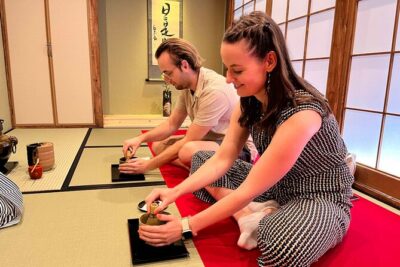
Osaka’s tea ceremony experience gives you more than a cup of green tea. In one hour, you sit in a traditional tatami room, watch matcha prepared according to ceremony etiquette, then make tea yourself under the guidance of an English-speaking tea master. It is a compact way to meet an important part of Japanese culture without spending half a day on a formal course.
I like the clear two-part format: matcha introduces the ceremonial side of tea, while sencha shows you the everyday drink many people in Japan enjoy now. I also like the teaching style. Tea master Yuko is praised for her gentle manner, strong English, and ability to explain both the ceremony’s history and spiritual role without making the lesson feel stiff.
The main drawback is the setting’s practical limits. The experience is not suitable for wheelchair users, including people using non-folding or electric wheelchairs, and anyone with food allergies is told not to eat the sweets. At $25 per person, it is good value, but you are booking a short introduction rather than an extended tea-school lesson.
Key points to know before booking
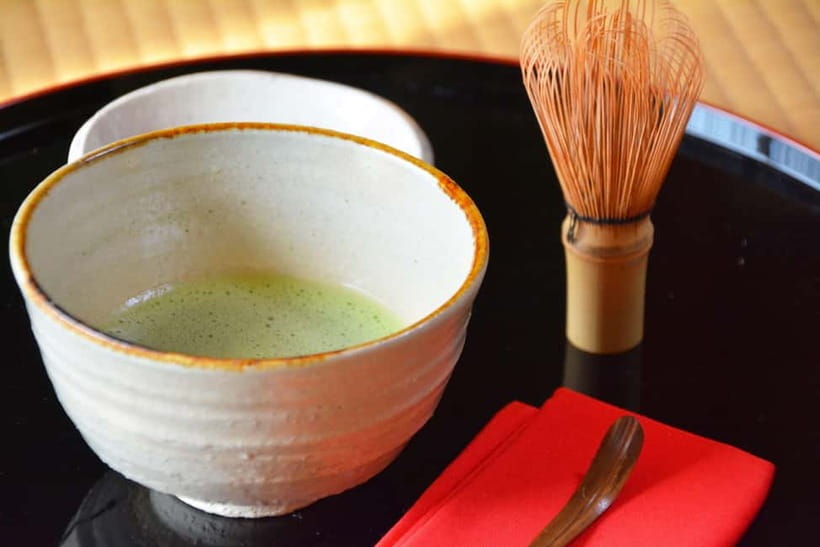
- Two teas in one hour: You learn about formal matcha preparation, then taste sencha, a more familiar everyday Japanese tea.
- Tea master Yuko may lead your session: Her English explanations and friendly teaching style receive particularly warm praise.
- You make the tea yourself: This is not only a demonstration. The instructor guides you through the basic etiquette and preparation.
- The tatami room matters: Sitting in a traditional room gives the ceremony a setting that feels connected to Japanese custom.
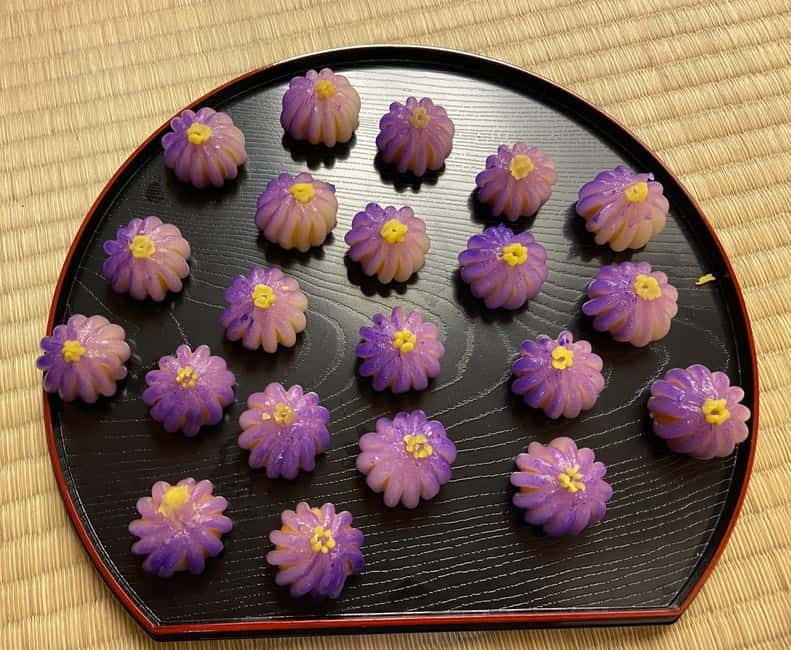
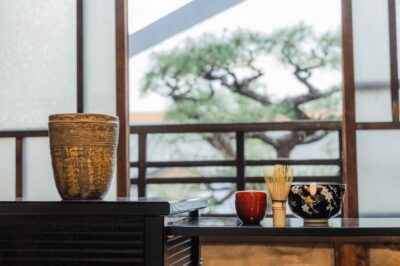
- Sweets are part of the lesson: Matcha comes with traditional Japanese sweets, and sencha comes with Japanese confectionery.
- A yukata is optional: You can add a yukata rental when booking and have your photograph taken during the experience.
A short Osaka introduction to tea culture
This activity is designed for visitors who want context, not just a pretty tea break. The ceremony gives you a look at the careful movements, manners, and quiet attention that shape traditional Japanese tea culture.
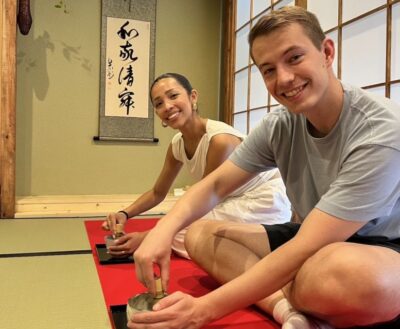
You begin in a tatami room, where an English-speaking instructor welcomes you and sets out the basic idea of the ceremony. You watch the tea master prepare matcha, the powdered green tea used in the formal portion of the experience.
That demonstration is important because the preparation is treated as a series of deliberate actions. The point is not simply to produce a drink quickly. The tea master explains the history and spiritual role of the ceremony, helping you understand why etiquette and concentration matter.
I would recommend paying attention to the small instructions rather than worrying about performing perfectly. This is a one-hour introduction, not an examination. You are there to learn the logic of the ritual and take part in it with respect.
More Tea Ceremony Experiences in Osaka:
- Osaka: Tea Ceremony Experience
★ 4.9 · 1,426 reviews - Tea Ceremony Experience in Osaka Doutonbori
★ 5.0 · 754 reviews - Osaka: Tea Ceremony, Calligraphy, and Kimono Experience
★ 4.9 · 130 reviews
Watching matcha prepared in a tatami room
The matcha portion is the heart of the experience. You watch the instructor prepare the tea, then receive an explanation of the traditional etiquette before trying it yourself.
For many first-time visitors, this is more useful than drinking matcha at a café. A café can give you the taste, but this session explains the actions around it. You learn how the tea is made within the ceremony and why the process has a formal, almost meditative character.
The tatami setting also changes the mood. A traditional room asks you to slow down and notice the ceremony’s posture, order, and quiet rhythm. You do not need prior knowledge of tea customs, and the English-speaking instructor can guide you through the process in Japanese or English.
The available information does not specify every movement or rule you will practice, so you should expect an introductory lesson rather than a technical study of every school of tea. That is a sensible trade-off for a one-hour activity, especially if you are fitting it between Osaka sightseeing stops.
Making your own matcha
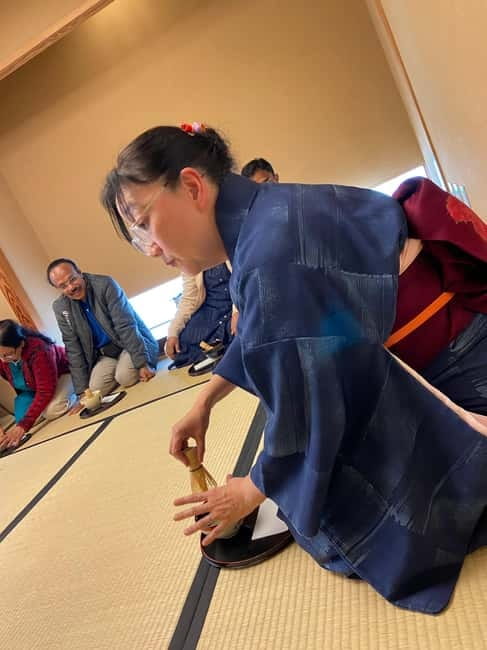
After watching the tea master, you get to prepare tea yourself. This hands-on part is one of the strongest reasons to choose the experience over a simple cultural demonstration.
You are shown how to make the tea according to the etiquette of the ceremony. The instructor explains what you are doing while you practice, so the activity remains accessible even if this is your first contact with matcha.
I like this balance between watching and doing. The demonstration gives you a model, while the practical part helps you remember the lesson. You may also gain a better sense of the care involved in preparing matcha, rather than treating it as an ordinary powdered drink.
Traditional Japanese sweets accompany the matcha. They are part of the experience, not an optional meal, and they help complete the tea service. The activity does not include a meal, so you should eat beforehand if you need something substantial.
Anyone with a food allergy needs to take the warning seriously. The instructions specifically advise people with food allergies not to eat the Japanese sweets and confectionery. If that applies to you, the tea lesson may still interest you, but the tasting element will be limited.
Sencha shows the everyday side of Japanese tea
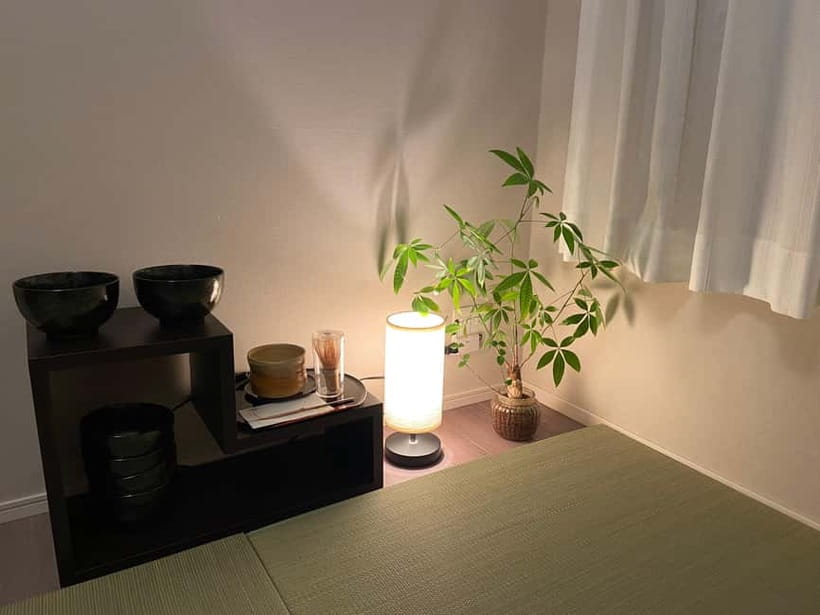
The experience then shifts from matcha to sencha. This is a useful contrast because sencha is commonly drunk in Japan today, while the matcha portion focuses on the formal tea ceremony.
The instructor explains the history of sencha and other aspects of the tea. You taste the tea with current Japanese confectionery, giving you a second kind of tea experience in the same session.
This change in focus makes the hour more worthwhile. You are not left with the impression that Japanese tea culture is only about ceremony, special rooms, and carefully staged movements. You also learn about a tea that is part of ordinary modern life.
The two teas can be understood as two doors into Japan. Matcha introduces ritual, etiquette, and the spiritual side of tea. Sencha gives you a more familiar everyday reference point. Together, they create a better picture than either tea alone.
Do not expect a long tasting menu. The activity includes matcha, sencha, and their accompanying sweets, but it is still a compact cultural lesson. The value comes from the explanation and personal instruction as much as from what you drink.
A few more tea experiences around Osaka worth a look
- Osaka: Japanese Traditional Sweets Making and Tea Ceremony
★ 4.7 · 118 reviews - Samurai Show, Tea Ceremony, Japanese Traditional Activities
★ 5.0 · 56 reviews - Osaka: Private Tea Ceremony and Calligraphy Experience
★ 5.0 · 50 reviews - Samurai dress-up and shows, plus Tea Ceremony & Calligraphy
★ 5.0 · 27 reviews
Learning with an English-speaking tea master
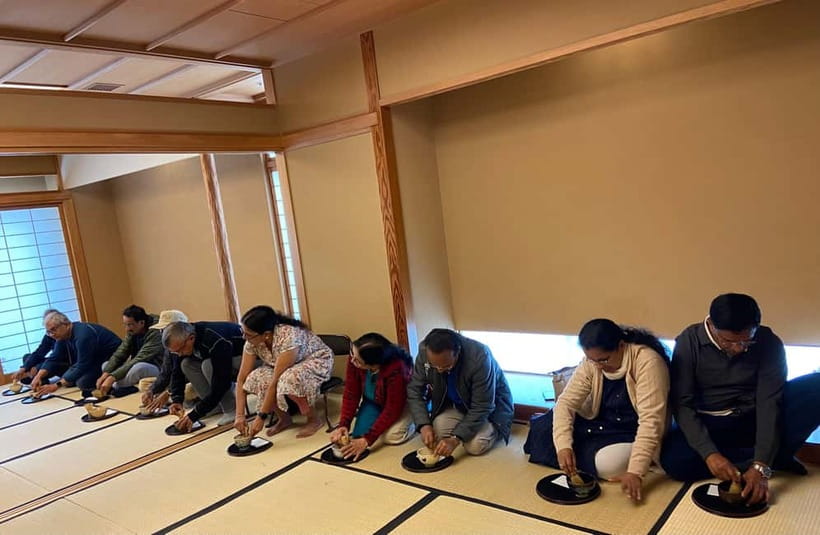
Language can make or break a cultural activity. Here, instruction is offered in English and Japanese, which makes the history and etiquette easier to follow for international visitors.
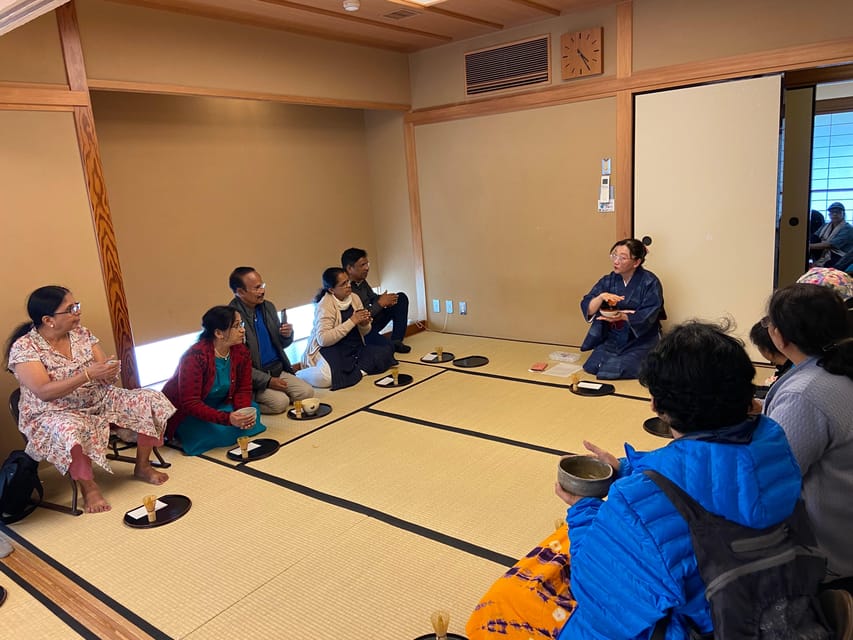
Tea master Yuko is specifically praised for speaking very good English and explaining the history with kindness and patience. One Italian visitor described her as an experienced teacher who guided the session with grace and good humor. That is useful information if you are nervous about joining a formal Japanese activity.
The tone appears friendly rather than severe. You can expect instruction about the meaning behind the ceremony, not simply a set of silent gestures to copy. The teaching also includes the spiritual role of tea, giving the session more depth than a photo opportunity alone.
The activity provider is Do co., Ltd. The available information does not state the group size, so you should not book it assuming a private lesson. The session is one hour long, and the exact start times depend on availability.
Adding a yukata and taking photographs
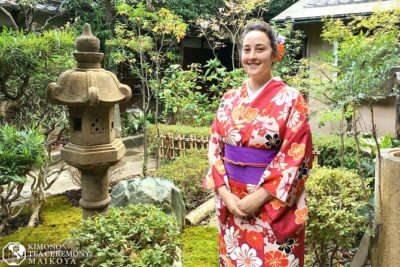
A yukata can be added separately when you book. If you choose this option, you can wear the garment during the tea ceremony and have your photograph taken afterward or during the experience.
This is a nice choice if you want a visual souvenir from Osaka. It can also make the setting feel more special for a birthday, anniversary, or first visit to Japan. Still, remember that the yukata is not included in the $25 base price, so check the additional cost before you confirm your booking.
The photograph opportunity is available after the tea experience. The supplied details do not promise professional photography, a full dressing service, or a particular number of photographs, so treat it as a chance to have your picture taken rather than a photo package.
If you prefer the cultural lesson itself, you can skip the yukata and focus on the tea. The basic activity already includes the instructor, both teas, and the sweets.
What the $25 price really buys you
At $25 per person, this is reasonably priced for a guided cultural activity in Osaka. You receive one hour with tea ceremony instructors, matcha, traditional sweets, sencha, and current Japanese confectionery.
The value is strongest if you want an introduction that combines explanation with participation. You are not paying just for refreshments. You are paying for access to a traditional room, instruction in tea etiquette, historical context, and the chance to make the tea yourself.
The price is less compelling if you want a long, highly formal ceremony or a full meal. This is an introductory experience with two tea styles, not an extended course in a particular tea school.
You can reserve now and pay later, which helps if your Osaka schedule is still changing. Free cancellation is available up to 24 hours before the activity for a full refund. Check the available starting times before booking, since the session lasts one hour and the schedule is not fixed in the information provided.
Finding the meeting point in Osaka
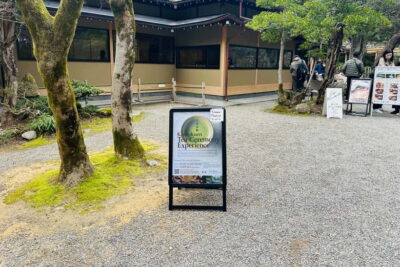
The meeting point is at the underground Midosuji Line, Exit 3, on the ground floor. This is a practical location for an activity that lasts only an hour because you do not need to set aside a full morning or afternoon.
Give yourself enough time to find Exit 3. Subway stations in Japan can have several levels and many corridors, so arriving at the right exit matters. The instructions identify both the line and the exit, but they do not provide a landmark, street address, or detailed walking directions.
The location also makes this activity easy to place alongside other Osaka plans. You can schedule it as a calm cultural stop rather than building an entire day around it. Since the experience includes no meal, pair it with lunch or dinner elsewhere.
Who will enjoy this tea ceremony most
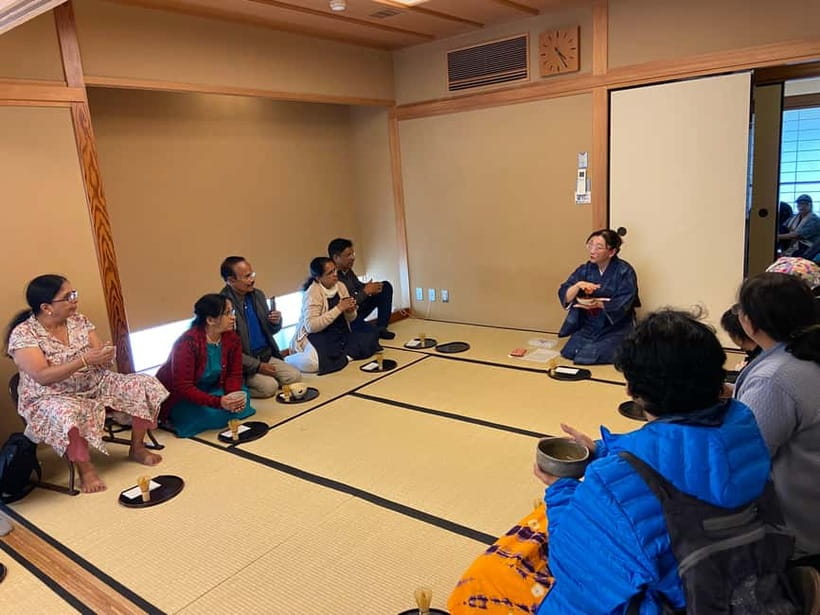
I would choose this activity if you want a manageable first look at Japanese customs. It suits visitors who are curious about etiquette, enjoy guided cultural activities, or want to understand the difference between ceremonial matcha and everyday sencha.
It also works well for couples, families with older children, and solo visitors who want a structured experience. The English instruction makes it easier to follow, and the one-hour length reduces the risk of cultural fatigue.
You may want something else if you dislike sitting in a traditional room, have a serious food allergy, or need wheelchair access. The activity is specifically listed as unsuitable for wheelchair users, including people using electric wheelchairs or scooters, and the sweets are not recommended for people with food allergies.
Large bachelor or bachelorette groups are not allowed, nor are noisy groups. Smoking, alcohol, drugs, chewing gum, pets, weapons, sharp objects, and making fire are also prohibited. These rules fit the quiet and respectful nature of the ceremony.
My verdict on the Osaka matcha and sencha experience
I would book this if you want a low-cost, well-focused introduction to Japanese tea culture. The strongest features are the chance to prepare matcha yourself, the added sencha lesson, and the English explanation of the ceremony’s history and spiritual meaning.
The personal teaching matters. Yuko’s name appears repeatedly in the positive feedback, with special attention given to her English, kindness, and ability to make the history easy to understand. That makes the experience feel more useful than a silent demonstration.
Keep your expectations in line with the format. One hour is enough for a taste of the tradition, not enough for a full study of tea ceremony schools or a long formal ritual. The yukata and photographs are pleasant extras, but the tea lesson is the main reason to go.
For $25, this is a sensible Osaka choice for first-time visitors who want culture, conversation, and a little hands-on practice in one compact session. Skip it only if the accessibility limits or food allergy warning affect you, or if you are looking for a more advanced ceremony.
FAQ
How long does the Osaka tea ceremony experience last?
The experience lasts one hour.
How much does the experience cost?
The listed price is $25 per person.
Where is the meeting point?
Meet at the underground Midosuji Line, Exit 3, on the ground floor.
Which languages are available?
The instructors speak English and Japanese.
Which teas will I taste?
You will taste matcha green tea and sencha tea.
Are sweets included?
Yes. Matcha is served with traditional Japanese sweets, and sencha is served with current Japanese confectionery.
Can I make the tea myself?
Yes. After watching the tea master prepare matcha, you will be guided through making tea according to the ceremony’s etiquette.
Is a yukata included?
No. A yukata can be rented separately by selecting the relevant additional option when booking.
Can I have my photograph taken?
Yes. You have the opportunity to have your photograph taken after the experience. If you rent a yukata, you can wear it during the tea ceremony and have your photograph taken.
Is the activity suitable for wheelchair users or people with food allergies?
The activity is not suitable for wheelchair users, including people using non-folding or electric wheelchairs and scooters. People with food allergies are advised not to eat the Japanese sweets and confectionery.
Just added around Osaka
- Osaka: Tea Ceremony, Calligraphy, and Kimono Experience★ 5.0 · 6 reviews
- Osaka: Nara, Todaiji, Uji Matcha, and Hot Spring Tour★ 4.0 · 7 reviews
- Nara Deer Park, Uji Matcha, & Hot Spring Full-Day Tour from Osaka★ 4.0 · 21 reviews
- Osaka:Zen Tea Ceremony and Foot Bath Experience<45min>★ 5.0 · 7 reviews
- Premium Kimono Dressing, Tea Ceremony, Calligraphy, Samurai show★ 5.0 · 18 reviews
- Osaka Japanese Cooking And Matcha Class near Osaka Castle★ 5.0 · 22 reviews
- ZEN therapy | Shiatsu-style massage, EnergyTherapy & Japanese Tea★ 5.0 · 5 reviews
- Discover Japanese Tea Blending Techniques in Osaka★ 5.0 · 19 reviews
Tea Ceremony Experiences, compared.
Tea Ceremony in a Traditional Tea House in Kiyomizu
Read our review →
Browse the lists this tour appears in