
Review · KYOTO
Tea ceremony and kimono experience at Kyoto, Tondaya
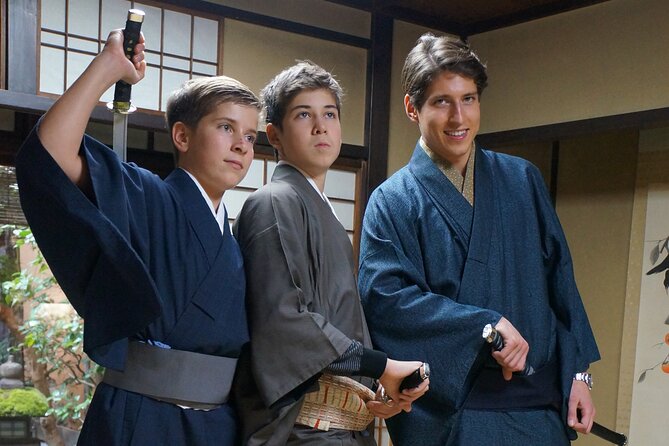
The most memorable part of this Kyoto experience is not the cup of matcha. It is being dressed in a silk kimono inside Tondaya, a Meiji-period wooden townhouse that still feels like a family home rather than a modern attraction. You then tour its rooms and watch a tea ceremony in the same historic setting.
I like the chance to see Nishijin’s traditional architecture and the easy photo opportunities with the kimono and house as a backdrop. I also like that the visit gives first-time visitors a clear introduction to a custom that can feel mysterious if you encounter it without guidance.
The main caution is the group size and uneven explanation. The listed maximum is 20 people, but some sessions have been described as much larger and hard to follow. At $178.34 per person, that difference matters a great deal.
Key points to know before booking
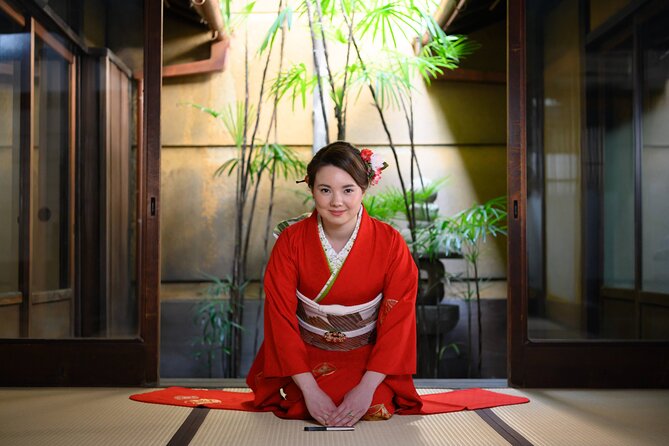
- The kimono fitting is the star attraction: You choose from available colors and are dressed over your own clothes.
- Tondaya is a real historic machiya: The house dates to the Meiji period and includes gardens, traditional rooms, furnishings, and seasonal design details.
- The tea ceremony is fairly brief: Expect a demonstration, matcha, and a sweet, not a long formal lesson.
- The group setting can make or break the visit: A crowded room may limit what you see and hear.
- Bring socks: You must wear them to help protect the historic building and its furnishings.
- Allow extra time to find the entrance: The house can be easy to miss, with limited signage.
Arriving at Tondaya in Nishijin
Tondaya, also called the Nishijin Japanese Cultural Experience Museum, is at 697 Ishiyakushicho in Kyoto’s Kamigyo Ward. It is near public transportation, but the entrance does not look like a large museum or polished tour center. Think traditional wooden townhouse, modest frontage, and an address you will want to check carefully.
I would use GPS and arrive with a few minutes to spare. Several accounts describe the location as hard to spot, especially before opening time, when there may be little activity outside. A taxi can simplify the final approach, but you still need to identify the correct traditional house.
That slightly uncertain arrival is part of the setting. Tondaya is not a stage set built for a quick cultural show. It is an old machiya, the narrow townhouse style long associated with Kyoto’s working neighborhoods. The tradeoff is clear: the building feels more real, but it is less obvious and less suited to moving a large crowd through quickly.
The visit ends where it begins, so you do not need to arrange transportation from a second location. The full experience is advertised at about 90 minutes, though the actual timing can change with crowd levels and delays.
More Kimono Tea Ceremonies in Kyoto:
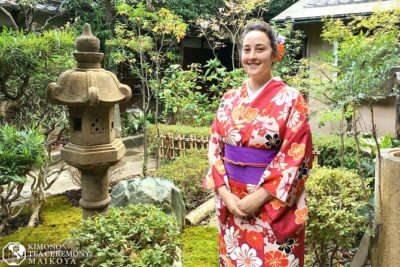
- Kimono Tea Ceremony at Kyoto Maikoya, NISHIKI
★ 5.0 · 911 reviews - Kyoto: Kimono Tea Ceremony at Orizuruya Gion
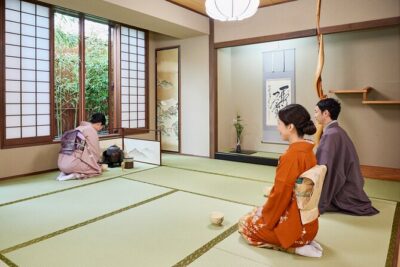
★ 4.9 · 618 reviews - KYOTO Tea Ceremony with kimono near by Imamiya Jinjya Shrine
★ 5.0 · 343 reviews
Getting dressed in a silk kimono
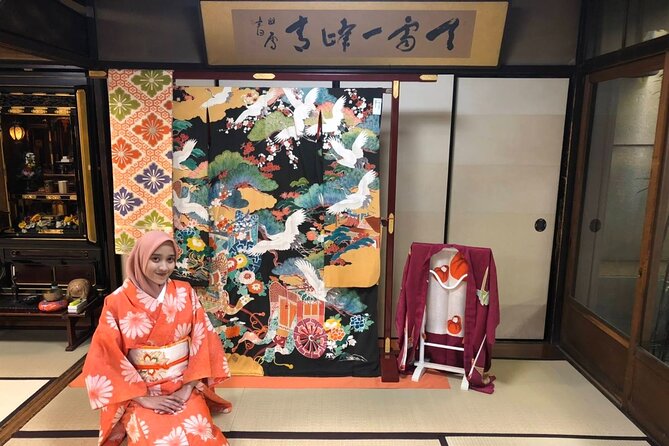
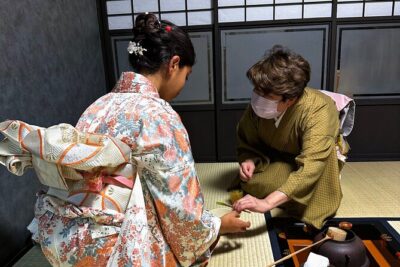
After you arrive, staff fit you with an authentic silk kimono. You wear it over your own clothing, and the fitting is done quickly so the group can continue through the house. The available information does not promise hair styling, makeup, or a full formal dressing service, so you should think of this as a kimono experience rather than a salon appointment.
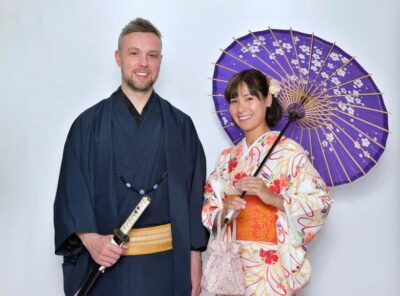
The fitting is one of the strongest parts of the visit. You choose colors, are helped into the garment, and can take photographs around the house afterward. The staff assisting with the clothing are often described as kind and patient, and the garments are repeatedly praised for looking well made.
This is also where expectations matter. You are not being prepared for a full day of walking in Kyoto. The clothing is for the visit, photographs, and ceremony. Geta, the traditional wooden sandals, are not included. Socks are also not supplied, and you are specifically asked to bring your own pair. You can reportedly buy socks at the venue, but bringing them costs nothing and avoids an awkward start.
If you have mobility concerns, remember that the house is historic and the activity may involve moving between rooms and upstairs areas. The supplied information says most people can participate, but it does not give detailed accessibility information.
Touring a 140-year-old Kyoto townhouse
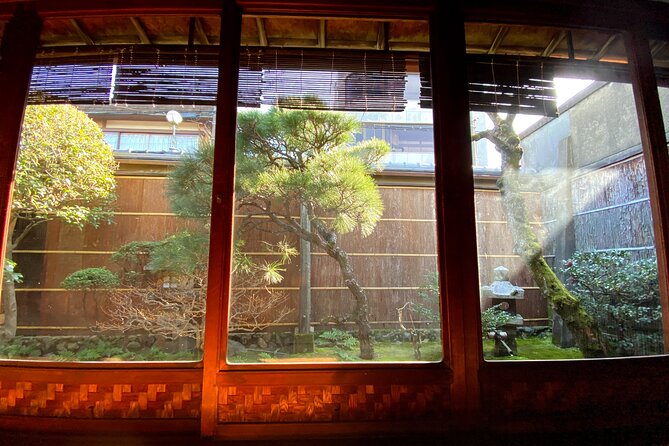
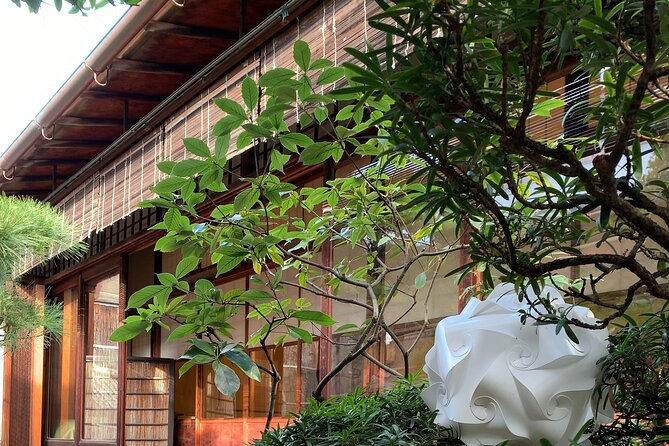
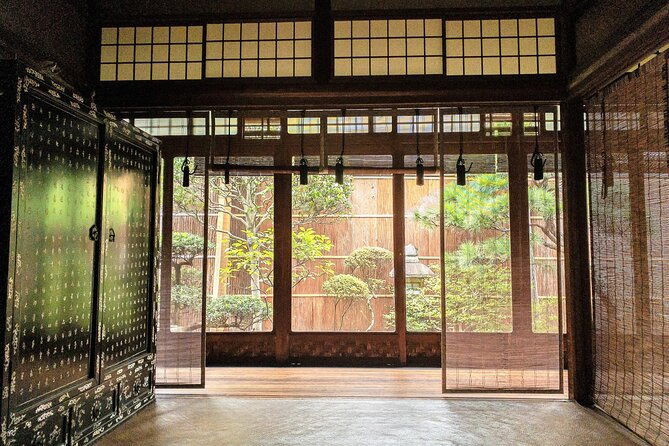
Once dressed, you can take photographs and look around Tondaya. The house was originally built during the Meiji period, and the interior offers the sort of details that disappear in modern Kyoto: wooden rooms, traditional furnishings, garden views, and spaces designed to let air and seasonal breezes move through the home.
I like this part because it gives the tea ceremony a setting with meaning. You are not simply watching matcha being prepared in a blank room. You are seeing the ritual in a house shaped by older ideas about space, weather, privacy, and hospitality.
The tour may include an explanation of the rooms, furniture, flowers, and objects used in the ceremony. The amount of detail can vary. Some sessions provide a helpful introduction to the house and Japanese customs, while others feel rushed, with little background about the clothing or the building.
Photography is encouraged, which makes the kimono fitting more worthwhile. You can take pictures around the house and, according to the activity details, during the tea ceremony and with its equipment. Be considerate around other people in the room. A group visit can become crowded quickly, especially when everyone wants the same attractive corner for a photograph.
What happens during the tea ceremony
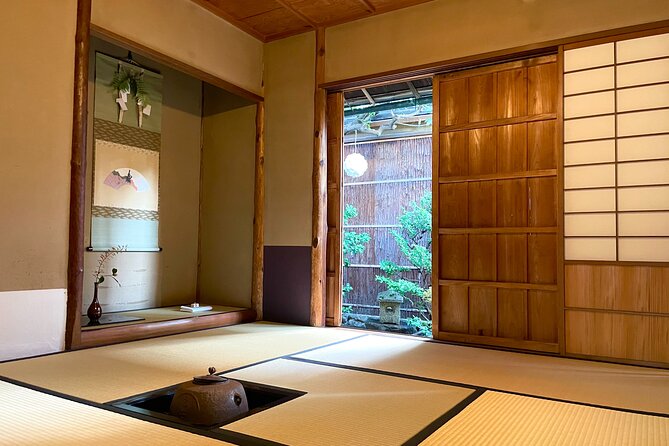
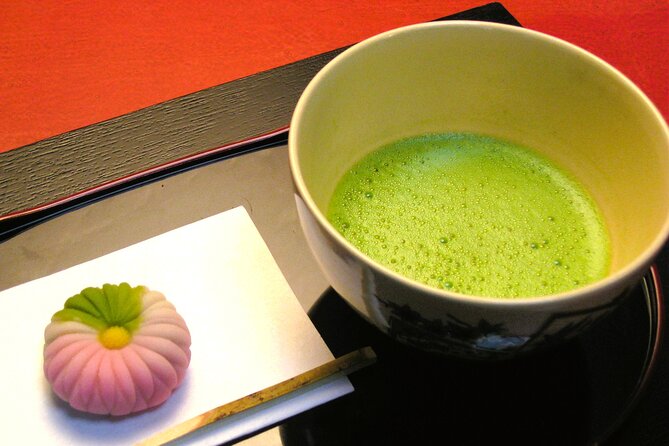
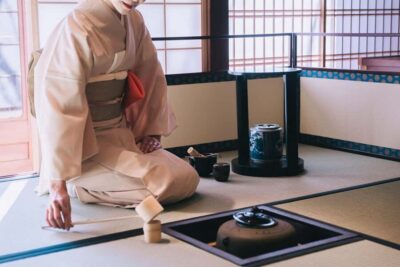
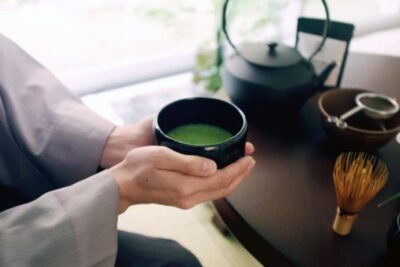
The central demonstration shows how matcha is prepared and served. You watch the tea master or host handle the bowl and utensils, then receive tea and a traditional sweet. You are also shown how to drink it properly.
For many first-time visitors, that is enough to make the basic sequence understandable. You see the deliberate movements, the care given to the tools, and the connection between the tea, the room, and the guest. The experience also helps explain that Japanese tea is not simply a beverage served in a pretty cup. The gestures and setting are part of the welcome.
Still, keep the scale of the lesson in mind. This is a short introduction, not an advanced study of chanoyu. Some accounts describe the actual ceremony as lasting only a few minutes, with the first bowl prepared by the main host and additional servings brought out on a tray. The tea and sweet may be modest in quantity.
Explanations are another variable. A strong guide can explain why the tea is prepared in a certain way, how the guest receives it, and what the utensils mean. Other sessions have offered only a short description and basic drinking instructions. English ability may vary among staff, and some people have found the narration difficult to follow.
The room itself can affect the experience. When the group is small, the ceremony can feel calm and intimate. When the room is full, you may struggle to see the preparation or hear the explanation. Hot conditions have also been reported, particularly when many people are seated together in a compact space.
If the tea ceremony is your main reason for booking, ask yourself how much structure you need. You will receive a genuine glimpse of the ritual, but the experience may not satisfy you if you want a long, quiet lesson on the philosophy, history, utensils, and precise movements of the tea master.
More Tea Ceremony Experiences in Kyoto:
- Kyoto: Tea Ceremony in a Traditional Tea House in Kiyomizu
★ 4.9 · 3,519 reviews - Kyoto: Tea Ceremony Ju-An at Jotokuji Temple
★ 4.9 · 3,207 reviews - Kyoto: 45-Minute Tea Ceremony Lesson Experience
★ 4.3 · 2,378 reviews - Kyoto: Table-Style Tea Ceremony at a Kyo-Machiya
★ 4.9 · 1,211 reviews
Group size is the key value question
The booking information gives a maximum of 20 participants. That is already a substantial group for a small traditional house, especially if everyone is being dressed, photographed, and moved through narrow rooms.
There are also accounts describing sessions far larger than 20. That creates an important uncertainty. A group of eight or ten could have a very different experience from a room packed with several dozen people. In a crowded session, you may stand behind someone taller, miss the hand movements, or hear only fragments of the explanation.
The group format also means not everyone may wear a kimono. The activity includes kimono dressing, but other participants can be present without choosing that option. If your ideal picture is a quiet ceremony with everyone in traditional dress, the standard group booking may not deliver it.
A private option is available for people who want more control. The supplied information does not give the private price, so you will need to compare it when booking. For an expensive cultural activity, the extra cost may be worthwhile if it guarantees a smaller gathering, clearer explanations, and a better view.
Is $178.34 good value?
At $178.34 per person, this is not a cheap way to drink matcha. The price covers the tea ceremony, kimono experience, and entrance to the historic house, but not lunch, makeup, hair styling, socks, or geta.
I can see the value if you place a high price on the setting and the clothing. A silk kimono fitting, photographs in a traditional machiya, a house tour, and a tea demonstration make this more than a simple cup of tea. The historic building is the part you cannot easily reproduce elsewhere.
The price is harder to defend if you mainly want instruction. A short ceremony with limited explanation can feel like an expensive dress-up session. You may leave with beautiful photographs but only a basic understanding of why the host moves, bows, places utensils, or serves the sweet in a particular way.
For that reason, I would judge the cost in two parts:
- Good value for: A first cultural introduction, kimono photographs, an old Kyoto house, and a short taste of matcha tradition.
- Less convincing for: A serious tea student, anyone seeking a private ceremony, or anyone who expects a long lecture and a serene formal performance.
The overall rating is 4.1 from 90 reviews, which fits this mixed picture. The best experiences praise the house, clothing, friendly staff, and clear teaching. The weakest experiences focus on crowding, poor visibility, rushed timing, weak English explanations, and the price.
Who will enjoy this experience most?
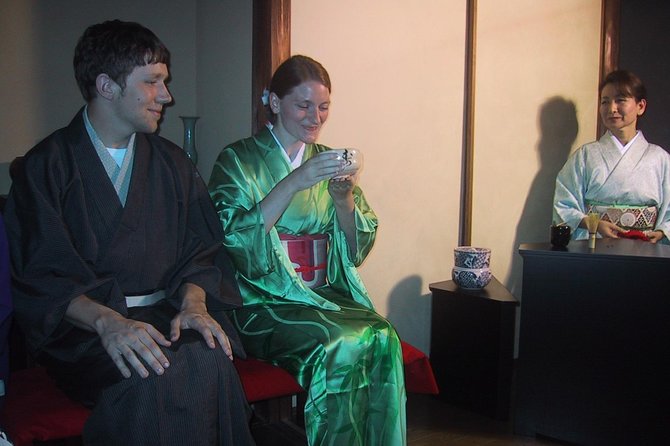
I would recommend Tondaya to a first-time visitor who wants several Kyoto traditions in one compact activity. You can dress in a kimono, enter a historic townhouse, take photographs, and receive a short explanation of the tea ceremony without needing prior knowledge.
It also suits families and mixed-age groups if everyone understands that the activity is conducted with other people. Most people can participate, and the 90-minute format fits neatly into a busy Kyoto day.
You may want another option if you have already attended a formal tea ceremony or if you care most about silence, precision, and detailed teaching. A private booking is the better choice if you want to ask many questions or make sure you can see each movement.
The experience can also disappoint if you expect Gion-style scenery. Tondaya is in Nishijin, not Gion, and its appeal is the historic house and traditional neighborhood setting. Do not book it simply because you want a famous Gion backdrop.
Practical details that affect the visit
The activity is available as a mobile ticket, and confirmation is issued when you book. Free cancellation is available until 24 hours before the start time. Changes or cancellations made less than 24 hours before the start time are not accepted for a refund.
Wear comfortable clothing underneath the kimono. Since the garment is fitted over your own clothes, bulky layers may be inconvenient. Bring socks, arrive with the address ready on your phone, and allow time to locate the entrance.
The standard experience lasts about 1.5 hours, but timing can shift if people arrive late or the house is busy. The activity provider is Tondaya, written in Japanese as 冨田屋.
I would also keep your schedule flexible afterward. The visit may finish on time, but the dressing process and group movement can take longer when the house is crowded.
Should you book Tondaya?
Book this experience if you want kimono photographs and a traditional Kyoto house as much as you want the tea itself. Tondaya offers a memorable setting, attractive clothing, and a simple introduction to matcha culture. Those are worthwhile features, and the warm staff can make the visit feel personal when the group is manageable.
Be cautious if you are paying $178.34 mainly for an in-depth tea ceremony. The short demonstration, uncertain group size, variable English explanation, and occasional crowding may not match that expectation.
My practical choice would be the private option if the price fits your budget. If you choose the standard group visit, bring socks, use GPS, arrive early, and treat it as a combined kimono, machiya, and tea experience rather than a full formal tea lesson.
FAQ
Where does the tea ceremony take place?
It takes place at Tondaya, the Nishijin Japanese Cultural Experience Museum, at 697 Ishiyakucho, Kamigyo Ward, Kyoto, Japan.
How long does the experience last?
The maximum scheduled time is about 1.5 hours, though the timing may vary depending on how crowded the visit is.
Is the kimono included?
Yes. The experience includes a kimono fitting and kimono experience. The kimono is fitted over your own clothing.
Are hair styling and makeup included?
No. Makeup and hair styling are not included.
Do I need to bring socks?
Yes. You are asked to bring socks to help protect the cultural property. Socks are not included, though they may be available to buy at the venue.
Is the tea ceremony private?
The standard activity is conducted in a group, with a stated maximum of 20 participants. A private experience is available as a separate option.
Can I cancel for a full refund?
Yes, if you cancel at least 24 hours before the experience start time. Cancellations or changes made less than 24 hours in advance are not accepted for a refund.
Just added around Kyoto
- Whisk Your Own Matcha: A Zen Matcha Experience at Temple★ 3.6 · 7 reviews
- Uji Walking Tour – Byodo-in temple and Tea Ceremony from Kyoto★ 3.5 · 3 reviews
- Traditional Tea Ceremony in Kyoto★ 4.5 · 3 reviews
- Kyoto: Authentic Tea Ceremony in a Small Group★ 5.0 · 7 reviews
- Tea ceremony at Kyoto’s Zen Temple Teahouse★ 5.0 · 2 reviews
- Tea Ceremony in 150 Years Old Townhouse with Tables and Chairs★ 5.0 · 22 reviews
- Silent Beauty of Kyoto Zen Walk and Tea Experience★ 5.0 · 2 reviews
- Tea Ceremony Experience in Traditional Kyoto Townhouse★ 5.0 · 19 reviews
Kimono & Tea Ceremonies, compared.
KYOTO Tea Ceremony with kimono near by Imamiya Jinjya Shrine
Read our review →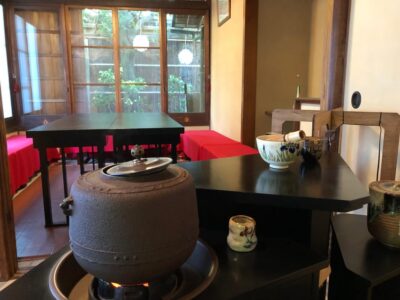
Kimono and Tea Ceremony Experience at Cultural Asset
Read our review →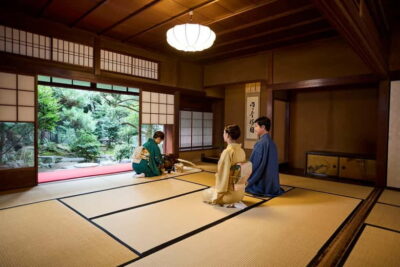
Browse the lists this tour appears in