
Review · KYOTO
Tea Ceremony Experience in Kyoto
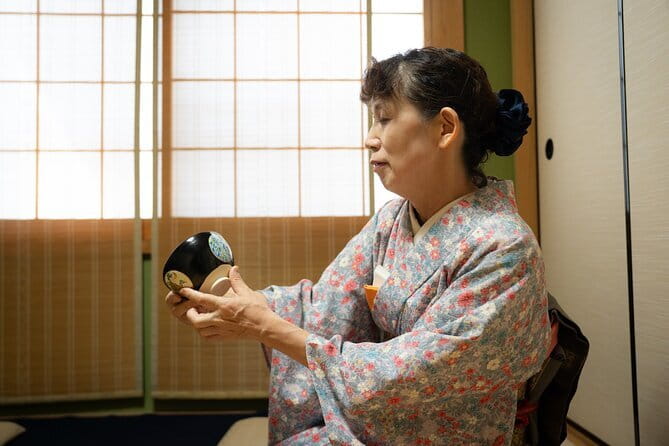
Kyoto’s tea ceremony can feel formal and mysterious until someone shows you what each movement means. In this one-hour session, Chisato guides you through the preparation of matcha, from measuring the powdered tea to whisking it into a smooth drink, while explaining the respect and mindfulness behind the ritual.
I like the small maximum of six people, which gives the session a personal feel, and I like that you can make your own tea rather than simply watch a demonstration. The matcha and wagashi are included, and the setting is close to the Kamogawa Delta, making this easy to pair with a quiet walk beside the river.
The main consideration is that this is a compact introduction, not a full-day study of tea culture. The session is conducted in English, but you may need to keep questions simple at times. It is also not wheelchair accessible.
Key points to know before booking
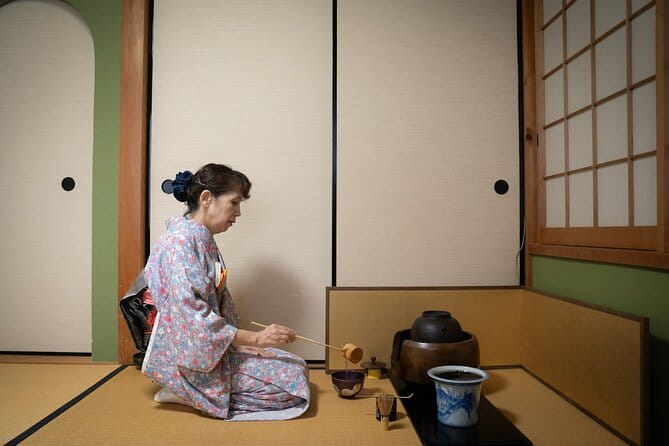
- Make your own matcha: You can practice the whisking and preparation steps under Chisato’s guidance.
- More than 30 years of experience: The teacher brings long experience with the customs and movements of tea ceremony.
- Small group format: No more than six people can join, with some sessions described as private and family-friendly.
- Near Kamogawa Delta: The meeting point is about a 15-minute walk from the riverside area and Demachiyanagi Station.
- Matcha and wagashi included: You receive the powdered tea and a traditional Japanese sweet during the experience.
- One-hour introduction: The short length fits neatly into a Kyoto sightseeing day, but leaves little room for a slow, extended ceremony.
A welcoming introduction to Kyoto tea culture
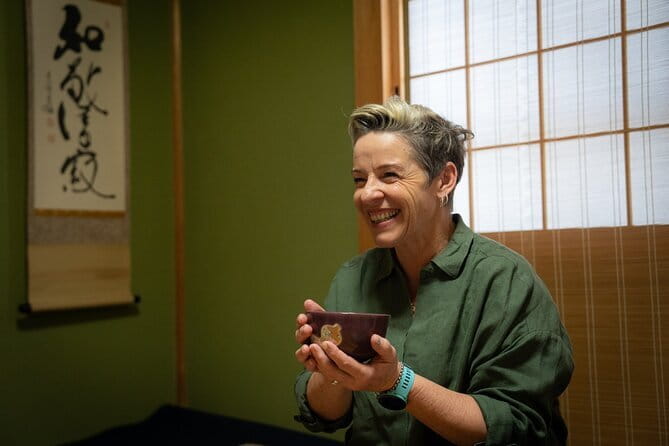
A Japanese tea ceremony is not simply a way to prepare a drink. The careful gestures, quiet pace, and attention to the other person are part of a wider idea of hospitality. This experience gives you a practical way into that world without requiring prior knowledge of Japanese customs.
Chisato’s approach is designed to lower the usual barriers. You do not need to know how to sit, bow, hold the whisk, or handle the bowl before arriving. The purpose is to help you understand the meaning of the actions as you perform them.
That matters because tea ceremony can seem intimidating when you only see the polished version in a formal setting. Here, you are encouraged to ask questions and take part. The session is meant for beginners, though anyone with some previous experience can still appreciate the explanation of the details.
The teacher has more than 30 years of experience with tea ceremony. That long background is especially useful when explaining why the preparation follows a set order, why the movements are controlled, and how presence and respect shape the encounter.
More Tea Ceremony Experiences in Kyoto:
- Kyoto: Tea Ceremony in a Traditional Tea House in Kiyomizu
★ 4.9 · 3,519 reviews - Kyoto: Tea Ceremony Ju-An at Jotokuji Temple
★ 4.9 · 3,207 reviews - Kyoto: 45-Minute Tea Ceremony Lesson Experience
★ 4.3 · 2,378 reviews
Meeting Chisato near the Kamogawa Delta
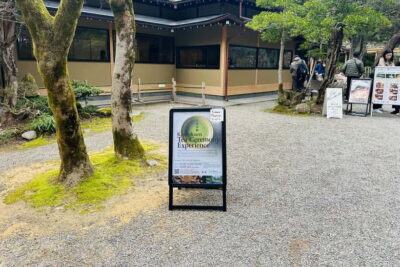
The activity begins at Tea Ceremony Experience Chisato, at 67-23 Shimogamo Matsunokicho in Sakyo Ward. The location is about a 15-minute walk from the Kamogawa Delta, where the Kamo and Takano Rivers meet.
The riverside area is one of Kyoto’s most pleasant places for a walk. It has open views, room to pause, and a calmer feel than the city’s major temple corridors. You can place the tea ceremony before or after time by the water, though you should allow enough time to reach the meeting point without rushing.
Demachiyanagi Station is also about a 15-minute walk away. This makes the experience useful if you are already exploring northern Kyoto or planning to continue toward the area connected with Kibune Shrine and Rurikou Temple.
The meeting point is also the ending point. You do not need to arrange a separate return transfer, and the short format makes it possible to fit the activity between other plans. Still, the address is residential in character, so check your booking confirmation carefully and allow time to find the exact entrance.
What happens during the one-hour session
The experience lasts about one hour. Exact pacing can vary, but the central focus is learning how matcha is prepared and understanding the conduct of the tea ceremony.
You begin by receiving context from Chisato. This is where the experience moves beyond a simple tasting. You learn about the respectful attitude expected during the ritual and the importance of being present rather than treating the preparation as a rushed recipe.
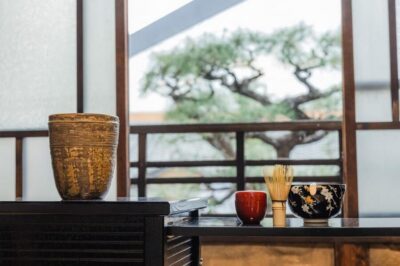
The preparation itself involves powdered green tea, hot water, and a bamboo whisk. You learn the steps that turn the powder into matcha, including the controlled whisking motion. The small movements are not just decoration. They help create the drink’s texture and reflect the calm, ordered nature of the ceremony.
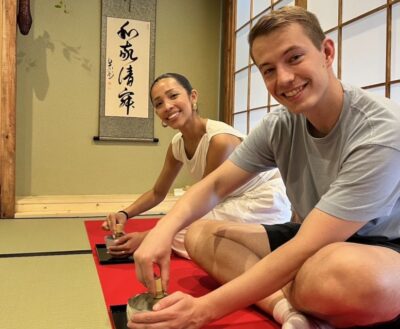
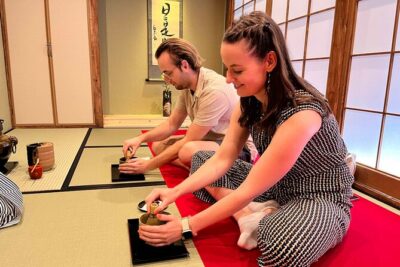
If you wish, you can prepare your own tea. I consider this the most useful part of the session because it turns an observation into a skill you can remember. You may not leave as a tea master, but you will understand much more about what is happening the next time you see matcha prepared.
The process is guided rather than tested. You are not expected to get every motion right on the first attempt. The teaching style is patient and kind, which is helpful for families and anyone who feels unsure about participating in a formal Japanese custom.
Matcha, wagashi, and the pleasure of slowing down
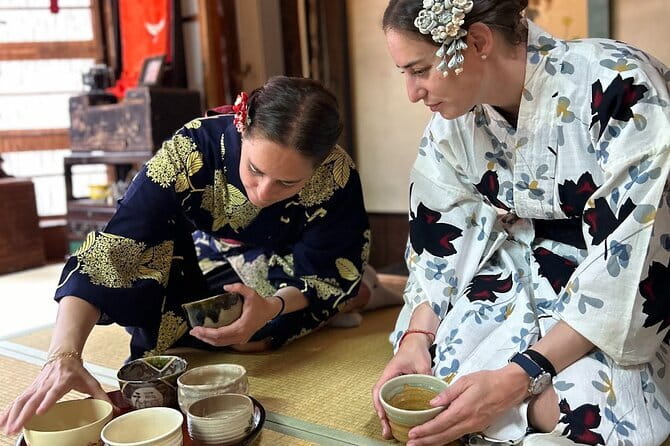
Matcha is included, along with wagashi, a traditional Japanese sweet. The sweet is an important part of the tea experience because it balances the strong, slightly bitter flavor of the tea.
The combination also gives the session a simple rhythm: taste the sweet, prepare or drink the matcha, and pay attention to the contrast. The wagashi may be small, but it helps you understand why tea ceremony is about more than the beverage alone.
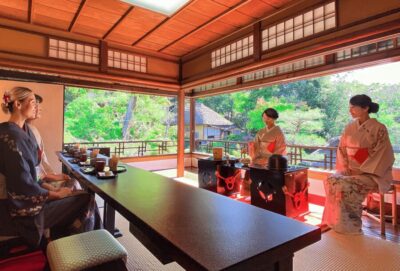
The setting is described as calm and relaxed. That atmosphere is central to the value of the activity. Kyoto sightseeing can involve a lot of walking, crowds, temple visits, and constant decisions about where to go next. One quiet hour gives you a chance to stop and focus on one action at a time.
You should not expect a large meal or an extensive tea tasting. This is a focused introduction with one traditional sweet and matcha. If you want a full food experience, you will need to plan another meal separately.
A few more tea experiences around Kyoto worth a look
- Kyoto: Table-Style Tea Ceremony at a Kyo-Machiya
★ 4.9 · 1,211 reviews - Kimono Tea Ceremony at Kyoto Maikoya, NISHIKI
★ 5.0 · 911 reviews - Kyoto: Kimono Tea Ceremony at Orizuruya Gion
★ 4.9 · 618 reviews - Kyoto: Tea Ceremony in 100-year-old Kyo-Machiya Townhouse
★ 4.8 · 546 reviews
English guidance and the pace of instruction
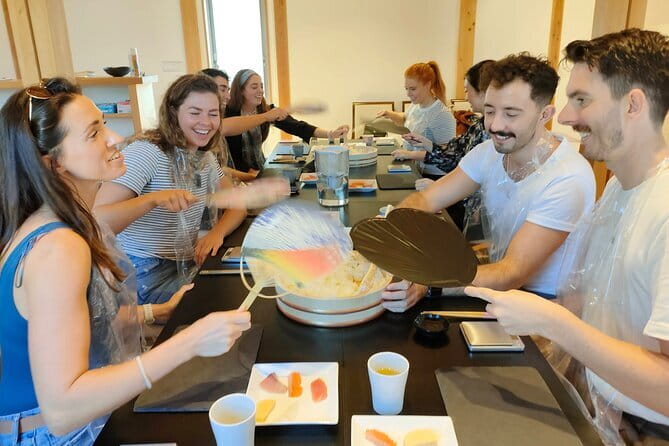
The session is conducted in English. Chisato explains the ceremony and guides you through the preparation, but some questions may need to be phrased simply. This is worth knowing if you want long, technical conversations about Japanese tea history.
For most people, the language level should be workable because the activity includes demonstration and physical instruction. You can watch the movement, copy it, and ask direct questions. The subject also lends itself to showing rather than explaining every point with long speeches.
The teaching style is warm and patient. One account describes Chisato as slightly nervous at the beginning, but also clear about tea ceremony and able to lead the experience in English. That suggests a personal lesson rather than a polished stage performance.
I would especially recommend this format if you prefer a host who interacts directly with you. If you want a highly formal ceremony conducted with little explanation, this may feel more relaxed than expected. If you want to understand what you are doing, that relaxed style is a strength.
Why the group size matters
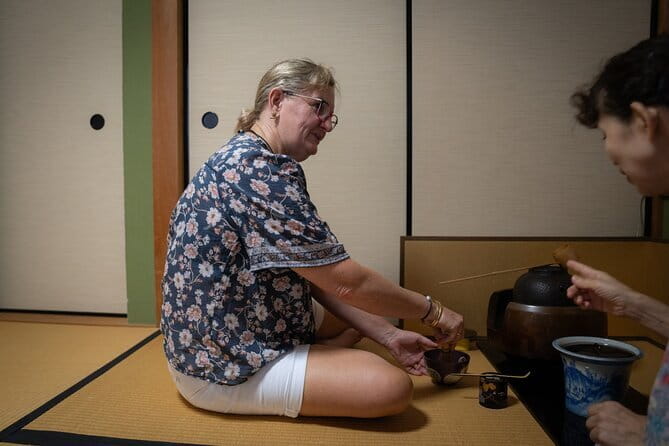
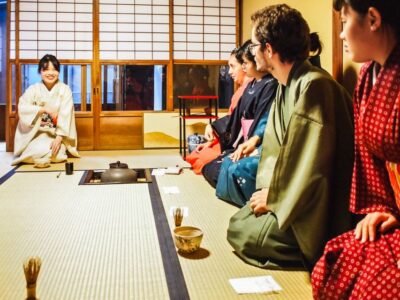
The maximum group size is six people. That is a useful limit for a hands-on activity because everyone has a better chance to see the preparation and take a turn with the whisk.
A small group also makes it easier to ask about etiquette. Tea ceremony includes details that can feel awkward if you are unsure what to do. With fewer people in the room, you can receive correction without turning the session into a public performance.
The experience has also worked well for families with small children. The host has been described as kind and accommodating with children, though parents should remember that tea ceremony involves careful movements and hot liquid. The activity is welcoming, but children will still need supervision.
Some sessions may feel almost private because of the small number of participants. That can make the experience more personal than a larger cultural demonstration. It also means availability may be limited, so the six-person cap is worth considering when planning your Kyoto schedule.
The value of $39.09 per person
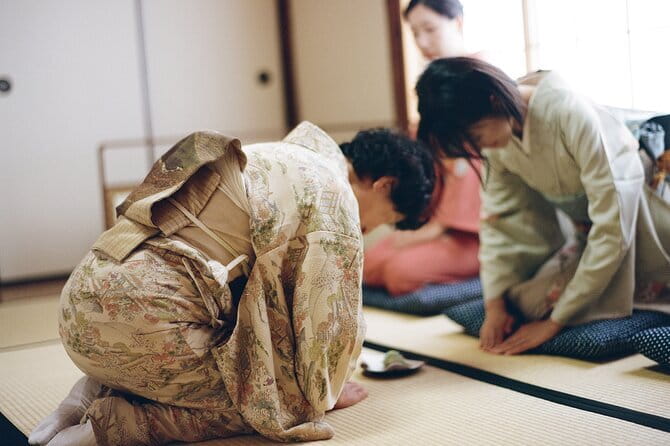
At $39.09 per person, this is a reasonable price for a one-hour cultural activity in Kyoto, especially because matcha, wagashi, and an English-speaking guide are included.
The value depends on what you want from the experience. If you only want to drink matcha, the price may seem high compared with buying a tea at a café. You are paying for instruction, cultural context, and the chance to prepare the tea yourself.
The strongest value comes from the teacher’s experience and the small group limit. A large demonstration can show you the appearance of a tea ceremony, but this session gives you a chance to understand the movements by doing them.
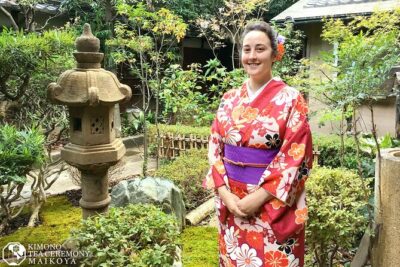
Kimono rental or dressing is not included. That keeps the price lower, but you should not book this expecting a costume experience or a photo session. The focus is on tea preparation, etiquette, and a quiet cultural exchange.
Tips are also not included. They are optional rather than part of the advertised experience, so you can decide after the session whether you wish to offer one.
How to fit it into a Kyoto day
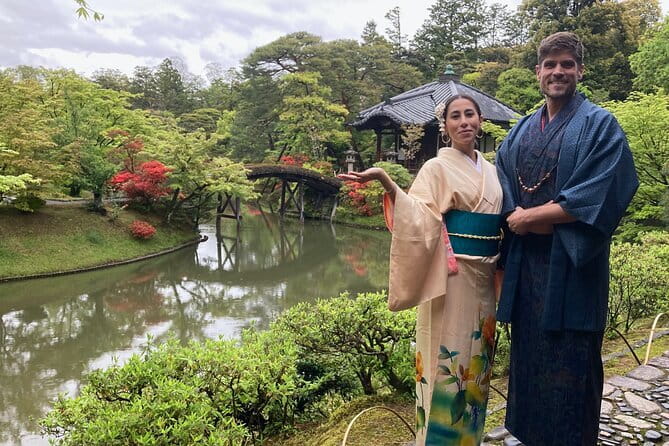
This experience works best as part of a northern Kyoto itinerary. You can combine it with a walk around the Kamogawa Delta, then continue toward Demachiyanagi Station or other nearby sights.
The 15-minute walk from the station is manageable for most people, but you should consider the timing if you are carrying shopping bags or have already spent the day on foot. The meeting point is not at a major landmark, so do not leave the search until the last minute.
Because the activity ends where it starts, you can make a clear plan before and after the session. A morning booking could lead into sightseeing around the riverside area. An afternoon booking could give you a peaceful break before dinner.
The one-hour length is convenient, but it also means you should not expect a long ceremonial sequence with many stages. Think of it as a carefully taught introduction. You learn the main ideas, prepare matcha, enjoy wagashi, and leave with a better sense of why the ceremony matters.
Who will enjoy this tea ceremony most
I would choose this experience if you want to take part in Japanese culture rather than simply photograph it. The opportunity to make your own tea gives you something concrete to remember and repeat at home.
It is a good choice for first-time visitors who feel uncertain about tea ceremony etiquette. Chisato’s explanations help make the customs less intimidating, and the small group setting offers room for basic questions.
Families may also find it suitable, since the host has been accommodating with small children. The activity is short enough to hold attention, though the calm pace may be less appealing to children who need constant movement.
It also suits anyone already planning time near Kamogawa Delta or Demachiyanagi Station. The location is not an obstacle if you are in that part of Kyoto, and the session adds a cultural activity without taking up half a day.
You may want a different option if you need wheelchair access, want to wear a kimono, or are looking for a long, highly formal ceremony. This experience is accessible in spirit, but the location itself is not wheelchair accessible and costume rental is not part of the package.
Booking, cancellation, and practical limits
Your booking confirmation is issued at the time of booking. The activity accepts a maximum of six people, and it ends back at the starting point.
Free cancellation is available if you cancel at least 24 hours before the scheduled start time. Cancellations or changes made within 24 hours are not accepted for a refund, and the cut-off follows Kyoto local time.
The most important practical detail is to check the meeting point, allow time for the walk, and avoid building a tight connection immediately afterward. A tea ceremony is meant to be calm, and rushing through the arrival or departure works against the experience.
Should you book this Kyoto tea ceremony?
Book it if you want a friendly, hands-on introduction to matcha, especially if you like small groups and direct instruction. The combination of Chisato’s long experience, included wagashi, and the chance to whisk your own tea gives the hour real purpose.
I would also book it if you are planning time near Kamogawa Delta or Demachiyanagi. The location makes it easy to add to a northern Kyoto day without committing to a long excursion.
Skip it if you are mainly seeking kimono photos, a large formal performance, or wheelchair-accessible facilities. For everyone else, the $39.09 price is fair for a personal lesson that turns an elegant Japanese custom into something you can understand and practice.
FAQ
How long does the tea ceremony last?
The experience lasts approximately one hour.
Where does the tea ceremony take place?
It begins at Tea Ceremony Experience Chisato, 67-23 Shimogamo Matsunokicho, Sakyo Ward, Kyoto, 606-0816, Japan.
Where does the activity end?
The activity ends back at the meeting point.
How many people can join?
The maximum group size is six people.
Is the tea ceremony conducted in English?
Yes. The experience is conducted in English, though simple questions may be easier for communication.
Can I make my own matcha?
Yes. You can prepare your own tea if you wish, with guidance through the steps and whisking technique.
What is included in the price?
Matcha, wagashi, and a guide are included.
Is a kimono included?
No. Kimono is not included.
Is the activity wheelchair accessible?
No. The experience is not wheelchair accessible.
Can I cancel for a full refund?
Yes, if you cancel at least 24 hours before the experience start time. Cancellations or changes made less than 24 hours in advance are not eligible for a refund.
Just added around Kyoto
- Whisk Your Own Matcha: A Zen Matcha Experience at Temple★ 3.6 · 7 reviews
- Uji Walking Tour – Byodo-in temple and Tea Ceremony from Kyoto★ 3.5 · 3 reviews
- Traditional Tea Ceremony in Kyoto★ 4.5 · 3 reviews
- Kyoto: Authentic Tea Ceremony in a Small Group★ 5.0 · 7 reviews
- Tea ceremony at Kyoto’s Zen Temple Teahouse★ 5.0 · 2 reviews
- Tea Ceremony in 150 Years Old Townhouse with Tables and Chairs★ 5.0 · 22 reviews
- Tea Ceremony Experience in Traditional Kyoto Townhouse★ 5.0 · 19 reviews
- Silent Beauty of Kyoto Zen Walk and Tea Experience★ 5.0 · 2 reviews
Tea Ceremony Experiences, compared.
Tea Ceremony in a Traditional Tea House in Kiyomizu
Read our review →
Browse the lists this tour appears in