
Review · HIROSHIMA
Tea Ceremony Experience near Atomic Bomb Dome
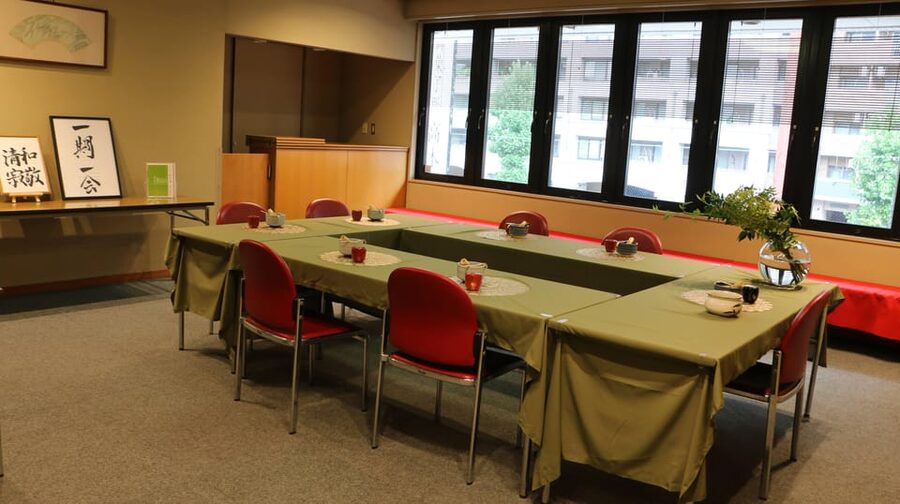
The most unusual part of this Hiroshima experience is the setting: a confectionery shop that was badly damaged by the atomic bombing and later rebuilt. You’ll hear about that recovery while visiting a tea room still used for local gatherings, then take part in a casual, table-style ceremony rather than kneeling on tatami for an hour.
I like the chance to choose your own seasonal sweet, and I like the small group limit of six, which gives guide Yurie room to explain the etiquette and answer questions. The main consideration is that this is a compact one-hour introduction, not a formal, highly ritualized tea-school lesson. You’ll also need socks for the tatami room, though borrowed socks are available.
Key points to know before booking
- Five minutes from the Atomic Bomb Dome: Pair this activity with your visit to the Peace Memorial Park area.
- Yurie leads the experience in English: She explains tea customs, the shop’s bombing and rebuilding, and how to prepare matcha.
- Choose one seasonal confectionery: Your selected sweet is served during the tea gathering, with more available to buy downstairs.
- Two cups of matcha are included: One is prepared for you, and you get a chance to whisk another yourself.
- A real tea room is part of the visit: Shoes come off before stepping onto the tatami, so bring socks.
- Small and accessible: The group is limited to six, and the activity is wheelchair accessible.
A tea lesson beside Hiroshima’s most important sight
You can reach the shop in about five minutes from the Atomic Bomb Dome, making this easy to fit into a day at Hiroshima’s Peace Memorial Park. It is close enough to combine with the dome, the Peace Memorial Museum, or a walk along the Motoyasu and Honkawa rivers without setting aside half a day.
That location also gives the activity unusual weight. You are not simply entering a polished cultural venue built for tourists. The shop itself suffered serious damage from the atomic bombing, and the tea gathering includes a short account of how the business recovered afterward. The explanation is brief, but it connects an everyday Japanese tradition, buying sweets and sharing tea, with Hiroshima’s larger story of loss and rebuilding.
I appreciate that balance. The main focus remains tea and confectionery, not a long lecture about 1945. Still, the setting adds a layer of meaning that you would not get in a generic tea room elsewhere in Japan.
The experience lasts one hour. That makes it a good choice if you want a taste of Japanese tea culture without committing to a long ceremony or a full afternoon class. It also means the guide must keep the pace moving. You will get an introduction, a tea room visit, a prepared cup, hands-on instruction, and time to shop, but none of these sections is likely to become an extended formal performance.
More Tea Ceremony Experiences in Japan:
- Kyoto: Tea Ceremony in a Traditional Tea House in Kiyomizu
★ 4.9 · 3,519 reviews - Kyoto: Tea Ceremony Ju-An at Jotokuji Temple
★ 4.9 · 3,207 reviews - Kyoto: 45-Minute Tea Ceremony Lesson Experience
★ 4.3 · 2,378 reviews
Choosing a seasonal sweet before the ceremony
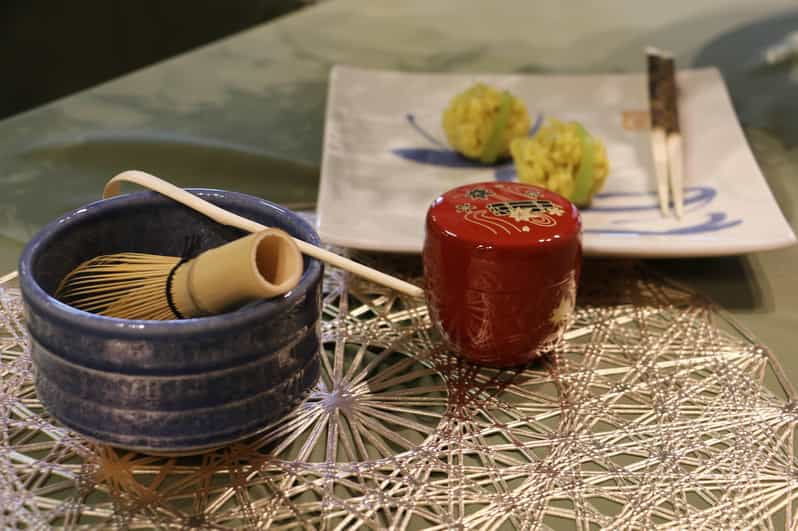
The visit begins with one of the most appealing choices: selecting a seasonal Japanese confectionery. These sweets are handmade by artisans, and the selection changes with the season. You choose the piece that will accompany your tea, rather than receiving an identical treat selected in advance for everyone.
This choice matters because Japanese tea sweets are not just sugary snacks. Their shapes, colors, and ingredients often reflect the time of year. Even without a long lesson on every confection, choosing one helps you notice the close link between Japanese tea and the calendar.
The sweet is served with the tea, and one piece is included in the price. The first-floor shop also gives you the chance to purchase additional confections after the ceremony. If you find a favorite, buying a few to eat later is a sensible way to extend the experience beyond the hour.
One practical point: the included food is modest. The price covers two cups of matcha and one confectionery, not a meal or a broad tasting menu. If you are hungry, plan to eat before or after the activity.
Entering a working tea room
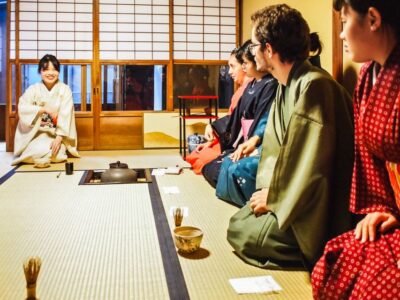
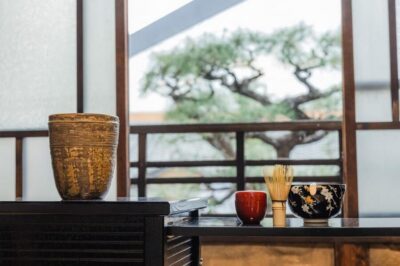
You then have the chance to see a tea room used by locals for tea gatherings. This is more than a photo stop. The guide explains the spirit of tea ceremony and some of the traditions that shape the room, the movements, and the way tea and sweets are served.
You will remove your shoes before stepping onto the tatami. Bare feet are not allowed, so wear socks. If you forget, the shop says you can borrow a pair, but bringing your own is simpler and more comfortable.
The tea room visit is one of the strongest parts of the experience for anyone curious about the setting itself. A formal tea ceremony can seem mysterious when you only see it from the outside. Here, the guide can point out the practical customs and explain why guests behave in certain ways.
Do not expect a long, elaborate ceremony with every school-specific movement demonstrated in detail. The schedule is short, and the tone is deliberately friendly. That is a benefit for first-time visitors, families, and anyone who wants clear explanations instead of strict ritual.
The tatami visit also affects accessibility. The activity is listed as wheelchair accessible, but the tea room requires shoe removal and stepping onto tatami. If you use a wheelchair or have difficulty transferring, contact the provider before booking to confirm how that part will be handled. The stated accessibility information is useful, but the tea room’s traditional setup may still require planning.
A relaxed matcha gathering at a table
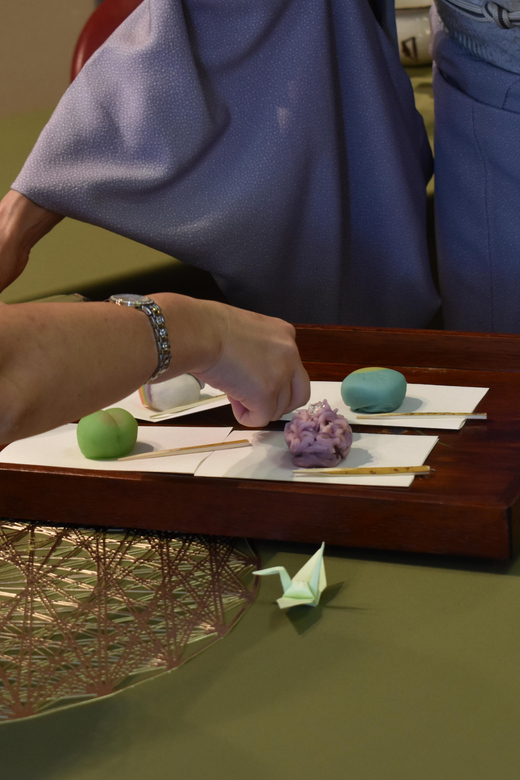
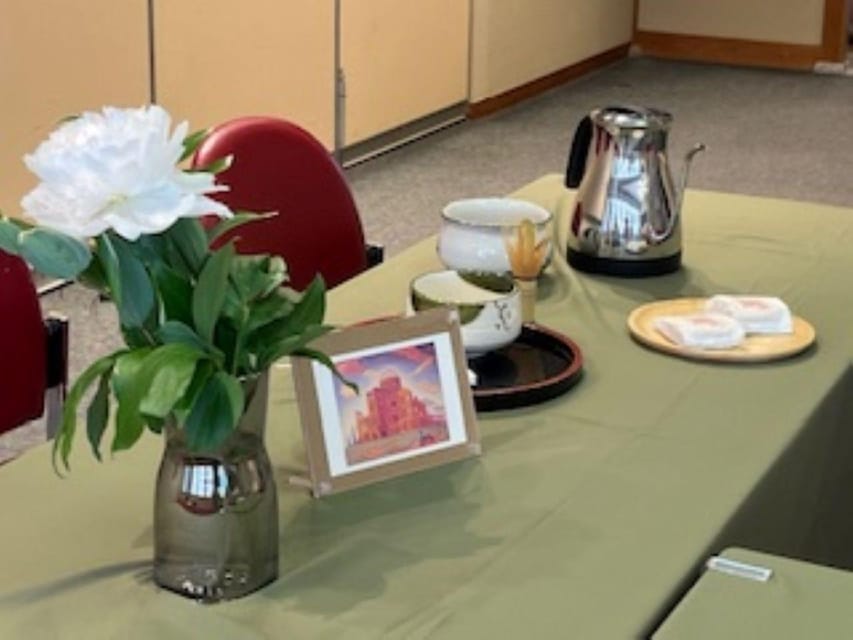
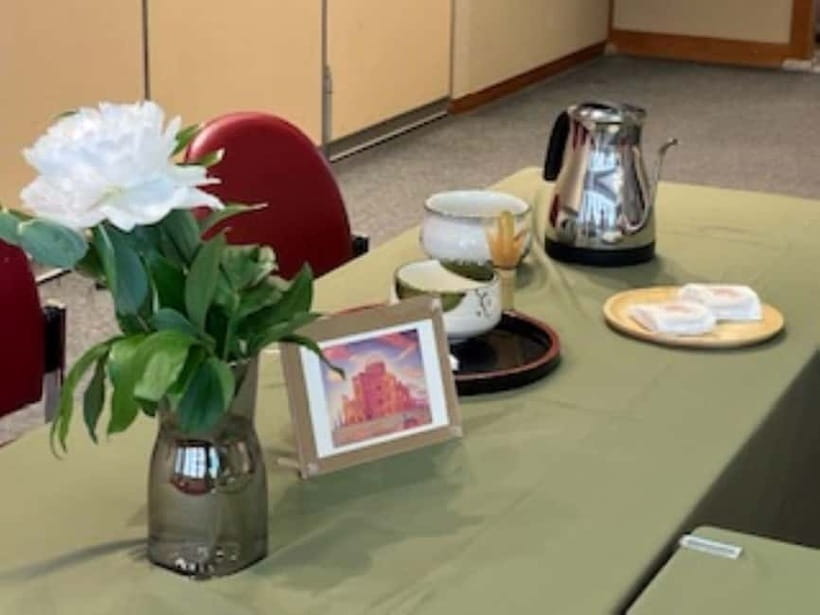
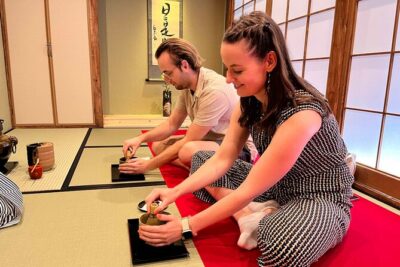
The central part of the hour takes place at a table. This is important because you do not need to kneel in the formal seiza position. You can sit normally while the guide prepares matcha and serves it with your chosen sweet.
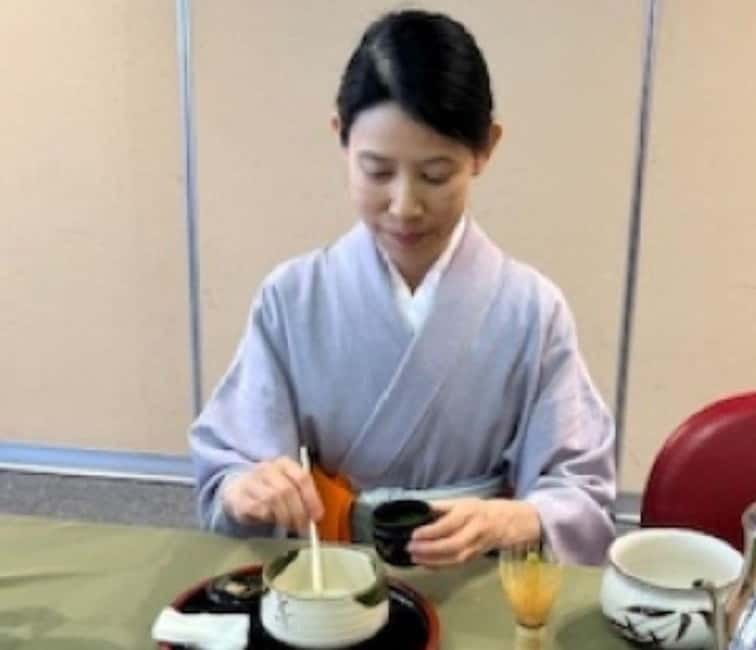
The guide prepares the first cup for you. As you drink, you learn how the tea is made and how to approach the cup and confectionery. The setting is casual, but the experience still gives you a sense of the care involved in Japanese tea preparation.
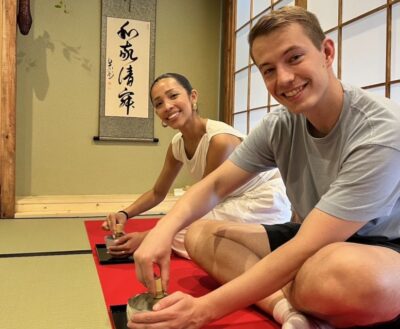
Then you get to make tea yourself. The hands-on portion is simple and approachable: you are shown how to prepare matcha and then have the opportunity to whisk your own cup. This is where the activity moves from demonstration to participation. You are not only watching someone perform a ceremony; you are learning the basic action behind the drink.
Two cups of matcha are included altogether. One is prepared by the guide, and the second is connected to your own experience making tea. The exact order and serving details may depend on the group, but you should expect both a prepared cup and a chance to try the process yourself.
Matcha has a distinct taste that can be grassy, bitter, or pleasantly smooth depending on how it is prepared. The confectionery provides the sweet counterpoint. If you have never tried matcha before, this pairing is a better introduction than drinking the tea alone.
A few more tea experiences around Japan worth a look
- Osaka: Tea Ceremony Experience
★ 4.9 · 1,426 reviews - Kyoto: Table-Style Tea Ceremony at a Kyo-Machiya
★ 4.9 · 1,211 reviews - Kanazawa: Kenrokuen Tea Ceremony Experience
★ 4.8 · 1,139 reviews - Kimono Tea Ceremony at Kyoto Maikoya, NISHIKI
★ 5.0 · 911 reviews
What Yurie adds to the hour
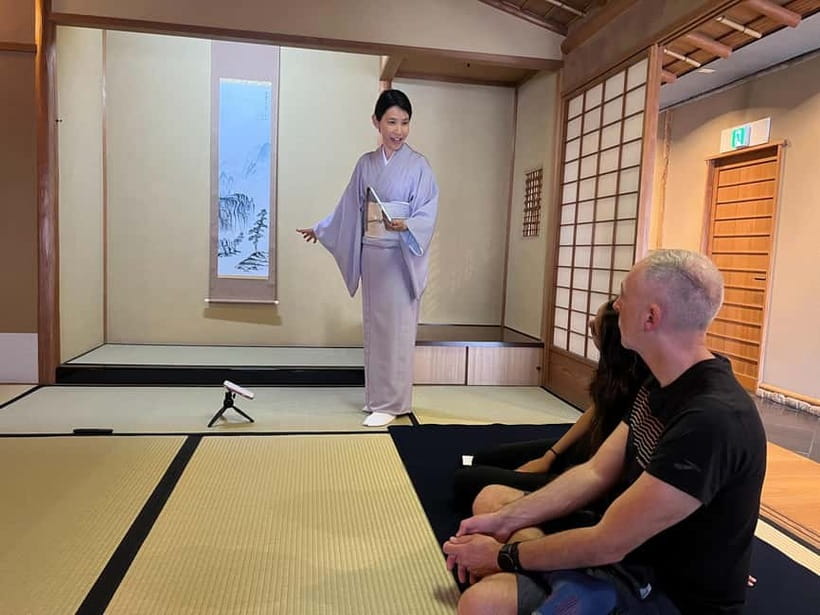
Yurie is the guide named in the experience details and is specifically associated with the English-language sessions. Her role covers more than showing you how to whisk tea. She explains the shop’s past, tea ceremony customs, the local area, and the etiquette connected with the room.
The clearest strength of her approach is patience. The activity includes several ideas that may be unfamiliar, from tatami manners to the relationship between sweets and tea. A good guide needs to explain them without making you feel that you are being tested. The available feedback points to Yurie being warm, clear, and willing to chat, which suits the informal format.
You should also have room to ask questions because the group is limited to six participants. A small group matters here. In a large class, the tea-making demonstration could become something you watch from the back. With six people or fewer, you are more likely to see the steps clearly and get a turn without a long wait.
The tradeoff is that a small group can still feel personal only if everyone participates. If you prefer to observe quietly, you can do that, but the hands-on portion is a central part of the activity. Bring questions if you have them, especially about the shop’s past or the traditions behind the ceremony.
The shop’s story after the atomic bombing
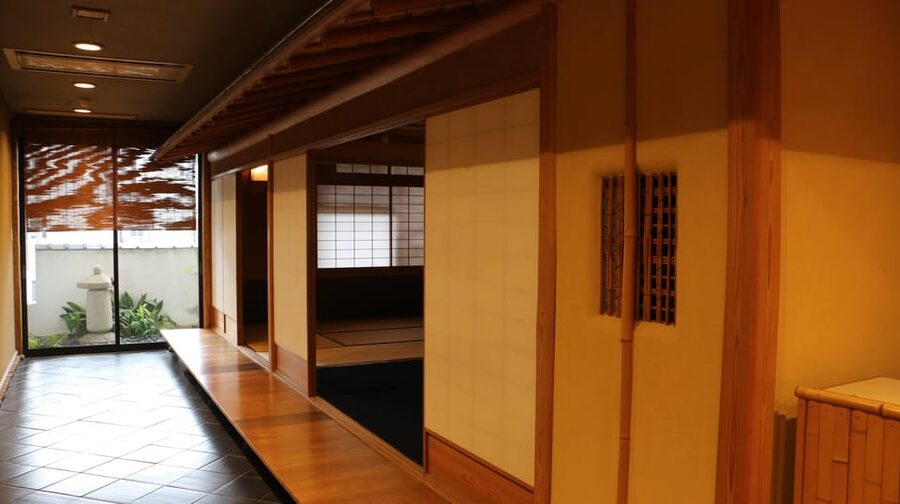
Hiroshima offers many ways to learn about the atomic bombing, and this experience does not replace the Peace Memorial Museum or the memorial sites. Its contribution is smaller and more personal. You hear how a local confectionery business was affected and how it recovered.
That account is tied to the building where you are sitting, which makes it different from a general historical talk. The shop’s survival connects tea, sweets, family business, and postwar reconstruction in one place.
I would treat this as a thoughtful supplement to the memorial district, not as a primary history lesson. If you want detailed information about the bombing, reserve time for the museum and the memorial grounds. If you want to understand how the event affected an ordinary local business, the shop’s story adds a useful human scale.
The tone also appears to remain respectful rather than dramatic. That suits the tea setting. You have time to reflect, but the activity does not turn the entire ceremony into a solemn presentation.
Shopping for Japanese confectionery downstairs
After the tea gathering, you can return to the first floor to shop for traditional Japanese sweets. This final part is optional, but it makes practical sense if you enjoyed the confectionery served with the matcha.
The shop gives you a chance to see more than the single included piece. Seasonal products may offer different colors, shapes, and flavors, though the exact selection will change. You can ask Yurie for help choosing, especially if you are unsure what to buy or want something suitable as a small gift.
This is also where the price feels more useful than it would for a simple cup of tea. You receive a cultural explanation, a visit to a working tea room, two cups of matcha, one sweet, and access to a traditional confectionery shop. The shopping itself is not included as a separate product, and any additional purchases cost extra, but you are not paying for a tea drink alone.
Do not expect a large retail stop or a long shopping session. The shop is the setting for the activity, and the sweets are an extension of the tea experience. You can browse after the ceremony, but the visit remains centered on tea.
Is $45 a fair price for one hour?
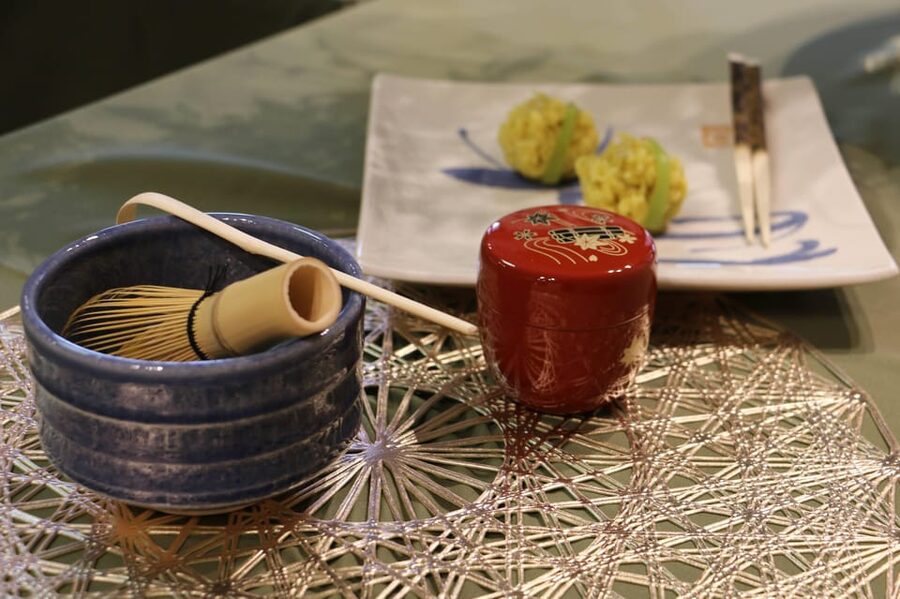
At $45 per person, this sits above the cost of simply ordering matcha and a sweet at a café. The difference is the instruction and access. You receive an English-language guide, a seasonal confectionery selection, an explanation of the tea room, two cups of matcha, and a chance to prepare tea yourself.
The small group helps justify the cost. A class limited to six gives you more direct contact than a large demonstration, and the guide can explain unfamiliar customs in a way that matches the group’s questions.
The price is less compelling if you only want to taste matcha or buy sweets. You can find drinks and confections elsewhere for less. It makes better sense for someone who wants context, a structured activity, and a short introduction to tea ceremony close to the Atomic Bomb Dome.
The included food is also limited to one sweet. Additional food and drinks are not included, so think of the activity as a cultural lesson with refreshments, not as a snack break or meal.
Who will enjoy this experience most?
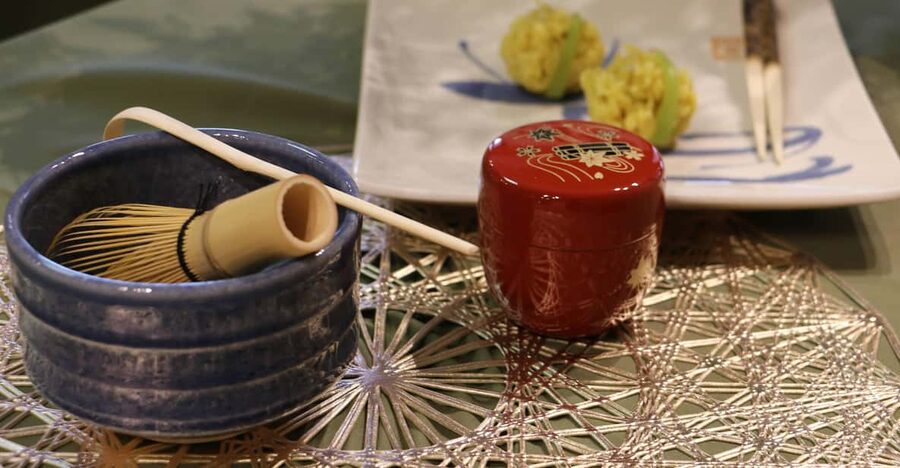
I would recommend this for first-time visitors to Japan who want an easy introduction to tea ceremony. The table seating removes one common worry, and the chance to whisk your own matcha gives you something active to do.
It is also a good fit for anyone already visiting the Atomic Bomb Dome. The short walk and one-hour duration make it easy to place before or after the memorial sites. You can gain a cultural experience without traveling across Hiroshima to reach it.
The activity suits small families, couples, and solo visitors who enjoy direct conversation. The group cap of six is especially helpful if you want to ask about etiquette, seasonal sweets, or the shop’s history.
You may want a different experience if you are looking for a strict, formal tea ceremony with elaborate choreography. This is intentionally casual and table-based. That is its strength for many people, but it may feel too light for someone who has already studied a particular tea school or wants a long ceremonial presentation.
Practical details for a smooth visit
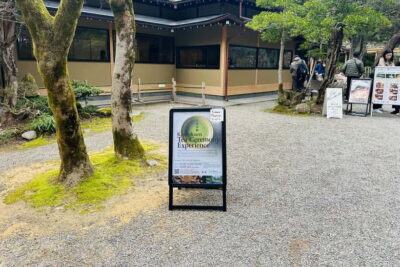
The address is 1-chome 4-26 Tokaichimachi, Naka Ward, Hiroshima. From Atomic Bomb Dome-mae Station, cross Aioi Bridge, pass Honkawa-cho Station and the Lawson Hiroshima Hongawa-cho Store, then look for Takaki on the left side of the next block.
From Hiroshima Station, take the Hiroshima Electric Railway Miyajima Line to Honkawa-cho Station. After crossing toward the Lawson, proceed to the right, with Takaki on your left. Enter the shop and take the stairs on the right to the second floor.
Allow a few extra minutes for finding the entrance, especially if you are coming directly from the memorial area. Transportation to the venue is not included, but the central location makes public transport and walking straightforward.
The activity is offered in English, lasts one hour, and has starting times based on availability. It is non-smoking, and pets are not allowed. You can cancel up to 24 hours in advance for a full refund, and the reserve-now, pay-later option helps if your Hiroshima schedule is still changing.
Should you book this tea ceremony?
Book it if you want a short, personal introduction to matcha in a meaningful local setting. The combination of seasonal sweets, a working tea room, hands-on preparation, and the shop’s post-bombing story gives the hour more substance than a basic tea tasting.
Skip it if you want a full meal, a long ceremony, or a highly formal performance. The activity is deliberately relaxed, and the included food is limited.
For most first-time visitors with an hour near the Atomic Bomb Dome, I think the experience offers good value. Bring socks, leave room in your schedule to browse the sweets downstairs, and consider pairing it with the Peace Memorial Park so the tea room’s small story of recovery sits alongside Hiroshima’s larger story.
FAQ
How long does the tea ceremony experience last?
The activity lasts one hour.
How far is the venue from the Atomic Bomb Dome?
The venue is about a five-minute walk from the Atomic Bomb Dome.
Is the experience conducted in English?
Yes. The experience includes a live English-speaking guide.
Who leads the tea ceremony?
The guide named for the experience is Yurie.
How many people can join the group?
The activity is limited to six participants.
What is included in the price?
The price includes the tea ceremony experience, two cups of matcha, and one piece of Japanese confectionery.
Can I choose the sweet served with the tea?
Yes. You can choose a favorite seasonal confectionery from the handcrafted selection.
Do I need to bring socks?
Yes. You need socks for the tatami room because shoes cannot be worn there and bare feet are not allowed. Borrowed socks are also available.
Is the activity wheelchair accessible?
Yes, the activity is listed as wheelchair accessible. The tea room requires removing shoes and stepping onto tatami, so contact the provider in advance if you need specific assistance with that part.
Can I buy more Japanese sweets after the ceremony?
Yes. You can shop for additional traditional Japanese confectionery on the first floor after the tea experience. Additional purchases are not included in the activity price.
Just added around Japan
- Yokohama : Tea Ceremony with Sweets and Souvenir★ 5.0 · 5 reviews
- Whisk Your Own Matcha: A Zen Matcha Experience at Temple★ 3.6 · 7 reviews
- Walking Tour: Yanaka,Nezu& Sendagi: Tea Ceremony & Old Tokyo★ 5.0 · 3 reviews
- Visit local home for music and tea ceremony near Disney★ 4.9 · 13 reviews
- Yokohama: Sushi & Gyoza Cooking with Matcha & GreenTea Experience★ 5.0 · 3 reviews
- Trip to Kamakura & Enoshima: Shrines, Seaside, Temples &Tea★ 5.0 · 11 reviews
- Kyoto tea town for matcha lovers★ 5.0 · 16 reviews
- Uji: Private immersion into Kyoto’s tea and reglious culture★ 5.0 · 17 reviews
Tea Ceremony Experiences, compared.
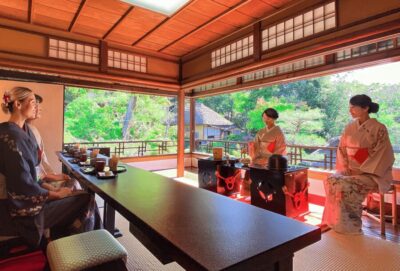
Tea Ceremony in a Traditional Tea House in Kiyomizu
Read our review →
Browse the lists this tour appears in