
Review · JAPAN
Tea Ceremony Experience
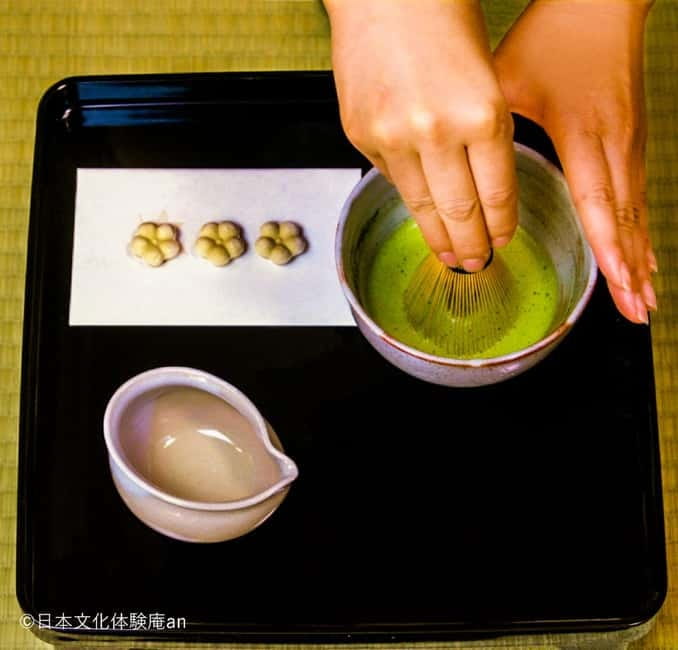
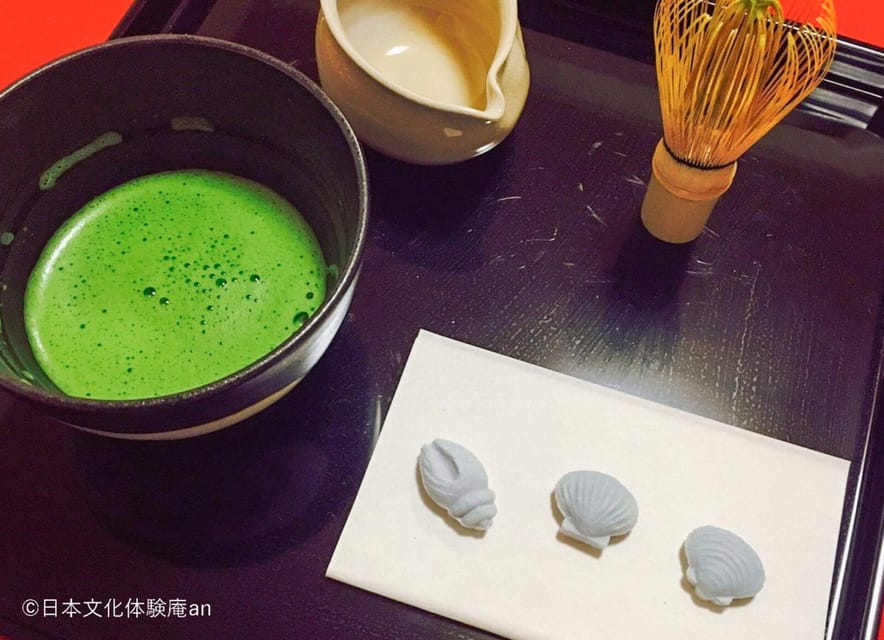
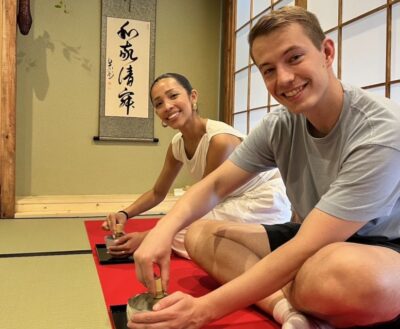
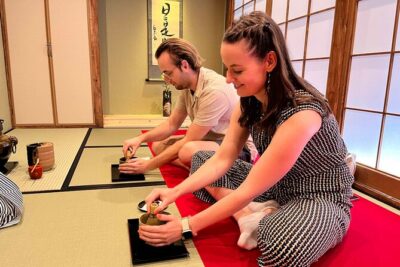
This short session gives you a hands-on introduction to making matcha rather than asking you to sit through a long, formal ritual. You’ll hear a brief explanation, watch single-origin matcha being ground, whisk your own tea, and eat a small Japanese sweet called ohigashi.
I like the low price and the easy location, just one minute from Kokusai Center Station. I also like the relaxed format, which works well when you want a taste of Japanese culture without giving up half a day. The main drawback is that 30 minutes goes quickly, and one review found the room and rushed pace less convincing as a traditional ceremony.
Key points at a glance
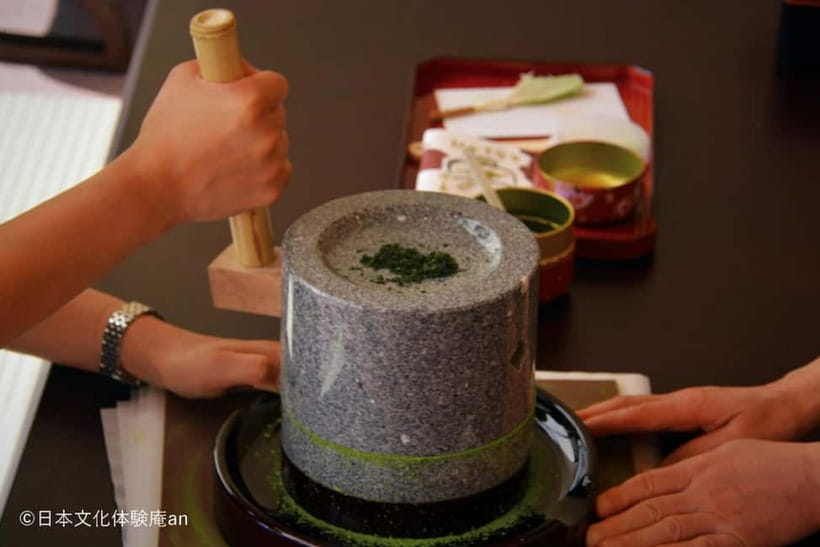
- Watch matcha being ground: The session includes a demonstration before you prepare your own tea.
- Prepare your own cup: A short explanation leads into practical tea-making, so you are not only watching.
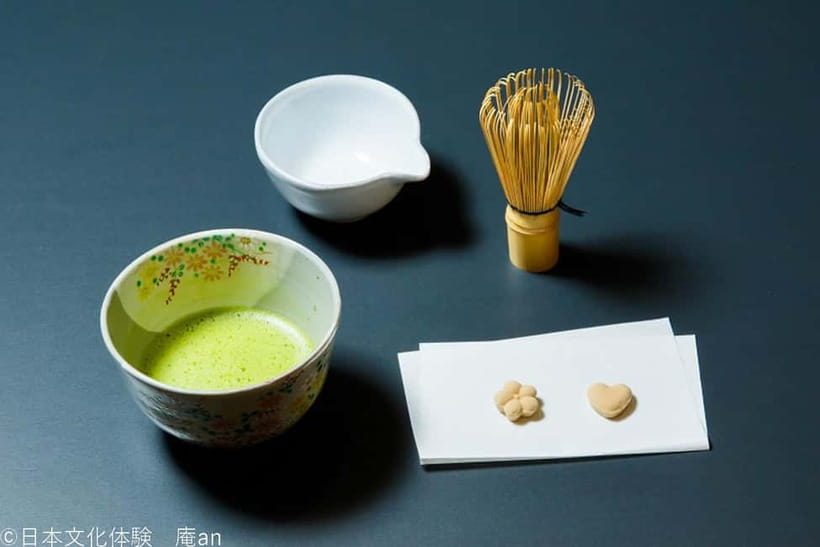
- Enjoy ohigashi sweets: The matcha comes with a traditional Japanese dry sweet.
- Easy Nagoya location: The venue is one minute from Exit 3 of Kokusai Center Station and 13 minutes from Nagoya Station.
- Good value at $7: This is one of the least expensive ways to try a Japanese tea activity during a city visit.
- Keep expectations realistic: The setting and pace may feel more like a cultural workshop than a full formal tea ceremony.
What this Nagoya tea experience actually offers
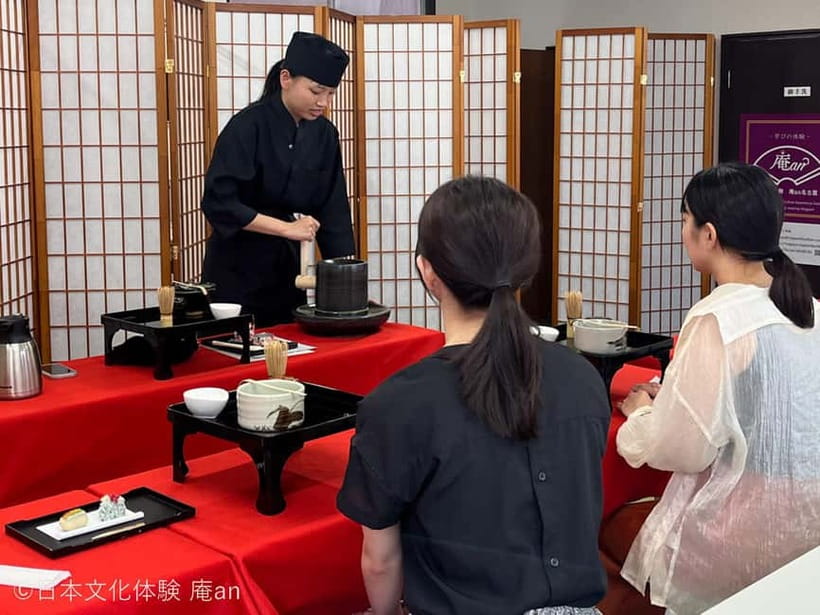
The name tea ceremony can suggest a quiet tatami room, careful robes, strict movements, and a long sequence of formal gestures. This activity is more straightforward. You get a compact lesson with a practical focus: learn what matcha is, watch how it is ground, make a cup, and drink it with a sweet.
That difference matters when you decide what to book. I would treat this as a matcha workshop with tea-ceremony elements, not as a complete traditional ceremony. For many people, that is the better choice. You can fit it into a sightseeing day, and you do not need prior knowledge of Japanese customs.
The activity takes place in Nagoya, on Honshu, at AN Japanese Culture Experience. The instructor’s stated language is Japanese, but English translation is provided as much as possible if requested in advance. English communication appears to be a strong point at some sessions, but it is sensible to contact the operator before booking if clear English instruction is important to you.
More Tea Ceremony Experiences in Japan:
- Kyoto: Tea Ceremony in a Traditional Tea House in Kiyomizu
★ 4.9 · 3,519 reviews - Kyoto: Tea Ceremony Ju-An at Jotokuji Temple
★ 4.9 · 3,207 reviews - Kyoto: 45-Minute Tea Ceremony Lesson Experience
★ 4.3 · 2,378 reviews
The 30-minute schedule, step by step
The session begins with an explanation of tea. This gives you basic context before the practical part starts. The supplied details do not list the full lesson content, so you should expect an introduction rather than a long history lecture.
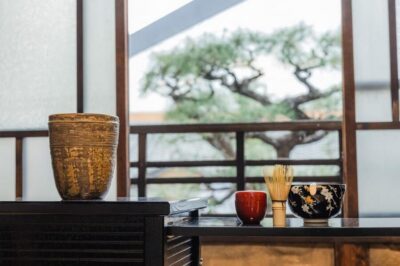
Next comes the matcha-grinding demonstration. This is a useful feature because it shows that matcha is not simply ordinary green tea poured into a bowl. The fine powder and preparation method are central to the drink, and seeing the process helps make your later cup feel less like a standard café order.
After the demonstration, you take part in the tea-ceremony experience. The main appeal is that you make your own matcha. You are not only seated while an instructor performs each step for you. The session is designed so one person or a group can join without needing previous experience.
At about the 20-minute point, there is picture time. This gives you a chance to take photos of the activity and your tea. The remaining time is for eating and drinking before you leave at the 30-minute mark.
I like this clear order because you know what you are getting: explanation, demonstration, preparation, photos, then refreshments. Still, the short schedule leaves little room for questions or a slow, ceremonial pace. If your group arrives late, the event cannot be held for you, so reach the venue early.
Making matcha and eating ohigashi
The hands-on cup is the heart of the activity. You can make your own matcha after the short lesson, which gives you a better feel for the movement and texture than simply drinking a prepared serving.
The tea used is described as single-origin special matcha. That is a worthwhile detail at this price. You are not just paying for a generic green powder and a quick demonstration. The exact origin is not provided, so I would not book this expecting a tasting session that compares several regions or grades. Still, the single-origin ingredient gives the drink a more focused character.
The matcha is served with ohigashi, a Japanese dry sweet. This pairing is part of the pleasure. The sweet helps balance matcha’s strong, grassy taste and gives you a small example of how Japanese tea service often places bitter tea beside a sweet bite.
If you have never tried matcha, this is a gentle introduction. You can learn whether you enjoy its flavor without paying for an elaborate meal or a long formal program. If you already drink matcha often, the grinding demonstration and single-origin tea may interest you, but the short format could feel basic.
A practical location near Kokusai Center Station
The meeting point is convenient for a Nagoya sightseeing plan. From Exit 3 of Kokusai Center Station on the Sakura-dori Subway Line, it is a one-minute walk. From the Sakura-dori side of Nagoya Station, it takes about 13 minutes on foot.
That makes the activity easy to pair with time around Nagoya Station. You can stop in for the session, then continue your day without arranging a long transfer. The listed coordinates are 35.1715323, 136.891893, which can help if you are using a map app.
The venue is on the third floor, and there is no elevator. This is important for anyone carrying heavy luggage or who cannot use stairs comfortably. The supplied information does not give more detail about the staircase or interior, so contact the operator if access is a concern.
The activity operates from 10:00 to 17:00. Reservations received after 17:00 are processed the next day. That cutoff affects booking requests rather than the stated activity hours, but it is still useful to know if you are making plans late in the evening.
A few more tea experiences around Japan worth a look
- Osaka: Tea Ceremony Experience
★ 4.9 · 1,426 reviews - Kyoto: Table-Style Tea Ceremony at a Kyo-Machiya
★ 4.9 · 1,211 reviews - Kanazawa: Kenrokuen Tea Ceremony Experience
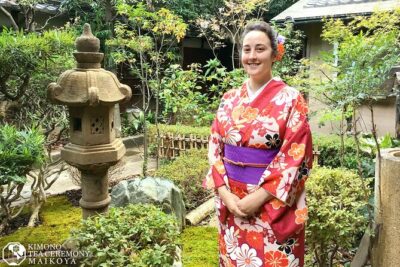
★ 4.8 · 1,139 reviews - Kimono Tea Ceremony at Kyoto Maikoya, NISHIKI
★ 5.0 · 911 reviews
How the setting affects the experience
The setting may not look like the traditional image of a tea ceremony. One person who attended with only one other participant felt the room did not suit the ceremony and that the activity moved too fast. That criticism is fair to keep in mind.
A formal tea ceremony depends on atmosphere as much as on the tea itself. The room, the silence, the precise movements, and the pace all help create the occasion. Here, the emphasis is on access and simplicity. You can arrive, learn the basic process, and leave within half an hour.
I would see that as a tradeoff rather than a flaw for every visitor. If you want a polished cultural performance in a classic setting, this may disappoint you. If you want to make matcha during a busy Nagoya itinerary, the plain and efficient approach may suit you well.
The experience is also designed for individuals and groups. That flexibility helps couples, friends, and solo visitors book the same kind of session. The available rating is 4.8 out of 5 from seven reviews, with particularly positive comments about the English explanation, calm tone, and chance to practise what you learned.
Communication and the instructor
The listed activity language is Japanese. English translation is available as much as possible if you ask for it, and you are encouraged to contact the operator if you want that added.
English support appears to vary by session, so I would not assume a fully English-led class every time. At the same time, the feedback includes strong praise for clear English and for learning a lot about matcha. Another attendee specifically appreciated the calm manner and said they would do the activity again.
The practical lesson is simple: message ahead if language support matters to you. A short activity leaves little spare time for repeated explanations. Knowing the basic sequence before you arrive will also help you get more from the demonstration and your own turn.
The instructor is Japanese, which can add useful cultural context even when some communication relies on translation. The provided information does not give the instructor’s name, so there is no particular guide to request.
Is $7 good value for 30 minutes?
At $7 per person, this is a very inexpensive cultural activity. The price includes the tea-ceremony session and matcha-grinding demonstration, along with the matcha and ohigashi served as part of the experience.
The value comes from participation. You get a lesson, a demonstration, your own preparation time, a drink, a sweet, and a photo opportunity. Even if you are only mildly curious about matcha, the cost is low enough that it can work as a small addition to a Nagoya day.
The price also explains the limits. You should not expect a long ceremony, a multi-course tea gathering, detailed historical teaching, or an ornate setting at this rate. The 30-minute schedule is efficient, but it can feel hurried if you want to linger.
An experience completion certificate is available for an extra 300 JPY. If you want a certificate with your name on it, provide your names in advance. Otherwise, the name space will be left blank. I would only add this if you want a souvenir or a record of the activity, since it does not change the tea session itself.
Who will enjoy this activity most?
I would recommend this for first-time matcha drinkers, short-stay visitors, families with a simple schedule, and anyone looking for a low-cost cultural stop near Nagoya Station.
It also suits you if you like learning by doing. The chance to prepare the tea yourself gives the session more value than a demonstration alone. The compact timing works well before lunch, after arriving in central Nagoya, or between other city activities.
Parents should note that children under two who sit on a parent’s lap are free. The information does not state whether older children will find the session especially suitable, so families should consider each child’s ability to sit through an explanation and take part calmly.
I would be more cautious if your main goal is a formal Japanese tea ceremony in a traditional room. The one less-positive account points to the two issues most likely to matter: a setting that may not feel ceremonial and a pace that may seem focused on finishing on time.
Booking, timing, and cancellation details
The experience lasts 30 minutes, and starting times depend on availability. Arrive with enough time to find the building and climb to the third floor. The event will not wait for delayed participants, regardless of the reason for the delay.
You can cancel up to 24 hours in advance for a full refund. After the cancellation fee applies, changing the date or time can bring another specified charge. The operator does not cover travel expenses if the activity is cancelled, so avoid cutting your arrival too close to the start time.
Only people taking part may enter the experience. This matters if one member of your party plans to watch without joining. Confirm the arrangement before booking rather than assuming spectators can sit in.
My recommendation for this Nagoya matcha session
Book it if you want a short, affordable, hands-on introduction to matcha close to Nagoya Station. The single-origin tea, grinding demonstration, ohigashi sweet, and chance to make your own cup give the $7 price real value.
Skip it if you are seeking a slow, highly formal ceremony in a classic tea room. The 30-minute schedule and practical venue may not provide the atmosphere you have in mind.
For most first-time visitors, I would set expectations correctly and go. Think of it as a friendly cultural workshop, not a grand ritual. Contact the operator about English support, arrive early, and you will have a pleasant way to pause during a day in Nagoya.
FAQ
How long does the tea ceremony experience last?
The activity lasts 30 minutes. The schedule includes an explanation, a matcha-grinding demonstration, the tea-ceremony experience, picture time, and eating and drinking time.
How much does the experience cost?
The listed price is $7 per person. An experience completion certificate costs an additional 300 JPY.
Where does the activity take place?
It takes place at AN Japanese Culture Experience in Nagoya, Honshu. The venue is one minute from Exit 3 of Kokusai Center Station and about 13 minutes on foot from the Sakura-dori side of Nagoya Station.
Is the experience available in English?
The listed activity language is Japanese. English translation will be provided as much as possible, and you should contact the operator if you would like English support added.
What is included?
The booking includes the tea-ceremony experience and the matcha-grinding demonstration. Matcha and Japanese ohigashi sweets are part of the activity.
Is there an elevator at the venue?
No. The venue is on the third floor, and there is no elevator.
Can I cancel for a full refund?
You can cancel up to 24 hours in advance for a full refund. Cancellation or date-change fees may apply after that point.
Are young children charged?
Children under two years old who sit on their parent’s lap are free of charge. The provided information does not state other child-pricing details.
Just added around Japan
- Yokohama : Tea Ceremony with Sweets and Souvenir★ 5.0 · 5 reviews
- Whisk Your Own Matcha: A Zen Matcha Experience at Temple★ 3.6 · 7 reviews
- Walking Tour: Yanaka,Nezu& Sendagi: Tea Ceremony & Old Tokyo★ 5.0 · 3 reviews
- Visit local home for music and tea ceremony near Disney★ 4.9 · 13 reviews
- Yokohama: Sushi & Gyoza Cooking with Matcha & GreenTea Experience★ 5.0 · 3 reviews
- Trip to Kamakura & Enoshima: Shrines, Seaside, Temples &Tea★ 5.0 · 11 reviews
- Kyoto tea town for matcha lovers★ 5.0 · 16 reviews
- Uji: Private immersion into Kyoto’s tea and reglious culture★ 5.0 · 17 reviews
Tea Ceremony Experiences, compared.
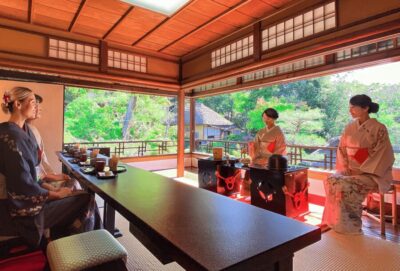
Tea Ceremony in a Traditional Tea House in Kiyomizu
Read our review →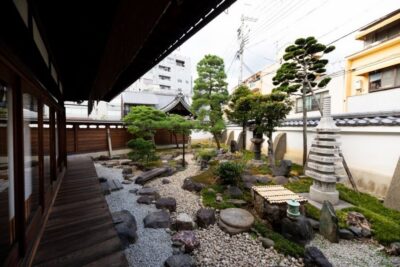
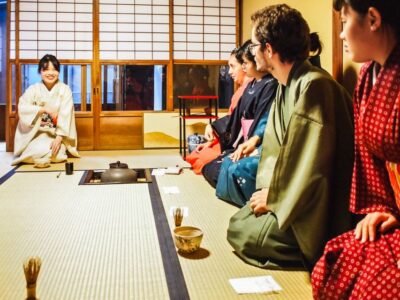
Browse the lists this tour appears in