
Review · JAPAN
Tea Ceremony in a Century-old Japanese Town House
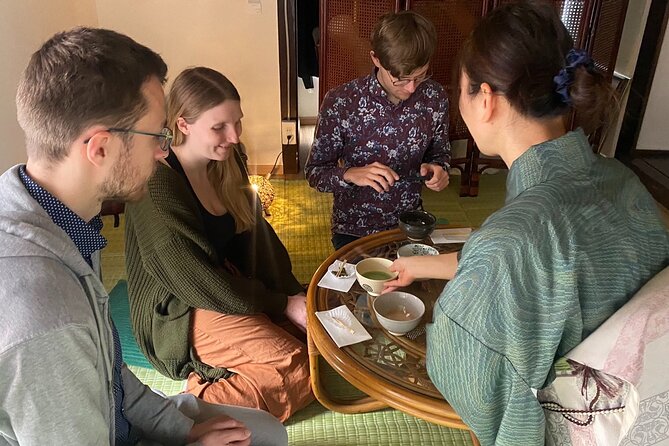
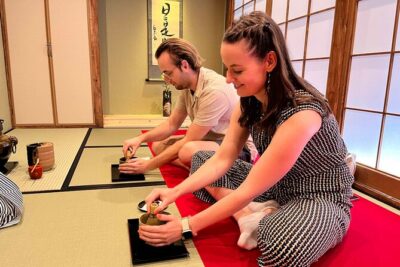
Beppu’s tea ceremony experience puts the focus on doing, not just watching. In about an hour, a local instructor in traditional kimono demonstrates the ritual while an English-speaking interpreter explains the movements, manners, and cultural meaning. Then you prepare your own bowl of matcha and taste it with a Japanese sweet.
I like the patient, good-humored teaching style described by participants, especially for first-timers who are bound to miss a step. I also like the setting: Space Beppu occupies a century-old town house, even though the interior has been updated. The main caution is value. At $45.61 per person, you receive one tea preparation and one sweet, not a long tasting session or a fully traditional tea-room performance.
Key points at a glance
- Hands-on matcha preparation: You watch the demonstration, then make your own cup.
- English-speaking interpretation: The interpreter explains etiquette and meaning as the ceremony unfolds.
- Century-old town house setting: The building is historic, though the interior is modernized rather than strictly traditional.
- Small private arrangement: Only your own group takes part in the activity.
- One-hour format: The compact schedule fits neatly into a day in Beppu.
- Plan for punctuality: Late arrival without notice can result in a charge of up to 50 percent of the activity fee.
What happens inside Space Beppu
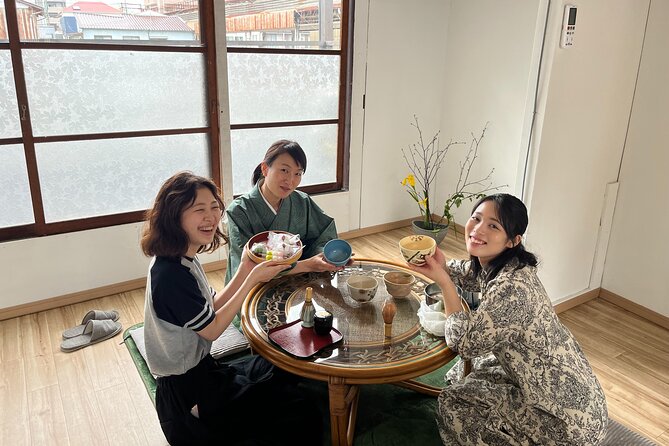
You meet at Space Beppu, located at Chiyomachi 12番9号 in Beppu, Oita 874-0942. The activity begins and ends at this same location, which keeps the plan simple. The space is near public transportation, so you do not need to arrange a separate transfer or find your way across town after the tea session.
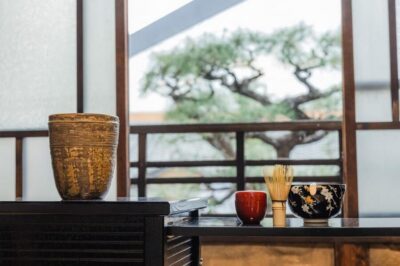
The building is more than 100 years old, but you should set your expectations correctly. It has been recently modernized and serves as a community space. That gives you a link to an older Beppu town house without promising the spare, formal appearance of a dedicated tea pavilion.
That distinction matters. If you picture tatami rooms, traditional garden views, and an untouched historic interior, this may feel too modern. If you mainly want an introduction to tea ceremony customs in an older Japanese building, the setting adds useful character without making the event feel stiff.
More Tea Ceremony Experiences in Japan:
- Kyoto: Tea Ceremony in a Traditional Tea House in Kiyomizu
★ 4.9 · 3,519 reviews - Kyoto: Tea Ceremony Ju-An at Jotokuji Temple
★ 4.9 · 3,207 reviews - Kyoto: 45-Minute Tea Ceremony Lesson Experience
★ 4.3 · 2,378 reviews
A clear introduction to tea ceremony etiquette
The session starts with an English-speaking interpreter guiding you through the basics. You learn about the ceremony’s history, etiquette, and cultural importance before trying the process yourself.
This explanation is important because tea ceremony movements can look mysterious when you see them without context. A bow, the way a bowl is handled, and the order of each action have a purpose. You may not remember every rule after one hour, but you should leave with a better sense of why the ceremony is careful and deliberate.
I would especially recommend this format if you are new to Japanese customs. The interpreter gives you a way to ask questions and understand instructions as they happen. You are not expected to watch silently and guess what each movement means.
The tone also seems forgiving. One participant described the instructor as very patient and said mistakes led to plenty of laughter as well as more serious cultural learning. That is exactly the right mood for a first tea ceremony. You can concentrate on the steps without worrying that one awkward movement has ruined the experience.
Watching the instructor in kimono
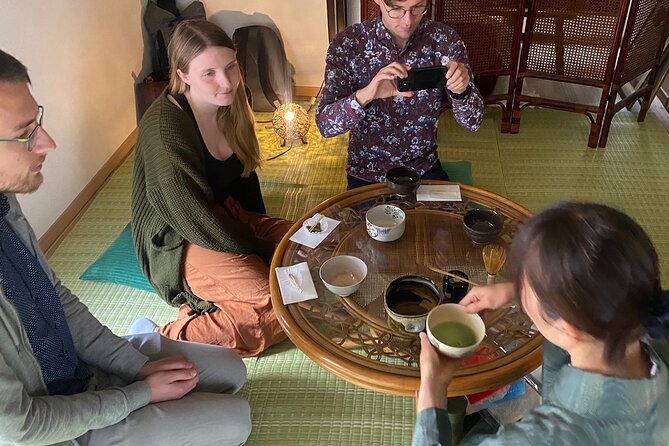
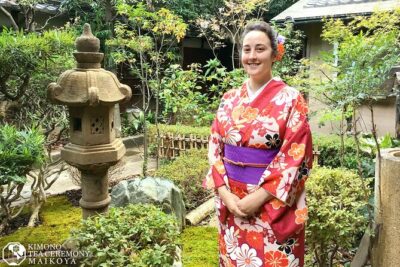
A local professional leads the demonstration while dressed in traditional kimono. This gives you a visual reference before your turn and lets you see the rhythm of the ceremony without the pressure of holding the utensils yourself.
The demonstration is likely the calmest part of the activity. Watch how the instructor handles the bowl and tools, and notice the order of the actions. The ceremony is not simply a method for making a drink. The preparation, presentation, and manners around the tea all matter.
The interpreter explains the demonstration step by step. That is a strong point for English-speaking visitors because you can connect what you see with the reason behind it. Without that explanation, a short demonstration might be attractive but hard to understand.
You should not expect a broad display of tea styles. The focus is on matcha and the standard ceremony process. One concern raised about the experience was the expectation of tasting several kinds of tea. That is not what this activity offers. The value lies in learning and taking part in one traditional preparation, not comparing a menu of drinks.
Your turn to whisk matcha
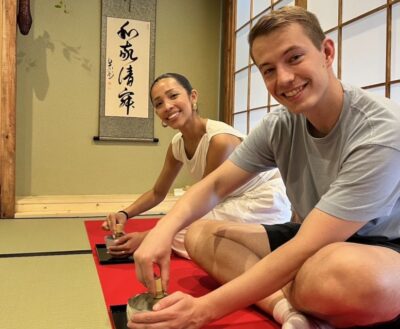
After the demonstration, you make your own cup of matcha. This is the hands-on part, and it changes the experience from a short cultural talk into something you can physically remember.
You will follow the instructor’s guidance through the preparation. If your movements are not perfect, that is part of the fun. The teaching is designed to help you repeat the actions rather than simply admire someone else doing them.
The single-cup format deserves an honest note. You should expect one serving of matcha, not multiple rounds. For some people, that will feel just right after a careful explanation. For others, especially at $45.61, one cup may seem limited.
I would judge the price by asking what you want from the session. If you want a short, guided cultural activity that lets you make matcha yourself, the hands-on element gives the fee a clear purpose. If you mainly want to sample several teas or enjoy a longer formal ceremony, you may find the cost harder to justify.
A few more tea experiences around Japan worth a look
- Osaka: Tea Ceremony Experience
★ 4.9 · 1,426 reviews - Kyoto: Table-Style Tea Ceremony at a Kyo-Machiya
★ 4.9 · 1,211 reviews - Kanazawa: Kenrokuen Tea Ceremony Experience
★ 4.8 · 1,139 reviews - Kimono Tea Ceremony at Kyoto Maikoya, NISHIKI
★ 5.0 · 911 reviews
The sweet served beside the tea
A Japanese sweet is served with the matcha. This pairing is not just a small snack added to the booking. In a tea ceremony, the sweet helps balance the strong, bitter flavor of the tea and gives you another part of the custom to notice.
Take your time with both. The sweet is meant to be part of the tea experience, not a separate dessert course. You can pay attention to how the flavor of the matcha changes after the sweet.
The available details do not specify the type of sweet, so you should not book this expecting a particular confection. What is clear is that one local Japanese sweet accompanies your cup.
Why the one-hour length works
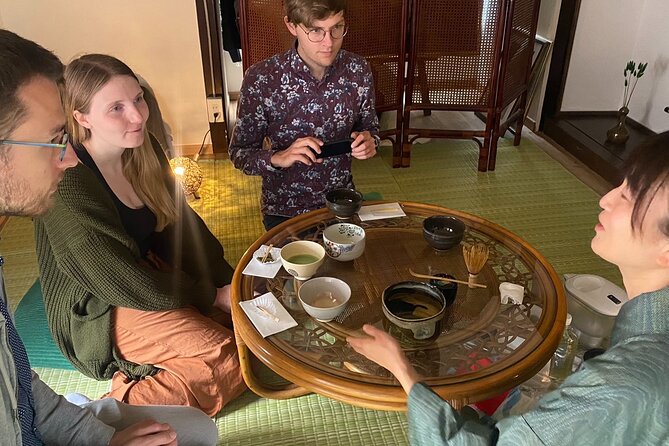
The activity lasts about one hour. That is long enough for a demonstration, explanation, hands-on preparation, and tasting, while still leaving most of your day free for Beppu’s other sights.
A compact session is useful in a city where you may be fitting in several stops. You can place it between other plans without committing half a day. It also suits children or adults who are curious about tea ceremony but may not want a lengthy formal sitting.
The short length has a trade-off. There is limited time for extended questions, several attempts at making tea, or a more elaborate ceremony. You receive an introduction and a practical try, not an advanced lesson.
Arrive on time. The provider asks participants to be punctual so the group can follow the ceremony together. If you arrive late without prior notice, up to 50 percent of the activity fee may be charged. That is a significant penalty for a one-hour experience, so allow extra time to reach Space Beppu.
Private participation and group value
Only your own group takes part, which gives the activity a more personal feel than a large public demonstration. You can ask questions through the interpreter and work at a pace suited to your party.
This private format is helpful if you are traveling with family or friends who want to share the activity. A patient instructor can correct mistakes without making the session feel like a performance in front of strangers.
Group discounts are available, though the exact discount is not provided. If you are booking for several people, check the final price before assuming the discount will make the cost significantly lower. The base price is $45.61 per person.
The private setup does not guarantee a longer session. The stated duration remains about one hour, so think of the advantage as personal attention and shared participation rather than extra tea or extra activities.
Setting expectations about authenticity
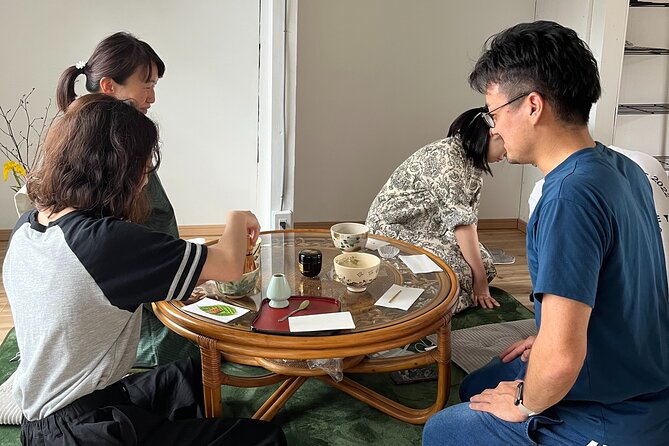
The word authentic can mean different things here. You receive instruction from a local professional in kimono, learn traditional etiquette, make matcha, and eat a Japanese sweet. Those are meaningful cultural elements.
At the same time, the event takes place in a modernized town house and community space rather than a strictly traditional tea-room setting. Two participants found the setting less traditional than expected and felt that one cup of tea did not fully match the price.
I think the fairest way to see it is as an accessible introduction. You get an explanation in English, a demonstration, and a chance to practice. The setting gives you a connection to old Beppu architecture, but it should not be the sole reason you book.
If your priority is ceremony as a living custom, this format should serve you well. If your priority is a highly formal visual setting, you should look carefully at photographs and decide if the modern interior suits you.
Who will enjoy this Beppu activity
I would recommend it most strongly to first-time visitors who want a manageable introduction to Japanese tea culture. You do not need prior knowledge, and the interpreter helps make the rules understandable.
It also suits anyone who prefers participation over passive sightseeing. Making the tea yourself gives you a small skill to take away, even if you never repeat the ceremony at home.
Families and private groups may appreciate the relaxed teaching. The reported experience of laughter, mistakes, and patient correction suggests that this is not an intimidating lesson. You can enjoy the formal side of the ceremony without treating every movement as a test.
You may want to skip it if you are seeking a long, luxurious tea tasting, several varieties of tea, or an untouched traditional interior. The activity provides one matcha preparation, one sweet, and about one hour of guided instruction.
Booking, timing, and cancellation advice
The experience is often reserved well ahead, with an average booking time of 41 days in advance. That does not mean you must book that early, but it is a useful signal if your Beppu dates are fixed. Confirmation is sent within 48 hours, subject to availability.
Mobile tickets make the meeting process easier, and the location is near public transportation. You still need to plan enough time to arrive at Space Beppu before the start.
You can cancel for a full refund up to 24 hours before the local start time. Cancellations or changes made less than 24 hours ahead are not accepted for a refund. The late-arrival rule is separate, so do not treat a delayed arrival as a simple cancellation option.
Is the $45.61 price fair?
The answer depends on what you count as the main product. You are paying for the instructor’s demonstration, English interpretation, cultural explanation, private participation, your own matcha preparation, and a Japanese sweet.
That is reasonable for someone who values a personal introduction and wants to try the ceremony rather than only photograph it. The private format also gives the experience more weight than a large group talk.
The value is weaker if you measure the booking by food and drink alone. One cup of matcha and one sweet will not feel like a substantial refreshment stop. You are paying for the teaching and ritual, not quantity.
I would also factor in your interest level. If you have already attended a formal tea ceremony, this short introduction may repeat familiar material. If this is your first encounter, the clear instruction and friendly correction make the price easier to defend.
Should you book this tea ceremony?
Book it if you want a one-hour, English-supported introduction with real participation. The kimono-clad demonstration, patient instruction, private format, and century-old town house create a useful first look at Japanese tea culture.
Think twice if you expect an ornate traditional room, multiple teas, or more than one serving. The modernized interior and single-cup format are the main limits.
My practical advice is simple: book this as a cultural lesson with a tasting, not as a tea feast or a grand formal performance. Arrive early, keep your expectations focused on matcha etiquette, and you are more likely to find the experience worthwhile.
FAQ
Where does the tea ceremony take place?
It takes place at Space Beppu, Japan, 874-0942 Oita, Beppu, Chiyomachi, 12番9号. The activity ends at the same meeting point.
How long does the experience last?
The tea ceremony lasts approximately one hour.
Is the experience conducted in English?
An English-speaking interpreter guides you through the history, etiquette, and cultural importance of the tea ceremony.
Do I make my own matcha?
Yes. After watching the local instructor’s demonstration, you are invited to prepare your own cup of matcha.
Is the activity private?
Yes. Only your own group participates in the activity.
What happens if I arrive late?
You should arrive on time. If you arrive late without prior notice, up to 50 percent of the total activity fee may be charged as a cancellation fee.
Just added around Japan
- Yokohama : Tea Ceremony with Sweets and Souvenir★ 5.0 · 5 reviews
- Whisk Your Own Matcha: A Zen Matcha Experience at Temple★ 3.6 · 7 reviews
- Walking Tour: Yanaka,Nezu& Sendagi: Tea Ceremony & Old Tokyo★ 5.0 · 3 reviews
- Visit local home for music and tea ceremony near Disney★ 4.9 · 13 reviews
- Yokohama: Sushi & Gyoza Cooking with Matcha & GreenTea Experience★ 5.0 · 3 reviews
- Trip to Kamakura & Enoshima: Shrines, Seaside, Temples &Tea★ 5.0 · 11 reviews
- Kyoto tea town for matcha lovers★ 5.0 · 16 reviews
- Uji: Private immersion into Kyoto’s tea and reglious culture★ 5.0 · 17 reviews
Tea Ceremony Experiences, compared.
Tea Ceremony in a Traditional Tea House in Kiyomizu
Read our review →
Browse the lists this tour appears in