
Review · KYOTO
Traditional Tea Ceremony with Matcha and Sweets in Kyoto
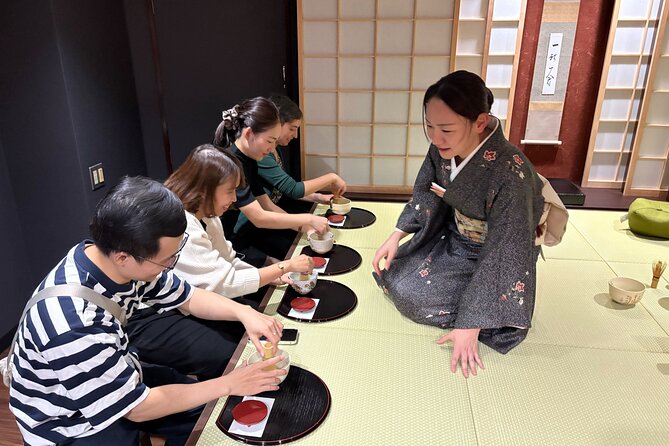
Kyoto’s tea ceremony can look solemn from the outside, but this one-hour experience in Gion makes the art easy to understand and take part in. A tea master explains the history, Zen ideas, and careful movements before you prepare your own bowl of matcha.
I like the chair seating, which helps if floor sitting is uncomfortable, and I like the hands-on finish with premium tea and traditional sweets. The small group, capped at 13 people, should also give you a fair view of the demonstration. The short format is useful on a busy Kyoto day, though it cannot offer the depth of a longer tea-school lesson.
Key Points
- Gion setting: Meet in Kyoto’s historic Higashiyama district at 1 Yamatocho, near public transportation.
- Experienced instructors: Instructors named in the feedback include Mitsune and Yuki, with special attention to ceremony and philosophy.
- Chair seating: You take part without sitting on the floor, making the session easier for many people.
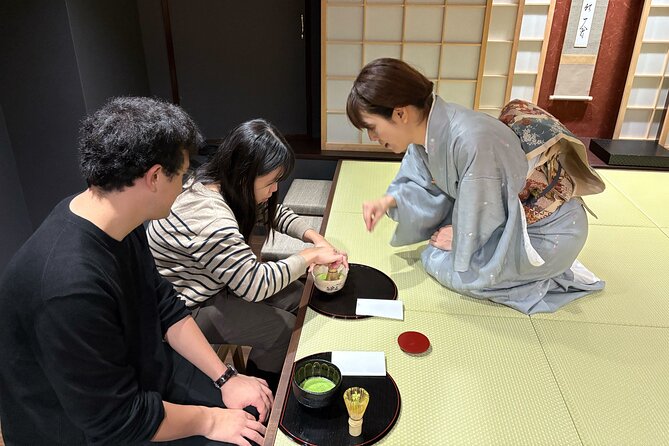
- Hands-on matcha: Watch the formal preparation, then whisk your own bowl with tea from a family-run farm.
- Traditional sweets: Sample sweets selected from long-established artisans.
- Small, short session: The group has a maximum of 13 people, and the activity lasts about one hour.
What This Kyoto Tea Ceremony Really Offers
I see this experience as an introduction to chanoyu, the Japanese way of tea. You are not simply handed a cup of matcha and shown how to stir it. The session explains why the ceremony has such careful movements, how Zen shaped its spirit, and how hospitality, or omotenashi, guides the host’s actions.
That context matters. Without it, the bowing, utensils, pauses, and precise gestures can seem like a string of rules. With an explanation, you begin to see the ceremony as a focused exchange between host and visitor. Every action has a purpose, from preparing the room to presenting the tea.
The setting in Gion adds weight to the experience without requiring a full-day cultural program. You meet at 1 Yamatocho in Kyoto’s Higashiyama Ward, an area closely tied to the city’s old streets and traditional culture. The activity ends at the same place, so you do not need to arrange a separate return transfer.
At $22.86 per person, the price is modest for a hosted cultural activity in central Kyoto. You receive instruction, a live demonstration, traditional sweets, and your own matcha-making session. I would not compare it with a private tea lesson or a formal multi-hour ceremony, but for a first introduction, the price makes sense.
More Matcha Experiences in Kyoto:
- Kyoto: Arashiyama Bamboo Forest, Monkeys, Matcha & Temple Tour
★ 5.0 · 759 reviews - Kyoto: Tea Ceremony Meditation – Make Matcha with Tea Master
★ 4.8 · 406 reviews - Kyoto: Kimono Tea Ceremony with Matcha and Sweet
★ 4.9 · 249 reviews
Entering the Ceremony in Gion
The meeting point is Japan, 605-0802 Kyoto, Higashiyama Ward, Yamatocho, 1, in the Gion Tanakaya Building. The location is near public transportation, which makes it practical to fit the session between visits to other parts of eastern Kyoto.
You should allow a little extra time to find the building. The address is specific, but Gion has narrow streets and many traditional-looking buildings. A mobile ticket is provided, so keep your booking confirmation easy to reach on your phone.
Once the session begins, the tone is welcoming rather than intimidating. The aim is to show the beauty of the ceremony without making beginners feel they have already failed before lifting a tea whisk. That makes this a sensible choice if you have never attended a Japanese tea ceremony.
The group limit is 13 people. That is not the same as a private class, but it is small enough for the demonstration to remain personal. You should be able to watch the tea master’s movements and follow the instructions without the room feeling like a large tour lecture.
Learning Why Tea Ceremony Moves So Slowly
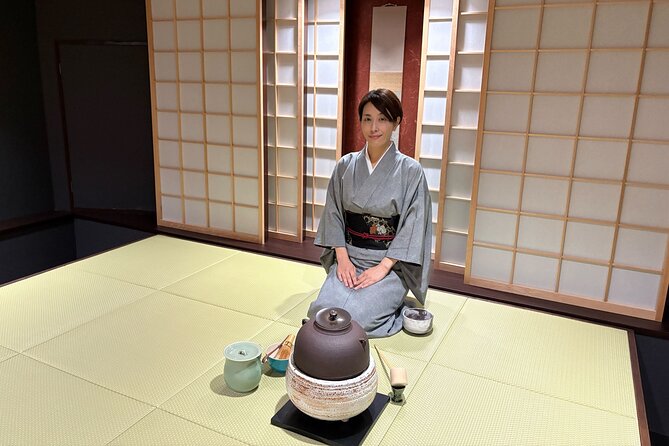
The first part focuses on explanation and observation. The tea master introduces the history of tea in Japan and explains how Zen philosophy shaped the ceremony’s attention to simplicity, awareness, and respect.
I value this portion because it gives the ceremony a human scale. You learn that the goal is not simply to make a strong green drink. The host’s actions show care for the people present, the season, the setting, and the objects used to serve the tea.
The idea of omotenashi is also important. It is often translated as hospitality, but in a tea setting it means anticipating the needs of the person being served and creating a moment of quiet connection. You will hear how this spirit fits into the ceremony rather than treating hospitality as a modern tourism slogan.
Next, you watch an authentic preparation performed close by. The details can be subtle: the handling of the bowl, the rhythm of the whisk, and the way the tea is presented. A good explanation helps you notice these small choices instead of waiting only for the taste.
The instructors receive strong praise for making the subject clear and meaningful. Mitsune is specifically associated with an informative and friendly presentation. Yuki is noted for her understanding of the ceremony and her clear connection to its philosophy. Since instructors can vary by session, you should treat these names as examples rather than a guarantee of who will lead your class.
Sitting Comfortably Instead of Kneeling
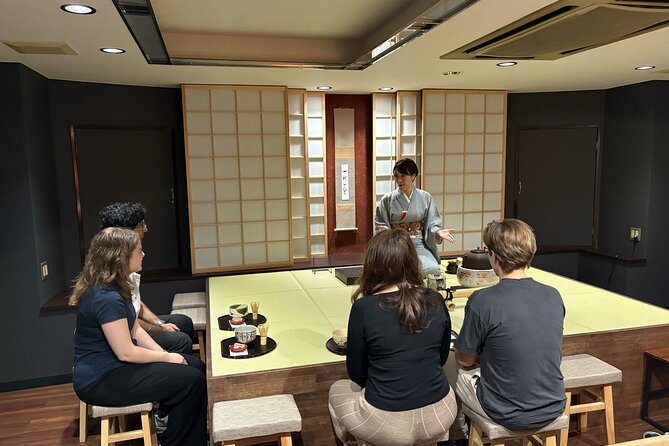
The ceremony uses chairs rather than requiring you to sit on the floor. This is one of the most useful features for practical reasons.
Traditional tea rooms often use floor seating, which can be difficult if you have limited mobility, stiff knees, or simply are not used to sitting that way. Here, you can pay attention to the demonstration and participate in the preparation without worrying about discomfort.
Chair seating also makes the experience less formal for first-time participants. You still learn about respectful behavior and traditional movements, but the physical arrangement removes one barrier.
This does not mean the ceremony loses all of its traditional character. The formal techniques, tea, sweets, and explanation of the art remain central. The format simply adapts the seating so more people can take part.
If you are specifically seeking a strict tea-room setting with floor mats and a longer sequence of formal gestures, this may feel more modern than expected. If your priority is understanding the ceremony and trying the tea yourself, the chairs are a sensible trade-off.
More Tea Ceremony Experiences in Kyoto:
- Kyoto: Tea Ceremony in a Traditional Tea House in Kiyomizu
★ 4.9 · 3,519 reviews - Kyoto: Tea Ceremony Ju-An at Jotokuji Temple
★ 4.9 · 3,207 reviews - Kyoto: 45-Minute Tea Ceremony Lesson Experience
★ 4.3 · 2,378 reviews - Kyoto: Table-Style Tea Ceremony at a Kyo-Machiya
★ 4.9 · 1,211 reviews
Tasting Kyoto Sweets Before Making Matcha
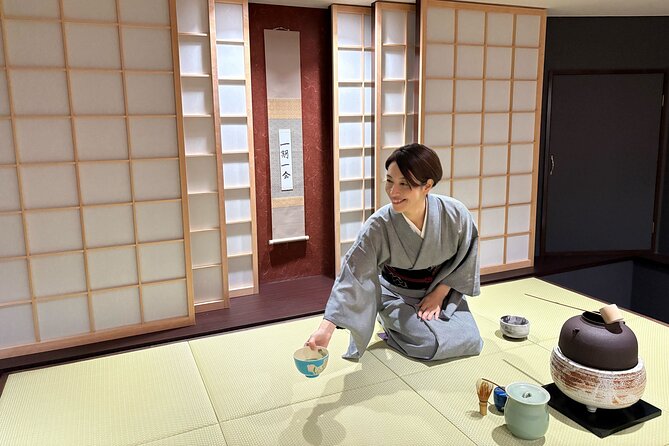
The second half begins with traditional sweets selected from long-established artisans. These sweets are not just a small extra beside the tea. In Japanese tea culture, sweetness helps balance the bitterness of matcha and prepares your palate for the drink.
You will have a chance to notice how the sweet and tea work together. Matcha has a grassy, concentrated flavor that can surprise people who are used to ordinary brewed tea. The sweet provides contrast, making the taste easier to appreciate.
The precise sweets are not specified in advance, so do not book this expecting a particular confection. The important point is that the selection comes from established makers rather than being treated as a generic snack.
I like this part because it turns an abstract cultural lesson into something sensory. You hear about the role of sweets, then experience the reason for it with the tea that follows.
Whisking Your Own Bowl of Premium Matcha
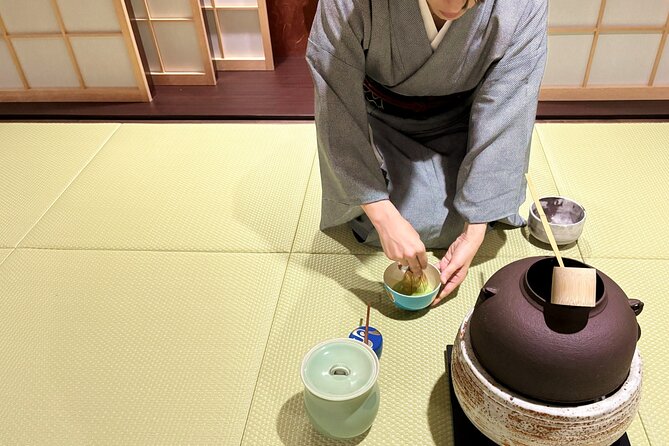
After watching the tea master, you prepare your own bowl. The tea is sourced from a family-run farm, and the activity presents it as a premium matcha rather than an ordinary powdered green tea.
You will learn how to whisk the powder into a smooth drink. The basic action is simple, but the result depends on your technique. You may produce a frothy bowl quickly, or you may need another attempt to get the texture right. That is part of the charm of a hands-on class: you are not only watching a polished performance.
The instructor guides you through the process, so you do not need prior knowledge. Pay attention to the motion and pace rather than trying to rush. Matcha preparation rewards a calm hand more than brute force.
This is also the point when the ceremony becomes personal. Watching a tea master can show you the finished art, but making the bowl yourself helps you understand the work involved. You gain a better sense of why the host moves with such care.
The matcha is reported as delicious, but taste is personal. If you usually prefer mild tea, the flavor may seem strong or earthy. Approach it as a traditional preparation rather than expecting a sweet café drink.
A Useful Question-and-Answer Finish
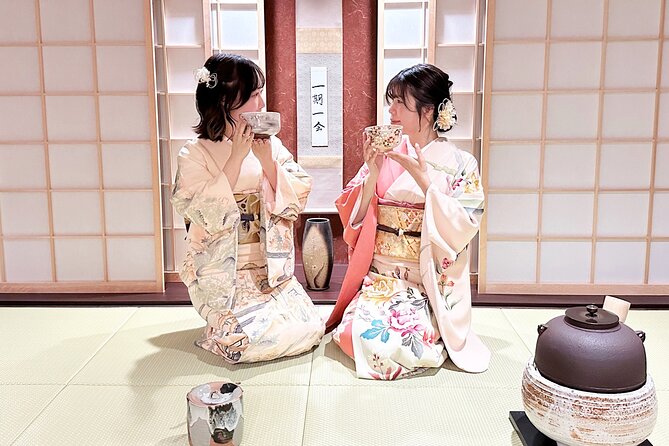
The session ends with time for questions. This is valuable because a short introduction cannot cover every detail during the demonstration.
You can use the final portion to clarify points about utensils, manners, Zen, tea preparation, or the meaning of individual gestures. The exact discussion will depend on the group, but the format gives you a chance to ask instead of leaving with only a general impression.
I especially like the question period for people who are curious but hesitant. You may wonder if you held the bowl correctly, why the sweets came first, or how this short version compares with a longer ceremony. Asking directly can turn a pleasant activity into a more lasting understanding of Japanese tea culture.
The instructors’ personal connection to the subject is part of the appeal. Yuki, in particular, is noted for linking the ceremony to its underlying philosophy. That kind of explanation can make the experience feel less like a staged performance and more like an introduction to a living practice.
How the One-Hour Length Affects Value
One hour is enough to cover the main elements: background, a demonstration, sweets, your own matcha, and questions. It is also easy to fit into a packed Kyoto schedule.
You could book it before sightseeing in Gion, between visits in Higashiyama, or as a quiet pause during a day of temples and streets. Since the activity returns to the meeting point, you finish where you started rather than being left at a different neighborhood.
The short length has a clear limit. You will receive an introduction, not complete training in tea ceremony. The session cannot explore every school of tea, the full range of utensils, or the long preparation behind a formal multi-course gathering.
I think the format works best if you want a meaningful first look. It is less suitable if you already practice tea ceremony or want a highly detailed study of one school’s rules.
Who Will Enjoy This Most
I would recommend this experience to several types of visitors:
- First-time visitors to Japan who want cultural context without committing to a long formal event.
- Matcha fans who want to understand how the drink is prepared and served.
- People interested in Zen and Japanese customs who prefer a clear explanation alongside the ritual.
- Couples, families, and small groups looking for a calm activity in central Kyoto.
- Anyone uneasy with floor seating because chairs make participation easier.
- Busy sightseers who need an activity that lasts about an hour.
It also suits returning visitors. You may already know Gion’s streets and Kyoto’s major temples, but a tea ceremony offers a different way to engage with the city’s culture.
I would hesitate only if you expect a grand, highly formal production or a private lesson. The accessible format is part of its appeal, but it also means the experience is designed for broad participation rather than specialist study.
Practical Details That Matter
Confirmation arrives at booking, and the activity uses a mobile ticket. Keep your phone charged and have the confirmation ready when you arrive.
The meeting point is in Gion, at Japan, 605-0802 Kyoto, Higashiyama Ward, Yamatocho, 1, Gion Tanakaya Building. The activity ends back at the meeting point. It is near public transportation, but the supplied information does not identify a particular station, so check your route before leaving.
The group maximum is 13 people. That number gives the session a small-class feel, though you should not expect the complete privacy of a one-to-one tea lesson.
Free cancellation is available if you cancel at least 24 hours before the start time. Cancellations made less than 24 hours before the start time are not refunded, and changes inside that window are not accepted. The cut-off follows local Kyoto time.
Should You Book This Tea Ceremony?
I would book it if you want a short, affordable, well-explained introduction to Japanese tea culture in Gion. The strongest reasons are the chair seating, the small group limit, the chance to whisk your own matcha, and the clear focus on Zen and hospitality rather than ceremony as empty pageantry.
At $22.86, the experience offers good value for a one-hour cultural activity. You receive more than a tasting: you learn the setting, watch the technique, taste traditional sweets, prepare tea yourself, and have time for questions.
Skip it only if you are seeking a longer, stricter, floor-seated ceremony or advanced instruction. For most first-time participants, this welcoming format gives you the essential ideas without taking half a day from Kyoto sightseeing.
FAQ
Where does the tea ceremony take place?
It takes place at Japan, 605-0802 Kyoto, Higashiyama Ward, Yamatocho, 1, Gion Tanakaya Building, in Kyoto’s Gion district.
How long does the experience last?
The activity lasts approximately one hour.
Where does the activity end?
It ends back at the meeting point.
Is the activity suitable for people unfamiliar with floor seating?
Yes. Participants sit on chairs, so you do not need to sit on the floor during the experience.
How many people can join the session?
The activity has a maximum of 13 participants.
Will I make my own matcha?
Yes. After watching the tea master, you prepare your own bowl of matcha using premium tea sourced from a family-run farm.
Are sweets included?
Yes. You savor traditional sweets selected from long-established artisans during the second half of the experience.
Can I cancel for a full refund?
Yes, if you cancel at least 24 hours before the experience start time. Cancellations or changes made less than 24 hours before the start time are not accepted for a refund.
More Dessert Stops in Kyoto
- Kyoto: Japanese Traditional Sweets Making and Tea Ceremony
★ 4.4 · 314 reviews - Kyoto: Traditional Tea Ceremony with Matcha & Sweets in Gion
★ 4.9 · 27 reviews - 2 Types of Japanese Sweets making and Tea Ceremony
★ 4.6 · 17 reviews - Japanese Traditional Sweets making with Tatedashi Matcha
★ 4.3 · 6 reviews
Just added around Kyoto
- Whisk Your Own Matcha: A Zen Matcha Experience at Temple★ 3.6 · 7 reviews
- Uji Walking Tour – Byodo-in temple and Tea Ceremony from Kyoto★ 3.5 · 3 reviews
- Traditional Tea Ceremony in Kyoto★ 4.5 · 3 reviews
- Kyoto: Authentic Tea Ceremony in a Small Group★ 5.0 · 7 reviews
- Tea ceremony at Kyoto’s Zen Temple Teahouse★ 5.0 · 2 reviews
- Tea Ceremony in 150 Years Old Townhouse with Tables and Chairs★ 5.0 · 22 reviews
- Silent Beauty of Kyoto Zen Walk and Tea Experience★ 5.0 · 2 reviews
- Tea Ceremony Experience in Traditional Kyoto Townhouse★ 5.0 · 19 reviews
Matcha Experiences, compared.
World Heritage Kyoto & Nara Uji Authentic Matcha Experience
Read our review →
Matcha Making Class in Tokyo with Authentic Japanese Sweets Set
Read our review →
Tea Museum Tickets and Matcha Grinding Experience
Read our review →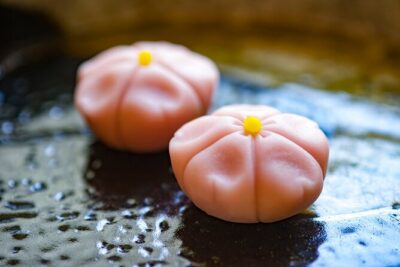
Matcha Making Class in Osaka with Authentic Japanese Sweets Set
Read our review →
Tea Ceremony Meditation – Make Matcha with Tea Master
Read our review →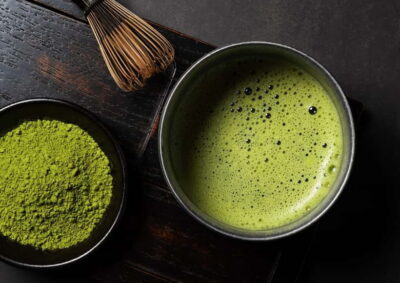
Matcha Making Experience with Mochi Sweets in Asakusa
Read our review →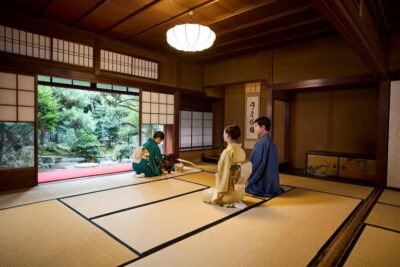
Browse the lists this tour appears in