
Review · NARA
Nara:Private Tea Ceremony(Max 5 ppl) -Master Matcha Making-
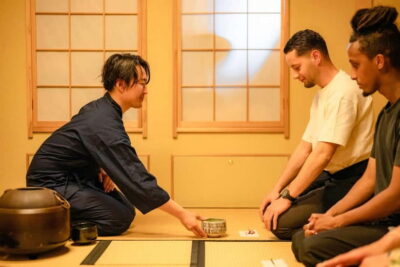
Nara’s best cultural moments are often quiet ones, and this private tea ceremony gives you one in a 120-year-old Japanese house. At Guesthouse Naramachi, a tea master demonstrates the tools and movements, explains the meaning behind the ceremony, and lets you prepare your own matcha.
I like the one-on-one format, which gives you room to ask questions instead of simply watching from the back of a group. I also like the chance to taste two Nara single-origin matchas, since comparing aroma and flavor makes the tea easier to understand. The main consideration is the short one-hour length: you get a focused introduction, not a full study of tea ceremony.
Key points to know before booking
- Private group of up to five: You share the experience only with your own party.
- A 120-year-old Japanese house: The setting is part of the experience, with a small tea room and a calm traditional atmosphere.
- Two Nara matchas to compare: Tasting both helps you notice differences in flavor and aroma.
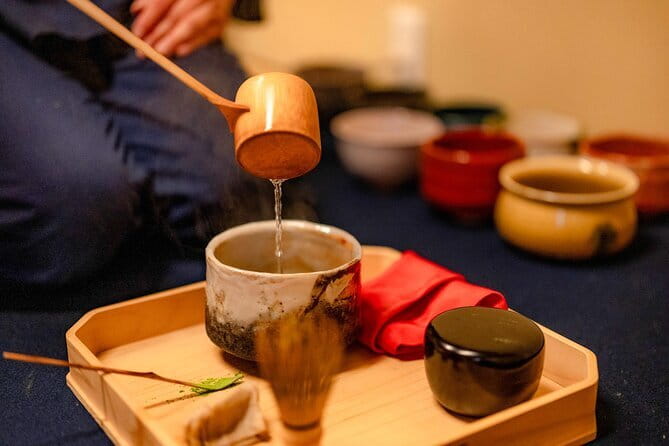
- Hands-on whisking: You use a bamboo whisk, called a chasen, to make your own cup.
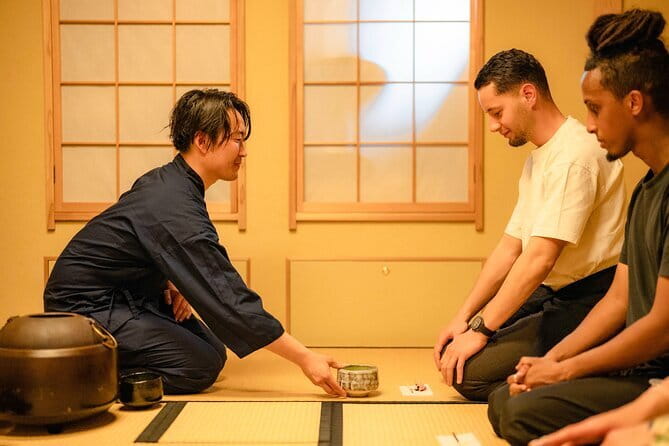
- Tea master guidance: Mike provides a personal lesson, demonstration, and time for questions.
- Family-friendly format: Families with young children are welcome, though the quiet setting may suit children who can take part calmly.
Entering a 120-year-old Japanese house in Naramachi
The experience begins at Guesthouse Naramachi, at 30 Kitakyōbatechō in Nara. This is both the meeting point and the place where the activity ends, so you do not need to manage a second pickup location afterward.
The house itself gives the hour much of its character. A tea ceremony in a modern café could teach you the same basic motions, but a traditional Japanese home creates a stronger sense of place. You are not simply sampling a drink. You are learning how tea fits into a Japanese room, a quiet pause, and a set of careful gestures.
The tea room is described as tiny, which matters. A small room can feel intimate and focused, especially with a private group of no more than five people. You should not expect a large performance space or a grand formal hall. Instead, the setting encourages close attention to the tea master and to the utensils in front of you.
The calm atmosphere is a major part of the appeal. The experience includes time for quiet concentration, and the structure asks you to slow down. That makes it a useful break from sightseeing around Nara, where temples, deer, and busy streets can fill your day with constant movement.
More Matcha Experiences in Japan:
- World Heritage Kyoto & Nara Uji Authentic Matcha Experience
★ 5.0 · 1,573 reviews - Kyoto: Arashiyama Bamboo Forest, Monkeys, Matcha & Temple Tour
★ 5.0 · 759 reviews - Matcha Making Class in Tokyo with Authentic Japanese Sweets Set
★ 5.0 · 744 reviews
Meeting Mike and learning the basics
The tea master for this experience is Mike. The available information describes him as earnest and generous, qualities that matter in a lesson built around conversation and personal guidance. You can ask as many questions as you like, so this is a good choice if you want more than a silent demonstration.
The introduction covers the history of tea ceremony, basic etiquette, and the proper use of tea utensils. You will learn why the tools matter and how the ceremony brings attention to simple actions. The lesson is not only about making green tea correctly. It also shows how focus, hospitality, and calm are expressed through the preparation.
I would approach this part with curiosity rather than concern about getting every movement right. Tea ceremony has formal elements, but a private teaching session gives you a safer place to ask what to do. You will have the chance to watch first and then try the process yourself.
That personal format is especially useful for families and first-time visitors. A large group can make a beginner worry about holding up the session. Here, your group sets the pace within the one-hour schedule, and the tea master can respond to your questions directly.
Tasting two Nara single-origin matchas
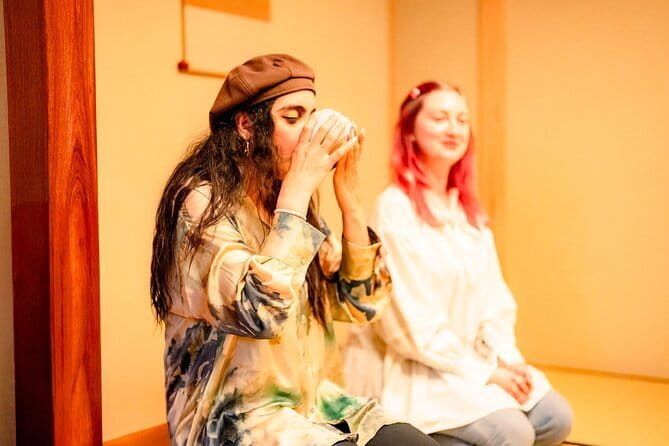
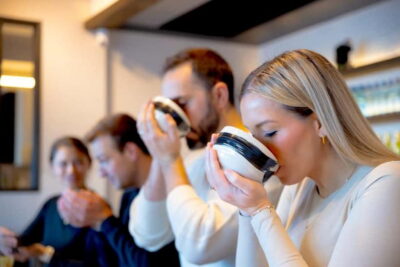
Before making your own cup, you taste two types of Nara single-origin matcha. This is one of the most useful parts of the experience because it gives you a point of comparison.
Matcha can seem like one broad category if you have only tried it in a sweet drink or café dessert. Tasting two teas side by side helps you notice that matcha has its own range of aromas and flavors. You can consider which one you prefer and ask the tea master about the differences.
The tasting also gives you a better sense of what the whisking process is meant to produce. You are not preparing an anonymous green drink. You are working with a tea that has a particular character, and the preparation affects how you experience it.
The included food is listed as a Japanese sweet, along with brunch. Coffee and tea are also included. The supplied details do not specify the exact sweet or the brunch menu, so do not book this expecting a particular dish. Think of the food as a small companion to the tea rather than the main purpose of the activity.
If you are sensitive to strong or bitter flavors, tasting before whisking is helpful. You can ask questions about what you are drinking and decide which matcha suits your taste. The comparison makes the session more engaging than simply receiving one prepared bowl.
Watching the tea master’s demonstration
The demonstration gives you a clear model before you pick up the whisk. You watch the tea master handle the utensils, measure or prepare the tea, and use the bamboo whisk with controlled movements.
The value here is not speed. Tea ceremony rewards attention to position, rhythm, and care. A demonstration lets you see the difference between casually stirring powder into water and properly whisking matcha into a smooth drink.
The lesson also introduces hospitality. The ceremony is built around the relationship between the person preparing the tea and the person receiving it. Even in a beginner session, the way the tea is offered and accepted helps explain why etiquette is part of the experience.
Because the group is private, you should have a good view of the demonstration. With a maximum of five people, the tea master can keep the focus close to your group. That is a meaningful advantage over a crowded class, where you might see only part of the process.
Do not expect a theatrical show. This is a quiet instruction session, and that is the point. If you want a fast-paced activity with lots of stops and photo opportunities, this may feel slow. If you want to understand the small movements behind matcha preparation, the pace works in your favor.
More Tea Making Classes in Japan:
- Matcha Making Class in Osaka with Authentic Japanese Sweets Set
★ 5.0 · 509 reviews - Tokyo: Matcha Making Experience with Mochi Sweets in Asakusa
★ 4.9 · 388 reviews - Asakusa Cultural Walk & Matcha Making Tour
★ 5.0 · 245 reviews - Osaka: Matcha Making Experience with Japanese Sweets
★ 5.0 · 146 reviews
Making your own matcha with a bamboo whisk

After watching, you prepare your own cup using a chasen, the traditional bamboo whisk. This is where the experience moves from observation to participation.
Whisking looks simple, but the action requires concentration. You must control the motion and pay attention to the tea as it changes. That combination of physical action and quiet focus gives the hour a hands-on quality without turning it into a craft workshop.
The tea master can guide you through the process and answer questions as you work. You will likely notice how the texture changes as you whisk. The point is not to produce a perfect bowl on your first try. It is to understand the method and enjoy the act of preparing the tea yourself.
The activity includes a full set of tea ceremony utensils, so you do not need to bring equipment. That lets you focus on learning how each tool is used. You also get a better sense of the ceremony as a complete practice rather than as a single whisking technique.
This is a strong feature for teenagers and older children. A review of the experience describes a 17-year-old son becoming engaged with the ceremony, which suggests the activity can work for young people who may not want a long lecture. The hands-on portion gives them something clear to do.
Families with young children are welcome, but parents should consider the quiet nature of the room. Children who enjoy copying movements and trying a new food may have a good time. Children who need constant motion may find one hour of calm instruction more challenging.
The value of quiet concentration
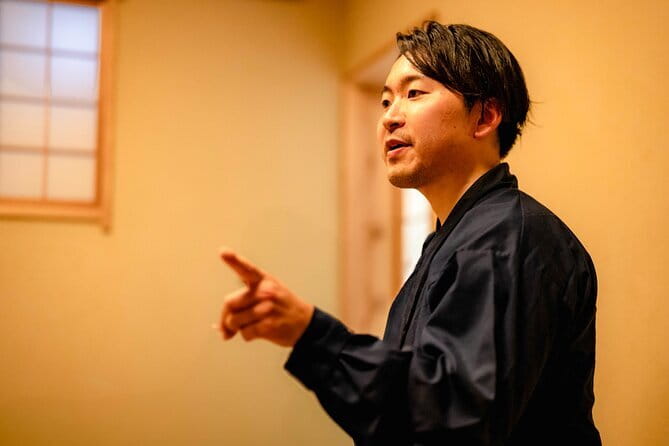
The phrase heart-to-heart in serene silence captures the tone better than a list of features can. The session gives you a set period in which you are not rushing between sights, checking a map, or looking for the next attraction.
That pause has real value during a busy Japan itinerary. Nara offers major temples and open areas, but this experience shows a more personal side of local culture. You sit close to the tea master, listen, taste, and work with your hands.
The ceremony also offers a useful lesson in attention. Each part asks you to notice something small: the sound of the whisk, the feel of the bowl, the aroma of the matcha, or the way the tea is presented. You do not need prior knowledge to benefit from that.
I would not treat this as a substitute for a longer formal tea school lesson. The one-hour duration keeps it approachable, but it also limits how much history, etiquette, and technique can be covered. You receive an introduction with personal instruction, not a complete course.
Is $50.85 per person good value?
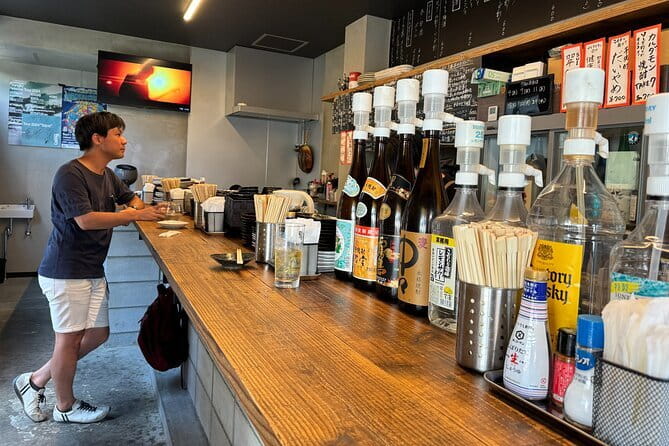
At $50.85 per person, the price is reasonable if you value private instruction and cultural context. You are paying for more than a cup of matcha. The fee includes the tea master’s demonstration, the private setting, two matchas, a Japanese sweet, brunch, coffee or tea, and use of the utensils.
The strongest part of the value is the private format. Your group can include up to five people, and no one outside your party participates. For a couple, family, or small group of friends, that creates a more personal lesson than a standard public tasting.
The price may feel less appealing if you mainly want to drink matcha. Nara has cafés and tea shops where you can order a bowl for much less. This activity earns its price through the setting, explanation, comparison tasting, and chance to whisk the tea yourself.
Transportation is not included, so you must make your own way to Guesthouse Naramachi. The meeting point is near public transportation, which helps, but the activity does not provide a transport service. Check your route and allow enough time to arrive without rushing into the quiet session.
The average booking lead time is 18 days. That does not guarantee that every date sells out, but it suggests you should reserve ahead if this is important to your Nara plans, especially because the group size is limited.
Who should book this Nara tea ceremony?
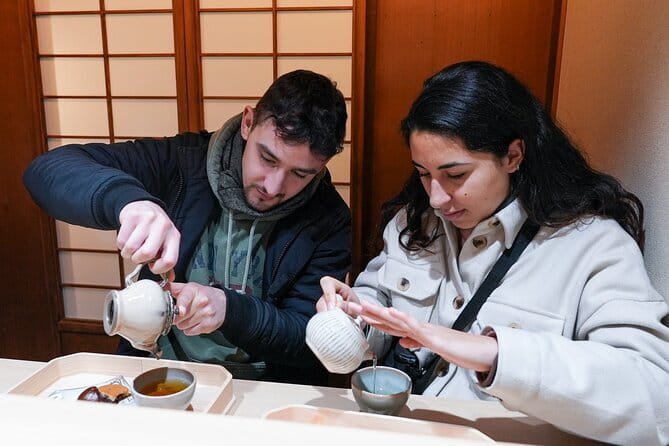
I would recommend this experience to first-time matcha drinkers, couples, families, and small groups who want a calm cultural activity. It also suits anyone who prefers asking questions and learning by doing rather than sitting through a large presentation.
It is a particularly good fit if you want to understand tea ceremony without committing to a half-day class. One hour is enough to learn the main ideas, taste two teas, watch a demonstration, and make your own cup.
The experience may not suit you if you dislike tea, have very little patience for quiet instruction, or want a full meal. Brunch and a Japanese sweet are included, but the activity is centered on tea, not dining.
It is also worth considering the mood of your day. This session works well between sightseeing stops, but you should not treat it as a quick drink grabbed on the way to the next temple. The setting asks you to slow down and stay present.
Practical details before you go
Confirmation is provided at the time of booking, and the experience uses a mobile ticket. You do not need to arrange a separate return location because the activity ends back at the starting point.
Free cancellation is available if you cancel at least 24 hours before the local start time. Cancellations made less than 24 hours ahead are not refunded, and late changes are not accepted.
The experience provider is Tea Lounge Navi Cafe. Since the session is private and limited to your own group, it is best to book for the people who will actually attend. The maximum group size is five.
The meeting address is Guesthouse Naramachi, 30 Kitakyōbatechō, Nara, 630-8322, Japan. Transportation is not included, but the location is near public transportation.
Should you book it?
Book this tea ceremony if you want a personal introduction to Japanese tea in a quiet historic home. The combination of two Nara matchas, direct instruction from Mike, and hands-on whisking gives the hour more substance than a simple tasting.
I would be more cautious if you want a long formal ceremony, a substantial meal, or a fast activity with lots of movement. For everyone else, especially a small group or family, the private setting and chance to make your own tea make $50.85 a fair price for a focused Nara experience.
FAQ
Where does the tea ceremony take place?
It takes place at Guesthouse Naramachi, 30 Kitakyōbatechō, Nara, 630-8322, Japan.
How long does the experience last?
The activity lasts approximately one hour.
How many people can join the private activity?
The private group can include a maximum of five people.
Is transportation included?
No. Transportation fees are not included, so you must make your own way to the meeting point.
Where does the experience end?
The activity ends back at the meeting point, Guesthouse Naramachi.
What kind of tea will I taste?
You will taste two types of Nara single-origin matcha.
Will I make matcha myself?
Yes. You will learn to whisk your own matcha using a bamboo whisk called a chasen.
Are tea ceremony utensils provided?
Yes. A full set of tea ceremony utensils is included.
Is food included?
Yes. The experience includes brunch and a Japanese sweet. Coffee and tea are also included.
Can families with young children join?
Yes. Families with young children are welcome.
Can I cancel for a full refund?
Yes, if you cancel at least 24 hours before the experience start time. Cancellations made less than 24 hours before the start time are not refunded.
More Tea Ceremony Experiences in Japan
- Kyoto: Tea Ceremony in a Traditional Tea House in Kiyomizu
★ 4.9 · 3,519 reviews - Kyoto: Tea Ceremony Ju-An at Jotokuji Temple
★ 4.9 · 3,207 reviews - Kyoto: 45-Minute Tea Ceremony Lesson Experience
★ 4.3 · 2,378 reviews - Osaka: Tea Ceremony Experience
★ 4.9 · 1,426 reviews
Just added around Japan
- Yokohama : Tea Ceremony with Sweets and Souvenir★ 5.0 · 5 reviews
- Whisk Your Own Matcha: A Zen Matcha Experience at Temple★ 3.6 · 7 reviews
- Walking Tour: Yanaka,Nezu& Sendagi: Tea Ceremony & Old Tokyo★ 5.0 · 3 reviews
- Visit local home for music and tea ceremony near Disney★ 4.9 · 13 reviews
- Yokohama: Sushi & Gyoza Cooking with Matcha & GreenTea Experience★ 5.0 · 3 reviews
- Trip to Kamakura & Enoshima: Shrines, Seaside, Temples &Tea★ 5.0 · 11 reviews
- Kyoto tea town for matcha lovers★ 5.0 · 16 reviews
- Uji: Private immersion into Kyoto’s tea and reglious culture★ 5.0 · 17 reviews
Tea Making Classes, compared.

Matcha Making Class in Tokyo with Authentic Japanese Sweets Set
Read our review →
Traditional English Scone Making and Tea Workshop
Read our review →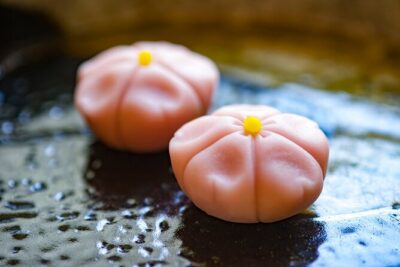
Matcha Making Class in Osaka with Authentic Japanese Sweets Set
Read our review →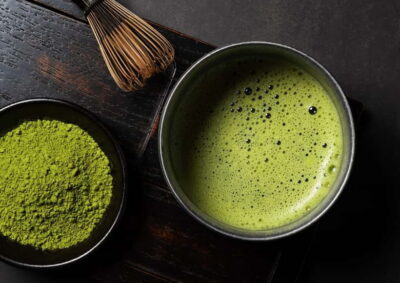
Matcha Making Experience with Mochi Sweets in Asakusa
Read our review →London Traditional English Scone Making and Tea Workshop
Read our review →
Nara:Authentic Tea Ceremony(Max 5 ppl) -Master Matcha Making
Read our review →Browse the lists this tour appears in