
Review · NARA
Full Day Nara Deer, Temple, Shrine, Activities & Tea Ceremony
Nara’s best moments come from the mix of deer, temples, old crafts, and tea, and this seven-hour walking tour packs all four into one day. You’ll see Todaiji’s giant Buddha, follow the lantern path at Kasuga Taisha, visit the former katana maker Kikuichi, and finish with a proper tea ceremony away from the main tourist crowds.
I like the thoughtful variety, especially the chance to do more than take temple photographs. Origami, calligraphy, and a possible kimono photoshoot give the day a hands-on edge, while the tea master at Shofukutei offers a quiet finish. I also like the small maximum group of 12, which should make it easier to hear the guide.
The main caution is simple: this is a genuine walking day, not a ride-and-stop excursion. You’ll need energy for temple grounds, park paths, and city streets, and the 45-minute lunch break is on your own. At $110.55 per person, the value depends on how much you want the cultural activities and guided context, not just the famous sights.
Key points to know before booking
- Todaiji anchors the morning: You’ll see the Grand South Gate, its fierce guardians, and Japan’s largest bronze Buddha statue.
- The deer are part of the route, not the whole tour: Deer cookies are included to share, but the day continues to shrines, shops, and temples.
- Kikuichi adds a rare craft stop: The former katana maker offers an introduction to Japanese knives and cutlery.
- Hands-on activities fill the afternoon: You can make a deer origami figure and write your name in Katakana or Kanji.
- Gangoji brings a darker story: The temple visit includes the frightening legend of its demon.
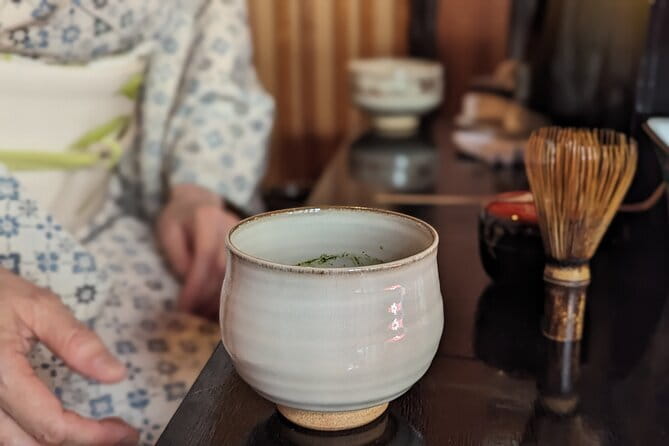
- Tea is the calm finale: A certified tea master prepares matcha in front of you and serves a handmade wagashi sweet.
A full Nara day that mixes famous sights with local texture
Many Nara visits follow a familiar pattern: deer, Todaiji, lunch, and back to the station. This tour follows that basic route, but adds small cultural stops that make the day feel less like a checklist.
You begin at 9:00 a.m. near the 7-Eleven at 30-1 Higashimuki Kitamachi. From there, the guide leads you through the Nara Park area and beyond. The tour lasts about seven hours and returns to the same meeting point.
The bilingual guide is a key part of the experience. Previous guide assignments have included Harry and Remi, and the tour has also been led in German. You cannot count on a particular guide unless the operator confirms it, but the format is built around explanation, stories, and questions rather than simply following someone from gate to gate.
The group limit is 12 people. That is large enough to keep the price reasonable, but small enough for a guide to manage the pace and help with activities.
More Tea Ceremony Experiences in Japan:
- Kyoto: Tea Ceremony in a Traditional Tea House in Kiyomizu
★ 4.9 · 3,519 reviews - Kyoto: Tea Ceremony Ju-An at Jotokuji Temple
★ 4.9 · 3,207 reviews - Kyoto: 45-Minute Tea Ceremony Lesson Experience
★ 4.3 · 2,378 reviews
Todaiji’s Grand South Gate and the giant Buddha
The first stop is Todai-ji’s Namdaimon, or Grand South Gate. Give yourself a moment here before rushing inside. The gate is impressive for its scale and structure, but the real focus is the pair of fierce guardian figures that protect the entrance.
The guide can explain how the gate fits into the wider Todaiji complex and point out details you could easily miss on your own. This is a useful opening stop because you get the setting before entering the main temple.
Inside Todaiji, you have about 50 minutes to explore. Admission is included, so there is no extra temple ticket to arrange. The great draw is the enormous bronze Buddha, one of Japan’s most famous religious images and the largest bronze Buddha statue in the country.
The free time matters. Rather than keeping you in a tight group for every minute, the tour gives you room to look around at your own pace. You may prefer that freedom, though it also means the exact amount of guide explanation inside the temple can vary.
Todaiji is one of Nara’s busiest sights. Going early helps, but this is still a major stop on most Nara itineraries. If your ideal temple visit is silent and solitary, this part may feel crowded. If you want the essential Nara sight with a guide to frame it, it earns its place.
Kikuichi, where a former katana maker meets modern kitchen knives
The visit to Kikuichi Monju Shiro Kanenaga Main Store gives the day a useful change of pace. Kikuichi is presented as a prestigious knife maker with roots as a former katana maker, and you receive an introduction to Japanese cutlery.
This is not just a shopping stop. You can ask for advice about Japanese knives if you are considering a purchase, and the guide can explain some of the background behind the craft. That makes the visit more valuable than wandering into a knife shop without knowing what you are looking at.
You should still be clear about your priorities. Shopping and souvenirs are not included in the tour price, so any knife purchase costs extra. The stop lasts about 35 minutes, enough for an introduction and browsing, but not an extended workshop.
I like this part because it connects old sword-making traditions with an everyday Japanese object. It also gives you a chance to buy something practical instead of another generic souvenir, though only if a knife fits your budget and luggage plans.
Kasuga Taisha and Nara’s lantern-lined approach
Kasuga Taisha brings a different religious atmosphere. Todaiji is a monumental Buddhist temple; Kasuga Taisha introduces Shinto and the idea of the spirit of Kasuga, described on the tour as closely tied to nature.
The approach is known for its stone and bronze lanterns. The lantern path is one of the most memorable visual sections of the day, particularly when the guide explains the meaning behind the shrine and its religious setting.
You spend about 40 minutes here. That is enough for an introduction and a focused visit, but not a slow, open-ended exploration of every corner. The schedule is full, and the guide must keep the group moving toward the afternoon activities.
This is also one of the places where comfortable shoes matter. The day involves walking through park paths and temple and shrine grounds, and the tour description is clear that transportation between the stops is not the main point. You should think of the route as an active day outdoors.
More Full-Day Trips in Japan:
- Mt. Fuji & Lake Kawaguchiko Ropeway Panorama Full-Day Tour
★ 4.6 · 236 reviews - Tokyo: Full-Day Tour w/Tea Experience,Buffet Lunch & Cruise
★ 4.9 · 151 reviews - Kanazawa: Samurai, Matcha, Gardens and Geisha Full-Day Tour
★ 4.9 · 75 reviews - Full-Day Tour from Kanazawa: Samurai, Matcha, Gardens and Geisha
★ 5.0 · 68 reviews
Nara Park and the deer encounter
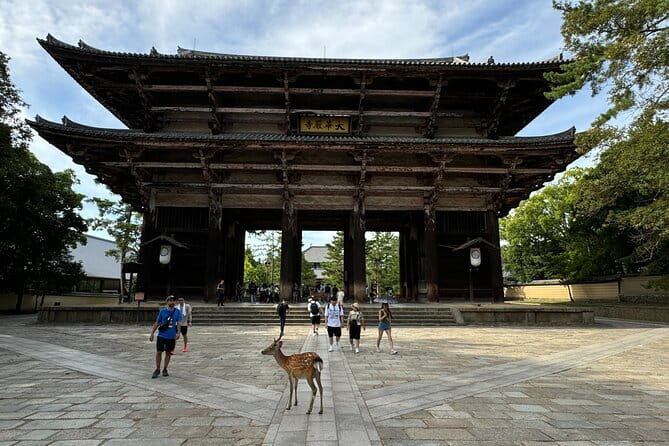
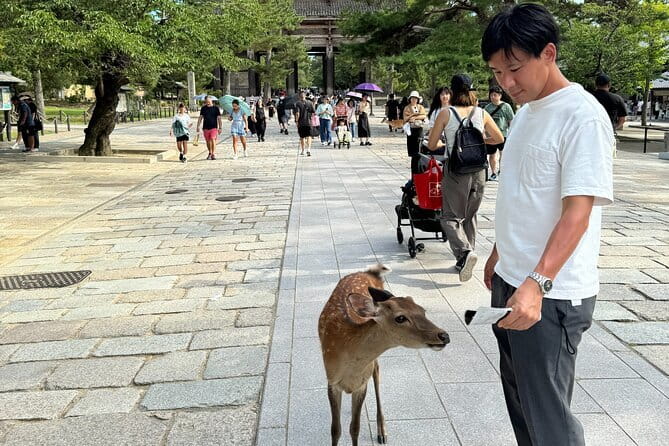
The deer are the part many people picture first, but this tour treats them as one element in a larger day. Your guide leads you through Nara Park on a route intended to connect the main sights efficiently, and deer cookies are included to share.
The feeding encounter can be charming, but it is not a controlled animal show. The supplied guidance describes feeding as being at your own risk, so keep your attention on the deer and follow the guide’s instructions. Do not assume that every deer will behave the same way.
The advantage of having a guide here is practical. You do not need to work out where the park paths lead or how to connect Kasuga Taisha with Todaiji and the city center. The guide can also add context about how the deer fit into Nara’s religious and civic identity.
Still, the deer are not the only reason to book this experience. If you want a short photo stop and little else, a simpler Nara outing may be enough. This tour works better for you if you want the deer encounter folded into a broader cultural route.
Lunch near Higashimuki Shopping Street
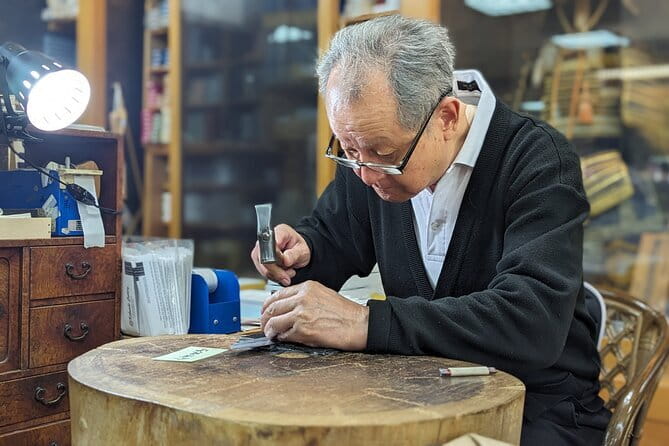
After the morning sights, you get about 45 minutes of free time for lunch around Higashimuki Shopping Street. Food and drinks are not included, so you choose and pay for your own meal.
That arrangement gives you flexibility. You can look for a quick Japanese lunch, browse the shopping street, or simply take a break from the group. The tradeoff is that 45 minutes is not a long restaurant window, especially if you need to find a table and order.
You will meet the guide again at a preset location. Pay close attention to that meeting point and return time. A structured afternoon follows, and a late lunch could cut into the craft activities or temple visit.
Origami, calligraphy, and the possible costume photoshoot
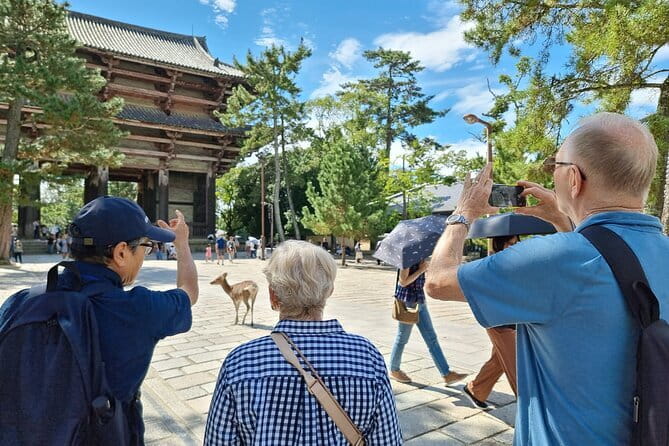
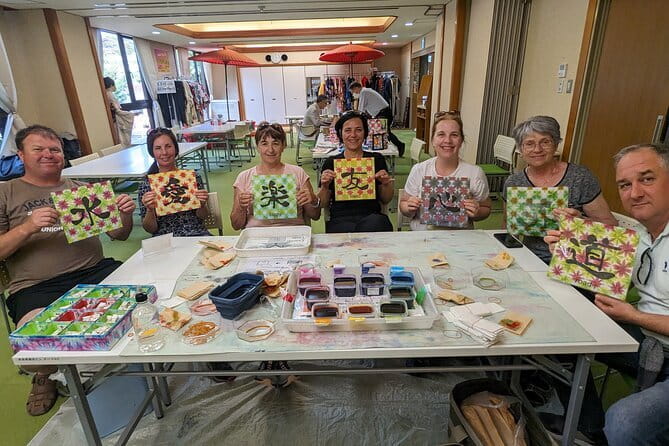
The cultural activity session at Nara Visitor Center & Inn lasts about one hour. You learn basic origami and make a deer, then practice calligraphy by writing your name in Katakana or Kanji.
These activities are simple, but that is part of their appeal. You do not need prior artistic skill, and you leave with something made during the tour. The calligraphy exercise also gives you a small, personal connection to Japanese writing rather than just seeing characters on signs.
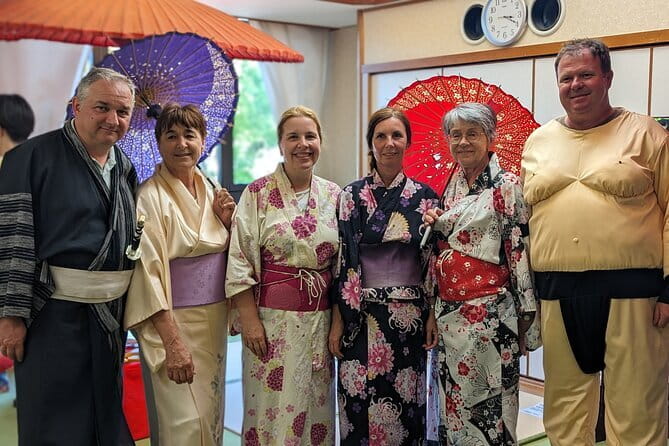
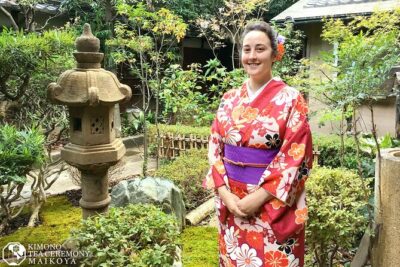
If time allows, you may be able to wear a kimono or another costume and take photographs. This part is not guaranteed, so do not book the tour solely for the outfit session. Treat it as an extra possibility in a day already filled with planned stops.
The activity room also provides a break from walking. For families and first-time visitors, this can be one of the most approachable parts of the experience. For someone who prefers uninterrupted sightseeing, the one-hour session may feel like time taken away from temples.
Gangoji and the demon story
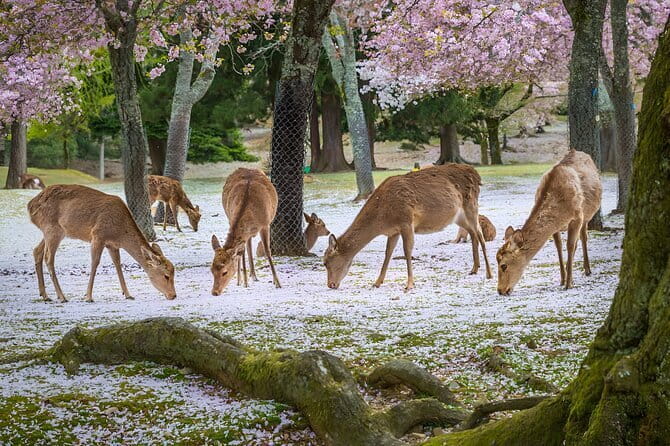
Gangoji Temple is one of the most interesting stops for people who want more than Nara’s headline sights. It is one of Nara’s seven great temples and one of the city’s World Heritage sites. The tour presents it as technically the oldest temple in Japan still standing.
The visit lasts about 45 minutes, and admission is included. The historical setting matters, but the memorable feature here is the story of the Gangoji demon. The guide tells the frightening origin tale, giving the visit a darker tone after the bright park and hands-on crafts.
I like the way this stop broadens your view of Nara. Todaiji is the grand, famous temple. Gangoji offers a smaller-scale encounter with old religious traditions and local legend. If you enjoy folklore, this may be one of the day’s strongest moments.
The exact balance between storytelling and free exploration depends on the guide and the group. If you need long periods alone at each temple, the schedule may feel brisk. If you enjoy learning why a place matters, 45 minutes is a sensible use of time.
Matcha and handmade wagashi at Shofukutei
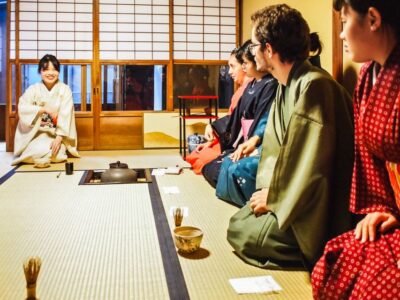
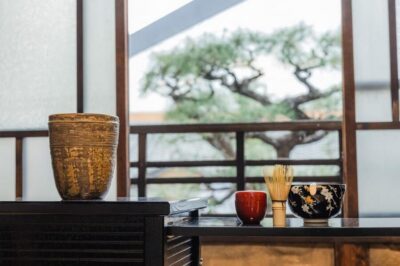
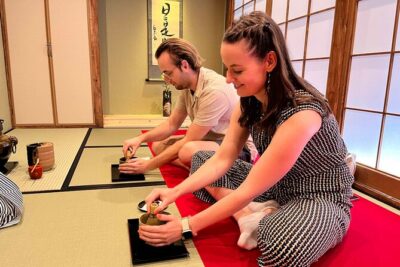
The final stop is Shofukutei, a traditional cafe where a certified tea master and her husband welcome the group. You watch freshly prepared matcha being made in front of you and receive a traditional handmade wagashi sweet.
This is more than a drink break. A tea ceremony has its own movements, tools, and manners, and the setting gives you a chance to see those details in practice. The tour specifically positions the cafe away from crowded and expensive tourist spots, which should make the final hour calmer than a quick matcha stop near a major temple.
The tea ceremony lasts about one hour and is included in the price. Matcha and wagashi are covered, unlike lunch and other food or drinks during the day.
Matcha has a strong, grassy taste that is not for everyone. If you usually prefer sweet drinks, the wagashi helps balance it, but you should not expect a cafe-style latte. For me, the ceremony is a fitting end because it slows the day down after several hours of walking and sightseeing.
What $110.55 buys you in practical terms
At $110.55 per person, this is not the cheapest way to see Nara. You can visit the park and walk around parts of the city independently for much less. The price makes more sense when you count the included Todaiji and Gangoji admissions, bilingual guiding, deer cookies, craft activities, and tea ceremony.
The strongest value comes from the range. In one day, you get:
- Major Buddhist and Shinto sites
- A guided deer encounter
- An introduction to Japanese knife-making
- Origami and calligraphy
- A local legend at Gangoji
- Matcha and wagashi with a certified tea master
The price is less compelling if you plan to spend most of the day at your own pace, skip organized activities, or avoid shopping-related stops. You also pay separately for lunch, drinks, and souvenirs.
The tour is often reserved well ahead of time, with an average booking lead of about 135 days. That suggests you should not assume a last-minute place will be available, particularly if your Japan schedule is fixed.
Who will get the most from this Nara tour?
I would choose this tour for a first visit to Nara when you want the major sights but also need help connecting them. It suits families, couples, and solo visitors who like a clear plan and a mix of looking, listening, and doing.
It is also a good fit if you want cultural explanation in a language you are comfortable using. The tour is bilingual, and guide assignments can vary. Past guide examples include Harry and Remi, with German-language guiding also available on some departures, but you should confirm language and guide details before booking if that matters to you.
You should think twice if you dislike walking, prefer a very slow temple visit, or want a long restaurant lunch. The day is full, and the park, shrine, temples, streets, and activity venues require steady movement.
The experience is available with a mobile ticket, confirmation is provided at booking, and the meeting point is near public transportation. Most people can participate, but the operator does not present this as a specialized accessible tour, so ask directly about any mobility needs before reserving.
Free cancellation is available up to 24 hours before the local start time for a full refund. If the minimum group size is not met, the operator offers another date or experience, or a full refund.
Should you book it?
Book this Nara tour if you want a single, organized day that goes beyond deer and Todaiji. The Kikuichi knife stop, calligraphy, Gangoji demon story, and tea ceremony give it more character than a basic sightseeing loop.
Skip it if you want maximum independence, a relaxed lunch, or the lowest possible cost. For most first-time visitors who value stories, included admissions, and a small-group format, $110.55 is a fair price for the amount packed into seven hours. Just wear comfortable shoes, keep your schedule open, and expect the day to move at a steady pace.
FAQ
How long does the Nara tour last?
The tour lasts approximately seven hours, beginning at 9:00 a.m. and ending back at the meeting point.
Where does the tour start?
The meeting point is the 7-Eleven at 30-1 Higashimuki Kitamachi, Nara, 630-8214, Japan.
Where does the tour end?
The activity ends back at the starting meeting point.
Is lunch included?
No. You receive about 45 minutes of free time to buy lunch near Higashimuki Shopping Street. Lunch, food, and drinks are not included.
What is included in the tour price?
The price includes a bilingual local guide, deer cookies to share, the Todaiji entrance fee, an introduction to Japanese cutlery history, cultural activities, the Gangoji entrance fee, and the tea ceremony with matcha and wagashi.
How many people can join the tour?
The tour has a maximum of 12 travelers.
Is the tour available with a mobile ticket?
Yes. The experience offers a mobile ticket.
What is the cancellation policy?
You can cancel at least 24 hours before the local start time for a full refund. Changes or cancellations made less than 24 hours before the start time are not accepted for a refund.
Just added around Japan
- Yokohama : Tea Ceremony with Sweets and Souvenir★ 5.0 · 5 reviews
- Whisk Your Own Matcha: A Zen Matcha Experience at Temple★ 3.6 · 7 reviews
- Walking Tour: Yanaka,Nezu& Sendagi: Tea Ceremony & Old Tokyo★ 5.0 · 3 reviews
- Visit local home for music and tea ceremony near Disney★ 4.9 · 13 reviews
- Yokohama: Sushi & Gyoza Cooking with Matcha & GreenTea Experience★ 5.0 · 3 reviews
- Trip to Kamakura & Enoshima: Shrines, Seaside, Temples &Tea★ 5.0 · 11 reviews
- Kyoto tea town for matcha lovers★ 5.0 · 16 reviews
- Uji: Private immersion into Kyoto’s tea and reglious culture★ 5.0 · 17 reviews
Tea Ceremony Experiences, compared.
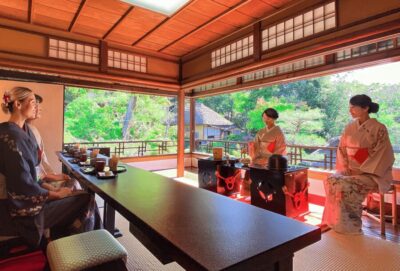
Tea Ceremony in a Traditional Tea House in Kiyomizu
Read our review →
Browse the lists this tour appears in