
Review · JAPAN
Japanese Tea Making Class in Sapporo
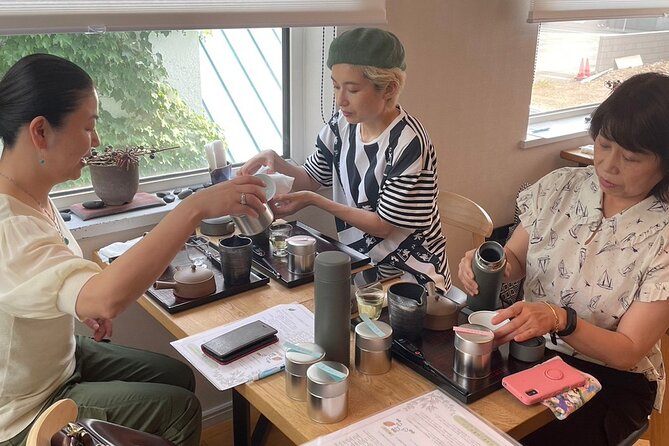
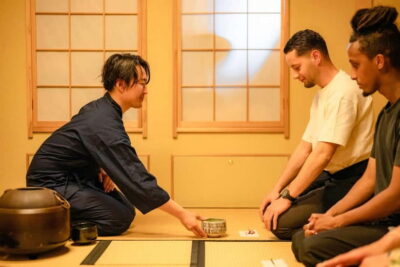
The clever part of this Sapporo class is that one tea can taste like three different drinks. You begin with lukewarm water for the tea’s original flavor, switch to ice and a wine glass for aroma and sweetness, then use hot water to draw out bitterness and astringency. I like that the class makes tea tasting a hands-on experiment, not a stiff ceremony.
I also like the seasonal wagashi, served alongside the tea, and the practical handout with brewing temperatures and times. You leave with something you can repeat at home. The main consideration is price: at $78.48 per person for about 90 minutes, this is a focused specialty activity rather than a cheap coffee stop.
Key points
- Three brewing styles: Compare lukewarm, iced, and hot Japanese tea in one sitting.
- Different tableware matters: Hot tea is served in a ceramic cup, while cold tea is presented in a wine glass.
- Seasonal wagashi pairing: Japanese sweets balance the tea’s bitterness and connect the tasting to the season.
- Two teas may be compared: The class uses two kinds of tea, helping you notice differences in taste.
- Private 90-minute format: Only your group participates, with a 10:00 am start and return to the meeting point.
- Useful home-brewing guidance: You receive a summary of temperature and brewing times for different teas.
Why Three Cups Change the Taste
Most people think tea flavor comes mainly from the leaves. This class shows you that water temperature and steeping time can matter just as much.
The first cup uses lukewarm water. That gentler approach lets you notice the tea’s original character without pushing out as much bitterness. This is a good starting point because your palate is fresh, and the flavor is not being dominated by heat or sharpness.
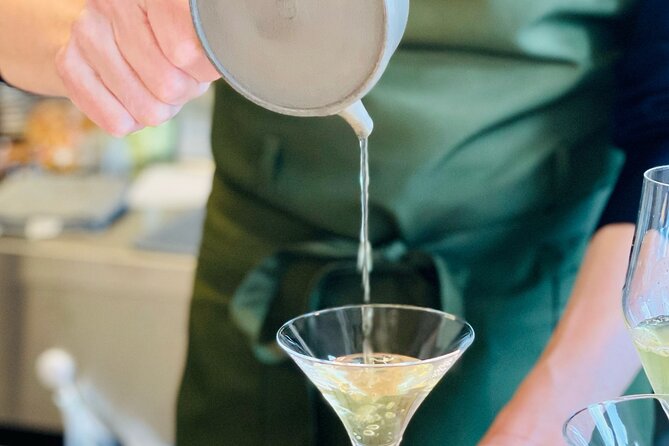
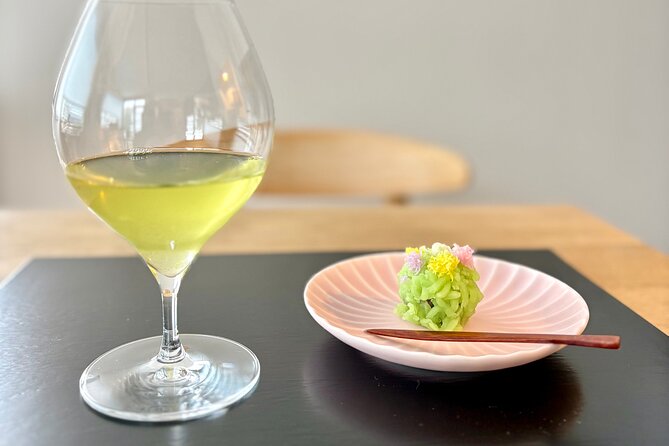
The second preparation uses ice and water in a wine glass. The change in glassware is not just for show. A wine glass gives you a narrower shape for noticing aroma, while the cold preparation brings out a different balance of sweetness and fragrance. It is a neat reminder that tea does not have to be served steaming hot.
The third cup uses hot water. Heat pulls more flavor from the leaves, including the bitter and astringent notes that many people associate with Japanese tea. If you usually add sugar or drink tea without thinking much about temperature, this comparison can reset your expectations.
You are not simply told that the flavor changes. You make the tea step by step and taste the result immediately. That makes the lesson easy to remember.
More Tea Making Classes in Japan:
- Matcha Making Class in Tokyo with Authentic Japanese Sweets Set
★ 5.0 · 744 reviews - Matcha Making Class in Osaka with Authentic Japanese Sweets Set
★ 5.0 · 509 reviews - Tokyo: Matcha Making Experience with Mochi Sweets in Asakusa
★ 4.9 · 388 reviews
The 10:00 am Start Near Maruyama Park
The class begins at 日本茶と和菓子 エフ, at 25-chōme-2-12 Ōdōrinishi in Sapporo’s Chuo Ward. The meeting point is near public transportation, and the activity ends back there after roughly one hour and 30 minutes.
A morning start works well for this kind of class. You can fit it before a larger day of sightseeing, or use it as a calm way to begin your time in Sapporo. Since the activity stays at the meeting point, you do not spend part of the paid time moving between several locations.
The address uses Japanese characters as well as a Romanized address, so keep the full location handy when making your way there. Private transportation is not included. You are responsible for reaching the meeting point, but the nearby public transportation makes that more manageable than an out-of-the-way rural tea visit.
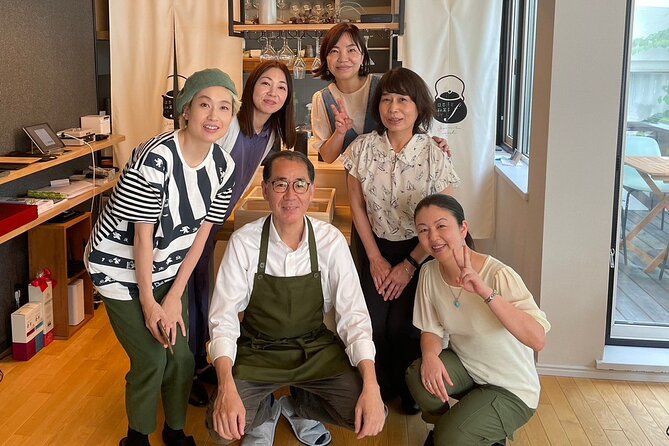
The private format is important. Only your group participates, so the pace can remain personal and focused. The available details do not name the instructor, and the class is not described as a large public demonstration. You should expect teaching, tasting, and practice in a small group setting rather than a stage-style presentation.
Starting With Tea’s Original Flavor
The opening cup is brewed with lukewarm water. This is a smart teaching choice because it gives you a gentle reference point before stronger brewing changes the profile.
You may notice softer flavor and less of the sharpness associated with hot-brewed green tea. The purpose is not to declare one method best. It is to show you what the leaves reveal under restrained conditions.
The class also covers basic tea information, including types of Japanese tea and how tea is made. You will not only prepare a drink, but also get context for why different teas behave differently in the cup.
Two kinds of tea are used during the course. That adds another useful layer to the tasting. You can compare how the brewing method changes one tea, then notice how tea variety changes the result as well.
This is especially helpful if you buy Japanese tea but usually follow the instructions loosely. A difference of several degrees or a little extra steeping time can move a cup from mild and sweet to noticeably bitter.
Cold Tea in a Wine Glass
The cold preparation is probably the most surprising part of the class. Instead of using a traditional ceramic cup, you brew the tea with ice and water in a wine glass.
This presentation draws attention to aroma and sweetness. A wine glass is familiar from wine tasting, but less expected with Japanese tea. That contrast helps you slow down and smell the drink before taking a sip.
Cold tea can also be useful in everyday life. If you normally think of Japanese tea as a hot drink served with a meal, this version gives you another way to enjoy it. The class shows how presentation changes your attention as well as the taste itself.
There is a practical lesson here: do not judge tea by one preparation alone. A tea that seems too sharp when brewed hot may show more sweetness and fragrance when chilled. The class gives you a direct comparison instead of asking you to accept a general rule.
The information provided does not promise a full lesson in Japanese tea ceremony etiquette, and you should not book this expecting a formal ceremony. The focus is on brewing, tasting, and understanding flavor.
More Workshops in Japan:
- Kyoto: 45-Minute Tea Ceremony Lesson Experience
★ 4.3 · 2,378 reviews - Tea Ceremony Workshop in Tokyo by the Experienced Instrucor
★ 5.0 · 189 reviews - Experience all of Japanese culture and Japanese food experience classes “origami, udon, Japanese food, green tea, calligraphy” in 4 hours
★ 5.0 · 105 reviews - Private Kyoto Sushi Cooking Class & Tea Ceremony with Emika
★ 5.0 · 66 reviews
Hot Water Brings Out Bitterness
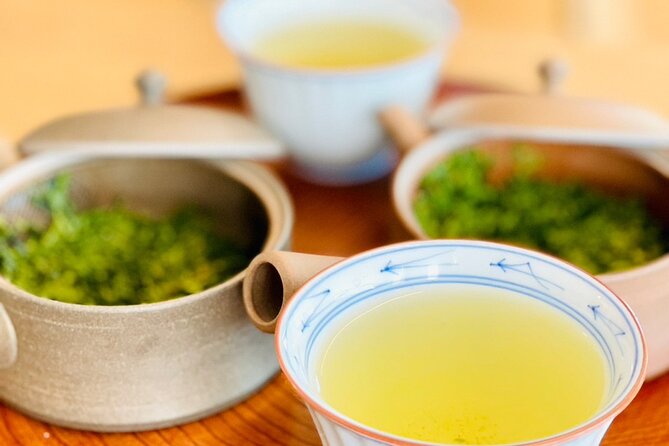
The third cup is brewed with hot water. This method brings out bitterness and astringency, two qualities that can be less noticeable in the lukewarm and cold preparations.
Astringency is the dry, slightly puckering sensation that can linger after a sip. Some people enjoy it as part of Japanese tea’s character, while others find it too strong. The useful thing here is that you can taste how it develops rather than treating it as a flaw.
Hot water is not automatically the wrong choice. It may be exactly what you want when drinking tea with food or when you prefer a stronger cup. The lesson is to match the method to the result you want.
The sequence also gives the class a clear rhythm. You start gently, move toward fragrance and sweetness, then finish with a fuller, sharper brew. By the end, you have a simple mental map of what temperature does to tea.
For home use, remember the basic principle rather than trying to copy every detail perfectly: gentler water can protect delicate flavors, while hotter water can produce a stronger and more bitter cup. The supplied summary sheet makes this easier to practice later.
Wagashi Makes the Tasting More Complete
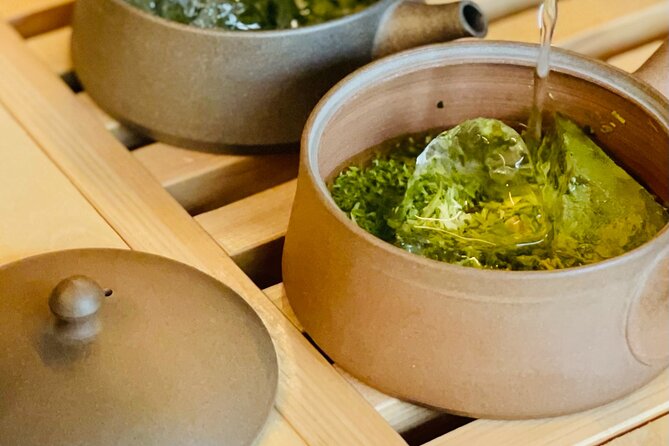
Seasonal Japanese sweets, known as wagashi, are included with the tea. These are not just a snack placed beside the cup. They help you understand how Japanese food balances flavor.
The tea’s bitterness and astringency work well with sweetness. A small wagashi can soften a sharp sip, while the tea can keep the sweet from feeling heavy. Tasting both together gives you a better sense of Japanese tea service than drinking tea alone.
The sweets also reflect the time of year. One class example featured sweets shaped like spring flowers, bringing a seasonal visual element to the table. The exact sweet may change, so you should think of this as a seasonal pairing rather than a fixed menu item.
This detail matters if you are looking for a cultural activity that connects food and season. You are not only learning a recipe for tea. You are seeing how presentation, flavor, and the calendar fit together.
Do not expect a full meal. Snacks are included, but the class lasts about 90 minutes and is designed around tasting. If you are hungry, plan another meal before or after the activity.
What You Learn and Take Home
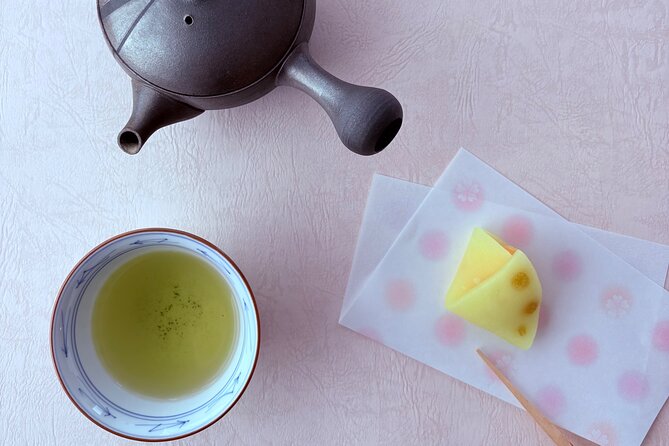
The instruction is designed for beginners. You learn tea basics through materials and teaching aids, then practice the methods one at a time.
The most useful take-home item is a written summary of temperature and brewing time for each tea. This turns the class into something more practical than a pleasant morning. You can use the notes when preparing tea in your accommodation or at home.
The class also teaches you how to compare rather than simply follow directions. You will taste each preparation and connect a brewing choice with a result:
- Lukewarm water highlights the original flavor.
- Ice and a wine glass emphasize aroma and sweetness.
- Hot water brings out bitterness and astringency.
- Wagashi provides a sweet counterpoint to sharper tea flavors.
This is a good format for anyone who learns by doing. A lecture about water temperature might be easy to forget. Tasting three cups in sequence gives you a clear memory of the difference.
The available information does not specify every tea variety or the exact temperatures used. That is worth noting if you want a technical tea certification or a highly detailed production course. This is a short introductory class with a practical focus.
Health Claims and What They Mean for You
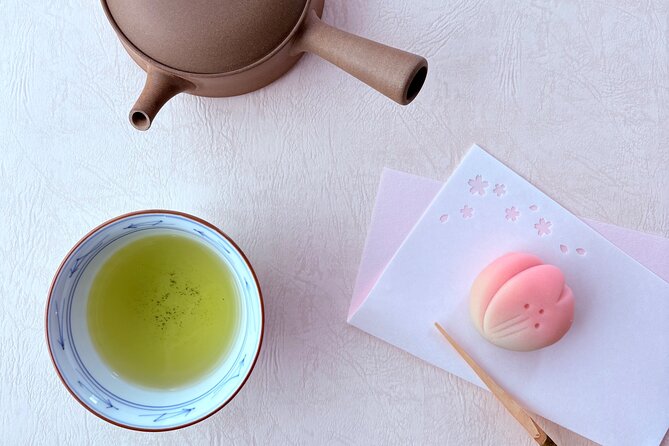
The class places tea in a wider health-conscious context. Japanese tea contains polyphenols, and the class information connects these compounds with possible effects related to cholesterol, body fat, antioxidant activity, and antibacterial properties. It also discusses theanine, an amino acid associated with relaxation.
Treat these points as background, not medical advice. The experience is primarily about flavor and preparation, and a 90-minute class cannot assess your personal health or guarantee any result.
Still, the subject helps explain why Japanese tea remains important in daily life. You learn that tea is not just a caffeinated drink or a refreshment beside a meal. It can also be part of a slower routine built around attention, warmth, and taste.
Japanese tea exports have grown by about 2.5 times over the past decade, according to the class information. That figure gives the lesson a modern angle: tea is not only a traditional drink in Japan, but also a product drawing interest abroad.
For you, the practical value is simple. If you enjoy the taste, you leave with better tools for making it well. If you are interested in health, you get a basic explanation of the compounds associated with tea, but you should not treat the class as a nutrition consultation.
Is $78.48 a Fair Price?
The listed price is $78.48 per person. That is a lot for a 90-minute drink and snack if you judge it against the cost of buying tea in a shop. The value comes from the private instruction, the side-by-side tasting, the two teas, the seasonal wagashi, and the brewing notes you can use later.
I would compare it with the cost of other hands-on cultural classes rather than with a café visit. You are paying for guided practice and a structured explanation of why the tea changes. If you are already serious about Japanese tea, the class may be useful because it gives you controlled comparisons and a reference sheet.
The value is weaker if you only want a quick cup or a formal tea ceremony. This experience is neither. It is a compact lesson in flavor, temperature, steeping time, and pairing.
The private format can also justify some of the price for couples, families, or small groups who prefer not to share a session with strangers. The information does not state the maximum group size, so you should not assume a particular number of participants. It does confirm that only your group takes part.
Who Will Enjoy This Sapporo Class?
I would recommend this to you if you enjoy food experiences that explain the why behind what you taste. It is also a good match for first-time tea drinkers because the class starts with basics and teaches through comparison.
You will likely get the most from it if you are willing to pay attention to small differences. The changes between lukewarm, cold, and hot tea may seem subtle at first. The point is to slow down and notice them.
It suits:
- Couples looking for a quiet cultural activity.
- Visitors who want a short morning plan near public transportation.
- Tea drinkers who want better home-brewing results.
- Food lovers interested in seasonal wagashi.
- Beginners who prefer practical instruction.
- Small private groups seeking a focused experience.
You may want to skip it if you dislike tea, need a full meal, or want a long tour of Sapporo. The class does not include private transportation, sightseeing stops, or a meal. It stays at the meeting point and concentrates on tea.
Booking and Cancellation Details
Confirmation is provided at booking, and the activity accepts a mobile ticket. The meeting time is 10:00 am at 日本茶と和菓子 エフ, and the class ends at the same place.
Free cancellation is available if you cancel at least 24 hours before the local start time. Cancellations made less than 24 hours before the start are not refunded, and changes inside that window are not accepted. Plan your Sapporo schedule with that cutoff in mind, especially if your transport plans are uncertain.
Should You Book This Tea Class?
Book it if you want a small, practical lesson rather than a quick tasting or a formal ceremony. The three-cup progression is the real reason to come: you can feel how water temperature, ice, brewing time, and glassware reshape the same drink.
The seasonal wagashi and home-brewing handout add lasting value, while the private 90-minute format keeps the activity focused. At $78.48, it is not a bargain snack, but it can be a fair price for a hands-on cultural class that teaches you something you can repeat.
Skip it if tea is not part of your interests or if your Sapporo schedule is already packed. For everyone else, this is a calm, specific, and useful way to understand Japanese tea beyond simply ordering it hot.
FAQ
Where does the Japanese tea class start?
It starts at 日本茶と和菓子 エフ, located at 25-chōme-2-12 Ōdōrinishi, Chuo Ward, Sapporo, Hokkaido 064-0820, Japan.
What time does the class begin?
The start time is 10:00 am.
How long does the experience last?
The class lasts approximately one hour and 30 minutes.
Where does the activity end?
The activity ends back at the meeting point where it begins.
Is transportation included?
Private transportation is not included. The meeting point is near public transportation.
Is this a private activity?
Yes. Only your group participates in the activity.
What tea preparations will I try?
You will prepare tea with lukewarm water, ice and water in a wine glass, and hot water. The preparations are intended to show differences in original flavor, aroma, sweetness, bitterness, and astringency.
Are Japanese sweets included?
Yes. Seasonal Japanese sweets, called wagashi, are included as a pairing with the tea.
How much does the experience cost?
The listed price is $78.48 per person.
Can I cancel for a full refund?
Yes, if you cancel at least 24 hours before the experience’s local start time. Cancellations made less than 24 hours before the start are not refunded.
Just added around Japan
- Yokohama : Tea Ceremony with Sweets and Souvenir★ 5.0 · 5 reviews
- Whisk Your Own Matcha: A Zen Matcha Experience at Temple★ 3.6 · 7 reviews
- Walking Tour: Yanaka,Nezu& Sendagi: Tea Ceremony & Old Tokyo★ 5.0 · 3 reviews
- Visit local home for music and tea ceremony near Disney★ 4.9 · 13 reviews
- Yokohama: Sushi & Gyoza Cooking with Matcha & GreenTea Experience★ 5.0 · 3 reviews
- Trip to Kamakura & Enoshima: Shrines, Seaside, Temples &Tea★ 5.0 · 11 reviews
- Kyoto tea town for matcha lovers★ 5.0 · 16 reviews
- Uji: Private immersion into Kyoto’s tea and reglious culture★ 5.0 · 17 reviews
Tea Making Classes, compared.

Matcha Making Class in Tokyo with Authentic Japanese Sweets Set
Read our review →
Traditional English Scone Making and Tea Workshop
Read our review →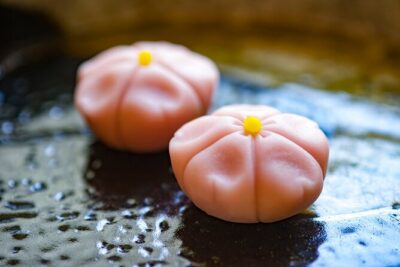
Matcha Making Class in Osaka with Authentic Japanese Sweets Set
Read our review →
Matcha Making Experience with Mochi Sweets in Asakusa
Read our review →London Traditional English Scone Making and Tea Workshop
Read our review →
Nara:Authentic Tea Ceremony(Max 5 ppl) -Master Matcha Making
Read our review →Browse the lists this tour appears in