
Review · TOKYO
Authentic Japanese tea tasting session: sencha, matcha, gyokuro
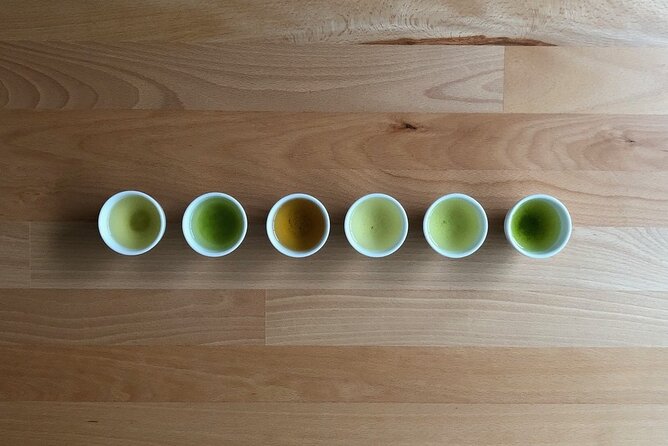
Japanese tea makes much more sense when you taste several styles side by side. In this small-group session at ShiZen Tea in Tokyo, you compare everyday sencha with high-grade gyokuro, matcha, and other distinctive teas while Yosuke explains how farming, processing, water temperature, and history change what reaches your cup.
I like the small maximum of four people, which gives you room to ask questions. I also like the practical focus: you do not just drink tea, you learn how each kind is made and what to notice in its flavor. The main consideration is that this is a lesson and tasting, not a formal tea ceremony, and the caffeine load may matter if you are sensitive.
Key points to know before booking
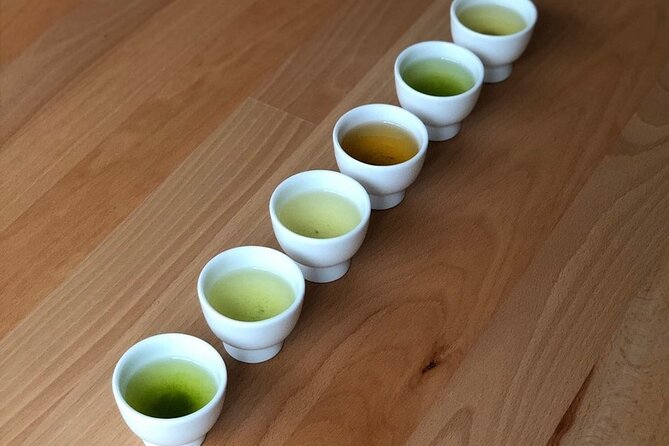
- Taste a broad range of Japanese tea: The session is designed around 12 teas, including sencha, matcha, gyokuro, everyday teas, and premium examples.
- Compare teas side by side: The format helps you notice differences in flavor, production, brewing temperature, and quality.
- Learn from Yosuke: His explanations cover tea farming, processing, regional differences, and the history behind each style.
- Expect a compact class: The activity lasts about 90 minutes and has a maximum of four people.
- Meet in Morishita: The session begins at ShiZen Tea ExperienceJapan in Koto City and ends at the same place.
- Plan for caffeine: Tell the host in advance if you are caffeine sensitive.
Why this Tokyo tea tasting is different
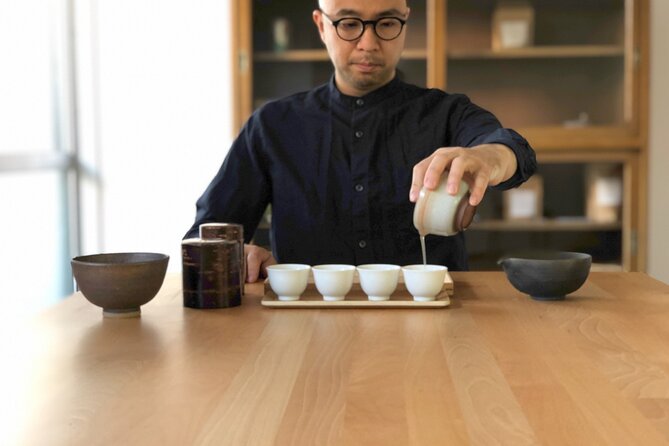
Many tea experiences in Japan focus on ceremony, manners, and the careful movements used to prepare a bowl of matcha. This one takes another path. You come to taste, compare, and understand.
That difference matters. If you have ever bought sencha and wondered why one packet costs far more than another, this session gives you a useful starting point. You learn how cultivation and processing affect the final drink, then taste those differences rather than simply hearing about them.
The central idea is comparison. A single cup of tea can be pleasant, but several cups served in a guided sequence give you a point of reference. You may notice that one tea feels grassy, another more savory, another lighter and more delicate. You also begin to understand why brewing instructions change from one tea to the next.
The session includes both daily tea and high-end tea. That balance is important. Premium tea can seem abstract if you have nothing ordinary beside it. By tasting both, you get a clearer sense of what makes a tea special and decide what you actually enjoy, rather than assuming the most expensive option will be your favorite.
More Matcha Experiences in Tokyo:
- Matcha Making Class in Tokyo with Authentic Japanese Sweets Set
★ 5.0 · 744 reviews - Tokyo: Matcha Making Experience with Mochi Sweets in Asakusa
★ 4.9 · 388 reviews - Asakusa Cultural Walk & Matcha Making Tour
★ 5.0 · 245 reviews
Starting at ShiZen Tea in Morishita
The meeting point is ShiZen Tea ExperienceJapan, at 2-28-3 Morishita, Koto City, Tokyo, in the Morishita TM Mansion, room 202. The activity starts at 1:30 p.m. and lasts about an hour and a half.
Morishita is a practical setting for this kind of activity. You are not being rushed through a major sightseeing stop or asked to fit a tea lesson into a large commercial attraction. The experience takes place in a small setting, with the tea itself doing most of the work.
The location is near public transportation, but you should still allow time to find the exact building and room. Tokyo addresses can be confusing, especially when a meeting point is inside an apartment-style building. Save the full address on your phone before leaving your hotel, and keep the mobile ticket available.
The group limit is four people. That is one of the strongest practical features here. A small group makes it easier to ask why a particular tea tastes different, request another explanation, or discuss the brewing method without waiting through a long line of questions.
Tasting sencha, matcha, and gyokuro side by side
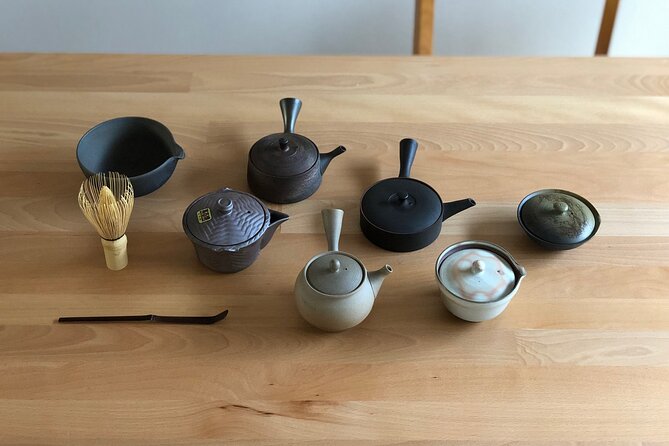
The advertised tasting includes 12 types of Japanese tea. The session centers on green tea, with well-known styles such as sencha, matcha, and gyokuro alongside other examples chosen to show the range of Japanese production.
Sencha is the everyday reference point for many people. It is a useful place to begin because it shows what Japanese green tea commonly tastes like, while also leaving room to compare more specialized styles.
Matcha is prepared differently from leaf tea. Instead of steeping leaves and discarding them, you consume the powdered tea itself. This makes matcha feel fuller and more direct, and it gives the lesson a clear example of how preparation changes the drinking experience.
Gyokuro is a premium tea with a very different reputation and production method from ordinary sencha. Tasting it in the same session helps you understand why it is treated as a special tea, rather than simply accepting a higher price without context.
The experience also includes teas that are unusual even for people living in Japan. That is a useful part of the program, especially if you have already tried green tea in restaurants or bought standard tea bags. You are not limited to the most familiar names.
One detail needs clarification before you book. The main description presents the activity as a 12-tea tasting, while other supplied details describe tastings of nine teas. The exact number may depend on the session or the tea selection. If tasting all 12 is important to you, contact ShiZen Tea before booking and confirm the current lineup.
Understanding how Japanese tea is made
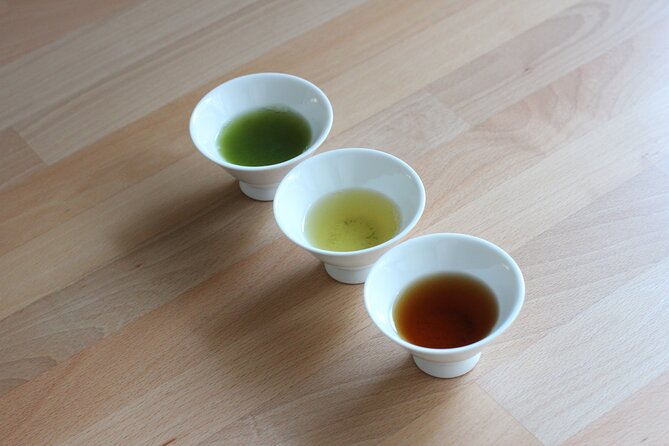
The lesson does not treat tea as a list of names to memorize. Each sample comes with an explanation of how it is produced and some background on its history.
You learn why the same plant can become different kinds of tea. Farming choices, growing conditions, harvesting, steaming, rolling, drying, and grinding all affect the final drink. The useful point is not just knowing these terms. It is learning to connect them with what you taste.
Regional differences are part of the discussion as well. Japanese tea is not one uniform product. Where tea is grown and how local producers work can shape the flavor and character of the finished leaves.
The host also explains brewing temperature. This is one of the most practical parts of the session because water that is too hot can make some delicate teas taste harsh or bitter. A cooler temperature may bring out a softer, sweeter character. You leave with information that can change how you prepare tea at home.
The explanations are methodical rather than rushed. Yosuke’s preparation is careful, and the class includes enough detail for people who want more than a quick tasting. One session included a nine-page handout, so you may receive written material that helps you follow the samples and remember what you learned later.
More Tea Tastings in Tokyo:
- Matcha Experience with of Japanese Tea Tasting in Tokyo
★ 5.0 · 31 reviews - Tokyo: Matcha Tasting and Making Experience
★ 4.9 · 21 reviews - Authentic Japanese tea tasting: sencha, matcha and gyokuro
★ 5.0 · 12 reviews - Private Tea Ceremony and Sake Tasting in Kyoto Samurai House
★ 5.0 · 163 reviews
What the 90-minute format feels like
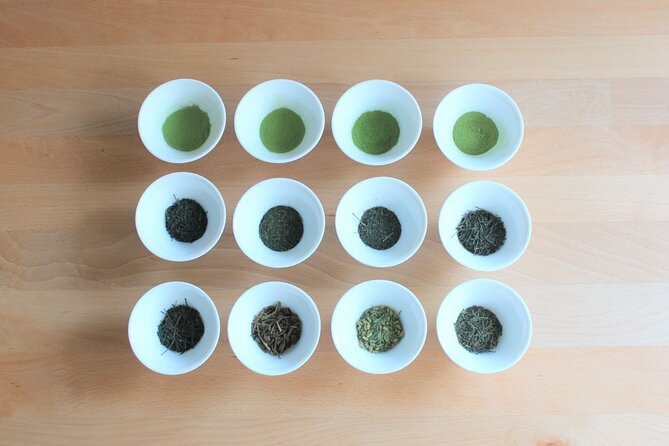
An hour and a half is a sensible length for a tasting like this. It gives you time to sample several teas without turning the class into an all-day commitment.
The first part is likely to establish the basic differences between tea types and production methods. From there, the tasting can become more specific as you compare daily teas with premium selections and discuss regions, brewing, and history.
The pace is designed for learning, not for rushing from one cup to the next. You have time to pay attention to aroma, color, taste, and texture. If you enjoy wine tastings, the structure will feel familiar, but the subject is more unusual for many visitors to Japan.
The small group also helps the rhythm. You can ask direct questions about a tea you do not understand, or return to a point about temperature and preparation. That personal exchange is harder to get in a large workshop.
The one limit is that 90 minutes passes quickly when 12 teas are involved. You should not expect a long ceremony, a full meal, or a leisurely afternoon at the venue. This is a focused introduction with a lot of information packed into a short period.
The teaching style and the host
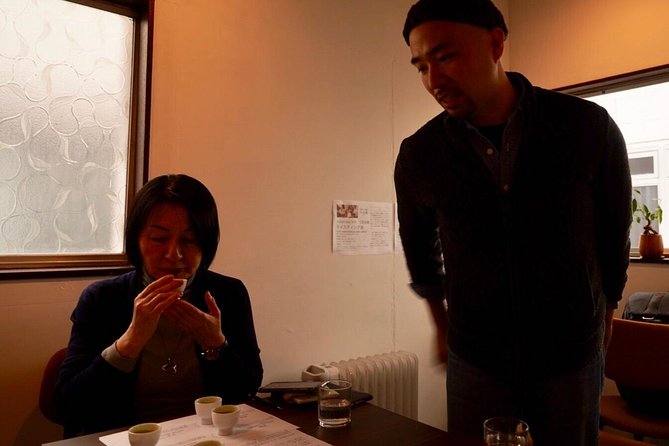
Yosuke is the host named in the supplied experience details. His role goes beyond pouring samples. He explains tea types, farming, production, regions, history, and the reasons behind different preparation methods.
The strongest praise centers on his organization and clear communication. That matters because tea terminology can become confusing fast. A host who gives each tea a place in the larger picture helps you remember what you tasted and why it differed.
His careful preparation is also part of the experience. You can watch how the tea is handled and prepared, rather than treating the cups as anonymous samples. This gives you a better sense of the care involved in premium tea.
You should come ready to ask questions. The format is particularly useful if you want to know how to choose tea in a shop, why one tea costs more than another, or what temperature to use at home. The value comes partly from the chance to connect general information with your own preferences.
Is $90.80 a fair price?
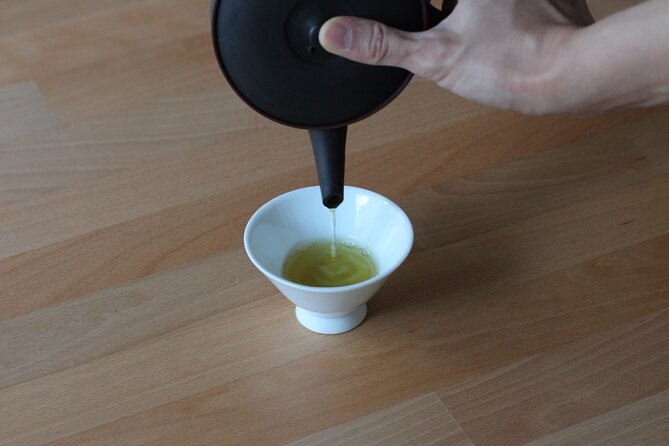
At $90.80 per person, this is not a casual cup of tea. You are paying for a guided tasting, a small group, a broad selection, and instruction from a specialist.
The price makes more sense if you value comparison and explanation. Twelve teas purchased separately could cost much more, especially when premium gyokuro or unusual Japanese teas are included. You also avoid spending money on teas you may not like simply because the package looks attractive.
The session can be especially useful early in a Japan trip. Once you understand the differences between tea types, you can shop with more confidence in Tokyo, Kyoto, or other cities. You may also find that you prefer an ordinary sencha to a costly premium tea. That is a good result, not a failure.
For someone who only wants to drink matcha for a few minutes, the cost is harder to justify. A simpler café visit or short matcha stop would suit that purpose better. This experience earns its price through the teaching and range of samples, not through ceremony or sightseeing.
The average booking lead time is 16 days. That suggests planning ahead, especially if you want the 1:30 p.m. start on a particular date. Confirmation arrives at booking, and free cancellation is available until 24 hours before the start time. Changes or cancellations inside that 24-hour window are not accepted for a refund.
Who will enjoy this most
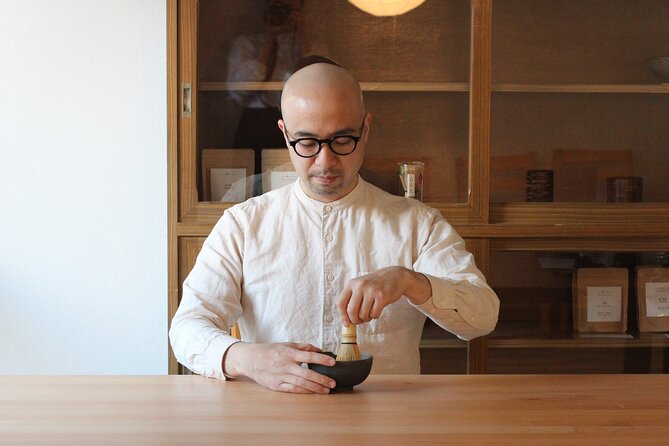
I would recommend this session to anyone who already drinks green tea and wants to understand it better. It also works well for people who enjoy food history, production methods, or guided tastings.
It is a good fit if you want:
- A small group rather than a large class
- A clear comparison of everyday and premium teas
- Practical advice about brewing temperature
- Background on tea farming and regional differences
- A better sense of which Japanese tea you personally prefer
You do not need to be a tea expert. In fact, beginners may get the most from the side-by-side structure. The session gives you a vocabulary and a set of reference points without requiring prior knowledge.
You may want to skip it if you are looking for a formal tea ceremony with traditional gestures, special clothing, or a strong focus on etiquette. The description is clear that this is about taste, production, and history.
Caffeine-sensitive drinkers should contact the host before attending. With many samples in a short period, this is not a small amount of tea, even if each serving is modest.
Practical details for your afternoon in Tokyo
The session begins at 1:30 p.m. and returns you to the meeting point when it ends. That makes it easy to pair with other plans in Tokyo, though I would avoid booking an important timed attraction immediately afterward. The class may finish at the expected time, but discussion and questions can make a tight schedule less comfortable.
The activity is available with a mobile ticket. Keep the ticket and address handy, and check the building details before setting out.
The maximum group size is four people. If you are traveling as a couple or small family, this keeps the experience personal. If you book alone, the small format still gives you a better chance to speak directly with Yosuke.
The experience is near public transportation, but the supplied information does not specify a particular station or walking time. Use the full address rather than relying only on the venue name.
Should you book the ShiZen Tea session?
Book it if you want to understand Japanese tea rather than simply take a pleasant drink break. The combination of 12 planned samples, premium and everyday styles, production lessons, regional context, and a four-person limit gives you a useful foundation.
I especially like this for a visitor who has tried sencha or matcha but cannot explain the difference between them. The session gives you a practical way to taste those differences and then choose tea with more confidence.
Skip it if your main goal is a traditional tea ceremony or a quick photo-friendly activity. This is a focused class, and the $90.80 price is best justified by curiosity, attention, and a willingness to taste several cups in succession.
FAQ
Where does the Japanese tea tasting take place?
It takes place at ShiZen Tea ExperienceJapan, 135-0004 Tokyo, Koto City, Morishita, 2-chōme 28-3, Morishita TM Mansion 202.
What time does the activity start?
The start time is 1:30 p.m.
How long does the tea tasting last?
The activity lasts approximately 1 hour and 30 minutes.
How many teas will I taste?
The main activity information describes a tasting of 12 Japanese teas. Other supplied details refer to tastings of nine teas, so contact ShiZen Tea if the exact number is important to you.
Which types of tea are included?
The experience focuses on Japanese green tea and includes sencha, matcha, gyokuro, everyday teas, premium teas, and other varieties.
Is this a traditional Japanese tea ceremony?
No. The session focuses on flavor, production methods, tea history, and regional differences rather than formal tea ceremony procedures.
How many people can join?
The maximum group size is four people.
What should I do if I am sensitive to caffeine?
Inform the host before the session if you are caffeine sensitive.
Can I cancel for a full refund?
Yes. You can cancel at least 24 hours before the local start time for a full refund. Cancellations or changes made less than 24 hours before the start time are not accepted for a refund.
More Food and Drink Tours in Tokyo
- Experience all of Japanese culture and Japanese food experience classes “origami, udon, Japanese food, green tea, calligraphy” in 4 hours
★ 5.0 · 105 reviews - Tokyo Sushi Making Class : Sake Ceremony & Matcha Experience
★ 5.0 · 44 reviews - Kimono and Tea Ceremony in Asakusa Private Food Tour With Guide
★ 5.0 · 4 reviews - Arashiyama Bamboo, Temple, Monkeys, or Secret Sake Brewery
★ 4.8 · 886 reviews
Just added around Tokyo
- Yokohama : Tea Ceremony with Sweets and Souvenir★ 5.0 · 5 reviews
- Walking Tour: Yanaka,Nezu& Sendagi: Tea Ceremony & Old Tokyo★ 5.0 · 3 reviews
- Private Mochi・Matcha sweets Making Class Near Shibuya Area★ 5.0 · 22 reviews
- 2 Hours Mochi &Nerikiri Making & Matcha Class in Bunkyo★ 5.0 · 21 reviews
- Private Kimono and tea ceremony at local home near Tokyo Disney★ 5.0 · 6 reviews
- Tokyo Sweets Tour: Hidden Gems & Matcha at an Old Tea House★ 5.0 · 6 reviews
- Giant Sushi Cooking Class: Make a 1.5m Sushi Roll in Tokyo★ 5.0 · 9 reviews
- Tokyo Tea Ceremony Class at a Traditional Tea Room★ 5.0 · 2 reviews
Matcha Experiences, compared.
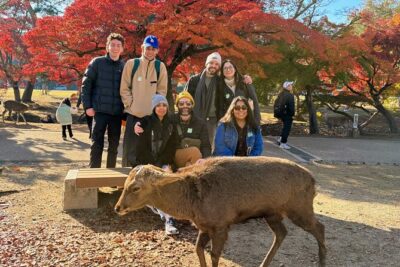
World Heritage Kyoto & Nara Uji Authentic Matcha Experience
Read our review →
Matcha Making Class in Tokyo with Authentic Japanese Sweets Set
Read our review →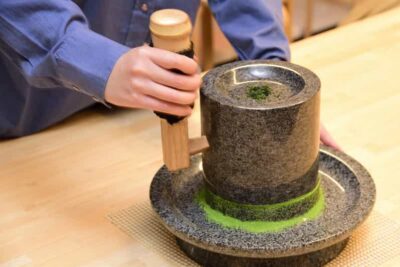
Tea Museum Tickets and Matcha Grinding Experience
Read our review →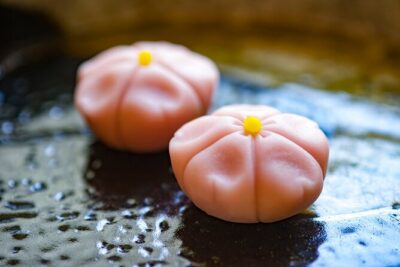
Matcha Making Class in Osaka with Authentic Japanese Sweets Set
Read our review →
Tea Ceremony Meditation – Make Matcha with Tea Master
Read our review →
Matcha Making Experience with Mochi Sweets in Asakusa
Read our review →
Browse the lists this tour appears in