
Review · TOKYO
Hands-On Japanese Craft in Tokyo with Mochi Wagashi & Matcha
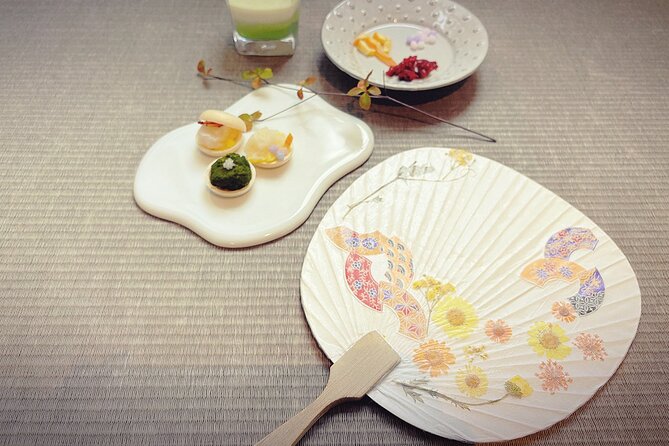
The best part of this Tokyo workshop is that you do not just look at Japanese culture. You make something with your own hands. You decorate a round uchiwa fan with pressed flowers and Japanese-patterned origami, then take it home. The activity is gentle, creative, and easy to enjoy even if you do not think of yourself as artistic.
I like two things in particular: the fan becomes a personal souvenir rather than a mass-produced trinket, and the food session keeps matcha approachable by serving it as a creamy latte. The modern monaka, with custard, mochi, and dried fruit instead of a heavy red-bean filling, is another smart touch.
The main consideration is the price. At $78.69 per person for about 90 minutes, this is not a bargain snack stop. You are paying for instruction, supplies, food, and a guided cultural activity, so it suits you best when you want participation rather than a quick tasting.
Key points to know before booking
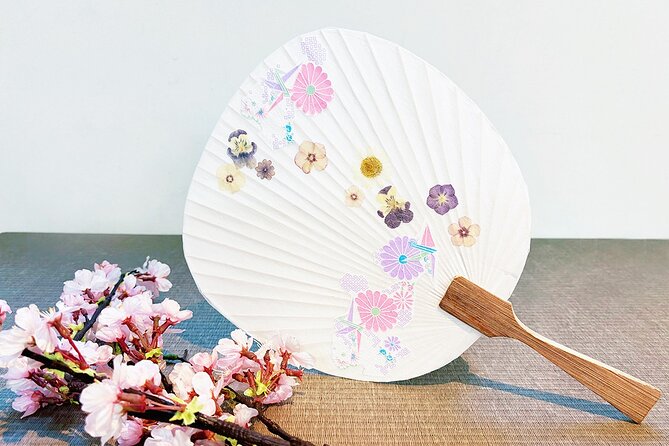
- Pressed-flower uchiwa: Decorate a traditional round Japanese fan and take your finished piece home.
- Easy matcha introduction: Prepare a matcha latte with milk, making the drink milder than plain matcha.
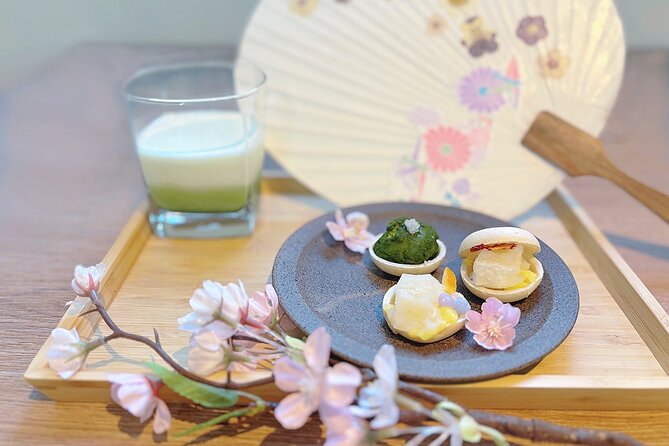
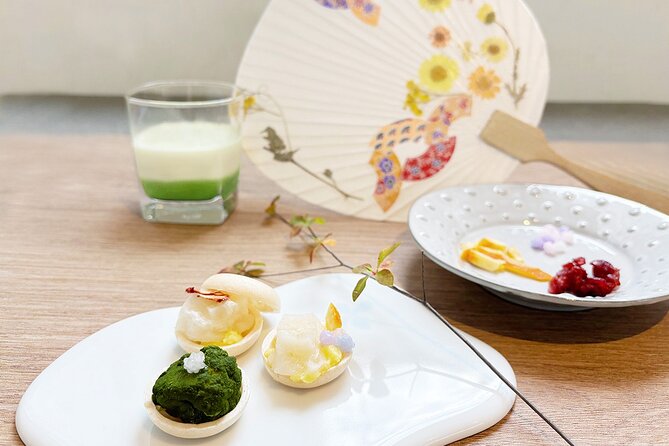
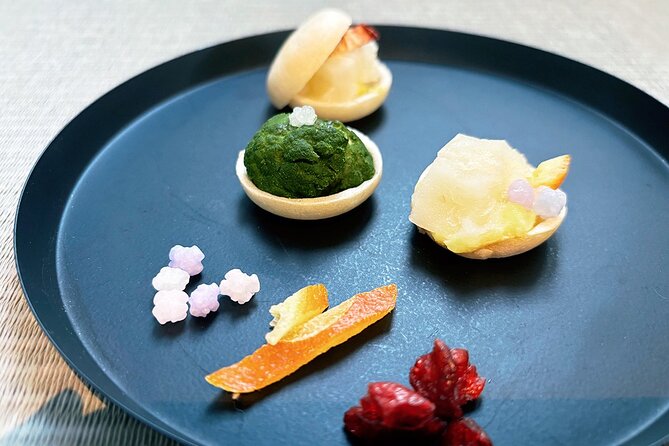
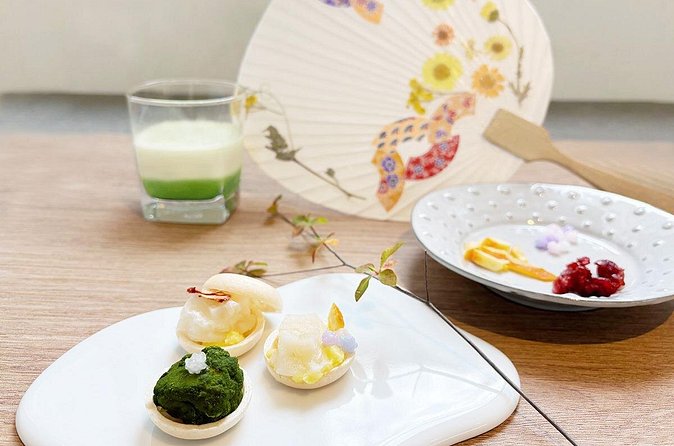
- Two unusual wagashi: Try a modern monaka with custard, mochi, and dried fruit, plus a sweet shaped like a moss ball.
- Small group setting: The program accepts a maximum of 15 people, which allows for hands-on help.
- Compact Tokyo activity: The session lasts roughly 1 hour 30 minutes and ends back at the meeting point.
- Flexible cancellation: Cancel at least 24 hours before the start time for a full refund, subject to the stated weather and minimum-group conditions.
Making an uchiwa you can actually use
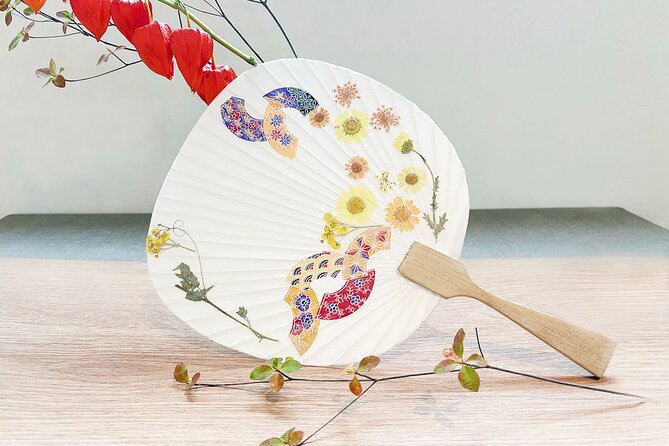
The workshop begins with the craft that gives the experience its strongest sense of place: decorating an uchiwa. Unlike a folding fan, an uchiwa is a stiff, round fan with a long handle. In Japan, it has long been used in summer to move air and create a small breeze.
Here, you use pressed flowers and origami paper with Japanese patterns to build your own design. The materials do much of the hard work. You do not need to arrive with a plan, drawing skills, or experience with Japanese crafts. You choose from prepared decorative elements and arrange them on the fan.
That makes this a good activity for families, first-time crafters, and anyone who prefers making something over sitting through a lecture. The finished fan is also more useful than many small souvenirs. It is light, easy to pack, and carries a clear connection to the activity you just completed.
The process has a thoughtful link to Japanese appreciation of nature. The flowers bring plants into the design, while the paper patterns add a traditional visual note. You get a small lesson in Japanese aesthetics without being asked to memorize dates, terms, or formal rules.
One detail adds extra interest: the flower design is fixed to the fan with an iron. This gives the craft a more finished feel than simply sticking decorations onto paper. It also means you should follow the instructor’s guidance carefully during that part of the activity.
Your design will be your own. Even if everyone begins with similar materials, the placement of flowers and paper creates different results. That personal element is why this works better as a souvenir than buying an uchiwa in a shop.
More Japanese Sweets and Tea Sessions in Tokyo:
- Matcha Making Class in Tokyo with Authentic Japanese Sweets Set
★ 5.0 · 744 reviews - Sweets Making and Kimono Tea Ceremony at Tokyo Maikoya
★ 5.0 · 57 reviews - Japanese Traditional Sweets making and Tea Ceremony
★ 4.7 · 50 reviews
Why the craft works for non-artists
You do not need to be especially creative to have a good time here. The activity is structured enough to guide you, but open enough to let you make choices. That is a useful balance: too much freedom can make a short workshop stressful, while a fixed design can feel like assembly-line work.
The instructor and staff help with each stage, including the matcha preparation. The experience is designed to be friendly and patient, even for people who are new to the activity. That support matters if you are working with children, joining as part of a large family group, or simply do not feel confident with your hands.
The reported atmosphere is calm and welcoming. You can take photos during the making process, share the finished fan with friends and family, and enjoy the activity at a relaxed pace. Since the session lasts only 90 minutes, it gives you a cultural break without taking over half a day.
Still, keep your expectations in line. This is a guided craft session, not an advanced lesson in Japanese fan-making. The value comes from the act of creating and the chance to connect it with food and tea. If you want a long, technical workshop, this will feel brief.
A mild matcha latte for first-timers
After the fan-making session, you prepare and drink matcha latte. Matcha is powdered Japanese green tea, and its flavor can be grassy, bitter, and quite strong when served plain. Milk softens those qualities and gives the drink a smooth, creamy texture.
That makes the latte a useful introduction if you have never tried matcha. It also suits children and anyone who is unsure about unsweetened green tea. You still experience the color and basic flavor of matcha, but the milk makes the drink closer to something you might order at a coffee shop.
The hands-on part matters. You are guided through the steps so you do not simply receive a finished drink. The activity includes making your own matcha, with staff helping along the way. Even people who do not usually choose matcha can enjoy the process because it is practical and social.
Do not book this expecting a formal tea ceremony. The format is casual and modern. It focuses on preparing a drink you can enjoy, not on a long sequence of ceremonial movements or a detailed lesson in tea history.
That casual approach is one of the program’s strengths. You can learn by doing, ask for help, and taste the result immediately. If you already enjoy matcha, you will likely appreciate the chance to make it yourself. If you are new to it, the latte is a softer place to begin than plain matcha.
Two wagashi with a modern twist
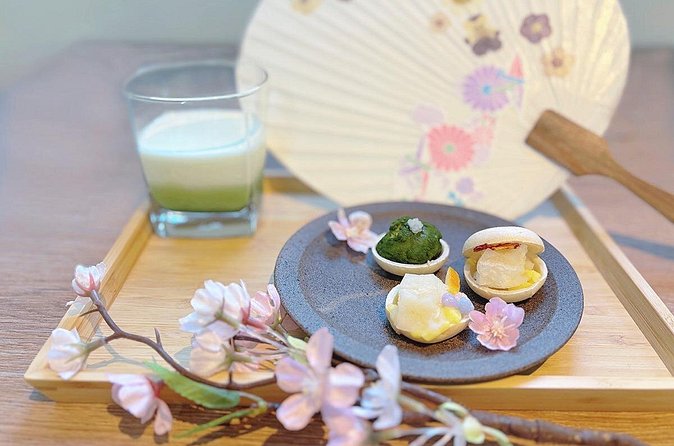
The food portion includes two Japanese sweets, both designed to be attractive as well as edible. They offer more variety than a single tea-and-dessert pairing.
The first is a modern monaka. Traditional monaka uses crisp wafer shells, often with a sweet bean filling. This version adds custard cream, mochi, and dried fruit. The combination gives you several textures at once: a light crunch from the wafer, softness from the mochi, creaminess from the custard, and a fruit accent on top.
This is particularly useful if you do not enjoy red-bean paste. The filling here is custard-based, so the sweet is easier for many first-time visitors to approach. The dried fruit also lets you add a personal touch to the finished dessert.
The second sweet is inspired by kokedama. A kokedama is a Japanese gardening style in which a plant grows in a ball of soil covered with moss. The dessert copies that rounded moss-ball look, turning a gardening idea into a small, playful sweet.
The kokedama-inspired item is a visual highlight, especially if you like food that photographs well. It also connects the tasting portion to the fan-making session, where flowers and plants are part of the design. You are not just sampling unrelated snacks. The craft and food share a nature theme.
The sweets are described as mochi wagashi, but the two items differ in texture and presentation. The monaka gives you a crisp wafer and layered filling, while the kokedama sweet is shaped around a softer, rounded concept. Together, they make the tasting more interesting than a standard dessert plate.
More Matcha Experiences in Tokyo:
- Tokyo: Matcha Making Experience with Mochi Sweets in Asakusa
★ 4.9 · 388 reviews - Asakusa Cultural Walk & Matcha Making Tour
★ 5.0 · 245 reviews - Tokyo: Matcha and Kimono Experience
★ 4.7 · 219 reviews - Tokyo: Asakusa Kimono Dressing and Matcha Experience
★ 4.9 · 173 reviews
What the 90-minute schedule means for you
At approximately 1 hour 30 minutes, this is a compact activity. You can fit it into a Tokyo day alongside sightseeing, shopping, or a meal. It is also short enough for children who may struggle with a full-day cultural program.
The time is divided between decorating the fan, preparing the matcha latte, and tasting the two sweets. The exact balance may depend on the group, since the session is hands-on and includes help from the staff. A maximum of 15 people keeps the activity from becoming a very large class, though it is still a group experience rather than a private lesson.
The program starts and ends at the meeting point in Tokyo. Hotel pickup and drop-off are not included, so you need to arrange your own way there and back. The supplied details do not identify a specific station or neighborhood, so check the meeting instructions carefully before setting out.
A mobile ticket is included, which is useful when you are moving around Tokyo with your phone rather than carrying printed paperwork. Confirmation is provided at booking.
The activity requires good weather under its operating policy. If poor weather causes a cancellation, you are offered another date or a full refund. The same applies if the minimum number of participants is not reached. For a smooth day, avoid placing this directly before a nonrefundable reservation or a train you must catch at a precise time.
Is $78.69 a fair price?
The cost is $78.69 per person. That is a fairly high price for a 90-minute activity if you judge it only by the amount of food or the retail value of the fan. You could buy a snack and a decorative fan for far less.
The better comparison is with a short guided workshop. Your fee covers the materials, instruction, matcha latte, two sweets, and the chance to create something under supervision. You are also paying for a prepared setting where the craft is accessible to beginners.
I would call the value reasonable for the right kind of visitor, but not universal. If your main goal is to eat wagashi, this is too expensive for a tasting. If you want a hands-on cultural memory and a souvenir you made yourself, the price makes more sense.
Families should also consider the shared value. One adult and one child each pay the listed price, but both can take part in the craft and food activities. Couples and friends may find the session worthwhile because the finished fans give you something to compare and photograph together.
The price is less attractive for someone who prefers museums, temples, or self-guided sightseeing. This program is about access, guidance, and participation. It is not designed as the cheapest way to sample Japanese culture.
Who will enjoy this Tokyo workshop most
I would recommend this experience to you if you want a low-pressure introduction to Japanese craft and food. It suits first-time visitors who want more than sightseeing but do not want a demanding class.
It is especially well matched to:
- Families looking for a short, creative activity
- Couples or friends who want a shared souvenir
- First-time matcha drinkers
- People who enjoy food styling and photographs
- Visitors who do not like red-bean sweets
- Anyone who wants a break from walking around Tokyo
The program can also work well for someone who has limited time. Ninety minutes is enough to create, taste, and leave with a finished item, without requiring a full morning or afternoon.
You may want to skip it if you dislike sweet foods, have no interest in matcha, or prefer serious instruction in traditional arts. The modern sweets and matcha latte are approachable, but they are still central to the session.
The setting is not described as a private class, and the maximum group size is 15. If you need individual instruction throughout or want a completely quiet activity, a small group can still feel too social.
Practical details before you go
Bring a phone if you want to use the mobile ticket and take photos. You will also want enough time to reach the meeting point, since there is no hotel transportation included.
The fan is the main take-home item. Pack with enough care that it will not be bent during the rest of your day. The experience details do not state how the finished fan is packaged, so you should not assume it will come with a rigid case.
The cancellation policy is simple: cancel at least 24 hours before the local start time for a full refund. Changes or cancellations inside that 24-hour window are not accepted for a refund. Weather and minimum-group cancellations are handled with a new date or refund option.
The activity is capped at 15 people, and confirmation arrives when you book. Since no guide names are provided, choose this for the activity itself rather than expecting a particular instructor.
Should you book this uchiwa and matcha experience?
Book it if you want to make a personal souvenir, try a mild matcha drink, and taste Japanese sweets in one compact session. The flower-decorated fan is the strongest reason to go, while the custard-filled monaka makes the food portion friendly to people who do not like red bean.
I would be more cautious if $78.69 feels high for a short activity or if you want a formal tea ceremony. For families, creative couples, first-time matcha drinkers, and visitors who value participation over sightseeing checklists, this is a thoughtful use of 90 minutes in Tokyo.
FAQ
How long does the Japanese craft and matcha activity last?
The experience lasts approximately 1 hour 30 minutes.
What will I make during the activity?
You will decorate a round uchiwa Japanese fan using pressed flowers and Japanese-patterned origami paper. You can take the finished fan home.
What food and drink are included?
The program includes a matcha latte and two types of Japanese sweets. The sweets are a modern monaka with custard cream, mochi, and dried fruit, plus a kokedama-inspired sweet shaped like a moss ball.
Is the matcha served plain?
No. The matcha is mixed with milk to make a creamy matcha latte. This gives it a milder taste than plain matcha.
How many people can join the activity?
The maximum group size is 15 people.
Are hotel pickup and drop-off included?
No. Hotel pickup and drop-off are not included. The activity begins and ends at the meeting point in Tokyo.
Can I cancel for a full refund?
Yes. You can cancel at least 24 hours before the local start time for a full refund. Cancellations or changes made less than 24 hours before the start time are not accepted for a refund. If the activity is canceled because of poor weather or an insufficient number of participants, you will be offered another date or a full refund.
More Workshops in Tokyo
- Tea Ceremony Workshop in Tokyo by the Experienced Instrucor
★ 5.0 · 189 reviews - Experience all of Japanese culture and Japanese food experience classes “origami, udon, Japanese food, green tea, calligraphy” in 4 hours
★ 5.0 · 105 reviews - Tokyo Sushi Making Class : Sake Ceremony & Matcha Experience
★ 5.0 · 44 reviews - Mochi Matcha Gluten Free Japanese Sweets Class near Shibuya area
★ 5.0 · 26 reviews
Just added around Tokyo
- Yokohama : Tea Ceremony with Sweets and Souvenir★ 5.0 · 5 reviews
- Walking Tour: Yanaka,Nezu& Sendagi: Tea Ceremony & Old Tokyo★ 5.0 · 3 reviews
- 2 Hours Mochi &Nerikiri Making & Matcha Class in Bunkyo★ 5.0 · 21 reviews
- Private Kimono and tea ceremony at local home near Tokyo Disney★ 5.0 · 6 reviews
- Private Mochi・Matcha sweets Making Class Near Shibuya Area★ 5.0 · 22 reviews
- Tokyo Sweets Tour: Hidden Gems & Matcha at an Old Tea House★ 5.0 · 6 reviews
- Giant Sushi Cooking Class: Make a 1.5m Sushi Roll in Tokyo★ 5.0 · 9 reviews
- Tokyo Tea Ceremony Class at a Traditional Tea Room★ 5.0 · 2 reviews
Japanese Sweets & Tea, compared.

Matcha Making Class in Tokyo with Authentic Japanese Sweets Set
Read our review →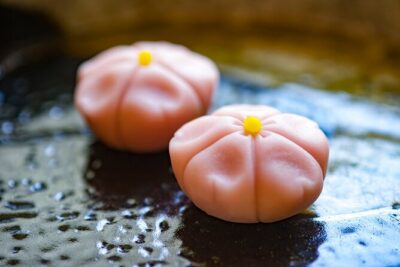
Matcha Making Class in Osaka with Authentic Japanese Sweets Set
Read our review →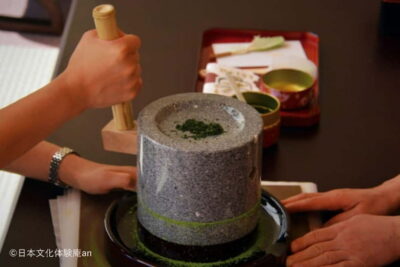
Japanese Traditional Sweets Making and Tea Ceremony
Read our review →
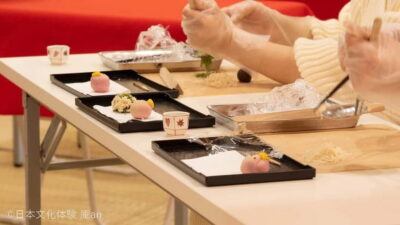
Japanese Traditional Sweets Making and Tea Ceremony
Read our review →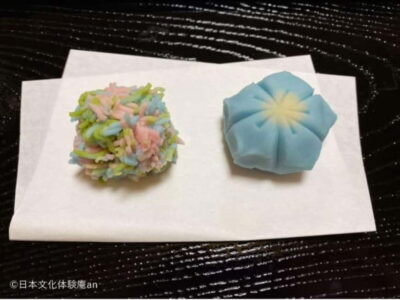
Nagoya: Japanese Traditional Sweets making and Tea Ceremony
Read our review →
Sweets Making and Kimono Tea Ceremony at Tokyo Maikoya
Read our review →
Japanese Traditional Sweets making and Tea Ceremony
Read our review →Browse the lists this tour appears in