
Review · UJI
Uji: UNESCO Heritage & Tea Ceremony Walking Tour
Uji is where Japan’s tea culture meets old temples, quiet river views, and one of the country’s most famous Buddhist buildings. This three-hour walking tour gives you the main sights without turning the visit into a rushed checklist. Byodoin Temple is the star, but the tea ceremony adds the human touch.
I like the small group limit of nine, which leaves room for questions and makes the tea lesson easier to follow. I also like the route itself: temples and shrines are mixed with bridges, local snacks, and green tea rather than treating Uji as one single photo stop. The main consideration is the walking. You’ll be on your feet, and this tour is not suited to people with mobility, heart, respiratory, or pregnancy-related concerns.
Key points to know before you book
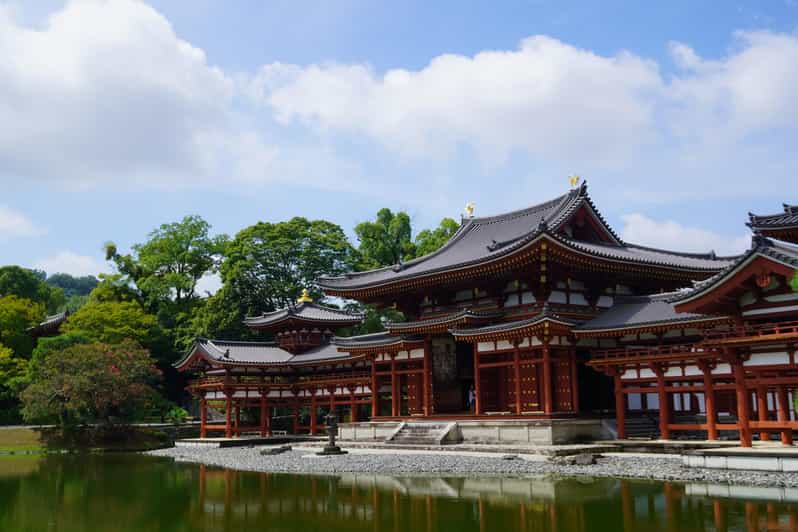
- Byodoin Temple in 50 minutes: See Uji’s best-known UNESCO-listed sight with an English-speaking guide and entrance included.
- Tea ceremony with translation: The ceremony is conducted in Japanese, while your guide explains what is happening in English.
- A compact group of up to nine: Guides such as Yuko, Katsuhiko, Katsu, and Nobumasa Miyake have been praised for clear explanations and a warm manner.
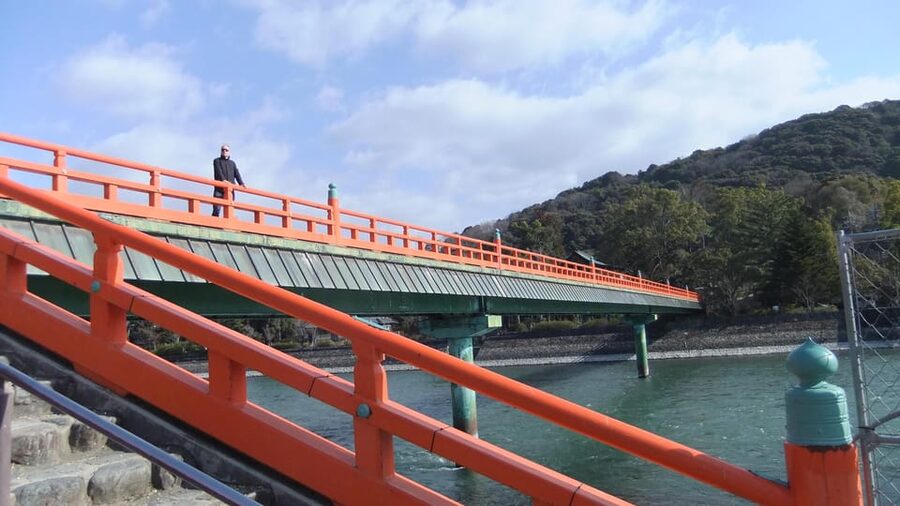
- Shrines and suspension bridges: The route includes Tachibara and Asagiri bridges, Uji Shrine, and Ujigami Shrine.
- Matcha beyond the cup: Finish with local green tea flavors and snacks, with cash useful for personal purchases.
- Good value at $66: Temple admission, guiding, and the tea ceremony are included, though food and personal expenses are extra.
Why Uji works so well for a half-day walk
Uji is an easy place to visit from Kyoto, but it rewards more than a quick stop at a tea shop. Its name is tied closely to Japanese green tea, yet the town also has major Buddhist and Shinto sites, river scenery, and a calm pace that feels different from central Kyoto.
This tour begins at JR Uji Station’s South Exit, then takes you through the town on foot. You finish at Uji Bridge, so the route has a useful one-way shape rather than sending you back to the station.
I like this format for a first visit. You get orientation from a local guide, then enough time at each major stop to understand why it matters. You are not simply handed a list of dates and names. Guides including Yuko, Katsuhiko, Katsu, and Nobumasa Miyake have been singled out for making Japanese culture easier to understand, especially when explaining the difference between Buddhist temples and Shinto shrines.
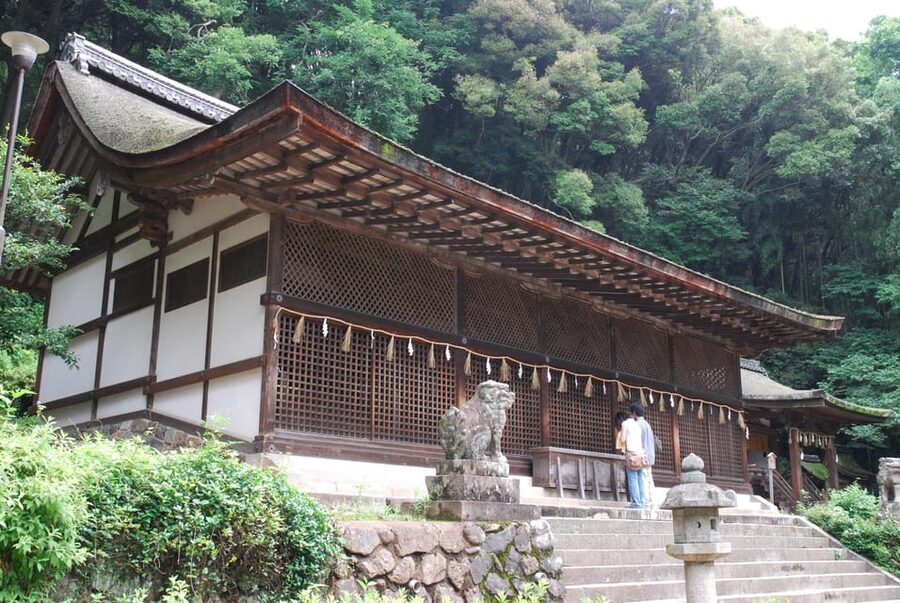
The pace is active but manageable for people who are comfortable walking for three hours. Wear shoes you can walk in without complaint. Uji’s bridges, temple approaches, and shrine paths are part of the appeal, but they are not ideal for anyone who needs easy, accessible surfaces throughout.
More Tea Ceremony Experiences in Uji:
- Uji Tea Ceremony and UNESCO Heritage Walking Tour
★ 5.0 · 20 reviews - Kyoto: Tea Ceremony in a Traditional Tea House in Kiyomizu
★ 4.9 · 3,519 reviews - Kyoto: Tea Ceremony Ju-An at Jotokuji Temple
★ 4.9 · 3,207 reviews
Starting at JR Uji Station
Meet your guide at the South Exit of JR Uji Station at least 10 minutes before the scheduled start. The guide will wear a TripGuru shirt or hold a TripGuru sign, which is useful at a busy station.
This is a walking tour, not a hotel pickup excursion. You need to arrange your own way to the station, and the meeting point matters. Morning traffic can be heavier and less predictable than navigation apps suggest, so leave extra time if you are coming from another part of the Kyoto area.
The small-group setup is one of the tour’s practical strengths. With no more than nine people, you can usually hear the explanations clearly and ask about details that would be easy to miss in a large crowd.
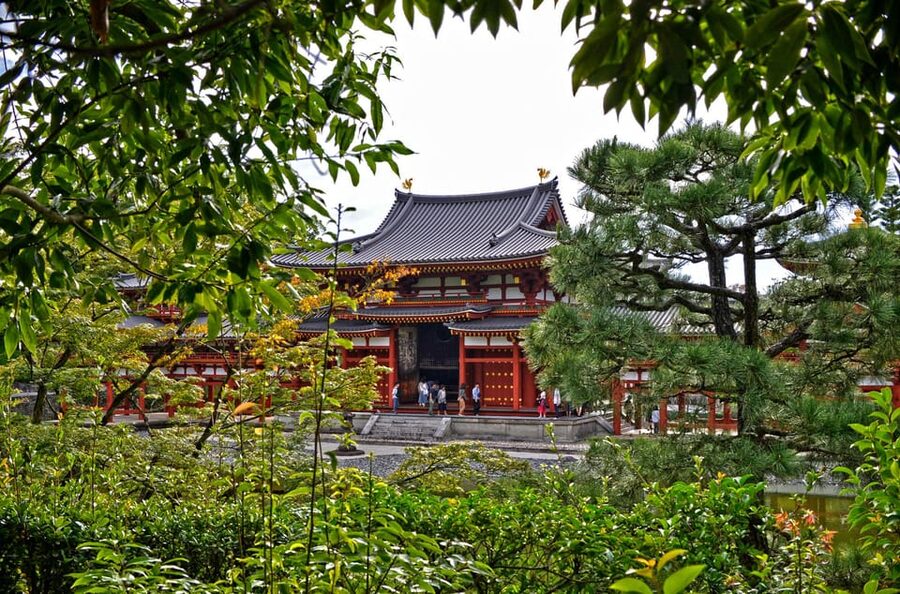
Byodoin Temple, Uji’s great first stop
The first major visit is Byodoin Temple, with about 50 minutes for a guided visit. Entrance is included in the $66 price, so you do not have to manage a separate ticket at the gate.
Byodoin is famous for its elegant Phoenix Hall, an image so familiar in Japan that it appears on the 10-yen coin. The building’s setting beside the pond gives you the classic view, but the value of a guide is in understanding what you are looking at: Buddhist symbolism, the temple’s role, and the way the architecture was meant to be seen.
Fifty minutes is enough for a useful introduction without taking up the whole tour. You can take photographs and enjoy the setting, while your guide supplies the cultural background. If you want a very long temple visit, time may feel tight. If you prefer a focused explanation followed by more stops, the timing works well.
This is also where the tour begins to show its balance. Byodoin is the headline attraction, but the day does not end with one famous building and a gift shop. You keep moving through Uji’s wider religious and tea culture.
A Japanese tea ceremony at Taihoan
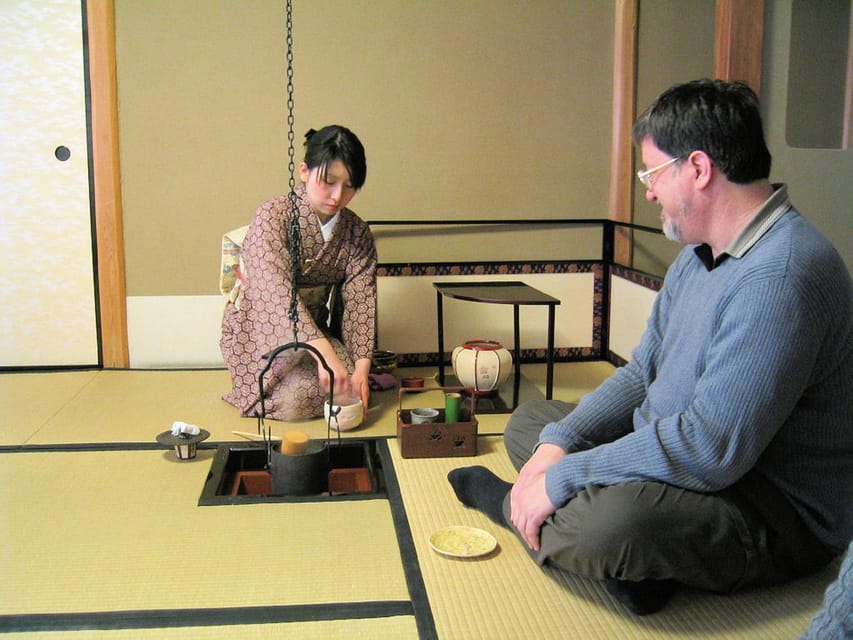
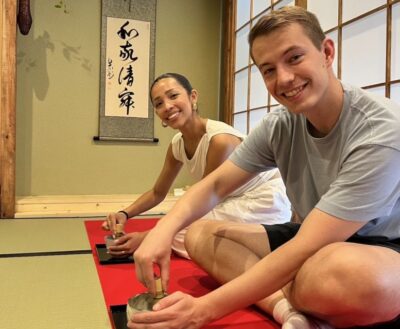
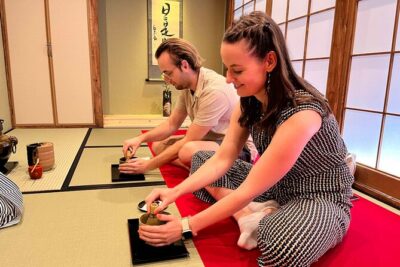
The tea ceremony at Taihoan is the emotional center of the experience. Allow roughly 30 to 40 minutes here. The published details describe 30 minutes as included, while the route allows about 40 minutes, so the exact pace can vary.
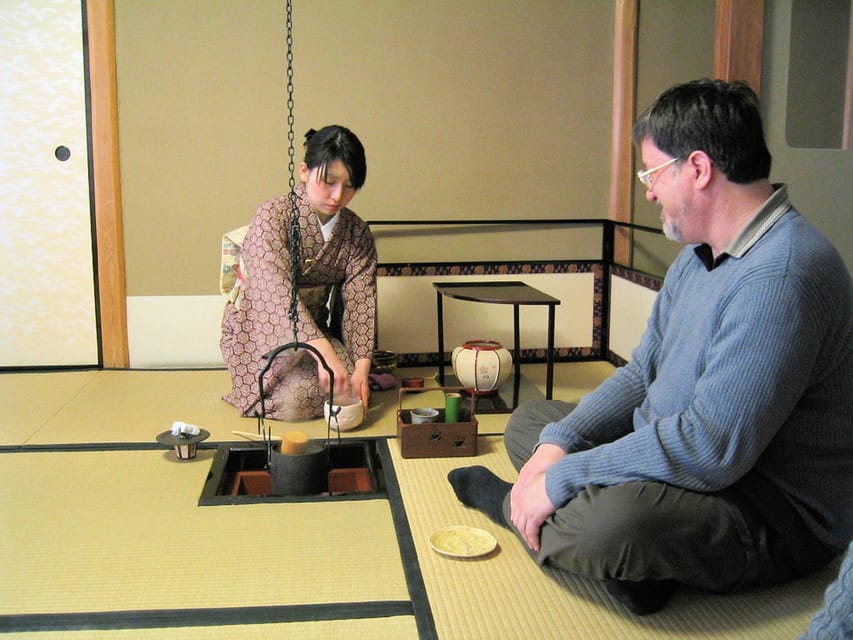
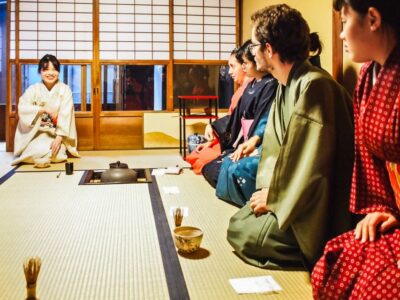
The ceremony is conducted in Japanese. Your guide translates and explains the steps, which is important because the quiet gestures can otherwise seem mysterious. You will learn how the ceremony unfolds and, based on the experience details, have the chance to try it yourself.
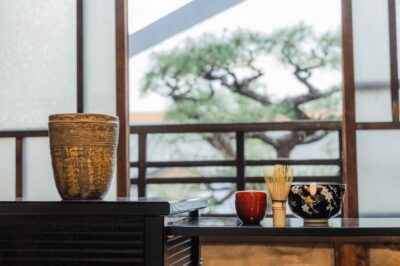
This is not simply a cup of matcha handed to you at a café. The value comes from slowing down and seeing the care behind the preparation, serving, and etiquette. The host is described as welcoming and forgiving when a step does not go perfectly, so you do not need prior knowledge of tea ceremony customs.
There are two practical rules to remember. Photography and video are not allowed during the ceremony, and you should be ready to follow instructions rather than treat the session as a photo opportunity. That restriction may disappoint anyone hoping to record every moment, but it also protects the calm of the ritual.
The ceremony is a good fit if you want participation and explanation, not a formal performance watched from a distance. It may feel less satisfying if you expect a long, highly detailed tea school lesson. This is a compact introduction within a broader Uji walk.
More Heritage Tours in Uji:
- Slow Cycling Tour at Uji’s Matcha Green Tea Fields and Heritage
★ 5.0 · 25 reviews - World Heritage Kyoto & Nara Uji Authentic Matcha Experience
★ 5.0 · 1,573 reviews - Beijing Culture: Tea Ceremony, Heritage Instrument & Calligraphy
★ 5.0 · 57 reviews - Old Delhi’s heritage, Spice market, Masala Chai & food sampling
★ 5.0 · 30 reviews
Bridges, river views, and a change of pace

After the tea ceremony, the tour continues with a short walk and crosses the Tachibara and Asagiri suspension bridges. These crossings give you a different view of Uji, with the river and surrounding scenery replacing temple courtyards and tea-room details.
The bridges matter because they break up the cultural visits. You get fresh air, open views, and a chance to reset before the next explanation. Bring a camera for these sections, since photography is permitted outside the tea ceremony.
The route is not only about famous architecture. Walking across the bridges helps you understand Uji as a riverside town, not just a collection of historic sites. It also adds a little physical variety, though the suspension bridges may not be comfortable for everyone.
Uji Shrine and Ujigami Shrine
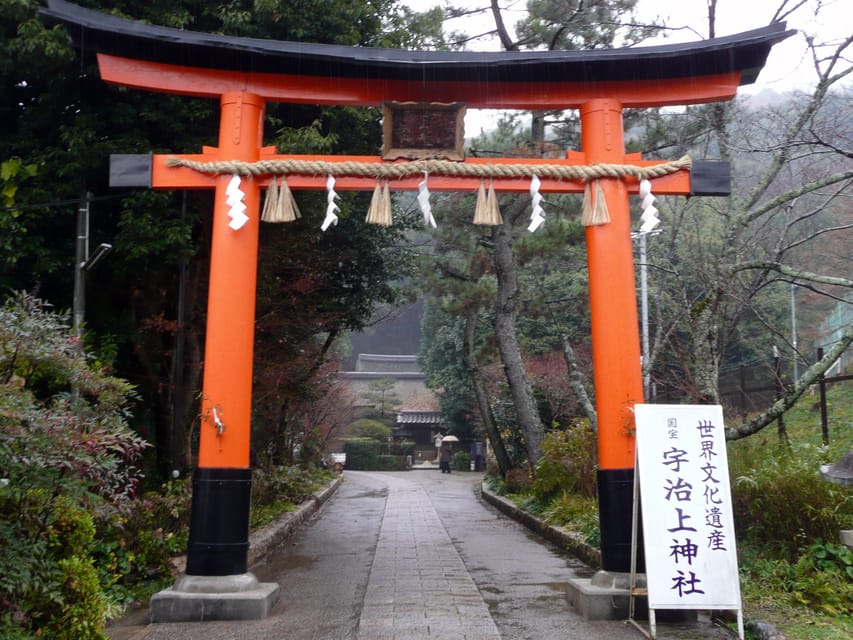
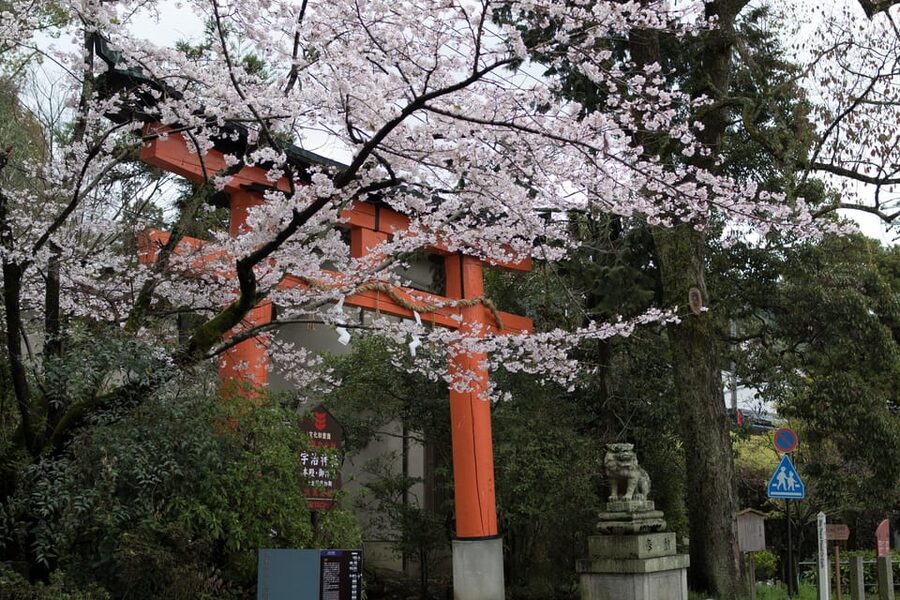
The tour then visits Uji Shrine for about 20 minutes, followed by Ujigami Shrine for another 20 minutes. These stops introduce the Shinto side of Uji after the Buddhist focus at Byodoin.
A guide is especially useful here. Japanese shrines can look simple at first glance, and it is easy to miss the meaning of gates, worship practices, sacred spaces, and the relationship between the buildings. The explanations help you see why these sites are more than attractive wooded stops.
Ujigami Shrine is especially important to the route because it gives you a sense of Uji’s older religious traditions. The two shrine visits are short enough to keep the tour moving, but long enough for a clear introduction.
You should not expect a deep study of Shinto in 20 minutes. Instead, think of these visits as a practical cultural primer. The guides have been praised for explaining both Shinto and Buddhism in plain English, which is helpful if you are visiting Japan for the first time or want to sort out the differences without reading a textbook.
Matcha treats and the walk to Uji Bridge
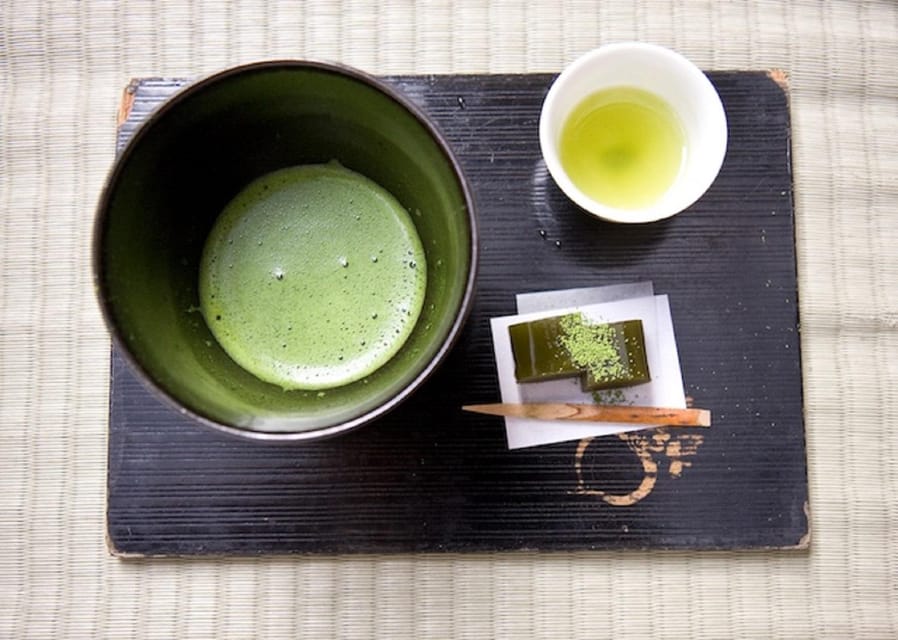
The final section is a 40-minute visit focused on local snacks and Uji green tea flavors. Uji is famous for matcha, but the point here is to experience it in more than one form. You might taste tea or local culinary treats, and you can use the time to ask your guide for ideas about matcha shops, mochi, and restaurants.
The tour ends at Uji Bridge, a natural finishing point with strong links to the town’s identity. Ending here also gives you a chance to continue exploring or stop for additional food after the formal tour ends.
Bring cash. Personal expenses are not included, and you may want to buy sweets or tea to take with you. The guide can point you toward local choices, but purchases remain your responsibility.
This final food stop makes the tour feel more grounded. You leave with temple photographs and cultural context, but also with a practical sense of what Uji tastes like. For many people, that combination is more useful than another long lecture about tea production.
The guides make a real difference
The guide is central to this experience because several stops require explanation rather than simple sightseeing. English-speaking guides named in the tour experiences include Yuko, Katsuhiko, Katsu, and Nobumasa Miyake, along with Miyake-san.
The strongest pattern is clear communication, patience, and cultural explanation. Yuko has been praised for excellent English and useful recommendations for restaurants, matcha shops, and mochi shops. Katsuhiko is known for making the history of Uji, Shinto, and Buddhist culture approachable. Miyake-san has been described as detailed, patient, and accommodating.
Guide quality can vary from one departure to another, so do not assume you will get a particular person unless the booking specifically confirms it. Still, the repeated praise for friendly explanations is reassuring. The small group also gives the guide more opportunity to answer questions instead of delivering one speech and moving on.
Is $66 a fair price?
At $66 per person, the tour offers reasonable value if you want structure and explanation. The price includes an English-speaking guide, admission to Byodoin Temple, and the tea ceremony. It also covers the time and local knowledge needed to connect the stops into one coherent visit.
You still pay for personal purchases and any food or drinks beyond what is included. Hotel pickup and drop-off are not provided, so factor in your transport to JR Uji Station.
The value is strongest for a first visit to Uji. You can certainly walk around independently for less, but you would need to arrange your own temple admission, learn the shrine customs as you go, and find a tea ceremony that offers English support. The tour saves planning time and gives you context at the points where it matters most.
If you already know Uji well and mainly want a quiet, unstructured day, the fixed route may feel unnecessary. For most first-time visitors, the combination of Byodoin, tea ceremony, shrines, bridges, and food makes the fee sensible.
Who should book this Uji experience?
I would choose this tour if you want to see Uji in one morning or afternoon and prefer a guide to fill in the cultural details. It suits couples, solo visitors, and small groups who enjoy walking and want more than a matcha tasting.
It is also a good choice if Japanese religious traditions are unfamiliar to you. The guide can explain the difference between Buddhist and Shinto sites, while the tea ceremony gives you a direct experience of etiquette and preparation.
You may want a different plan if you need step-free access, tire easily while walking, or have heart or respiratory concerns. The activity is specifically not suitable for people with mobility impairments, pregnant women, or people with heart or respiratory issues.
The tour also suits people who enjoy meeting a small group rather than joining a large bus outing. It is not designed for recording the tea ceremony, so photographers should be prepared to put the camera away for that portion.
Should you book the Uji tea and temple walk?
Book it if you want a well-shaped introduction to Uji rather than a single temple visit. The best parts are the English explanations, the calm tea ceremony with translation, and the mix of major sights with bridges and local snacks.
The main limits are the fixed three-hour schedule, the amount of walking, and the no-photo rule during tea ceremony. Those are fair tradeoffs for a compact tour, but you should know them before paying.
At $66, this is a good pick for a first-time visit, especially if you want guidance on tea culture and Japanese religious sites. Arrive early at JR Uji Station, wear comfortable shoes, carry some cash, and leave room in your afternoon for more matcha.
FAQ
How long is the Uji UNESCO Heritage and Tea Ceremony Walking Tour?
The tour lasts three hours.
Where does the tour meet?
The meeting point is the South Exit of JR Uji Station. Your guide will wear a TripGuru shirt or hold a TripGuru sign.
Where does the tour finish?
The tour finishes at Uji Bridge.
Is Byodoin Temple admission included?
Yes. Entrance to Byodoin Temple is included in the tour price.
Is the tea ceremony conducted in English?
The ceremony itself is conducted in Japanese. Your English-speaking guide translates and explains it to you.
Can I take photos during the tea ceremony?
No. Photo and video recording are prohibited during the tea ceremony.
What should I bring?
Bring comfortable shoes, a camera for the parts of the tour outside the tea ceremony, and cash for personal expenses or local purchases.
More Walking Tours in Uji
- Great Ocean Road Tour Plus Koalas, Forest Walk and Morning Tea
★ 4.5 · 1,068 reviews - Great Ocean Road 12 Apostles & Rainforest Walk with Morning Tea
★ 4.5 · 549 reviews - London: Kensington Palace Afternoon Tea & Guided Walk
★ 4.6 · 341 reviews - Notting Hill Walking Tour with Cream Tea
★ 5.0 · 319 reviews
Just added around Uji
- Kyoto tea town for matcha lovers★ 5.0 · 16 reviews
- Uji: Private immersion into Kyoto’s tea and reglious culture★ 5.0 · 17 reviews
- Uji and Wazuka Matcha Farm Half Day Private Guided Tour★ 5.0 · 21 reviews
- Uji Tea Ceremony and UNESCO Heritage Walking Tour★ 5.0 · 20 reviews
- Utilising upcycled Matcha! Creating matcha incense (Uji, Kyoto)★ 5.0 · 6 reviews
- Kyoto Matcha Green Tea Tour★ 4.5 · 23 reviews
- 7 Hours Private Guided Tour Uji and Wazuka Matcha Farm★ 5.0 · 2 reviews
- Half Day Matcha Tour in Uji, home of culture, with a local★ 4.8 · 14 reviews
Tea Ceremony Experiences, compared.
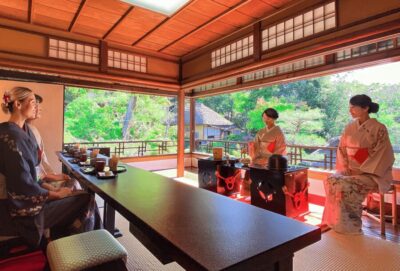
Tea Ceremony in a Traditional Tea House in Kiyomizu
Read our review →
Browse the lists this tour appears in