
Review · KYOTO
Whisk Your Own Matcha: A Zen Matcha Experience at Temple
Matcha here is more than a quick green drink. In a quiet temple setting, you learn how the tea ceremony connects preparation, movement, and Zen practice, then whisk your own bowl with traditional tools. The session lasts 45 minutes and includes a Kyoto sweet and a photo shoot.
I like the hands-on format, since you do not simply watch a host perform the ceremony. I also like the small, personal feel reported by several past participants, with Sakura explaining the customs in English, answering questions, and offering suggestions about buying matcha.
The main caution is finding the correct entrance. The directions identify Shokoji Temple near Kyoto Station, while several successful bookings refer to Grapevine Cafe near Ichinen-zaka and Ninen-zaka. One booking also involved a guide who did not appear. Confirm the location and appointment before setting out.
Key points to know before booking
- You whisk your own matcha, rather than only observing a formal demonstration.
- Sakura hosts the session in English, explaining the meaning behind the ceremony and its gestures.
- The setting may need confirmation, since the supplied directions and past meeting instructions point to different locations.
- Tea and a traditional Kyoto sweet are included, with mochi mentioned by past participants.
- The experience is private or very small in some cases, making it easier to ask questions.
- The price is $32 per person for 45 minutes, a fair rate for an intimate cultural introduction if the arrangements are confirmed.
What happens during the 45-minute matcha session
This is a compact introduction to Japanese tea culture, not a long formal tea ceremony lasting several hours. You arrive, settle into the temple setting, and receive an explanation of the tea ceremony’s background and purpose.
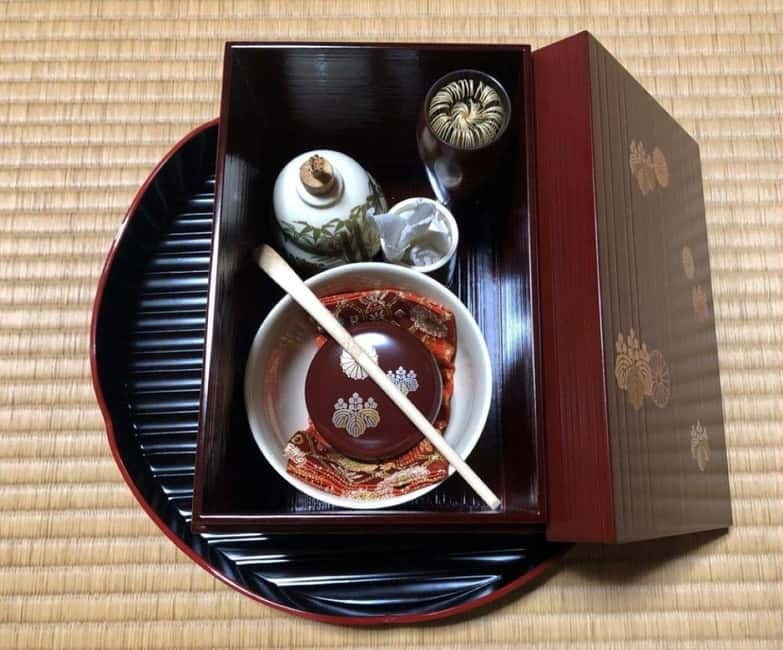
The host then introduces the tools used to prepare matcha. You learn how the bowl, whisk, and other items fit into the ritual. The point is not to rush toward a cup of tea. The preparation itself matters, and each movement has a place within the ceremony.
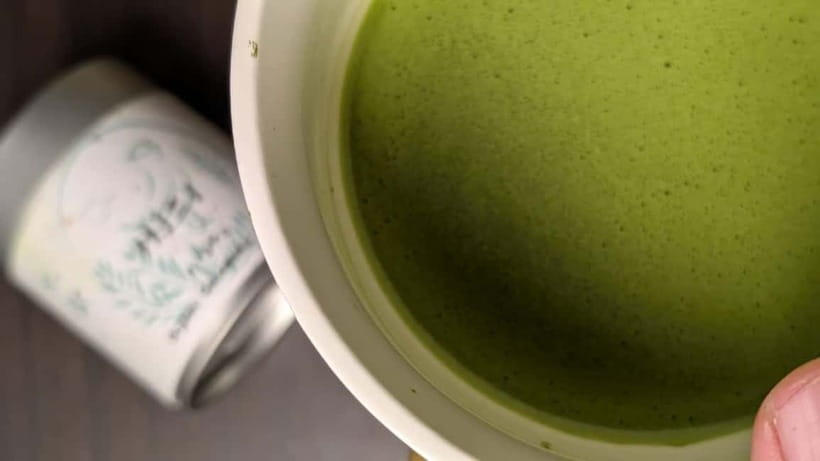
You get to whisk your own matcha. That hands-on step gives the experience its value. It is one thing to see a bowl of green tea appear in front of you. It is another to hold the whisk, work the tea, and understand why the drink is prepared with such care.
The host guides you through the process, so you do not need previous knowledge of tea ceremony customs. English instruction is included, and Sakura has been praised for explaining the details clearly and making time for questions.
The final part is tasting. You enjoy the tea with a traditional Kyoto sweet, including mochi according to one past participant. The sweetness balances matcha’s sharp, grassy taste, and the pairing helps explain why Japanese sweets are often served alongside tea.
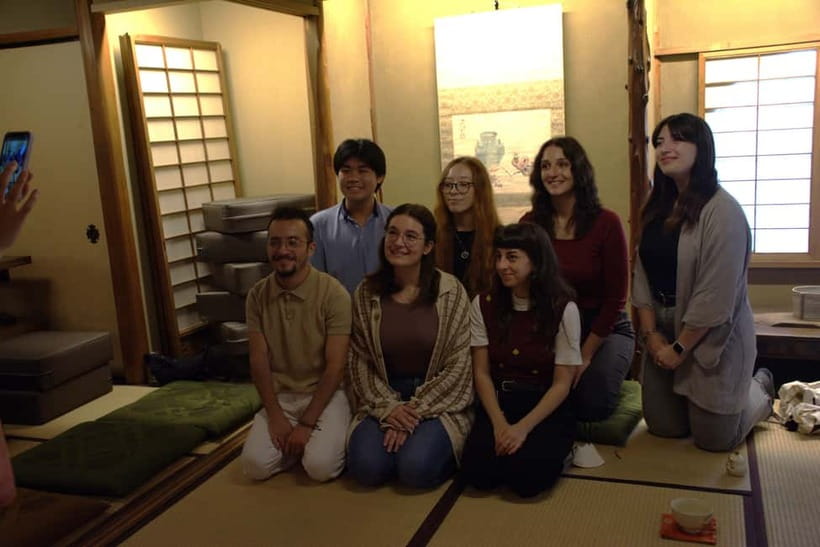
A photo shoot is also included. That makes this more than a quiet tasting, but the photos should be viewed as a small extra rather than the main reason to book. The heart of the experience is learning the preparation and taking part in it yourself.
More Matcha Experiences in Kyoto:
- Kyoto: Arashiyama Bamboo Forest, Monkeys, Matcha & Temple Tour
★ 5.0 · 759 reviews - Kyoto: Tea Ceremony Meditation – Make Matcha with Tea Master
★ 4.8 · 406 reviews - Kyoto: Kimono Tea Ceremony with Matcha and Sweet
★ 4.9 · 249 reviews
Why the Zen connection matters
Matcha has long been linked with Zen practice, and this experience uses that connection to explain why the ceremony feels measured and calm. You are not simply learning a recipe. You are learning how attention can be placed on ordinary actions such as cleaning, whisking, presenting, and drinking.
That does not mean you need to be interested in meditation. I would think of the Zen element as cultural context rather than a spiritual requirement. The host explains the meaning behind the gestures, giving you a better sense of why tea ceremony developed into such a careful art.
The short duration works well here. Forty-five minutes is enough time to learn the basic process without taking half a day from your Kyoto sightseeing. If you want an in-depth study of tea ceremony schools, etiquette, or Japanese ceramics, this session will feel introductory. For a first meeting with matcha, its limited length is useful.
The intimate format makes questions easier
Several past bookings describe a private session rather than a large group activity. That matters because tea ceremony can feel mysterious when you are watching from a distance. In a smaller setting, you can ask why a gesture is made, how to whisk properly, or what kind of matcha to buy later.
Sakura is repeatedly singled out for her friendly manner and clear explanations. One past participant appreciated her answers to questions and her advice about purchasing matcha. Another described a warm session with plenty of laughter. Those details suggest a relaxed teaching style rather than a stiff performance.
I would still keep expectations realistic. The information provided does not promise that every booking is private, so group size may vary. The safest assumption is that you will receive direct instruction, but not necessarily a one-on-one class every time.
The English-language format is a strong point for visitors who want cultural explanation along with the activity. You are not left to copy movements without understanding them. The host can explain the history of the ceremony and the meaning of each step in English.
Temple atmosphere, with an important location warning
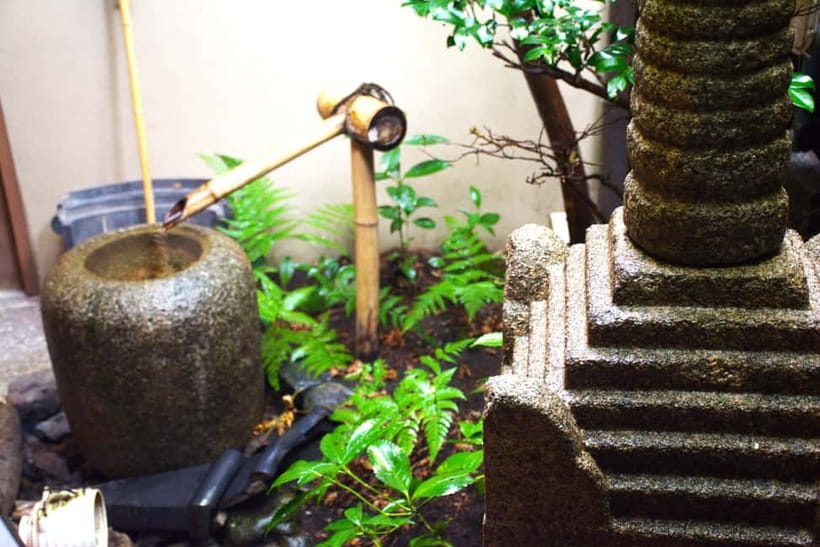
The experience is described as taking place at a Japanese temple, which gives the session a more traditional feel than a standard city cafe tasting. A temple setting can make the ritual easier to understand because the surroundings support the quiet pace of the activity.
But you need to check the address carefully. The official directions describe Shokoji Temple, reached from Kyoto Station by taking the north central exit and walking north along Karasuma Street for about 10 minutes. The temple is said to be on the right after several intersections, with a sign near the entrance.
Past successful visitors instead located Grapevine Cafe near the corner of Ichinen-zaka Street and Ninen-zaka Path. They described vines near the top of the cafe and, in one case, needing to knock to enter. This is a major practical detail, not a minor variation.
The two location descriptions do not match. One past booking also reported arriving at the site and being unable to find a sign, while another reported that the guide did not appear and the local owner said the service was no longer being offered at that time.
Because of this, I would contact ENSHI KYOTO before the day of your booking. Confirm the exact street address, the name visible at the entrance, and whether you should look for Shokoji Temple or Grapevine Cafe. Save the phone number provided for the activity, 080-5259-3796, and keep the email contact available.
This warning does not erase the good experiences, but it changes how I would plan. Do not leave this appointment until the last minute, especially if you have a timed train, dinner reservation, or other tour afterward.
Same place, a different pot:
- Kyoto: Tea Ceremony in a Traditional Tea House in Kiyomizu
★ 4.9 · 3,519 reviews - Kyoto: Tea Ceremony Ju-An at Jotokuji Temple
★ 4.9 · 3,207 reviews - Kyoto: 45-Minute Tea Ceremony Lesson Experience
★ 4.3 · 2,378 reviews - Kyoto: Table-Style Tea Ceremony at a Kyo-Machiya
★ 4.9 · 1,211 reviews
Is $32 a fair price?
At $32 per person, the value depends on what you want from a tea experience. You receive guided instruction, matcha, a Kyoto sweet, and photos during a 45-minute session. For someone looking for a short cultural activity with English explanation, that is a reasonable price.
The cost also reflects the personal nature of the experience. You are not merely buying a drink. You are paying for access to traditional tools, an explanation of tea ceremony customs, and guided participation.
It is less compelling if you only want to taste matcha. Kyoto has many places to buy a bowl of tea for much less, and this activity is not designed as a full meal or extended cultural class. The value comes from the instruction and the chance to prepare the drink yourself.
The mixed overall rating of 3.6 from seven bookings should be taken seriously. Five-star experiences describe a friendly host, clear teaching, private attention, and an enjoyable combination of matcha and mochi. The two one-star accounts raise a separate concern: reliability and directions.
I would not treat the price as the problem. I would treat confirmation of the appointment and meeting point as the deciding factor. If ENSHI KYOTO confirms everything clearly, $32 is a sensible cost for a brief, personal introduction.
What the traditional sweet adds
The sweet is not just a small dessert placed beside the tea. Japanese tea pairings often use sweetness to prepare your palate for matcha’s bitter and vegetal notes.
The exact sweet may vary, but mochi is specifically associated with this experience in past comments. You should expect a traditional Kyoto sweet rather than a large serving. It is a tasting element, not a snack stop.
This pairing also helps you notice how tea ceremony balances flavor. First, the sweet softens your palate. Then the matcha tastes less severe. For a first-time matcha drinker, that can make the cup more approachable.
If you have food allergies or dietary restrictions, ask before booking or at the start of the session. The supplied information does not specify ingredients, substitutions, or allergy accommodations.
Who will enjoy this experience most
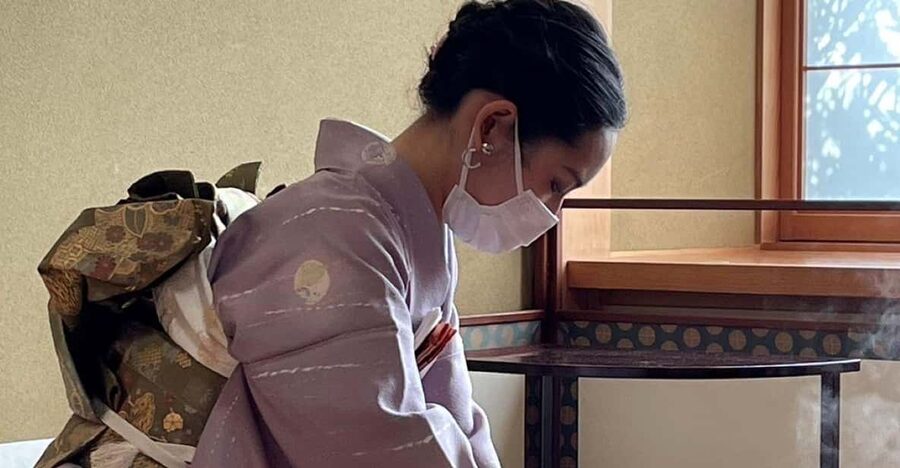
I would recommend it to first-time visitors who want a manageable introduction to Japanese tea ceremony. The short format fits neatly into a Kyoto day, and the English instruction keeps the cultural details accessible.
It also suits anyone who enjoys learning by doing. If you prefer to handle the whisk and prepare your own bowl rather than watch a staged presentation, this is the right kind of activity.
Matcha fans may appreciate the chance to ask about purchasing tea afterward. Sakura has offered buying suggestions in past sessions, which adds practical value for anyone hoping to continue the habit at home.
The experience is less suitable for children under 10, who are not allowed to participate. It is also not suitable for people with back problems, so consider the seating and ceremony posture before booking. Party groups and alcohol or drugs are not allowed, which fits the quiet nature of the session.
Wheelchair access is listed, but the specific route through the temple or cafe is not described. If you use a wheelchair, contact the provider in advance to confirm the entrance and seating arrangement.
Timing and planning around Kyoto
The activity lasts 45 minutes, but I would allow extra time for finding the meeting point. The conflicting location details make a rushed arrival a poor idea.
If you are coming from Kyoto Station, the supplied route takes about 10 minutes on foot after leaving through the north central exit. That estimate refers to Shokoji Temple. If your confirmed meeting place is actually near Ichinen-zaka and Ninen-zaka, your route and travel time will be different.
Plan this as a focused cultural stop rather than something to squeeze between two appointments. Arrive early enough to identify the entrance, read the sign, and contact the provider if needed.
The activity offers free cancellation up to 24 hours before the start time, and you can reserve now while paying later. Those terms help if your Kyoto schedule is still changing, but they do not solve a same-day location problem. Confirming the address remains essential.
My verdict: book after confirming the address
I like the core experience. You learn the background of tea ceremony, use traditional tools, prepare your own matcha, and taste it with a Kyoto sweet. The English-speaking host Sakura has received strong praise for warmth, clear explanations, and helpful answers, and the small format can make the session feel personal.
The weakness is operational, not cultural. The conflicting meeting information and one reported no-show create enough uncertainty that I would not book blindly. Contact ENSHI KYOTO, ask for the current exact entrance, and confirm that Sakura or another host will be there at your scheduled time.
Book it if you want a short, hands-on introduction to matcha and can spare time to verify the arrangements. Skip it if you need a perfectly predictable meeting point or a longer, formal tea ceremony. With the address confirmed, this can be a pleasant and meaningful pause in a busy Kyoto itinerary.
FAQ
How long does the matcha experience last?
The experience lasts 45 minutes.
What is included in the price?
Tea, a traditional Kyoto sweet, and a photo shoot are included.
Is the activity taught in English?
Yes. The instructor language is English, and Sakura has hosted sessions with explanations and answers in English.
Where does the experience meet?
The supplied directions identify Shokoji Temple, about a 10-minute walk north from Kyoto Station’s north central exit along Karasuma Street. Past successful bookings identify Grapevine Cafe near Ichinen-zaka Street and Ninen-zaka Path. Confirm the current meeting point before attending.
Can children join the activity?
Children under 10 are not permitted to participate.
Is the experience wheelchair accessible?
Yes, the activity is listed as wheelchair accessible.
Can I cancel for a full refund?
Yes. You can cancel up to 24 hours before the activity for a full refund.
Just added around Kyoto
- Uji Walking Tour – Byodo-in temple and Tea Ceremony from Kyoto★ 3.5 · 3 reviews
- Traditional Tea Ceremony in Kyoto★ 4.5 · 3 reviews
- Kyoto: Authentic Tea Ceremony in a Small Group★ 5.0 · 7 reviews
- Tea ceremony at Kyoto’s Zen Temple Teahouse★ 5.0 · 2 reviews
- Tea Ceremony in 150 Years Old Townhouse with Tables and Chairs★ 5.0 · 22 reviews
- Silent Beauty of Kyoto Zen Walk and Tea Experience★ 5.0 · 2 reviews
- Tea Ceremony Experience in Traditional Kyoto Townhouse★ 5.0 · 19 reviews
- Kyoto Private Tea Ceremony at a Japanese Inns★ 5.0 · 12 reviews
Matcha Experiences, compared.
World Heritage Kyoto & Nara Uji Authentic Matcha Experience
Read our review →
Matcha Making Class in Tokyo with Authentic Japanese Sweets Set
Read our review →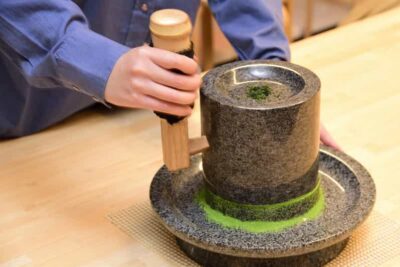
Tea Museum Tickets and Matcha Grinding Experience
Read our review →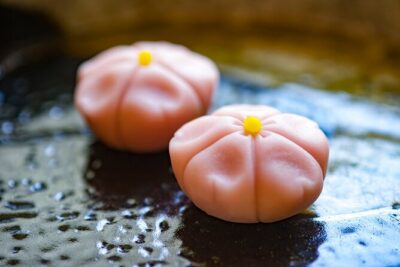
Matcha Making Class in Osaka with Authentic Japanese Sweets Set
Read our review →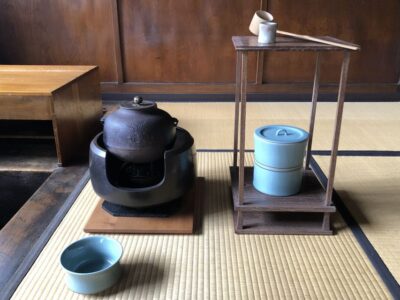
Tea Ceremony Meditation – Make Matcha with Tea Master
Read our review →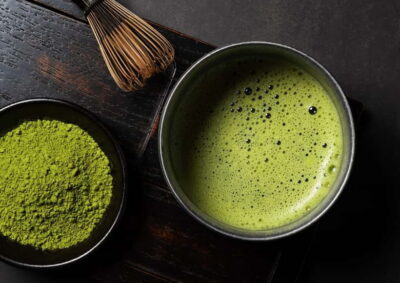
Matcha Making Experience with Mochi Sweets in Asakusa
Read our review →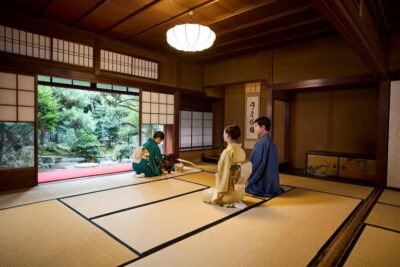
Browse the lists this tour appears in