
Review · JAPAN
Asakusa Cultural Walk & Matcha Making Tour
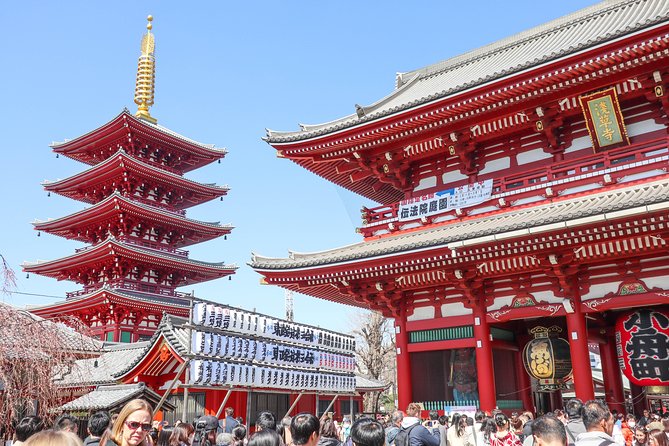
Asakusa is at its best when you move beyond the famous gate and temple approach. This three-hour walk adds two hands-on experiences that turn sightseeing into participation: making matcha at a teahouse and cooking monjayaki or okonomiyaki at a local restaurant.
I like the small group size, capped at eight, because it gives you room to ask questions and follow a guide through busy streets without feeling like part of a parade. I also like the timing: starting at 11 a.m. and ending around 2 p.m. leaves your afternoon free for shopping, museums, or more exploring in Asakusa.
The main drawback is that the advertised food experience may not always match the meal served. One booking received okonomiyaki instead of the expected monjayaki, and the included snack was missed. People with gluten intolerance should choose another tour, and allergy accommodations cannot be guaranteed.
Key points to know before you book
- Make your own matcha: The 55-minute tea stop gives you time to learn the process, not just sip a prepared cup.
- Cook lunch yourself: Your meal includes monjayaki or okonomiyaki and one drink, with a vegetarian option available.
- Keep the group small: A maximum of eight people makes conversation with the guide much easier.
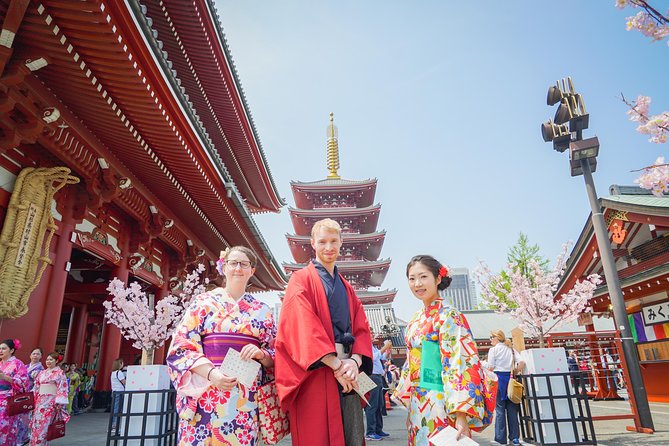
- See Asakusa beyond Senso-ji: The route includes Nakamise, Asakusa Shrine, Hoppy Street, and local food stops.
- Plan for a three-hour block: The tour runs from about 11 a.m. to 2 p.m., with no need to pay for the guide’s meal.
- Watch the limitations: The route is not fully suitable for wheelchairs or strollers, and large bags are not allowed.
Why this Asakusa walk feels more useful than a temple visit alone
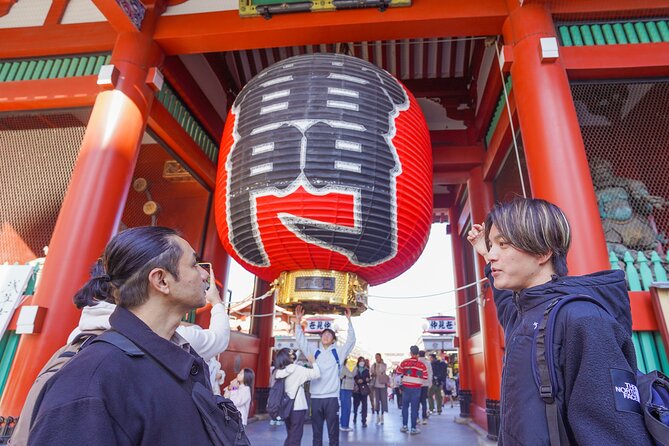
Senso-ji is easy to reach and easy to visit on your own. You can follow the crowds through Kaminarimon, stroll along Nakamise, and reach the temple without help. What you cannot get as easily is the local context: how to behave at a shrine, what parts of the visit matter, which foods are worth trying, and where the neighborhood changes from sightseeing zone to everyday Asakusa.
That is the purpose of this experience. You walk through the major sights, but the guide also explains Japanese customs and local routines along the way. The result is less about checking off monuments and more about learning how to read the district.
The tour is led in English and stays small, with no more than eight participants. That matters in Asakusa, where narrow lanes and crowded approaches can make a large group awkward. Guides including Hina, Nori, and Ramesh have each been singled out for their friendly approach, clear explanations, and ability to keep the mood relaxed.
This is not a quiet, private walk. You will be in one of Tokyo’s busiest sightseeing districts. But the small group keeps the experience personal enough for questions and conversation.
More Matcha Experiences in Japan:
- World Heritage Kyoto & Nara Uji Authentic Matcha Experience
★ 5.0 · 1,573 reviews - Kyoto: Arashiyama Bamboo Forest, Monkeys, Matcha & Temple Tour
★ 5.0 · 759 reviews - Matcha Making Class in Tokyo with Authentic Japanese Sweets Set
★ 5.0 · 744 reviews
Starting near Kaminarimon
The meeting point is in front of the Kaminarimon Police Box, about three minutes from Asakusa Station on the Ginza Line, Exit 1. Look for the guide holding a red or orange sign.
Arrive early. The group leaves on time, and if you miss the departure, you cannot join later, receive a refund, or reschedule. This is especially important if you are arriving by train and need to find the right exit.
The listed starting location also refers to 纏, but the practical meeting instructions point you to the police box by Kaminarimon. I would follow the police box directions and allow a few extra minutes to get oriented.
Do not bring large luggage or bulky bags. This is a walking tour through busy streets, and storage is not provided.
Asakusa Shrine and the customs behind the visit
The route includes time at Asakusa Shrine, with visits of roughly 20 and 25 minutes shown in the schedule. The repeated shrine stop likely reflects different parts of the walking route, but the important point is that you are not simply rushing past the site for a photograph.
Your guide explains the customs connected with Japanese shrines and temples. That can include practical points such as how to approach the grounds, how to show respect, and what you are looking at when you pass through the entrance areas. These details are easy to miss when you explore alone.
Asakusa Shrine sits beside the much larger Senso-ji complex, so it offers a useful contrast. Senso-ji draws the biggest crowds and the most attention, while the shrine gives the guide room to explain local religious traditions without reducing the stop to a quick snapshot.
You should expect a standing and walking visit rather than a formal class. Wear shoes you can walk in, and keep your belongings light.
Nakamise, where shopping becomes part of the lesson
Nakamise is the traditional shopping street leading toward Senso-ji. The scheduled visit lasts about 20 minutes, enough to point out the types of souvenirs, snacks, and small items commonly sold in the area.
A guide adds value here by helping you decide what is worth your time and money. Asakusa has plenty of attractive packaging and familiar tourist goods, but you may not want to buy the first item you see. The guide can explain what to look for and how the shopping street fits into the neighborhood.
This is also the place where the experience may feel most crowded. You will walk with other people, and stopping for a snack or browsing a shop can be difficult if the group is moving. The included small snack is part of the package, but one participant reported not receiving it, so I would treat that item as a bonus rather than the main reason to book.
If you want to shop after the tour, note anything that catches your eye and return later. The tour ends near Hoppy Street, leaving the rest of the afternoon open.
More Tea Making Classes in Japan:
- Matcha Making Class in Osaka with Authentic Japanese Sweets Set
★ 5.0 · 509 reviews - Tokyo: Matcha Making Experience with Mochi Sweets in Asakusa
★ 4.9 · 388 reviews - Asakusa Cultural Walk & Matcha Making Tour
★ 5.0 · 245 reviews - Osaka: Matcha Making Experience with Japanese Sweets
★ 5.0 · 146 reviews
A 55-minute matcha lesson at Kaminari Issa
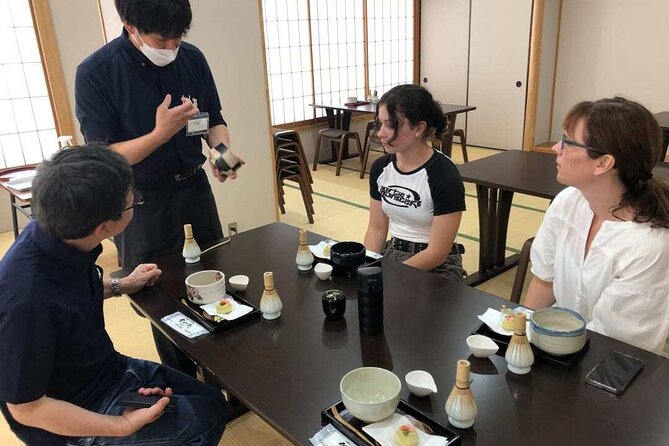
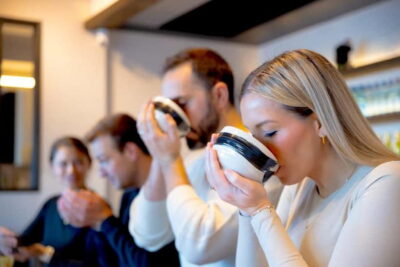
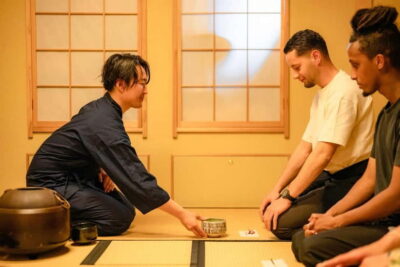
The longest stop is at Kaminari Issa, where you spend about 55 minutes on matcha making and tasting. This is more substantial than a quick tea demonstration. You get time to follow the steps, prepare the powdered green tea, and taste the result.
The experience is designed to explain both the method and the meaning behind matcha. Your guide can connect the drink with Japanese customs and tea culture, giving you a better sense of why the preparation is deliberate rather than treating it as an ordinary cup of tea.
Hina has received especially strong praise for this part of the experience. She explains the history and cultural role of tea, demonstrates each stage patiently, and makes room for questions. Her approach is useful if you have never tried making matcha before, but it also gives someone familiar with green tea a little more context.
The matcha is presented as the highest-ranked matcha used in the experience. That is appealing for tea fans, though the phrase does not come with a grading system or independent ranking in the supplied details. I would enjoy it as a premium tasting rather than treat the claim as a formal guarantee.
This stop gives the tour its strongest cultural focus. You are not just looking at old buildings. You are learning a small practice with your own hands, then tasting the result.
Hoppy Street and the food side of Asakusa
After the tea stop, the route heads toward Hoppy Street for about 15 minutes. Hoppy Street is known for casual food and drink spots, and it gives you a different view of Asakusa from the polished temple approach.
The walk is short, but the setting helps explain how the neighborhood works after the main sightseeing route. You get a look at a more relaxed food-and-drink side of Asakusa, then finish the tour nearby after lunch.
The route is not built around a long list of attractions. That is a strength if you prefer time for conversation and food, but a limitation if you want a full historical tour of every major landmark. The experience gives you a focused introduction rather than an exhaustive city tour.
Cooking monjayaki or okonomiyaki for lunch
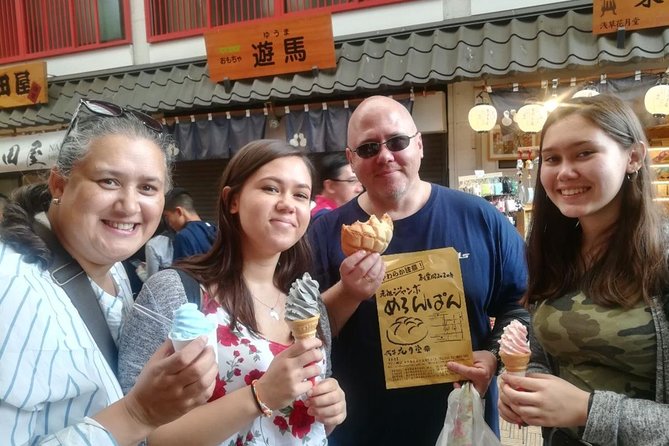
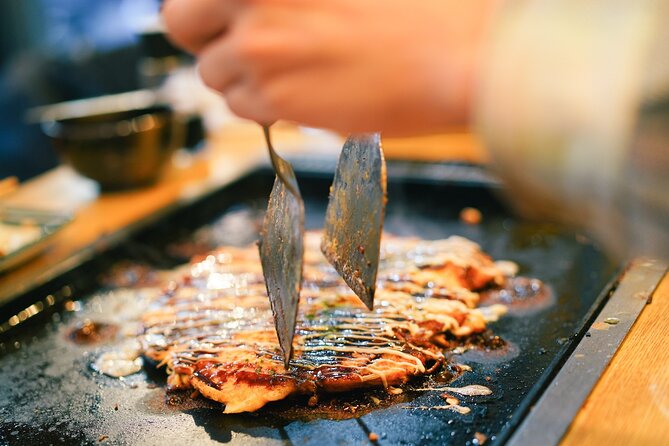
Lunch takes about 40 minutes at a local restaurant or café stop. You receive either monjayaki or okonomiyaki, plus one drink. You do not need to pay for the guide’s food and drink.
Monjayaki is closely associated with Tokyo and is known for its softer, more fluid texture. Okonomiyaki is a savory pancake-style dish that is familiar to many people who have eaten Japanese food abroad. Both are cooked at the table, which makes lunch part meal and part activity.
You are expected to take part in preparing the food, with the guide showing you what to do. That is a fun change from being served a finished dish, and it gives you a practical taste of Japanese dining customs.
There is an important caveat. The food served may be okonomiyaki rather than monjayaki, even though monjayaki is a major reason some people choose this tour. If you have already tried okonomiyaki several times, you may feel disappointed by the change. I would book this for the cooking experience and the local meal, not on the assumption that monjayaki is guaranteed.
A vegetarian menu is available. The tour is not suitable for people with gluten intolerance, and it is not vegan. Kitchens used by the operator cannot guarantee allergy-free preparation, and substitutions may not be possible at every stop. Tell the operator about dietary needs before booking, but do not assume they can be met.
What the three-hour schedule means for your day
The tour starts at 11 a.m. and ends at about 2 p.m. That timing works well if you want a late-morning introduction to Asakusa followed by an afternoon of independent exploring.
You can return to shops you noticed on Nakamise, continue around Senso-ji, or look for additional food and drink near Hoppy Street. The tour does not consume your whole day, which is helpful if Asakusa is one stop in a larger Tokyo plan.
The pace includes several walking sections, two shrine or temple-area visits, a tea session, and lunch. You should be comfortable walking and standing for three hours, though no exact walking distance is provided.
The route includes places that are not accessible by wheelchair or stroller. Families are welcome, and the activity is suitable for all ages, but parents should consider the narrow streets, crowds, and walking pace before reserving.
Is $88 a fair price?
At $88 per person, this is not the cheapest way to see Senso-ji. You can visit the temple grounds and Nakamise on your own for little or no admission cost. The price makes more sense when you count the guide, the small snack, lunch with a drink, the matcha session, and tour photos.
I see the strongest value in the combination of food and instruction. A self-guided visit gives you the sights, but it will not arrange a tea-making lesson and a cook-your-own lunch in one three-hour block. The small group also saves you from navigating every stop alone.
The value drops if you mainly want a guaranteed monjayaki meal or a large amount of food. The snack may not appear, and the main dish can change to okonomiyaki. Additional food and drinks cost extra.
The free cancellation window is practical: you can cancel up to 24 hours in advance for a full refund. You can also reserve now and pay later, which helps if your Tokyo schedule is still shifting.
Who will enjoy this experience most
I would recommend this tour to first-time visitors who want a clear introduction to Asakusa without spending a full day on a formal history walk. It also suits couples, families with older children, friends, and solo visitors who like meeting a few people while exploring.
It is particularly good for you if:
- You want a local guide rather than a self-guided temple visit.
- You like food experiences that involve preparing the meal.
- You are curious about matcha beyond simply ordering it in a café.
- You prefer a small group to a large sightseeing bus.
- You want your afternoon free after the tour.
I would think twice if you have strict dietary requirements, cannot eat gluten, need a fully wheelchair-accessible route, or specifically want monjayaki with no substitution. You may also prefer a different activity if your main goal is quiet temple photography, since Asakusa is busy and the schedule includes food stops.
Should you book the Asakusa Cultural Walk and Matcha Making Tour?
Book it if you want to connect Asakusa’s best-known sights with hands-on Japanese culture. The matcha session, local lunch, and small group give the $88 price a reasonable basis, and guides such as Hina, Nori, and Ramesh have shown the warm, personal style that makes this kind of walk work.
Go in with realistic expectations. The snack may be missed, lunch may be okonomiyaki instead of monjayaki, and the route is not ideal for gluten-free diets, strollers, or wheelchairs. If those limits fit your plans, this is a practical way to see Asakusa, eat something local, and leave with more than another temple photograph.
FAQ
How long does the Asakusa Cultural Walk and Matcha Making Tour last?
The tour lasts three hours, starting at 11 a.m. and ending at around 2 p.m.
Where does the tour meet?
The meeting point is in front of the Kaminarimon Police Box near Senso-ji, about three minutes from Asakusa Station’s Ginza Line Exit 1. The guide holds a red or orange sign.
Is lunch included?
Yes. Lunch includes either okonomiyaki or monjayaki and one drink. A vegetarian menu is available, but the meal is not vegan or guaranteed gluten-free.
Is the tour suitable for children?
Yes. The activity is listed as suitable for all ages. Keep in mind that it includes walking, standing, busy streets, and locations that may not be accessible to strollers.
How many people are in the group?
The group is limited to eight participants and is led by an English-speaking local guide.
Can I cancel the booking?
You can cancel up to 24 hours in advance for a full refund. The reserve-now, pay-later option lets you hold a place without paying immediately.
More Walking Tours in Japan
- Kyoto Tea Ceremony & Kiyomizu-dera Temple Walking Tour
★ 5.0 · 115 reviews - Uji: UNESCO Heritage & Tea Ceremony Walking Tour
★ 4.6 · 54 reviews - The Way of Tea: Kyoto Crafts, Hidden Temples & Wabi-Sabi Walk
★ 5.0 · 41 reviews - Matcha Grinding Experience and Walking Tour in Uji Kyoto
★ 5.0 · 26 reviews
Just added around Japan
- Yokohama : Tea Ceremony with Sweets and Souvenir★ 5.0 · 5 reviews
- Whisk Your Own Matcha: A Zen Matcha Experience at Temple★ 3.6 · 7 reviews
- Walking Tour: Yanaka,Nezu& Sendagi: Tea Ceremony & Old Tokyo★ 5.0 · 3 reviews
- Visit local home for music and tea ceremony near Disney★ 4.9 · 13 reviews
- Yokohama: Sushi & Gyoza Cooking with Matcha & GreenTea Experience★ 5.0 · 3 reviews
- Trip to Kamakura & Enoshima: Shrines, Seaside, Temples &Tea★ 5.0 · 11 reviews
- Kyoto tea town for matcha lovers★ 5.0 · 16 reviews
- Uji: Private immersion into Kyoto’s tea and reglious culture★ 5.0 · 17 reviews
Tea Making Classes, compared.

Matcha Making Class in Tokyo with Authentic Japanese Sweets Set
Read our review →
Traditional English Scone Making and Tea Workshop
Read our review →
Matcha Making Class in Osaka with Authentic Japanese Sweets Set
Read our review →
Matcha Making Experience with Mochi Sweets in Asakusa
Read our review →London Traditional English Scone Making and Tea Workshop
Read our review →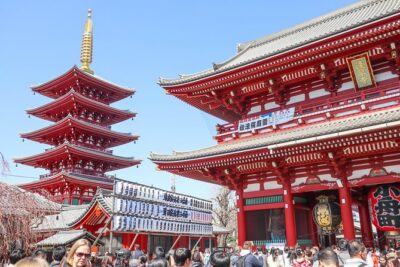
Nara:Authentic Tea Ceremony(Max 5 ppl) -Master Matcha Making
Read our review →Browse the lists this tour appears in